







Shiga Future Design Project is an endeavor to apply the perspective of Data Art & Science (DAS) to the search for new forms of local revitalization in Shiga Prefecture. PAPERSKY joined the journey and previously presented four stories covering DAS local projects in Maibara, Nagahama, Takashima, and Otsu.
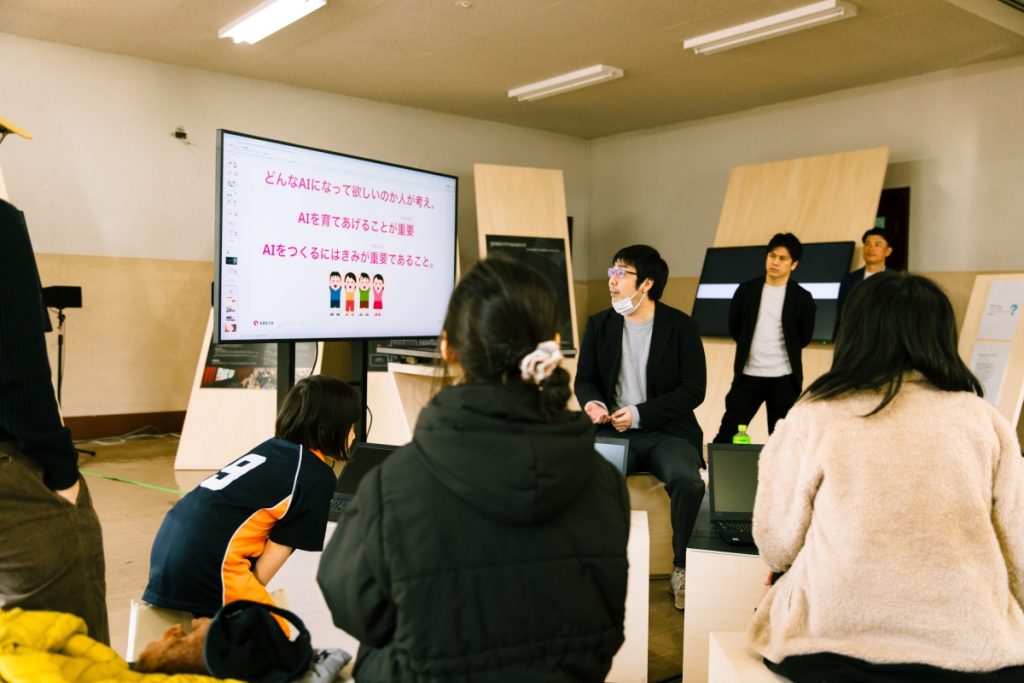
Shiga Future Thinking Week, held from March 28 to April 6, 2025, featured activity reports on the DAS local projects plus contents such as installations, workshops, and talk sessions around the concept of a “water centric” approach to exploring Shiga’s multiple potential futures.
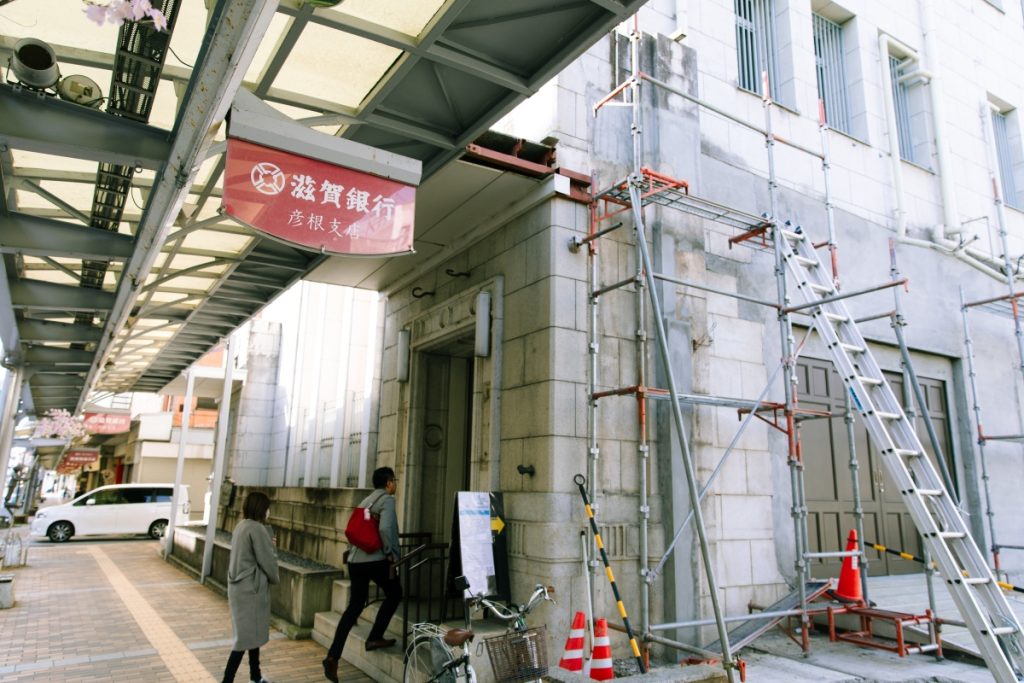

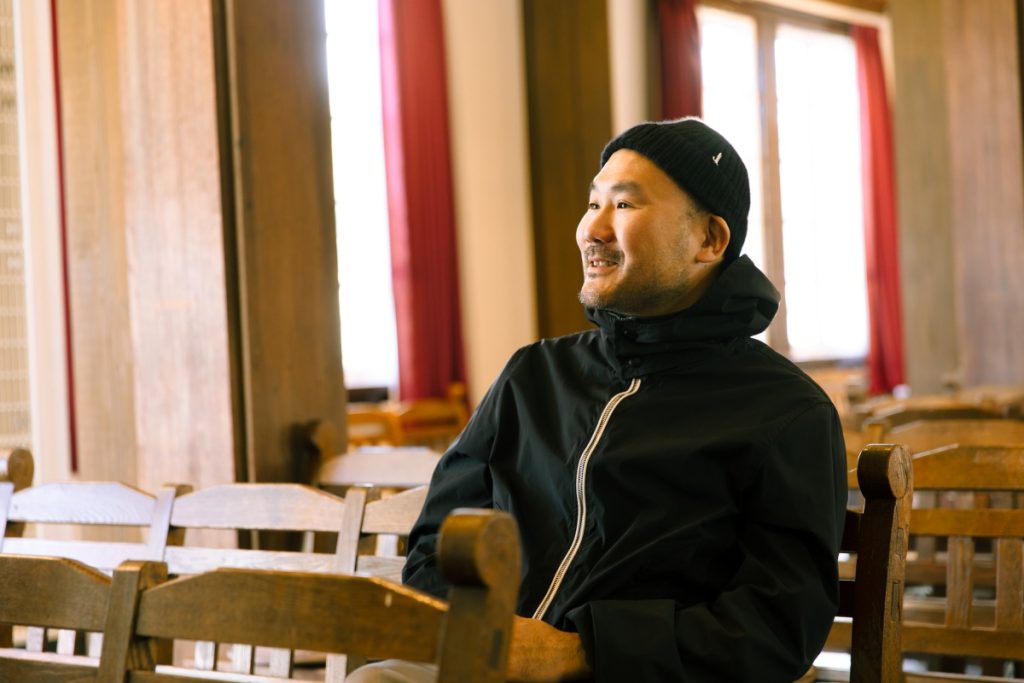
One of the organizers, Hideaki Ogawa of Ars Electronica Futurelab, says, “DAS seeks to use data sets from Shiga for local revitalization, innovation, education, and literacy development.
We hope the DAS Center will be the prototype of a base that will serve as the creative engine of Shiga’s tomorrow.”
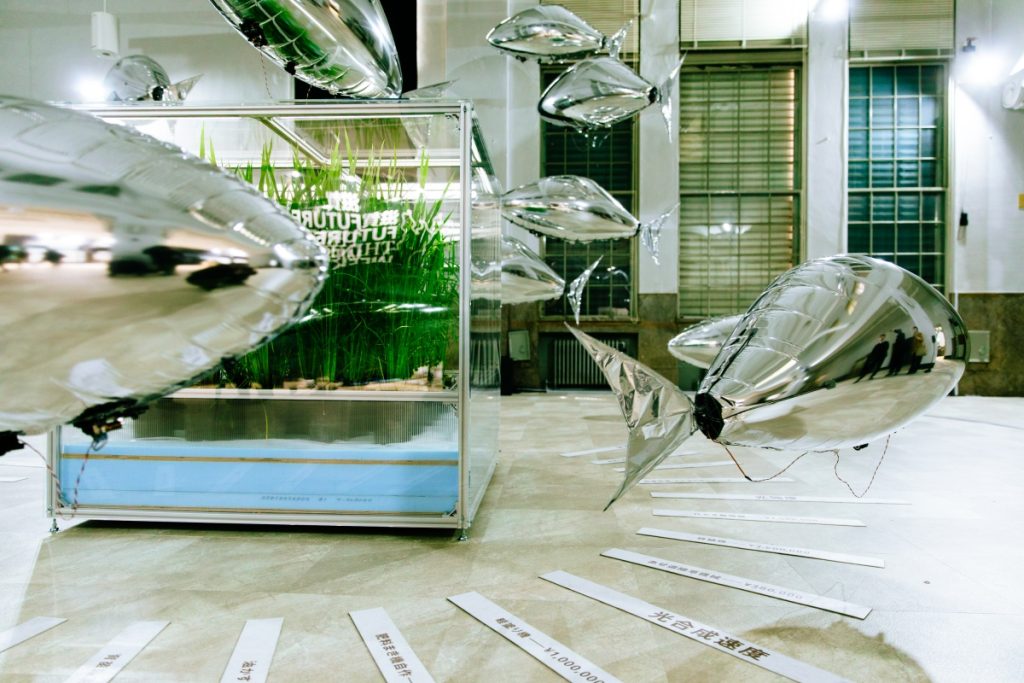
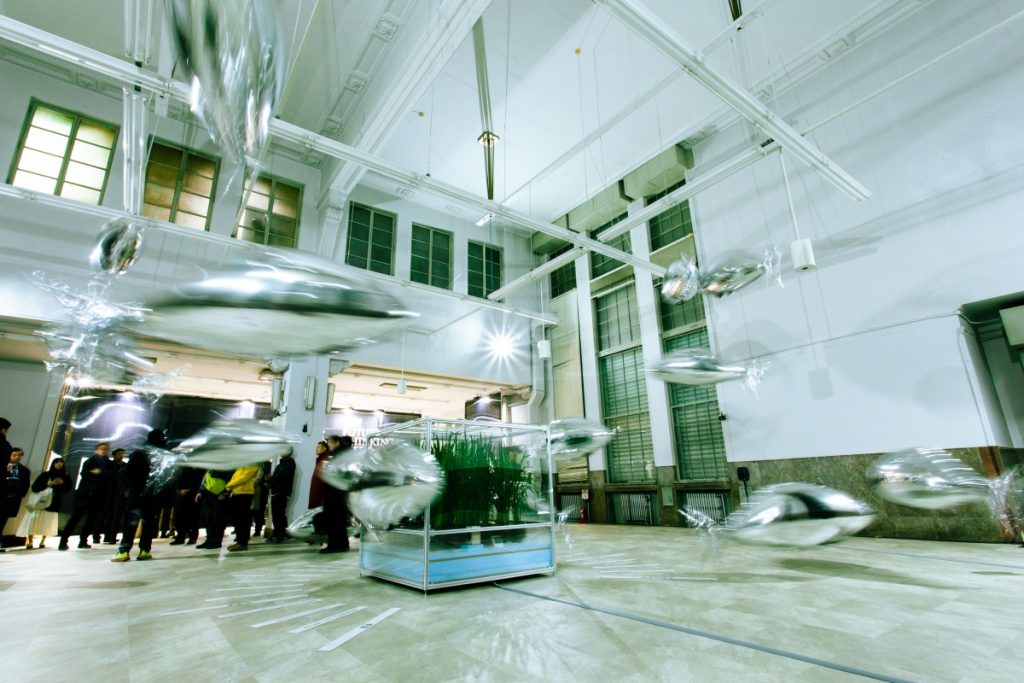
Upon entering the venue, one’s eyes are first drawn to a school of large fish floating and moving about in midair. The installation named Flock Of is the work of Thailand’s creative technology group bit.studio. Each balloon is fitted with a small computer and sensors so that the fish detect each other and objects in their surrounding environment, and affect one another as they navigate the space not automatically but autonomously.
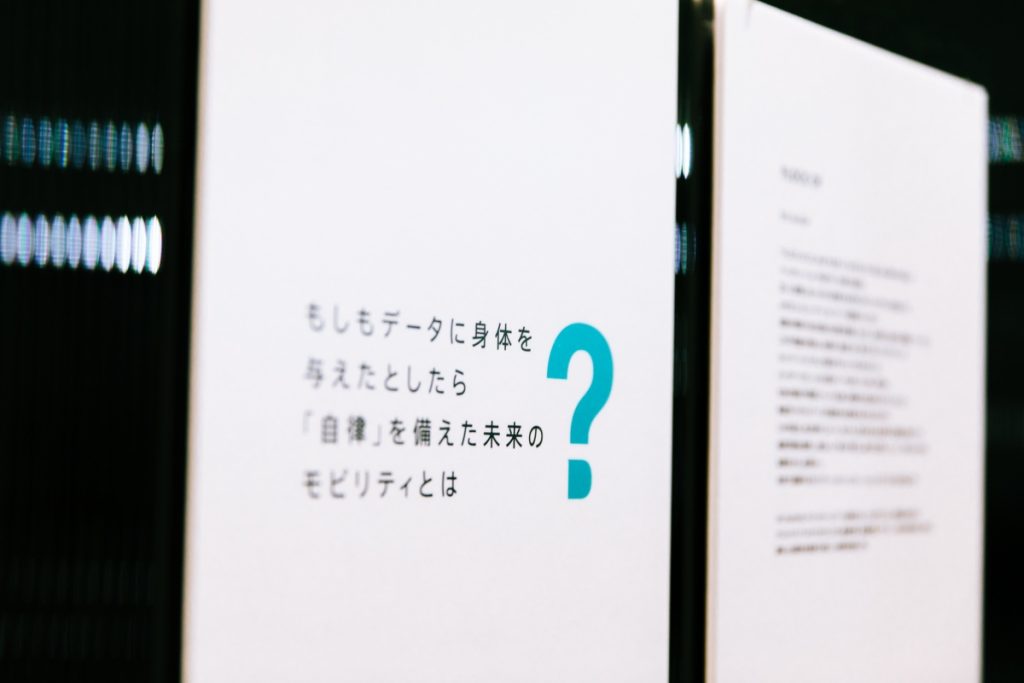

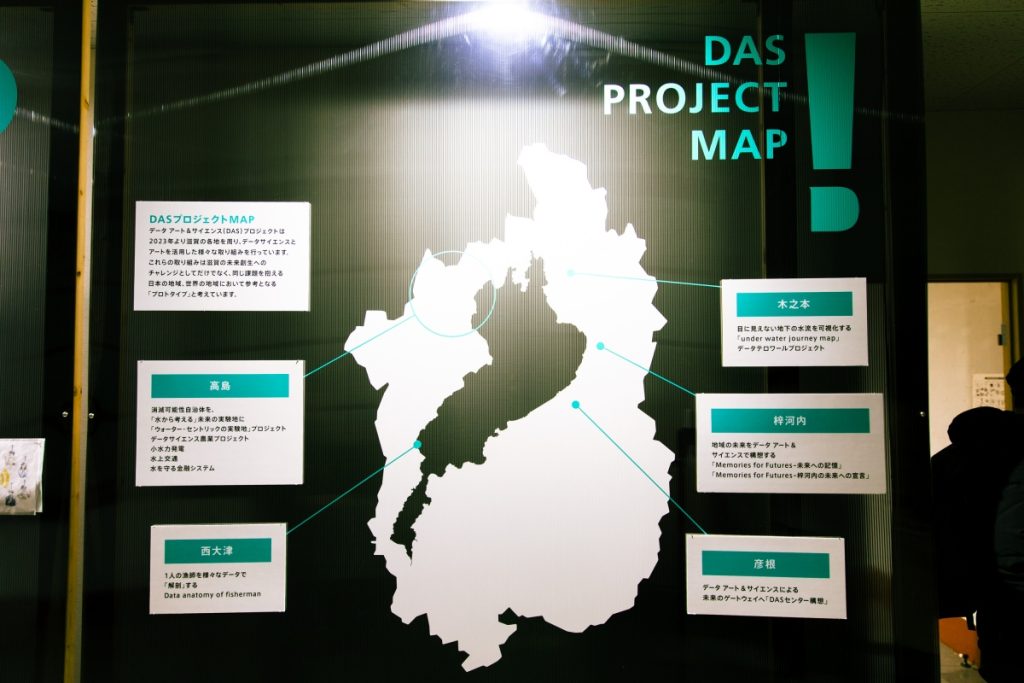
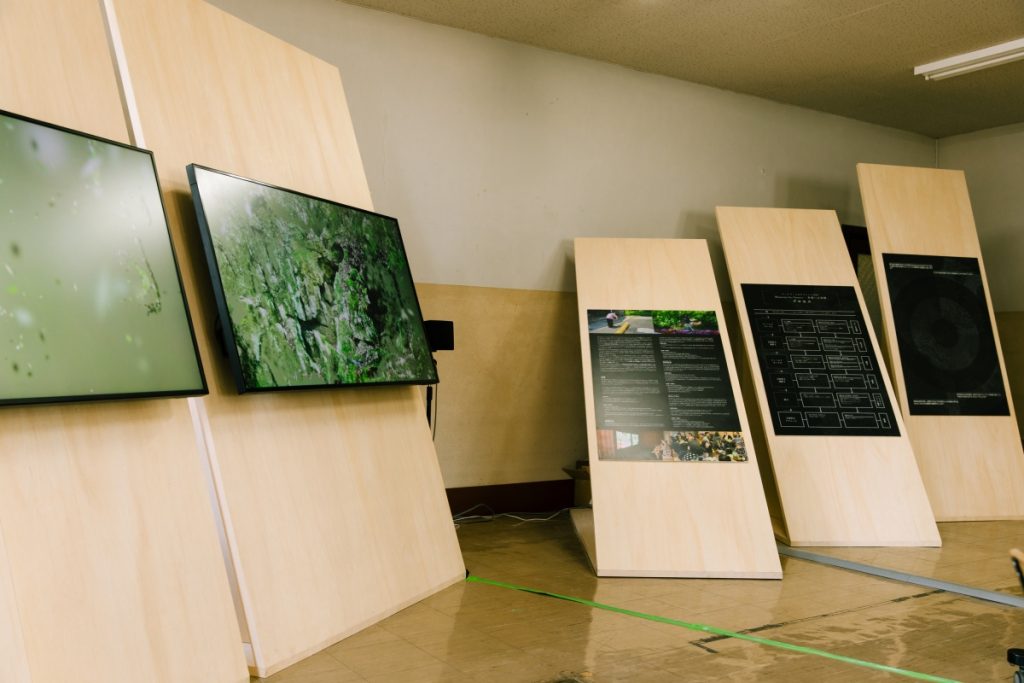
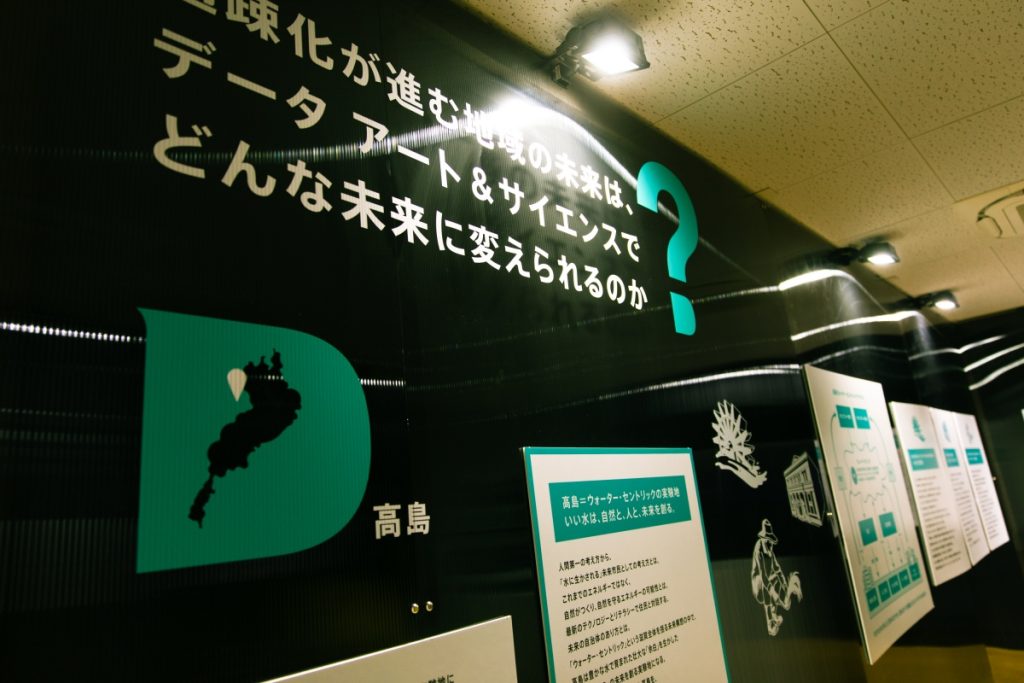
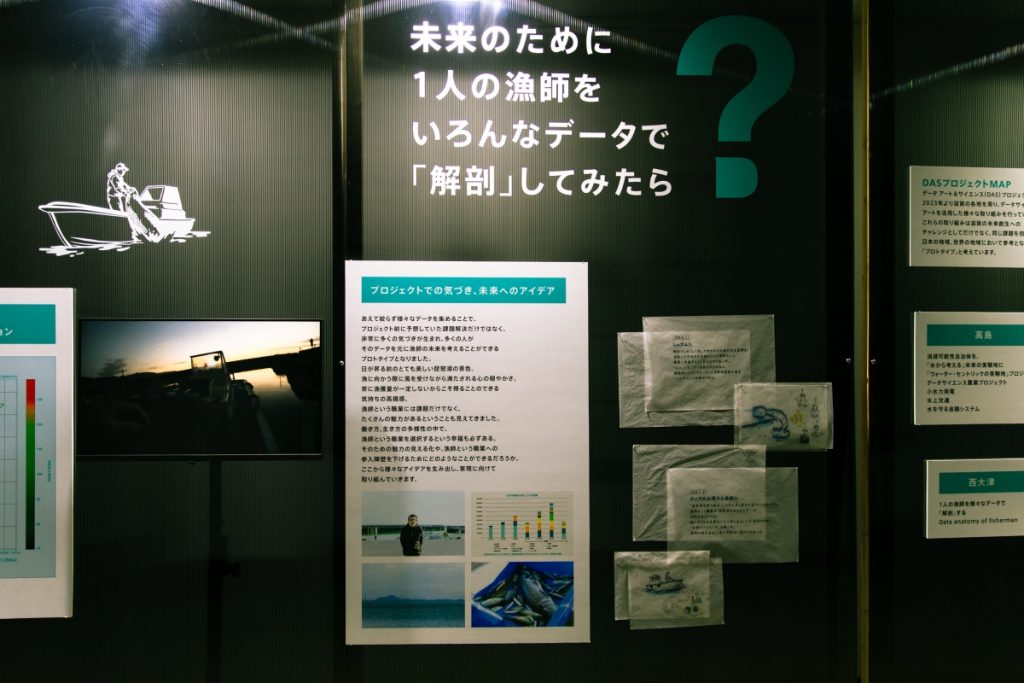
Each floor of the venue displays the activity reports on the DAS local projects along with future plans and simulations.


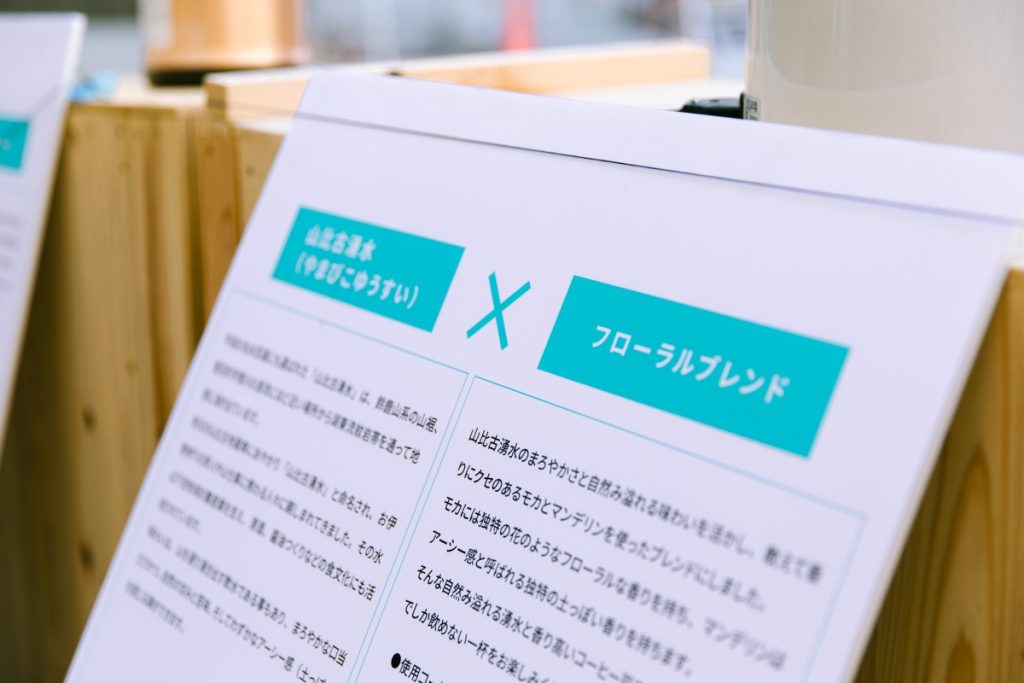
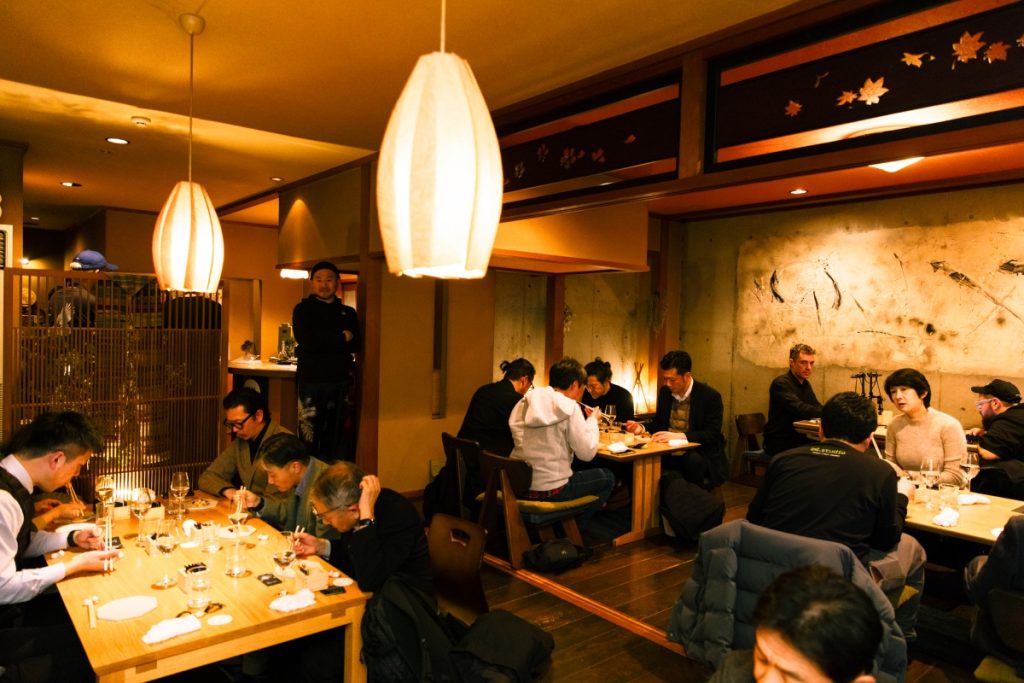
On two days, a restaurant nearby was chartered for invited guests to serve as a DAS Restaurant, (probably) the world’s first endeavor to cook and eat data, in this case themed around the waters of the Echi River in Omihachiman City.
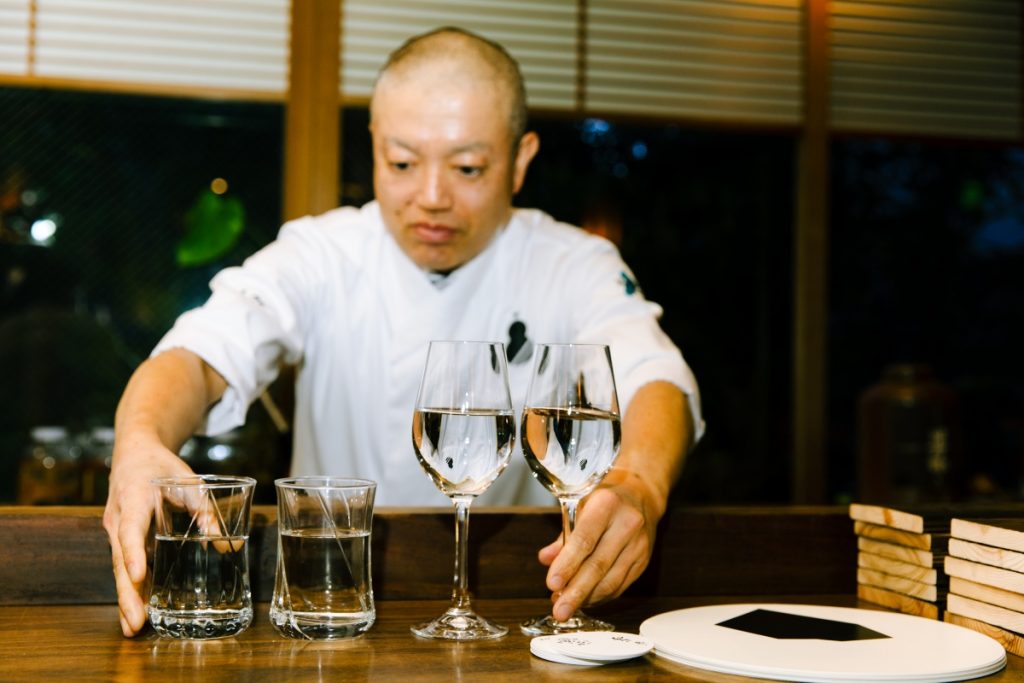
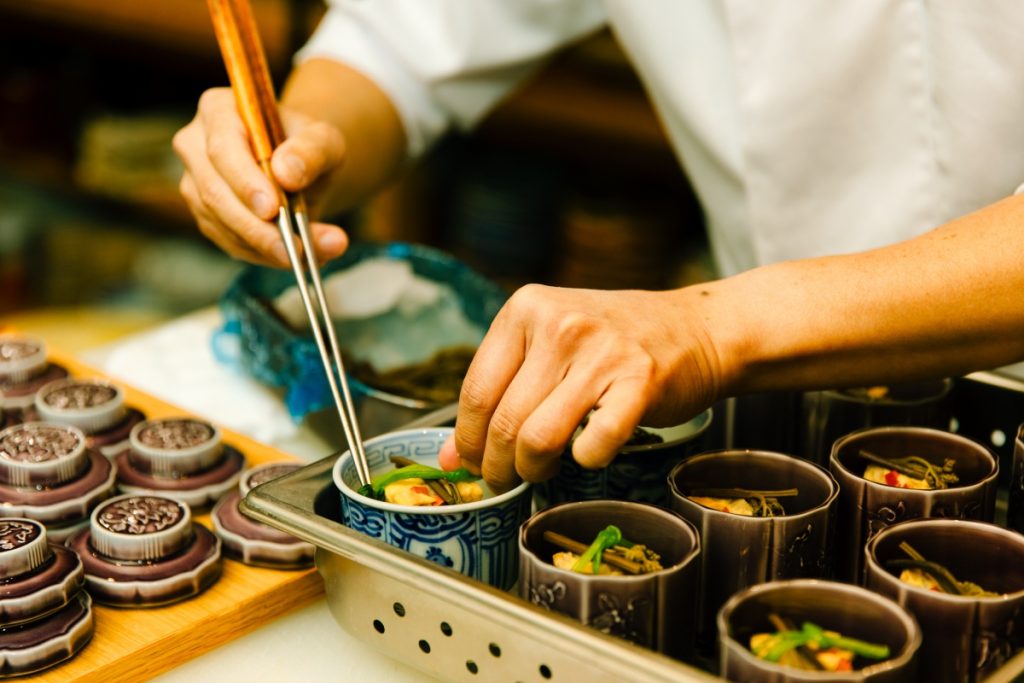
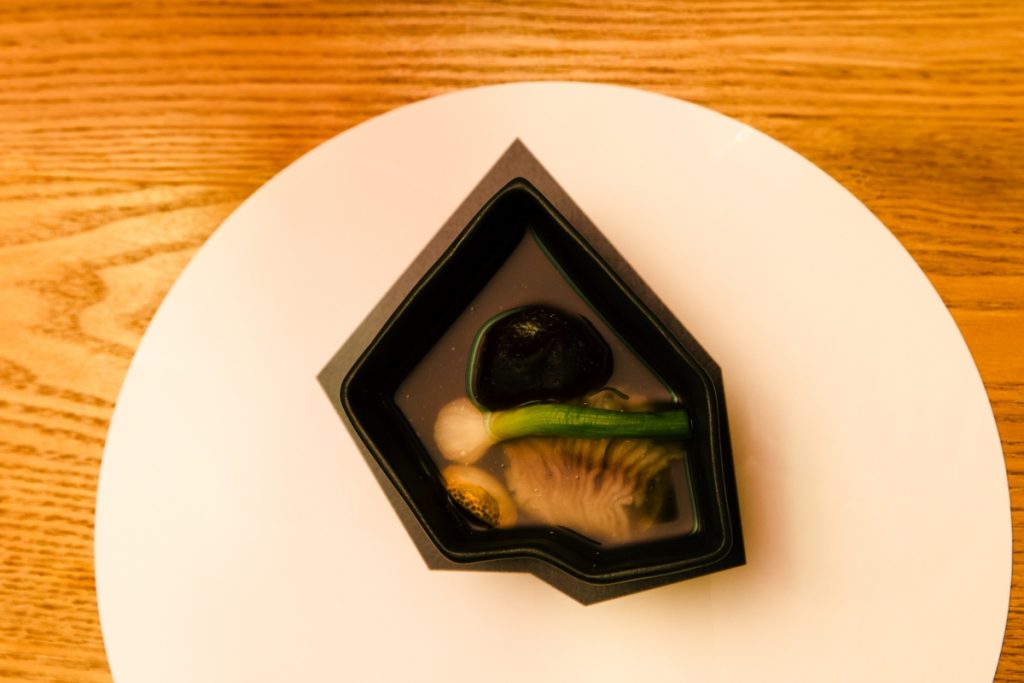
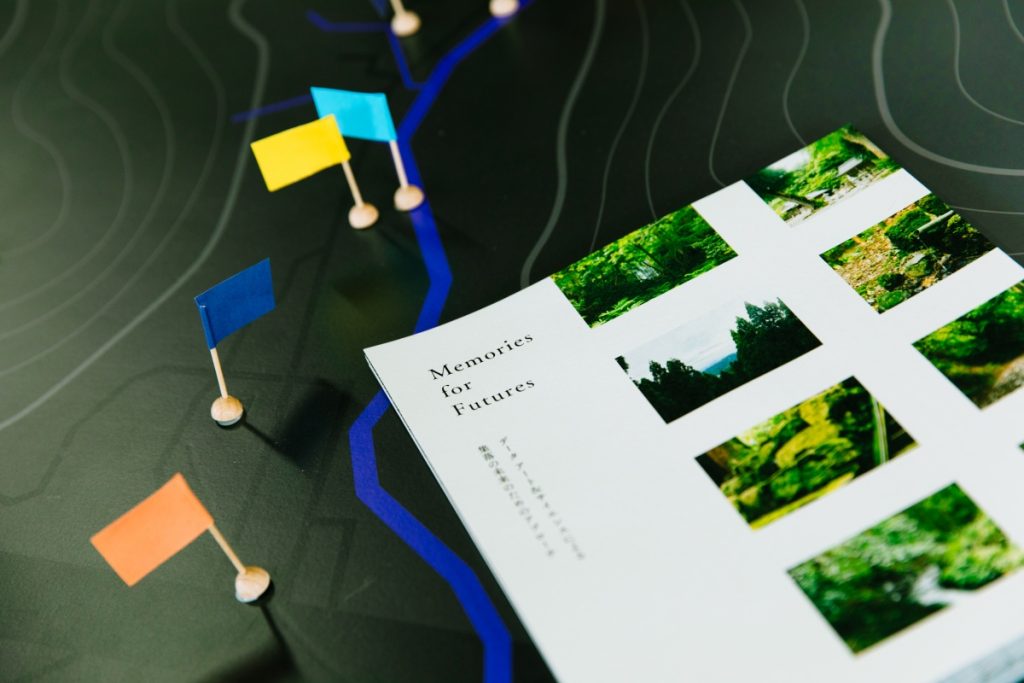
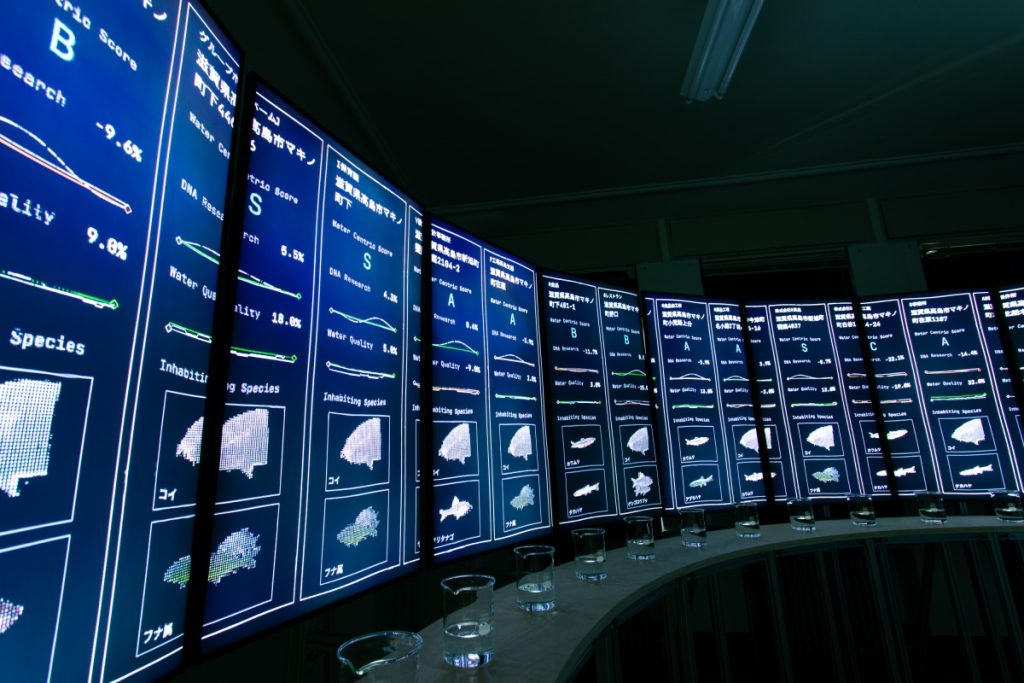
The course began with a tasting of two different waters, from the farthest upstream and the farthest downstream from Lake Biwa. Each course was served with a slip of paper indicating the nitrogen level, transparency, and other properties of the water used in the dish, in Hare and Ke (special and ordinary) bowls with charts showing happiness levels.
Having consumed the dishes made with ingredients from Shiga together with the various data on Shiga, and enjoyed the meal with all five senses, the participants took part in a historical moment in the novel approach to understanding the world through DAS.
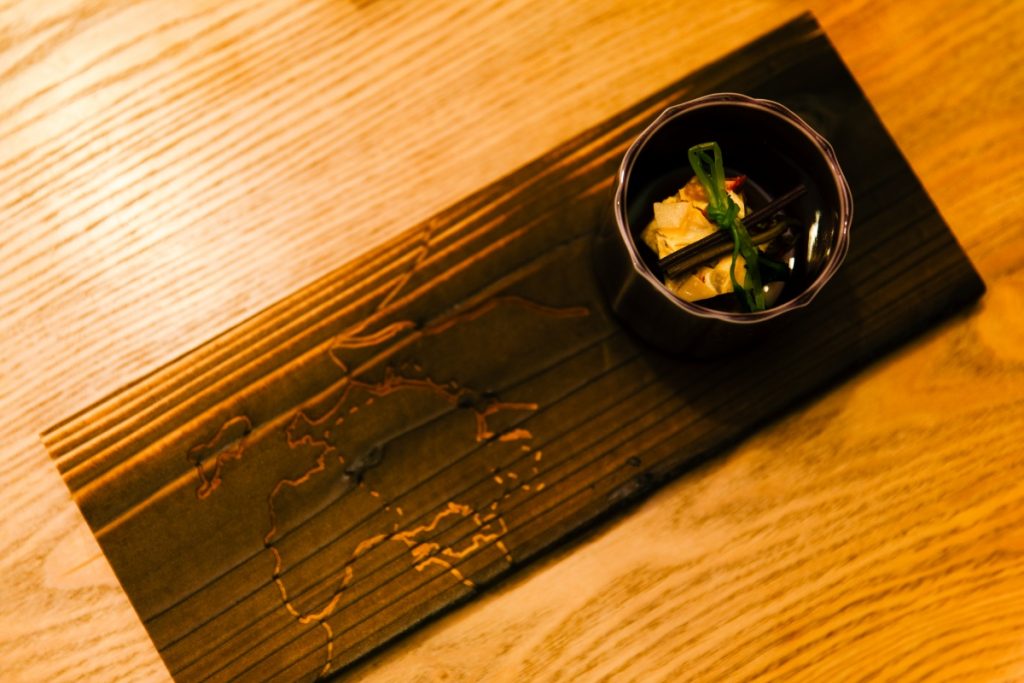
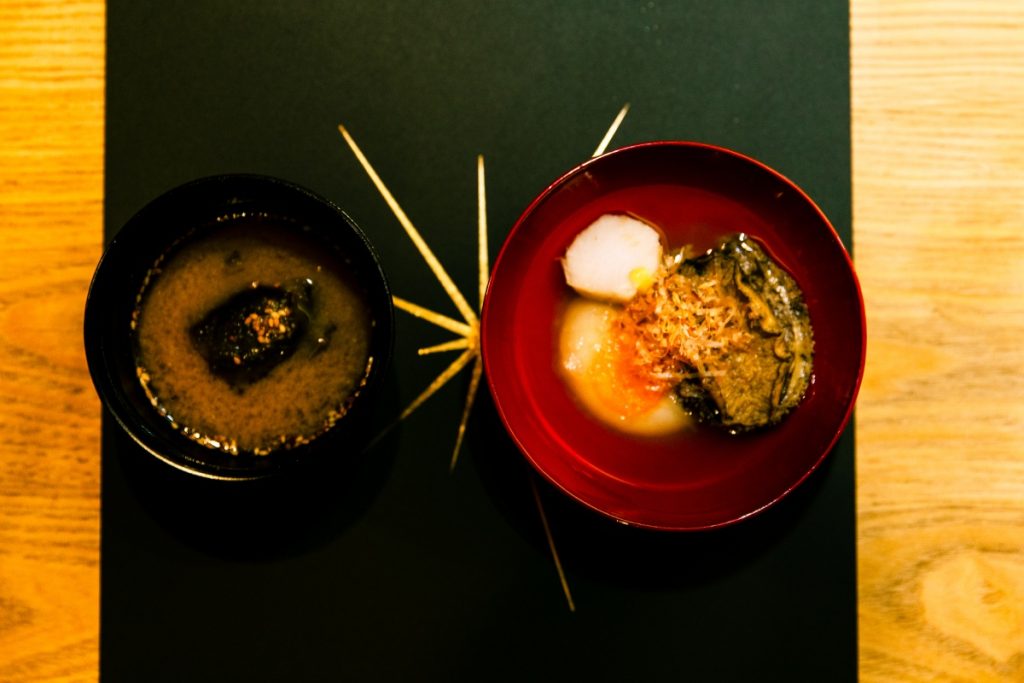
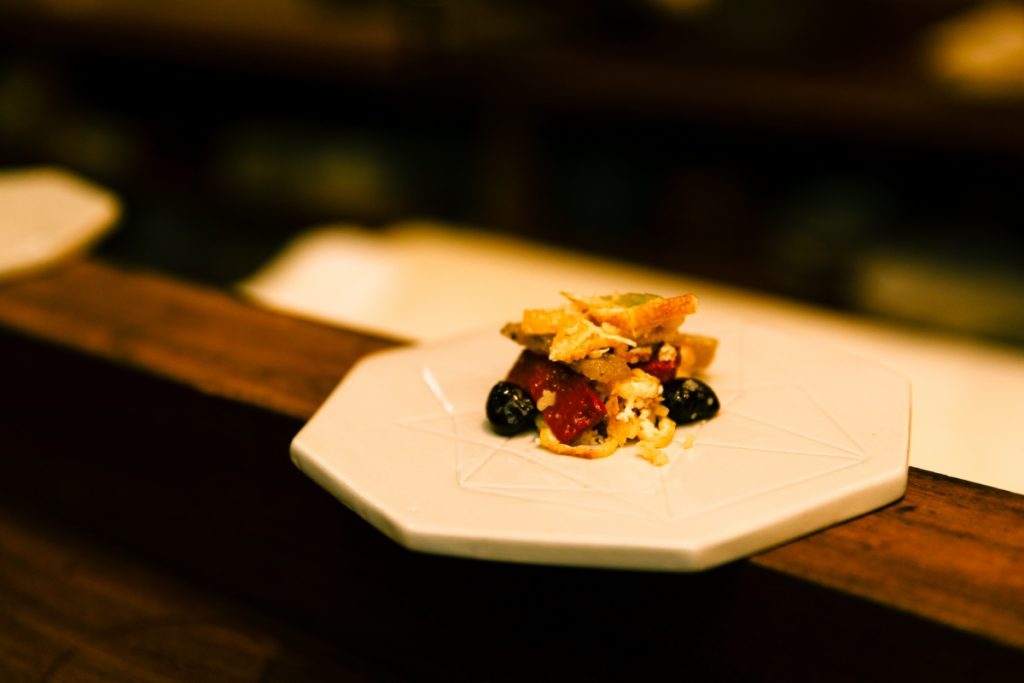
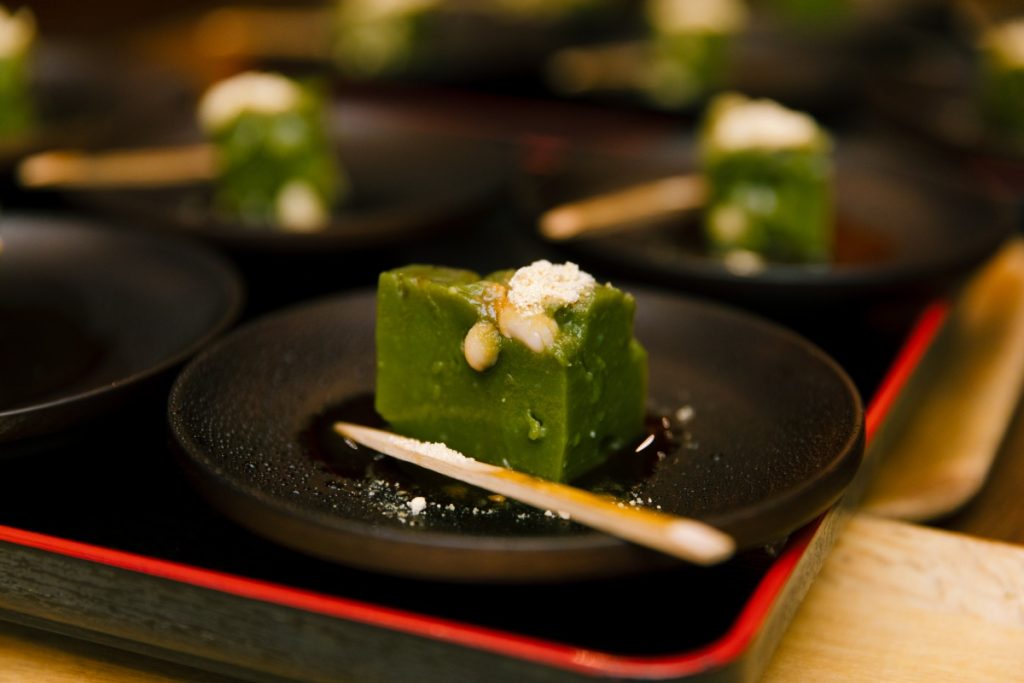
“The new meal format may have caused some confusion in the beginning,” says Hideaki, “But as the course went on, the participants became better at reading the data, and I could tell they enjoyed the fresh stimulation. I believe that experience will stay with them and inspire them to question the status quo, look at things from a different angle, change the way they perceive the world—and that’s the literacy needed for building Shiga’s multiple potential futures.”

The DAS Center was set up exclusively for this event, but having a physical space helped form a clearer picture than words alone of the significance of DAS.
“What can we do with DAS? Innovation, education, incubation—DAS can contribute to all of that. This event clearly generated that positive feeling,” says Hideaki. “Moving forward, the question is how do we translate that feeling into permanent activities.”

Data science tends to sound cold and inorganic, but the introduction of an artistic perspective puts the organic back into focus. The event was a success in demonstrating that—the significance of DAS.
A different cook could follow the same recipe and make a surprisingly different dish. Likewise, someone might have a different use in mind for the data from the DAS Restaurant. There are myriad ways to express any given data set—it’s all up to the person making use of the data.
That’s where DAS can contribute into the future. From ideas and prototypes to projects already in progress, Shiga Future Thinking Week presented the possibilities of Data Art & Science.
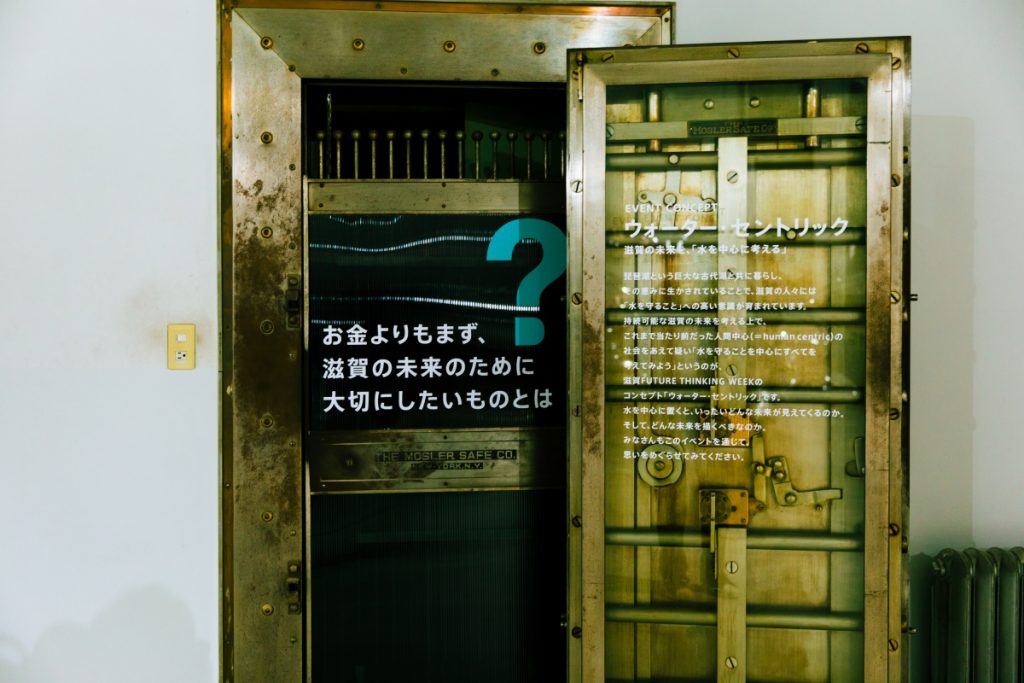
SHIGA FUTURE THINKING WEEK
https://www.sftw.jp
Shiga future design project
https://note.com/shiga_mirai/