







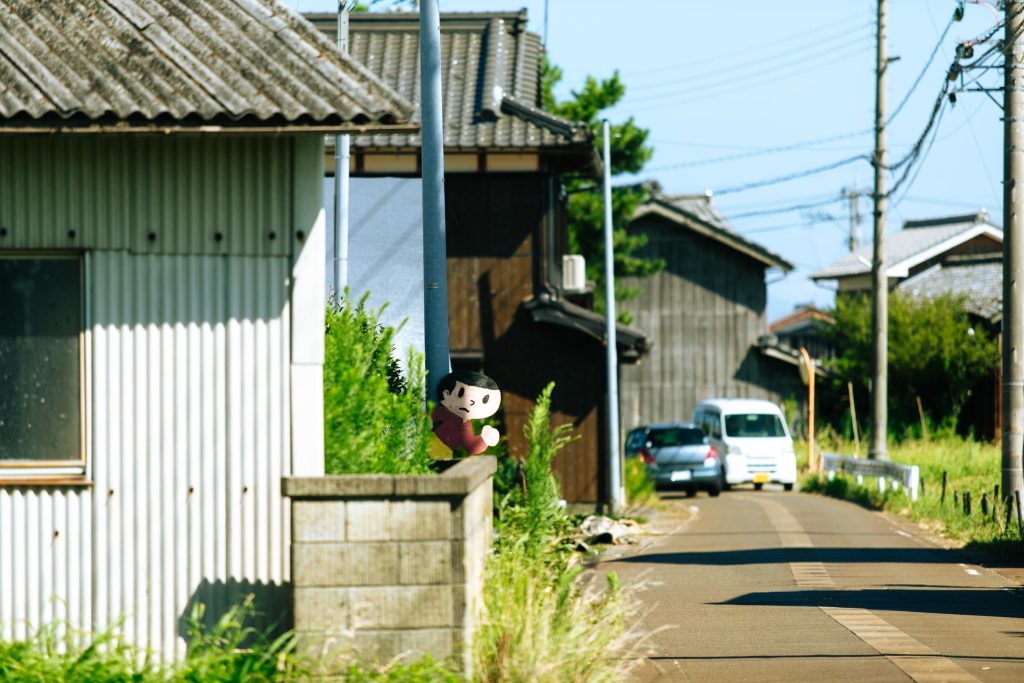
Takashima City lies along the western shore of Lake Biwa and boasts the largest municipal area in Shiga Prefecture. Takashima flourished as a hub of transportation between the Kansai and Hokuriku regions, and has been populated for so long that the name appears in the Nihon Shoki (Chronicles of Japan) completed in the 8th century.
This city steeped in history is now in danger of vanishing. It has been designated a “municipality at risk of extinction” by the Population Strategy Council based on the results of its analysis of data on future population trends (released April 2024).
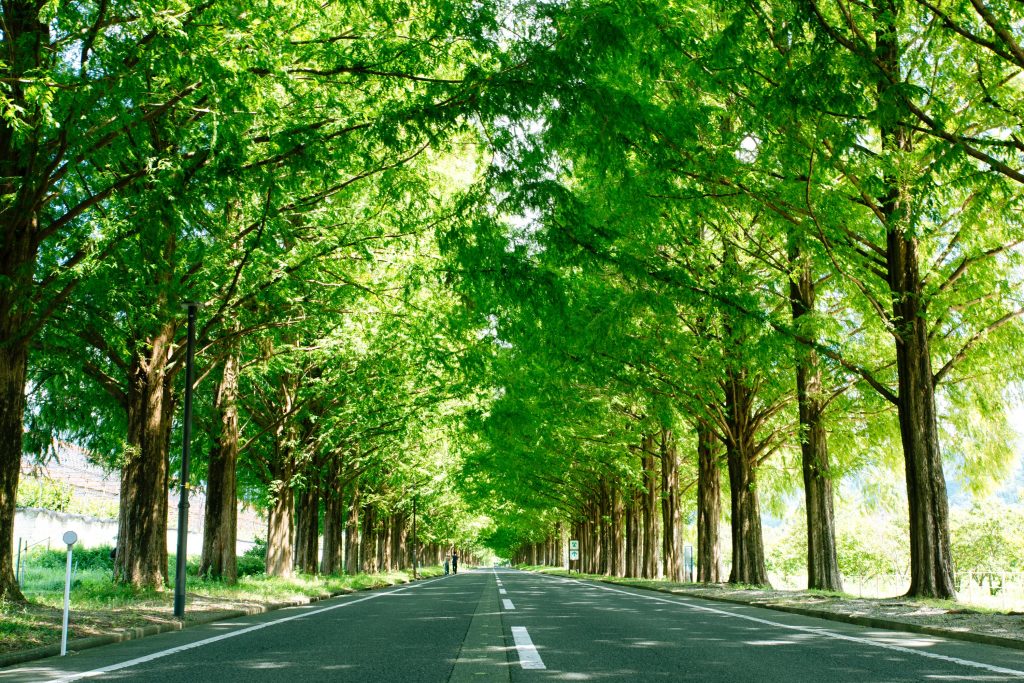
The risk may be undeniable from the viewpoint of population trends alone, but from actually taking a trip to Takashima and spending some time there, this writer would never have guessed it. Everyone I met was working with a passion, their sights set on the future.
“Plenty of people are doing unique things at the individual level. It’s just a matter of connecting the dots and presenting the big picture of Takashima,” says Wataru Kitagawa, the founder of TSC, a nonprofit organization operating a sports club and free school. Wataru is an optimistic, forward-looking native of Takashima working to make his home city better.

On average, the number of businesses per population in a city is 1/100. A city with a population of 100,000, for example, would have about 1,000 companies.
“Takashima City has a population of 45,000 and as many as 660 businesses. That’s by far the highest rate in Shiga Prefecture. We have an especially large number of family-run businesses.”
The four residents that Wataru introduced to me this time all worked in the agricultural industry, but each took a unique approach to shaping the future of Takashima.
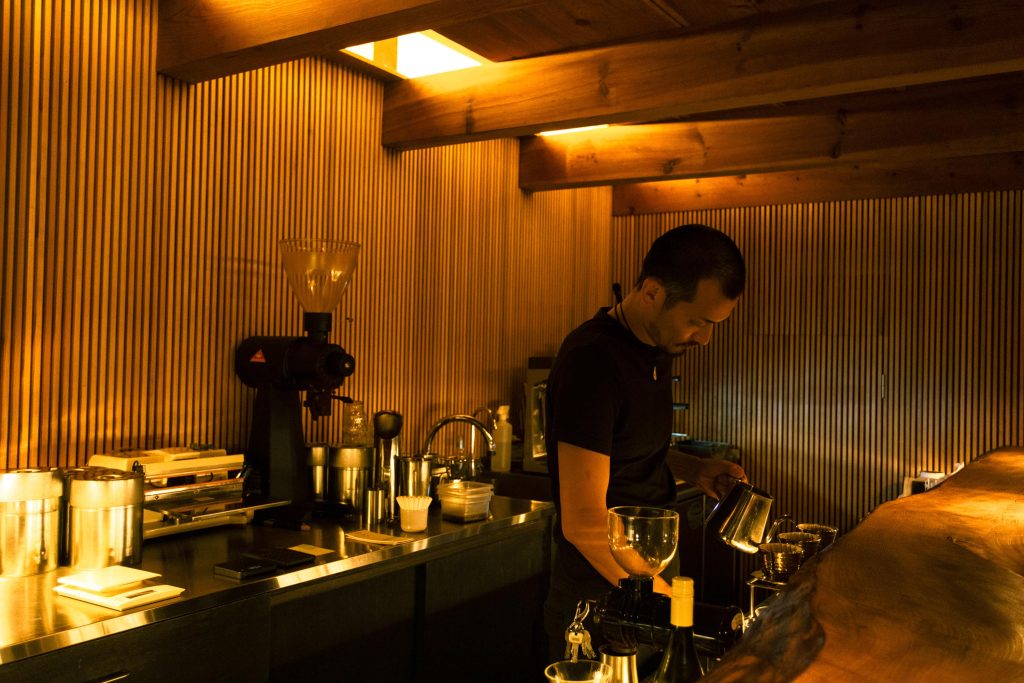
Ko Umemura, from Green Toei in the Adogawacho area, took over the regenerative agriculture business started by his father, and from there, branched out to processing his own produce for sale and running a café offering those products.
Ko had always loved the creative process. He worked at an apparel manufacturer in Tokyo until just before he turned 30 years old, and then returned to his family’s home without any special plans. Helping his family with the agricultural work, and completing the cycle from rice planting to harvest to making the processed products opened his eyes to the ultimate process of creation. “I was a typical cog in the wheel until I joined my family business. Now we do everything ourselves, from growing the ingredients to processing to selling. The sense of accomplishment is tremendous. I wouldn’t trade it for the world.”
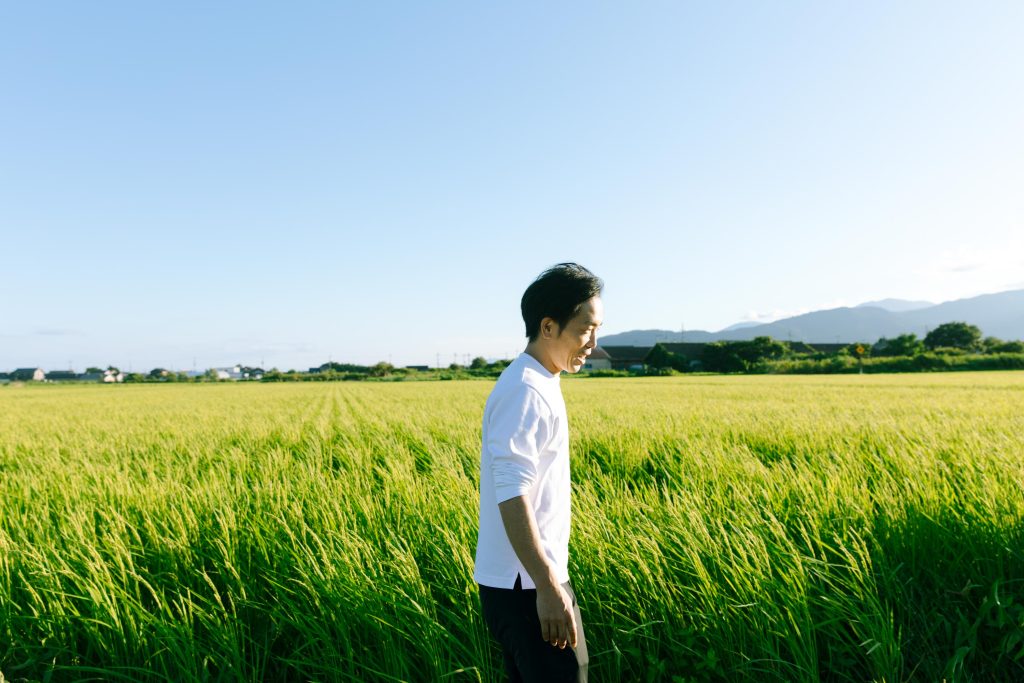
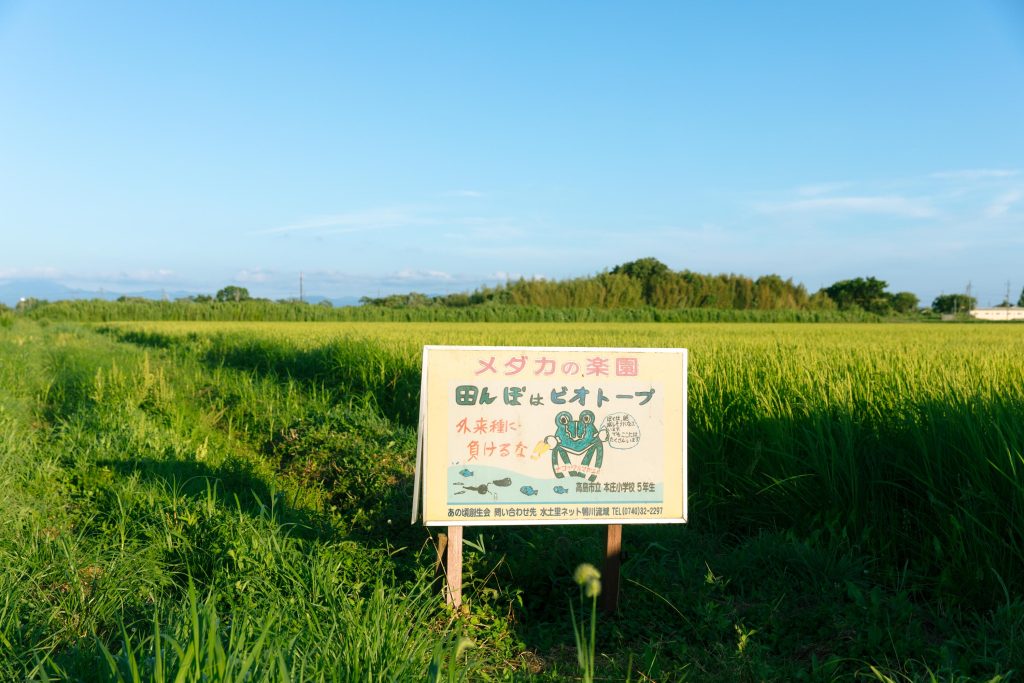
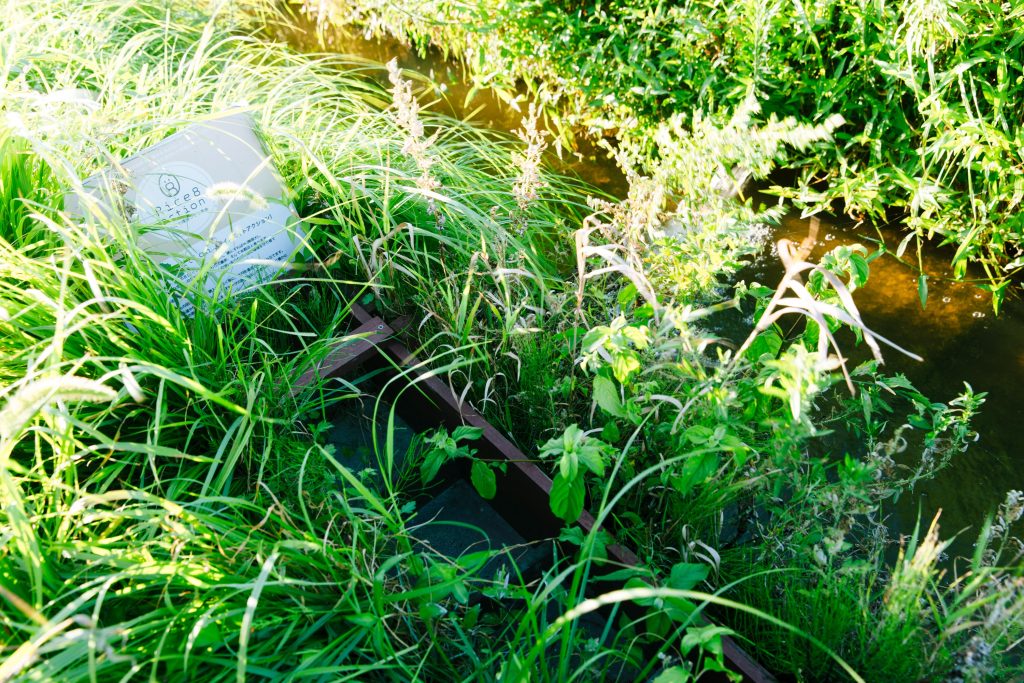
Asato Fukui lives in Makinocho Arihara, a hamlet with 38 residents in 19 households. Asato worked in an architectural firm in Osaka before migrating here 21 years ago. During the first seven years, he lived in a tent while renovating a traditional Japanese house. It took so long because his start line was harvesting the materials for the thatched roof.
“During the time I was making architectural drawings at my desk in the Osaka office, I began dreaming about building my own house. My first thought was to set up a practice of my own. But on second thought, what if I ran out of work? If I grew my own food too, at least I would stay alive. So I decided to move to the countryside.”
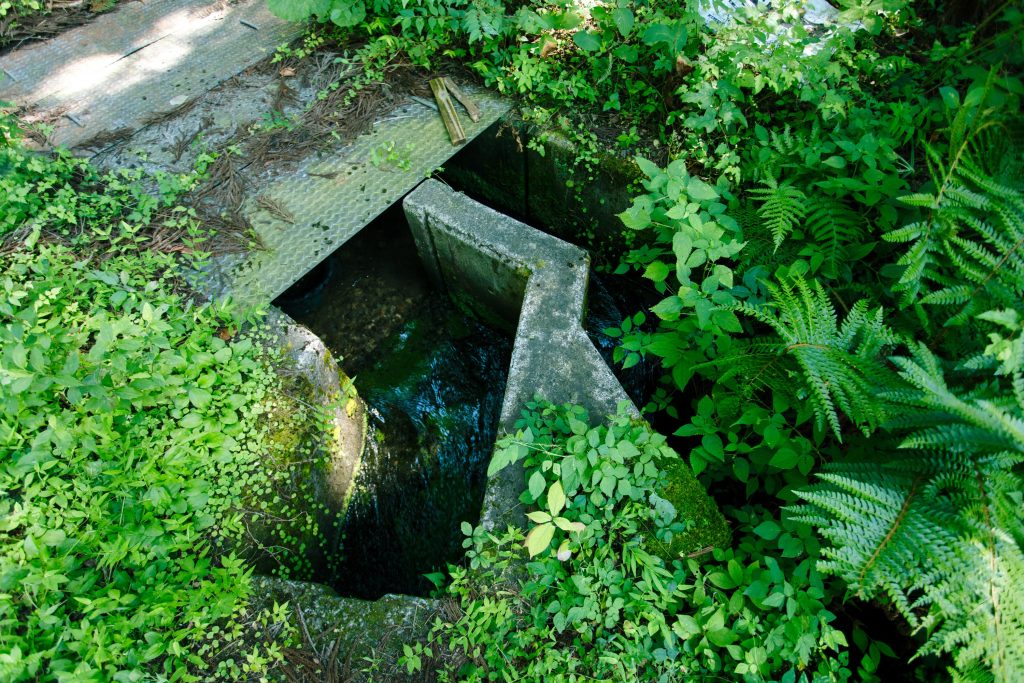
Today, Asato works as a rice farmer and middle school teacher while also giving lessons on home renovation to potential migrants—he has published a book titled Akiya kaishu no kyokasho (Vacant House Renovation 101—repurposing a closed-down school annex, and experimenting with community hydroelectric power generation using the water flowing in the river.
“I imagine the local government wants us to come down [from this remote hamlet in the mountains] and join the larger population. But if we can make something on our own, I’d like to pursue the possibilities.”

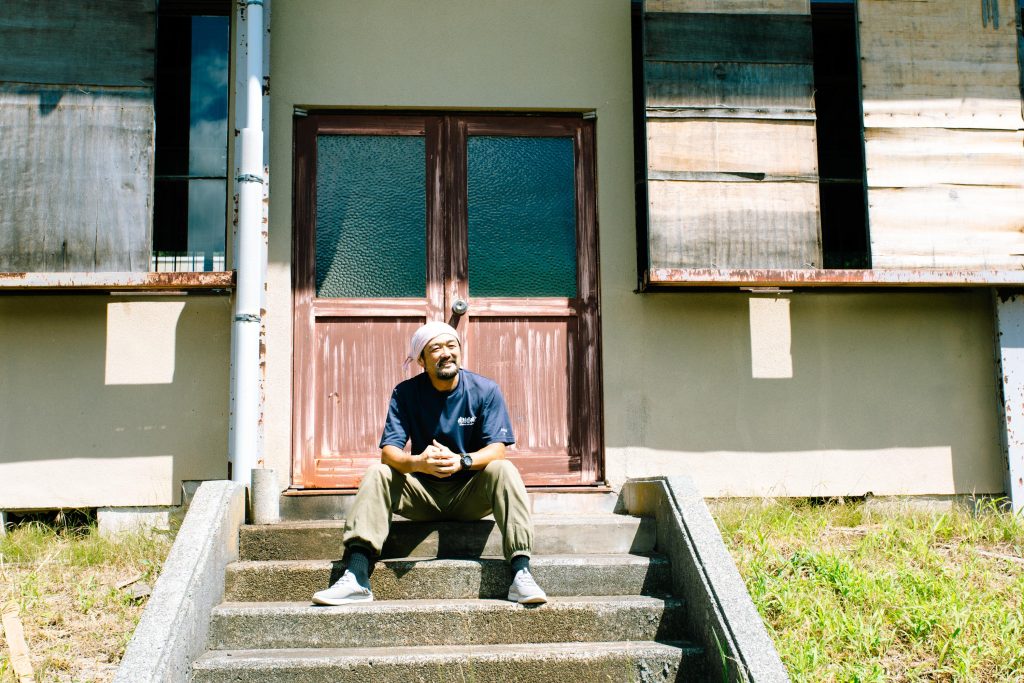
Daisuke Ishizu, from Nonki Farm in Shin-Asahicho Harie, originally had no interest in being a rice farmer like his father.
“Around high school, you reach a point where being cool is all that matters. You just want is to be popular with the girls, you know. At that time, I didn’t think working in the mud wearing rubber boots was cool.”
Daisuke enrolled in fashion school in Osaka and later opened a vintage clothing shop, traveling abroad to do his buying and catching glimpses of the various lifestyles around the world. That life was fun, but it was contrary to his upbringing and made him give thought to his idea of happiness and the human way of life. Around that time, he happened to visit his family and finally saw that his father’s work was the root of human occupations.
“I decided I wanted to be able to make my own food too. I asked my father to teach me agriculture.”
Daisuke has practiced people- and environment-friendly agriculture ever since. Recently, he is also working on activities other than farming, such as renovating the community’s increasing number of vacant houses and warehouses, and offering them to migrants or converting them to lodging facilities; and interviewing the community’s senior members and recording their words of wisdom. Daisuke is seeking out the values of Harie and exploring ways to use them for the benefit of Harie.
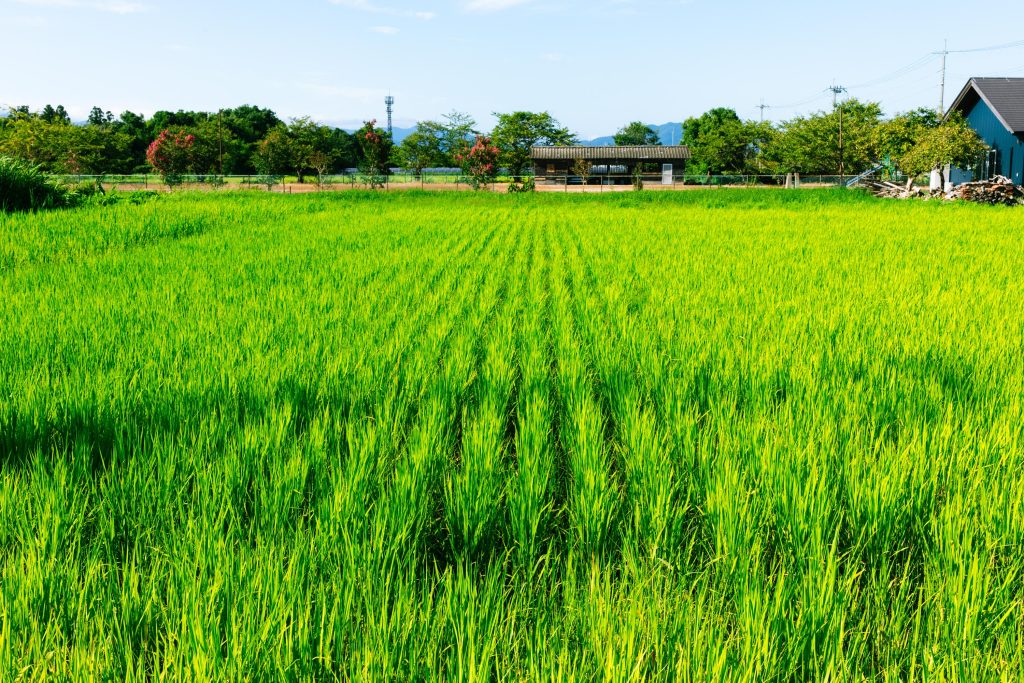

Though different from Daisuke, another farmer who adopts environment-friendly practices is Satoshi Uneno, from Uneno Farm in the Imazucho area. Satoshi studied agricultural management in the United States before joining his family business. He took on plots of farmland from the neighbors who were getting on in age and giving up farming, and today, grows rice and soybeans on a whopping 76 hectares of land.
“In the beginning, I couldn’t help getting emotional about farmland being abandoned—if I don’t save it, who will? Also, because I got to know the American style of agriculture before the Japanese, I believed it was possible to practice efficient large-scale farming.”
The reality was different. Japan is not an easy place to practice large-scale farming.
“Unlike the US, in Japan, plots of farmland are owned by individual farmers. Because of problems with boundaries and ownership rights, the plots owned by different farmers can’t be consolidated, and the fields can’t be expanded. It’s no use buying large equipment for each small field, so efficiency never improves.”
Municipal, prefectural, and even national rezoning needs to be done taking into account information and communication technology, inflation, automation, and streamlining. Land restoration cannot be tackled at the private level with the limited human resources. At this rate, Japan will only see an increase in abandoned farmland.
“It’s time to make major fundamental changes.” While working in his fields every day, Satoshi is observing the issues of not only local farming but also Japanese agriculture.

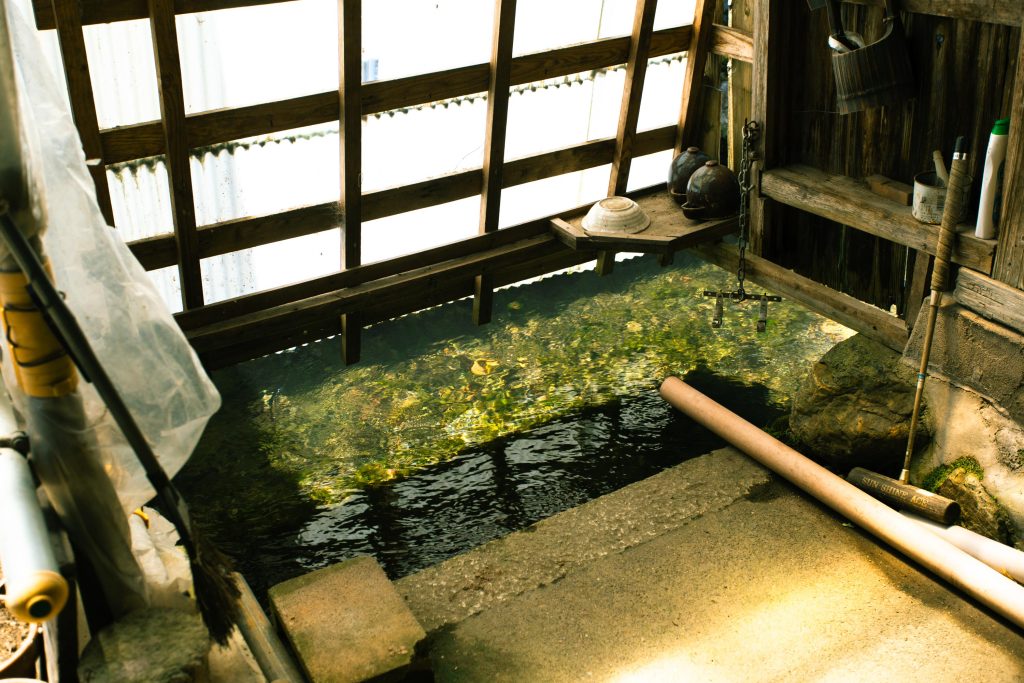
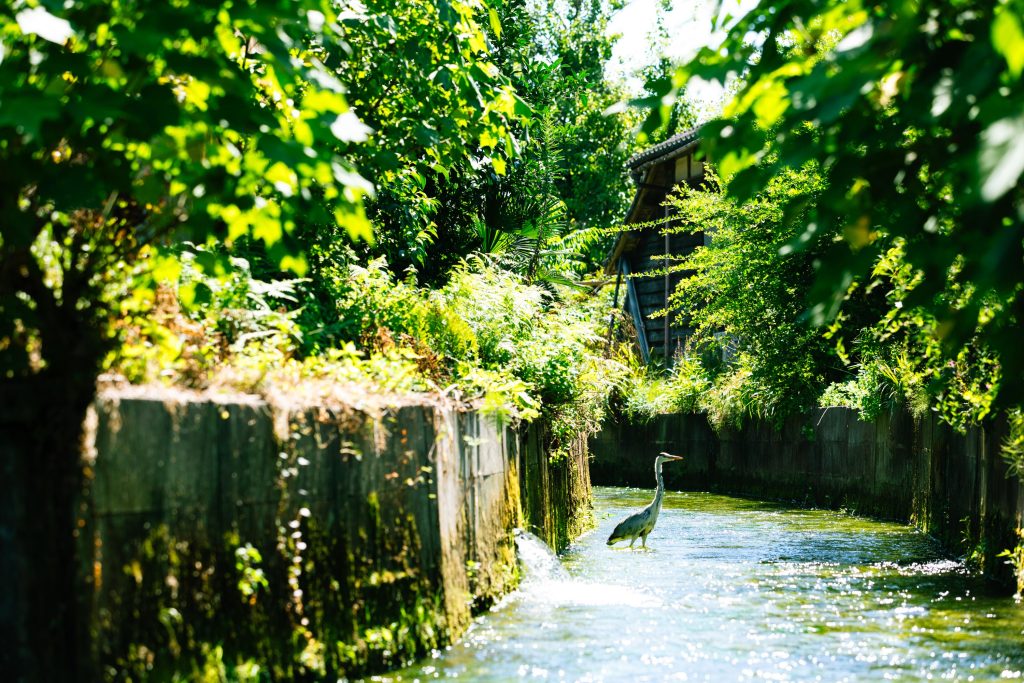
These four farmers plus Wataru organized a community meeting this summer around the key phrase “water centric experimental city.” The objective was to explore future lifestyles that are not human centric but in harmony with and enhanced by the rich water resources of Takashima City and Lake Biwa, aka the Mother Lake. From their unique positions and perspectives, the participants pitched and critiqued one another’s ideas on renewable energy and the ideal local government of the future.

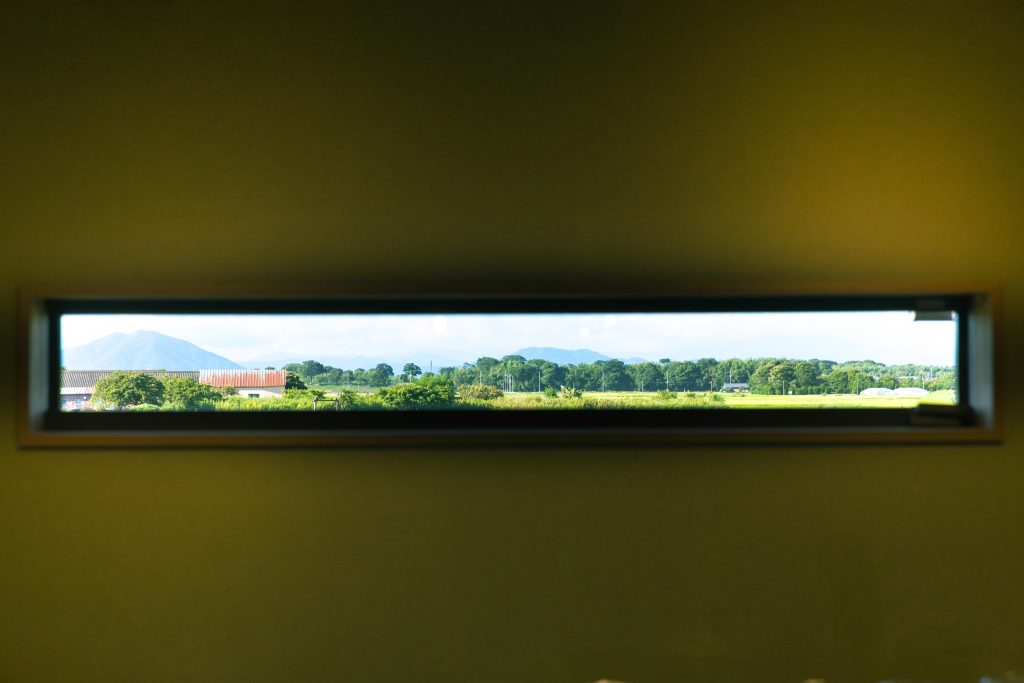


The individual participants were already undertaking experimental projects of their own. They wanted to present that collectively as a new social experiment of Takashima.
“Tourism is an important source of income. That’s why I hope Takashima can attract visitors interested in seeing an experimental city with its sights set on the future,” said Wataru. “If we could steer the city to reach out to people in Japan and abroad, I believe we could increase our ‘temporary population.’ It has been ten years since Japan launched efforts in regional revitalization, and while individual and corporate projects and government-run cases have seen success, there are not yet many model cases of regional revitalization. I want to make Takashima the first success story of a citywide project. The participants today are making a perfectly decent living on their own. None of them is in trouble or needs any help at the individual level. But they’re looking at the bigger picture, and they’re willing to put in the extra effort for the city as a whole.”
Connect the dots and present the big picture—Takashima is set to transform from a “municipality at risk of extinction” to a future-forward city.



Shiga future design project
https://note.com/shiga_mirai/