







Nagahama City sits on the north shore of Lake Biwa, in the Kohoku area of Shiga Prefecture. Formerly a castle town built around the first castle of Toyotomi Hideyoshi, before the 16th century feudal lord became a “great unifier” of Japan, as well as a post town on the Hokkoku Kaido highway, Nagahama has historically been a hub of people’s lives and travels. The city is rich in waters from lakes Biwa and Yogo to the Ane and Takatoki rivers.

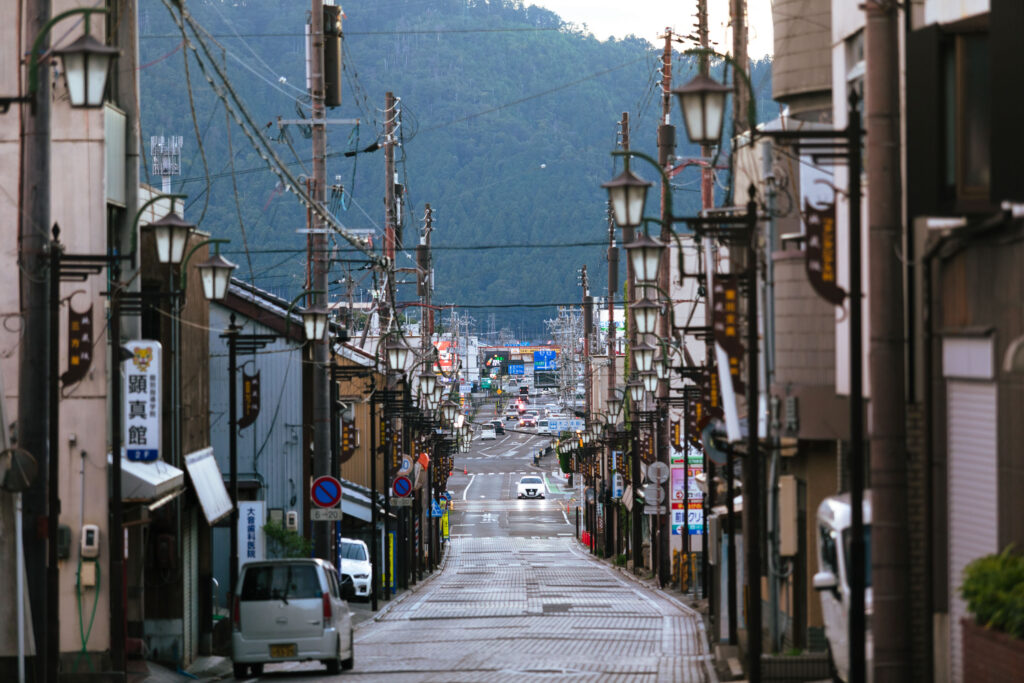


Where there are people and water, there are sake makers. Tomita Shuzo was founded in Nagahama’s town of Kinomoto in 1534. In 2002, when Yasunobu Tomita became the 15th generation owner of the heritage brewery, he decided to refocus on the “local” aspect of local sake.
“From French winemakers to Scotch whisky distillers, all the producers I had visited up to then said their product has a character specific to the place, and that unique local character pairs well with the local cuisine. That is, they talked about terroir.”
After returning to Japan, Yasunobu searched for that “site-specific character” he heard so much about and found that it had vanished from Japanese sake.
“By then, sake had been waning in popularity for some time. I had to move quickly and review our practices to keep the tradition alive.” Yasunobu roused himself to action.

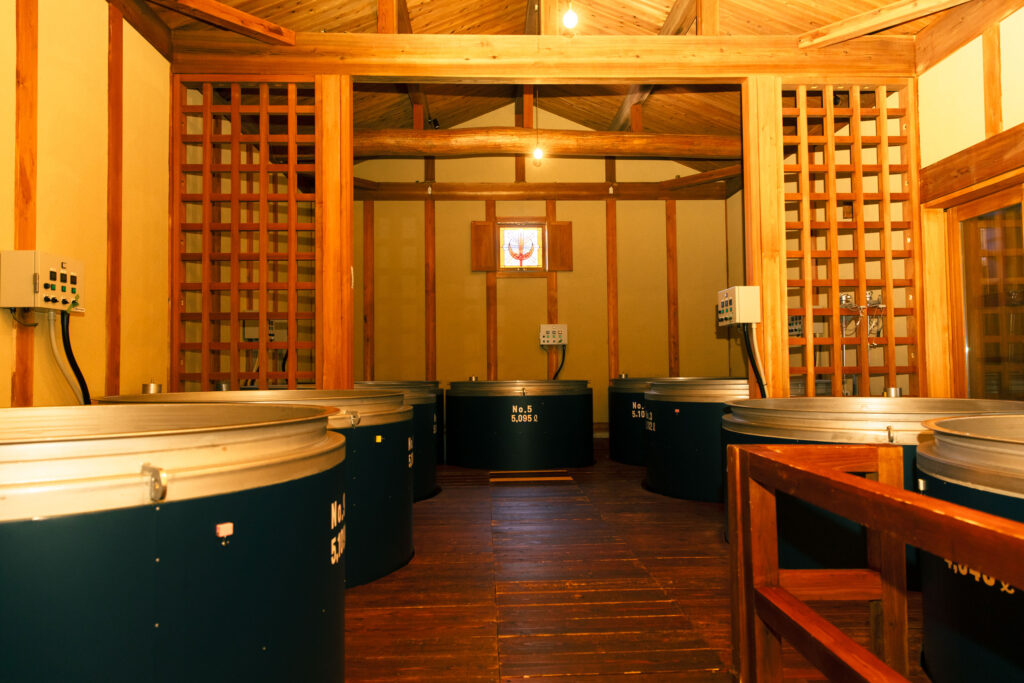
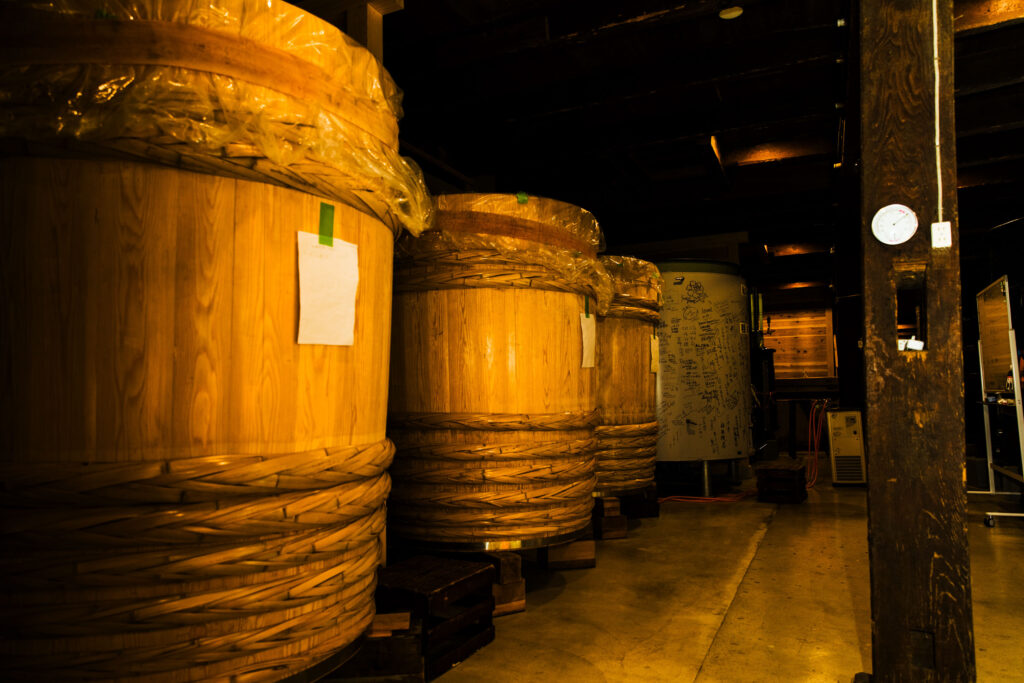
Japanese sake is made with two ingredients: rice and water. Yasunobu started with the rice. He partnered with rice farmers in Shiga Prefecture and contracted them to grow not well-known rice varieties from outside the prefecture but cultivars unique to Shiga.
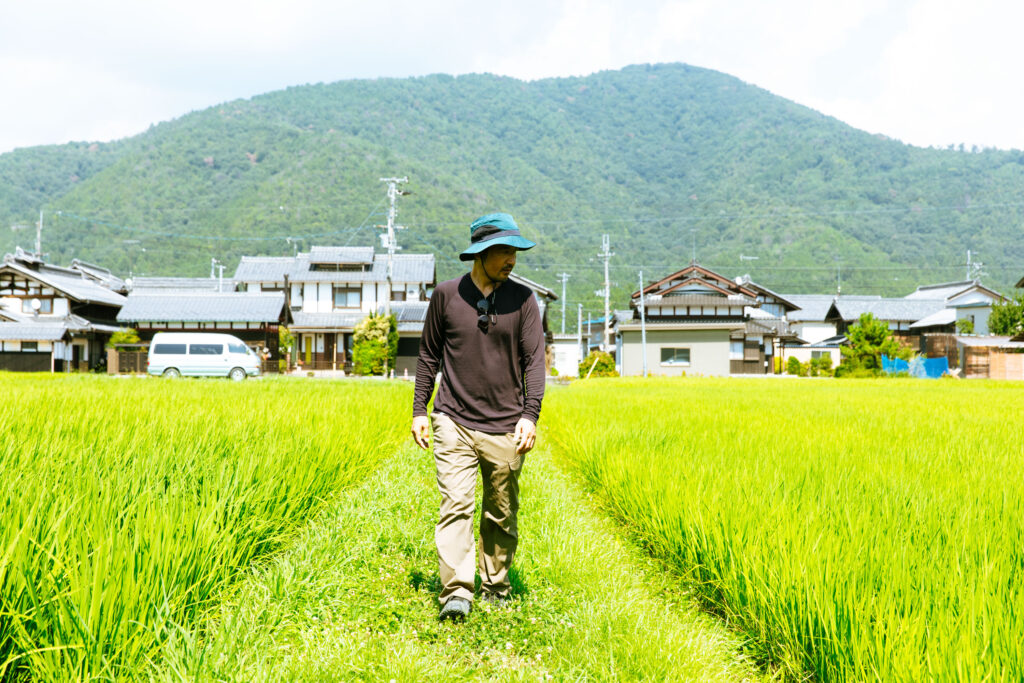
One farmer who sympathized with Yasunobu’s idea was Takakazu Yagura from Okomeno Yagura, a producer of sake rice for Tomita Shuzo since 2010. From just 30 grams of seeds, Takakazu revived a rice variety native to Shiga Prefecture called Shiga Asahi and continues to grow it pesticide and fertilizer free.


Now that Yasunobu had the local sake rice, his next step was water. Rice needs to be grown, but water comes more directly from nature.
“The rain falls somewhere and travels underground before reaching our brewery well,” says Yasunobu. “The water absorbs the nutrients from the soil along the way, and we use that water to make sake.”
Water, in other words, is practically the terrain itself. It’s the best expression of the terrain in any case, considering a large amount of water is used for growing the rice too. Perhaps water is that all-important terroir.
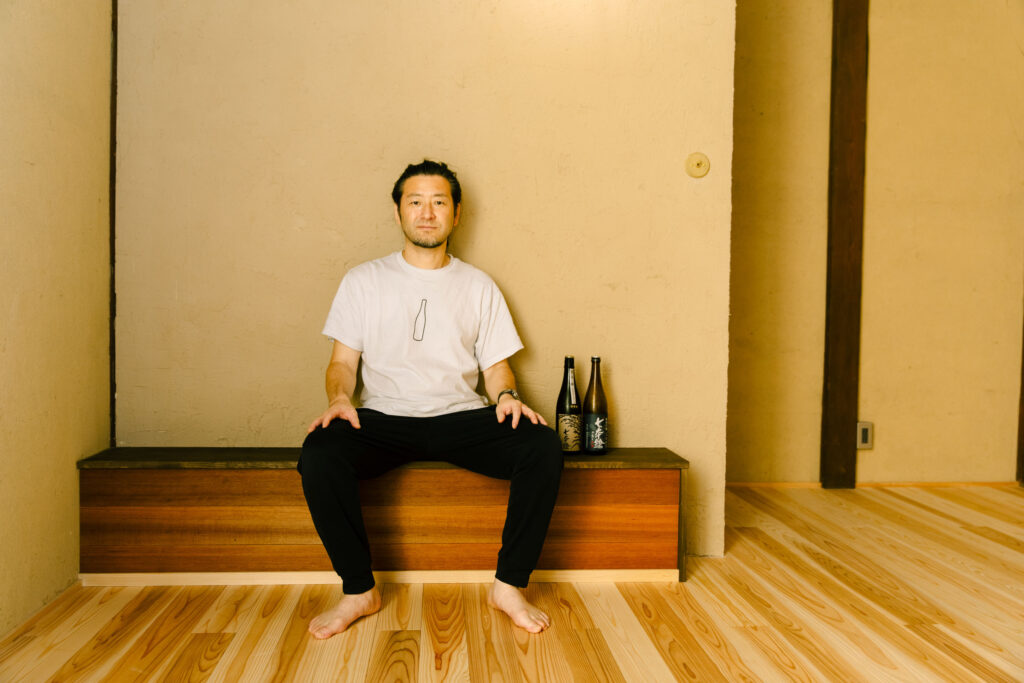

Yasunobu asked a professor and his students at Nagasaki University to carry out a groundwater survey. Their study of about a dozen springs in the neighborhood of Tomita Shuzo found the approximate locations of the water veins and identified the water source as rainwater that fell on a mountain at an elevation of about 800 meters between 35 and 40 years ago.
Kentaro Taki, a professor specializing in hydroengineering at the University of Shiga Prefecture, and an expert in Shiga’s river basin policy, then used that data and recently determined the approximate location of the water source.


At the moment, Yasunobu and Kentaro are adding data on water flow and vegetation to a point cloud to create a 3D map of the river basin. The map will be a visual reference that everyone can see and understand. The plan is to get people to admire it and talk about forest protection over cups of sake in a Sake Brewery’s Forest Project.
“Flowing water creates channels for water, living things, substances like nitrogen and phosphorus, and goods,” says Kentaro. “Lake Biwa used to serve as a waterway for goods moving between the Sea of Japan and Osaka. Among those goods may have been the sake label Shichihon Yari. I want to start a movement around sake for preserving the cultures that flourished along waterways.”
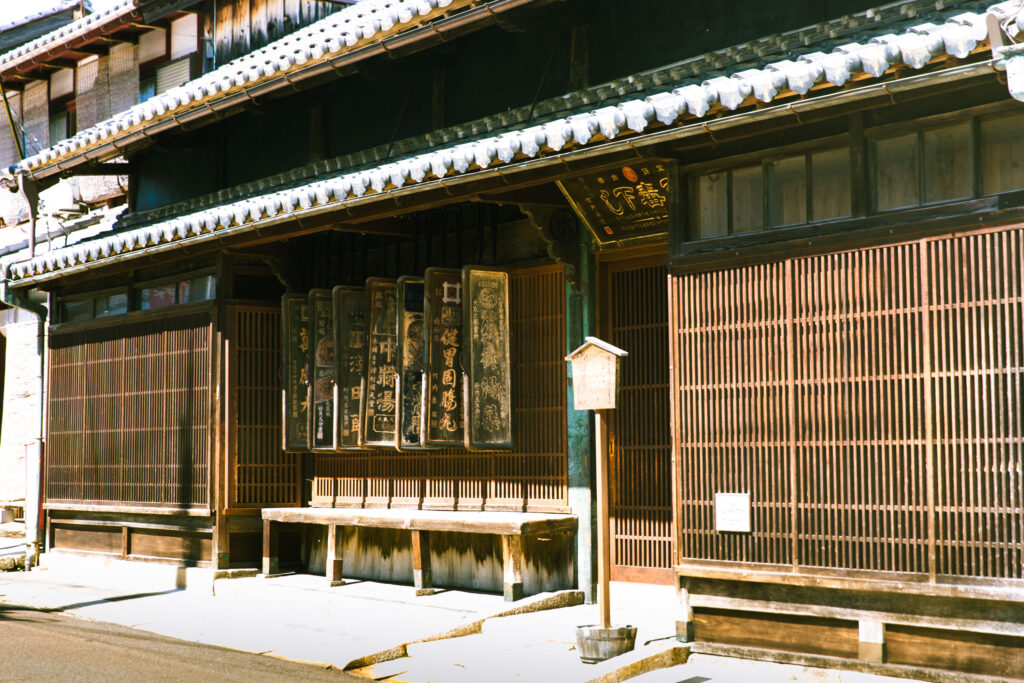

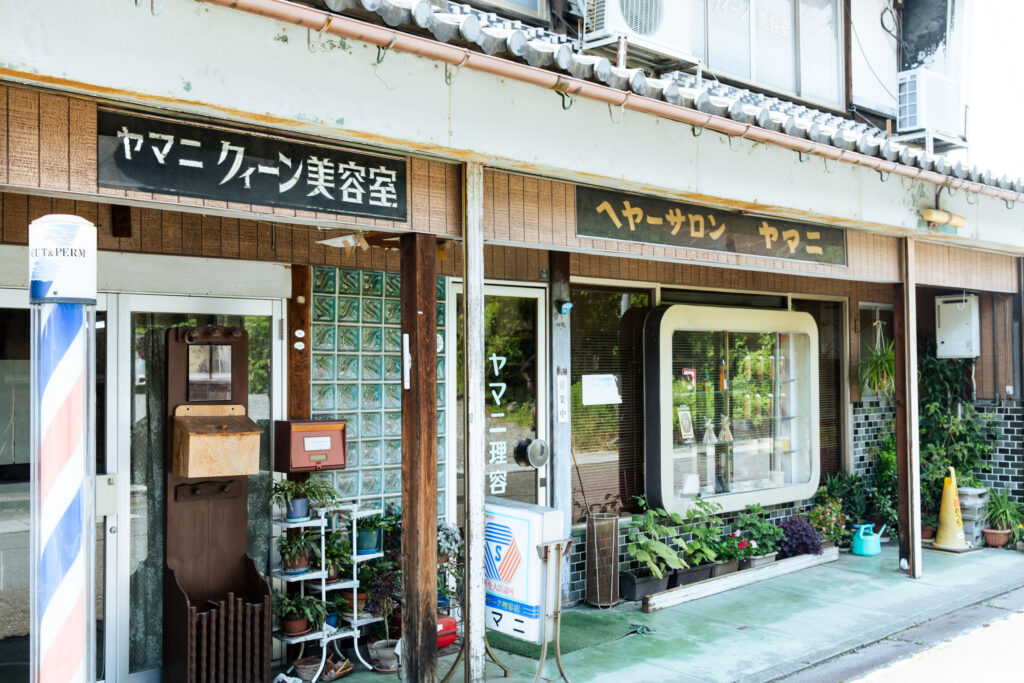


He even pictures ecotours with hiking trips through the forest of the water source, reforestation activities such as tree thinning and rice planting, events for learning about the local culture and history, and finally, soaking in a hot spring bath and tasting Tomita Shuzo’s Shichihon Yari.
“My goal is tourism designed around the satoyama border zone between the mountain foothills and arable flatland that really takes advantage of the local potential,” says Kentaro. “In Europe they have the Alpine Convention, where the member states cooperate beyond national boundaries to protect the mountain forests. Wouldn’t it be amazing if we could get breweries to collaborate beyond prefectural boundaries and form a Sake Breweries’ Forest Convention?”

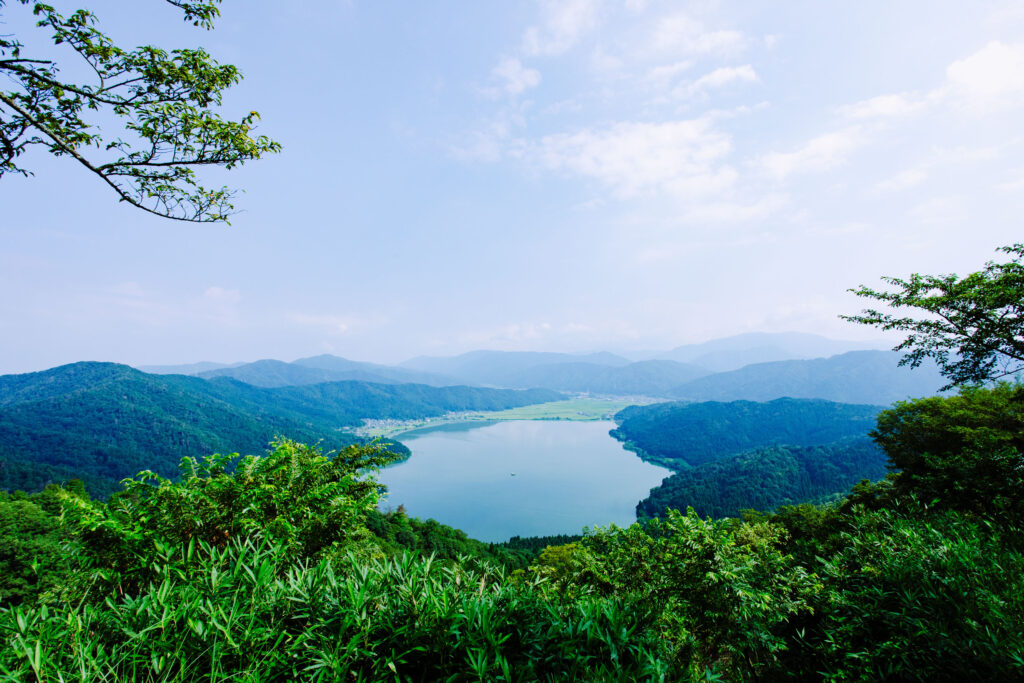

“Using the local rice has become common in the sake industry these days. Next is the water,” says Yasunobu. “Imagine the great things that can happen when sake breweries begin discussing the water as a matter of course. I’m interested in preserving our own sake into the future, but before that, the water is a resource for everyone. Everyone should think about the water. If sake is easier to understand and helps facilitate the talks, wonderful.”
Take full advantage of the local potential and explore solutions unique to the place—that’s the way to carve out the local future. Some of Nagahama’s residents have already begun taking the first steps.


Shiga future design project
https://note.com/shiga_mirai/