







“Living with Lake Biwa is my calling.”
A Fisherman’s Journey with Tatsuya Komai.
“I studied architecture at university, but what left the greatest impression on me wasn’t the buildings—it was the Ganges River in India, a space where people live in harmony with the water.”
Looking back, he realized his hometown in Japan was home to a great mother lake. Though born in Shiga Prefecture, Komai-san grew up in the inland city of Ritto, far removed from Lake Biwa. Yet, it didn’t take long for him to decide to build his life alongside its waters.
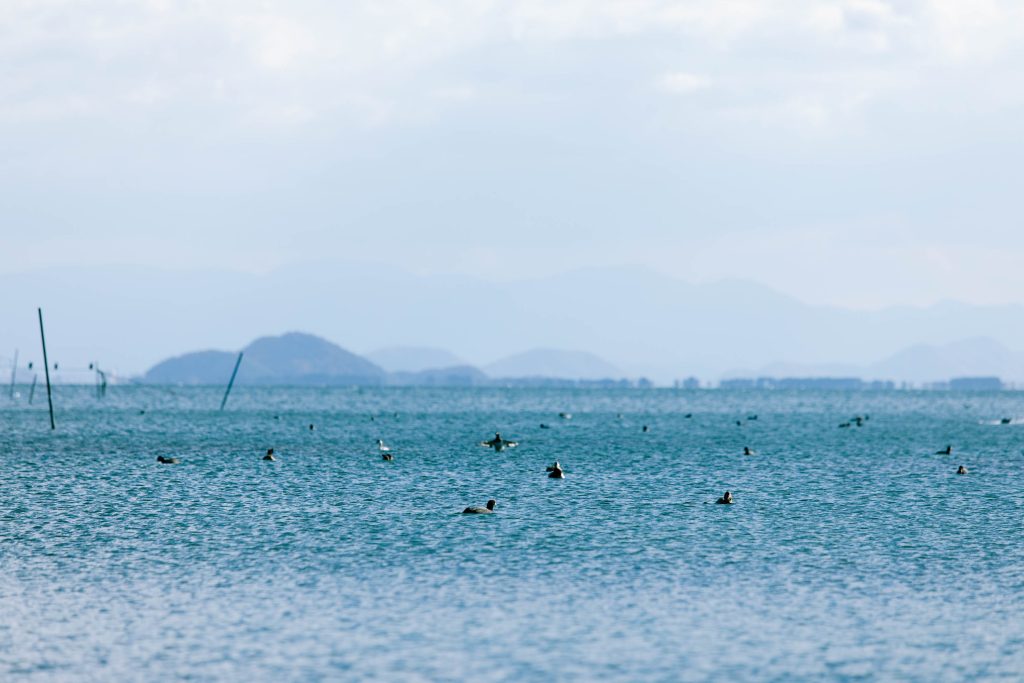
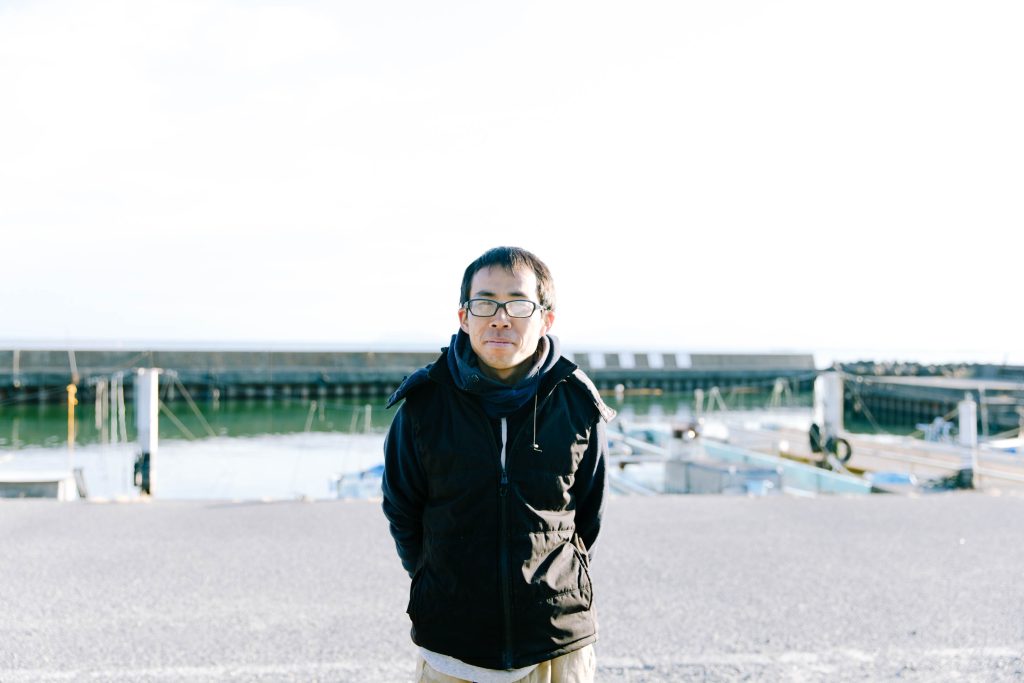
Initially, Komai-san sought to approach Lake Biwa from an architectural perspective. However, he realized, “There’s only so much planning can achieve. For fishermen, survival in the present outweighs concerns about the future. Not very stable and there is some uncertainty about the future. It’s bittersweet—such an extraordinary profession, yet overshadowed by doubt and worry.”
What, then, was to be done? Mr. Komai wrestled with his thoughts before arriving at a bold and steadfast conclusion: “I will become a fisherman.” Yet, his voice remained serene, almost reflective, as he added, “If there’s a calling that lets me wake up to the beauty of Lake Biwa every day, it must be fishing.”
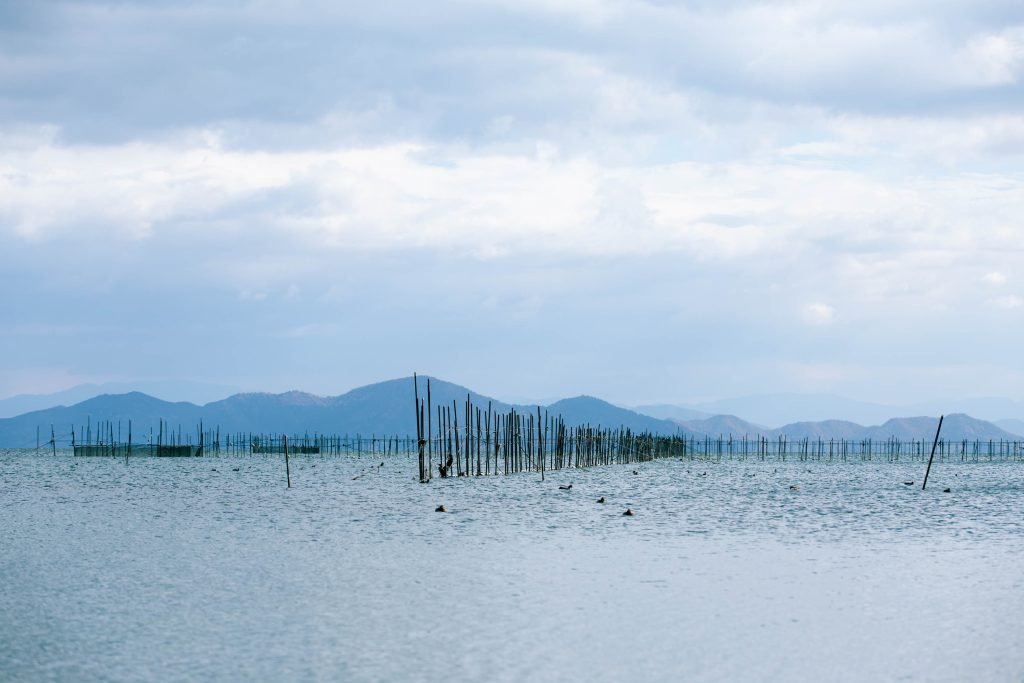

Otsu City, situated in the southwestern part of Shiga Prefecture—one could even say, at the heart of Lake Biwa—is both the largest urban center in the prefecture and conveniently close to Kyoto. Yet, life in Otsu remains deeply intertwined with the surrounding fields, mountains, and the lake itself. It has been three years since he apprenticed with a weir fisherman in the area, and four years since he ventured out on his own. Seven years have passed since he began casting off daily at the Wani fishing port.
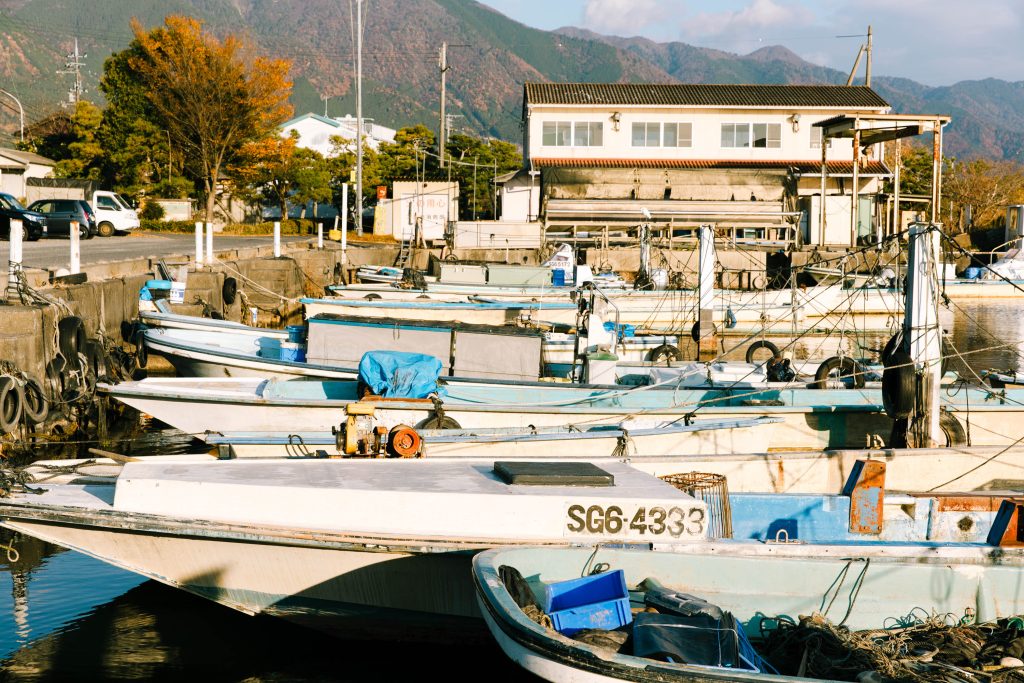
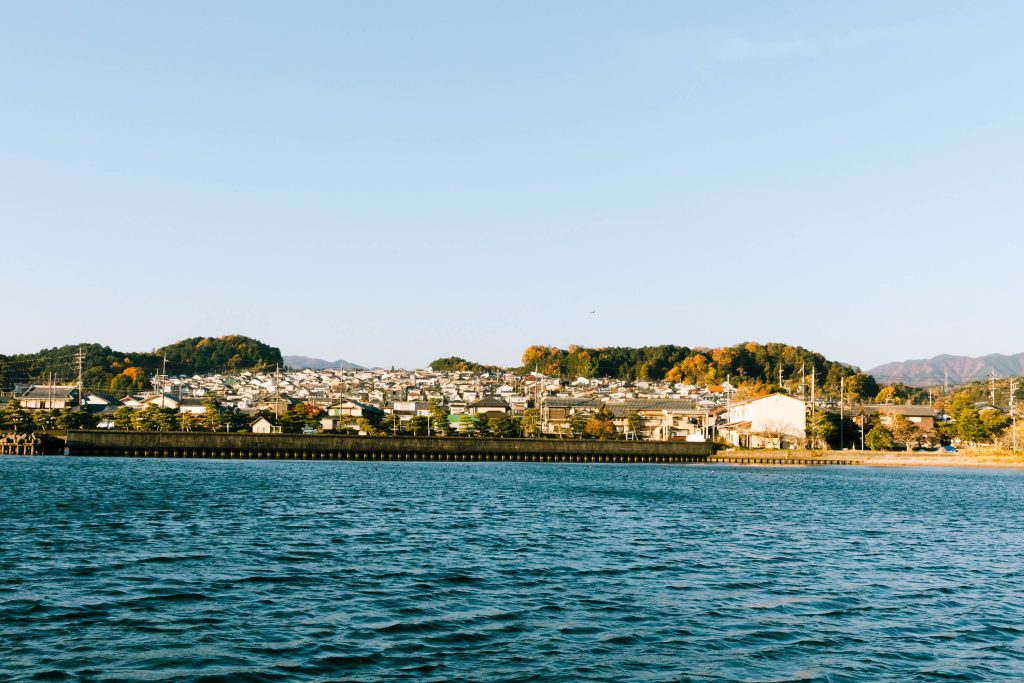
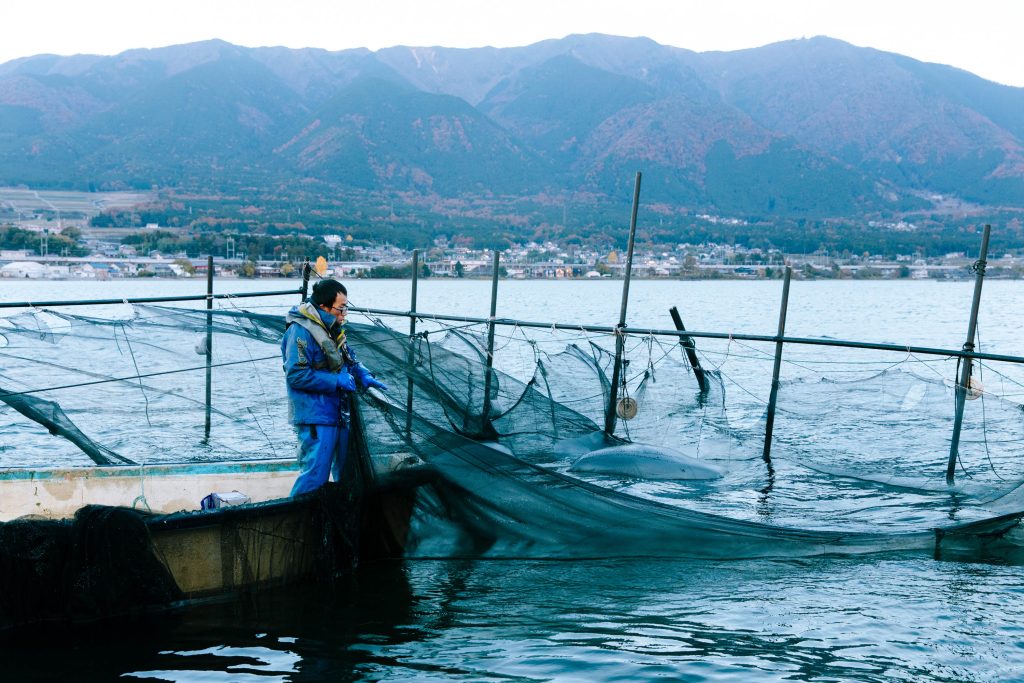

Komai-san, a self-proclaimed “Fisher Architect,” aims to visualize and share the fisherman’s lifestyle through an architectural lens, with the goal of fostering community development and shaping landscapes.
“I aim to craft a unique fisherman’s landscape, one that can only exist here.It’s not just about building structures, but about letting the fishermen’s way of life shape the landscape. It would be great if this vision could unfold and expand in meaningful ways.”





To invite people from all walks of life to experience the area’s water-and-greenery-based lifestyle, he spearheads various activities, including workshops, artist-in-residence programs, and podcasts.
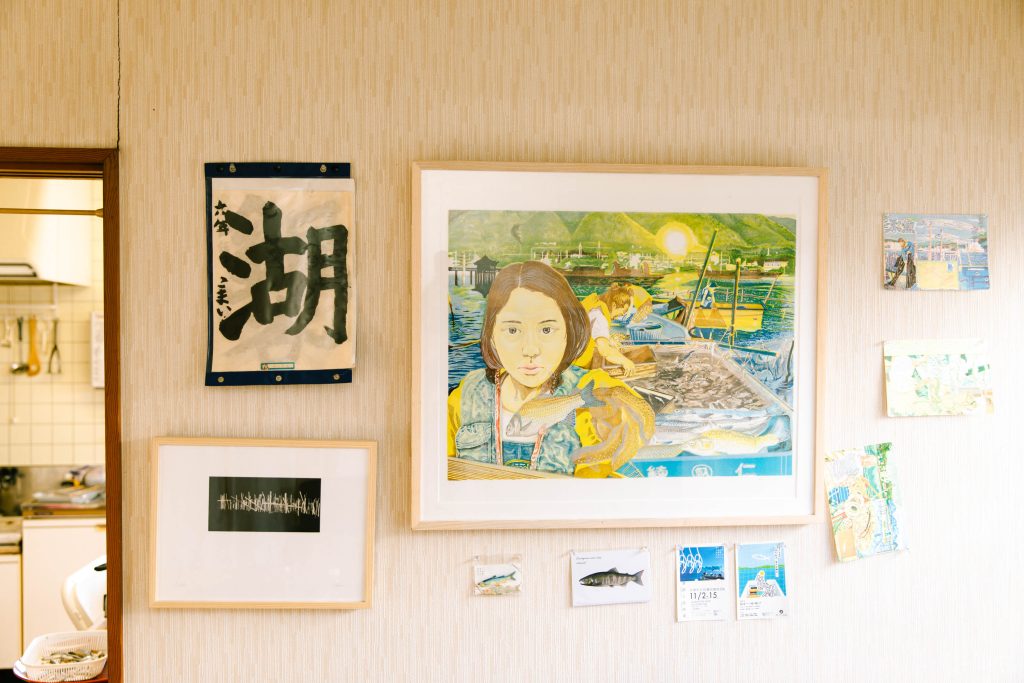
“My plan is to highlight the organic ties not just among fishermen, but across various ways of life. By exchanging perspectives, I hope to inspire reflection on the water cycle and the interconnected lifestyles it sustains.”



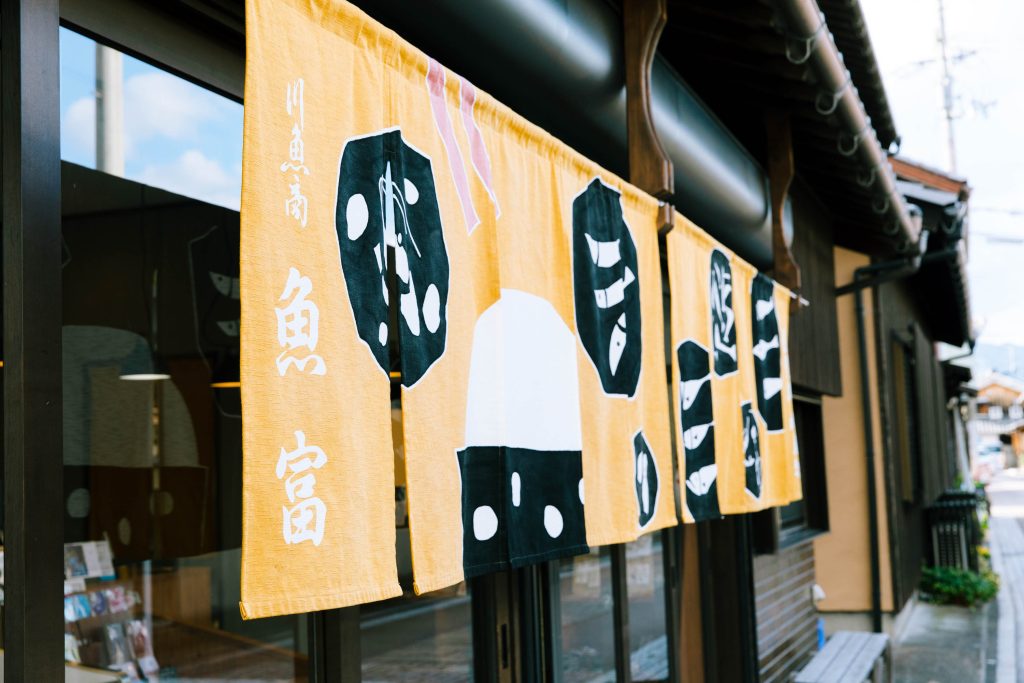
On the other hand, he has turned to data science as tangible tools to visualize the lives of fishermen. By measuring his heart rate with wearable devices, filming his fishing activities, and tracking his daily sales and annual income, he seeks to capture comprehensive data on himself. What state of mind does he experience? How does it affect his body? And how does it connect to his life as a whole?
“How can we visualize what drives a fisherman’s success? For instance, I’m exploring when my heart rate peaks during the fishing season and linking it to the scenes unfolding before me at those moments.”
“I don’t yet know what insights or results will emerge from collecting and compiling this data. After all, this is an unprecedented experiment.”
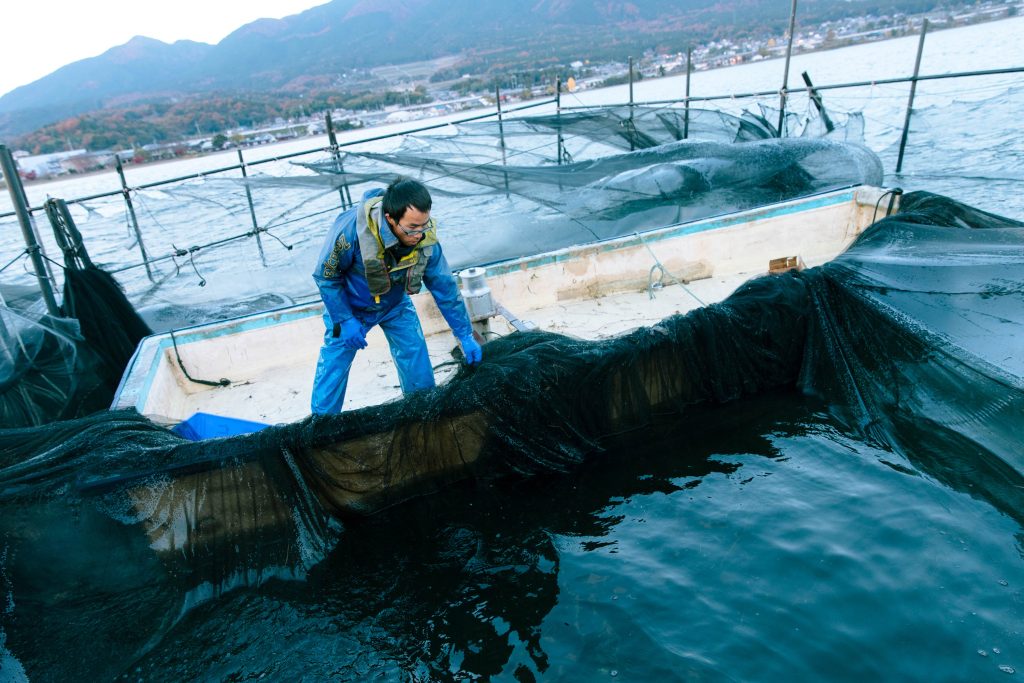
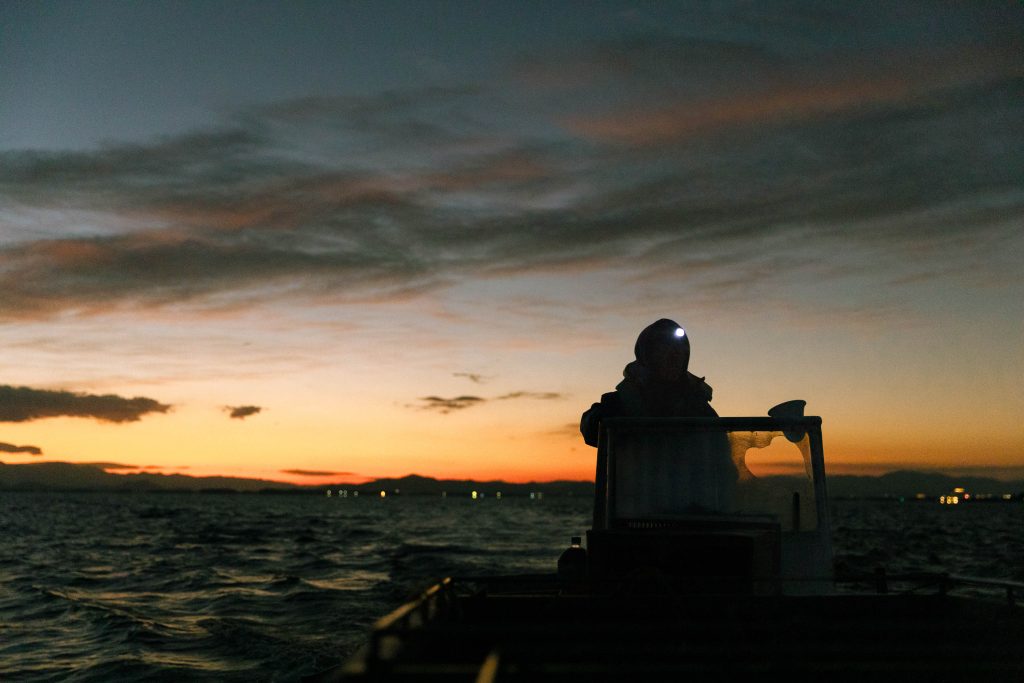
Still, doesn’t he have any reservations about revealing everything about himself, from his physical condition to his income?
“I have nothing to hide. That’s part of what makes it worthwhile. I want to expand the business, and to do that, I believe I must set an example for others. While weir fishing alone isn’t lucrative, combining various fishing methods with hands-on workshops has steadily grown the business. I’d like to communicate this as a model—showing that there are alternative ways to work, rather than just lamenting the decline of the fishing industry. I believe data and science can help achieve this.”
The goal isn’t to improve efficiency, but rather to share. It’s also an exploration of new ways to harness data.


Asked if he was happy living with a view of Lake Biwa every day, Komai-san immediately replied, “Yes, I’m over the moon!”
“Sometimes I’m away giving lectures, but even after just a day, I find myself itching to get back to the lake. The act of fishing there is a way for me to recalibrate, both physically and mentally.”
When we think of resetting, we often imagine stepping into an extraordinary situation, like traveling. However, the opposite is true. Lake Biwa has the power to reset people by grounding them in their everyday routines.





Shiga future design project
https://note.com/shiga_mirai/