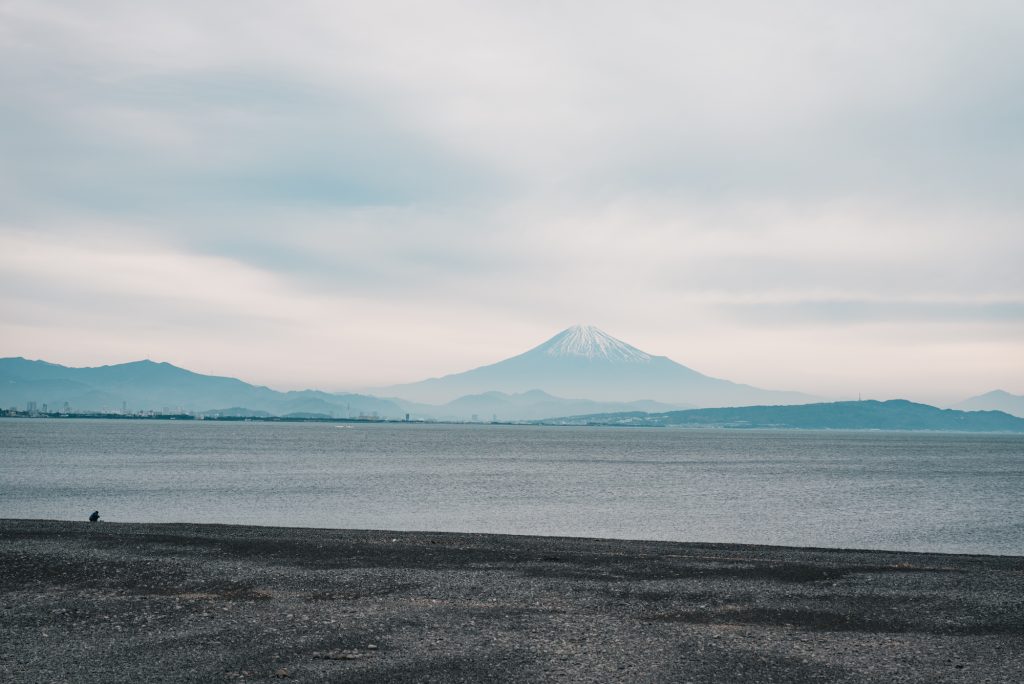
A chill wind, surprisingly sharp for late spring, skims across the grass and out to Suruga Bay. On a clear day, you can see Mt. Fuji rising beyond the sea. But the sun is uncooperative this morning and hides behind a thick veil of gray clouds.
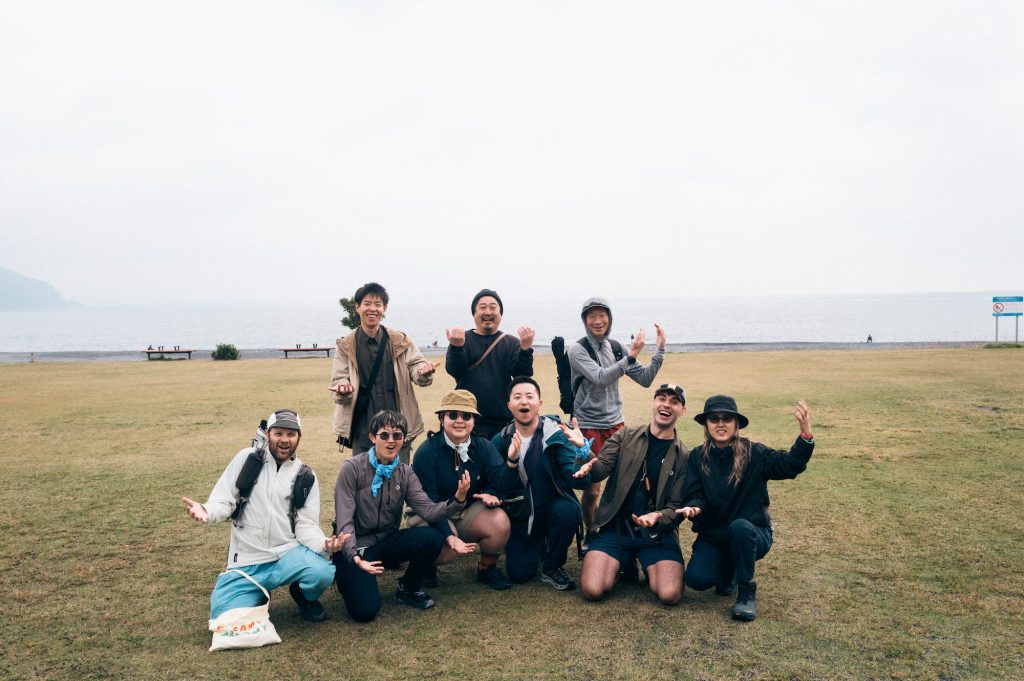
Our spirits, however, are anything but gloomy. We’ve just met up with the AN KO RAU team at Ishizuhama Park, the official starting point of the Katsuo Trail. Director Xin Yuan is here with three designers and their dedicated physical trainer. There’s a quiet intensity about them. Nervous, maybe, but also excited. After sharing smiles, quick introductions, and a round of stretches in a loose circle, we set off together. The long journey begins.
The Yaizu Area: shaped by the sea and bustling with culture
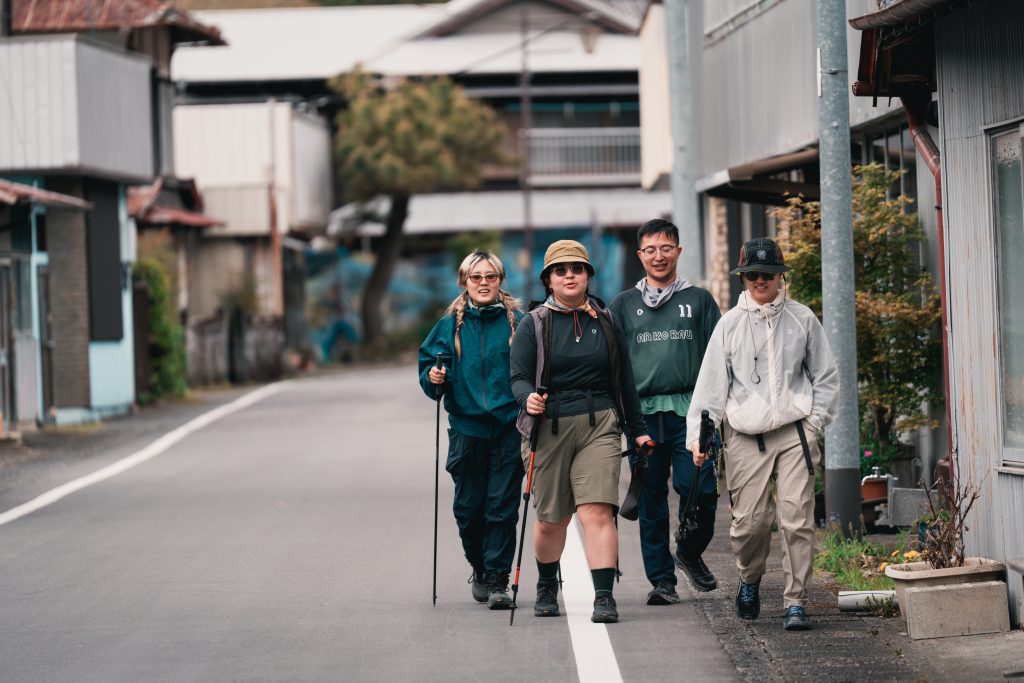
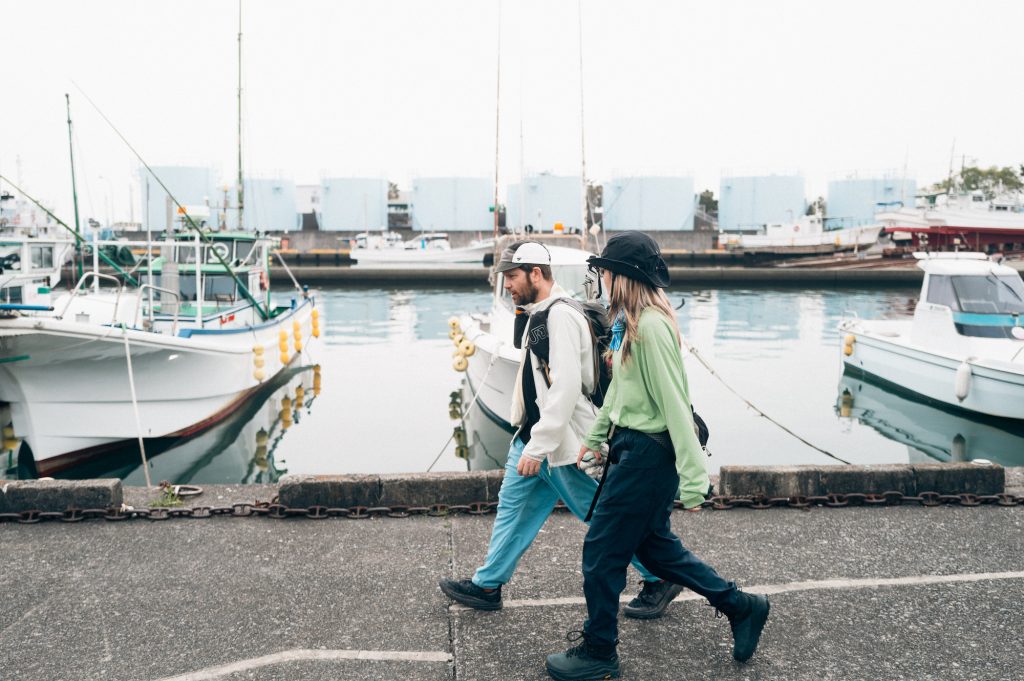
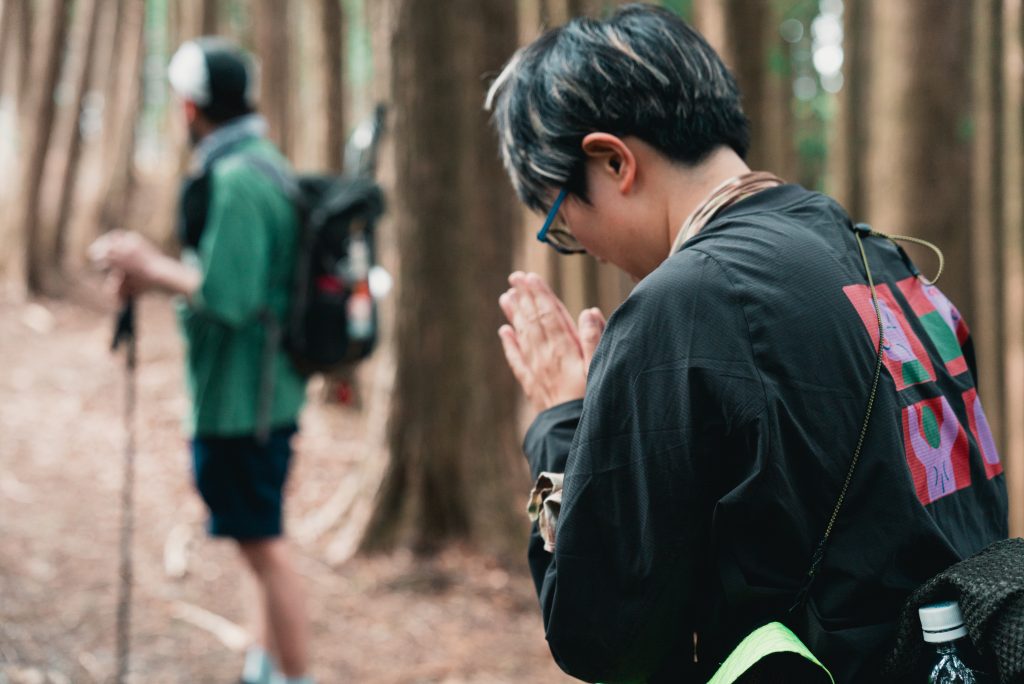
We offer a quick prayer for a safe journey at Suitengū Shrine near Ishizuhama Park, then follow the Kiyagawa River, once used for transporting timber, toward Yaizu Port. Passing rows of fishing boats, we turn off the Ocean Road and into Hamadori, an old backstreet that still echoes Yaizu’s long-standing fish processing industry. As we walk, Lucas shares stories of the writer Lafcadio Hearn—a.k.a Koizumi Yakumo—who called Yaizu Port his home, and the area’s cultural roots, drawing curious questions and quiet nods from the AN KO RAU team.
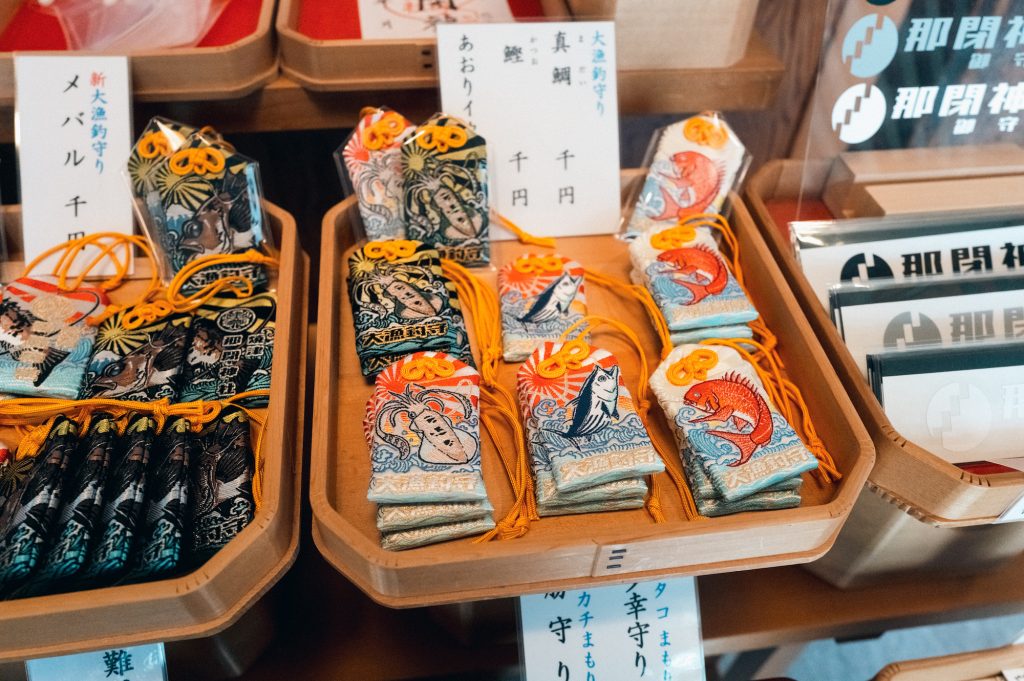
It takes us two hours on foot to cover a distance that would take just ten minutes by car. Finally, we arrive at one of Section 1’s highlights: Rinso-in Temple. Founded over 550 years ago, the temple is known internationally thanks to its former head priest, Shunryū Suzuki, who played a pivotal role in bringing Zen to the West. In the temple’s elegant hall, his son, Reverend Shungo Suzuki, shares the teachings of Zen and guides us through a Zazen (seated meditation) session.
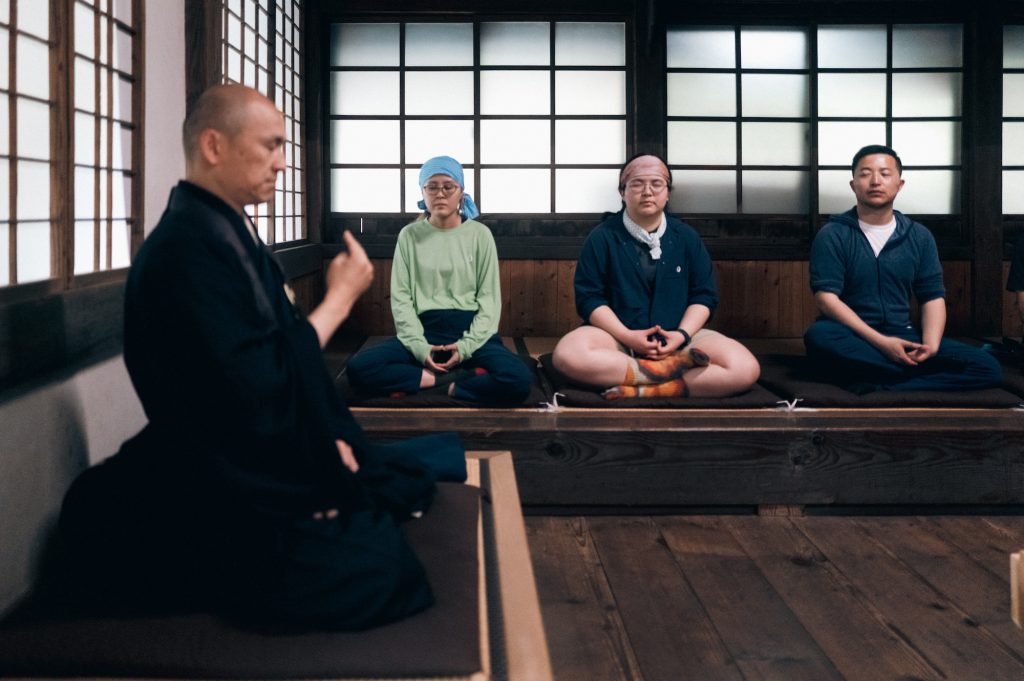
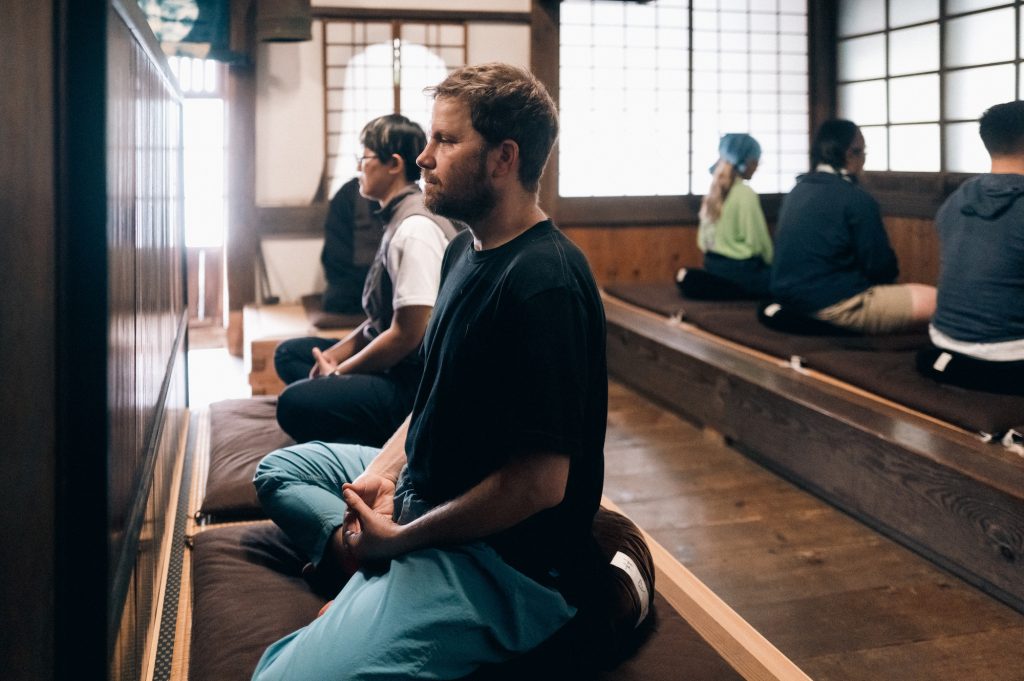
“Zazen isn’t something you do in order to gain anything,” Reverend Suzuki tells us. “Zazen itself is the goal. And the moment you sit, that goal is already fulfilled. It’s about stepping outside the boundaries of everyday achievement and simply sitting in silence. That’s what’s important. That alone is enough. The same goes for walking. The value doesn’t lie in reaching the goal, but in the act of walking itself. Every step you take carries meaning.”
Later, the members of AN KO RAU would all repeat the same thing, returning to the reverend’s words throughout the journey—“The meaning is in the walking.” With these guiding words in mind, we set off again. This time, it’s for our first mountain climb, aiming for the twin peaks of Takakusayama and Mankanho, which rise roughly 500 meters above sea level as part of the Yaizu Alps.

The Shizuoka/Fujieda Area: where kaidō (traveling roads) culture of days past meet the bounty of the mountains
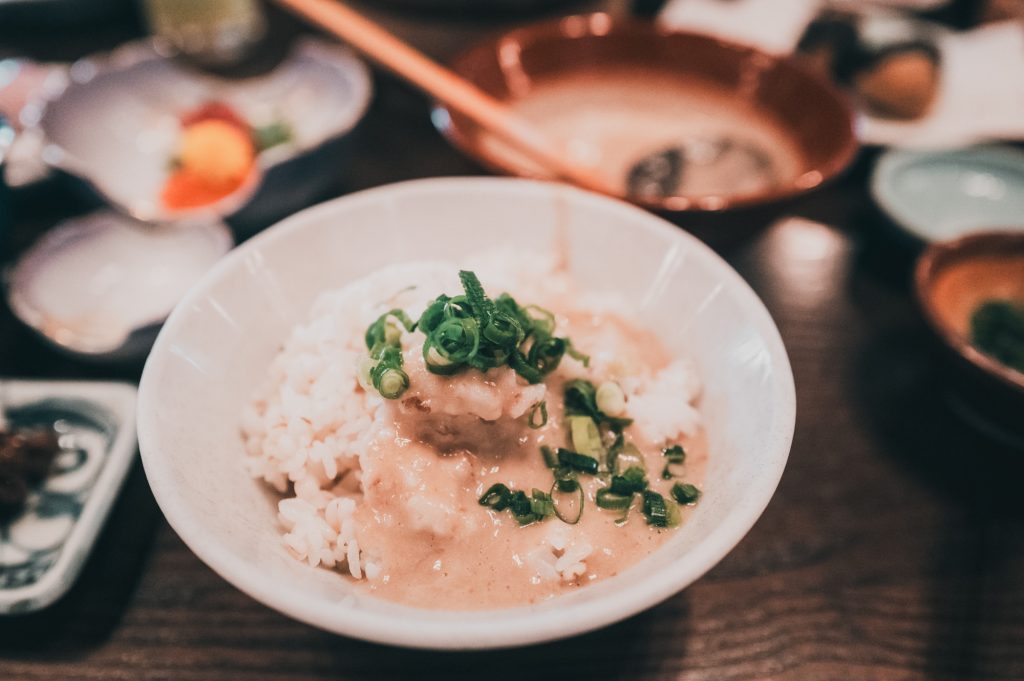
Descending from Mankanho, we arrive in Shizuoka City. At Chōjiya, a 400-year-old restaurant immortalized by artist Hiroshige Utagawa in his epic series The Fifty-three Stations of the Tōkaidō, we sit down to their signature dish of grated yam, or “tororo.” As we eat, the 14th-generation owner shares stories of the restaurant’s long history. At night, we camp next to Takumishuku, Japan’s largest traditional craft center. A long and relaxing soak in the hot spring restores us for the journey ahead.

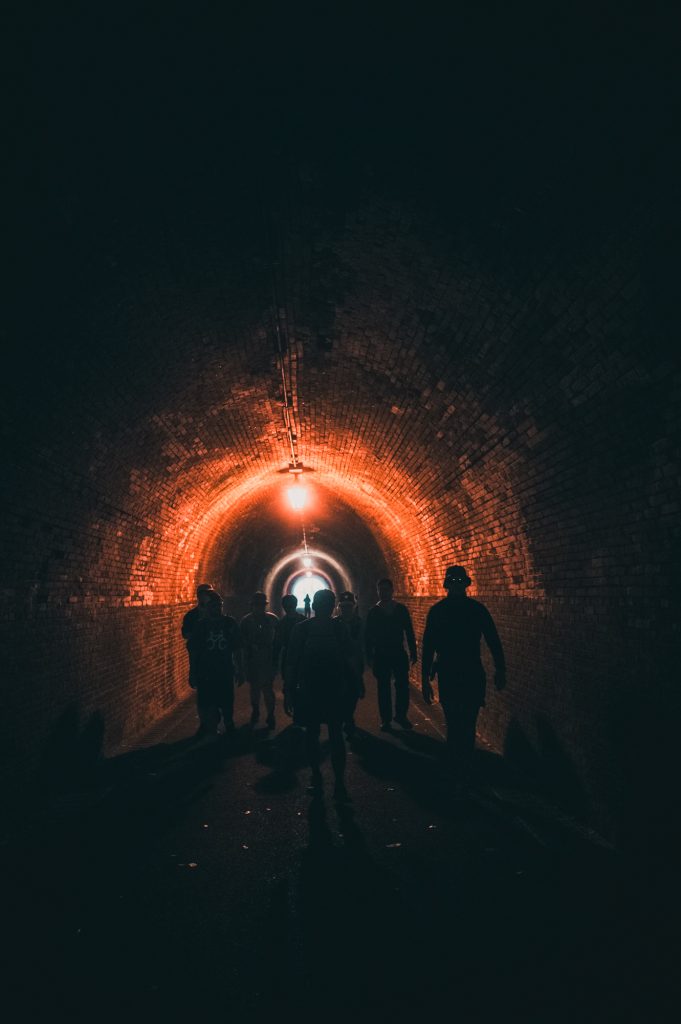
From Section 2 onward, the dials on trekking mode are turned up. We pass through the timeworn streets and hand-carved tunnels of Utsunoya Pass, stepping into the historical area of Fujieda. Strolling past the renowned Hatsukame Brewery, we take our time under the rising sun, surrounded by serene mountain village scenery.
For lunch, we stop at Lemon and Camel, a quiet restaurant nestled in a tiny riverside community. Owner Yuki Kaneko, once a globe-trotting backpacker, returned to her hometown with fresh eyes and began offering monthly vegan courses, blending international cooking techniques with local ingredients. The AN KO RAU team, passionate about plant-based food, is blown away: “We’ve never had vegan cuisine this delicious, or this inventive.”
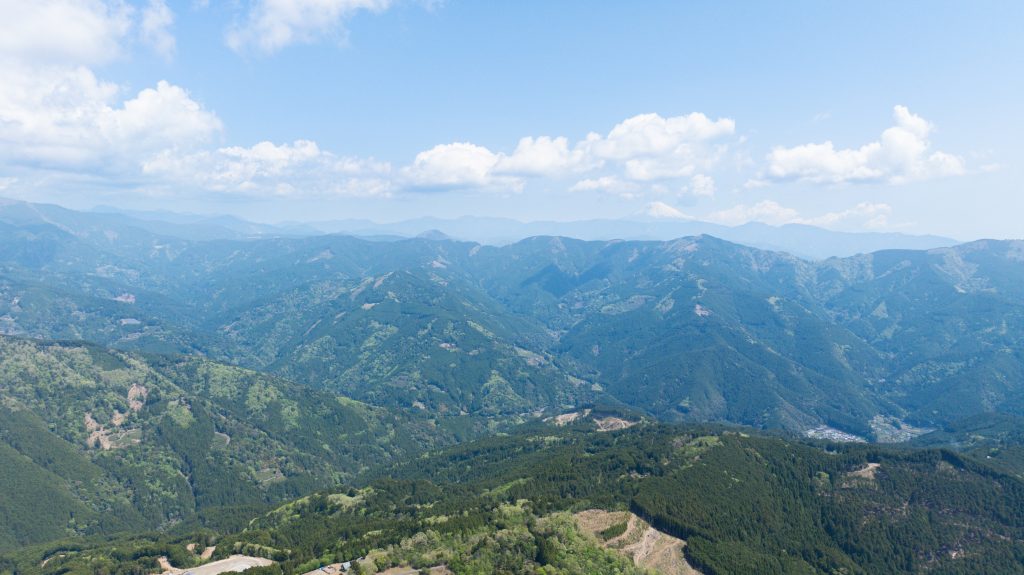
From here on, the trail winds into a series of mountain crossings.

The Kawane/Shimada Area: where “Trail Learning” deepens.
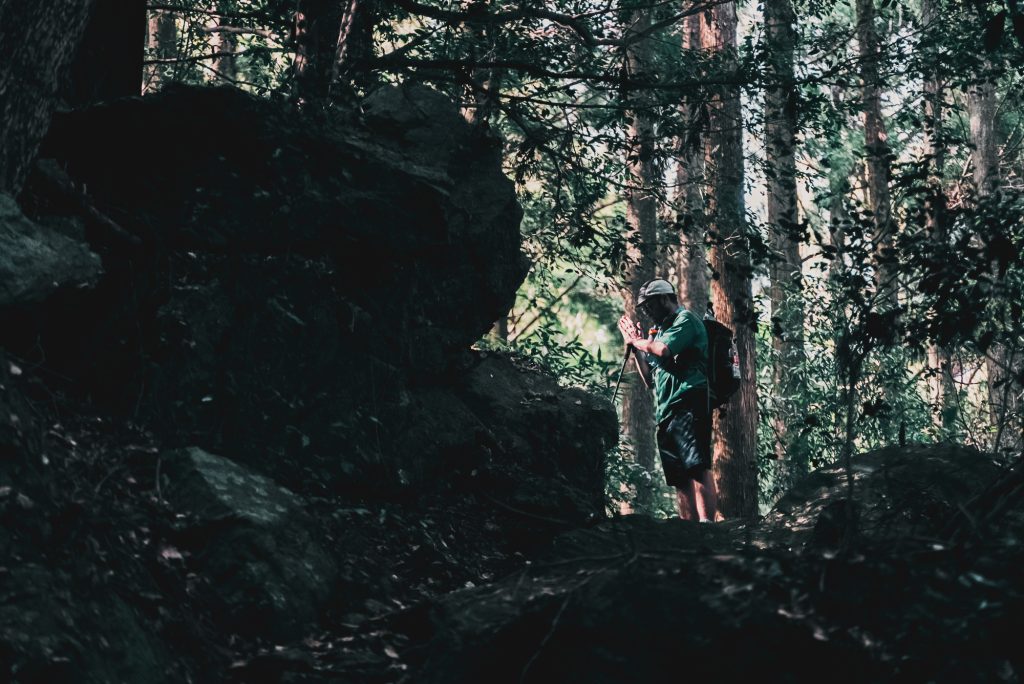
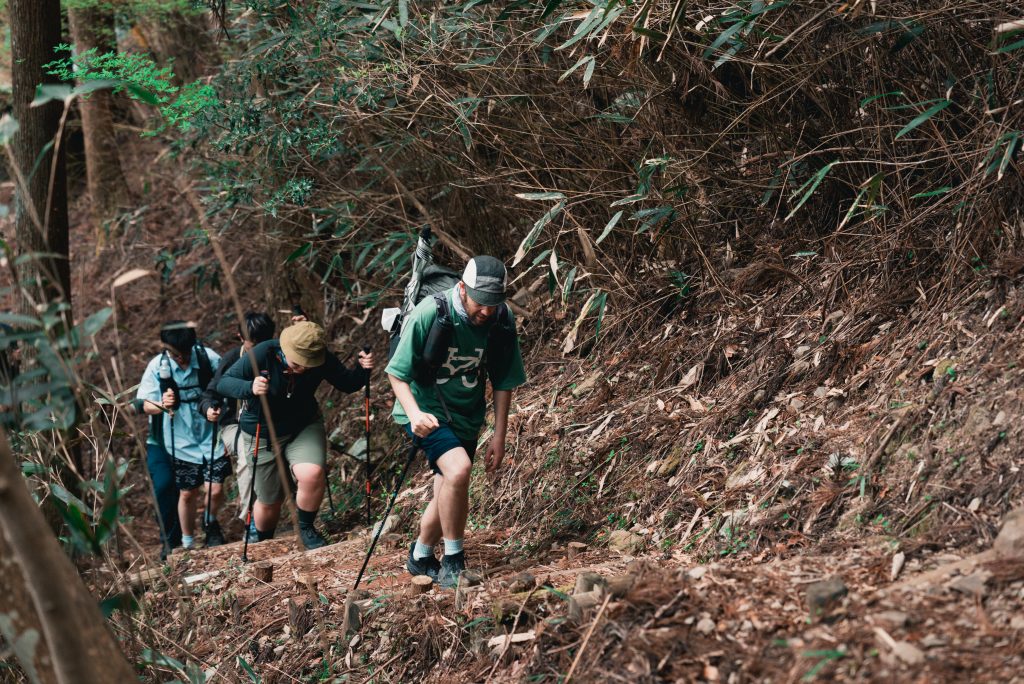
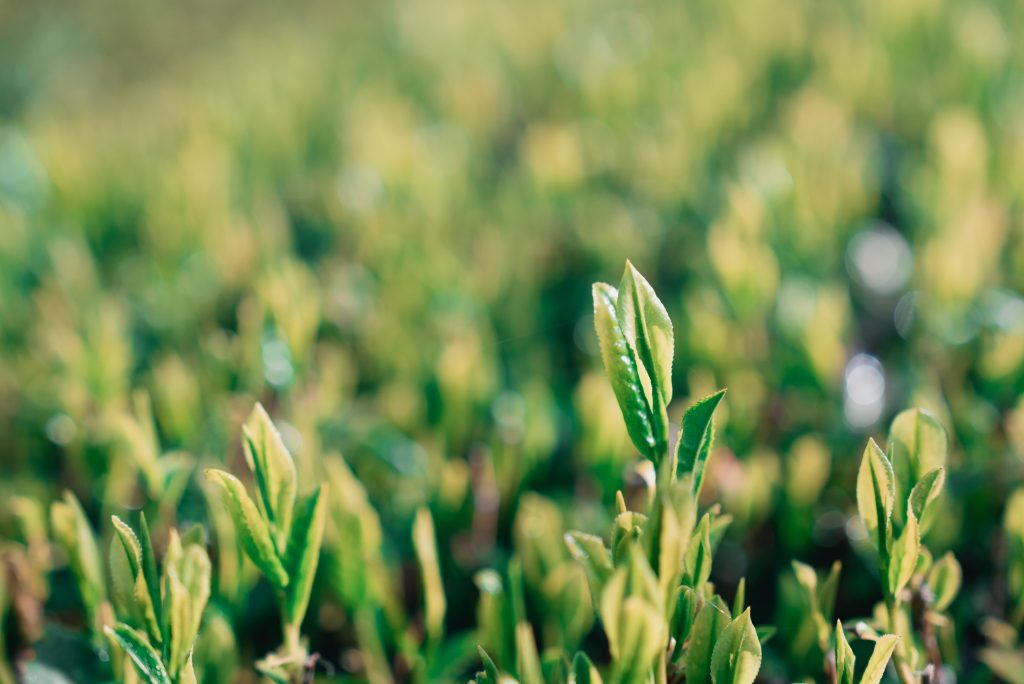
What sets the KATSUO TRAIL apart from most long trails is its guiding principle: “to walk is to learn.” The journey invites deep encounters with the history and culture found only in this region. We climb steep mountains, pitch a tent at a quiet campsite, and gaze up at the stars. The next day, we cross another peak and pause for tea at Cha no Ma, a lookout terrace that stands in the middle of tea fields.
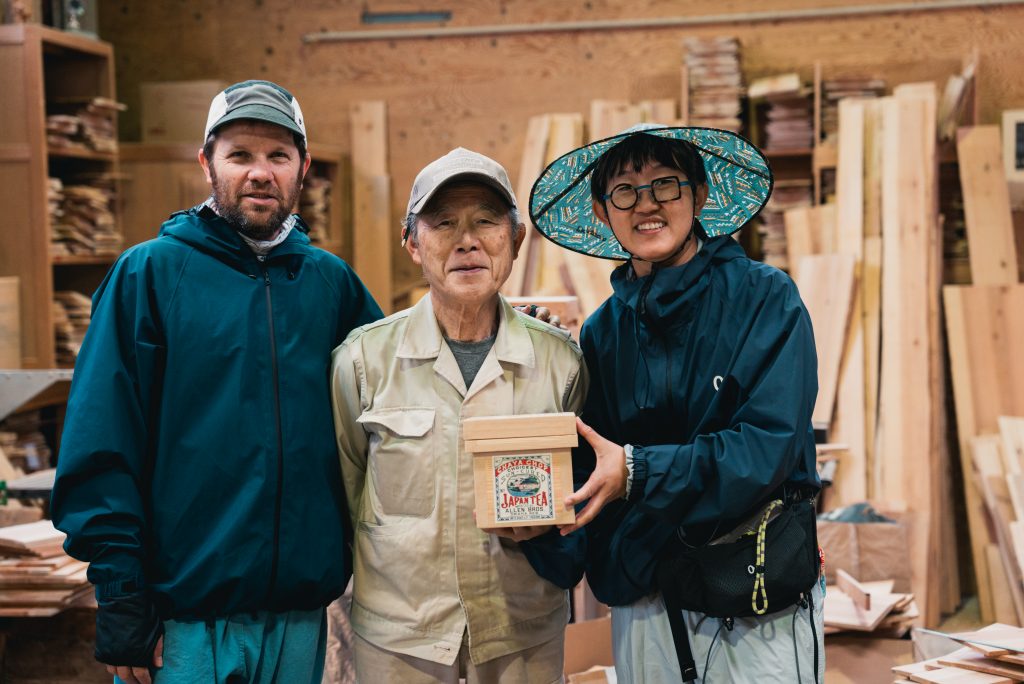
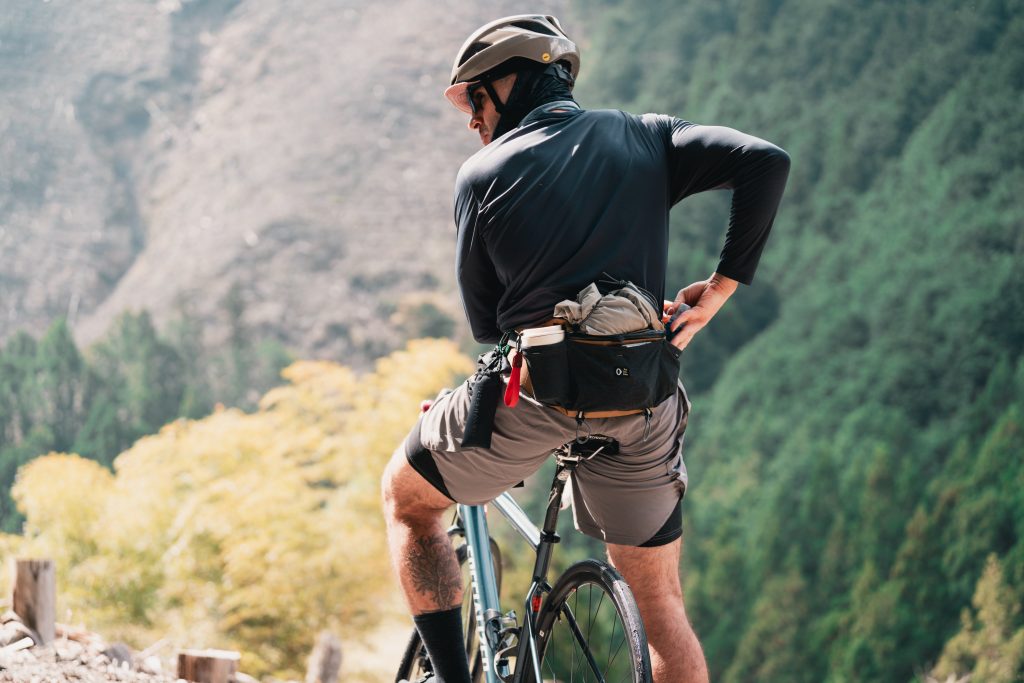
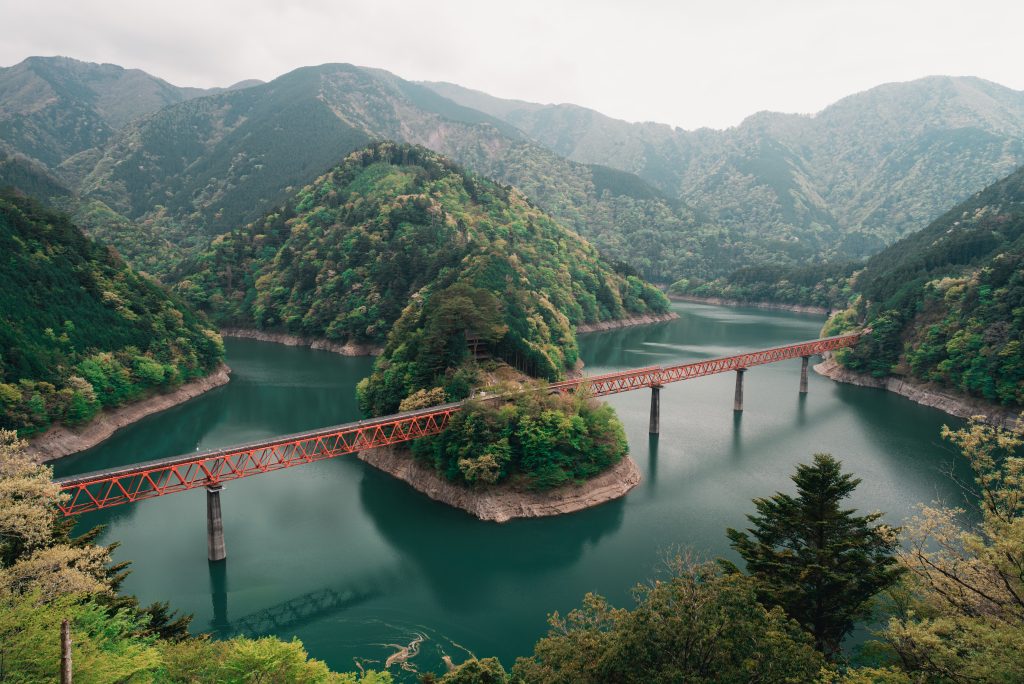
The next day, we visit CHA.BEYA, an art gallery housed in a repurposed tea factory, where we discover elegant, now-rare chabako, or traditional tea storage boxes. Two days later, we find ourselves at Maeda Workshop, dazzled at the artisans crafting the very same boxes with care and precision. We cycle down forest paths like a bird in flight, and ride the scenic Ōigawa Railway, watching the landscape roll by as the AN KO RAU team smiles like kids seeing it all for the first time.

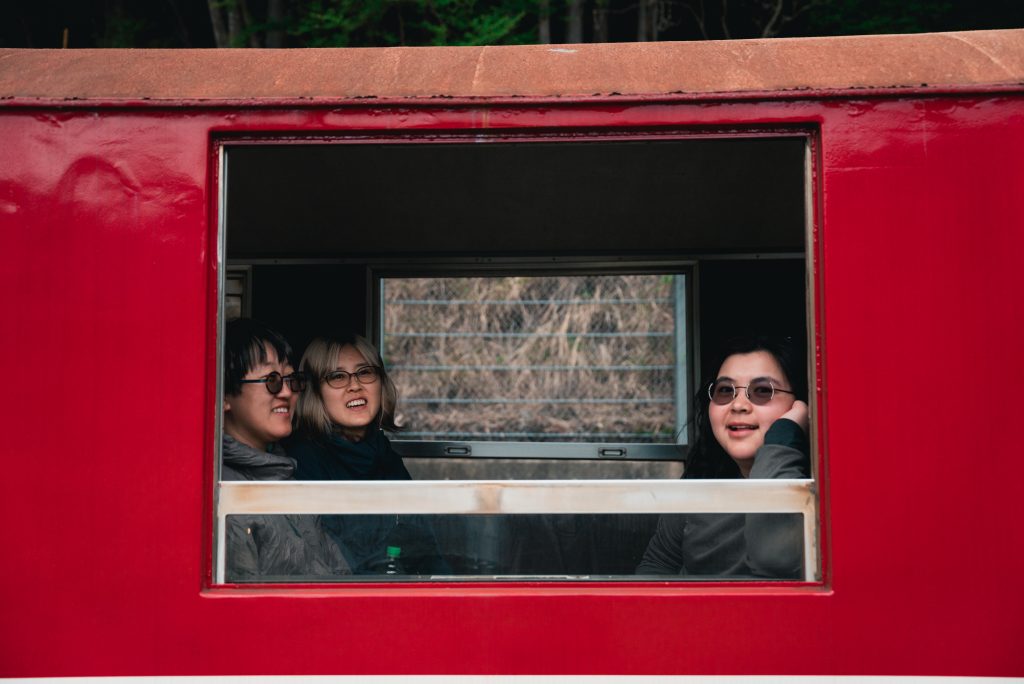
“There are just so many places to stop along this trail, and so many people to meet. I can really feel their passion. And I think something inside me has shifted,” says bag designer Han Yue.
Yan Dong, a menswear designer who once studied abroad in Tokyo, adds with a smile, “This is nothing like the Japan I thought I knew. I go hiking often, but to be able to learn so much about the local history and culture along the way, this really is a special kind of journey.”
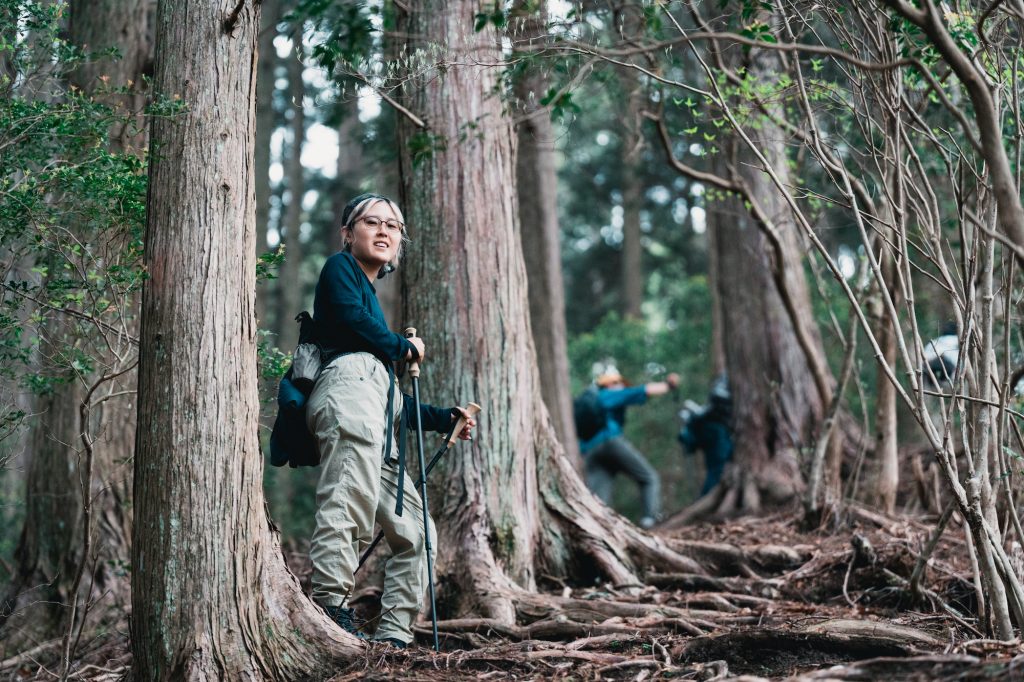
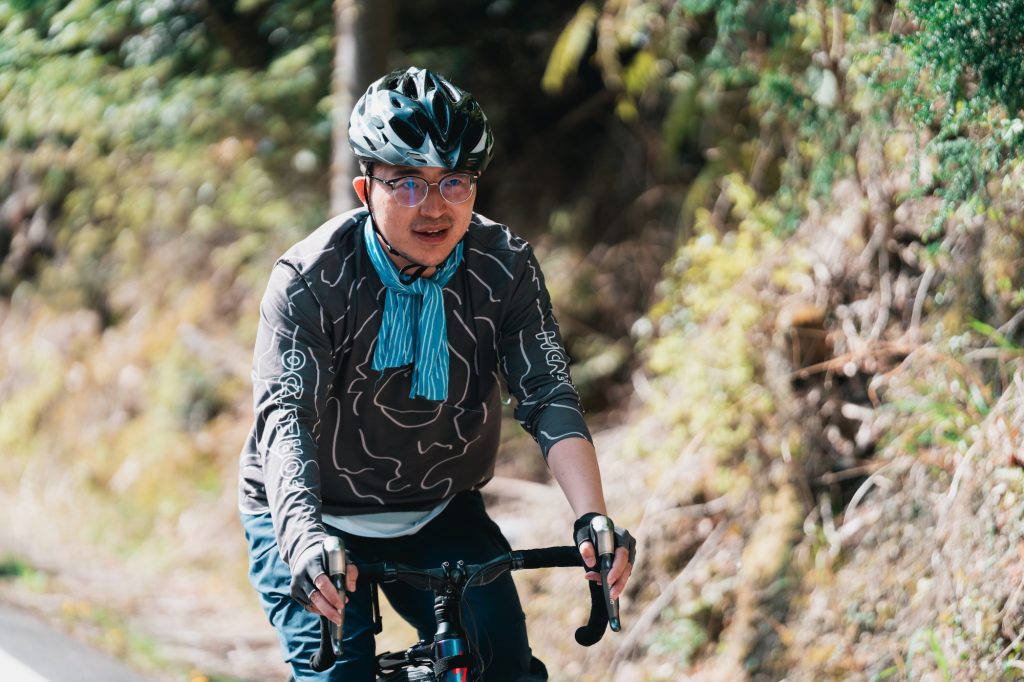
Throughout the journey, we stop at centuries-old shrines and temples scattered along the way. As the final day arrives, we cross the world’s longest wooden pedestrian bridge, Horai Bridge, and cruise through the city of Shimada, finally returning to our starting point at Ishizuhama Park.

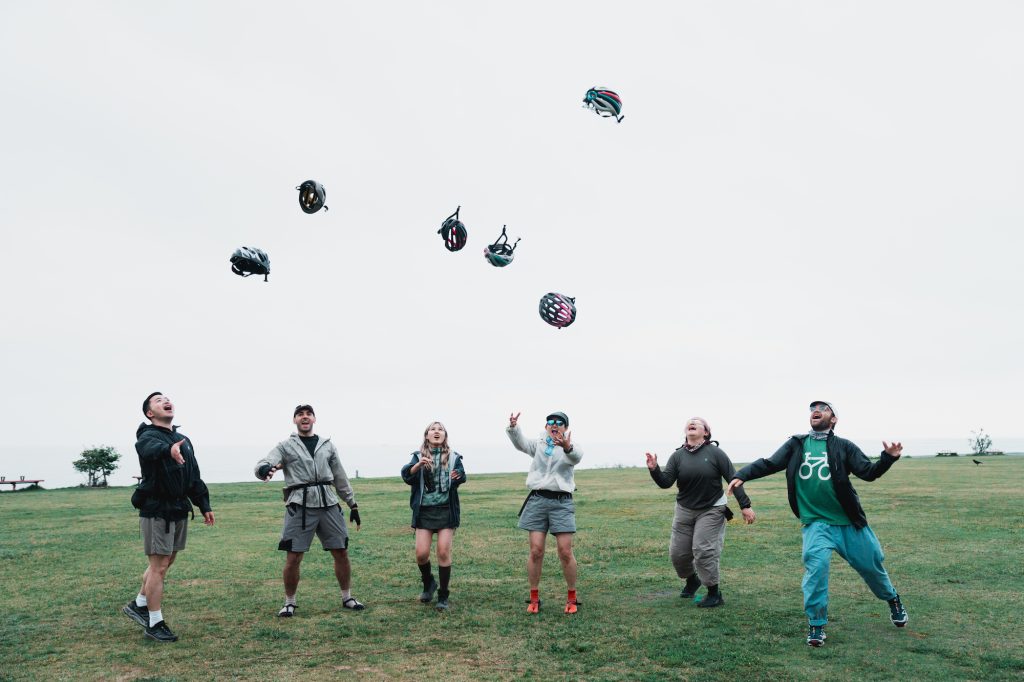
Reflecting on that last moment, women’s designer Gao Luqi notes, “When I saw the goal up ahead, it was sparkling, despite the weather. I realized this wasn’t the end. It felt like a beginning. Like a new tomorrow was about to start.”
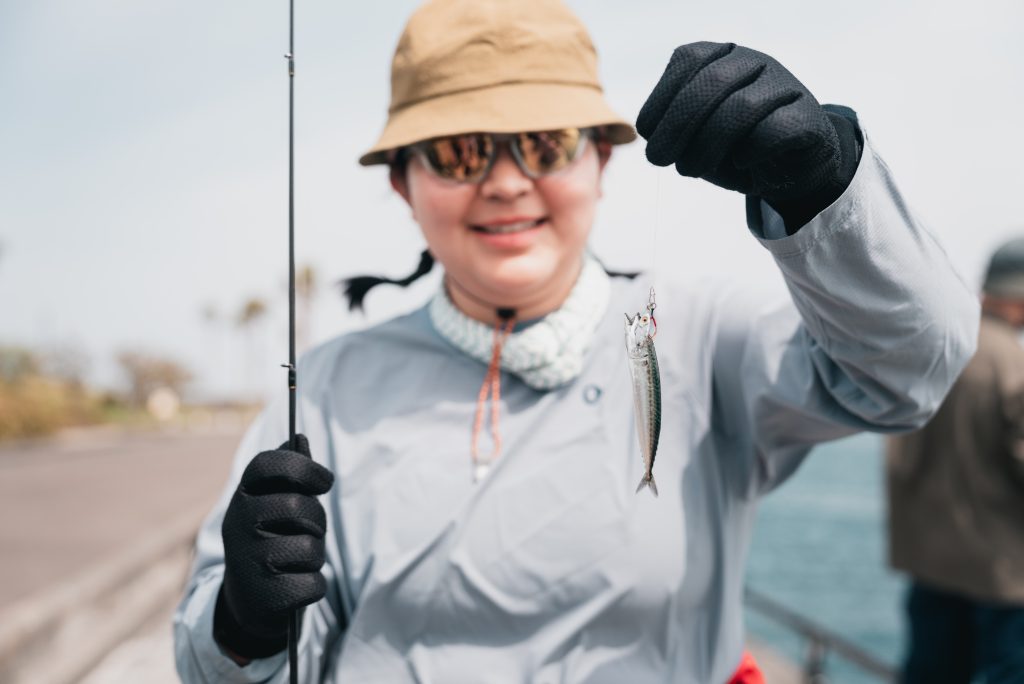
Her radiant expression seemed to capture something essential; the quiet, enduring gift that the KATSUO TRAIL offers to all who travel it.