







Origins of the Yaizu Katsuo Fishery
A new trail will open that loops around the Oi River, running north-south from Yaizu City to Kawane Honmachi and back to Yaizu. This “Katsuo Trail” course is based on the previously unheard-of concept of ‘trail learning’—walking while learning, with a theme of “Bonito”.
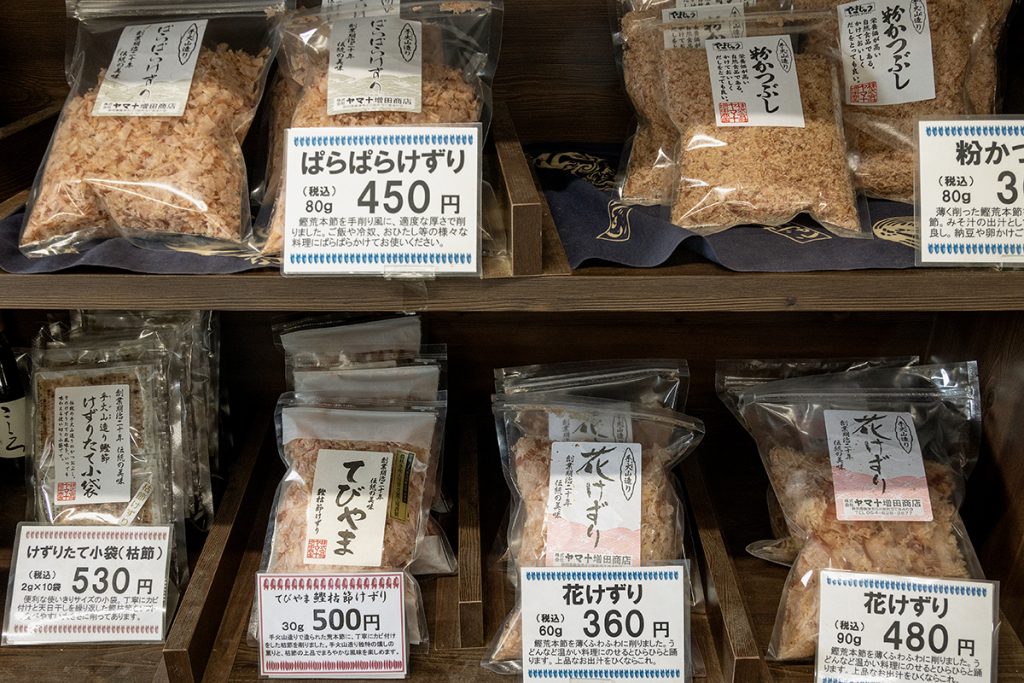
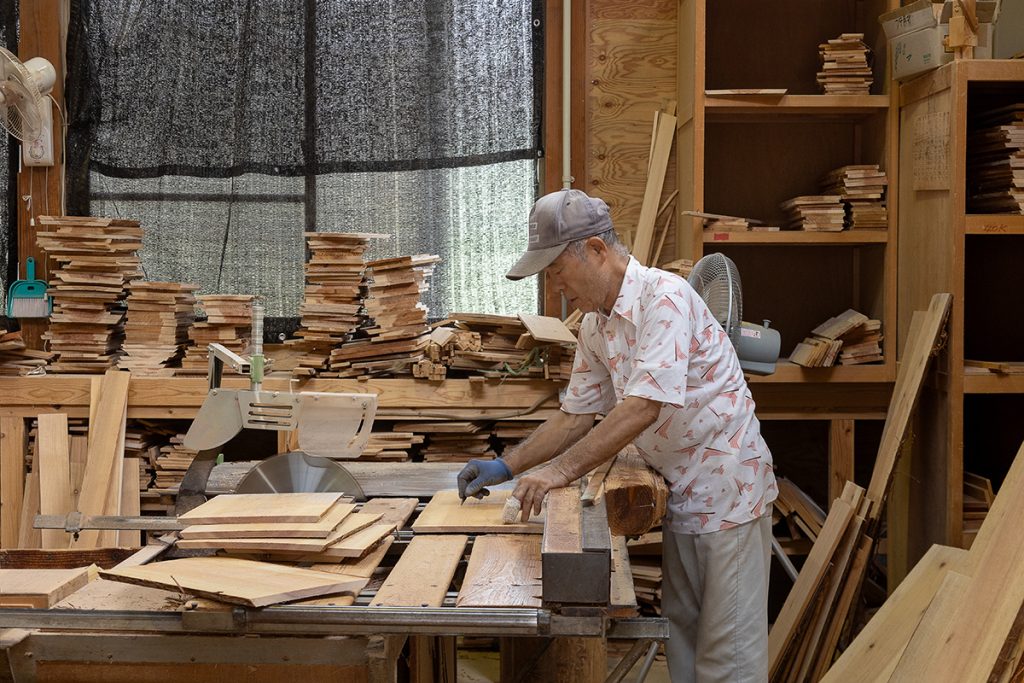
The Yaizu fishing port, which boasts some of the largest catches in Japan, is also renowned as a base for Katsuo Fishing. It is believed that Katsuo Fishing boats were once constructed using lumber cut in Kawane Honmachi and shipped down the Oi River. Lumber from Kawane-Honmachi, located deep in the mountains, was sent to Yaizu, while processed Katsuo Products that landed in Yaizu were shipped to Kawane-Honmachi. In this way, they reaped the bounty of both the sea and the mountains from one another. The ‘Katsuo Trail’ is an attempt to trace the exchanges created through bonito, divided into nine sections.
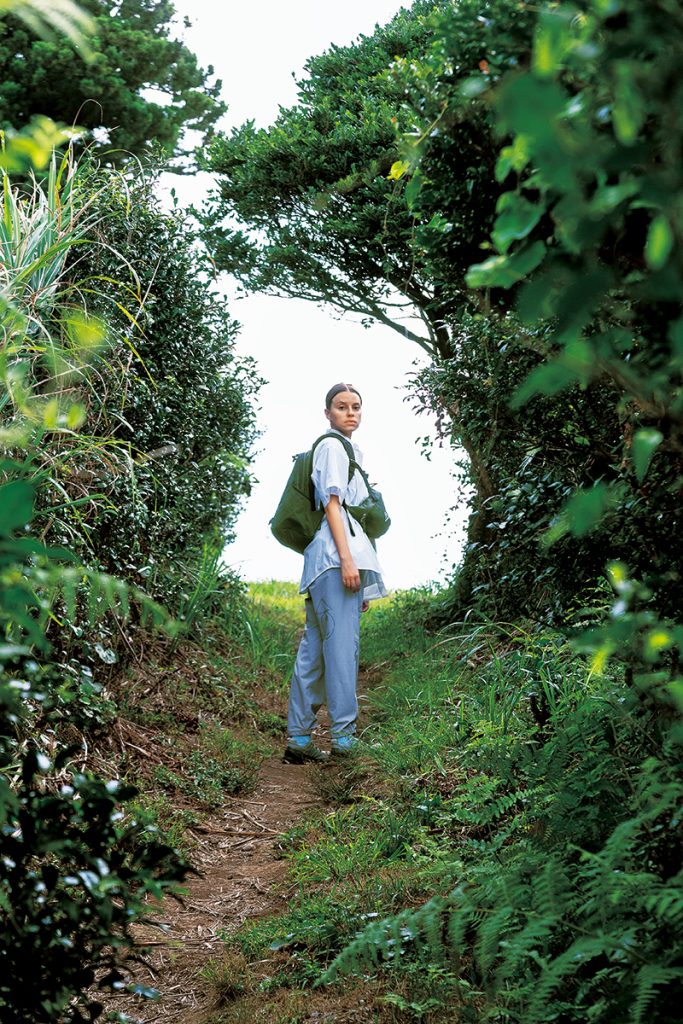
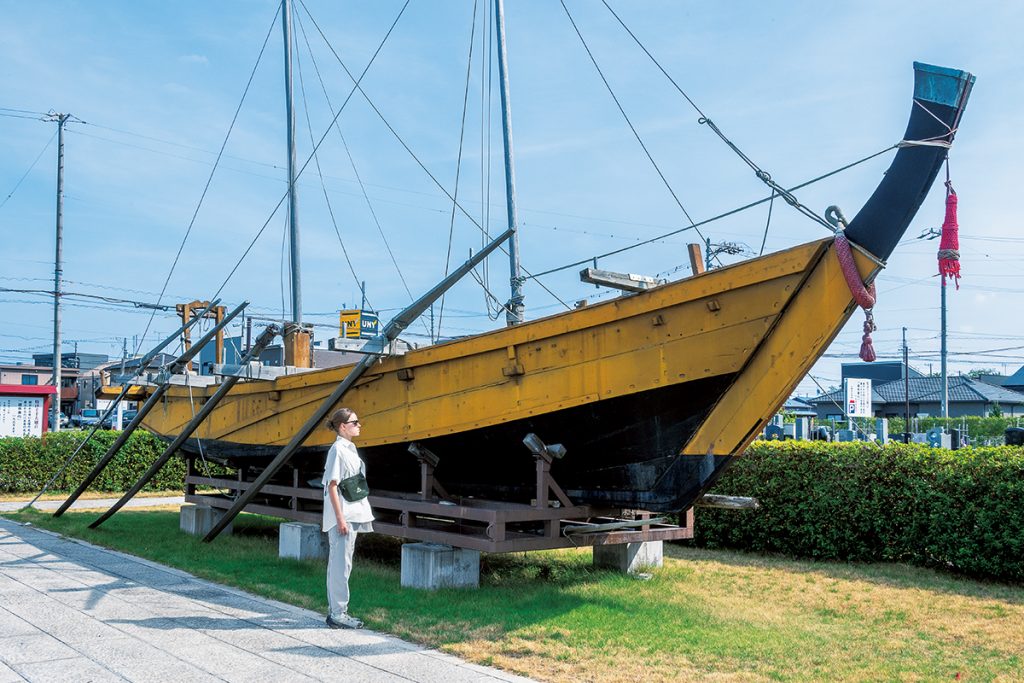
The first half of the route around the Oigawa River follows a mountain section that passes through former Tokaido Highway post towns, while the second half is a river section that traces the geographical features and history shaped by the Oigawa River. The starting point is Ishizuhama Park in Yaizu City. Before hitting the trail, we visited the Yaizu City History and Folklore Museum to learn about the relationship between Yaizu City and Katsuo. Curator Gen Suzuki shared that Katsuo bones, believed to date back to the Kofun period, were excavated from the Miyanokoshi site in the city. Historical records also indicate that Katsuo flakes and Katsuo broth were once paid as taxes to the capital of Heijo-kyo during the Nara period. The flourishing of Katsuo fishing in Yaizu can be traced back to the ‘Hatcho Ro,’ a high-speed wooden boat that was in use from the Edo to the Meiji period.
In those days, fishing boats were restricted to no more than eight oars to prevent them from outpacing military vessels. However, the fishing boats of Yaizu were granted special permission to use the Hatcho Ro to escort Tokugawa Ieyasu, who frequently stopped by Yaizu for falconry. Thanks to the Hatcho Ro, which was as fast as a military ship, Katsuo fishing— a practice that requires speed—thrived in the region. Such Katsuo Fishing is depicted in Illustration of the Yaizu Fishing Industry by Kanehira Suzuki, a painter who was also an active fisherman. The Hatcho oar may represent a fishing boat built with lumber from Kawane Honmachi.

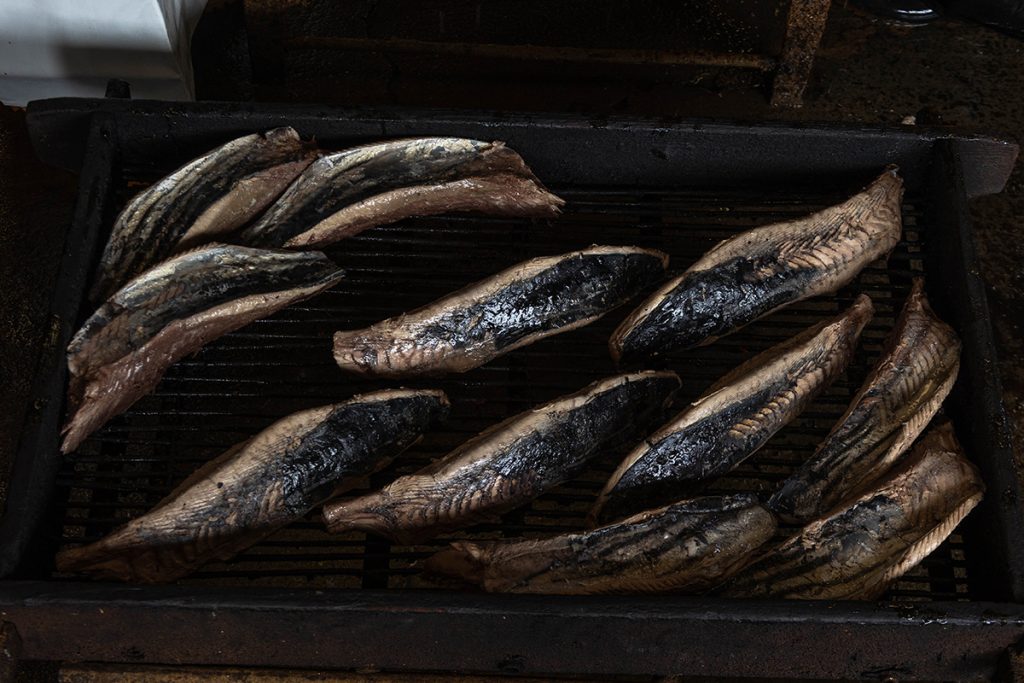
With this story in mind, we continued our walk from the sea to the mountains, seeking both Katsuo And the traces of the surrounding culture. After buying a fish-motif amulet at the Nahei Shrine in Section 1, we headed for Mt. Takakusa.
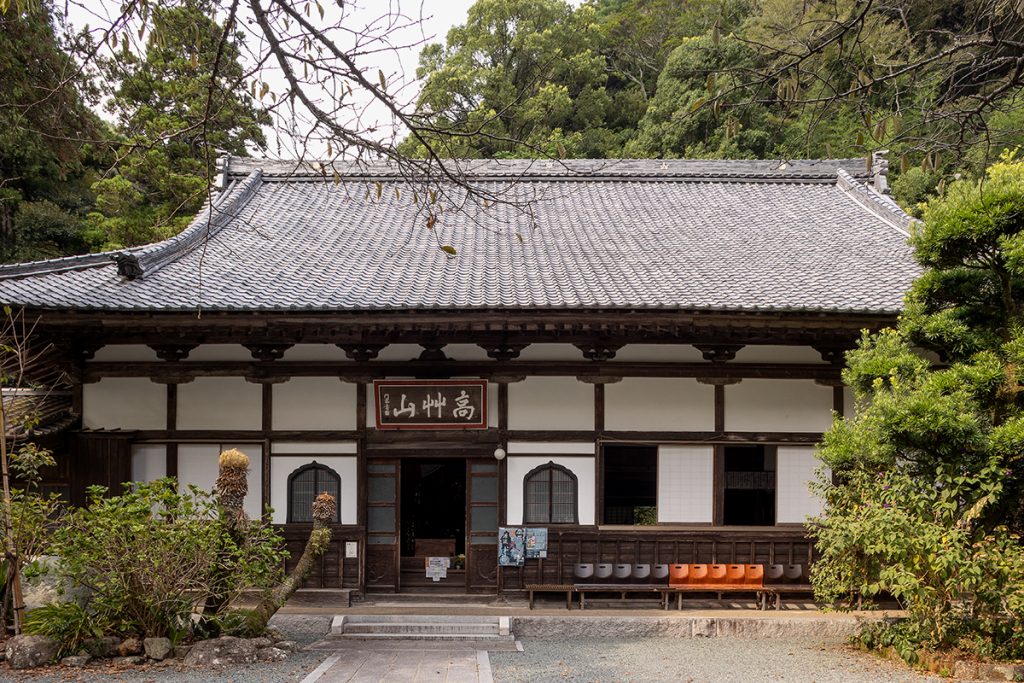
Rinso-in, a Zen temple that draws significant attention from foreigners, is located at the entrance to the trail on Mt. Takakusa. Master Shunryu Suzuki, who served as abbot here during the Showa period, played a key role in spreading Zen to America. He is also known for his influence on Gary Snyder and Allen Ginsberg. Zazen instruction is available for those interested in Zen, so if time allows, try the morning zazen and then head to Mt. Takakusa.
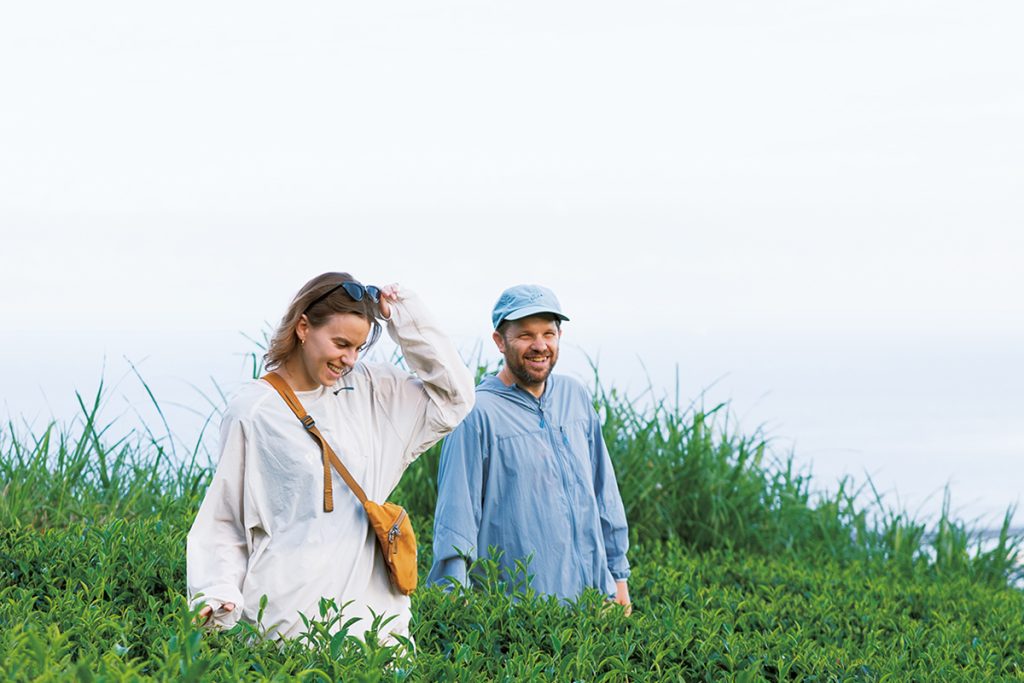
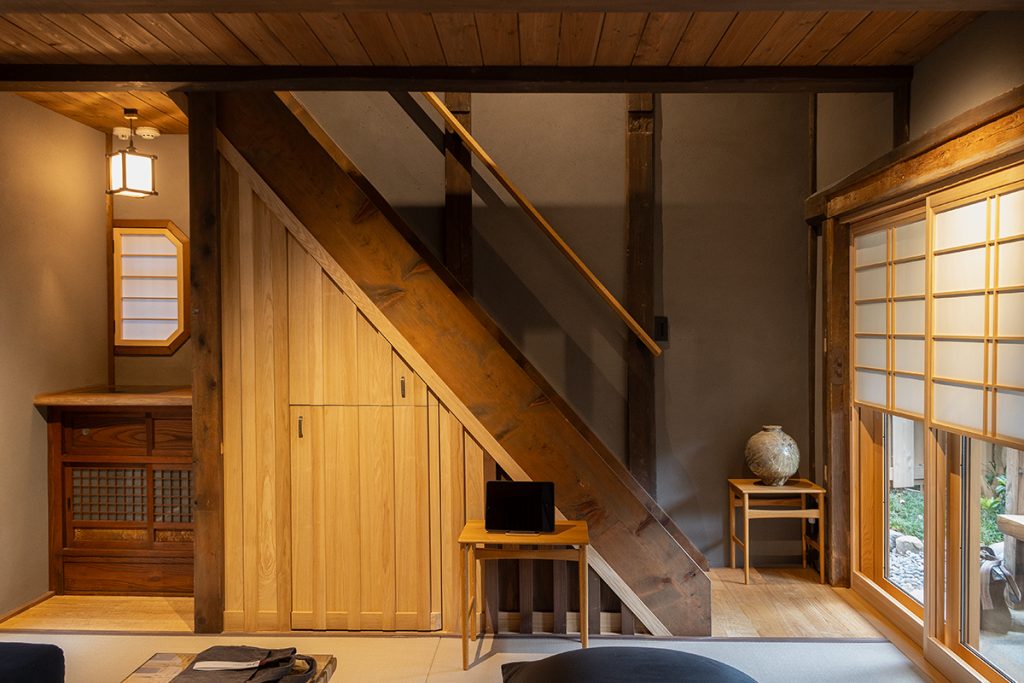
After hiking Mt. Takakusa and Mt. Mankanho and passing through the Utsunoya Exit where the old Tokaido Highway runs, we entered Fujieda City. Section 2 begins at Okabe-juku, which still retains the charm of an Edo Period inn town.
Our first stop was Hatsukame Shuzo, the oldest sake brewery in Shizuoka Prefecture. Recently, they have shifted to brewing sake with a local focus, using sake rice and yeast produced in the prefecture. We stocked up on “Tokusen Junmai Hatsugame” and stashed it in our backpacks.

We continued walking to Okubo, in the mountainous area of Fujieda City, and Section 3 took us over Mt. Takane to Shimada City.
‘Shimada City Mountain Village Urban Exchange Center Sasama,’ a lodging facility housed in a renovated elementary school, offers visitors the opportunity to interact with local residents. In recent years, the area has hosted a biennial ceramic art festival, part of ongoing efforts to foster a community centered around ceramics.
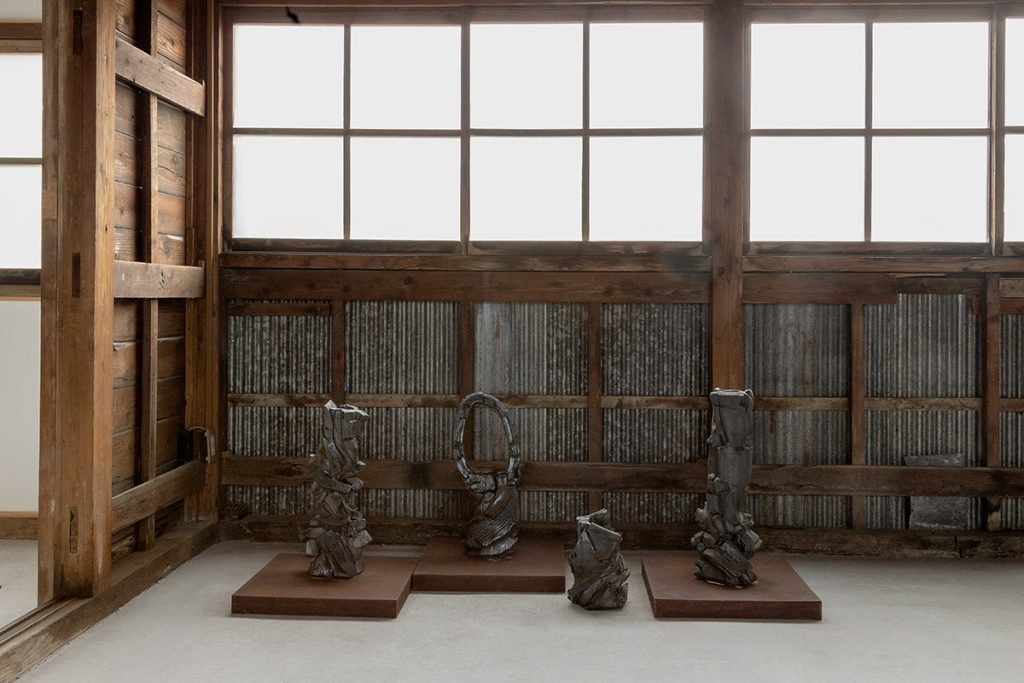

Turning around at “Kawane Trail”
Section 4 runs from Sasama to Kawane Honmachi, passing over Mt. Musoren and Mt. Honjo. Section 5 consists of walking the “Kawane Trail” (PAPERSKY#69 ) and enjoying a train trip on the Ikawa Line (Southern Alps Aputo Line) from Okuōikojō Station. Along the way, we stopped at the Kawane Honmachi Museum Yamabiko. The Oigawa River plays a key role in the forestry industry of Kawane Honmachi, where logging was historically carried out along its banks. Visitors can learn about the area’s forestry industry and local activities centered around the river.
‘The raging river was used in winter, when the water volume was more stable. Weirs were built to store water, allowing it to flow with less volume, and flash floods triggered by the weirs helped carry the water downstream. Meanwhile, tugboats that transported charcoal and agricultural products to Shimada also relied on the Oi River. Records show that boats carried goods such as rice, sake, and dried fish on the return trip. It is possible that Katsuo Shavings were also transported at this time’ – explained Masafumi Suzuki from the museum.
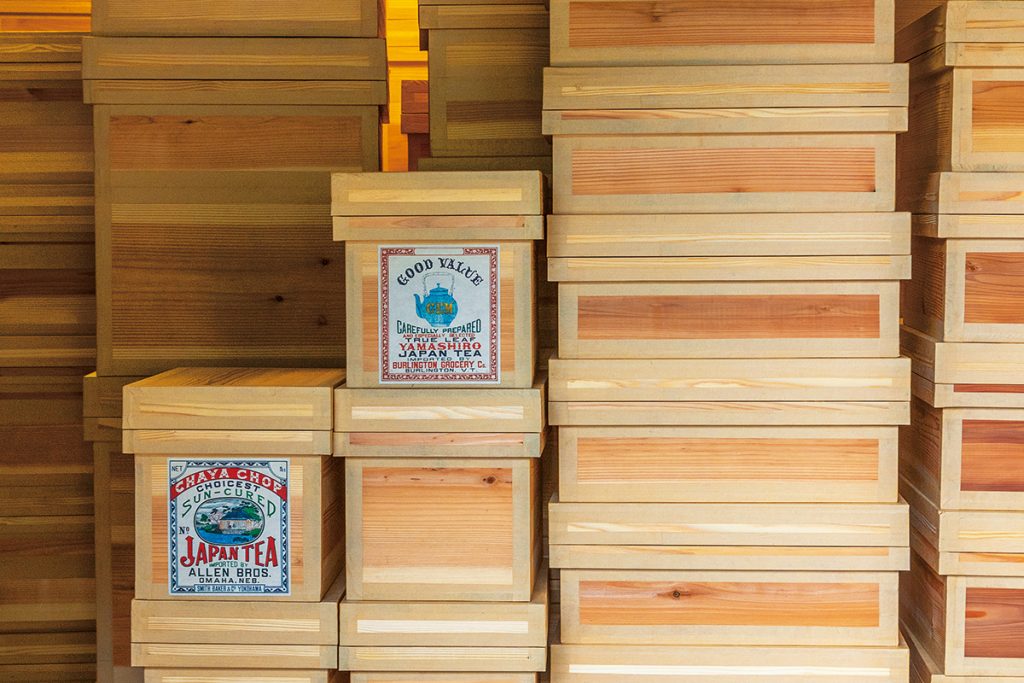
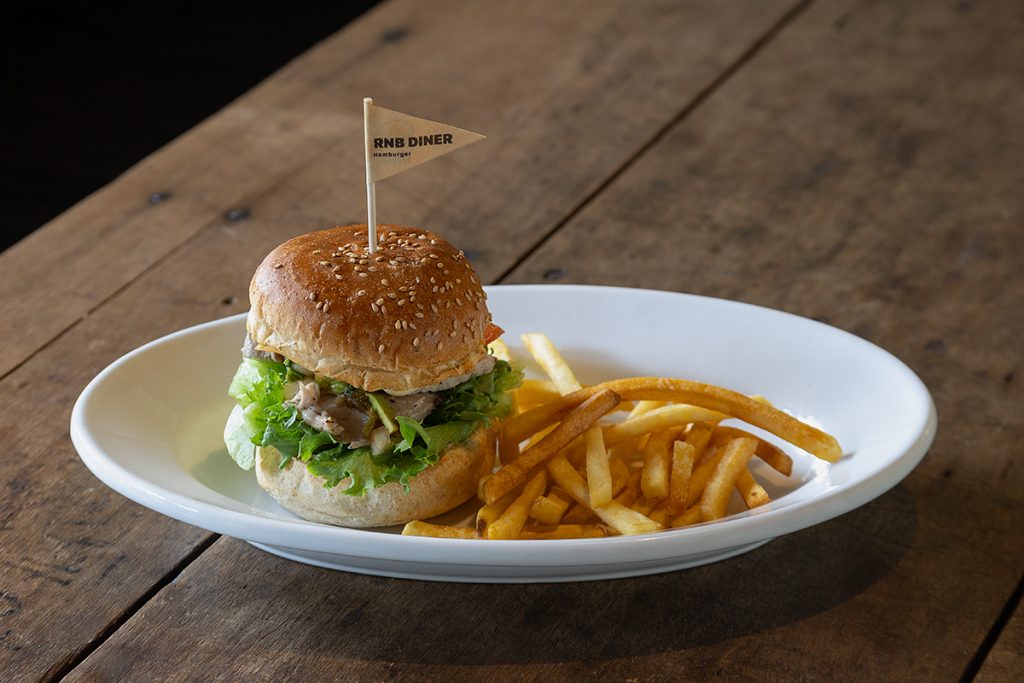
Section 6 leads to the Shiogo Suspension Bridge and offers the chance to enjoy a Katsuoburger at ‘RonNoBar,’ while Section 7 features a ride on the Oigawa Railway’s SL train to Mt. Chiba, where visitors can admire a 1,000-year-old cedar tree.
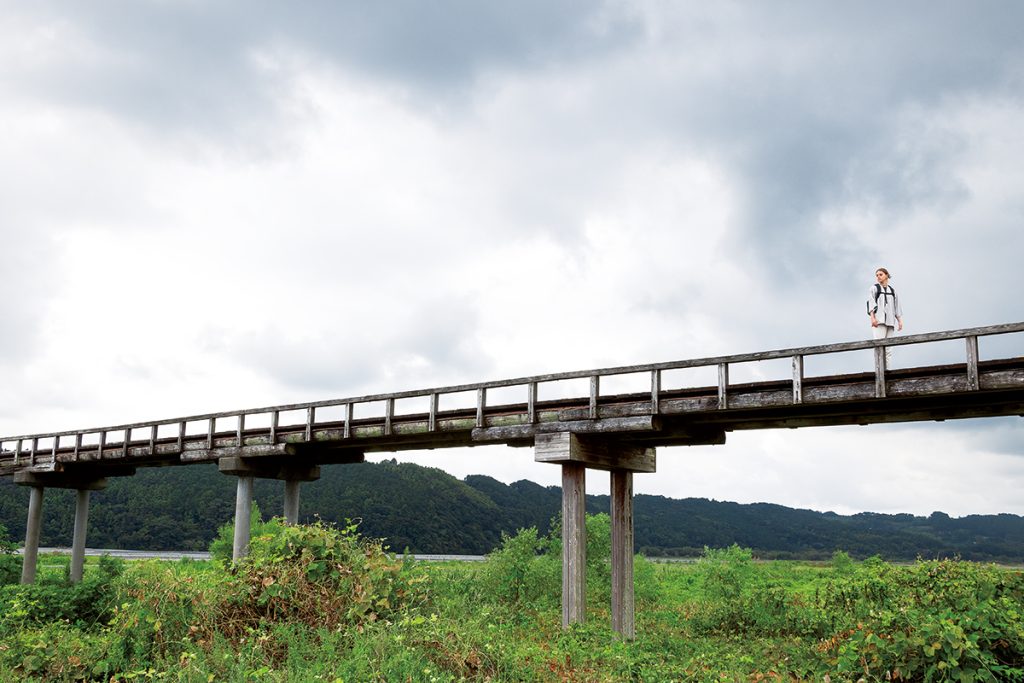
Section 8 involves walking along the Makinohara Plateau, crossing the Horai Bridge, and reaching the center of Shimada. Horai Bridge, recognized as ‘the world’s longest wooden pedestrian bridge,’ was built as an agricultural walkway to support the development of the Makinohara Plateau under the leadership of Kaishu Katsu. The resulting Makinohara Great Tea Garden is now a signature landscape of Shizuoka. Section 9 on the final day goes from in front of Shimada Station to Oigawa Port and back to Ishizu Kaigan Park.
The ‘Katsuo Trail’ enables travelers to stay at private accommodations of tea farmers and lodgings focused on local design along the way, and to enjoy mingling with the local people. A bicycle route is also scheduled to open, so cyclists please keep an eye out for it!
Trail Guide
5-4-9 Ogawashinmachi, Yaizu City, Shizuoka
TEL:054-628-3677
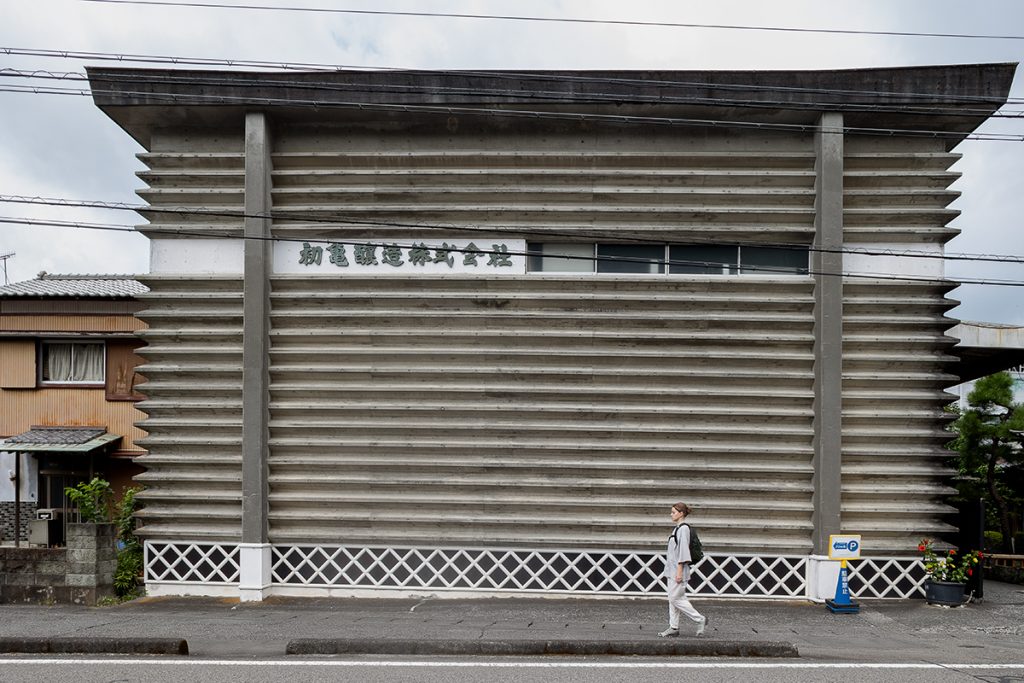
744 Okabe Okabe-cho, Fujieda City, Shizuoka
TEL:054-667-2222
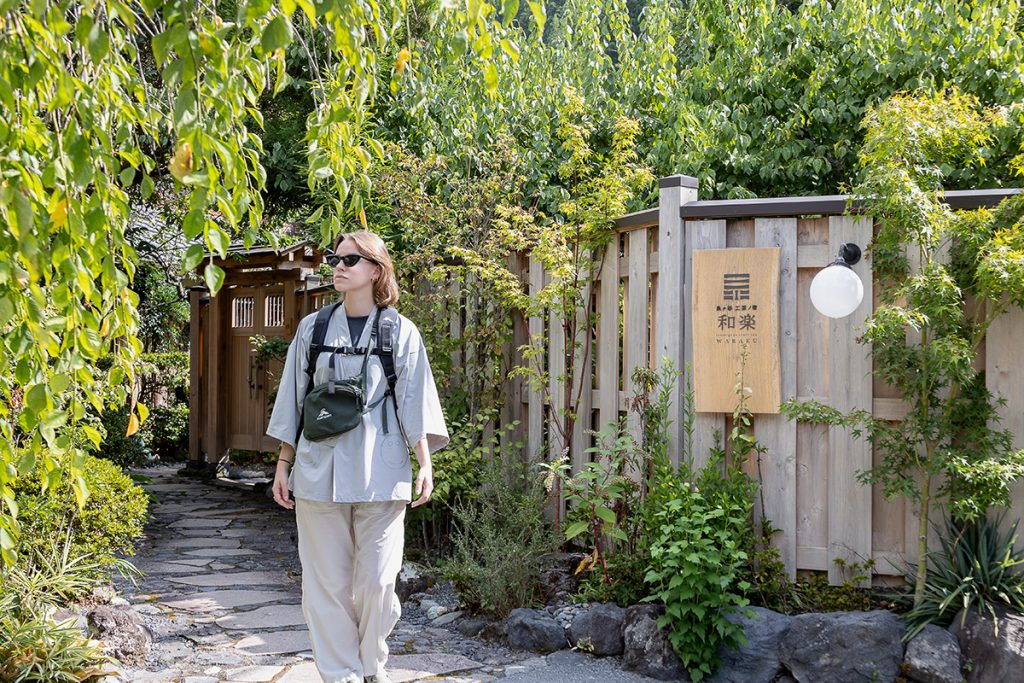
3375-1 Maruko, Suruga-ku, Shizuoka City, Shizuoka
TEL:050-5530-4338

394 Sasamagami, Kawane-cho, Shimada City, Shizuoka
TEL:0547-54-0661
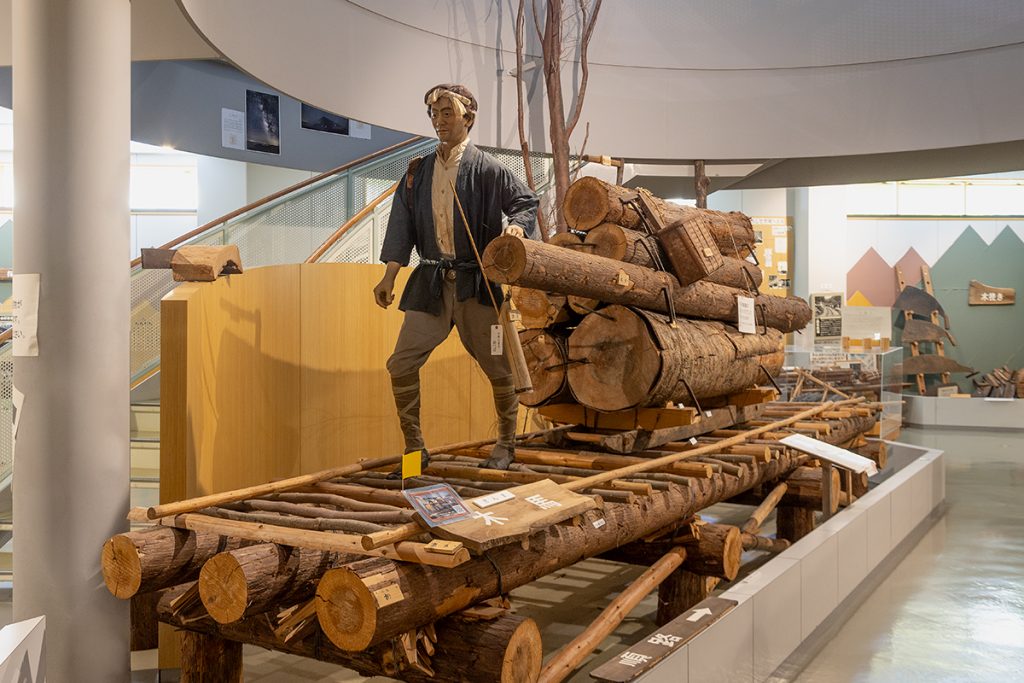
90-1 Inuma, Kawane Honmachi, Haibara-gun, Shizuoka
TEL:0547-59-4031

272-1 Kaminagao, Kawane Honmachi, Haibara-gun, Shizuoka
TEL:0547-56-1818
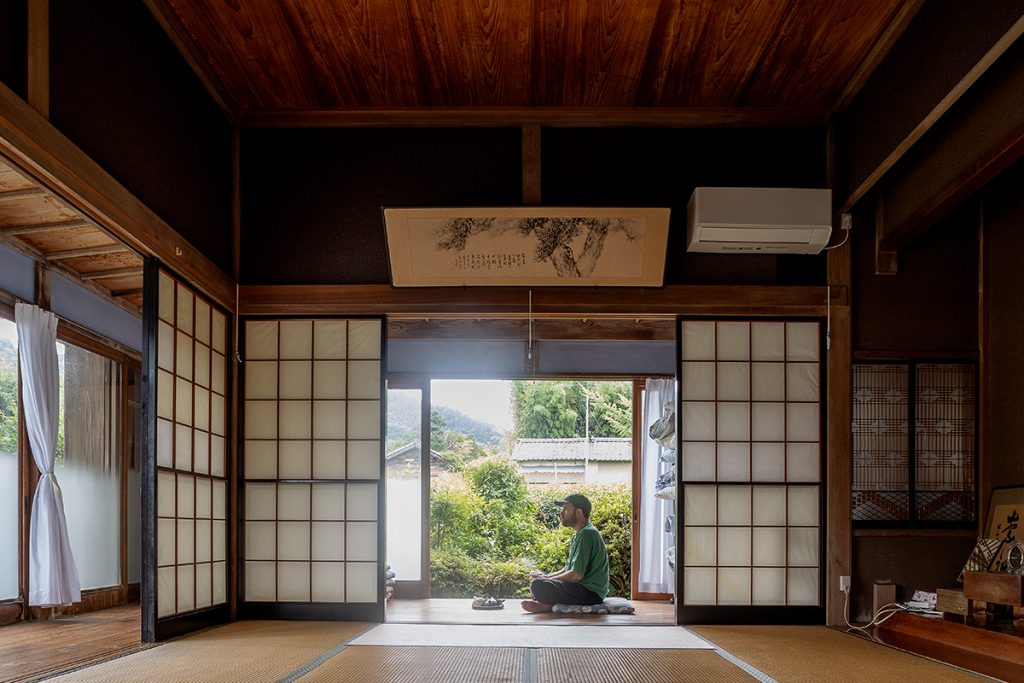
775 Yokooka, Shimada City, Shizuoka
TEL:0547-45-2307
837 Chigashira, Kawane Honmachi, Haibara-gun, Shizuoka
TEL:0547-59-2210
Endless Adventures: City Streets to Scenic Trails
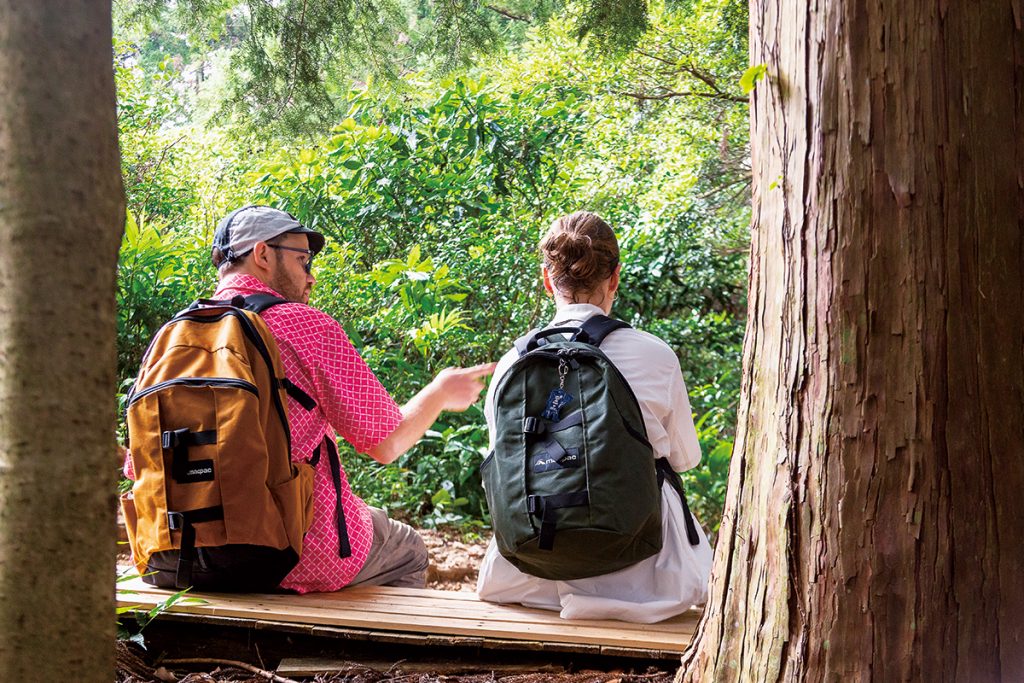
The backpacks used on the Katsuo Trail thru-hike are from Macpac, a renowned New Zealand brand synonymous with outdoor adventure. Crafted from AzTec®︎, a proprietary fabric known for its exceptional durability, these packs combine timeless design with rugged resilience. The ‘Tsui‘ is perfectly sized for daily use, while the ‘Kauri‘ is a versatile, no-fuss bag that seamlessly transitions from city life to trail exploration.
▪️For more information about the skipjack trail, click here.
