







A 200 km gravel route takes shape!
SOU SOU OSAKANA GRAVEL runs along the Hamadori coast, linking the mouth of the Abukuma River with the town of Futaba. Nearly 70 percent of the roughly 200 km route is gravel, making it a dream ride for off-road enthusiasts. The route has been developed over the past three years by Keisuke Ichinose, producer of the Volcano Trail introduced in Japan Long Trail Walker articcle. The Bandai–Asahi National Park area where Ichinose is based and the Soso region along the coast, he says, are closely connected through water.
“Rain and snow that fall in the mountains are filtered through volcanic strata, becoming mineral-rich water that flows into the Abukuma River and eventually reaches the Pacific in southern Miyagi. Near the river mouth, the Oyashio and Kuroshio currents meet. When this mineral-rich water pours in, it creates one of the world’s finest fishing grounds. It’s also one of the places where Joban-mono seafood, prized as a regional brand, is caught.”
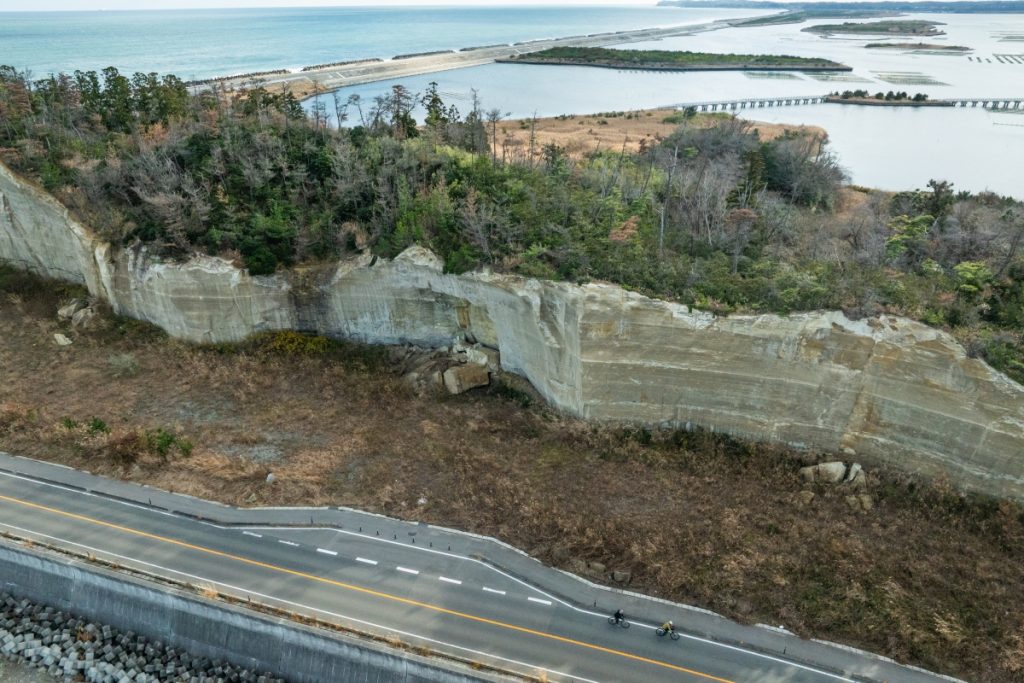
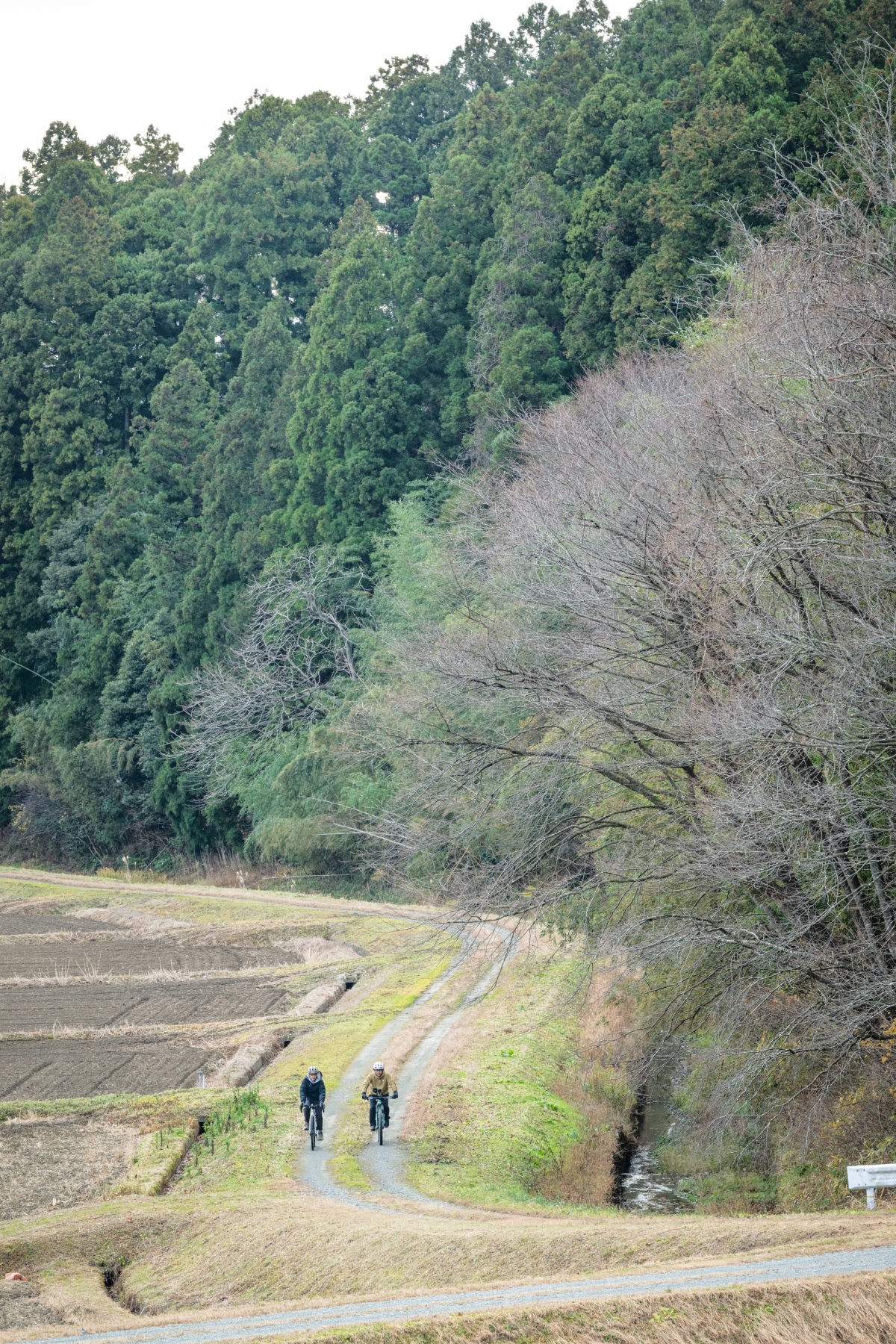
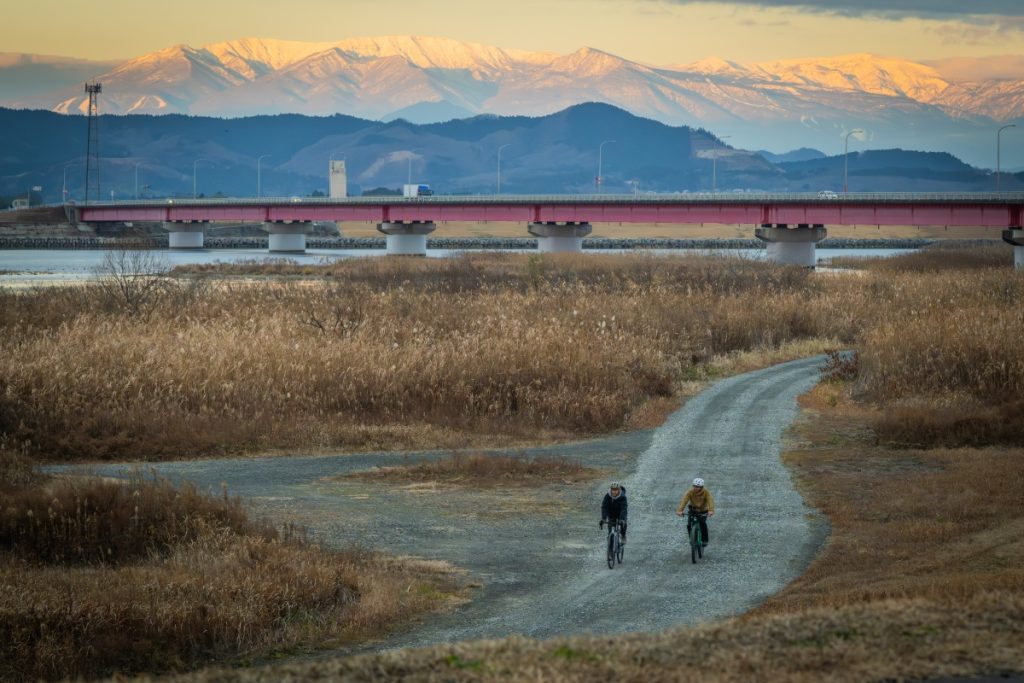
“While riding along the coast, I want people to experience the nature of the national park that is connected through this flow of water,” enthuses Ichinose, who offered to guide the journey. Together we set off on gravel bikes toward the Hamadori coast. On the first day, we start in Natori near the mouth of the Abukuma River in southern Miyagi, follow the river south into Fukushima, and ride as far as the area around Soma Station on the Joban Line.
Day two. Our first destination is Matsukawaura, also known as “Komatsushima”. Long loved as a pleasure spot by the Soma domain since the Edo period, this beautiful lagoon is a famed producer of aonori seaweed, with rows of nori racks stretching across the water.

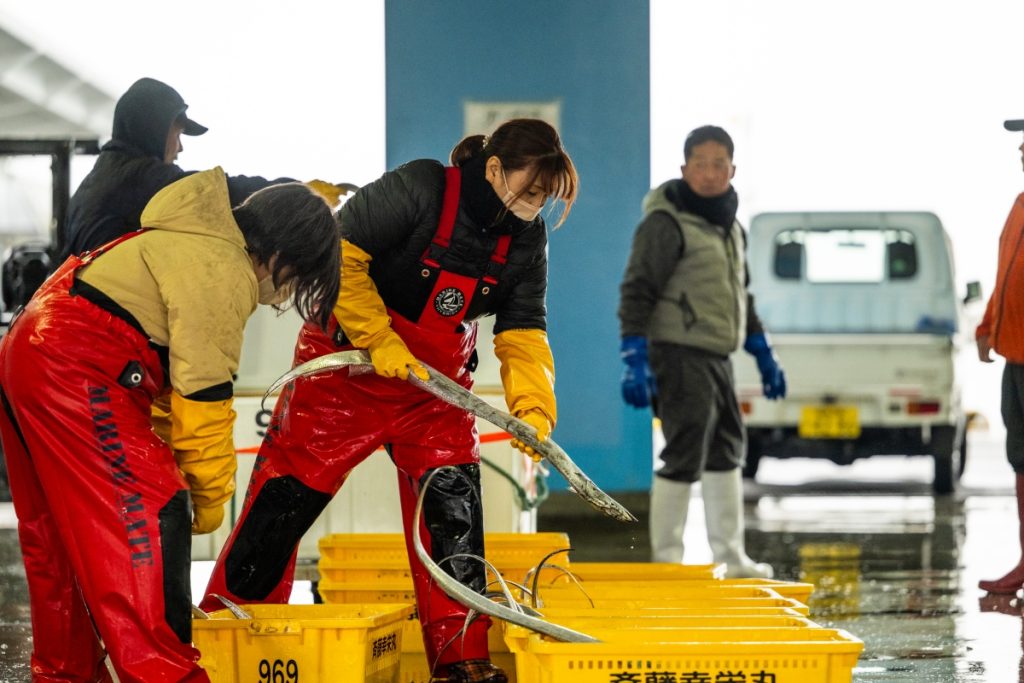
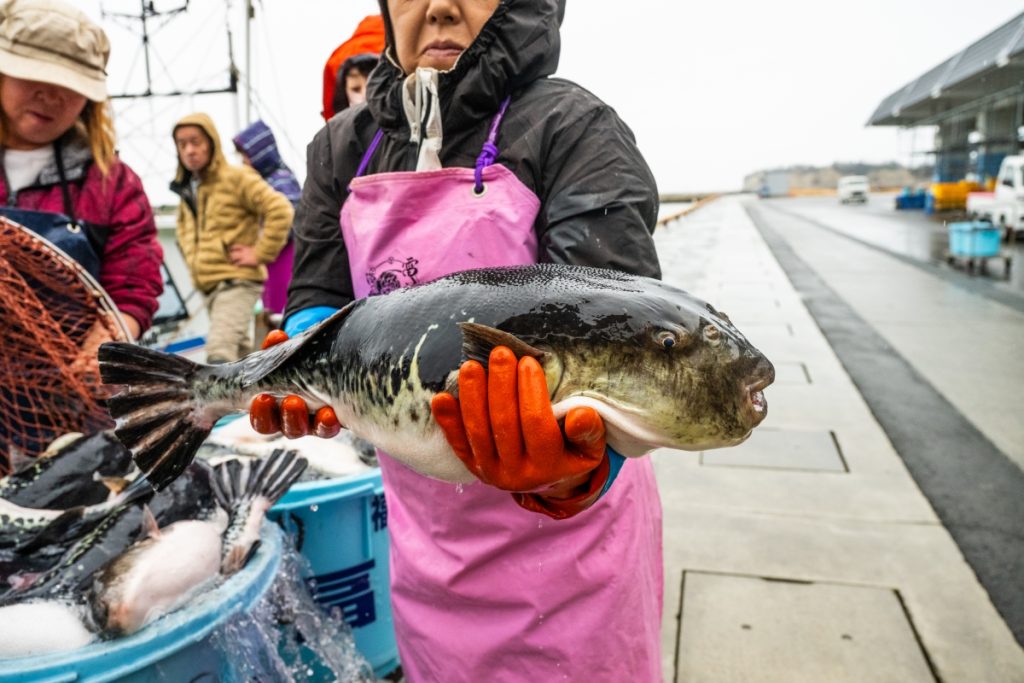
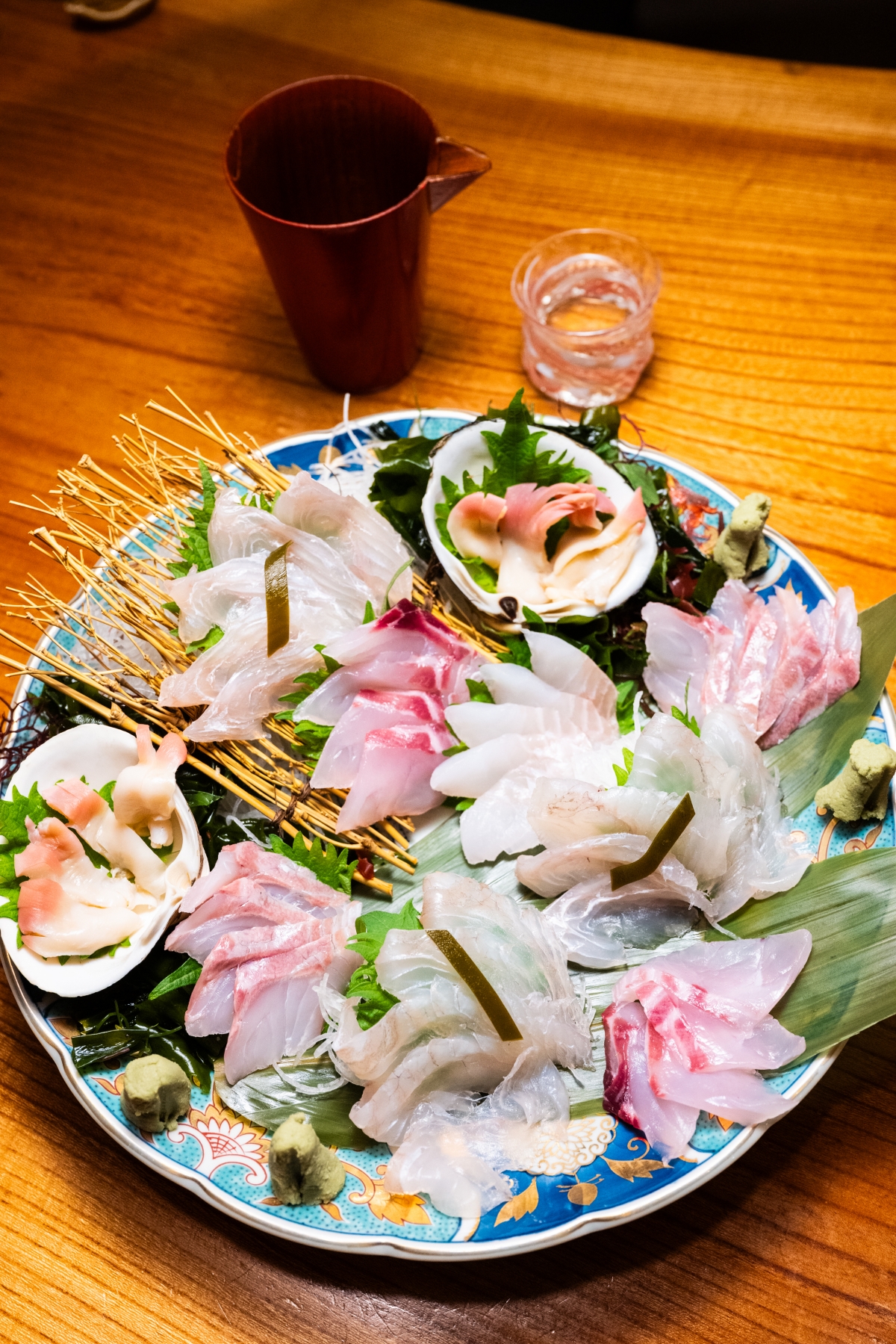
Just beyond lies Matsukawaura Fishing Port, known for its high-quality white fish and for the branded pufferfish “Fukutora.”
Timing our visit for the early morning, we were given special permission to watch the day’s catch being landed. The fish are sorted, weighed, and sent to auction, and much of this work is carried out by the port’s powerful women. Their strength is striking, and throughout the port you sense the resilience of people whose lives are bound to the sea. After the disaster, it was also these women who played an active role in reviving and energizing the local fishing industry.
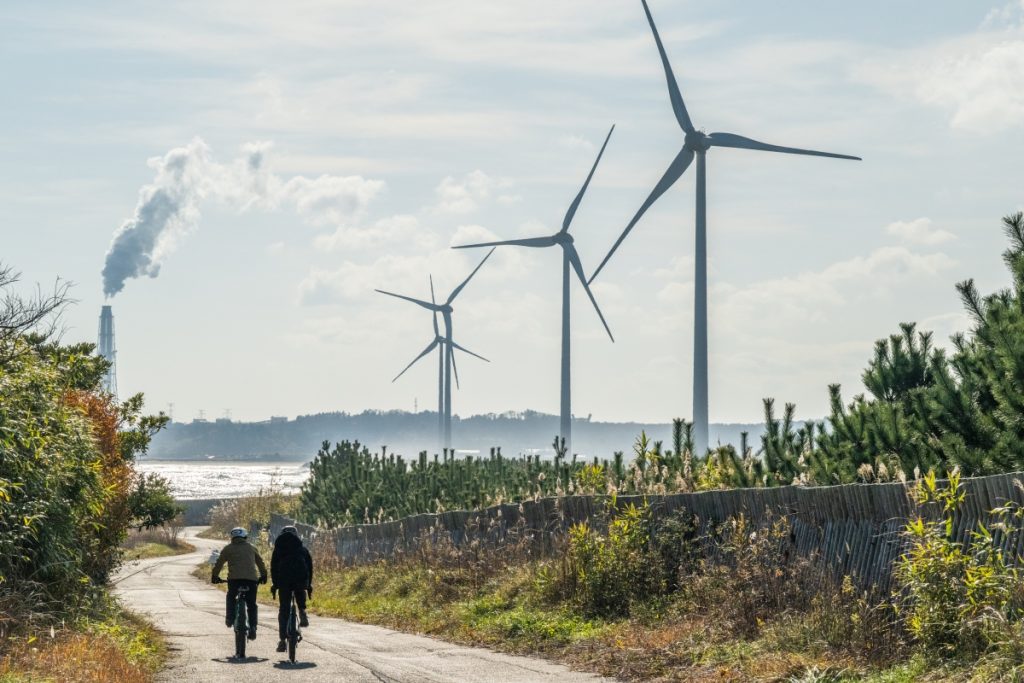
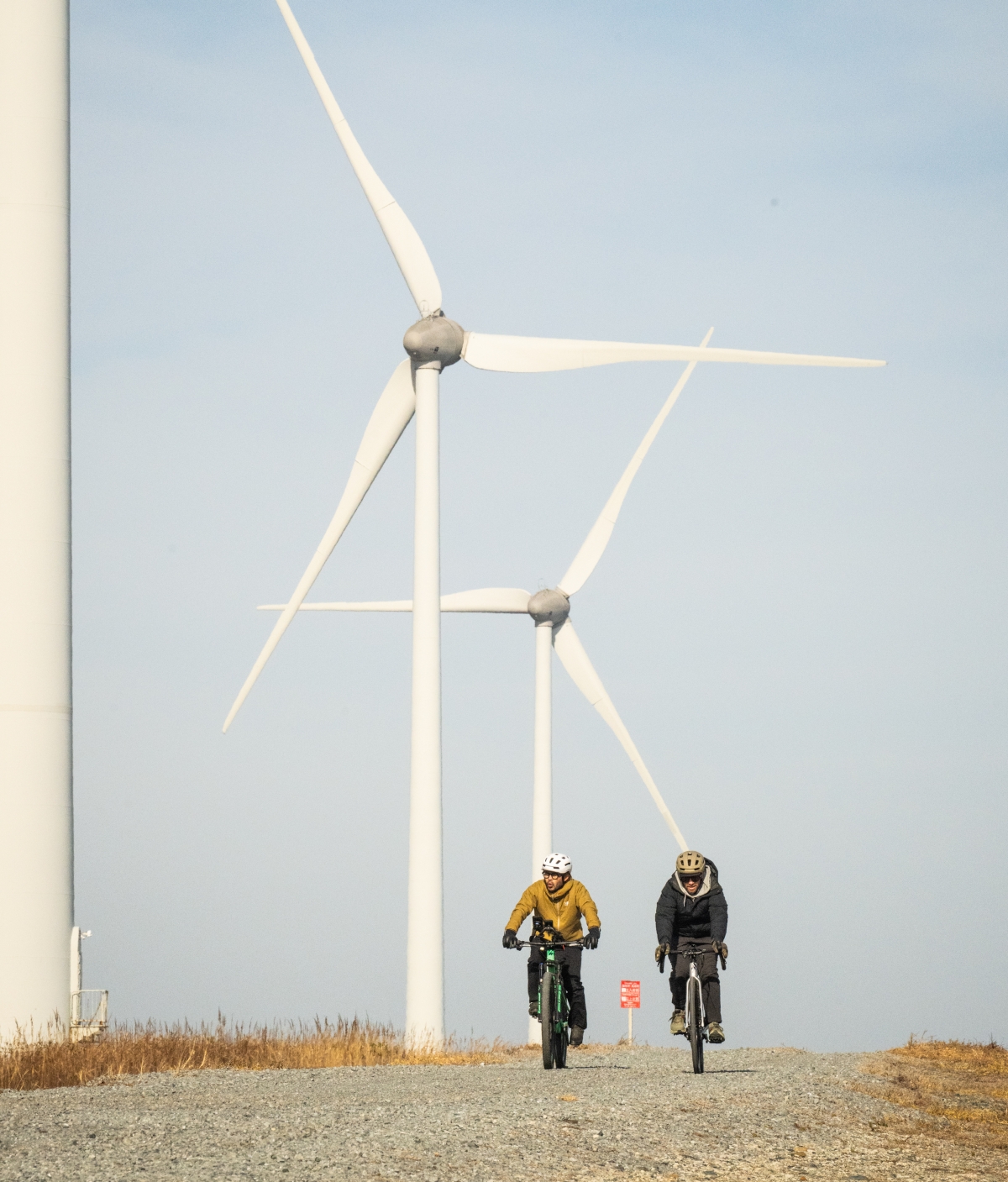
Beyond Matsukawaura lies Kashima, once a port town where houses stood tightly packed along the shoreline. Little of that scene remains today. As along the coast we rode from Natori, what you see now is a vast seawall stretching down from Sanriku and open plains that seem to go on forever. With residential construction no longer permitted here, the land is being put to new use, dotted with wind turbines and solar panels. On the inland side of the seawall, efforts to restore the windbreak pine forests have begun.

Living with Horses, Sustained by Salmon
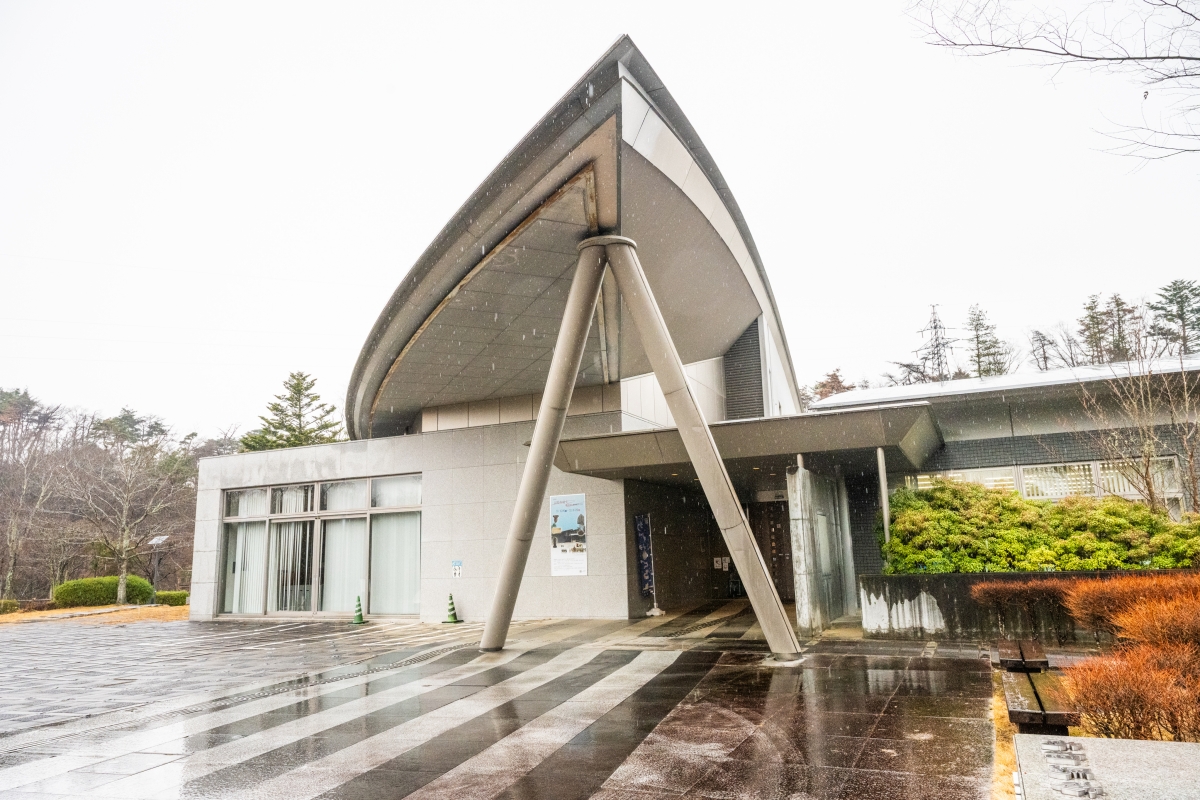
At the Minamisoma City Museum, a packhorse fitted with salmon baskets has been reconstructed. The baskets hang on either side just like modern panniers! Another highlight is Soma Nomaoi, a festival with more than 1,000 years of history and designated an Important Intangible Folk Cultural Property.
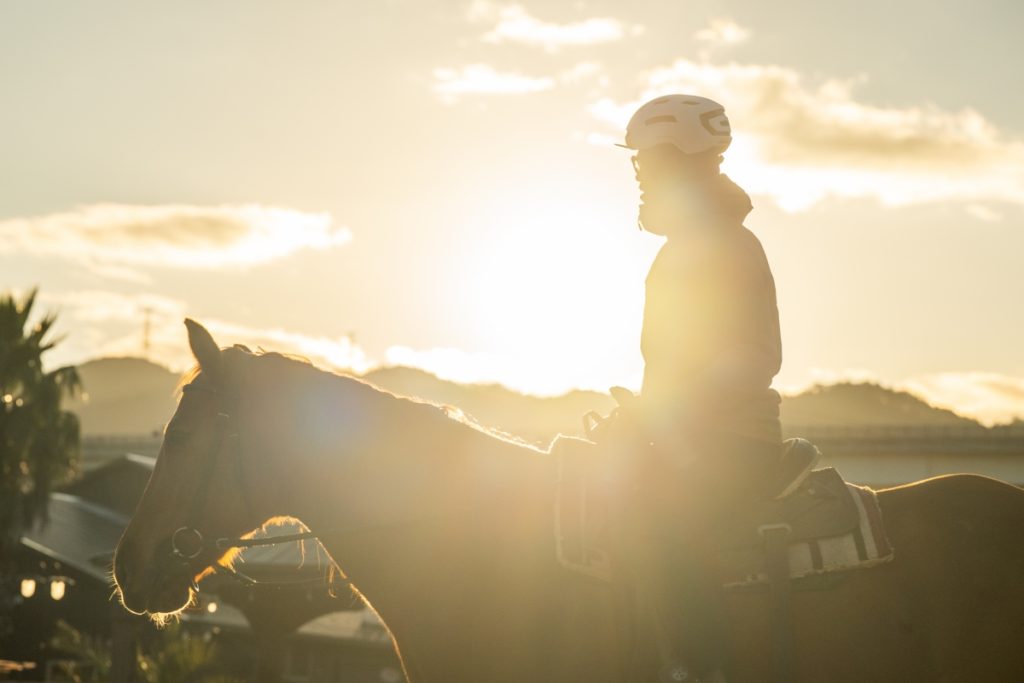
Once a form of military training linked to rituals at Myoken Shrine, it still features riders in full samurai armour and the dramatic shinki sodatsusen, in which mounted participants race to seize sacred flags. Along the route you can also stop at California Riding for a horseback riding experience.


Climb into a Western-style saddle and take in the landscape from horseback.
Swapping saddles for bike seats, we rode on to Odaka, our stop for the second night. Just steps from JR Joban Line’s Odaka Station stands Futabaya Ryokan, a modest inn founded by the great-grandmother of its current proprietress, Tomoko Kobayashi.
The inn closed after the tsunami and nuclear accident of the Great East Japan Earthquake. Kobayashi took on the renovations while living in temporary housing, helping reopen the ryokan and revive a town that was once left with no residents under the evacuation order. She supports young newcomers such as the artisanal haccoba Craft Sake Brewery, which has opened a brewery and public market inside Odaka Station.
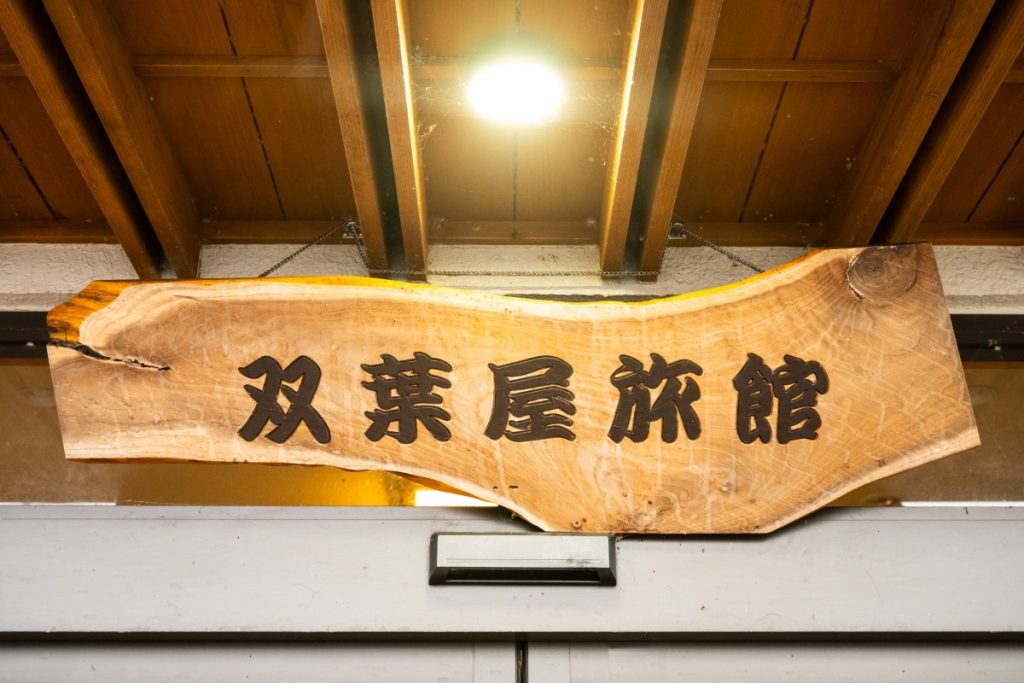
She has also opened the small private museum Oretachi no Denshokan to share local culture, and continues an exchange with Chernobyl that began after the disaster. Visitors and study groups now come from Japan and abroad, and many become devoted supporters of Kobayashi, drawn to her belief in creating small initiatives that exist only in Odaka.

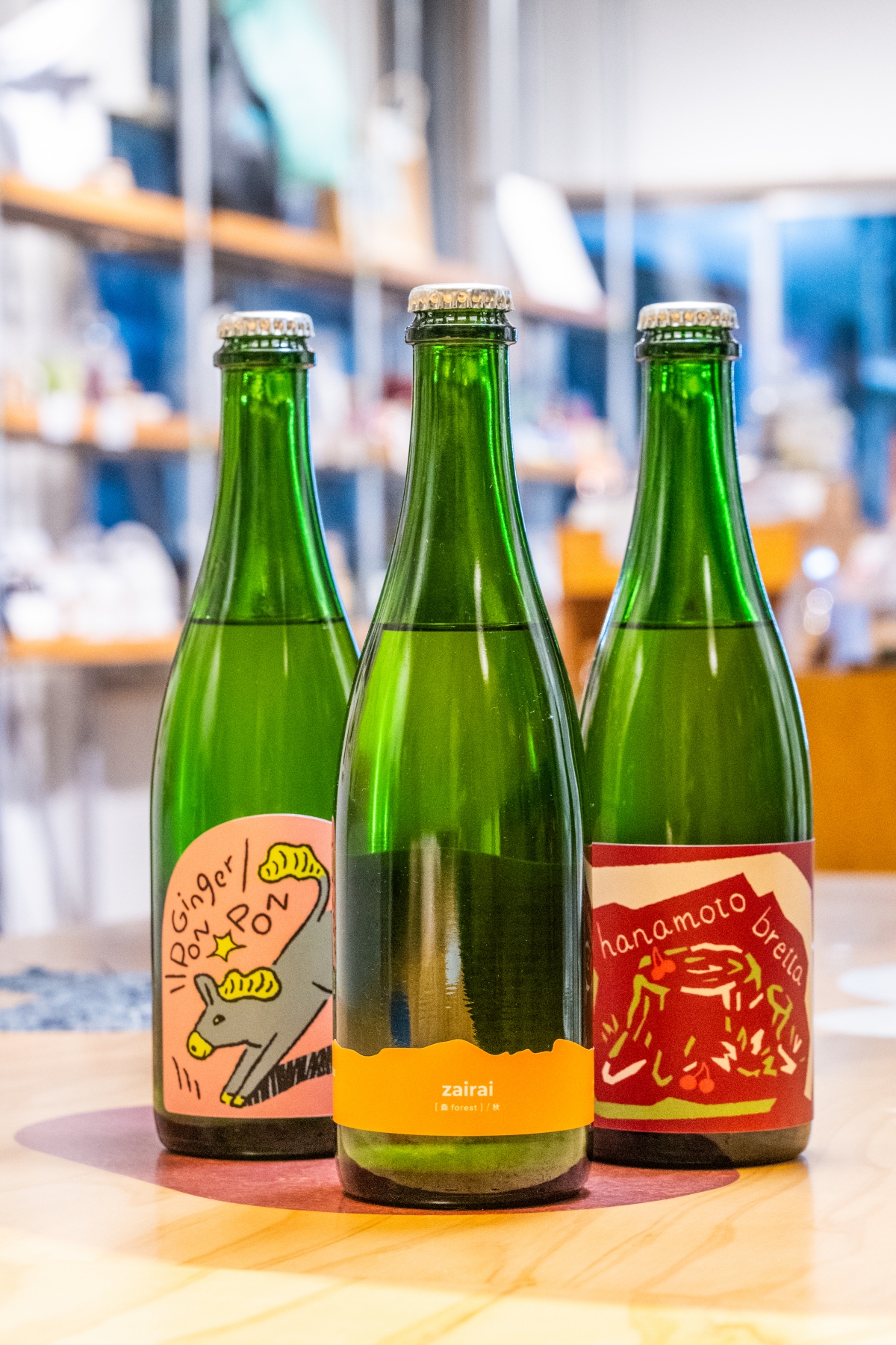
“haccoba – Craft Sake Brewery” opened in February 2021. Using the traditional Tohoku hanamoto method for doburoku sake as a base, they brew unique craft sake by adding fruits, hops, and other botanicals during fermentation. At the time of our visit to their Odaka Station brewery, the lineup included, from left: sparkling Ginger PON☆PON ¥2,750; zairai (Forest) / Autumn 2025 ¥2,420, fermented with local plants like kaya and aburachan berries; and hanamoto bretta (Kriek) ¥2,640, which blends elements of sake and Belgian beer.

On day three we ride into Namie and Futaba, towns where large areas are still designated as difficult-to-return zones. Beyond this point lies a region that not only suffered the earthquake and massive tsunami, but continues to live with the profound impact of the nuclear accident. Disaster ruins and memorial facilities dot the landscape. They reflect a shared wish among residents that the events of 2011 not be forgotten, and that visitors see them as something that concerns us all.
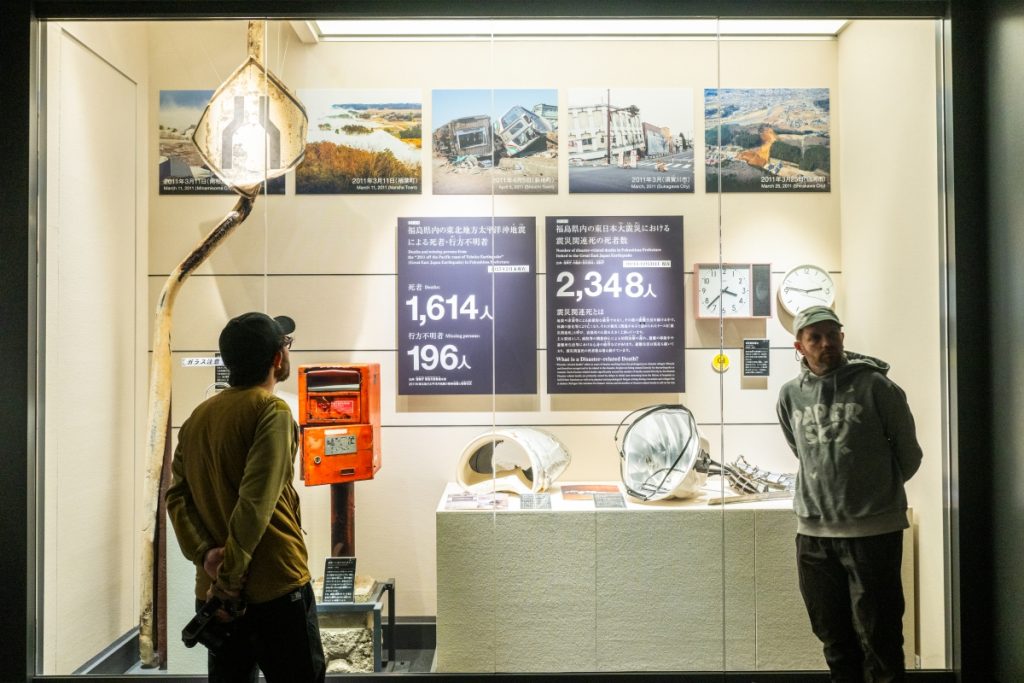
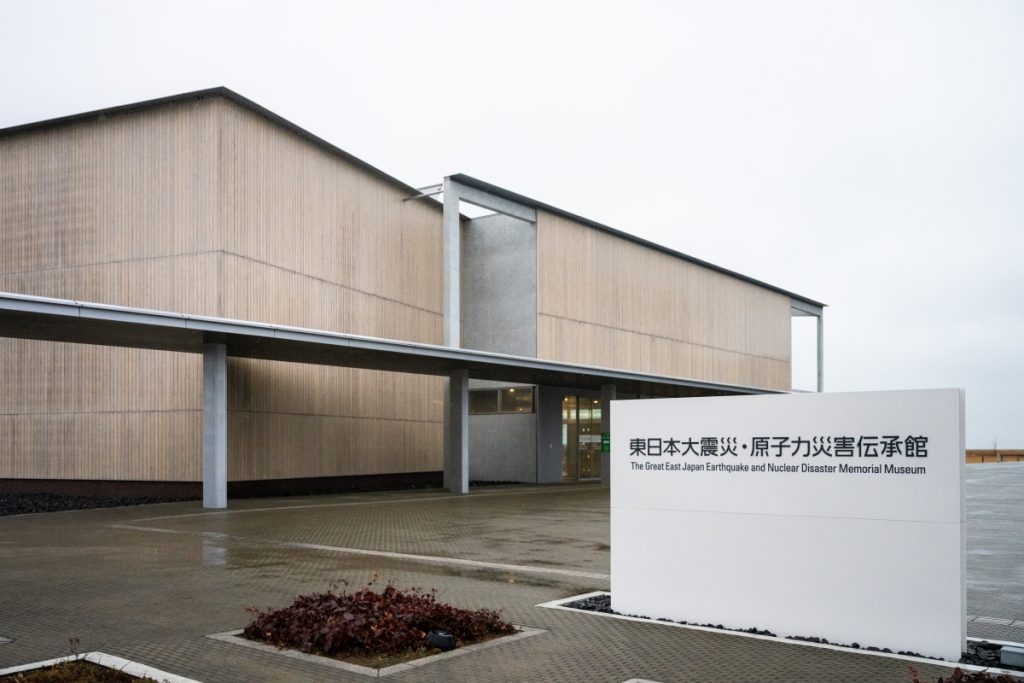
One place worth taking time to visit is the Great East Japan Earthquake and Nuclear Disaster Memorial Museum, which opened in 2020. The museum traces the story from the immediate aftermath of the earthquake and nuclear accident to the long road of recovery. It preserves the record of this complex disaster, earthquake, tsunami and nuclear crisis, and shares those lessons with Japan and the wider world. The scenes of destruction shown on the screens, and the landscapes so dramatically changed, can be difficult to witness. Yet the determination of the region as it faces hardship and uncertainty on the road to recovery feels powerful and positive.
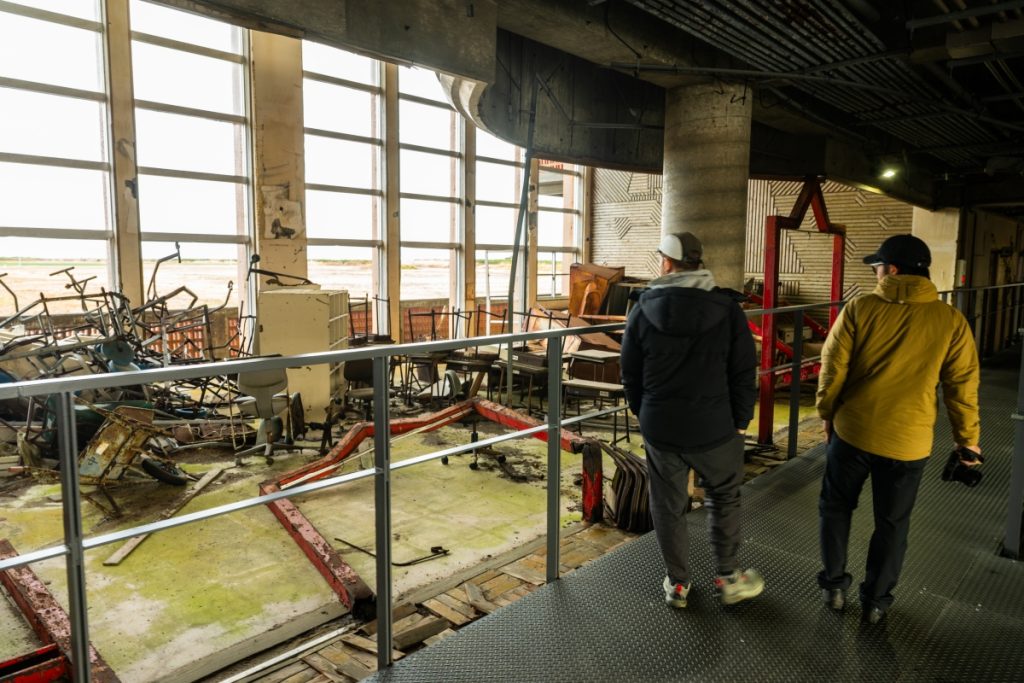
With these experiences in mind, looking back on the past three days, the route we rode and the landscapes we passed begin to feel different. A bike journey is fun, of course, but fun alone is not always enough. SOU SOU OSAKANA GRAVEL offers something more. It is a place that leaves you with new perspectives and lasting reflections.

A festival with more than 1,000 years of history, Soma Nomaoi is one of the defining traditions of the Soma region. Highlights include a procession of around 400 mounted warriors in full armour and the dramatic Shinki Sodatsusen, sometimes described as armoured horse racing, in which riders compete to seize sacred flags. Over three days, the rituals and ceremonies unfold in a series of striking scenes, including the rite in which a sacred horse is driven barehanded to Odaka Shrine as an offering.
At the Minamisoma City Museum, visitors can see vivid dioramas, armour and festival gear, along with related historical materials.
Minamisoma City Museum
194 Ushiki Deguchi, Haramachi-ku, Minamisoma, Fukushima
TEL:0244-23-6421
Keisuke Ichinose
Founder of the Adatara Azuma Nature Center (ANC).
A cyclist who competes in 1,000 km-class bikepacking adventure races, he is also a mountain photographer whose work spans television and magazines. Drawn by the volcanic landscapes of the Bandai–Asahi National Park range, he relocated to Dake Onsen in 2020. Hoping others will experience this region as a journey on foot, he designed the Bandai–Azuma–Adatara Volcano Trail ® (the Volcano Trail), a long-distance route linking active volcanoes with hot springs at their base. The ATA route, connecting the Higashi-Azuma and Adatara areas, is already open, and he is now working toward a roughly 250 km network extending to Lake Inawashiro, along with surrounding cycling routes. He is also developing the coastal gravel route SOU SOU OSAKANA GRAVEL, which connects the national park to the coast via the Abukuma River. Cyclists and hikers traveling through the region can check updates from ANC. For more on the Volcano Trail, see “Japan Long Trail Walker”.
Bike Packing Guide

Kune 22-2, Sakamoto, Yamamoto, Watari District, Miyagi 989-2111
TEL:0223-23-1171

34 Nakamurada-machi, Soma, Fukushima
TEL:0244-35-6346
194 Ushiki Deguchi, Haramachi-ku, Minamisoma, Fukushima
TEL:0244-23-6421
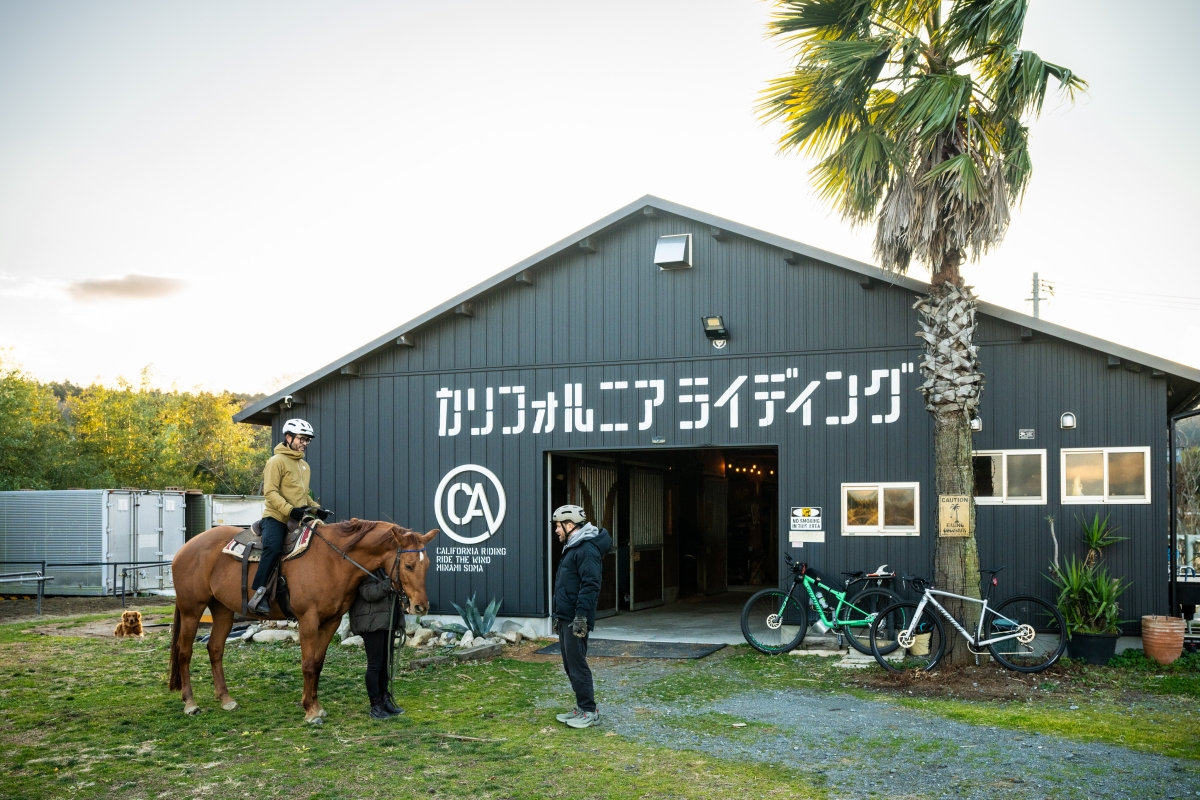
248-1 Kamioda Ishizumi, Haramachi-ku, Minamisoma, Fukushima
TEL:0244-26-9943
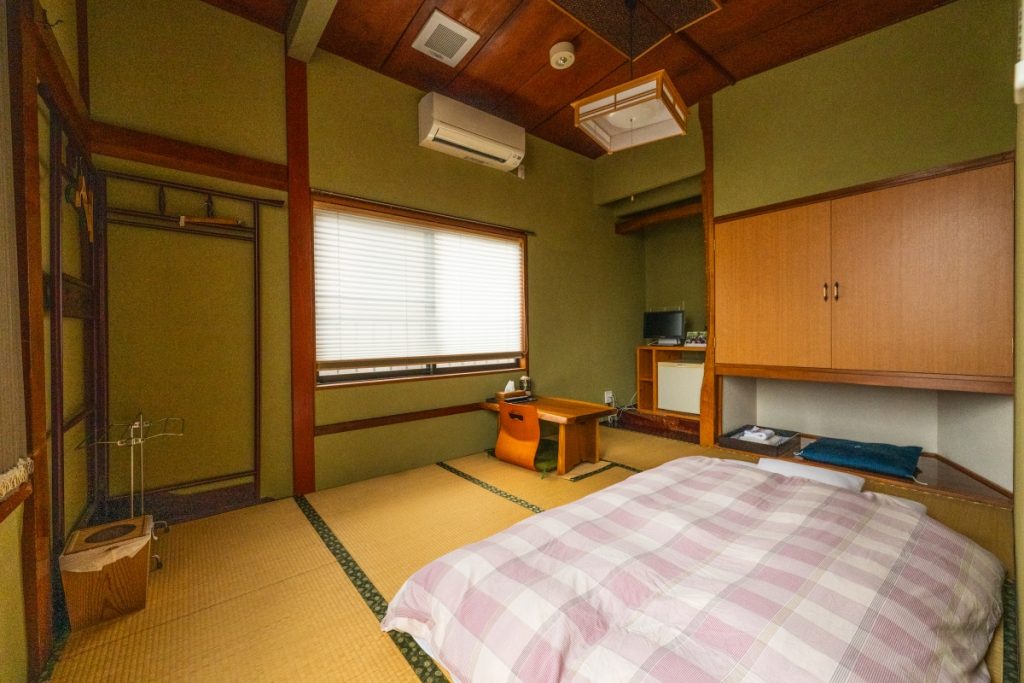
1-40 Higashimachi, Odaka-ku, Minamisoma, Fukushima
TEL:0244-32-1618

1-140 Higashimachi, Odaka-ku, Minamisoma, Fukushima (inside Odaka Station)
TEL:None
39 Nakanotakada, Futaba, Futaba District, FukushimaTEL:0240-23-4402