Bonsai Trail, Hot spring Trail
The Bandai–Azuma–Inawashiro area is defined by dynamic volcanic landforms and rich ecosystems woven from lakes, ponds, and forests. Winding through these expansive wetlands is the Volcano Trail®, a long-distance hiking route connecting three active volcanoes (you guessed it, Mt. Bandai, Mt. Azuma, and Mt. Adatara ).
Hikers can walk in the shadow of active peaks, watch steam rise from the earth, stay overnight in mountain lodges, campsites, or hot spring inns scattered along the route, and enjoy regional sake and local baths.
Still under development, the full trail is projected to span over 250 kilometers from Inawashiro Lake to Dake Onsen. Currently open is a 72-kilometer section called ATA, short for “Azuma to Adatara.” According to trail producer Keisuke Ichinose, the two defining themes of the ATA route are bonsai and hot springs. Hot springs make sense. But what does bonsai have to do with all of this, you may ask.

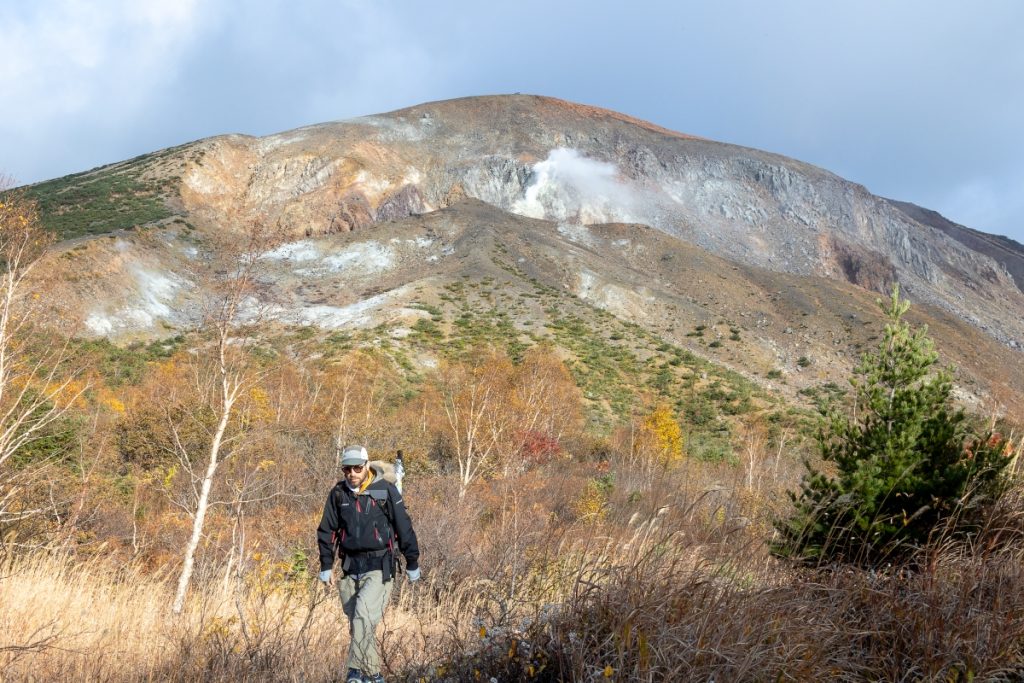
This question lingered in our minds as we boarded a bus from Fukushima Station and headed for Takayu Onsen in the Azuma area, the designated starting point of the route. After spending the night at a local hot spring inn, we set out early in the morning, soon reaching one of the trail’s highlights: the ridgeline leading up to Mt. Issaikyō. The jagged Mt. Rakuda rises before us. From its peak, the view opens up dramatically, with Mt. Azuma-Kofuji and the vast, almost sci-fi-esque landscape of Jōdodaira unfolding as if we were on another planet.
Further along appear the Goshikinuma lakes, commonly referred to as the “Witch’s Eye.” A crater lake formed when water collected in the volcano’s crater, its vivid emerald green shifts with the angle of the light, giving it an unmistakably mysterious presence.
One of the key highlights in the Azuma mountains is the striking silhouettes of the Azuma white pine, or Azuma Goyōmatsu. Shaped by the weight of heavy snowfall and fierce winds blowing in from the Sea of Japan, these trees often expose their roots above ground yet still maintain powerful, balanced forms. This natural aesthetic has long made the Azuma goyōmatsu a prized source for bonsai cultivation.
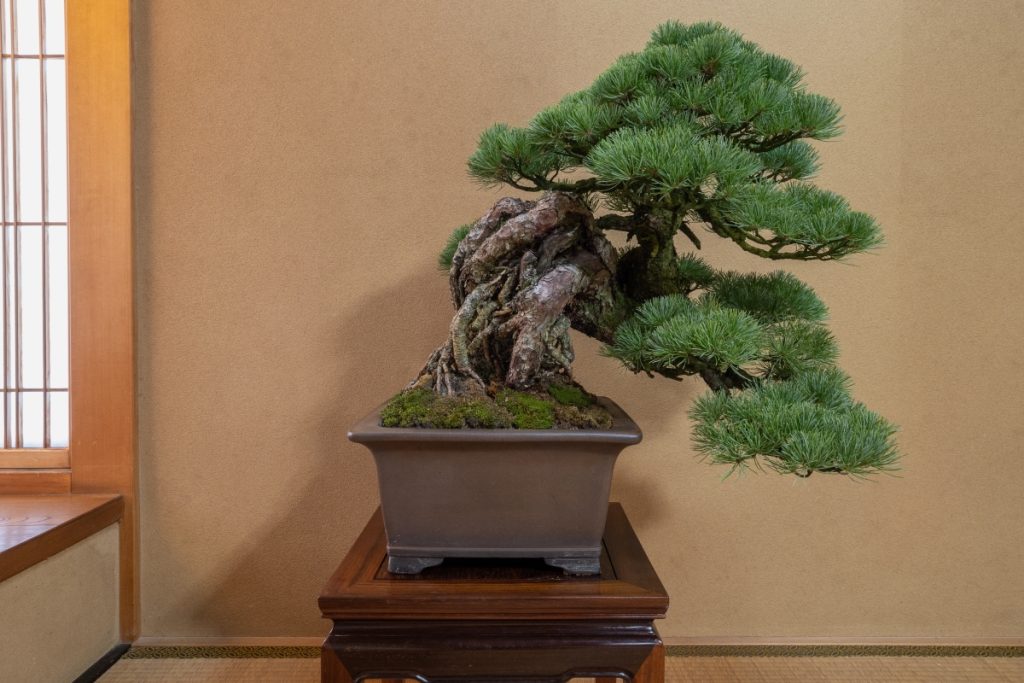
Leading the region’s bonsai tradition is a nursery called Bonsaiya Abe. Rather than harvesting wild trees from the mountains (a method known as yamadori), they are committed to mishō, the practice of growing bonsai from a single seed. Through this patient process, they express the harsh beauty of the local landscape in sculptural form.
The founder, Kurakichi Abe, pioneered this approach, and today it is carried on by his son Ken’ichi (second generation) and grandson Daiki (third generation), who tend to 60 to 98-year-old bonsai grown from seed.
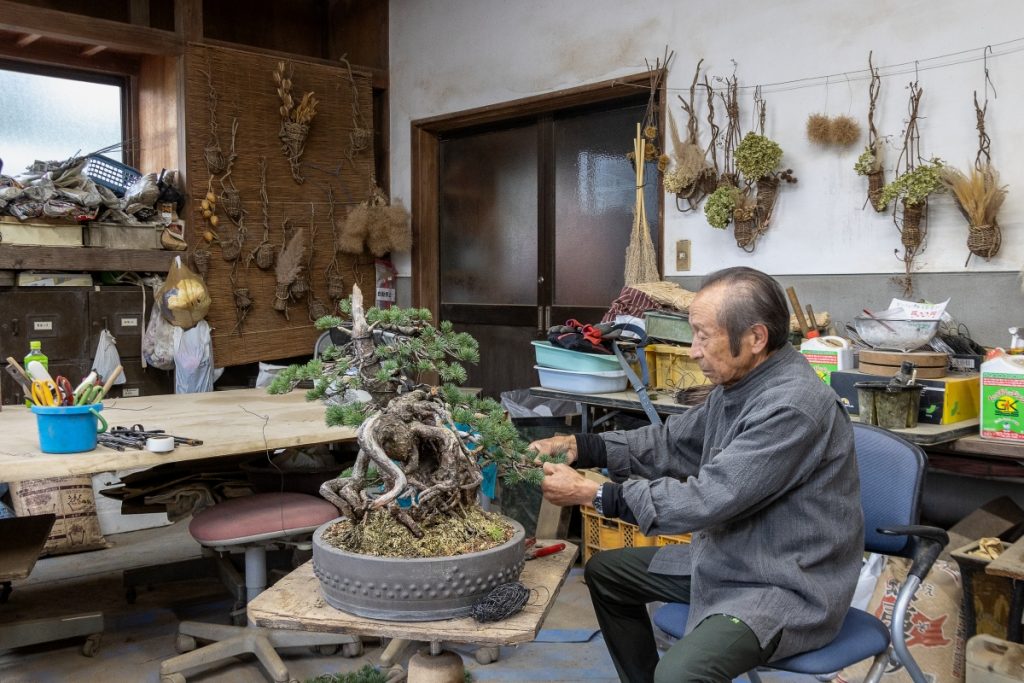
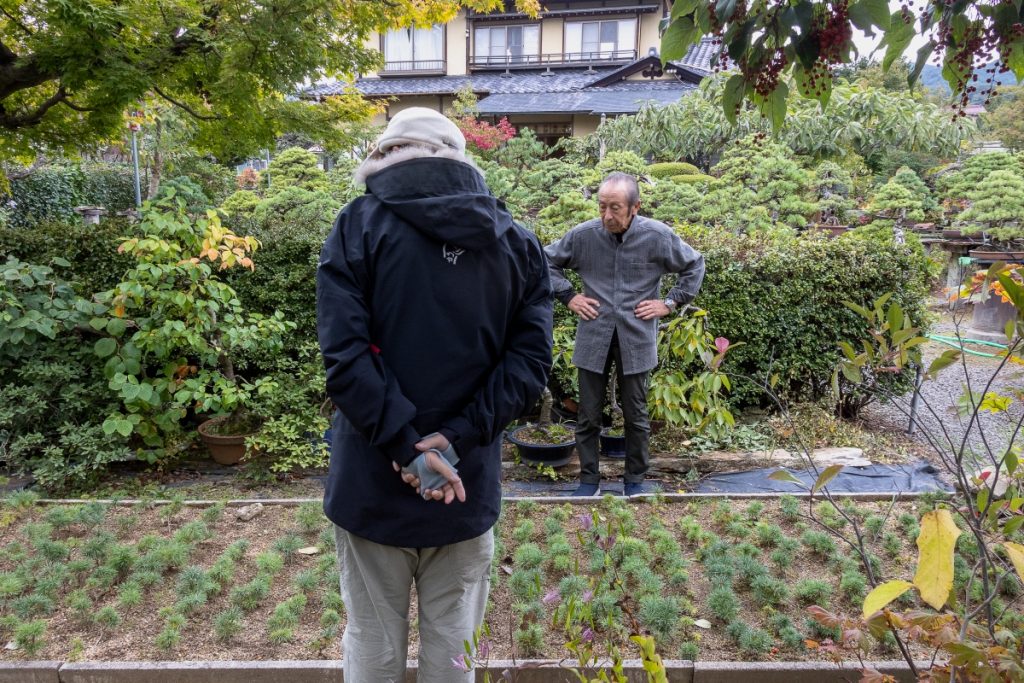
“Kurakichi-san describes the landscape of Azuma, shaped by its harsh climate and the resilient presence of white pines, as the beauty of space itself,” explains Ichinose-san. He sought to express that very spatial quality through bonsai. The mishō bonsai he cultivated will turn 100 in April 2028. I hope hikers on the trail can sense both the raw beauty of Mount Azuma and the profound art that begins from a single seed.”
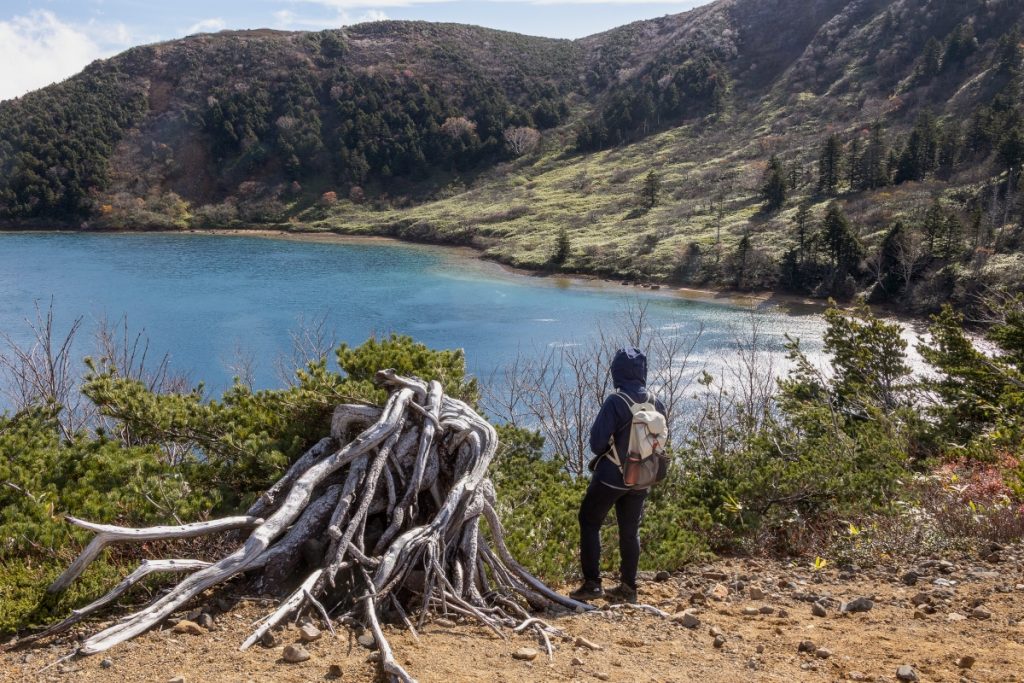
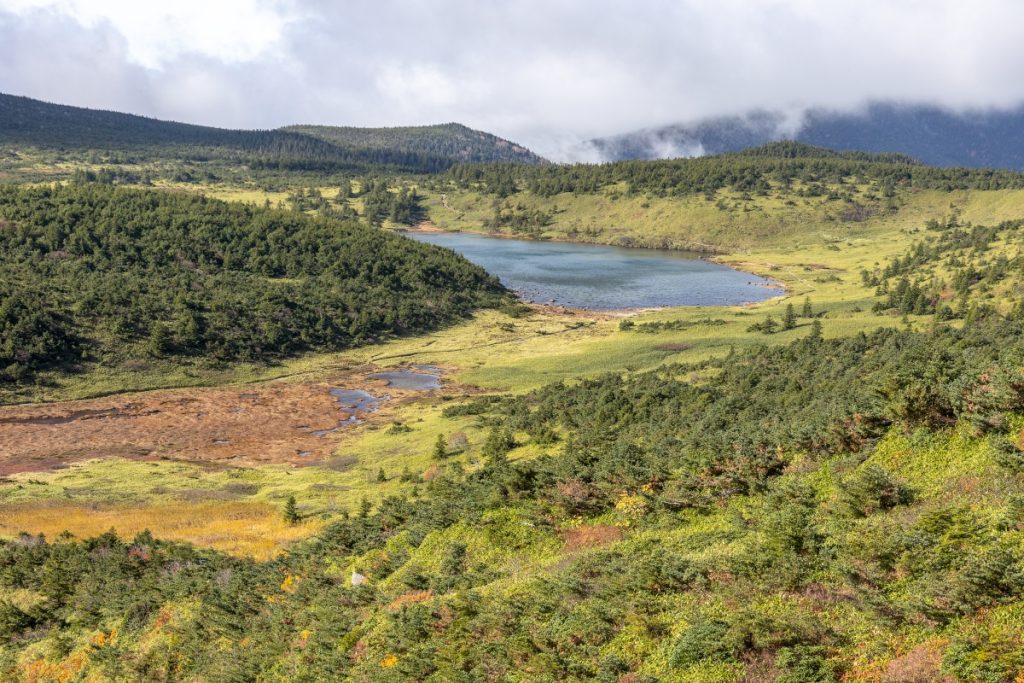
From Goshikinuma, the route continues west up and down the Azuma mountain traverse toward Mt. Azuma. Just when the peaks begin to settle in, stretches of marshland appear, offering a welcome change of scene. Descending via the Ōkura Shindō trail toward Mount Adatara, hikers arrive at Tsuchiyu Onsen, the midpoint of the ATA route. From there, a paved road leads to the trailhead for Mount Adatara. The transition from Mt. Azuma to Mt. Adatara reveals a gradual shift in scenery, a kind of natural gradient that’s fascinating to experience. Along this north-south ridge, fierce westerly winds blow in from the Sea of Japan, carrying with them the sharp, unmistakable smell of sulfur
The Onsen Trail has truly begun.

Peering into the abyss from the very edge of the crater.
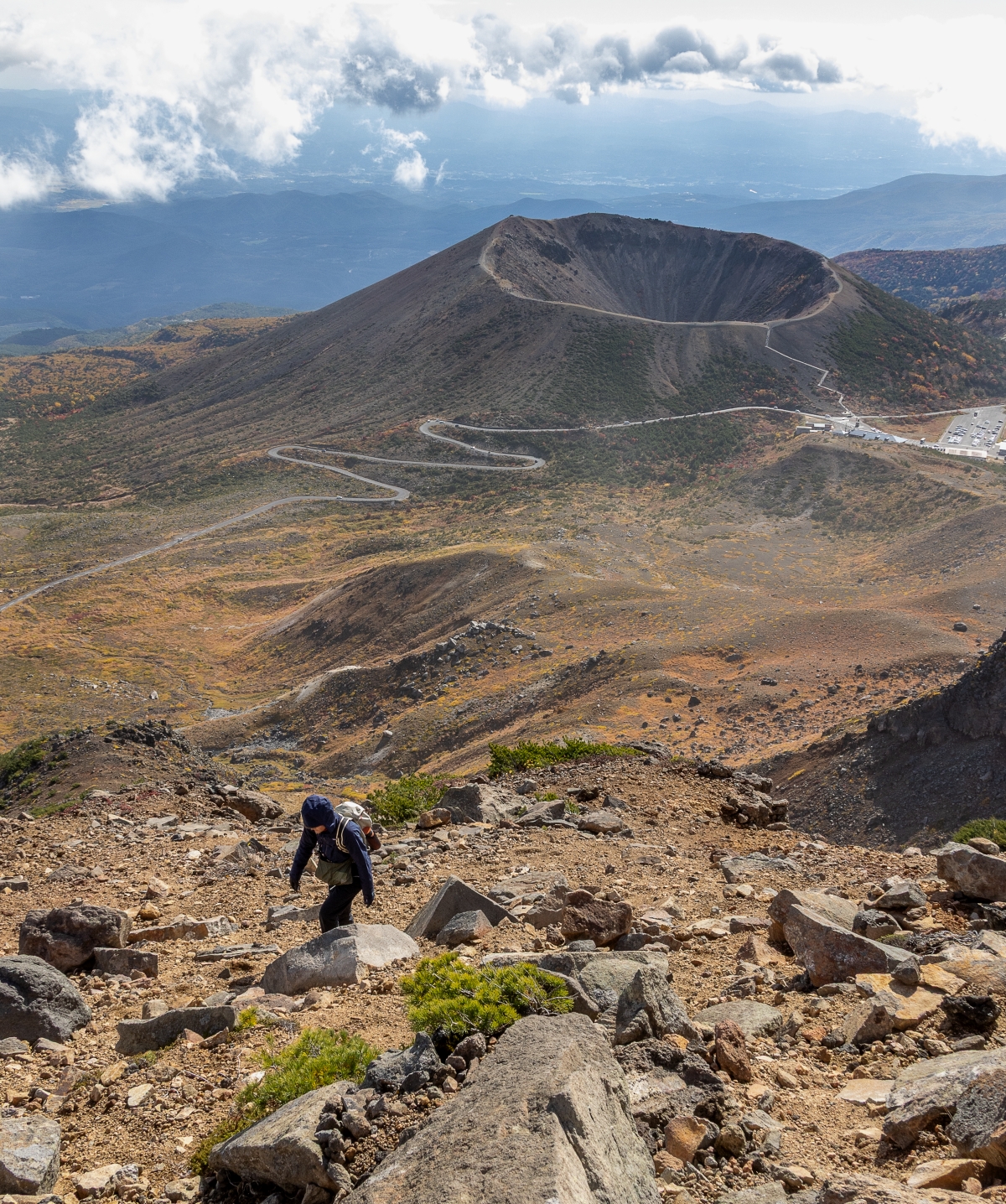
A defining feature of the Onsen Trail is undoubtedly the Numanotaira Crater. Spanning 1.5 km in diameter, the crater is ringed with rock in shades of yellow and pale gray-white. Its high-purity sulfur deposits led to the establishment of a refinery here as far back as the Edo period. Many laborers worked here, and a small community took shape around it. That is, until in 1900, a phreatic eruption destroyed the refinery in an instant.
That is, until a sudden phreatic eruption in 1900 obliterated the entire site in an instant. As you walk along the narrow trail tracing the very edge of the crater, it’s hard not to imagine life within the caldera 120 years ago. The thrill of walking such a precarious path is one of the trail’s most unique points.
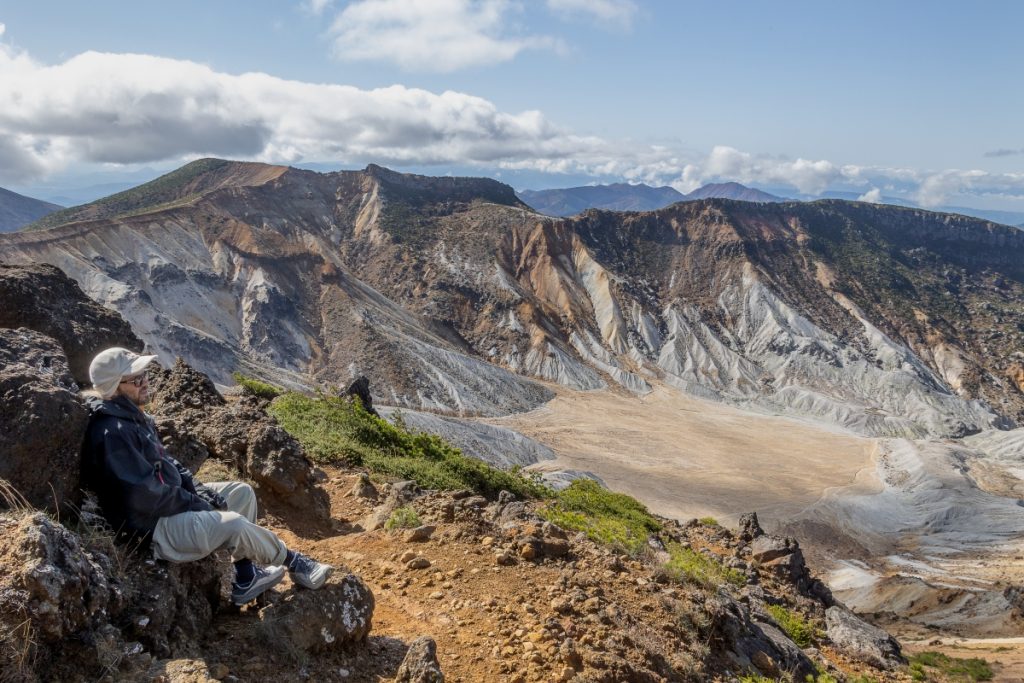
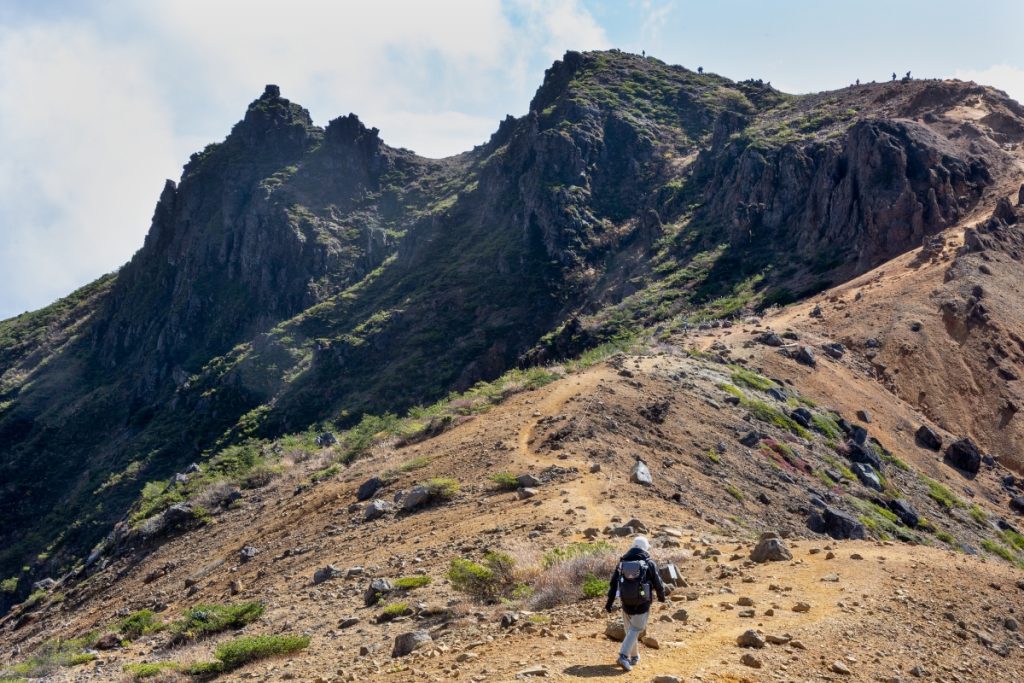
They say the keyword for the Adatara section of the trail is “onsen,” and the answer lies at the southern gateway of the ATA route: Dake Onsen. With a 1,200-year history, Dake Onsen’s source springs from the southern face of Mt. Tetsu-zan, standing beside Mt. Adatara at an elevation of 1,500 meters, just beyond the Kurogane mountain hut (currently closed due to reconstruction).
“In the past, this source area had its own therapeutic bath site, but after it was destroyed by a landslide, the facility was relocated to the foot of the mountain during the Edo period. Hot spring water was channeled down by connecting pipes. From the source to the current Dake Onsen is about 8km. Because mineral deposits would clog the pipes, a new occupation was born: the yumori, or hot spring caretaker. Just imagine the ingenuity and effort it must have taken to keep the water flowing from the mountains down to the village 8 kilomters below. This trail lets you trace the full life story of a hot spring.”
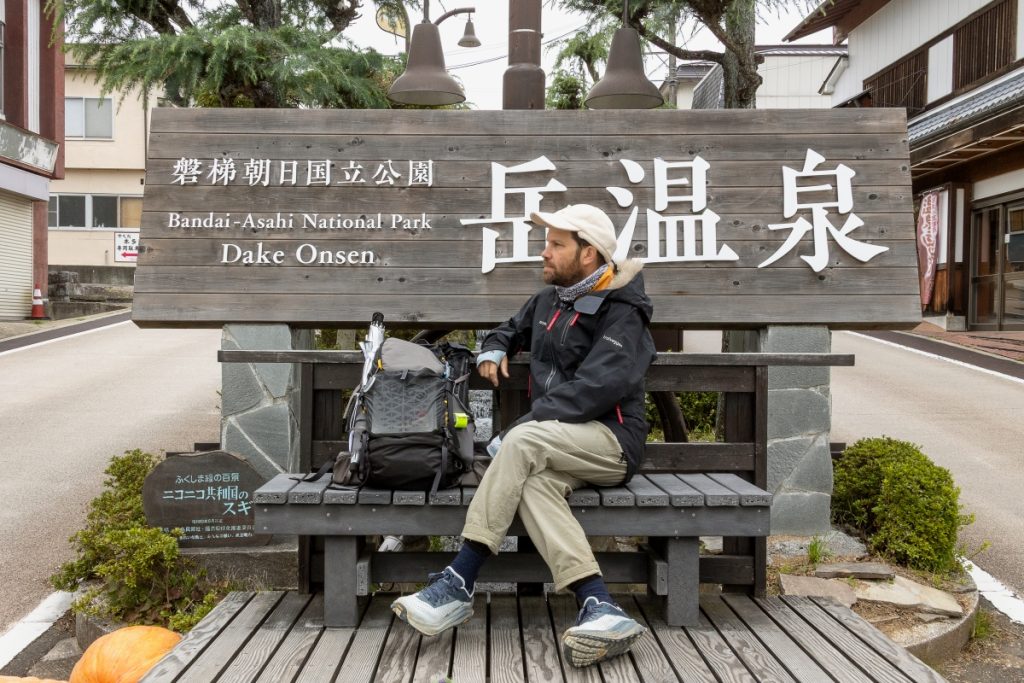
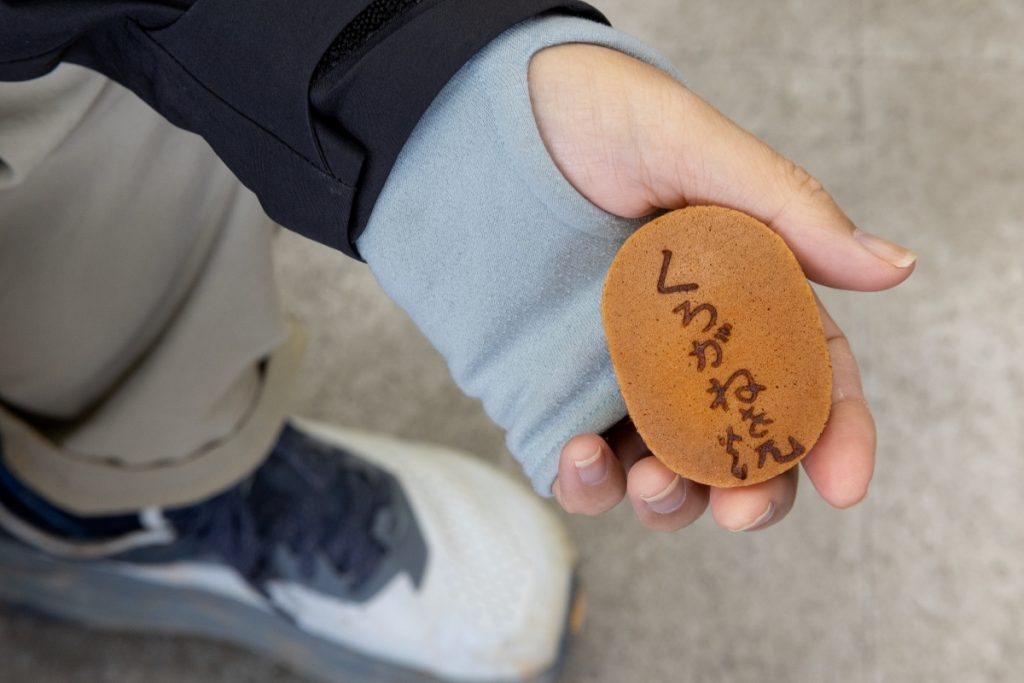
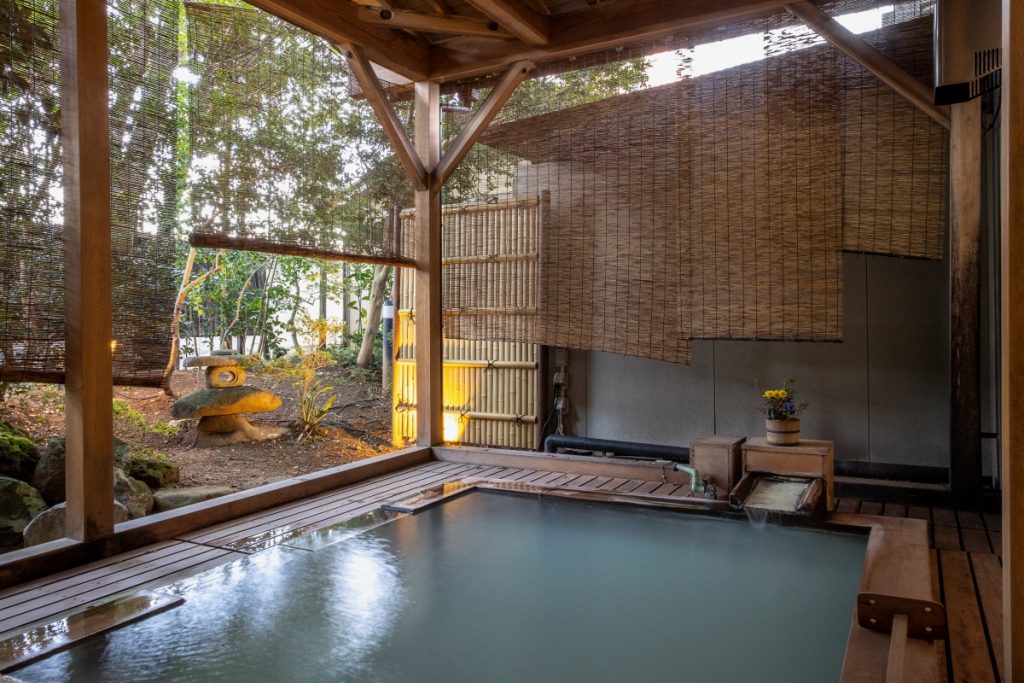
Hot springs and bonsai—two themes that feel quintessentially Japanese—shape the 3-day, 2-night journey along this trail, ending at Dake Onsen on the slopes of Mt. Adatara. Hikers can enjoy walking through and around the natural hot springs, get a good whiff of the sulfur, and soak in the pure, soul-warming spring water flowing directly from the mountain. The spring water starts with a strong acidic content, with a pH similar to that of lemon juice, but mellows out into a gentle, skin-friendly soak by the time it completes its 8 km journey to the base. Bathing in water that you literally follow from mountaintop to town is a special experience, one that captures the essence of this true mountain journey.


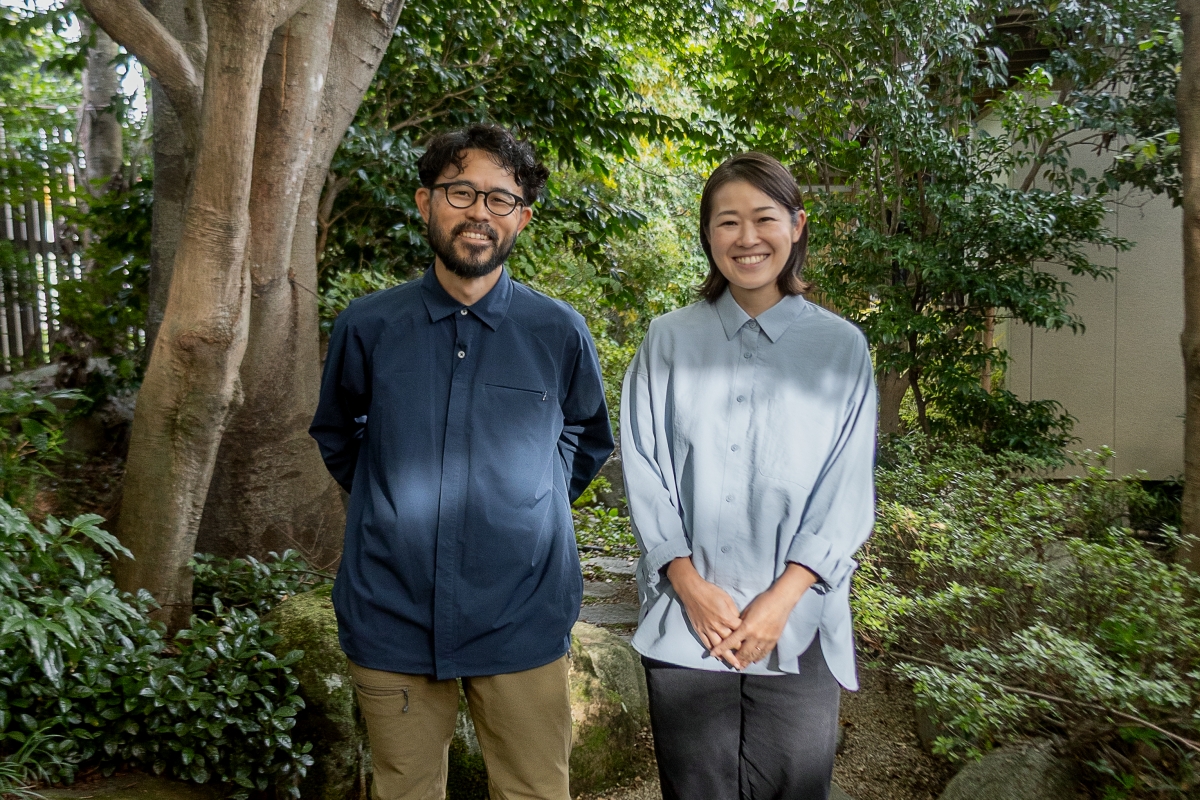
Trail Guide
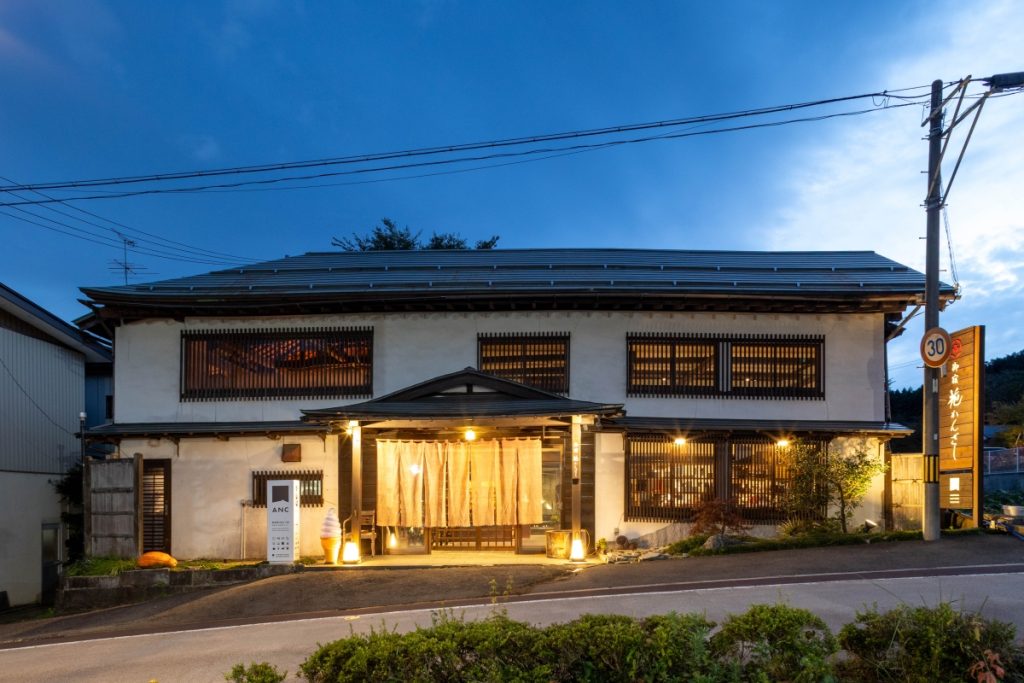
1-104 Take Onsen, Nihonmatsu City, Fukushima
TEL:0243-24-2110
ANC: Supporting Your Volcano Trail Hike
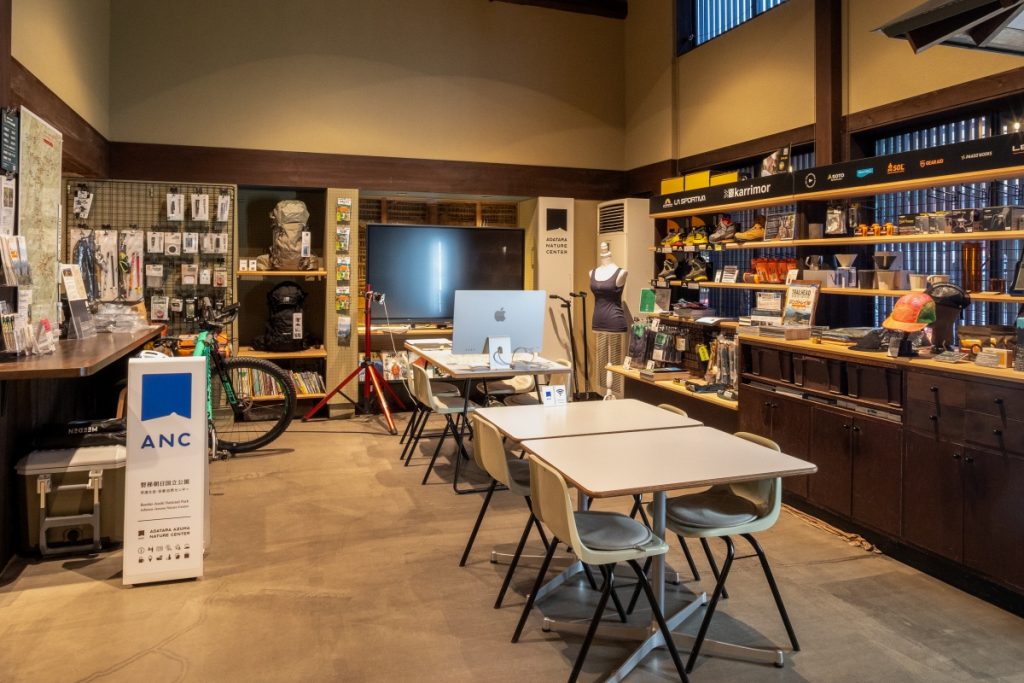
ANC is a private trail center offering information and activity support for the Volcano Trail and mountain trips in this region. Located inside the lodge Hana Kanzashi, the center is involved in efforts to develop the entire Volcano Trail and maintain the surrounding hiking routes. The facility includes a café, a shop offering gear rentals and sales for hikers, and accommodation tailored to hikers’ needs. Inquiries and reservations for the official Volcano Trail map can also be made here.
Adatara Azuma Nature Center(ANC)
TEL:090-7171-0350
Instagram:@adatara_nc