







In hopes of knowing what those eyes have seen
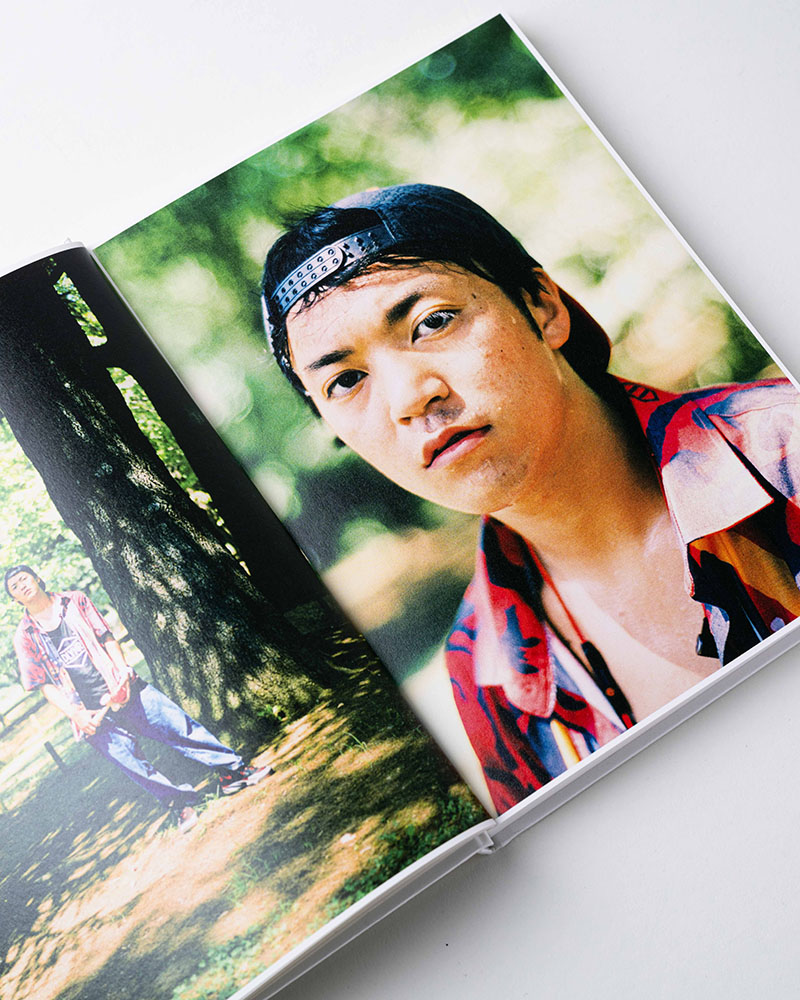
Over the years, Yuta Kato, now 28, has approached and spoken to thousands of strangers on the street. It all began a decade ago, sparked by a friend’s casual suggestion: “Why not talk to someone new every day?” At 20, he picked up a camera—not as a creative tool, but as a way to ease suspicion when starting conversations. He now takes striking portraits and is continuously approached for professional work.
Yet Kato-san remains tied to his street practice, saying, “I’m not fixated on the idea of being a photographer.” Though he’s had opportunities to showcase his work through exhibitions and photo books, the bulk of his images remain unseen. His dedication isn’t driven by fame or fortune but by a deeper, inexplicable compulsion. When asked about the source of this drive, Kato prefaces his answer with a smile: “I’m not sure I fully understand it myself.”
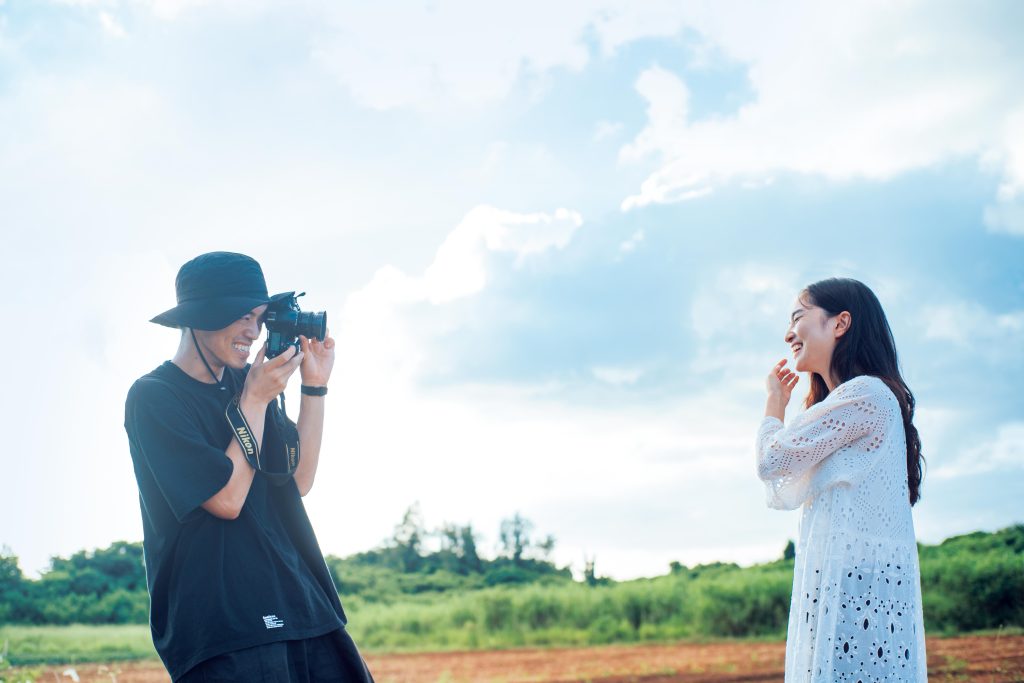
“I love the intimacy of one-on-one encounters. Just listening to someone I’ve met by chance and sharing a meaningful moment together brings me so much joy. Sometimes, I meet people with similar struggles, and their words hit me deeply. Those moments make me realize that, at our core, we’re all so alike—and that realization moves me profoundly.”
Perhaps it is just a fundamental desire to understand others, himself, and the world. His approach doesn’t change, even while traveling. For him, the destination matters less than the conversations he has with the people he meets. During his first visit to Miyakojima, it wasn’t the breathtaking scenery that left the deepest impression—it was the stories shared by the islanders that truly resonated with him.

“What fascinated me most about the people I met in Miyakojima was how often stories about gods and unseen worlds came up. It’s wild! Even on the street, spiritual topics come up a lot. It makes me want to believe—like, ‘Another world really exists. These people clearly see something entirely different.’ What intrigues me most is their eyes. What have they seen with those eyes? That’s why, when I take photos, I always want to face them head-on and capture their gaze directly.”
Another aspect of the islanders’ gaze that leaves a profound impression on Kato-san is their deep love for their homeland and the unwavering determination they carry.

“Artist Daichiro Shinjo mentioned that while he goes so many places for work, his compass always points back to Miyakojima—no matter where he is, he’s thinking about the island. That really stayed with me. Everyone here, the fishermen, chefs, outdoor guides, or craft artisans, they all seem deeply committed to figuring out how they can contribute to the island and its people. They have a sense of purpose and mission, rooted in a love for their homeland. It gave me so much energy, but it also got me thinking—‘Why am I even in Tokyo?’ I’ve always enjoyed my photography work and never questioned it before, but now it feels like I’ve been given a new homework assignment to figure out.”
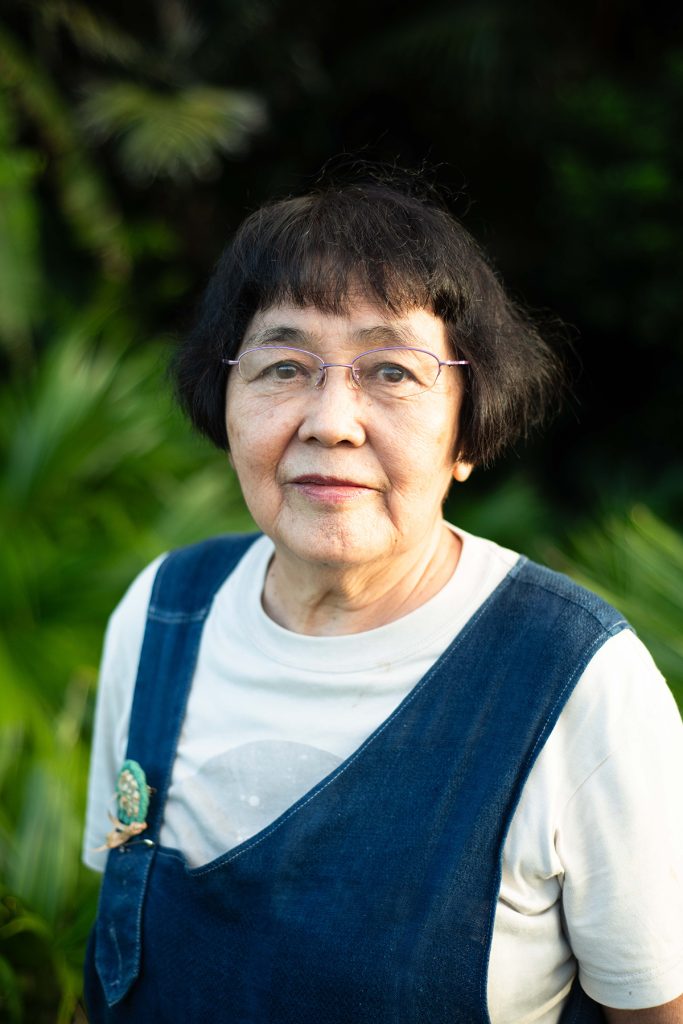


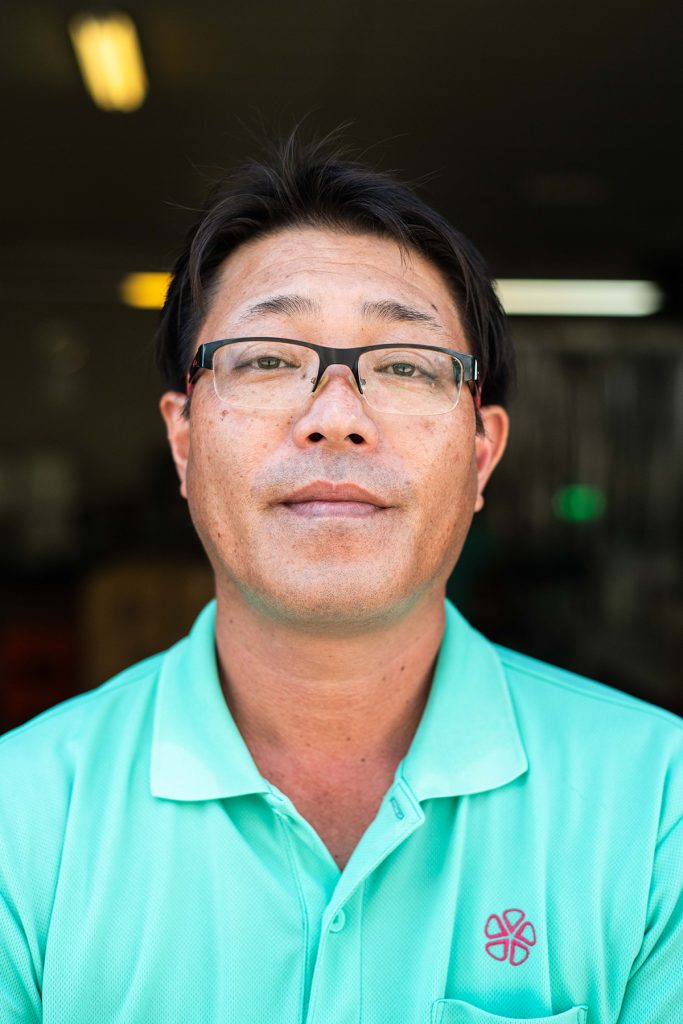
“This week has been refreshing—a chance to select groceries, cook, and truly do everyday-life things,” Kato reflects back on his daily routine that revolves around work. Maybe one day he’ll settle down in a place and start a rooted life. What scenery will he witness then? What kind of photos would he take? Perhaps he’ll stop altogether—who knows? Perhaps imagining such an unknown future is the true journey—in other words, the essence of new encounters.

Photographer Yuta Kato’s Exhibition
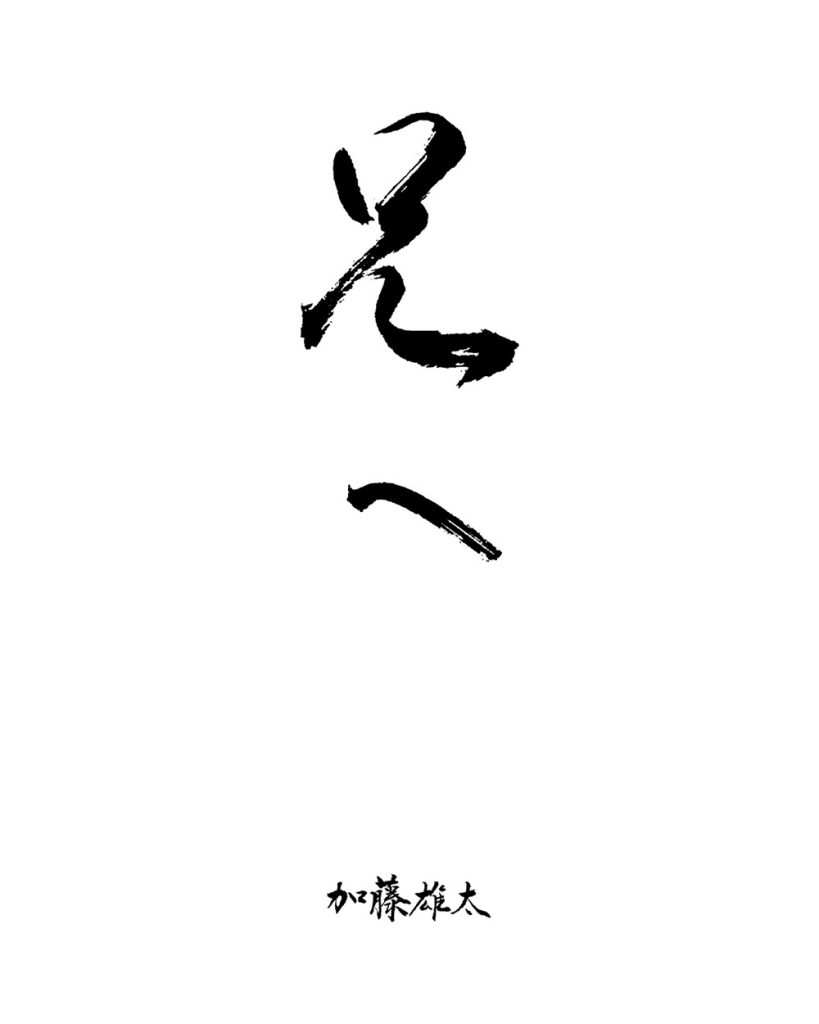
“To My Brother (Ani-e)”
Opening March 7 at Keshiki in Nihonbashi Kabutocho.
Yuta Kato’s latest exhibition, To My Brother, was conceived as a letter addressed to his real-life older brother. However, rather than a direct message, the exhibition unfolds through the words and photographs of people Kato met on the streets. For years, Kato avoided confronting his brother, instead taking to the streets at 18, listening to and documenting the stories of complete strangers. In his search to understand his brother, he turned his lens toward “someone else”—seeking meaning in the gazes and words of others. A photobook titled To My Brother (Ani-e), featuring works from the exhibition, will also be available.
Parallel Exhibition at KABUTO ONE
Capturing the Faces of Kabutocho & Kayabacho
Alongside To My Brother, Kato will also present a special exhibition at KABUTO ONE Atrium as part of KABUTOCHO FLOWER WEEK. This collection features portraits of people working in the shops and businesses of Kabutocho and Kayabacho, captured through Kato’s lens. As spring arrives, take this opportunity to explore the Nihonbashi-Kabutocho area and experience these two unique exhibitions.
Yuta Kato Photography Exhibition – To My Brother
Exhibition Dates:
March 7 (Friday) – March 16 (Sunday), 2025
Opening Hours:
March 7 (Friday): 18:00 – 21:00
(Talk Event: 19:00 – 20:00, open to all visitors)
March 8 (Saturday) – March 16 (Sunday): 11:00 – 20:00
Artist’s Attendance: Yuta Kato will be present throughout the exhibition.
Venue: Keshiki B1F AA
Address: 6-5 Nihonbashi Kabutocho, Chuo-ku, Tokyo
Nearest Station: Kayabacho Station (Hibiya Line / Tozai Line)
Photobook: To My Brother
Online Release Date: March 8, 2025
Purchase Link: https://pbyk101.buyshop.jp/items/99578972
Yuta Kato
Born in 1995 in Hyogo Prefecture, Yuta Kato is a photographer known for his ongoing project, started in 2014, of capturing portraits and stories of people he meets on the street. In 2016, he published his first book, HAZIME-MASHITE. He then spent a year and a half studying photography in Canada before relocating to Tokyo in April 2019. In 2024, he unveiled his latest works, a photo exhibition and photo book titled 13.
