







Travel is all about fun.
Discovering scenery you’ve never seen, tasting food you’ve never tried, and experiencing new encounters with people along the way. There are countless reasons to travel, but for me, nothing is more enjoyable than exploring the world by bicycle.
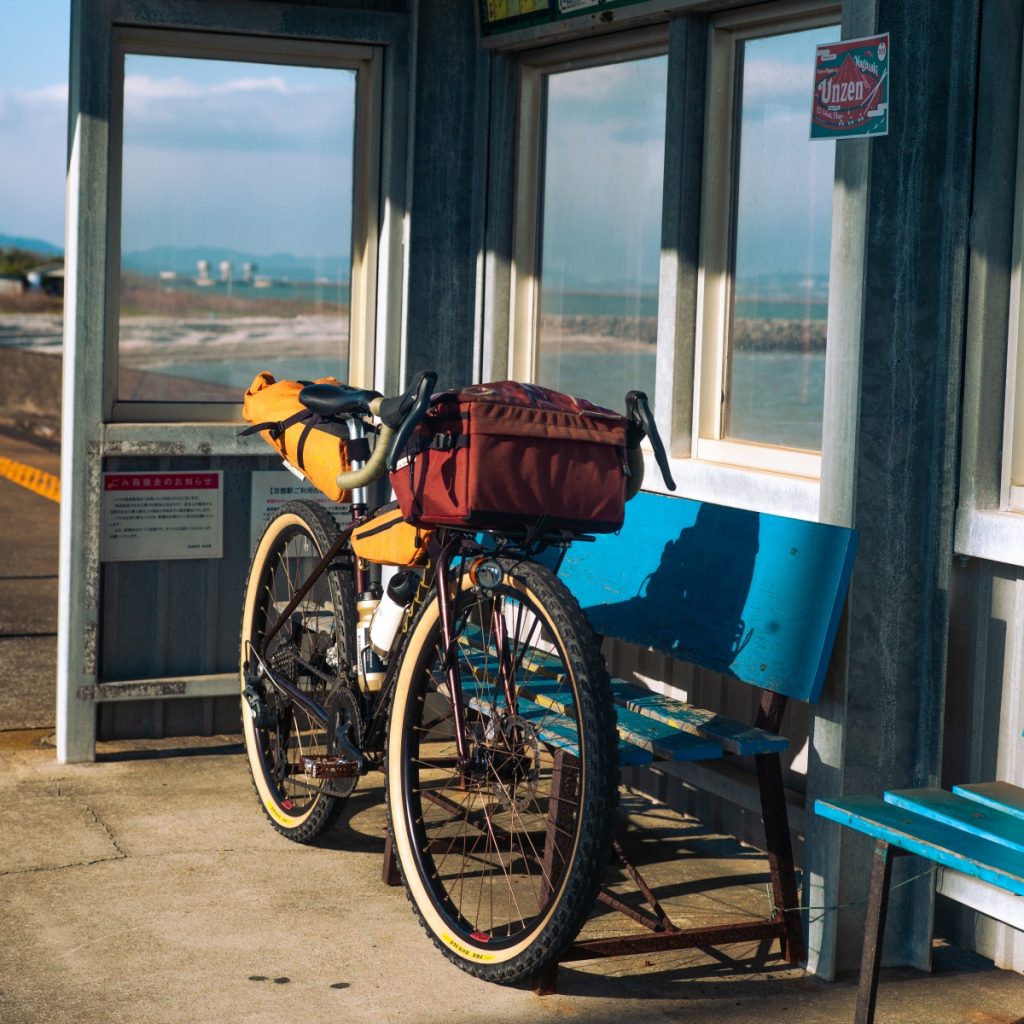
The charm of bicycle travel lies in its freedom.
It’s faster than walking, slower than driving, and offers more flexibility than taking the train.
You can stop anywhere, weave through narrow alleys, and ride entirely on your own will and under your own steam—without emitting a single gram of CO2.
Plus, if you pack your bike in a bag, you can bring it onto trains or even check it in on domestic flights.

Travel is inherently boundless, but when you use a bicycle as your means of exploration, that freedom becomes truly limitless.
Tour de Nippon
At SimWorks, we support the Tour de Nippon—an event that blends travel with cycling, offering participants the chance to fully experience the unique essence of each region in Japan through all five senses.

Support usually means helping out with bike troubles, but honestly, major issues rarely come up since the bikes are well-maintained before the ride. My main job is to guide everyone along the route, making sure they don’t get lost and have a smooth ride. And of course, I cheer them on when the climbs get tough!

This tour of Unzen, Nagasaki, explored the northern side of the Shimabara Peninsula.
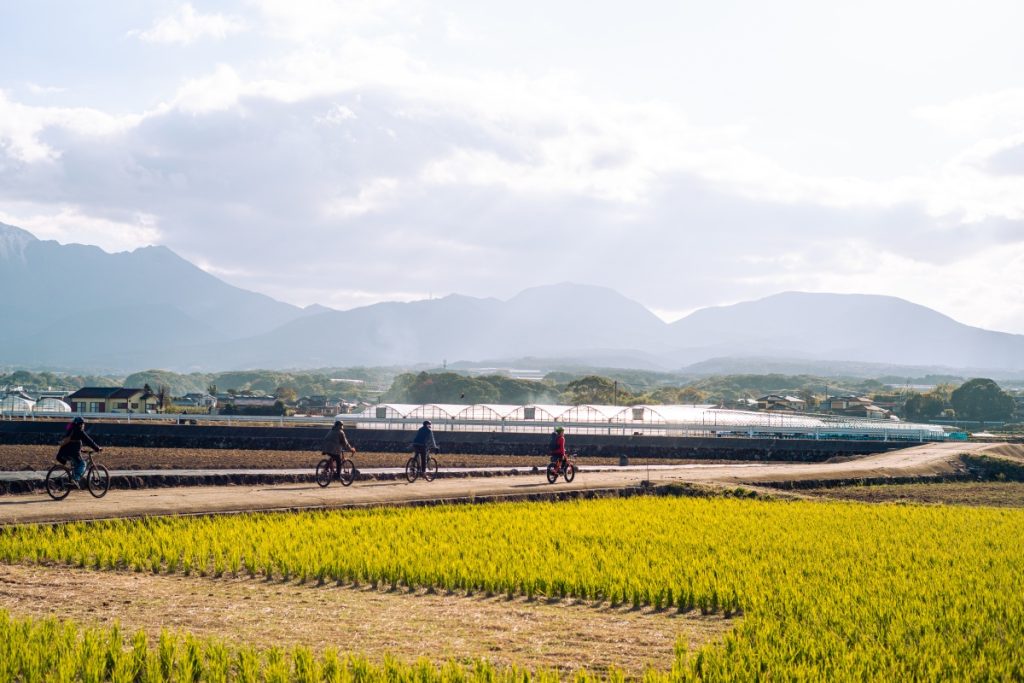
The Shimabara Peninsula, located in Nagasaki Prefecture, was shaped by the eruptions of Mount Unzen. It’s home to Unzen-Amakusa National Park, Japan’s first national park. The hot spring resort near the summit has a long history, having been a popular summer retreat and onsen destination for foreign residents in Japan’s later years of opening to the world.
Mt.Unzen was active from 1990 to 1996, causing significant damage to the region. It’s also known for forming Japan’s newest mountain, Heisei Shinzan, which emerged from the uplift caused by the eruption.
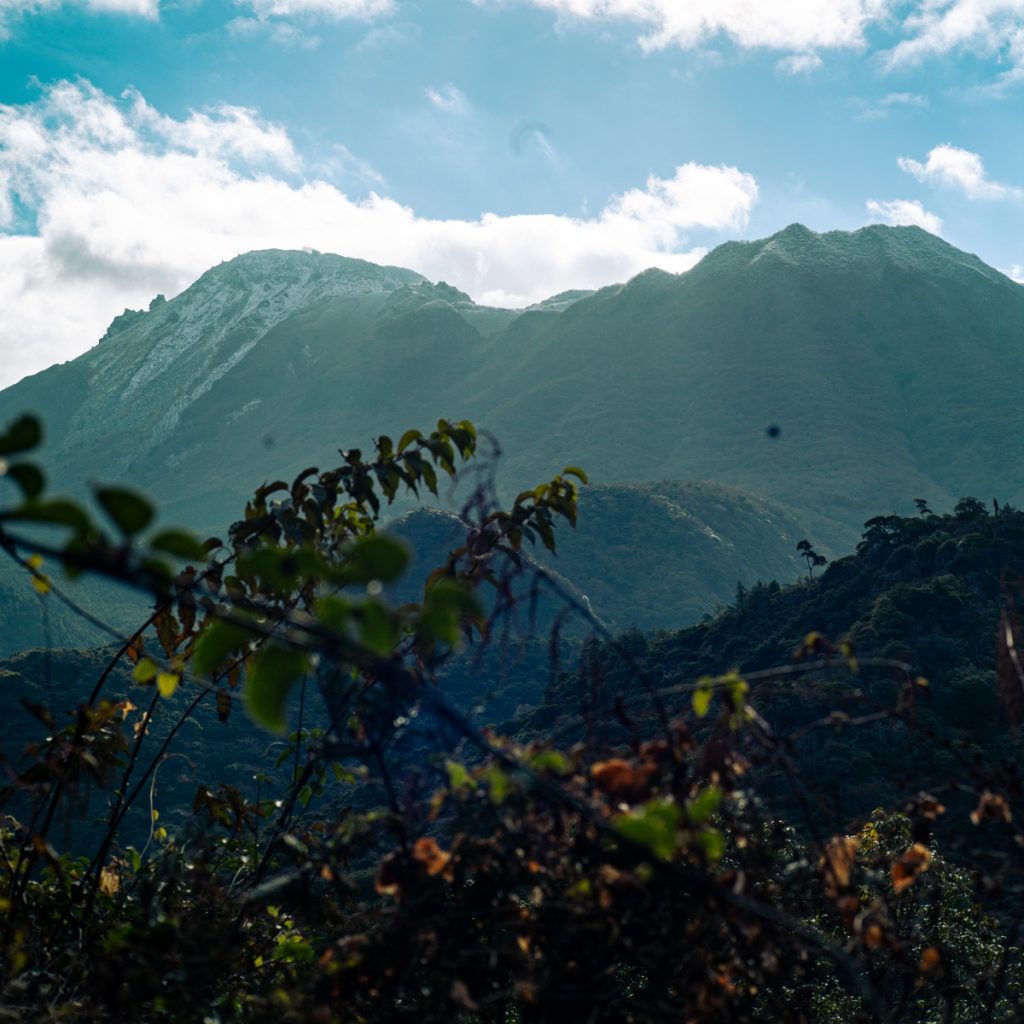
The volcanic ash from Unzen provides well-drained soil, and the porous lava formations help filter rainfall, creating clean spring water and supporting abundant crops.
Thanks to these unique geographical conditions, the Shimabara Peninsula offers a glimpse into the true richness of Japan—its timeless landscapes, locally grown vegetables, fresh seafood, and more.
The terrain of Unzen, starting at sea level at the base of the volcano, is quite challenging for cyclists due to its many inclines.
At the foot of the peninsula, several unique farms are dedicated to sustainable agriculture. Unzen Tsumura Farm cultivates traditional vegetables without pesticides, chemical fertilizers, or herbicides. Unzen Citrus Farm revitalizes abandoned land by transforming it into thriving orchards. Meanwhile, Takeda Katatsumuri Farm preserves the heritage of ancient vegetables by collecting seeds from its own crops, nurturing them, and passing them down for future generations.
We also had the opportunity to visit Yamaboshi Kobo, a self-built gallery and home.

Each farmer has their own philosophy when it comes to growing vegetables and fruit, and just listening to their stories was fascinating. The experience of picking fresh produce after hearing about their passion and dedication made it even more special.
That evening, we enjoyed a dinner at a local inn, featuring freshly harvested vegetables from the region.
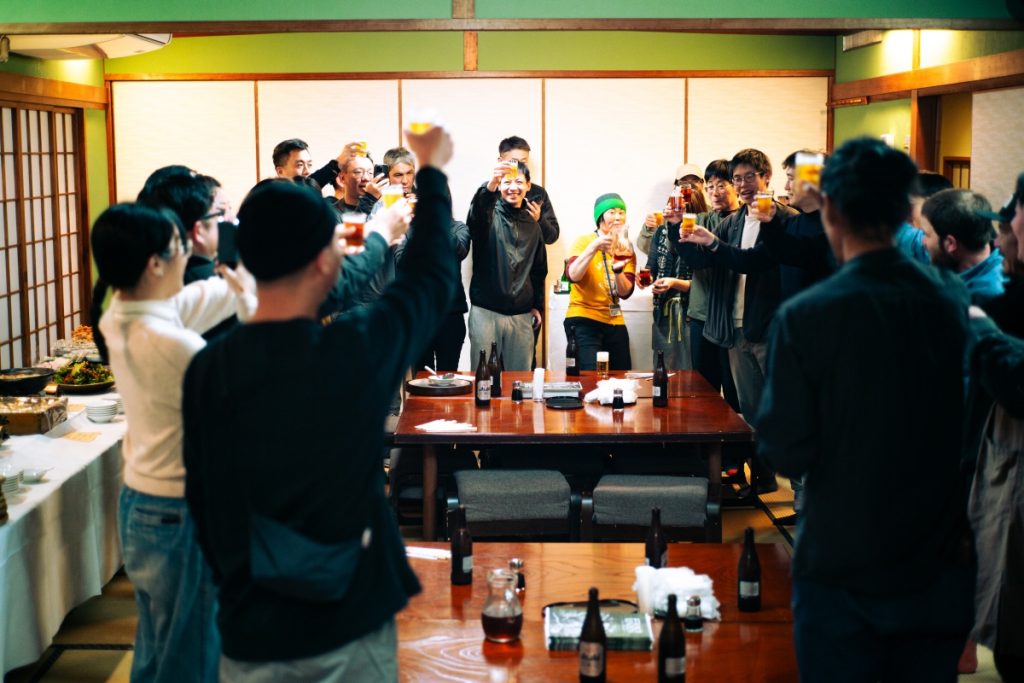
At Kangetsu-so, where we stayed for the night, we enjoyed local cuisine and swapped notes with the community, sharing drinks and listening to stories from local residents and farmers.
One of the most unforgettable places for me was Yamaboshi Kobo, situated on the hillside at the foot of Unzen. What stood out the most was hearing ceramic artist Ryuji Iwanaga share how he single-handedly built the workshop from the ground up.
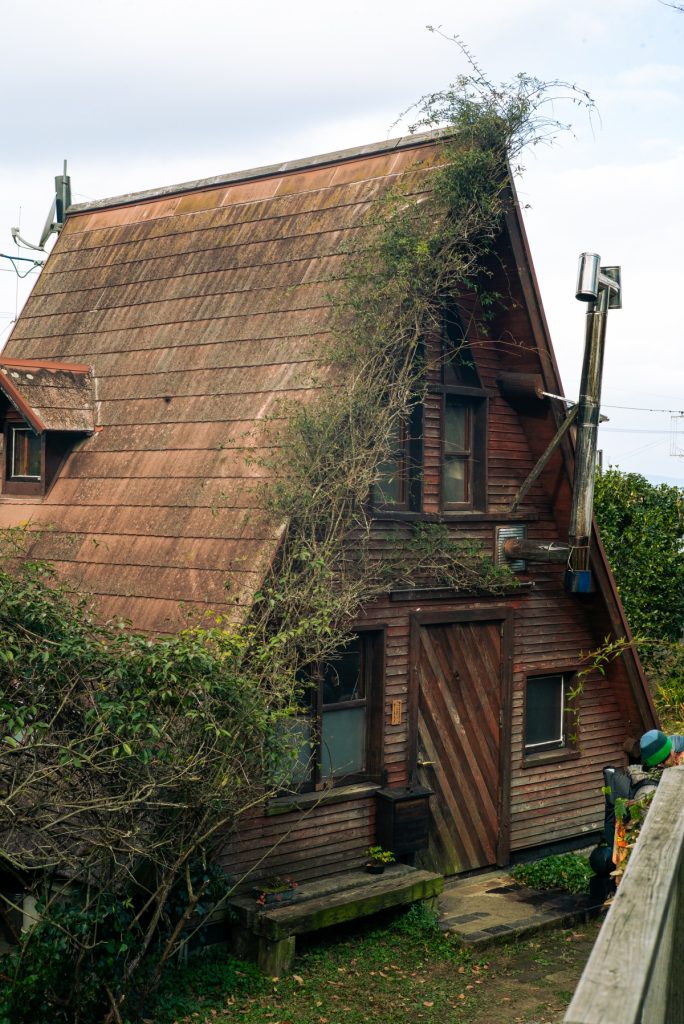
This two-day trip felt like a journey into the DIY spirit of the region. We met people who took on challenges and brought their visions to life through their own hands, wisdom, and creativity. It was an experience that showcased the harmony between human determination and nature.

Traveling Bicycles
Uphill, downhill, straight, or winding roads—cycling through a place is a full-body experience of the land. It’s one of the rare ways to quickly grasp how the terrain shapes local industries and everyday life.
The ideal bicycle for a trip is one that can handle diverse terrain, has slightly larger tires for stability, and is sturdy enough to carry luggage with ease.
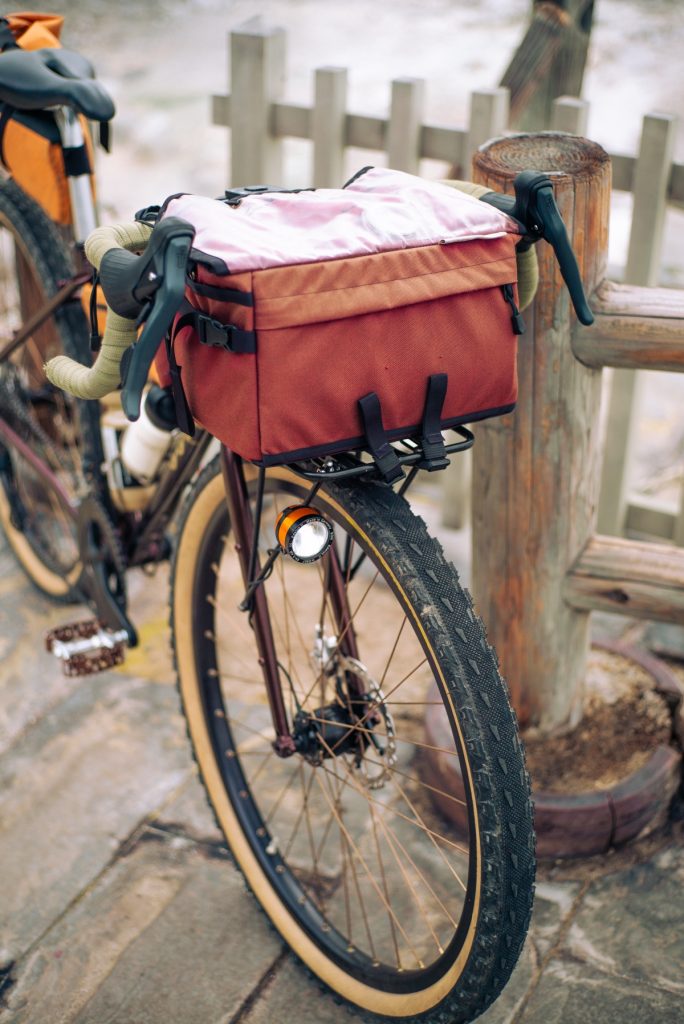
The bicycle selected for this trip was the SimWorks Doppo Ronin model.
Designed for carrying luggage, it incorporates several innovative features. Each bicycle is meticulously handcrafted in a workshop in Japan.
The name “Doppo” (meaning “solo walker”) and “Ronin” reflect the design philosophy of these bicycles, which are crafted for independent travel. They are built to allow riders to roam the world freely, unrestrained by location or terrain.
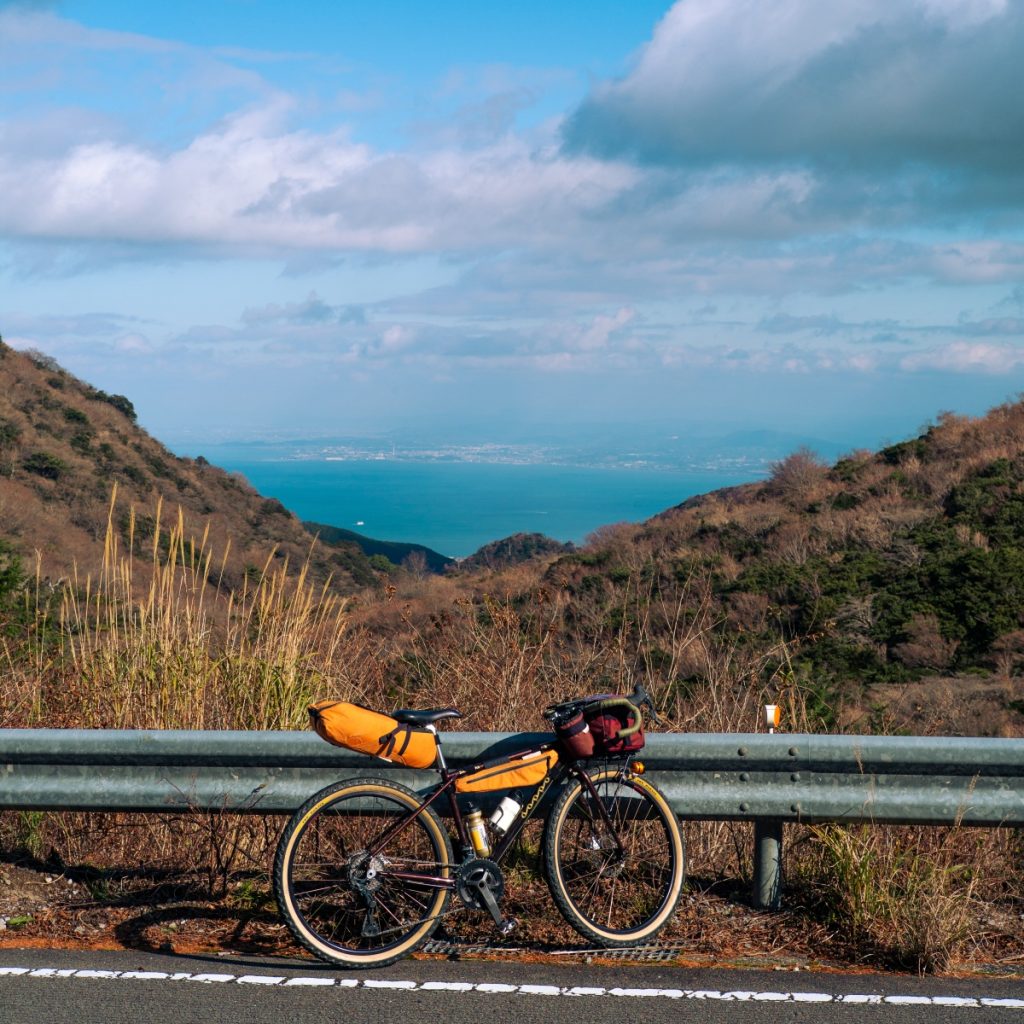
The SimWorks Doppo Ronin is highly recommended for long rides, whether you’re carrying gear to explore unfamiliar landscapes or using it as a reliable means of daily transportation.

A modern touring bike built for all terrains, capable of taking you anywhere. All it needs is your imagination and sense of adventure.