







Why Old-school Shirahama Onsen is the Real Deal
The ideal bath, according to an onsen aficionado
Shirahama Onsen is said to have a history tracing back more than 1,300 years, with records in the Nihon Shoki noting a visit by Empress Saimei in 658. It is no wonder the area is counted among Japan’s three oldest hot springs. Even in Shirahama, a name with real pedigree, Chōsei no Yu earns high marks from free-flowing hot spring devotees across the country. Its slightly silky, mildly alkaline, sodium bicarbonate spring water feels soft on the skin, and has long been loved as a “beauty bath.”
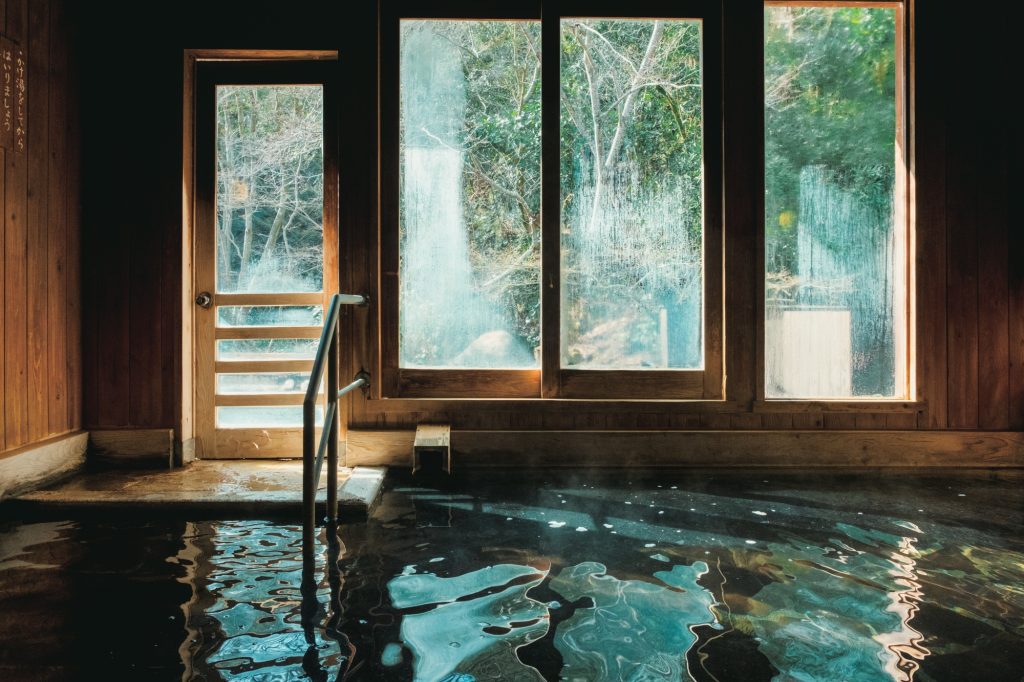
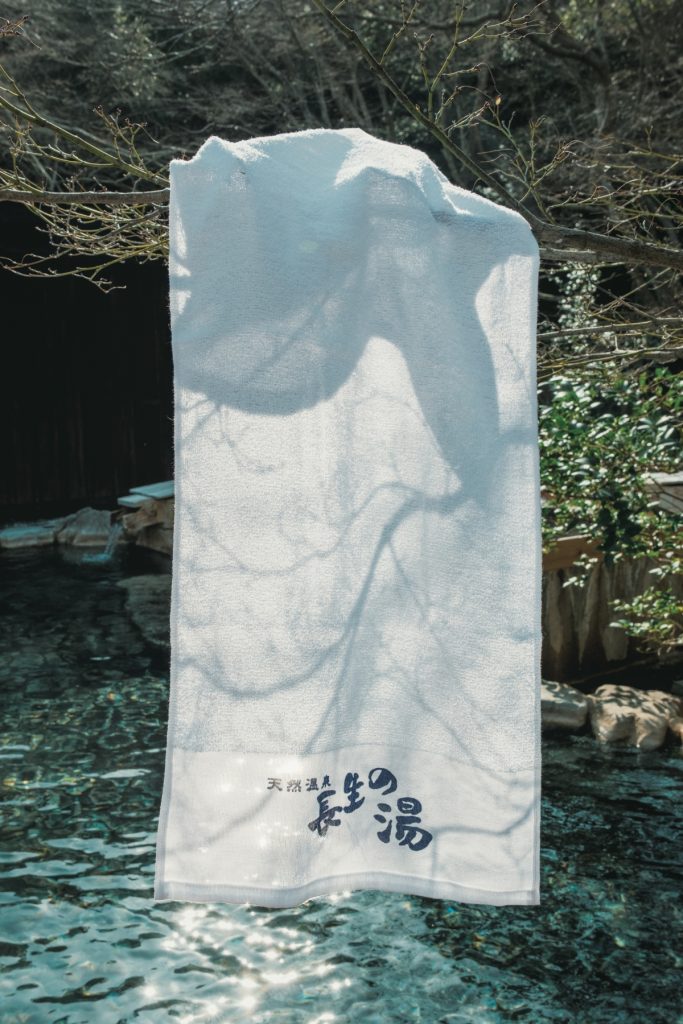
To protect that spring quality, the baths are drained and cleaned every day, then refilled overnight. It takes work, but as owner Onodera Yasunobu puts it, “Adding chlorine just to stabilize the water quality? Absolutely not.” Circulation systems and chlorine only dull the appeal and charm that the source provides. Born and raised in Shirahama, Onodera wants visitors to soak in pure, free-flowing spring water and feel the original power of Shirahama Onsen for themselves.
Besides the powers of the spring water, the baths themselves are part of the pleasure too, with a nostalgic atmosphere and generous use of Kishu cedar. After your soak, go for the classic onsen egg. At Chōsei no Yu, the house recommendation is the surprisingly good harmony of vanilla ice cream and onsen egg. With body and mind freshly renewed, head back out into Shirahama feeling, quite literally, like a layer has been shed.
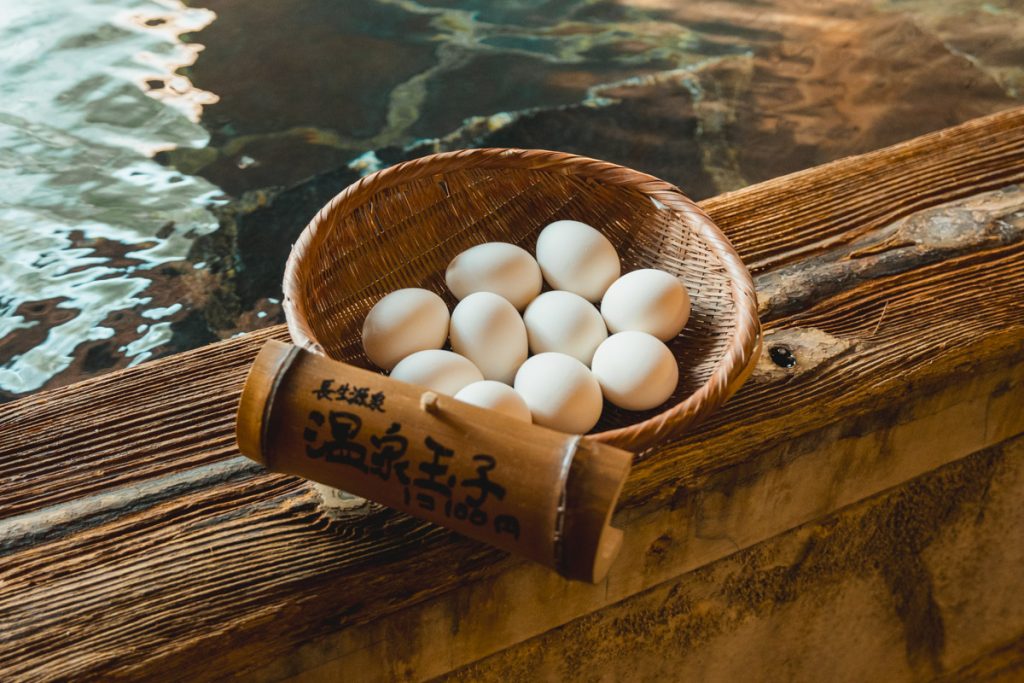
The baths are supplied by pipes drawing water from two privately owned spring sources in the mountains about 800 meters away. Even in the historic Shirahama Onsen area, facilities with their own spring sources are rare. Settle in and enjoy the free-flowing water to your heart’s content.
2763 Shirahama-cho, Nishimuro District, Wakayama
TEL:0739-42-3010
Let Cute Umeko be Your Guide Into the Wondrous World of Umeshu
Over 140 Wakayama-made umeshu labels in one place
Tanabe City, one of Wakayama’s signature ume-producing areas, even has an “ordinance” encouraging people to use Kishu umeshu or ume juice when raising a glass for a toast. The depth of this local love for plum wine is easy to feel at Umeshu Otanoshimidokoro Umeko (or simply, Umeko), a specialty bar in front of Kii-Tanabe Station with more than 140 Wakayama-made umeshu labels.
“Kishu umeshu makes the most of the region, using Nanko ume that ripen fully on the tree. That gives it a rich aroma and fruity flavor,” says Sako Daiki, one of the people behind Umeko.
“People tend to think of umeshu as sweet, but the range is much wider than that. Some are aromatic and made with brandy, some have the rich finish of oak-barrel aging like whiskey, and others are crisp, dry, and made without added sugar. Try looking for the one that suits you.”
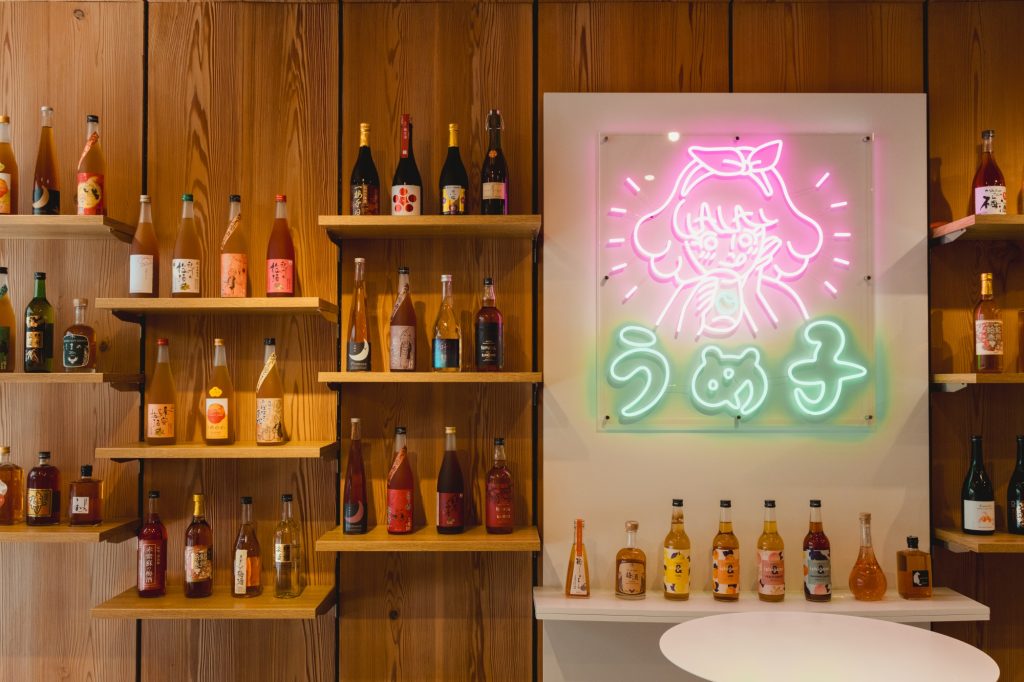
Umeko began with the idea of “umeshu tourism,” encouraging visitors to wander the Ajikoji district around Kii-Tanabe Station, Wakayama’s leading dining area, in search of umeshu and ume cuisine.
Paired with the adorable Umeko character created by a Tanabe-based illustrator, the local umeshu culture is beginning to reach a new kind of fan demographic.
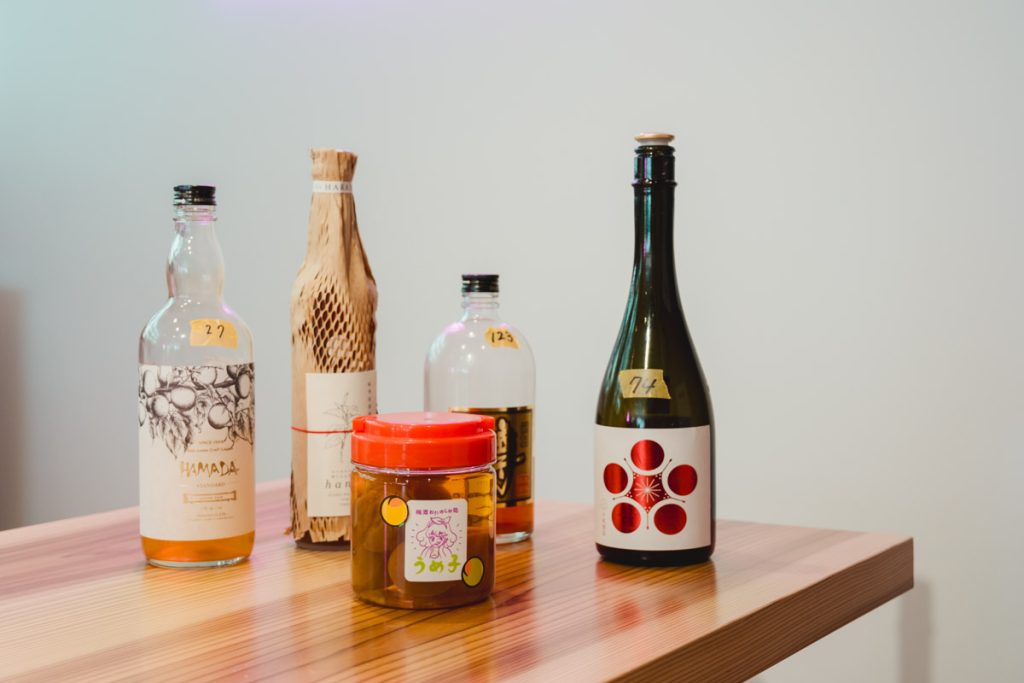
Alongside original umeshu cocktails and ume mocktails, popular options include a 30-minute all-you-can-taste plan featuring various umeshu in the bar, as well as themed tasting flights. The lineup includes many rare labels that can only be enjoyed on-site.
14-6 Minato, Tanabe City, Wakayama
TEL:0739-22-2180
