Into the Valley
Boarding the shinkansen from Tokyo to Ueda, I searched which side would give the best view. In truth, it didn’t matter – the train cuts straight through the Japanese Alps, mountains on every side.
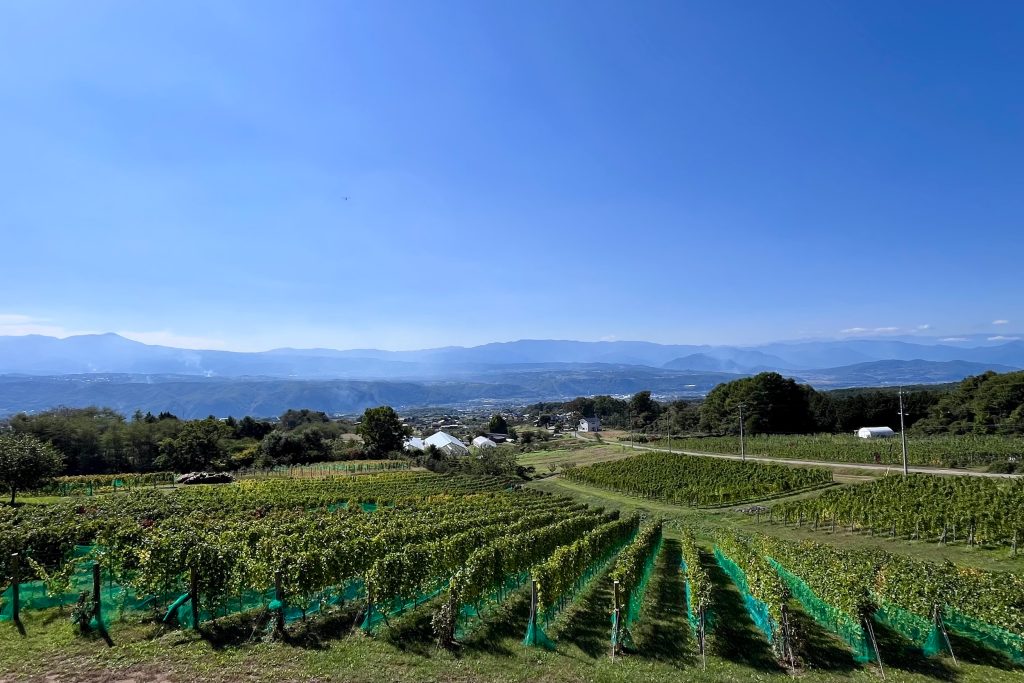
Nagano is one of Japan’s key wine regions, and within it, the Chikumagawa Valley had been on my mind; it was a name I kept hearing even while abroad. Over the past decade, this stretch of land tracing the eponymous river has become a breeding ground for a new generation of producers redefining what Japanese wine can be.
As the mountains begin to close in on either side, the light sharpens, the blue of the sky deepens, and rice fields blanket the valley floor. Unlike Yamanashi, Japan’s oldest wine region where winemaking is often local and, at times, generational, most here are newcomers – those who traded city lives for dreams of creating in harmony with the land. Geography helps their gamble: the valley’s unique microclimate, sheltered by mountains, yields one of the driest spots in Japan, where even delicate European grape varieties can thrive.
Nearby, the Chikumagawa Wine Academy, founded in 2015, has become the engine of the valley’s wine movement, teaching viticulture and winemaking and sending many of its graduates to plant their first vines within a stone’s throw of the school.
As I met the people shaping this valley, I sensed something else in the air – a shared understanding that here, one is free to experiment. A true carte blanche.
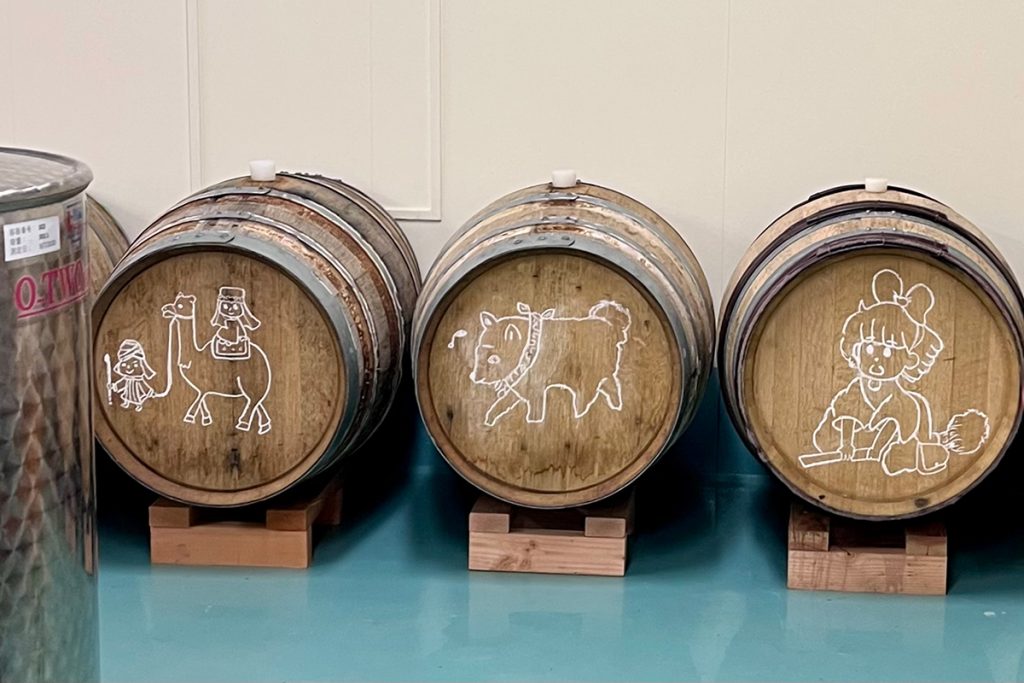
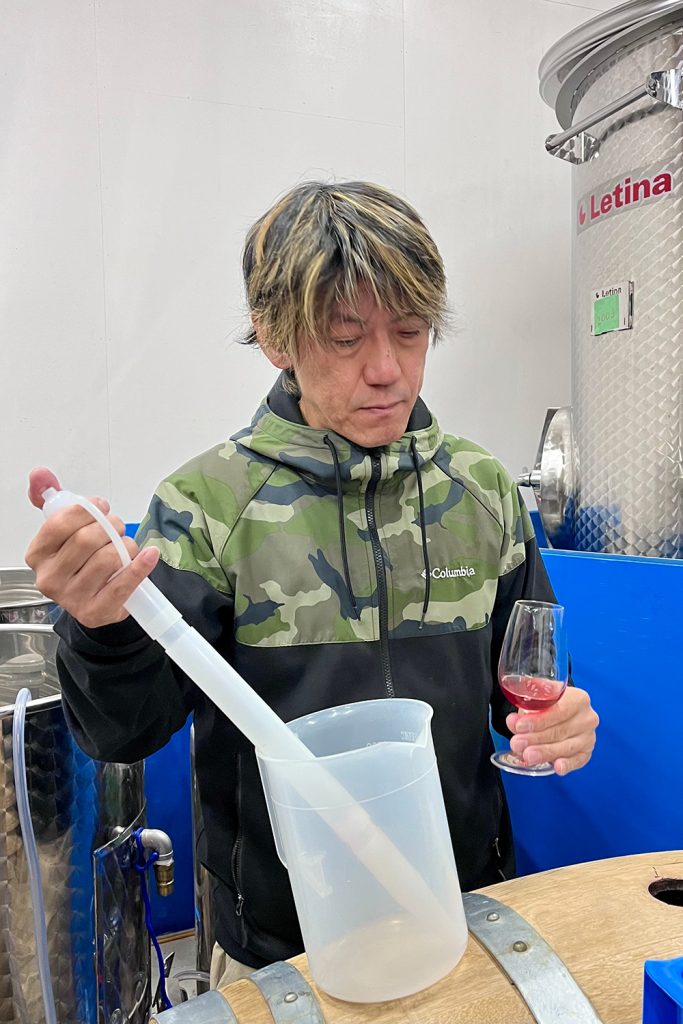
Upbeat music fills the cellar, and the barrels are etched with lively chalk drawings instead of tidy labels. This is Tsuiji Lab, where winemaker Takahiro Suga oversees both the estate’s own wines and itaku jōzō – contract winemaking, where grape growers bring in their fruit and commission the entire process from fermentation through bottling.
Suga isn’t your typical Japanese craftsman. With bleached blond hair, sleeve tattoos, and a vigneron résumé that runs across France, New Zealand, Australia, Germany, and even Hawaii, he is a “flying winemaker” true and true. But here in Tomi, he’s found something to stay for – a “lab” to embrace his experimental streak.
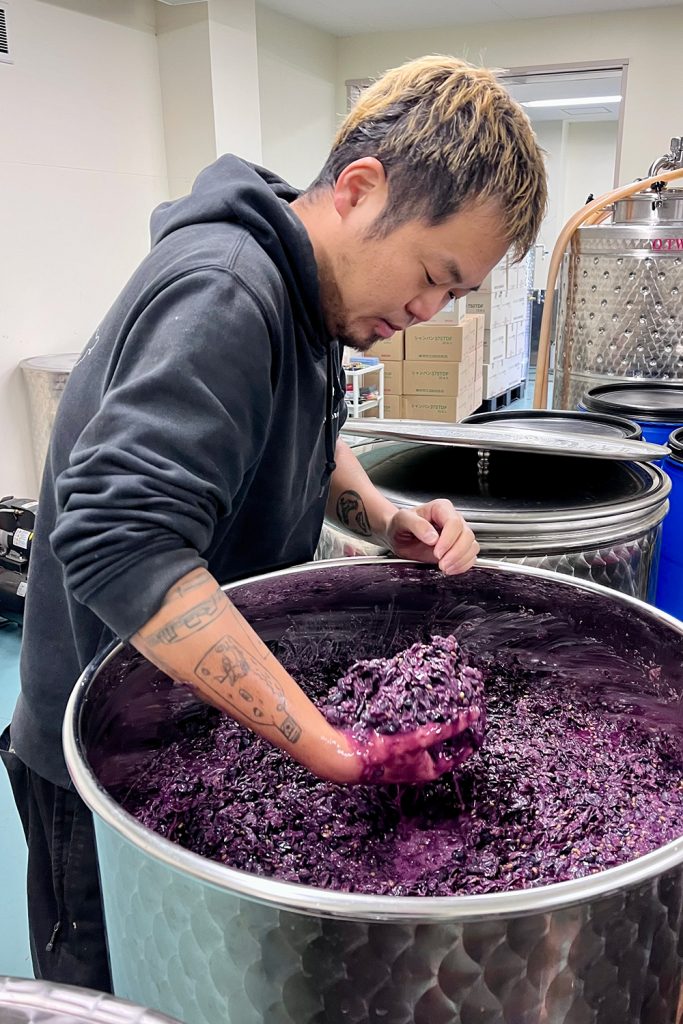
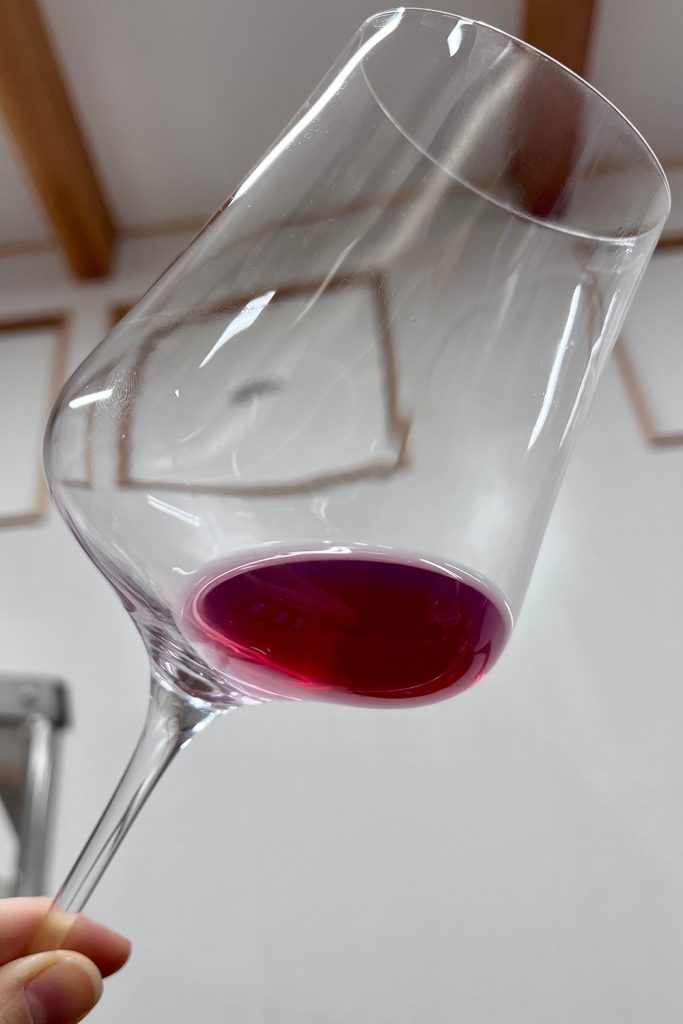
“This client wanted orange wine this year so we pressed Merlot and Riesling first, then fermented on skins of Sauvignon Blanc, Chenin Blanc, Semillon, Petit Manseng, and Chardonnay,” he explains as he hands me a glass straight from the tank. The liquid hums with electric potential and I’m struck by the range of styles and varieties that pass through this modest space.
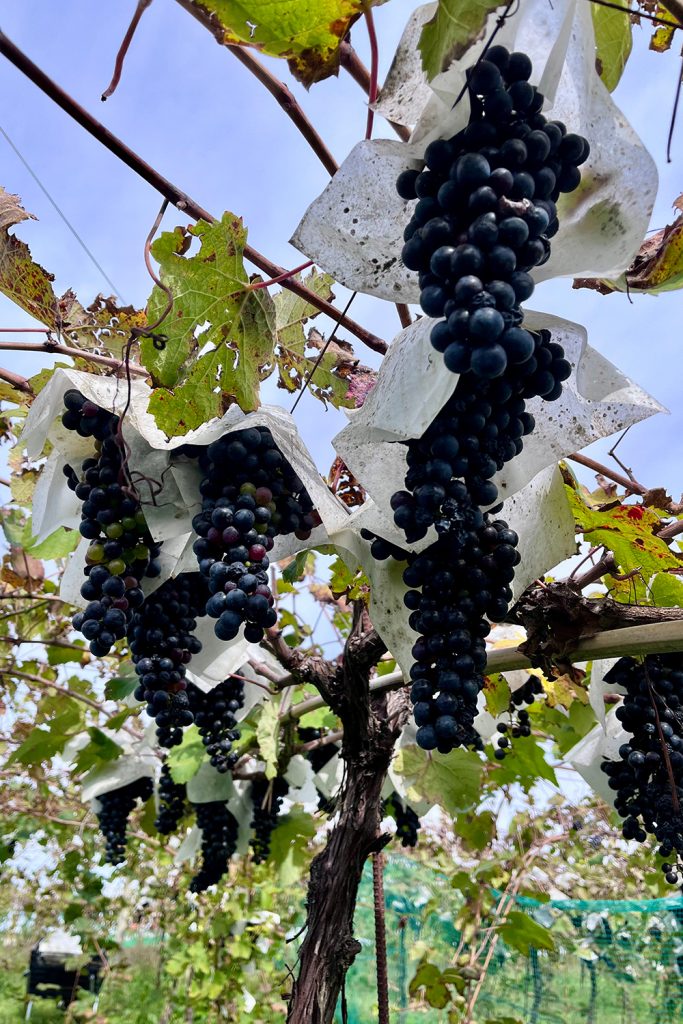
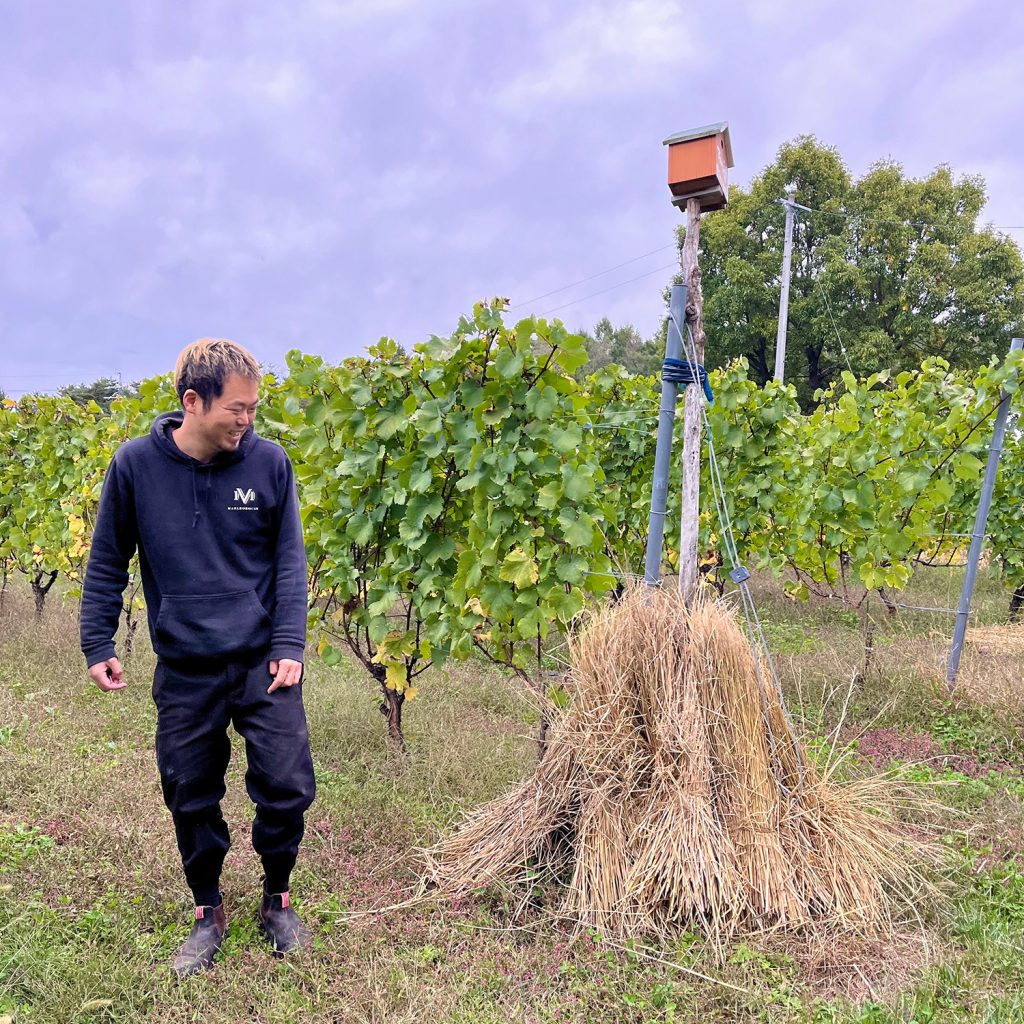
At the vineyard, piles of rice straw are stacked at the head of each row. Suga explains, “Tomi is an unusual wine region in that rice is grown right alongside the vines – it’s contradictory really, rice needs a lot of water, and vines are better off without it.” he chuckles, “But it also gives us a unique way to cope with winter here. Wrapping rice straw around the vine trunks protects them from frost damage.”
Back at the cellar, a grape grower stops by to check on his ferments, though mostly to chat. That’s the rhythm here – work and conversation flowing together, brightened by Suga’s easy warmth.
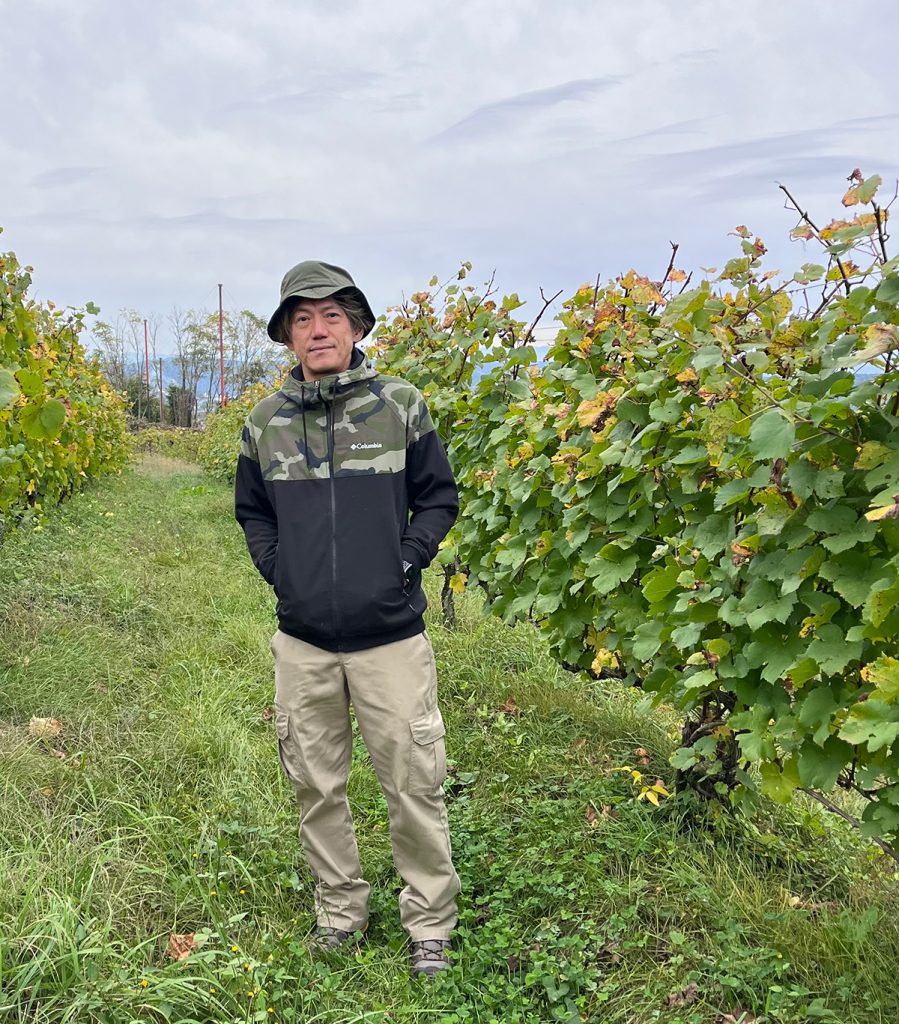
“The first three years of training the vines are crucial,” Toshihiro Ike tells me, gently unveiling a young Pinot Noir sapling hidden among tall grass. “If you don’t let the tiny trunks grow straight, the water channels twist forever.” He says it with such tenderness that it’s obvious this variety has become both a challenge and a muse.
Before wine, Ike worked in telecommunications engineering – a world of constant demolition and rebuild. In his mid-thirties, he longed to create something that would endure, something that would take root. Agriculture, and eventually wine, became that answer. At the time, Japan’s wine scene was dominated by large corporations, and the barriers to entry seemed sky-high. Then Ike came across an article about emerging independent wineries in Hokkaido and Nagano, and it planted a seed.
Ike and his wife Kazumi arrived in Tomi during a precarious yet opportune time: the region’s key crop, Kyoho grapes, was gradually losing value, and farmers were beginning to sell off land. Farmers were selling land. Buying their first small Kyoho parcel, the Ikes were warmly welcomed as rescuers of a grape still dear to locals. With that community support, they gradually found more land here and there until Nagomi Vineyards grew to what it is today.
A decade on, the Pinot Noir has responded to their care and dedication. “Finally, we’ve found our own expression,” Ike says. When French critics in Burgundy praised it for softness and precision at the Salon des Vins Japonais, “it felt like a harvest of faith.” His face lights up with humble satisfaction.
Entering Komoro, I turn off into winding mountain roads. The blue sky is infinite, and it feels as if I’m driving straight into it. How aptly named – Terre de Ciel, “Land of the Sky.”
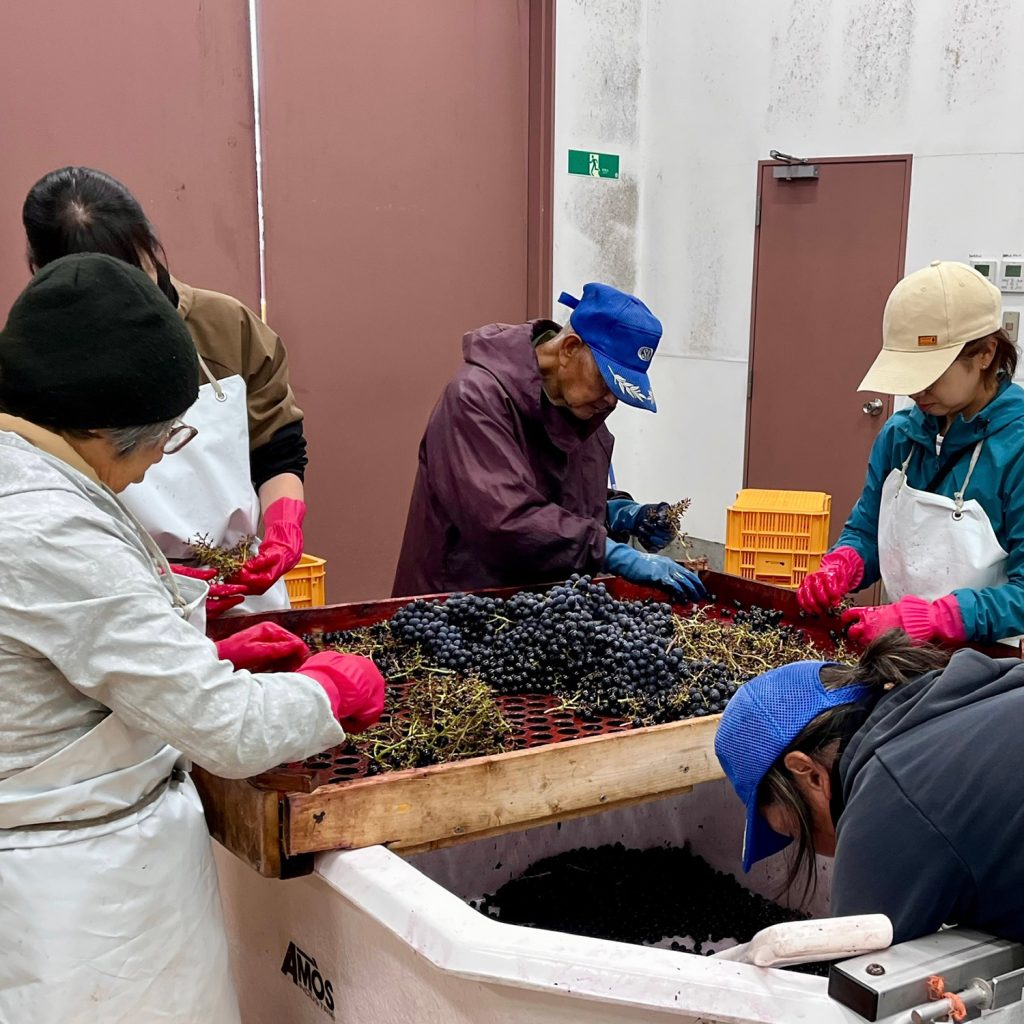
At the cellar, winemaker Kazuto Kuwabara greets me mid-destemming – calm but in constant motion. His philosophy is simple: ninety-five percent of the wine is made in the vineyard, five in the cellar. “Even there, it’s more watching over than doing,” he says, wanting those who drink his wines “to taste this landscape.”
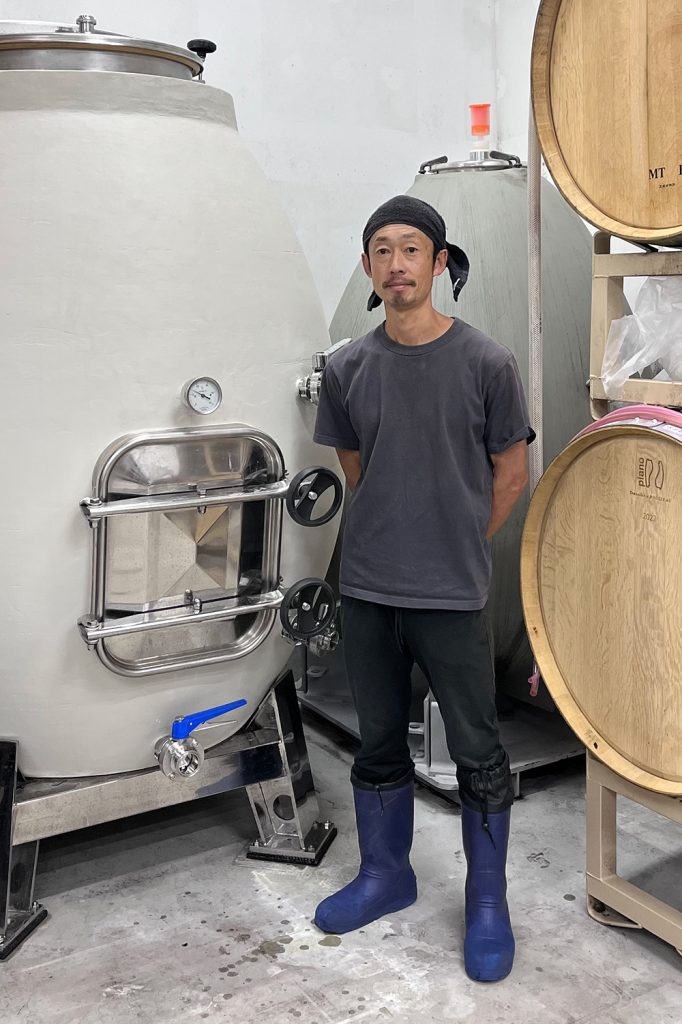
As Kuwabara returns to the tanks, estate owner Takeo Ikeda appears – a rare local among this community of transplants. We climb to a lookout where the vines cascade toward the opposite ridge, clouds drifting low between. My camera wavers between the spectacular view and Ikeda’s animated storytelling.
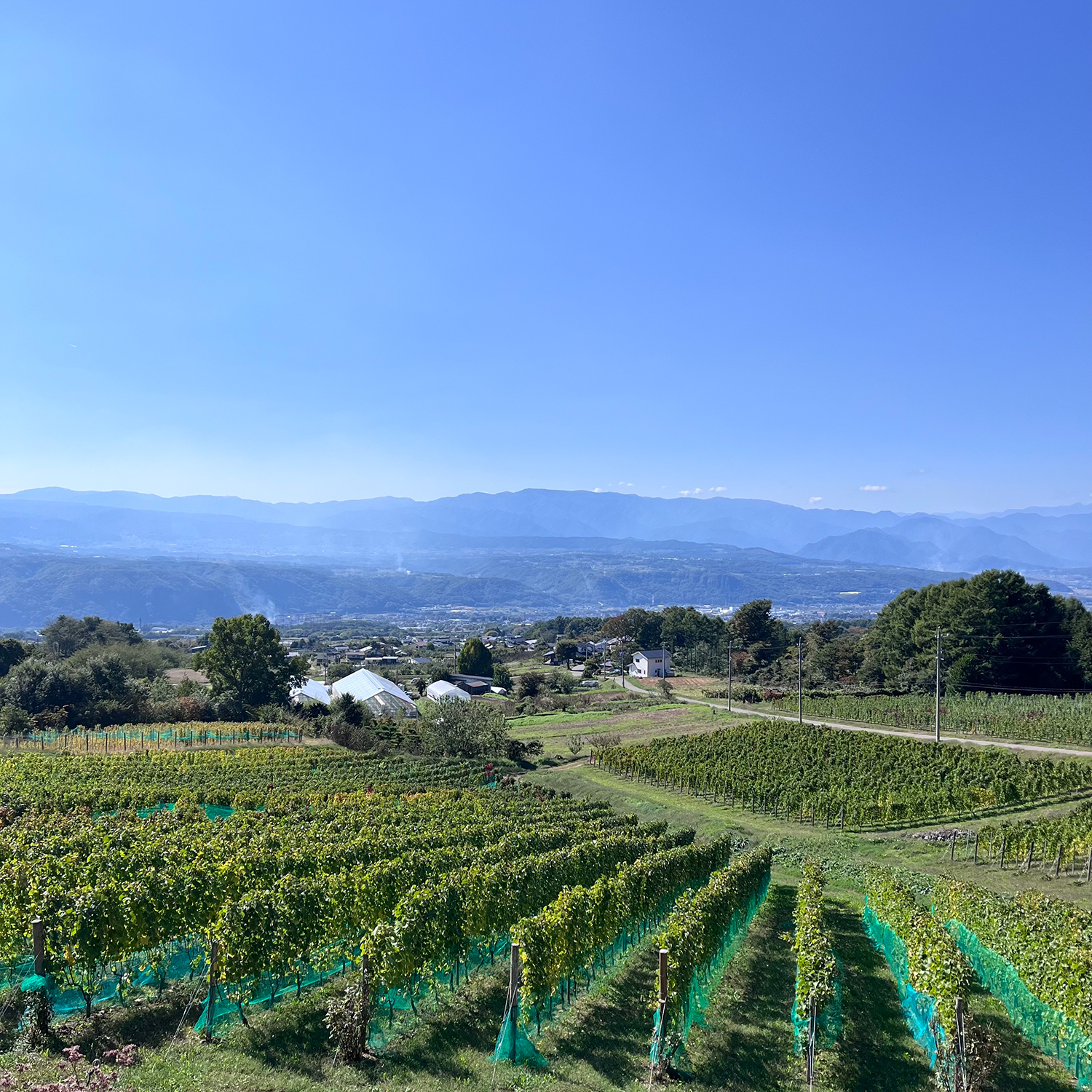
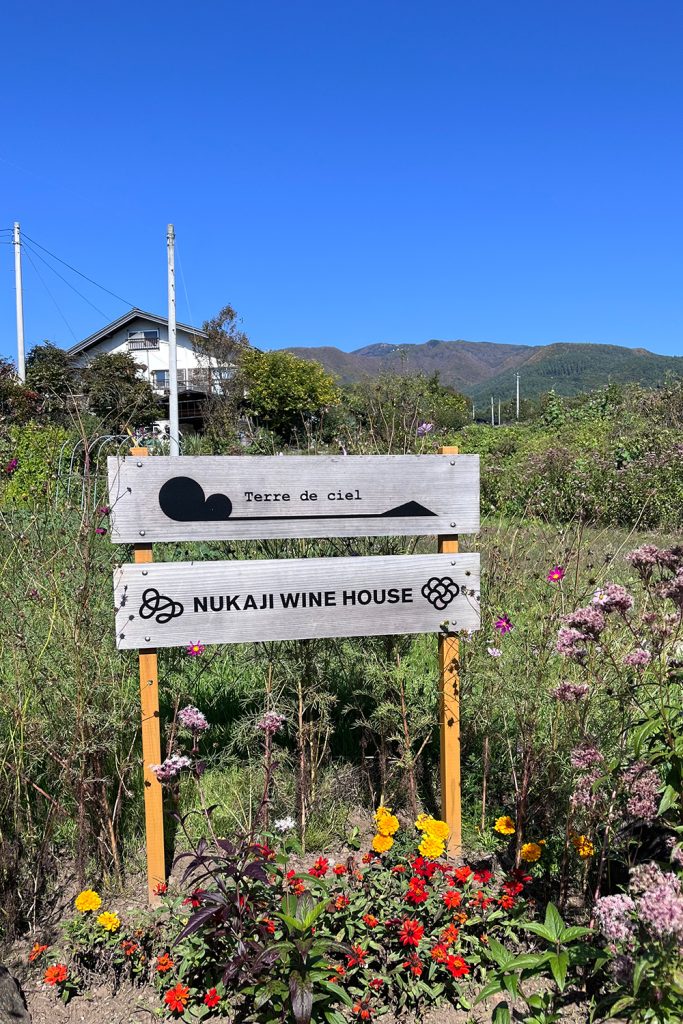
“At sixty, I decided my second life would be one in touch with soil.” After retirement, Ikeda planted vines at 950m despite warnings it was too high, too cold. But the sweeping slope, open to the wind, proved protective, with air currents carrying away frost risk.
Their debut Sauvignon Blanc was an instant hit, praised for its piercing acidity. Komoro, long known for apples, was never considered wine country, until Ikeda’s success drew other growers to its hillsides. Building on that momentum, Ikeda launched Nukaji Winehouse, a cottage-inspired tasting house. There, photographs of pastel blue butterflies adorn the interior.
“Komoro lies on the migration path of the Asagi Migratory Butterfly (Chestnut Tiger). Their arrival marks the start of harvest, and at times, up to 500 grace us in a single day.” A nod from nature that here, its rhythm is held sacred.

“I imagine the kind of wine I want to make, then reverse-engineer the process, starting in the vineyard,” says Ryo Tanabe, the man behind Aperture. His vines are trained unusually high so clusters stay shaded by layers of leaves; harvest is done in three to five passes, each capturing a different facet of Chenin – all details refined through years of calibration and precision.
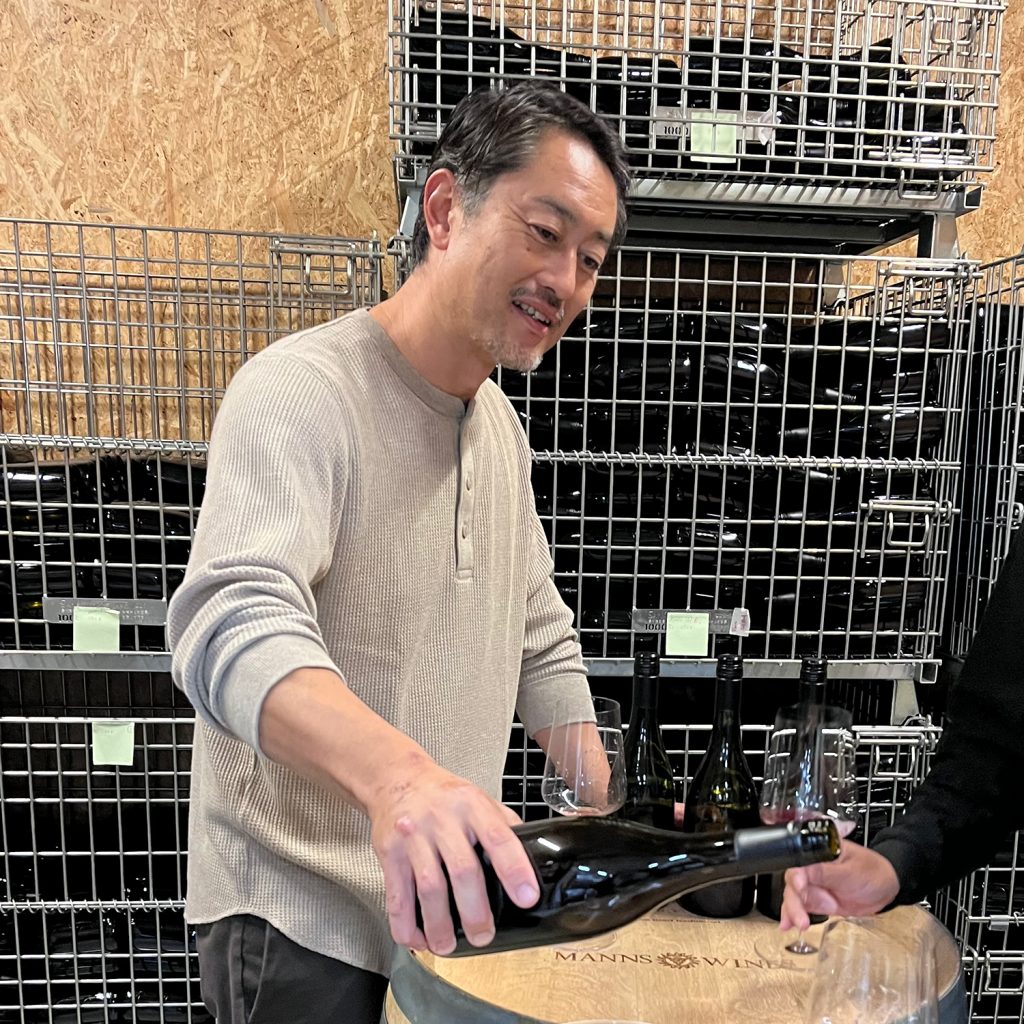
It makes sense when you learn that Tanabe was once a nature photographer. A life-altering encounter with a Loire Valley Chenin Blanc set him on the winemaking path, determined to craft Chenin in Japan that could stand among the world’s best. A bold vision in a country where almost no one was attempting the variety.
“Chenin Blanc is thin-skinned with tightly packed clusters, very vulnerable to Japan’s high rainfall,” he explains. “The berries, once they absorb water, become packed like corn kernels and burst easily. Most who try eventually give up.”
“For the first several years, my Chenins felt diluted,” he says. “Then, suddenly, everything changed. The roots had gone deep, and the wine began to show it with concentration and minerality.” Finally, it was reaping the benefits of the clay-rich soils that define Tomi.
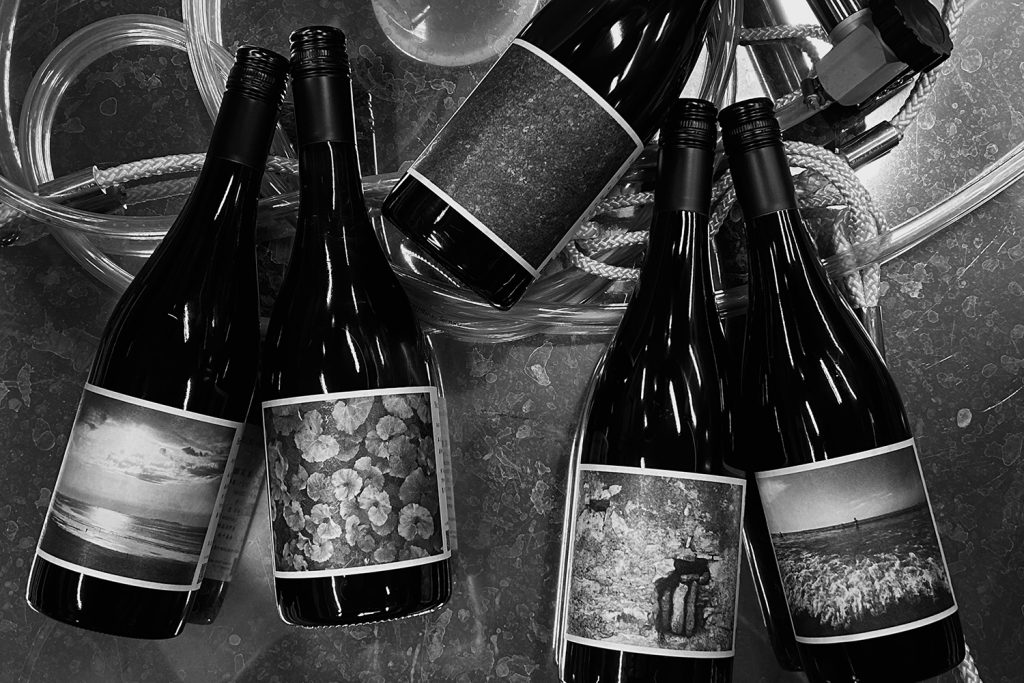
In the cellar, he pours the yet-to-be-released 2024 Chenin Blanc. I’m so entranced by its elegance, even at this early stage, that I’m momentarily caught off guard when he asks what I think of it.
Recently, he purchased another plot to dedicate to Chenin Blanc at 940m. “Nagano is well suited for climate change,” he half-smiles, amused by his own remark. “You can keep running higher into the mountains.”
Accompaniments to a Wine Country
Ueda makes an ideal base for exploring the valley’s wineries, easily accessible from Tokyo. Start at Wineteria Be-One, a basement bar by the station offering tasting pours, perfect for getting your bearings.
For dinner, head to Fika, a converted bicycle factory turned bistro with industrial warmth and a list balancing local and foreign bottles.

A short drive away, Art Village Myojinkan offers a day-use onsen overlooking the picturesque valley.
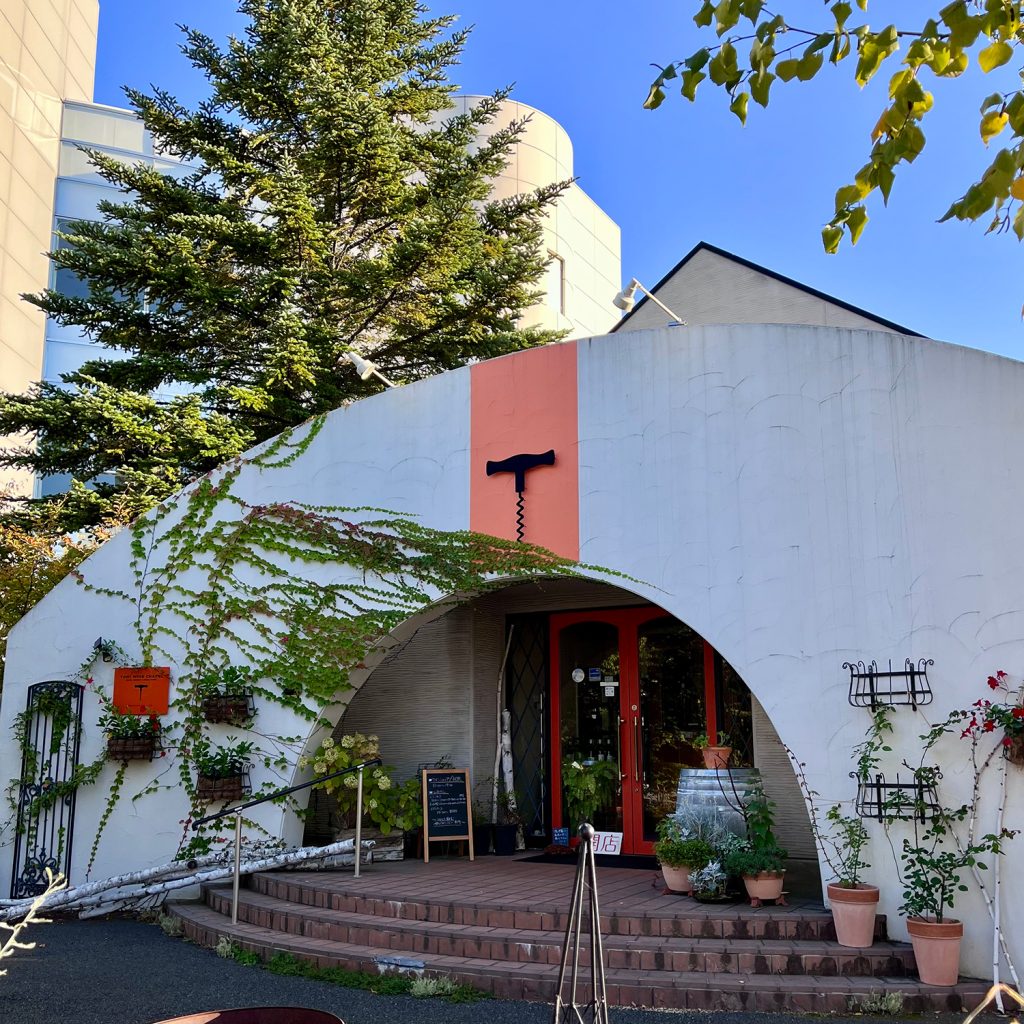
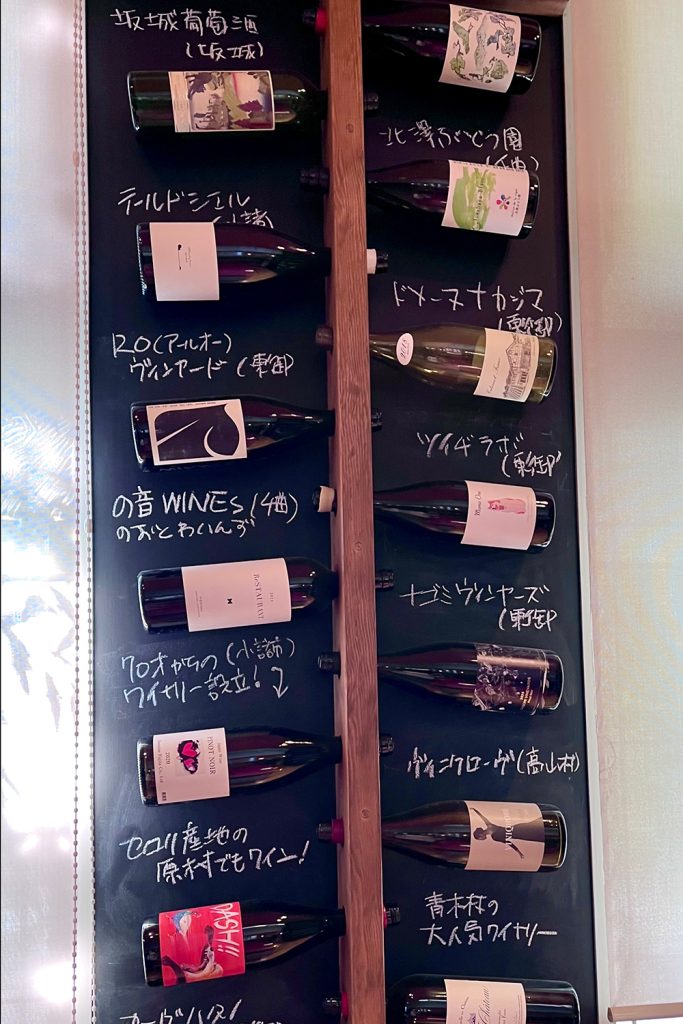
In Tomi, do not miss Tomi Wine Chapel, home to perhaps the most complete Nagano selection anywhere, and where the owner’s pride in local wines is contagious.