







From Takamatsu Chikko Station, which connects the islands of the Seto Inland Sea, Kotoden’s short, three-colored trains run East, South, and West. The red line heads to Shido, home of the 86th temple of the Shikoku Pilgrimage; the green line goes to Nagao, where the 87th temple is located; and the yellow line travels to Kotohira, home of the famous Kotohira-gu Shrine, aka Konpira-san. Among the regular commuters and students onboard the Kotoden, tourists stand out clearly.
“Kagawa, especially Takamatsu, has a lot of flat terrain,” says Manabe-san. “For distances within about 5 kilometers, many people might choose to cycle. With the inevitable challenges of a declining birthrate and aging population, as well as depopulation, we need to think about making the railway enjoyable and tourist-friendly if the number of local residents along the line continues to decrease.”

“Kotoden’s tracks have been following the pilgrimage routes to temples for decades. On the Shido Line, you’ll find not just Shido-ji, but also Yashima-ji, the 84th temple, and Yakuri-ji, the 85th temple. The Nagao Line ends at Nagao Station, where the 87th temple, Nagao-ji, is located, and some pilgrims even walk from there to the 88th temple, Ōkubo-ji. The Kotohira Line passes by Ichinomiya-ji, the 83rd temple, and, of course, goes all the way to Kotohira-gu. We hope that by combining train routes, the pilgrimage will feel even more accessible. In addition to Kotoden’s IruCa IC card, passengers can also use nationwide cards like Suica and ICOCA.”
President Manabe, a visionary known for introducing numerous reforms, shared his insights on the future. Kotoden faced bankruptcy in 2001, but his father, Yasuhiko Manabe, who was running a car dealership at the time, took on the challenge of revitalizing the company. Yasumasa took over management in 2014, and since then, he has introduced a variety of community-focused initiatives. These include the “Kotoden Onsen Train & Bath Ticket” for Busshozan Onsen, the “Kotoden Story Project” literary prize held in collaboration with the cafe/bar Hanzora, and many other projects that have gained support not only from the locals but from fans across the country, transforming Kotoden into a beloved local railway.
“Before joining the company, I worked in Tokyo as a regular office employee, but for me, my identity isn’t just tied to my hometown of Takamatsu—it’s connected to all of Shikoku. The pilgrimage routes link the different parts of Shikoku, and I hope people experience the pilgrimage with a sense of long-distance trail hiking, discovering and enjoying the deep culture of the region.”
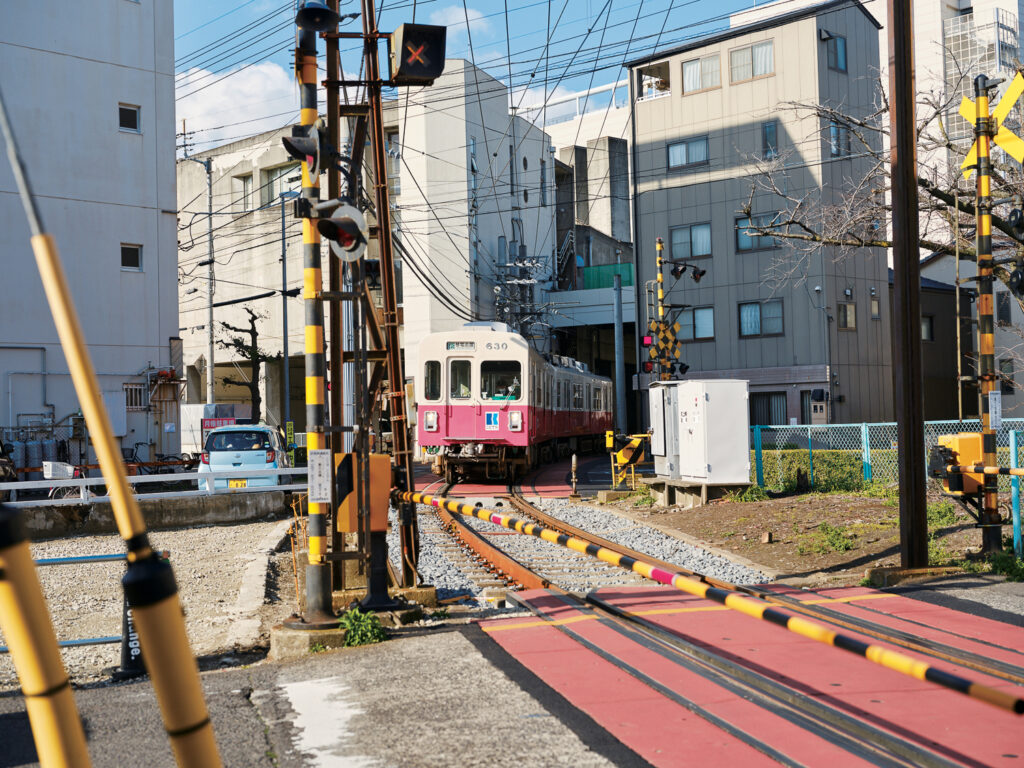
Being deeply rooted in the local community, it’s no surprise that Kotoden has strong ties to the Shikoku Pilgrimage. Beyond extending its lines to pilgrimage temples, the railway has donated retired Taisho-era trains to be refurbished into rest stops for pilgrims and even organized bus tours specifically for pilgrimage routes.
“The appeal of the pilgrimage isn’t just about visiting the 88 temples of Shikoku. For example, a visit to Konpira-san would be a memorable experience, and there are plenty of delicious local udon shops here and there along the route, not just on the pilgrimage path itself. The key is how we can offer ways to enjoy the journey, like encouraging travelers to hop off and explore. I feel there’s a need for new initiatives that intersect the traditional pilgrimage with modern travel experiences.”
In the long tradition of the Shikoku Pilgrimage, pilgrims are affectionately called “ohenro-san” and are treated with great care through the custom of “osettai”—hospitality extended to pilgrims. Manabe-san recalls seeing pilgrims regularly during his childhood, with locals offering them oranges as part of this customary kindness. For him, this osettai was simply a natural part of life. The idea of creating a local railway that brings joy to its passengers is closely linked to this local spirit of hospitality, and it’s no doubt a reflection of Manabe-san’s personal commitment to the tradition.
Yasumasa Manabe
Born in 1976, Yasumasa Manabe is a native of Kagawa Prefecture and the president of the Kotoden Group. He joined Takamatsu-Kotohira Electric Railway in 2009 and served as CEO from 2014 to 2023. Manabe successfully revitalized Kotoden, which once faced bankruptcy, transforming it into one of the most popular local railways in Japan.