







Unlocking the True Flavor of Okinawan Fish
Under the faint glow of moonlight, the sea is nearly pitch black. From 8 PM to 2 AM, Kazuhiro Takata wades into the water, armed with nothing but a speargun and a flashlight. No boat, no oxygen tank—just himself, stealthily inching closer to his target fish. Before the sleeping prey can sense his presence, he delivers a precise strike to its head. Takata is a rare breed of fisherman in Miyakojima, dedicated to the traditional practice of “dento moguri” or flashlight diving.
“Most Japanese fishermen prioritize large hauls,” explains Takata-san. “So fishermen like me, who catch only a small number, are often dismissed by others in Miyakojima. But I’m fine with that. I’ve made the choice to minimize environmental impact and focus on earning more by selling a small catch at a premium.”

Originally from mainland Japan, Takata began his career in hospitality before discovering spearfishing on Iriomote Island—a passion that quickly consumed him. In 2018, he became an associate member of the Miyakojima Fisheries Cooperative, attracting national attention for balancing dual roles as a hotelier and a fisherman. However, four years ago, he decided to dedicate himself entirely to fishing. Instead of relying on wholesale markets, Takata built his own network of clients, establishing direct partnerships with renowned restaurants across Japan, including Tokyo. His reputation among top chefs stems from one key factor: the unmatched quality of his catch.
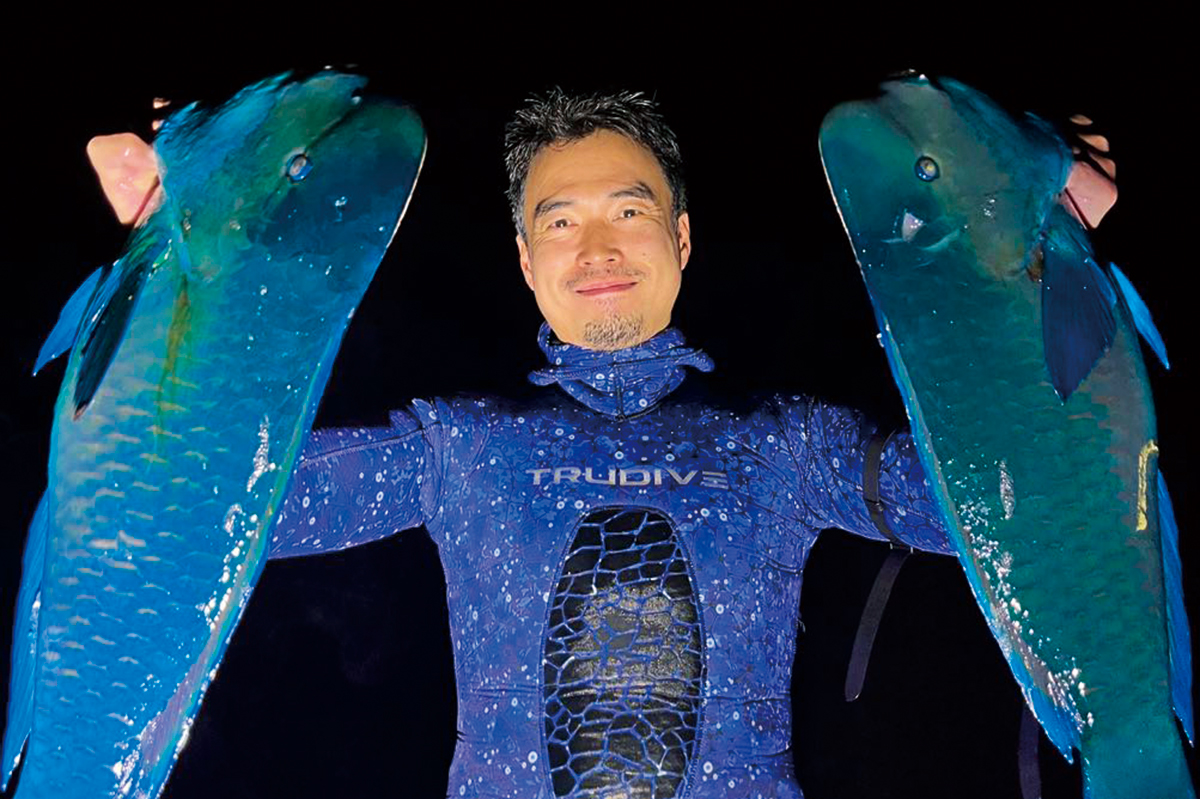
“There’s a perception that Okinawan fish aren’t very tasty—they look like ornamental fish, with soft flesh and little fat. But the truth is, it all comes down to how the fish are handled. The key is ATP, the energy molecule found in living cells. The more ATP you can retain, the more umami the fish has. With net fishing, the fish struggle and suffocate, leaving almost no ATP behind. But the way I snag my fish is so precise and gentle that the fish don’t even realize they’ve been caught, and they keep 100% of their ATP. On top of that, I tailor the care for each fish, which makes a dramatic difference in flavor.”
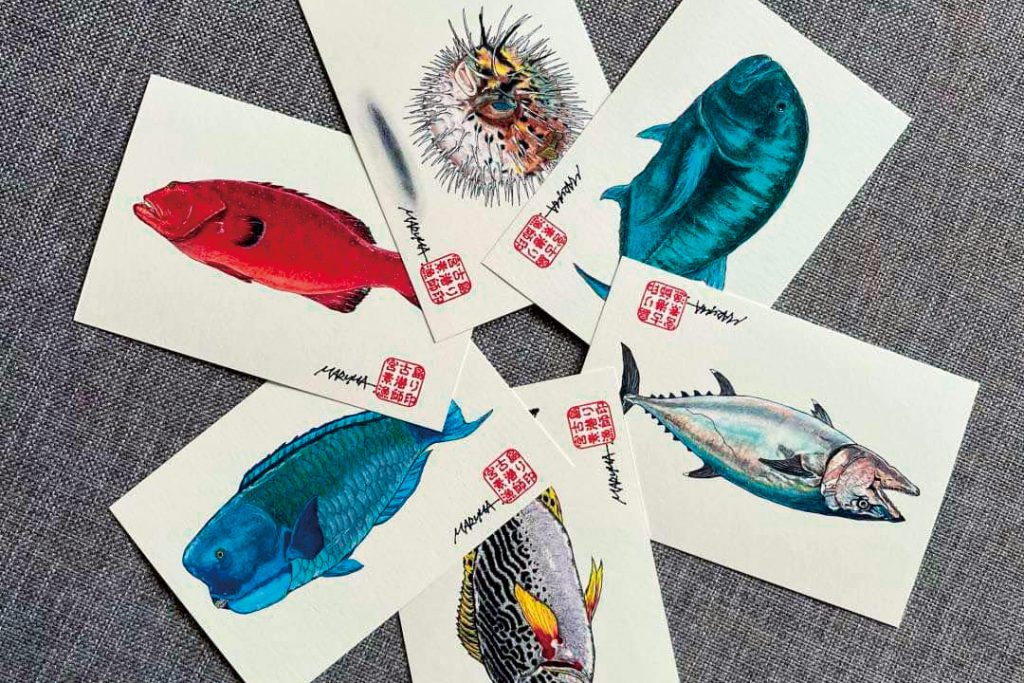

Unlike net fishing, which often results in unintended catches or taking more fish than needed, flashlight fishing allows for targeting specific fish in just the right amount. It’s a method that preserves the richness of the ocean for future generations. Takata dedicates his life to maximizing the potential of each individual catch, ensuring its true value shines.
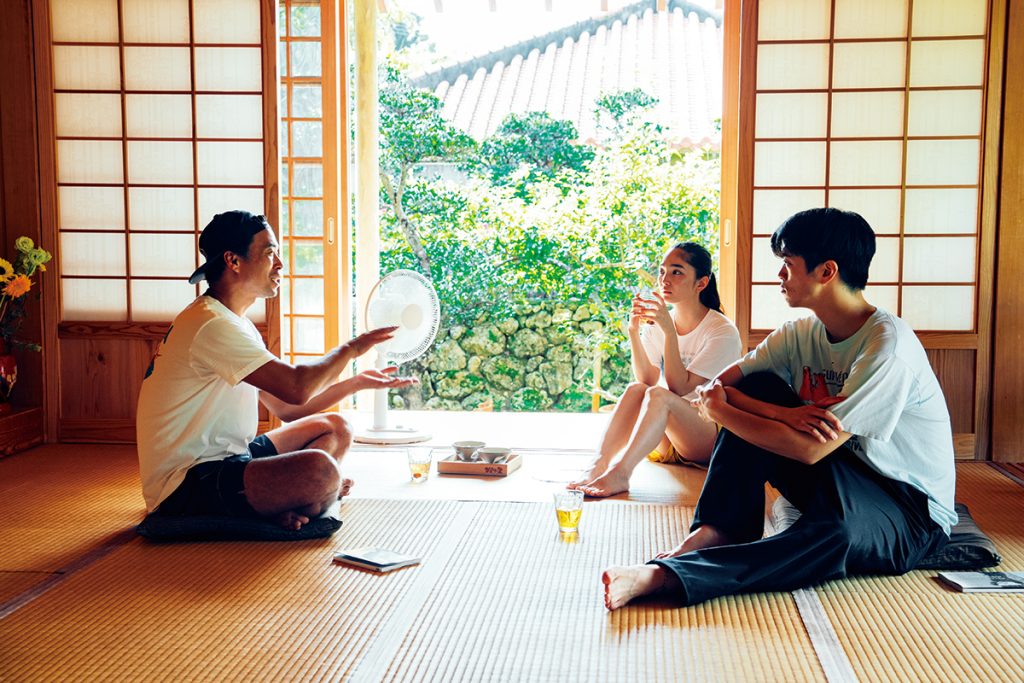
Kazuhiro Takata
Flashlight Fisherman. After building a career as a hotelier, Takata became the accommodation manager at HOTEL LOCUS in Miyakojima. After working part-time at first, he decided to go all-in and became an independent fisherman in 2020. Driven by a mission to elevate the value of Okinawan fish caught using the sustainable “dento moguri” method, he continues to actively promote his craft across Japan.
