Ingredients (makes 2 pancakes)
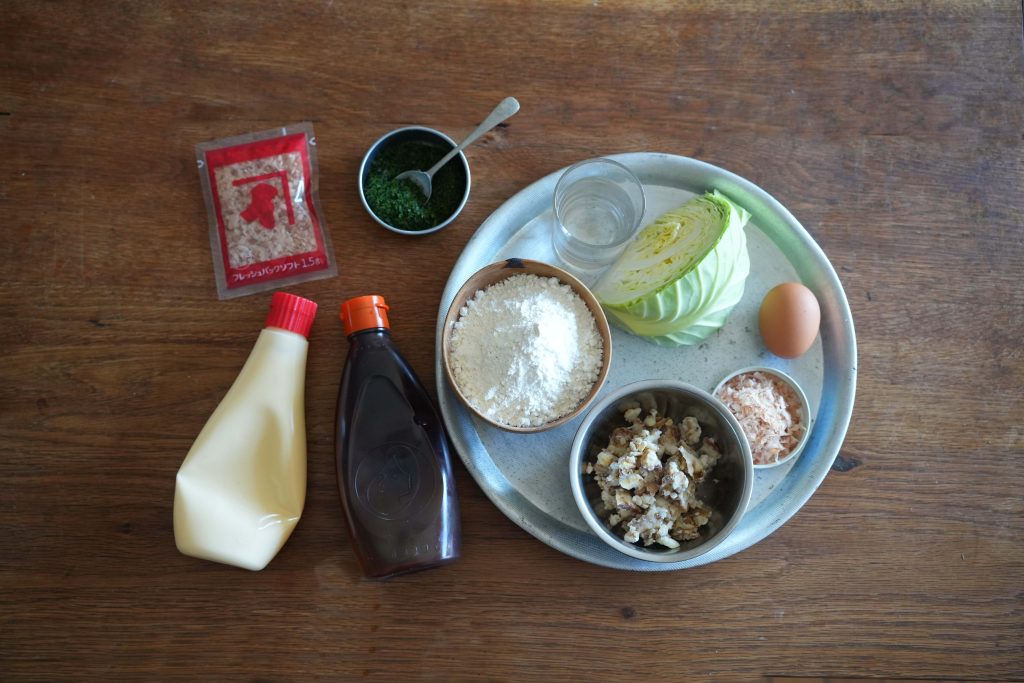
100 g hakurikiko / “soft” wheat flour
100 cc water
1 egg
60 g aburakasu / cracklings (or 80 g pork back)
150 g cabbage (about 1/6-1/8 head)
2 g kezuribushi / shaved bonito flakes (if available)
< Toppings >
Okonomiyaki sauce, aonori laver, kezuribushi bonito flakes, mayonnaise
How to make
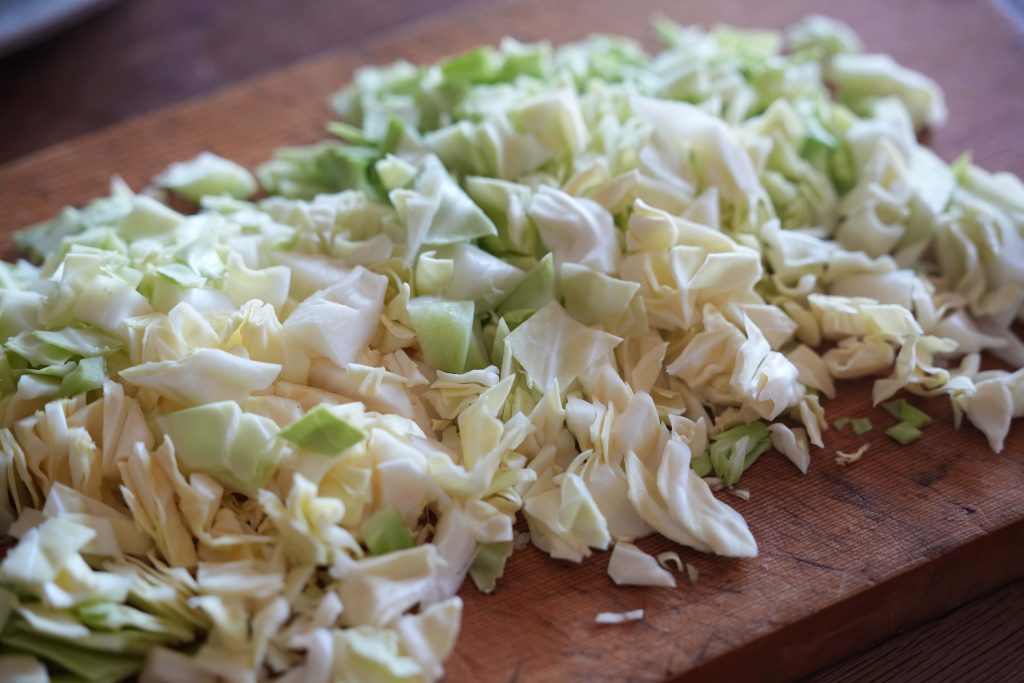
1. Roughly chop the cabbage. Combine the water and egg in a bowl, and then add the low-gluten “soft” wheat flour and shaved bonito flakes and mix.
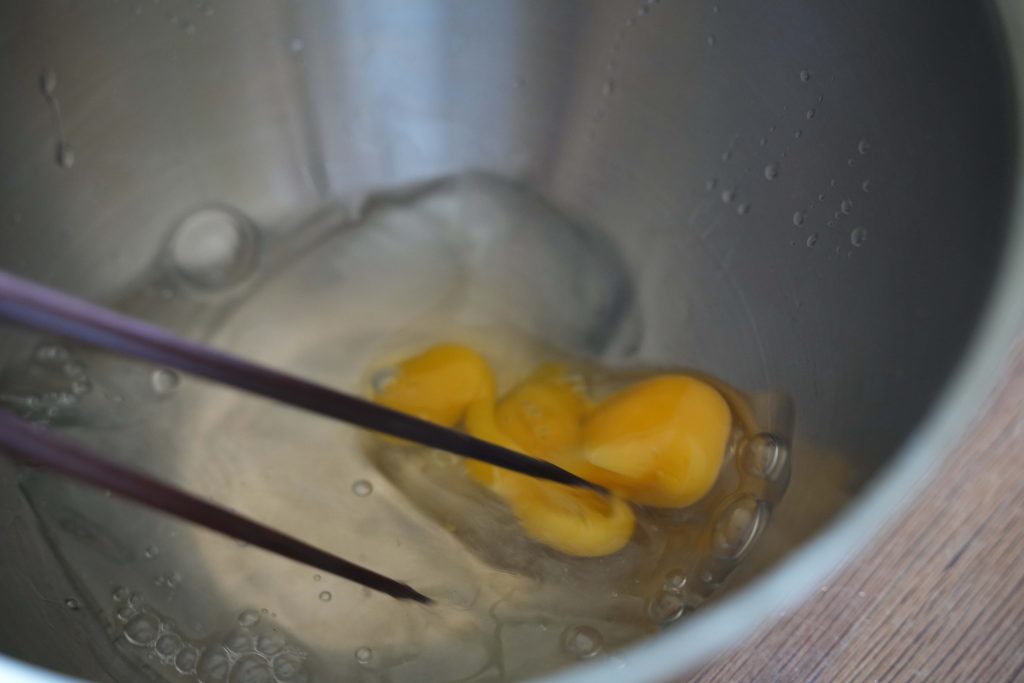
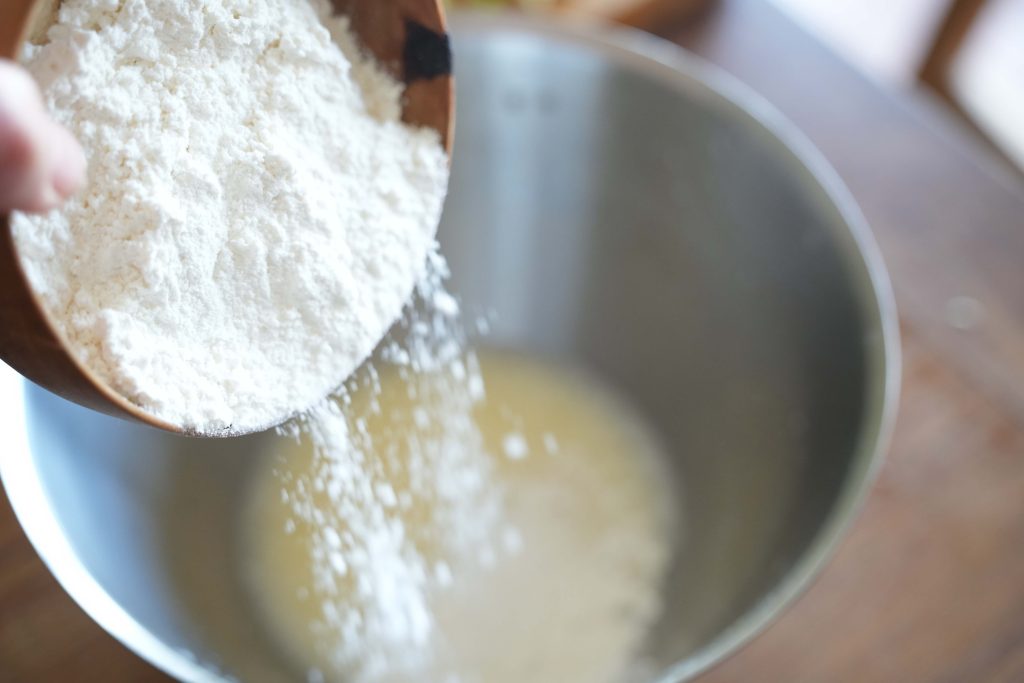
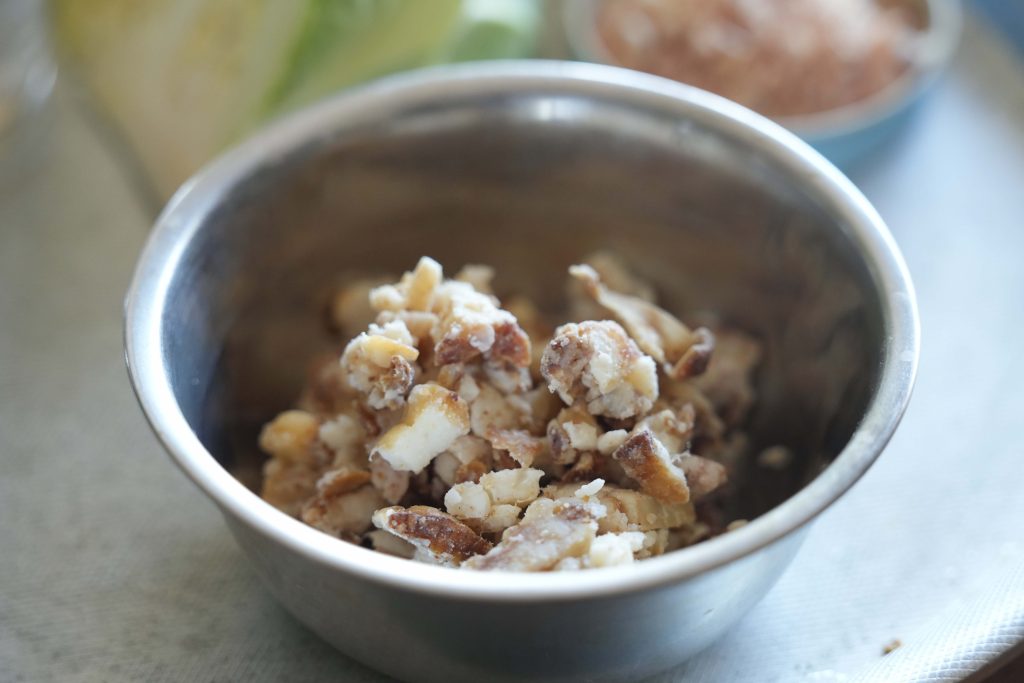
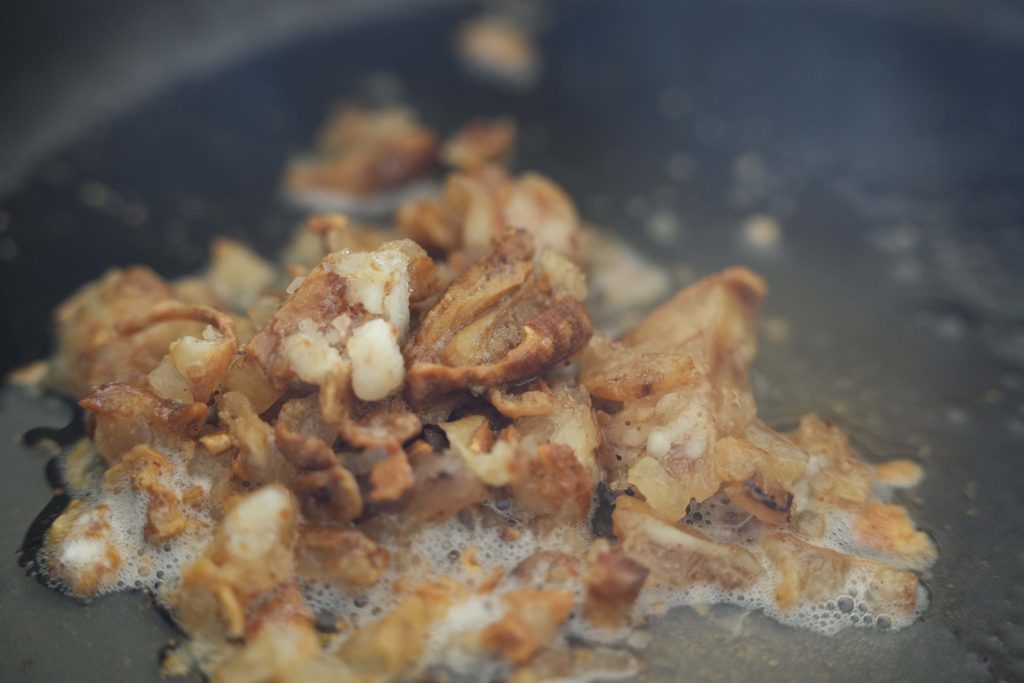
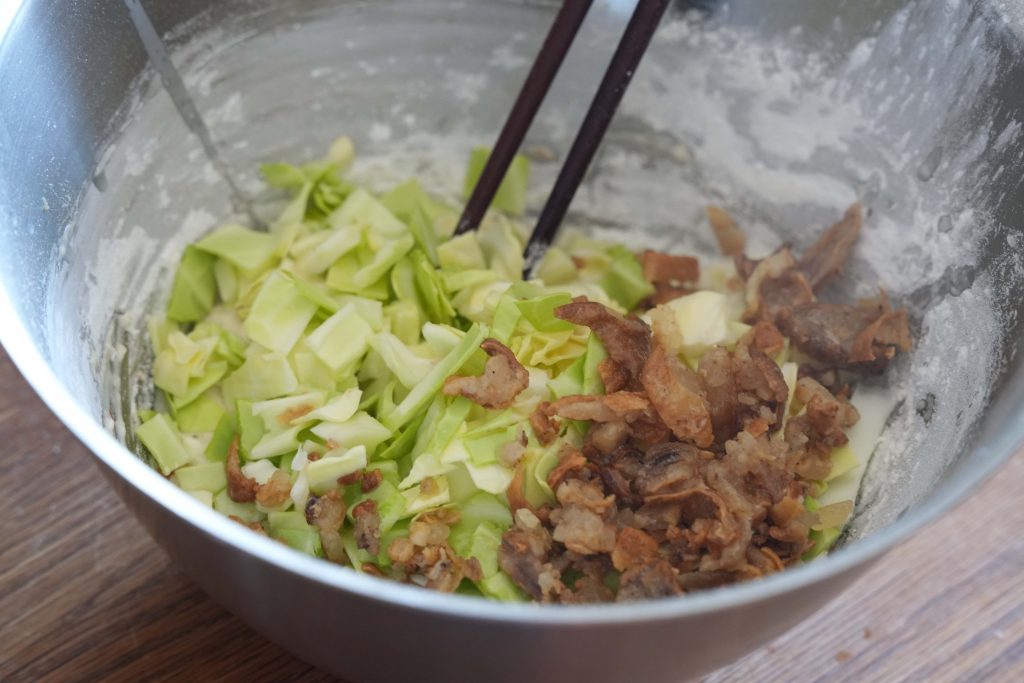
2. Heat the aburakasu cracklings in a skillet and let the fat seep out. Add the aburakasu and the cabbage to (1) and mix until roughly combined. If the aburakasu was especially greasy, remove the excess fat, leaving just enough to cover the surface of the skillet.


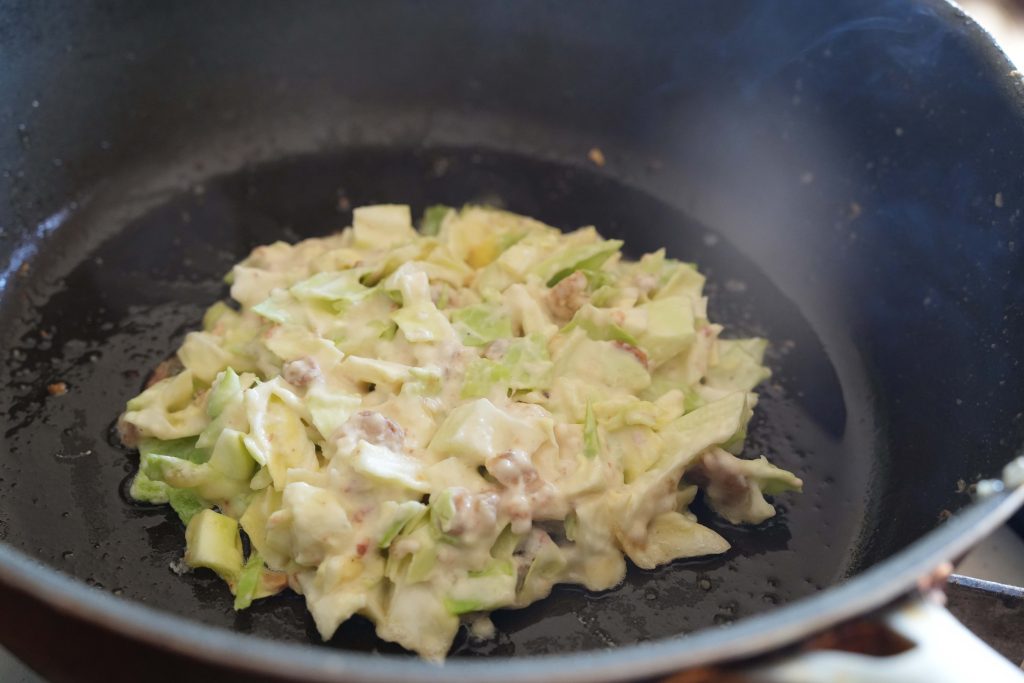
3. Transfer half the batter to the heated skillet and cook over medium heat until brown, then flip and cook the other side. Cooking time is about 4 minutes for each side. Tip on the flip: Cover the okonomiyaki with a plate or skillet lid, hold in place, invert the skillet, and slide the okonomiyaki off the plate or lid back onto the skillet.

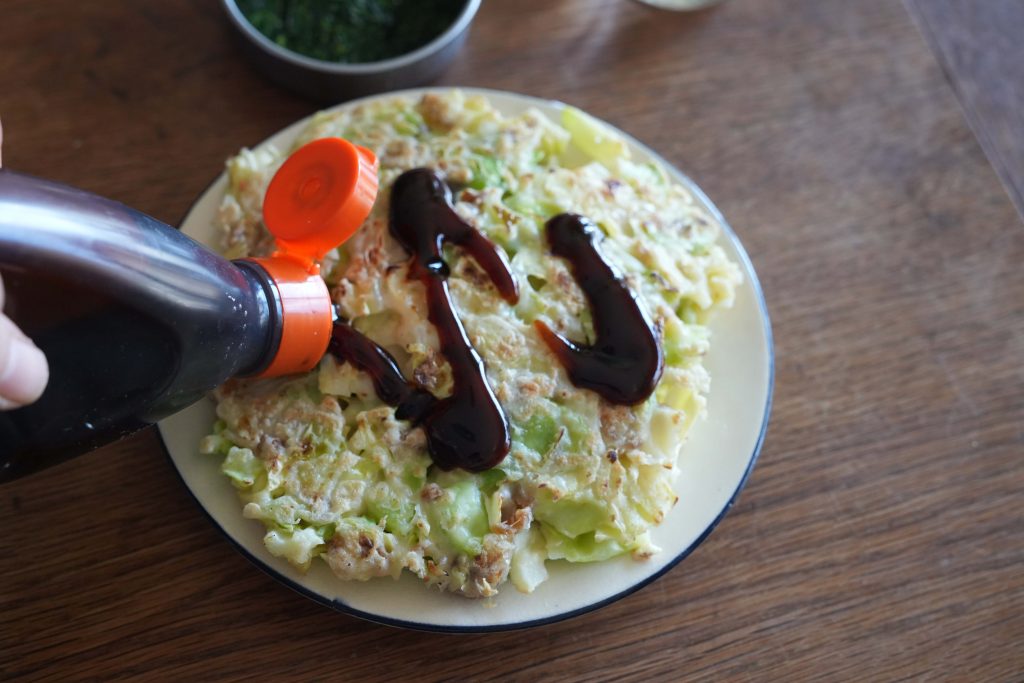
4. Serve with your favorite toppings—okonomiyaki sauce, aonori laver, kezuribushi bonito flakes, mayonnaise, and so on.
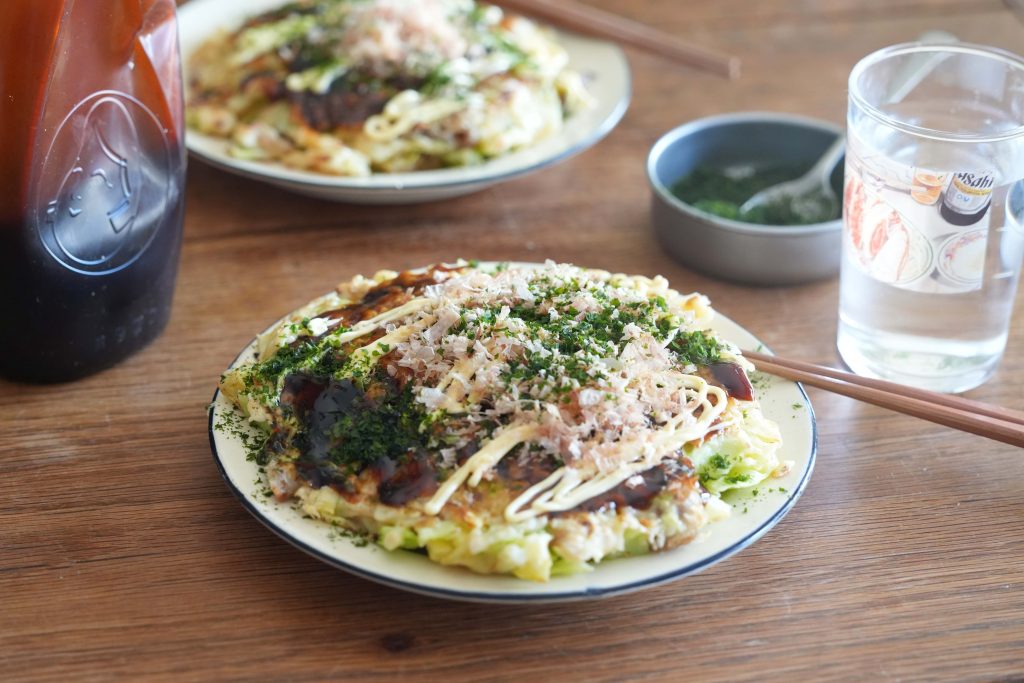
Aburakasu okonomiyaki is a delicious rich variant of the okonomiyaki, or Japanese savory pancake, first made for me by a native of Osaka. The source of the richness, I later found out, was not pork but aburakasu cracklings. Aburakasu is made from beef small intestines, which are deep-fried and drained of moisture and fat for a crisp finish. It’s used in all kinds of recipes in the Kawachi region of southern Osaka, particularly Habikino City.
Kasu udon, for example, is a dish of boiled udon noodles topped with chopped aburakasu and served in dashi soup. For okonomiyaki, the aburakasu is first cooked on a griddle and then added to the batter to create a fragrant accent. Some also like to crumble the aburakasu before adding it to the batter. The versatile cracklings can be used in takoyaki octopus balls, fried rice, and a variety of other dishes. Families in Osaka typically have an electric griddle for making okonomiyaki at home. The best place to buy aburakasu is the butcher shop. Refrigerated products are also available, but this time I used a dried product because it’s convenient to carry. Aburakasu is a quick and easy food for enjoying the flavor of beef, and a clever way to make sure no part of the meat goes to waste.

minokamo | Cookery expert / Photographer
Gifu Prefecture native minokamo’s culinary adventures were inspired by her fond childhood memories of cooking with her grandmother. She researches, writes about, and arranges regional dishes that capture, through their preparation and presentation, sensory enjoyments inspired by local climate, history, and lifestyles. Ryori tabi kara tadaima(Back from a Cooking Journey; Fudosha), published in September 2020, is a collection of recipes from minokamo’s visits to homes up and down Japan.