







Prayer and nostalgia—Haruka Nakamura traveled from place to place encapsulating these two elements in sound, following his mind’s ear to locations with the promise of a song.
“When I say ‘song,’ I don’t mean music created with the voice. I mean the fusion of music and story.”

There are people living in places—and there are places themselves—with the scent of musical inspiration. Haruka took his time to acclimatize himself to the local people and the land, soaking in the hot springs together, drinking cups of sake, and talking the day and night away, all while bubbling with anticipation for the signs of a new song.
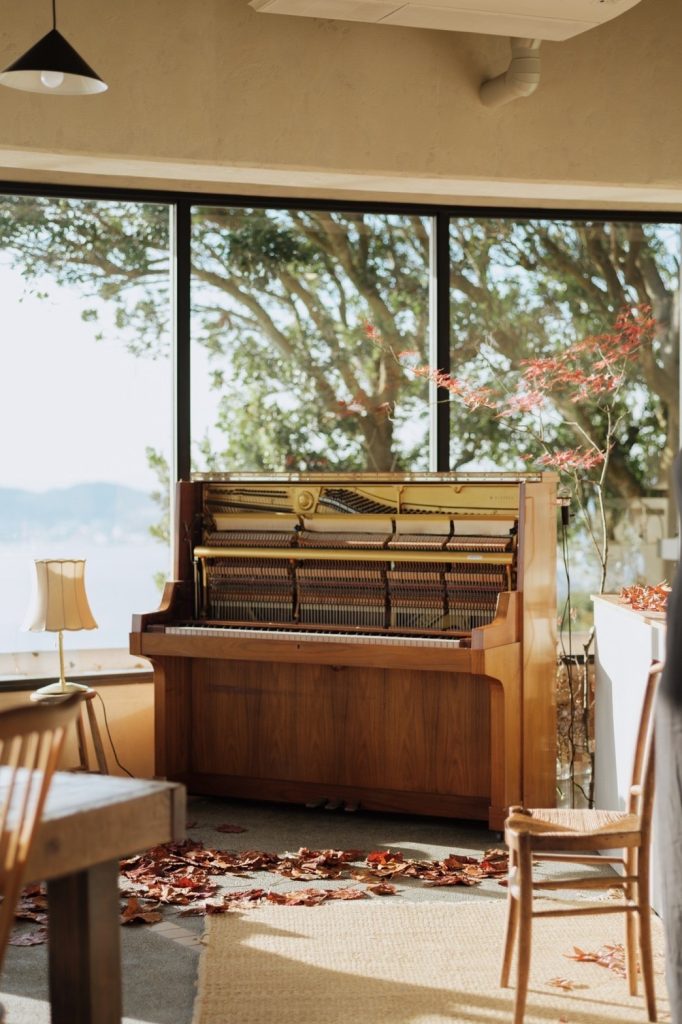

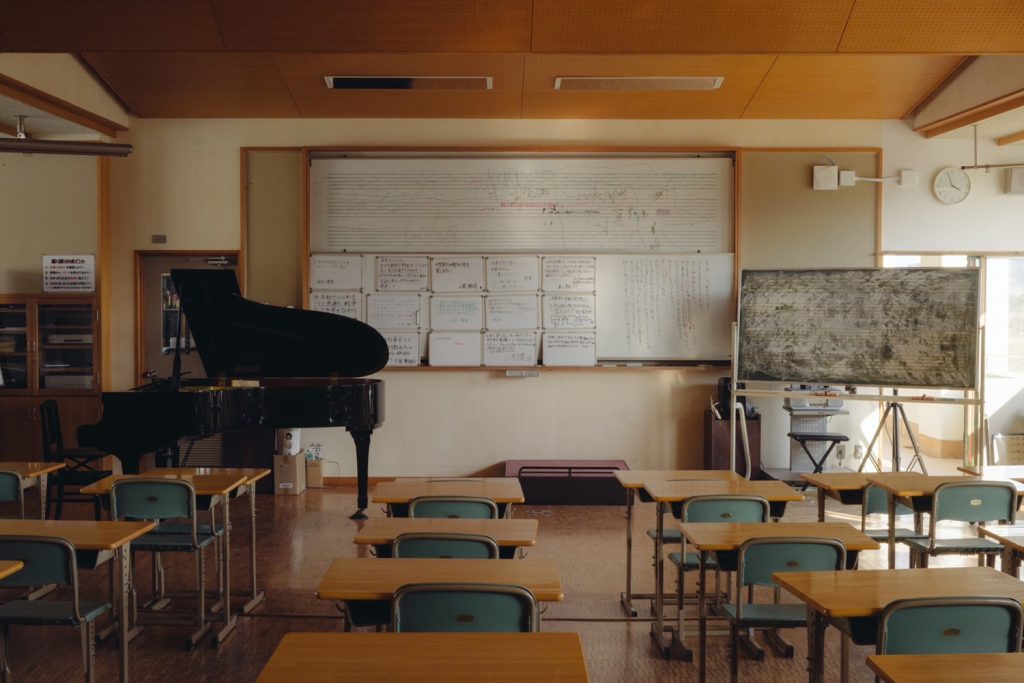
Spending a sufficient amount of time together naturally led to one song after another. Haruka found an abandoned piano and took it to the top of a hill with a sweeping view of the Seto Inland Sea for a concert, for instance, and performed live music and painting events on the beach.
Everyday life was the very source of Haruka’s “song” and his “music with scenery.” He realized that anew after being forced to put life on hold for several years during the COVID-19 pandemic, and resuming his travels afterward.
“Concerts and live performances are sacred events for me. Playing the piano is like a prayer. I play with my whole heart, and I myself become the music.”
The flip side of constantly being on the road and performing live was that everything else tended to take a back seat. After a while, Haruka recognized a shift within him.

“I decided to take a break from my journey, not because of unexpected circumstances, but this time of my own will.”
He went back home to northern Japan and focused on the things he had neglected up to then. One, he began recording music and delivering it to a wider audience. And two, he set out to explore the depths of the “forest”—a distant dream during his days of constant traveling.
“The forest is a metaphorical and spiritual home. That word kept surfacing in my mind and in my heart, but for so long I wasn’t ready to take the plunge. When I stopped traveling, the time was finally right to delve into the blanket of green, into depths where the woods look blue. That is, the time was ripe for introspection.”
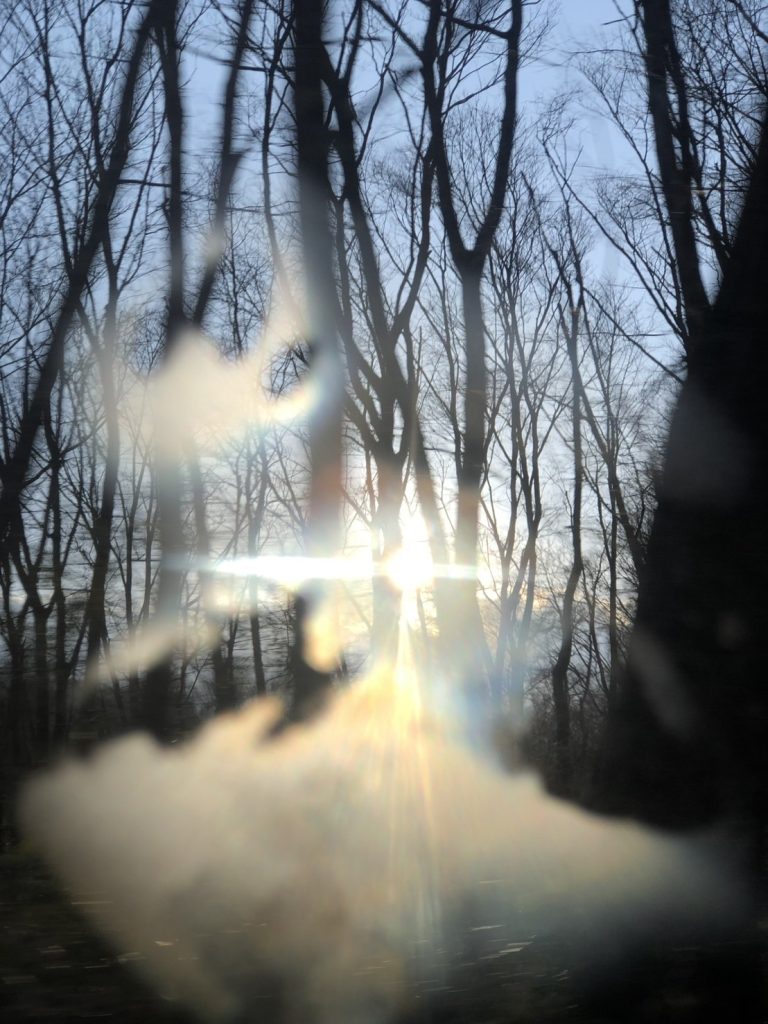
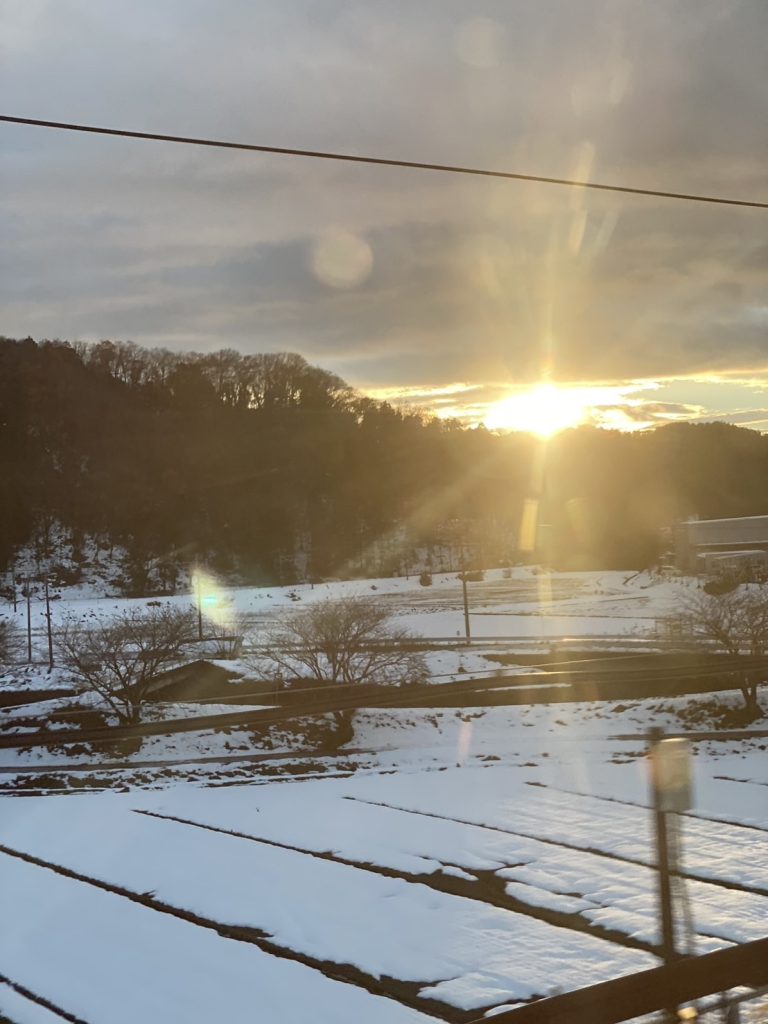
As Haruka dug into his own past, he found words and thoughts of his that felt fresh, and ideas that had yet to be polished to perfection. Those discoveries also provided clues about his projects moving forward.
“I needed to reach the deepest depth of the woods to see that.”
What did Haruka see? He quotes his hero, the photographer Daido Moriyama: The past is always new, the future is always nostalgic.
“I had always wondered where nostalgia came from—that peculiar feeling of a distant memory. I wanted to explore the roots of that feeling, and to do that, I needed to go deep into the forest.”
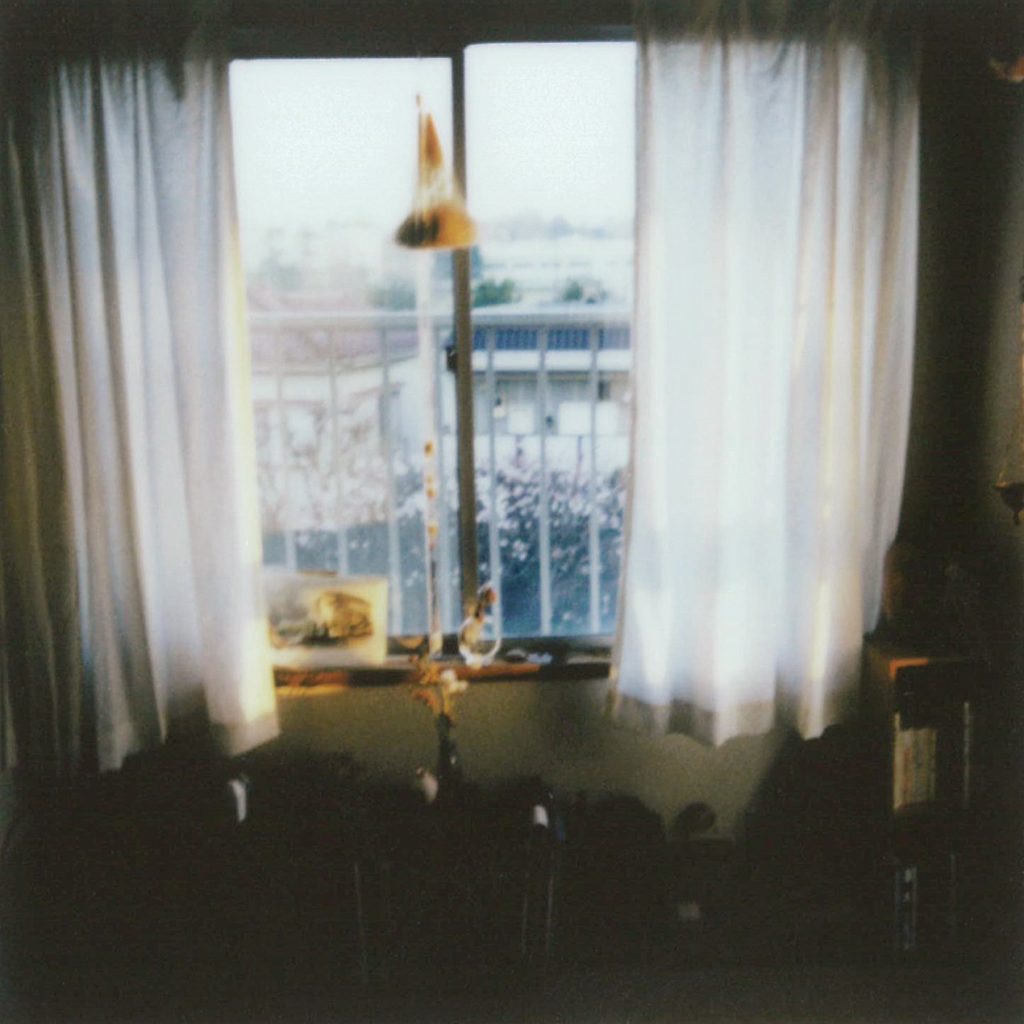
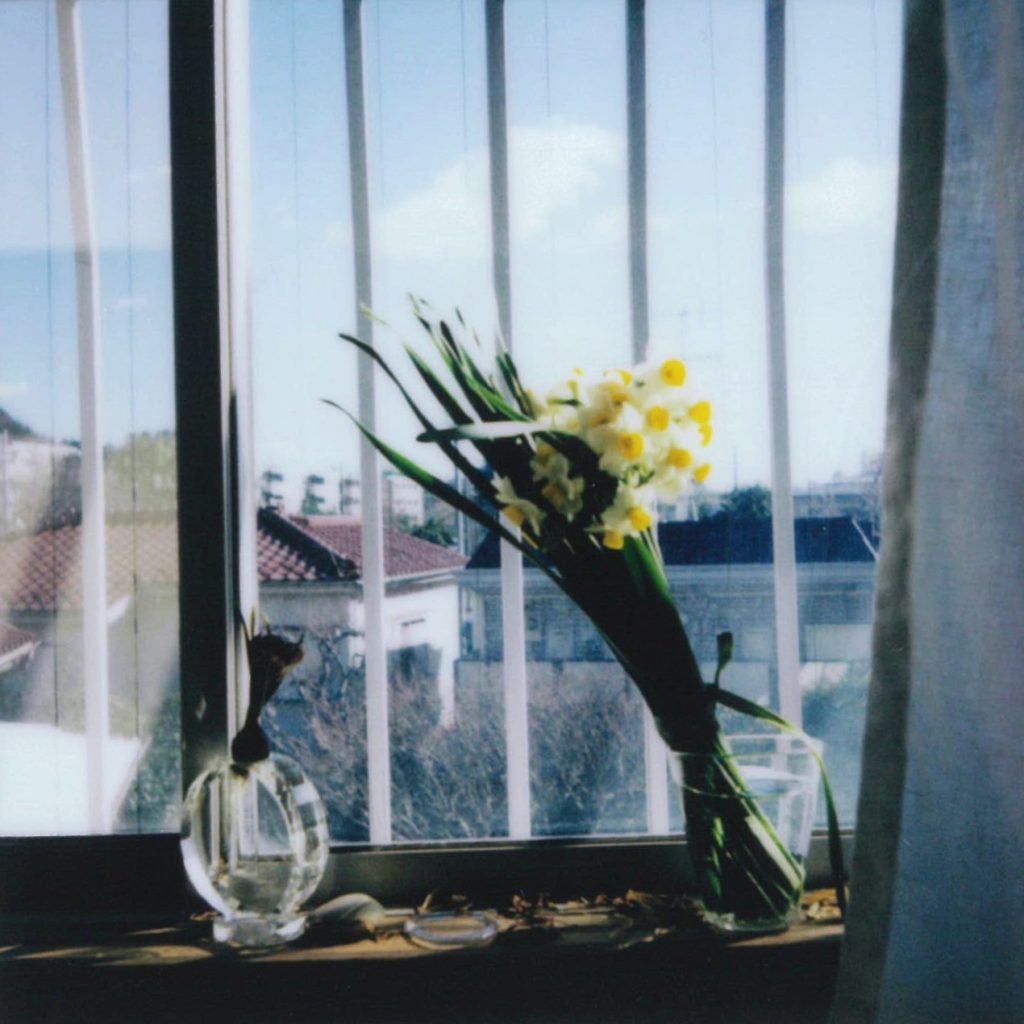
Haruka pauses before playing the coda of our interview.
“The time I spent delving into the forest was my time for exploring deep within myself. Having returned from my journey, the new source of my ‘song’ and my everyday scenery is right here.”
The time Haruka recently spent writing music about the blue forest brought back memories of the smell of his old garage and the sight of the dust particles dancing in the sunlight. Composed from the clues provided by nostalgia, his new music connects his past with the present in one continuous new song.
Haruka Nakamura
Haruka Nakamura was born in Aomori Prefecture and moved to Tokyo at the age of 15 to begin his career in music. He released his first studio album, Grace, in 2008, and went on to become a prolific composer of film scores and music for television dramas and commercials. Projects include the film score and theme song for the 2024 anime film Look Back; Aoimori (Blue Forest), a series of four albums of ambient music for Tsutaya Books, with album jackets by photographer Rinko Kawauchi; and four soundtracks, one for each season, in collaboration with outdoor clothing brand The North Face. Nakamura performed live in the tribute exhibition for photographer Michio Hoshino, Tabi wo suru ongaku (Traveling Music), at the Tokyo Photographic Art Museum and in Obihiro, Hokkaido; and presented his own exhibition at Daikanyama Tsutaya Books. For a long time Nakamura worked while traveling, but in 2021 he went back home to northern Japan, where he has been making music and a new life ever since.
https://www.harukanakamura.com