Edo Komon and the Aesthetic of Iki
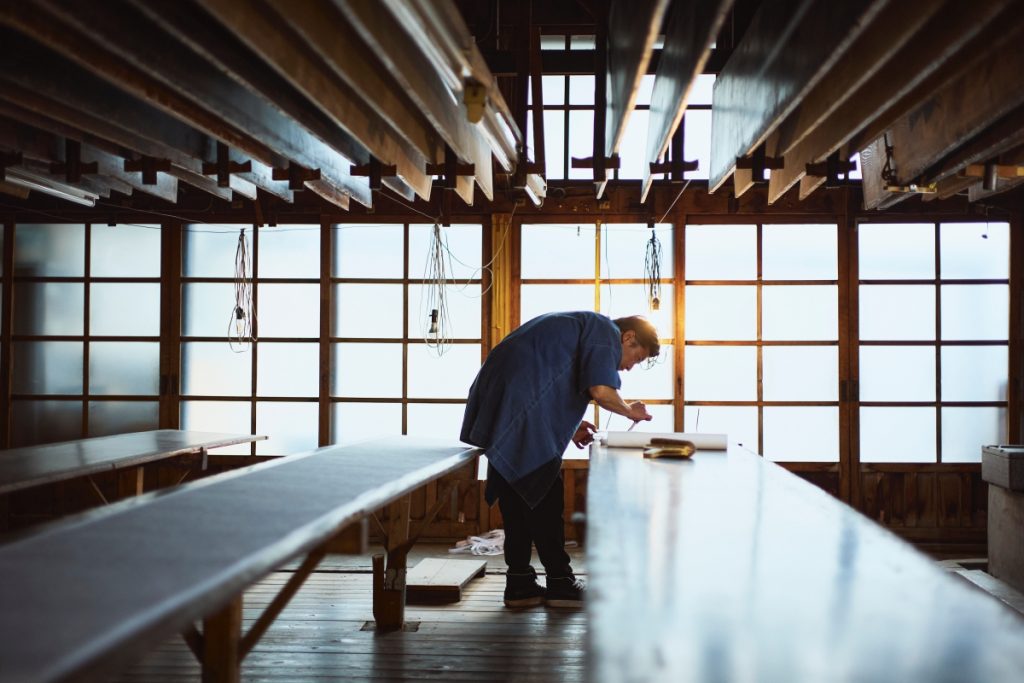
Passing through the gate, we find a garden and workshop so full of atmosphere it hardly feels like Tokyo at all. This is Hirose Dye Works, a studio carrying on the craft of Edo Komon, a dyeing technique that flourished during the Edo period.
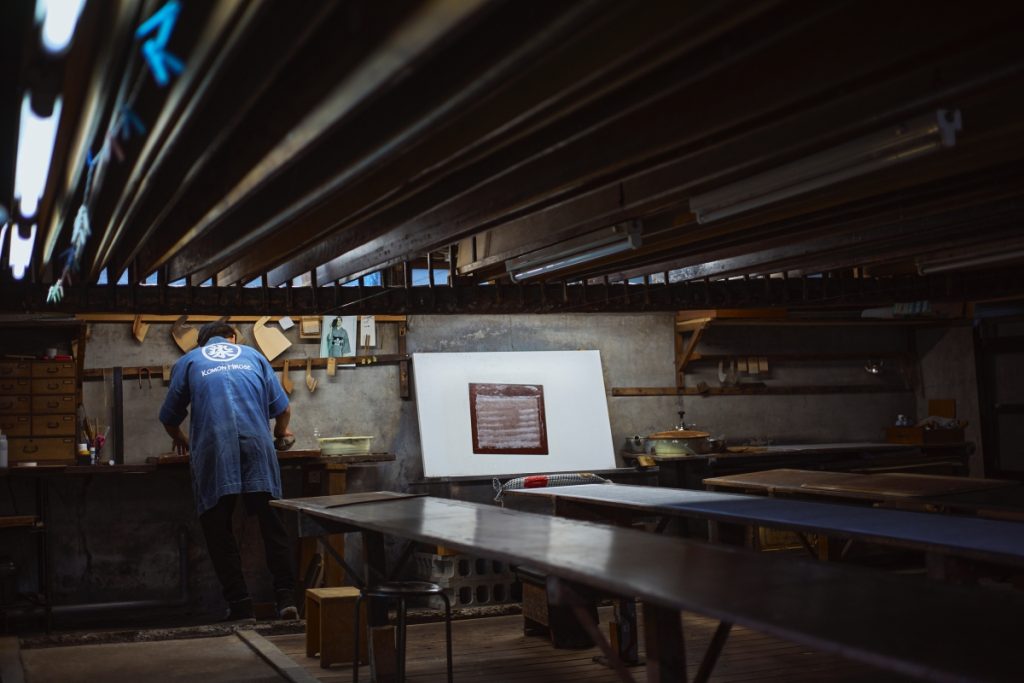
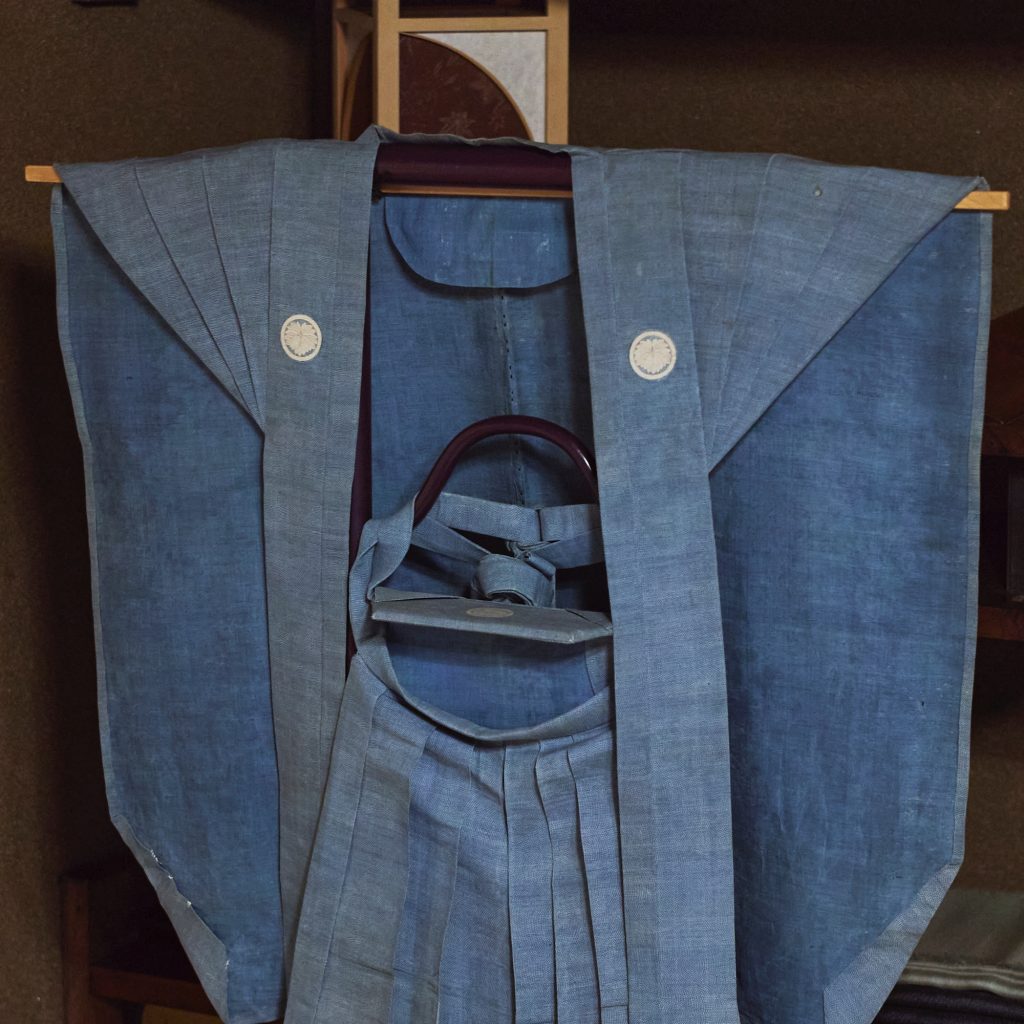
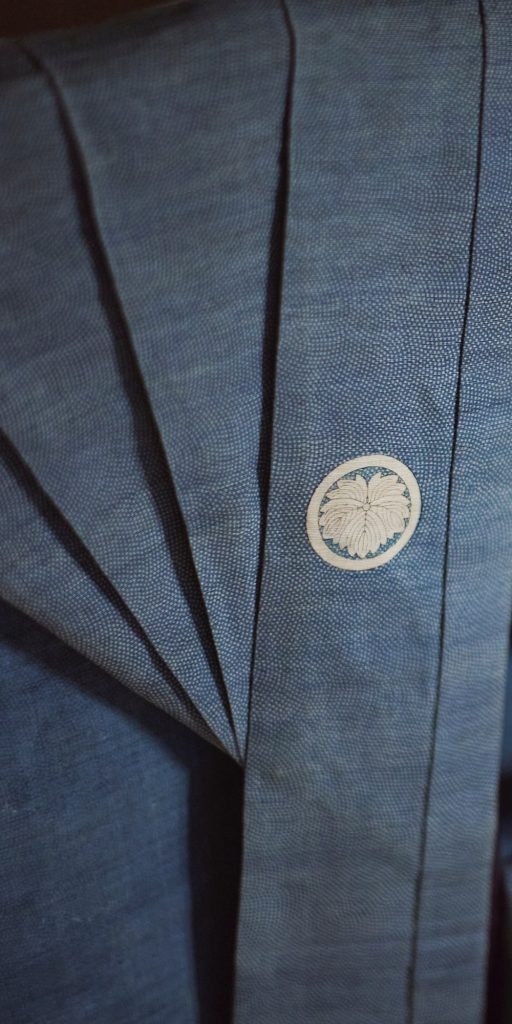
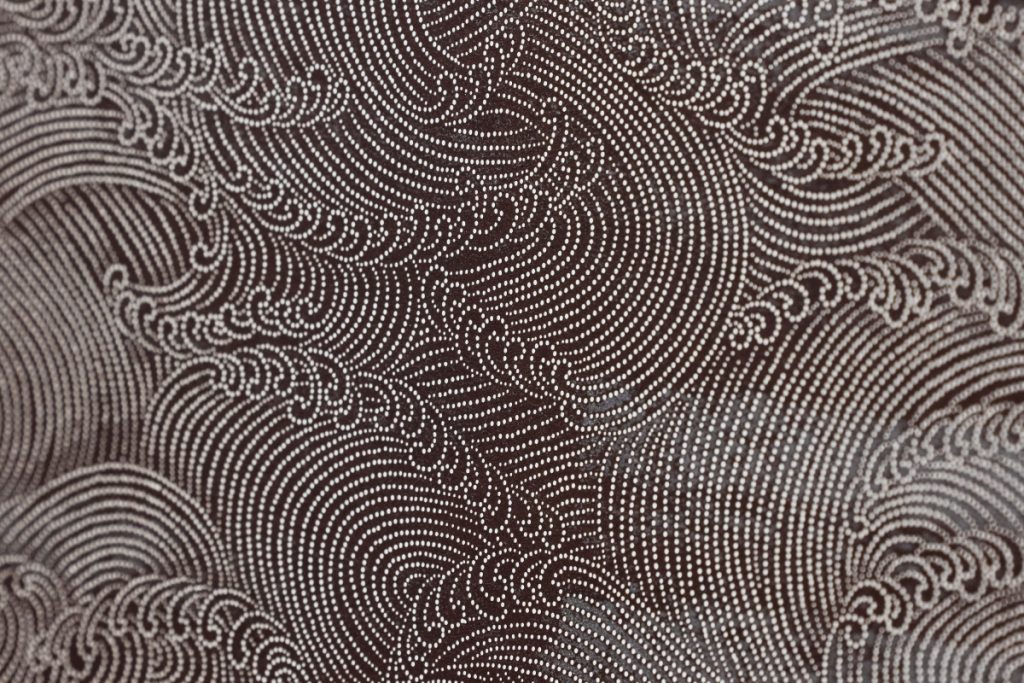
Hirose Dye Works stands in a quiet residential neighbourhood on the western side of Shinjuku, Tokyo. The Edo Komon techniques passed down here were originally used to decorate kamishimo, the formal attire worn by samurai and feudal lords. What sets these techniques apart is the ability to create intricate patterns through exceptionally fine stencil-dyed dots.
“Collaborating with an apparel brand like Good On really means a lot to me. It gives me hope” explains Yuichi Hirose, the fourth-generation head of Hirose Dye Works, a storied studio with more than a century of history.
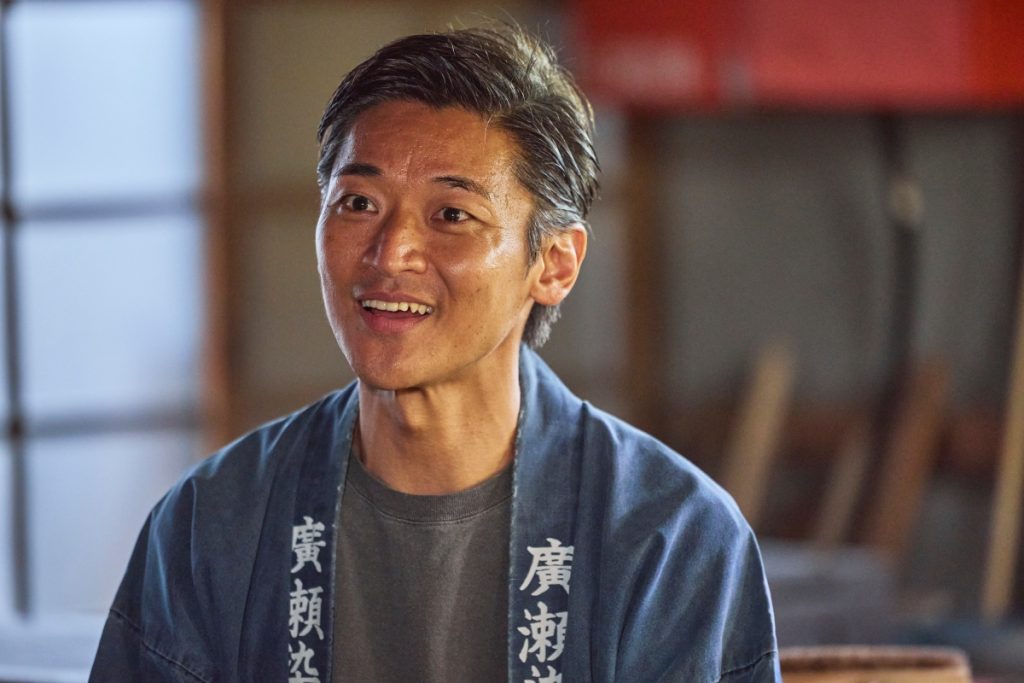
During the Edo period, a law known as the Shashi Kinshirei placed strict limits on colours and decoration in clothing in an effort to discourage extravagance. It was under these conditions that Edo Komon found favour among style-conscious samurai. From a distance the patterns appear plain, but up close intricate motifs emerge.
Alongside the Edo aesthetic of iki, a a beauty that recoils from ostentation, Edo Komon evolved and eventually spread among the wider public.
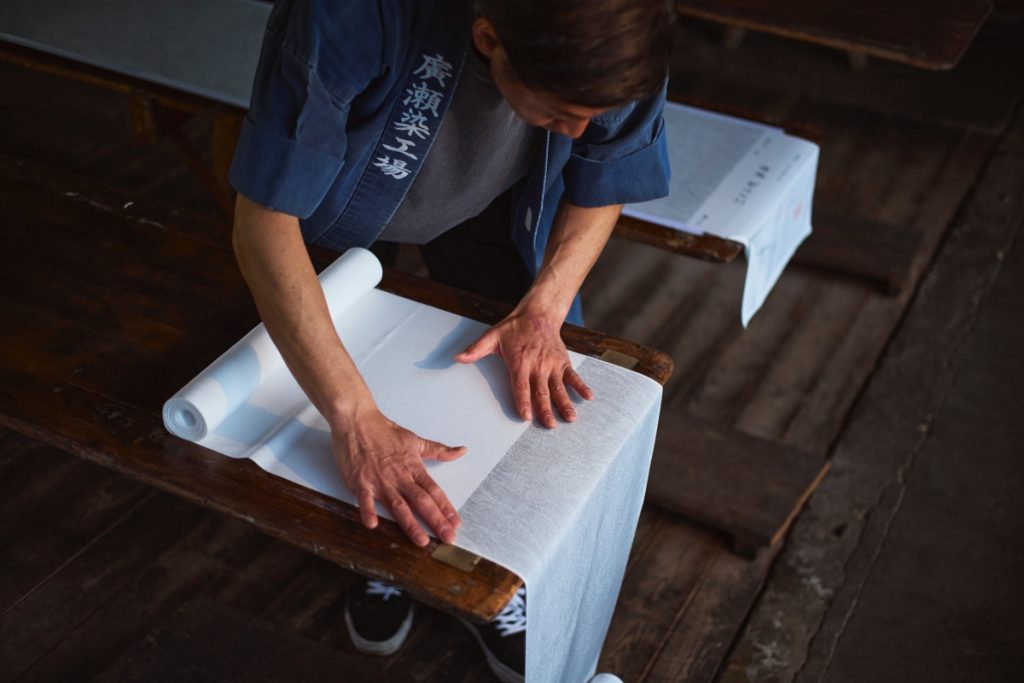
After the Meiji period, however, as Japanese clothing shifted from kimono to Western dress, demand for Edo Komon declined and the number of workshops is said to have fallen to around a tenth of its peak. Hirose, meanwhile, has been working energetically to bring the craft into the present, including through an original brand that applies Edo Komon patterns to stoles and other items.
The Meeting of Good On and Edo Komon
Hirose had in fact been wearing Good On T-shirts for years. Made in Japan using high-quality cotton certified to the international COTTON USA standard, the shirts are exceptionally durable and grow more comfortable with wear. Their pigment-dyed colours, which fade gradually like denim over time, never seem to feel dated. In that respect, he felt a certain kinship with Edo Komon.
Good On marks its 30th anniversary in 2026. Looking to create something special for the occasion, the brand approached Hirose, and the collaboration began from there.

Tradition Within the Casual
Edo Komon was originally a formal art form. By contrast, the T-shirt, synonymous with Good On, sits at the heart of casual wear. Bringing these opposing elements together, the two wondered, might offer a way to redefine iki for the present day. They immediately saw eye to eye, and the collaboration soon got underway.
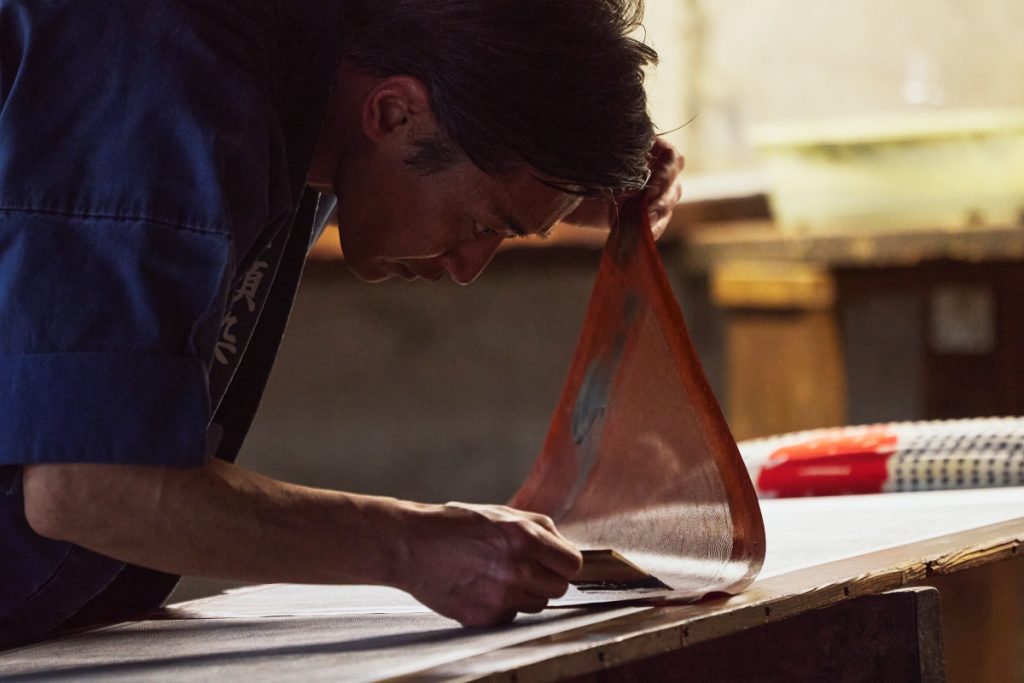
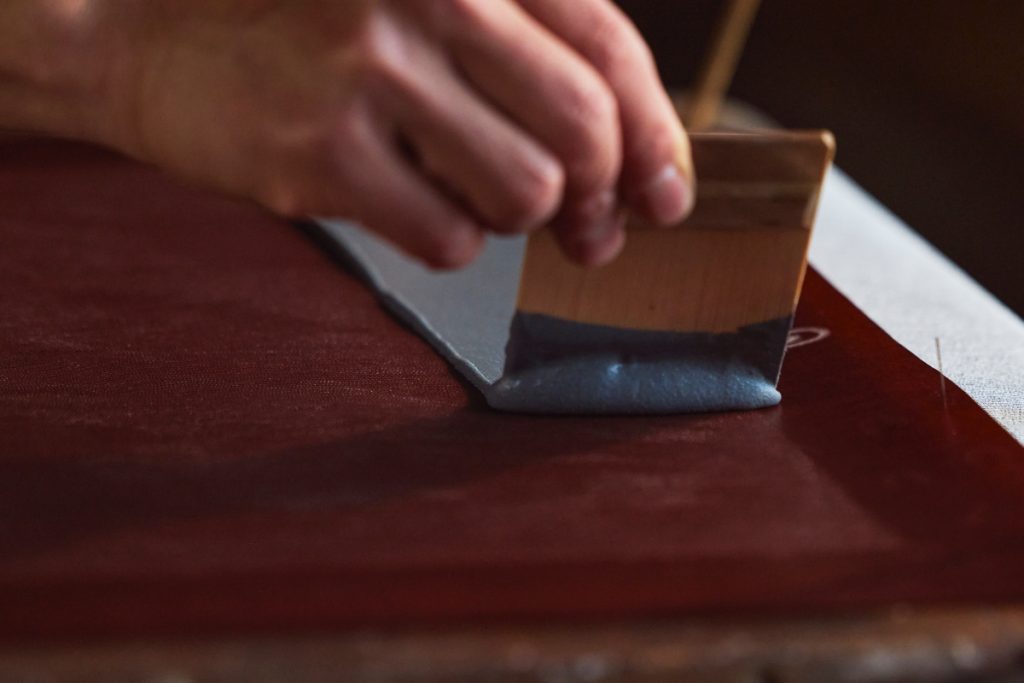
“The stencils used for Edo Komon are made by strengthening washi paper with persimmon tannin, but because they’re natural materials, they wear out after around ten or fifteen dyeing runs. Even so, these stencils are still hand-carved one by one by artisans in Ise, Mie Prefecture, and to me nothing compares to them. You can feel the warmth of the human hand in them. I think people who see these T-shirts will feel that too.”
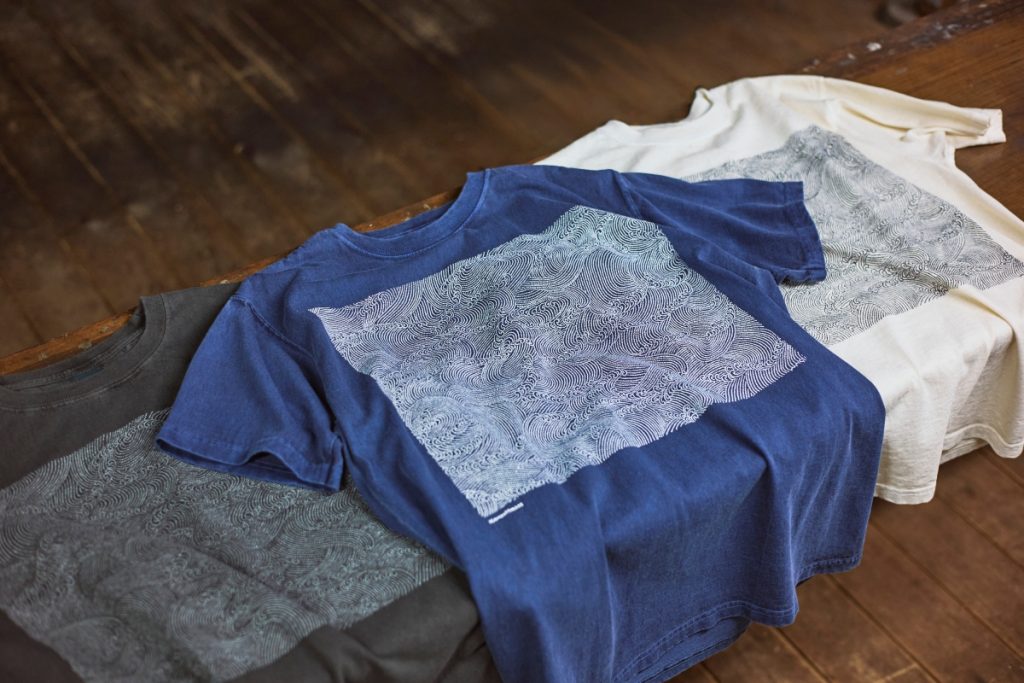
Over the past 30 years, Good On has focused on clothes that can stand up to everyday wear through a careful commitment to materials and manufacturing. Combined with Hirose’s craftsmanship, the result is a quietly luxurious T-shirt that brings traditional craft into casual daily life.

“It’s of course essential to use Edo Komon techniques to make traditional kimonos in the way they’ve always been made. But I also think it matters that younger people get to know Edo Komon, and that traditional crafts continue to spread in new forms. Most people don’t wear kimonos in everyday life, but there are those who still want to experience Japanese craft through what they wear. I think we’ve ended up with something really good here — casual, but refined and elegant, a genuinely well-made piece.”
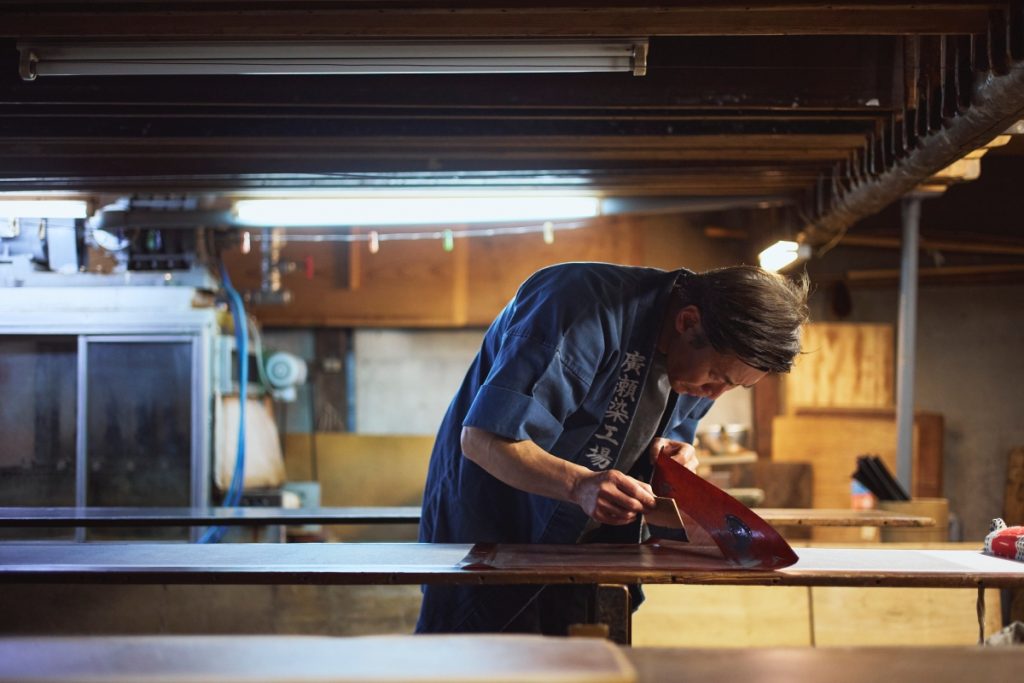
Hirose also adds that, “Even if the form changes, staying true to a core idea and carrying it through is what I think iki is all about.” Hearing this, Good On’s Hirosawa continues:
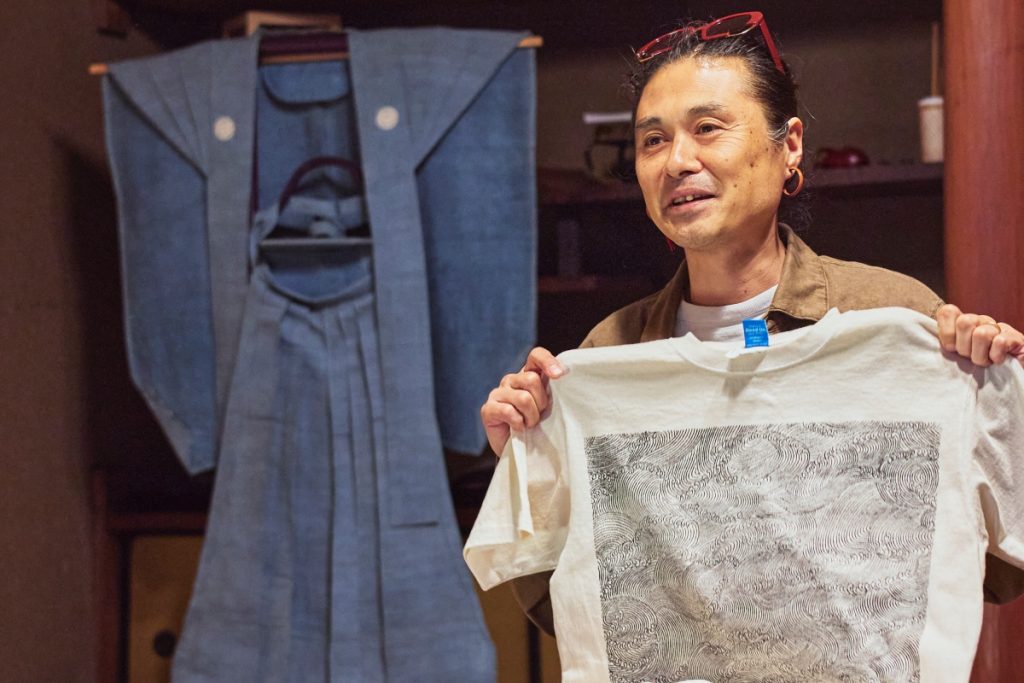
“What matters to us is continuity over time. Of course, in the fashion industry trends come and go, but what we’ve been making since the very beginning is not swayed by them. We continue to produce the same pieces, at the same level of quality. That consistency is what defines Good On as a brand.”
What once flourished in Edo as the culture of iki has now been reborn in the form of a single T-shirt. And by slipping naturally into daily life, it evolves little by little while quietly carrying that spirit forward into the future.
“For 30 years, we’ve stayed true to our original T-shirts without changing their form. Hirose-san, in turn, has dedicated himself to preserving the Edo komon tradition for over a century. We hope that by bringing these two traditions together, their appeal can find new audiences not only in Japan, but around the world.”