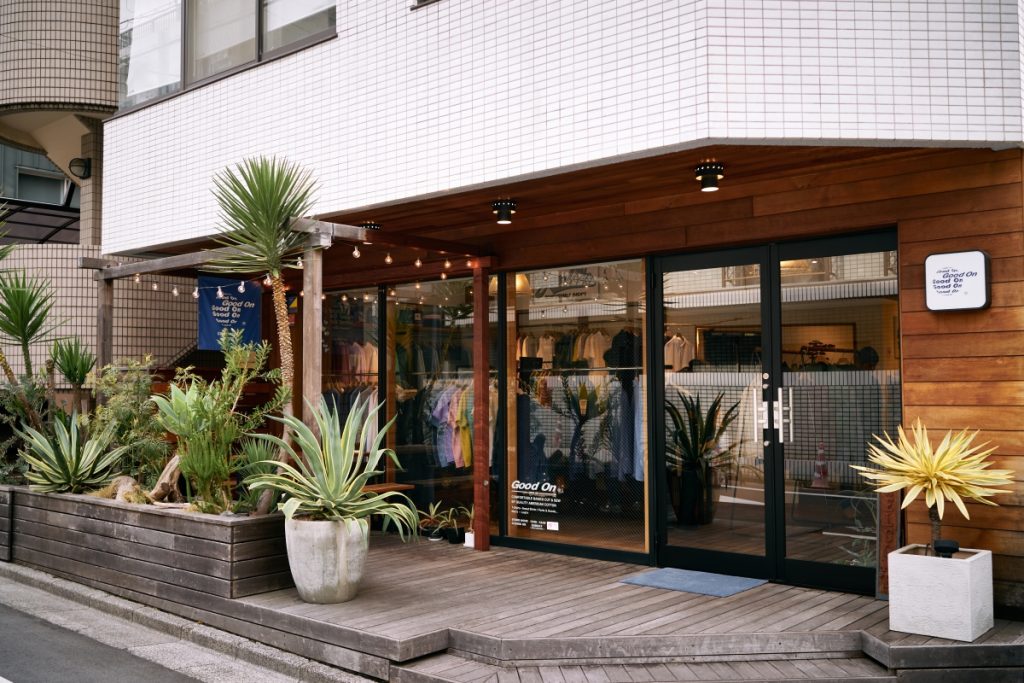
Pursuing the Perfect Fit —
A Tee That Becomes One with You
The U.S. is one of the top cotton producers in the world. Along with growing high-quality cotton, the country has spent decades perfecting its spinning and sewing techniques. That’s how iconic workwear like denim came to life—built to last and made to support the people who wear it.
Built to withstand tough working conditions, American workwear was made heavy-duty and only got better with age. Over time, it gave rise to a whole new style of culture—“Ame-kaji” (American casual). Today, vintage pieces from that era are seen as treasures, still loved by many for their character and enduring appeal.
Good On is an apparel brand born in 1997, inspired by the vintage American garments of a bygone era. The brand is all about blending premium U.S.-grown cotton with the craftsmanship of Japanese artisans, resulting in quality pieces made with care and intention.
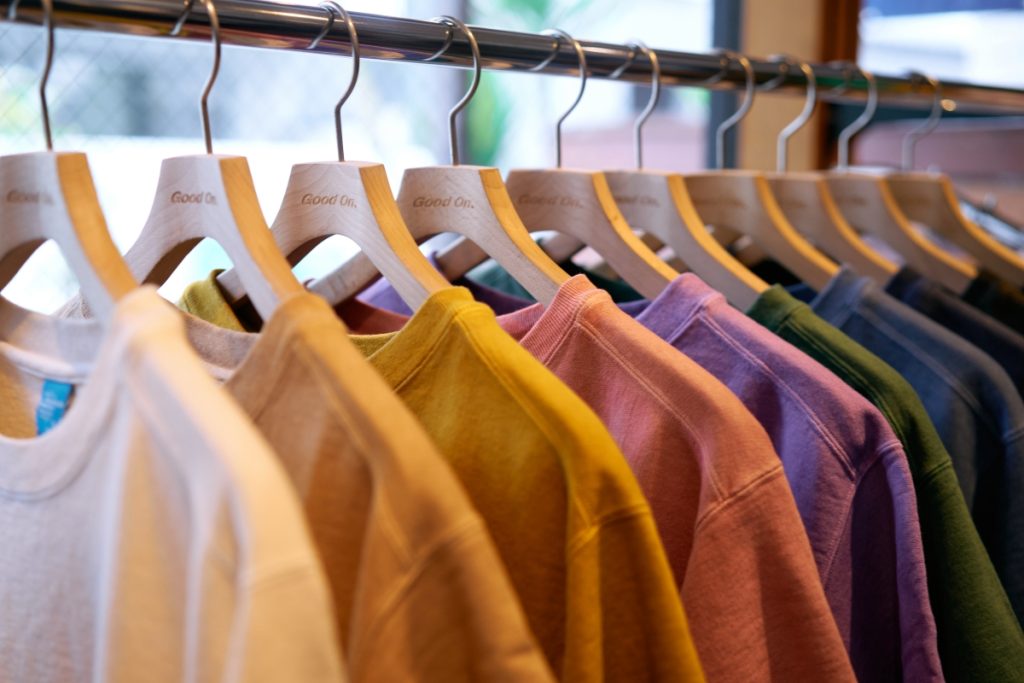
One of the most popular items is their T-shirt series, known for its wide range of colors. They use high-quality American cotton that meets the international “COTTON USA” standards, and have it turned into custom fabric by a specialized knitting factory in the Kansai region.
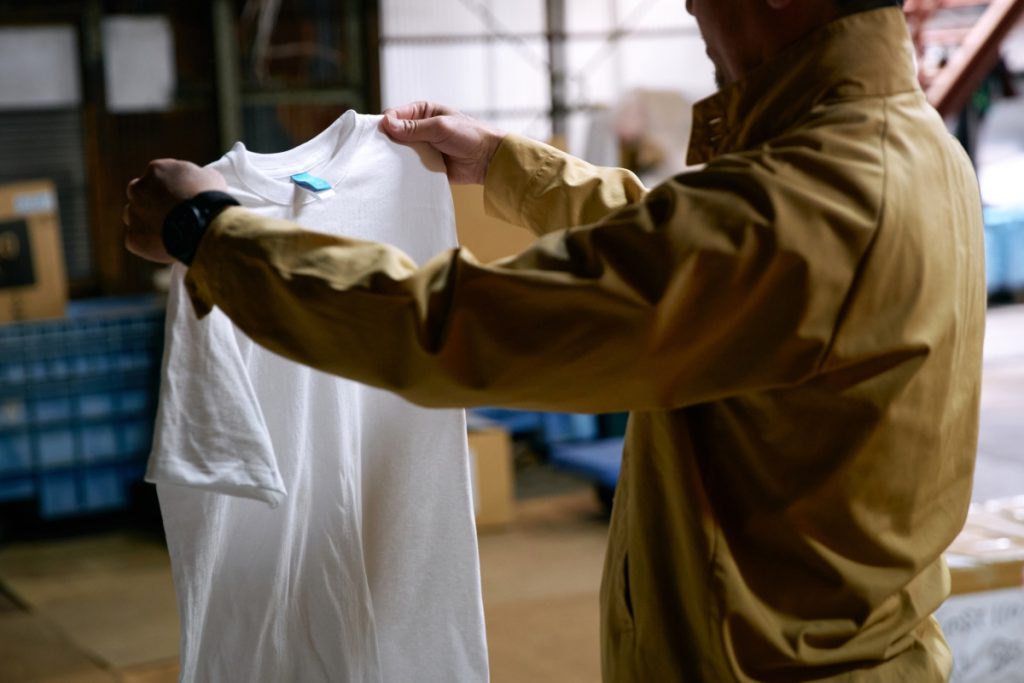
The finished fabric is then sent to a sewing factory in Kyushu, where skilled Japanese artisans carefully craft each T-shirt with precision. From thread to fabric to final product, the cotton that crossed the ocean from the U.S. takes a journey across Japan—eventually becoming a single, well-made T-shirt.
Dyed to Perfection:
The Secret to Vibrant Shades
While the soft, smooth feel of the cotton is definitely a highlight, what really sets these T-shirts apart are their vintage-inspired tones and impressive color variety. For 2025, there are 26 shades on offer—and over the years, the brand has produced more than 100 unique colors.
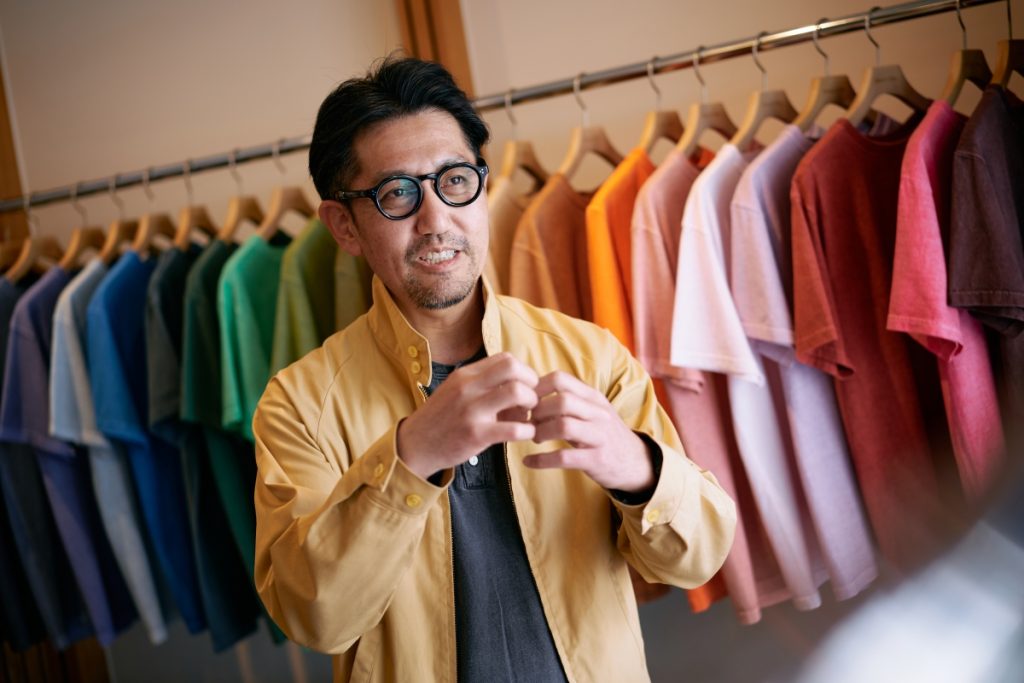
“Believe it or not, these are actually carefully selected from only the most popular colors—but before we knew it, the lineup grew this big. Rather than chasing trends, we focus on timeless shades that blend seamlessly into everyday life. That’s the perspective that guides everything we create.”
So says Takashi Fukutome, who oversees production at Good On. The secret behind their impressive color range lies in a unique process called “garment dyeing,” where each T-shirt is dyed after it’s been fully made.

Most brands dye the yarn first, then make the fabric and finish the garment. Good On flips the script—sewing T-shirts from natural-colored fabric, then dyeing the whole piece at the end.
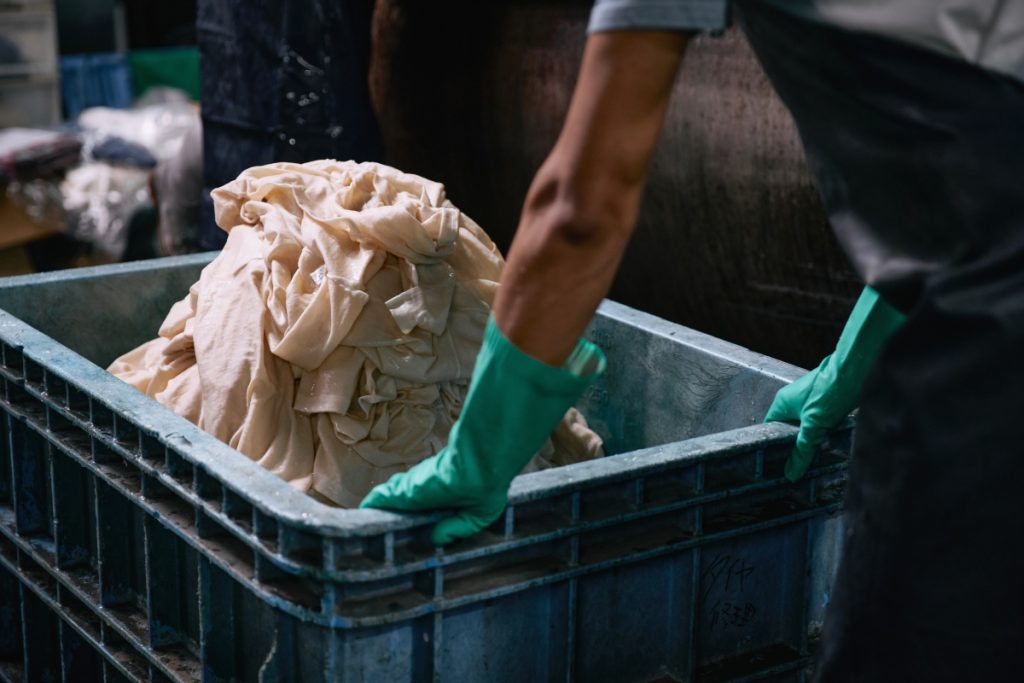
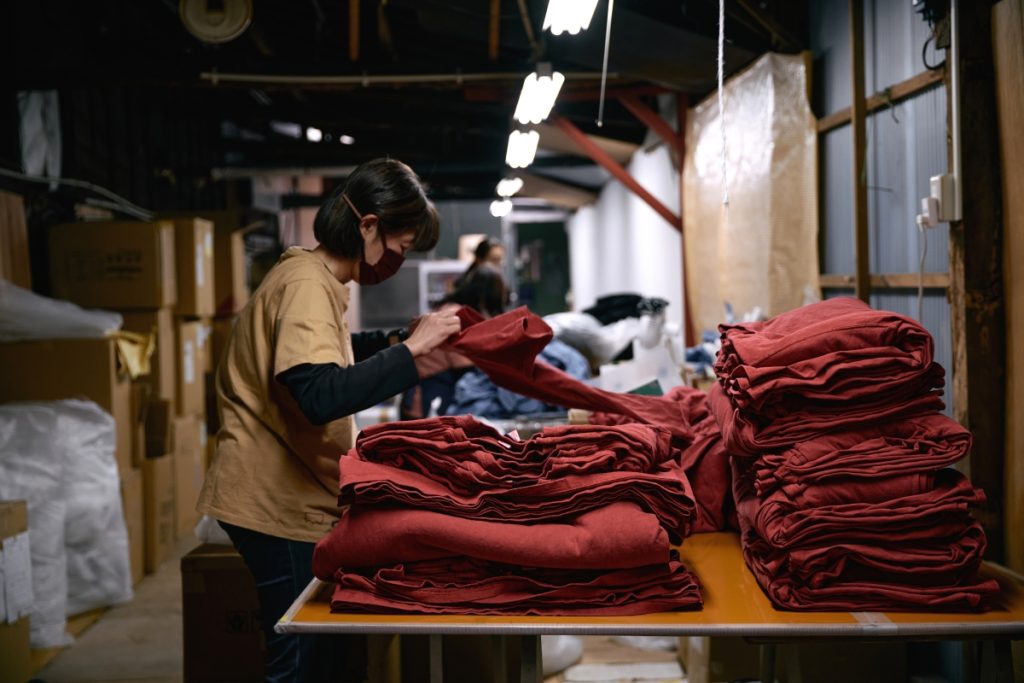
This approach not only allows for greater color flexibility and quicker turnaround on new shades, but also gives each piece a unique, lived-in look—thanks to the natural variations that come from dyeing the entire garment.
On top of that, Good On uses a slightly unconventional technique called “pigment dyeing.”

“The beauty of pigment dyeing is in how the color fades over time,” says Fukutome. “We call it ‘aging gracefully’’ rather than wearing out. The dye sits on the surface, so as you wear and wash it, it develops a unique, vintage-like patina—just like a great pair of jeans. That one-of-a-kind feel is what sets Good On apart.”
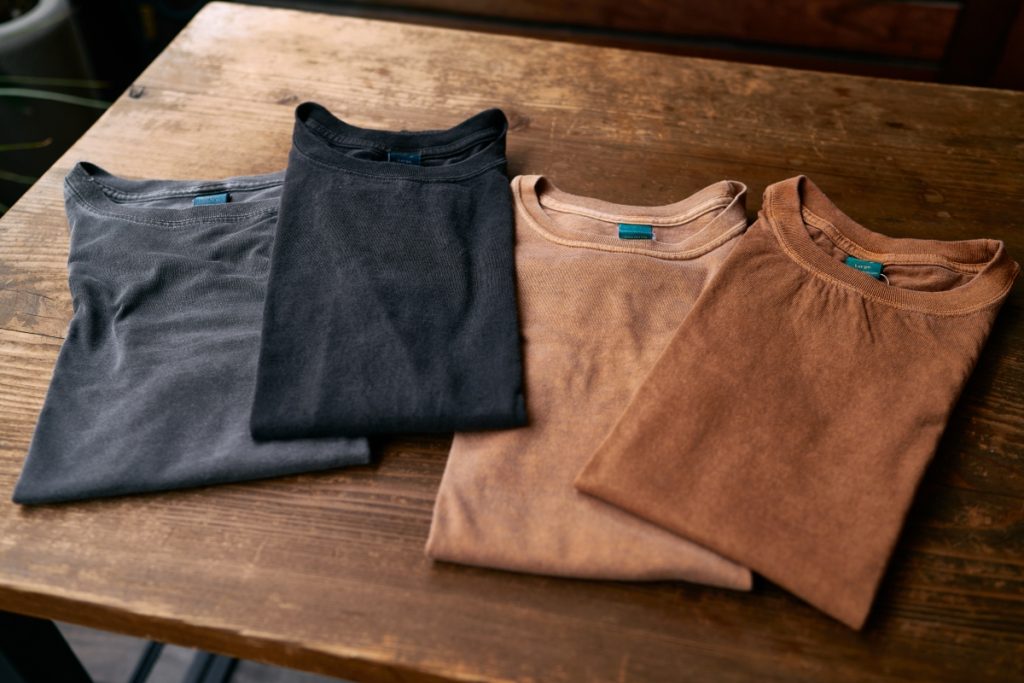
Original Colors
Backed by Japanese Craftsmanship
The pigment dyeing for all Good On products is entrusted to a specialized dyeing factory in Tokyo. There, skilled artisans with years of experience bring each unique color to life. Good On and the factory have been working closely together for nearly 30 years. Every recipe for their original, textured shades is carefully archived—but of course, kept strictly under wraps.
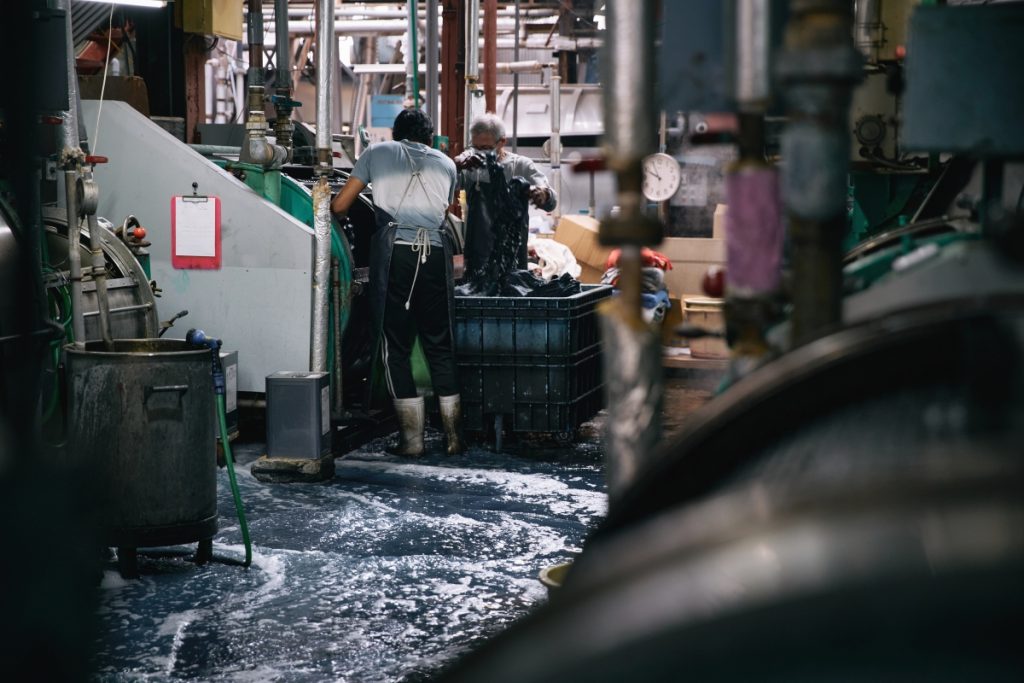
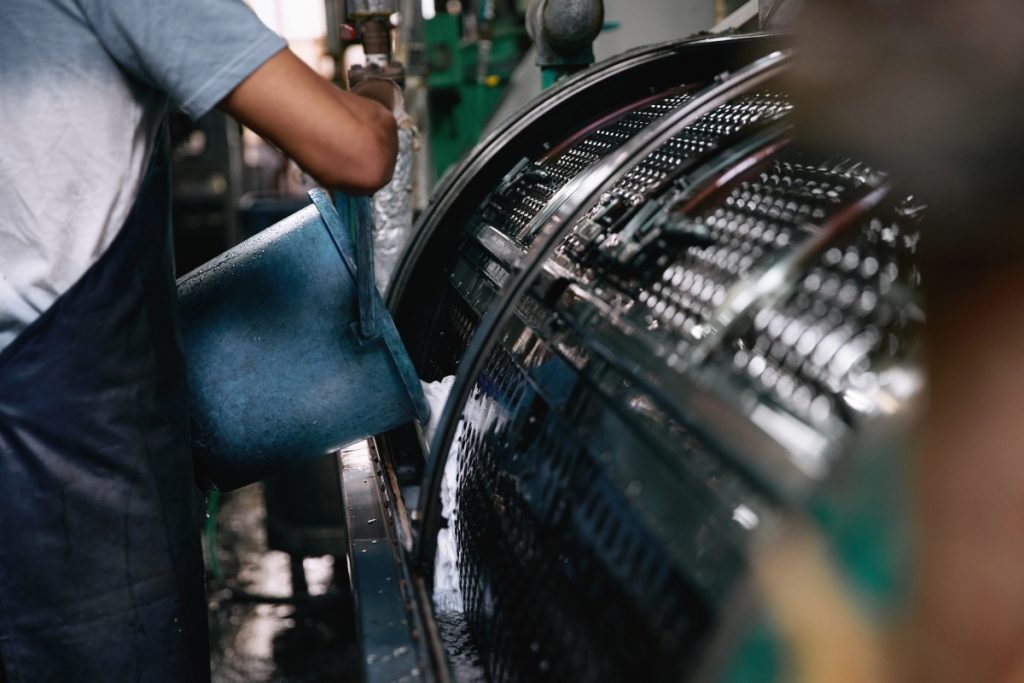
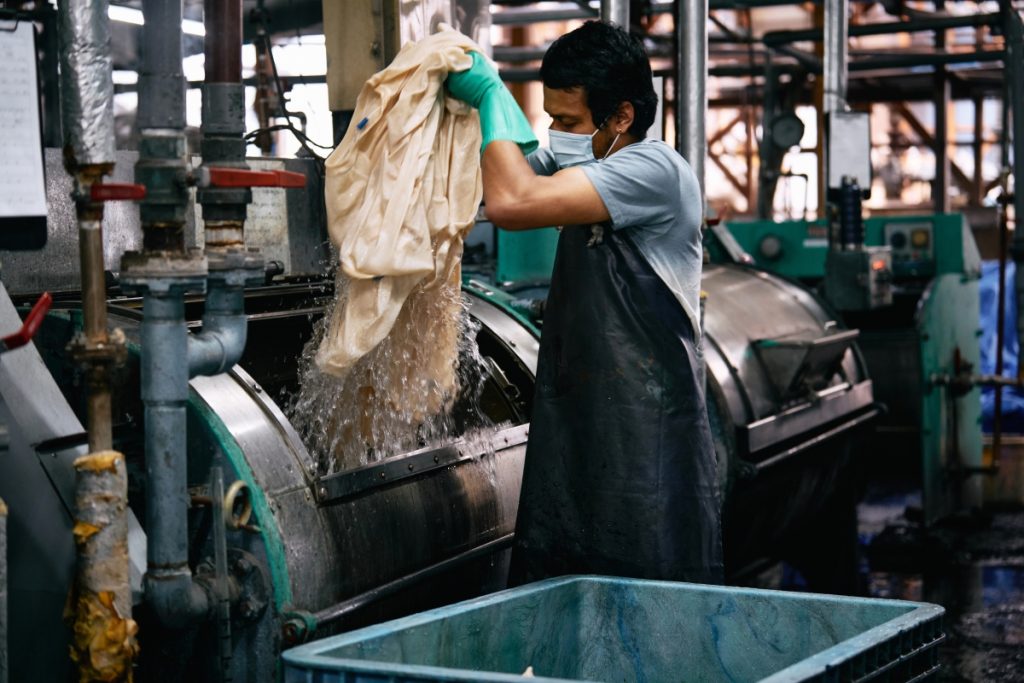
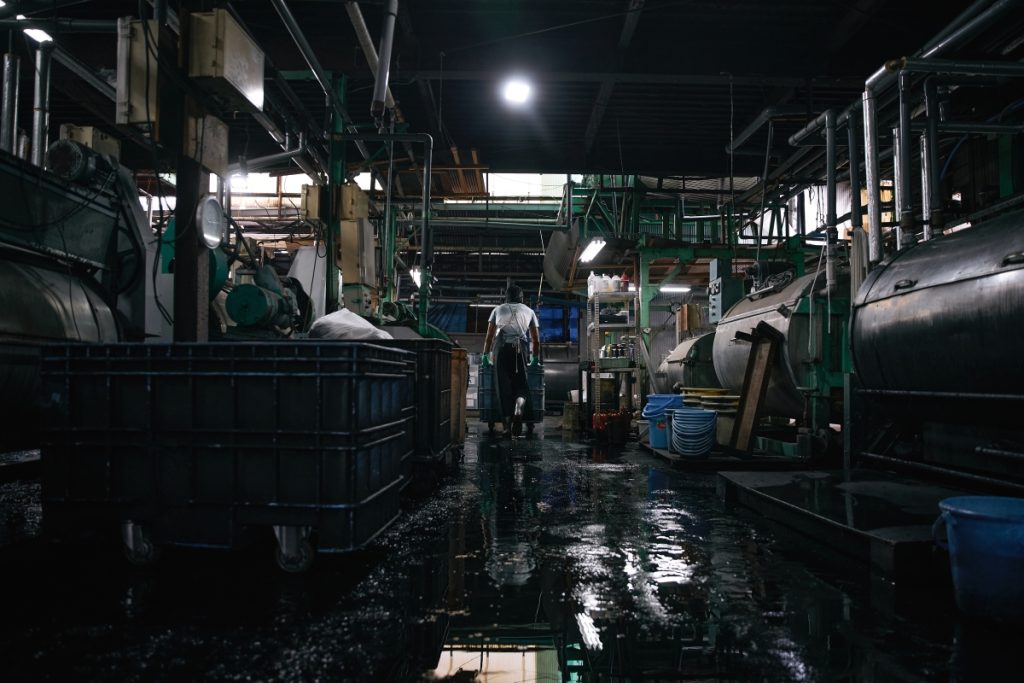
“The feel for dyeing only comes with experience,” explains the artisan. “We have past color recipes, but creating new shades always requires adjustment. Good On knows the colors they want, and it’s all about skill and instinct—there’s no shortcut.”
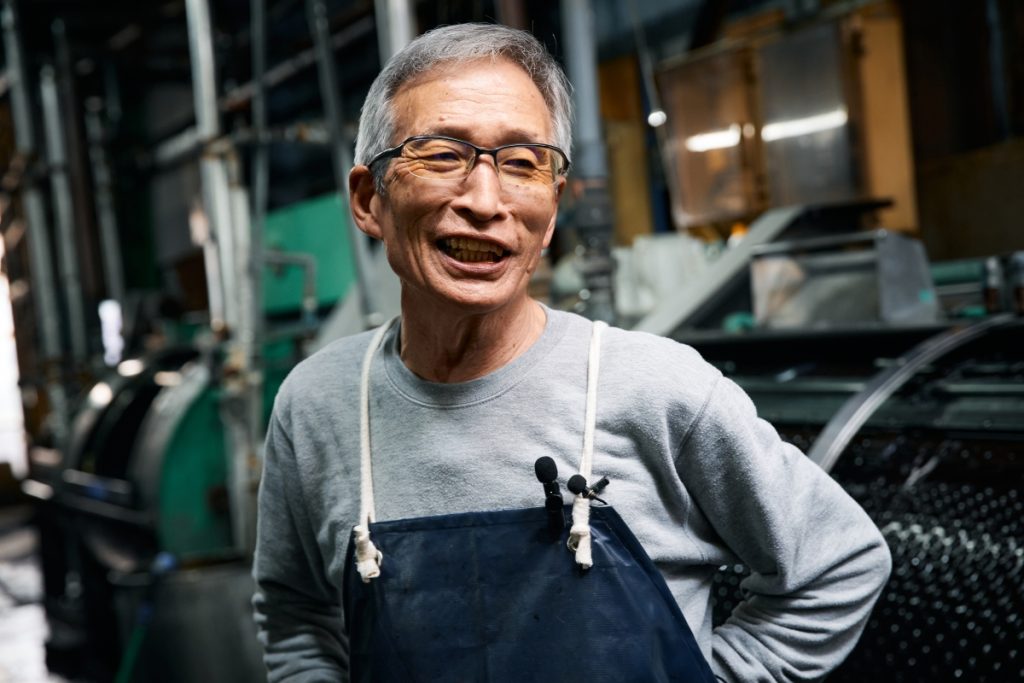
Taking a break from his work, veteran artisan Yutaka Uchiyama—who’s been in the trade for over 50 years—shared some insights. These days, they can simulate colors on a computer, but because cotton quality affects how dye takes, digital recipes alone can’t capture the exact shades they’re after.
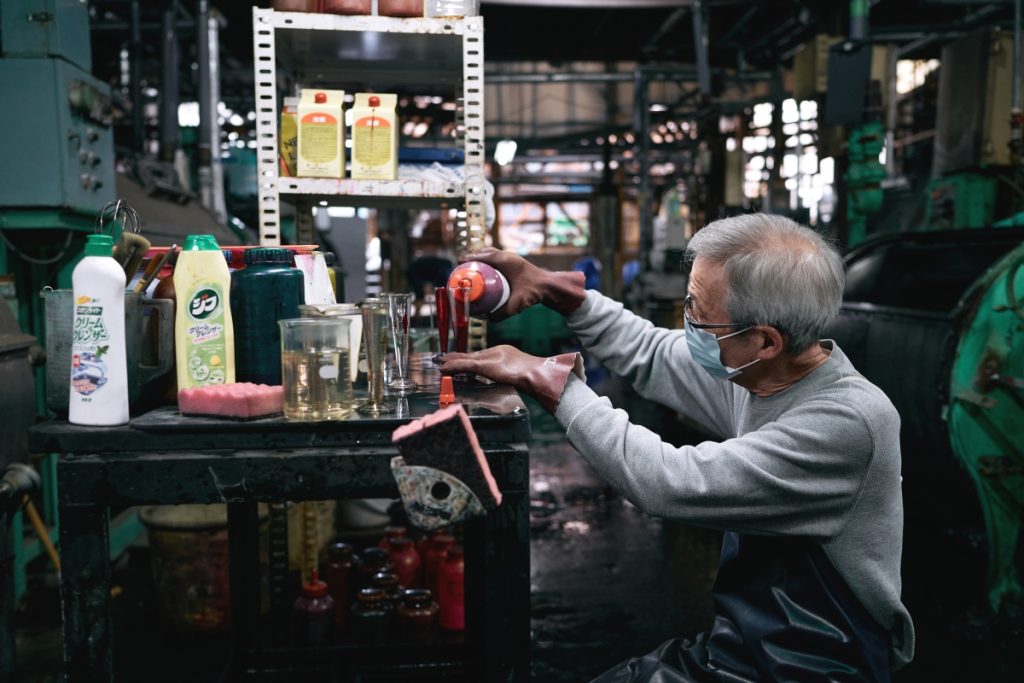
“The climate that year and how the cotton grows can affect the color—even with the same mix, the shade can come out different,” Uchiyama explains. “So if you slack off even a little, the color won’t turn out as expected. It’s that delicate a process.”
“Because of these expert craftsmen, we get the precise colors we want,” Fukutome says. “Sometimes they even surprise us with shades better than we imagined. This level of mastery takes years to build, and Good On relies heavily on their decades of experience.”
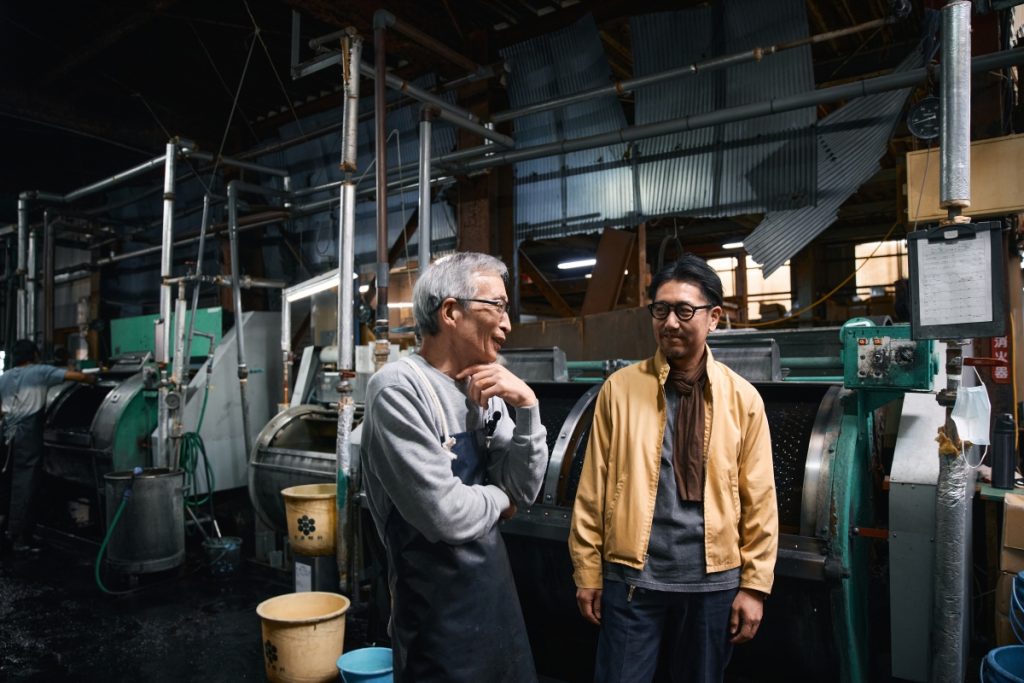
High-quality American cotton meets Japanese craftsmanship—a perfect blend that breathes life into what was once just plain white fabric.
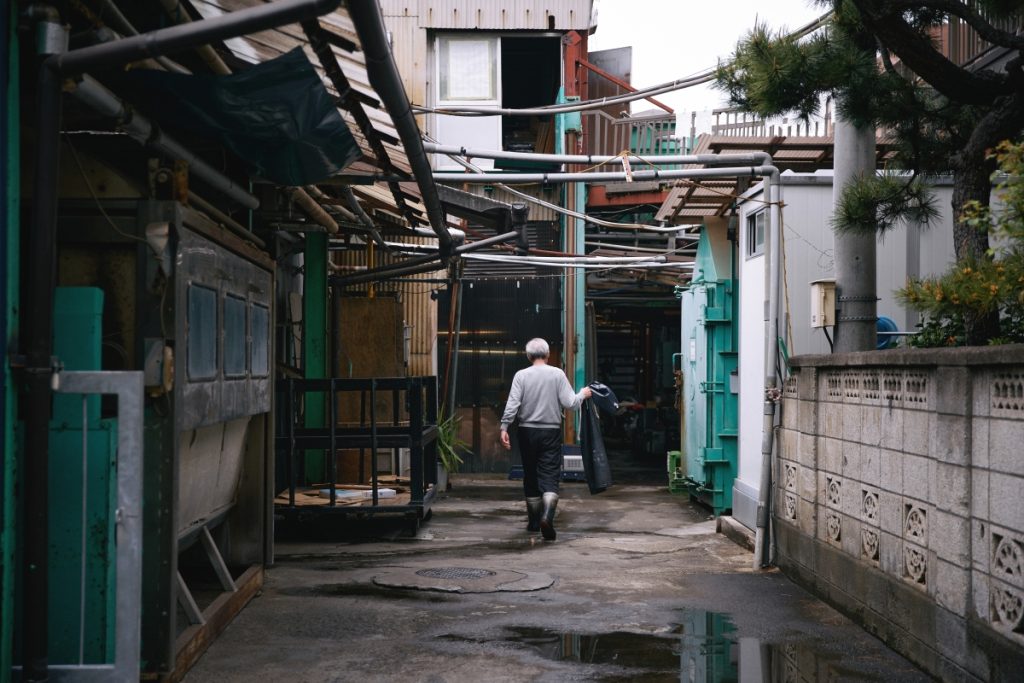
Beyond the fabric’s durability, Good On puts just as much care into the stitching—creating T-shirts that won’t lose their shape even after years of wear and only get more comfortable over time. In today’s fast-changing fashion world and the rise of fast fashion, this approach almost feels like going against the grain.
“No matter how many times you wash them, the fabric won’t lose its shape or become unwearable,” they say. “If anything, the more you wear it, the better it fits your body. We focus on durability and comfort because we want people to enjoy these shirts for as long as possible—and that won’t change anytime soon.”