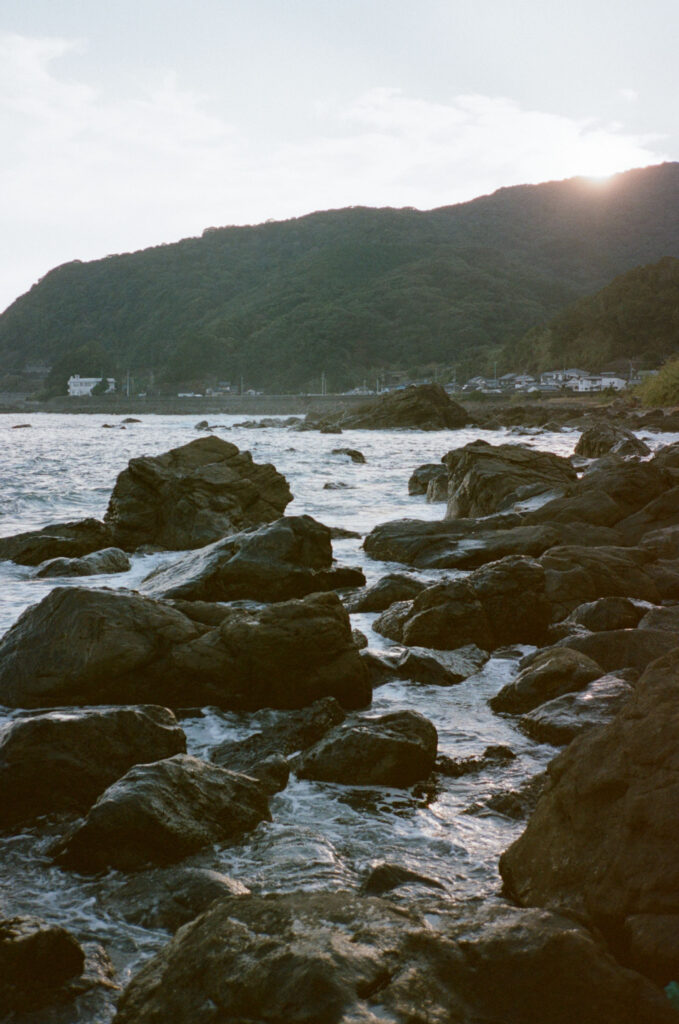
What springs to mind when you think of Kochi?
Fresh bonito and various other seafood, long pilgrimage routes, crystal clear river water, refreshing citrus fruits, Ryoma Sakamoto and Tomitaro Makino.
I, however, envision Kochi as “gateway to the rocky heaven”.
Shikoku is abundant in rocky resources, with formations of all sizes, and the scale of each rock is breathtakingly large. For non-climbers, the boulders scattered along the coast and riverside are little more than massive rocks, but for climbers, they offer paradise with eternal options for fun. It is truly a “boulder heaven.”
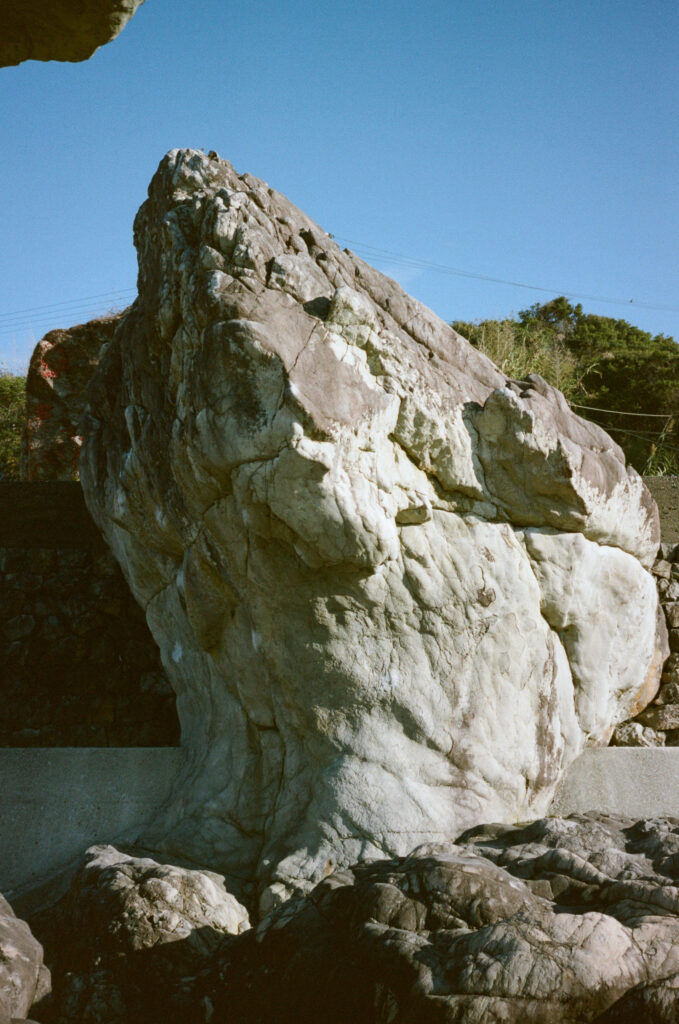

Kochi Prefecture, located at the southern tip of Shikoku, is the furthest away from the main island of Honshu when driving from Tokyo, as one has to cross a bridge to enter the prefecture from the north. But if you fly, you can alight at Kochi Ryoma Airport in about an hour and 20 minutes from Tokyo. An airport named after a great man has become a gateway port for the modern traveler. One of the iconic routes at the Kuroshio Boulder is only 30 minutes away from the airport.
On a quiet beach surrounded by breakwaters stands a single large rock. At its pinnacle, a lone pine tree grows wild and sits with the majesty of a giant bonsai tree. On this vertiginous boulder, the “shofu” (pine wind) is a line that climbs up to the pine tree. Aside from its location and presence, it is a great piece of climbing that can be tailored to your aptitude.

The crags of Kuroshio Boulder are scattered along the long east-west coast of Kochi Prefecture and can by no means be visited in a single day. Also, some rocks can only be accessed at low tide, so it is important to watch the tide and the wind. It is advisable to adjust your time schedule according to your objectives.
Another key point is that the rocks along the coast tend to dry out easily. Even if it rains until morning, there are some rocks in Kuroshio that can be climbed in the afternoon, so if you have come a long way, don’t give up and try to find them. Even in the winter, when it gets bitterly cold in the mountains of Kanto, it is always warm enough to climb in short sleeves at Kochi Kuroshio Boulder. I always stop at a local store or roadside station on the way to pick up some local products, and have a picnic on the beach.

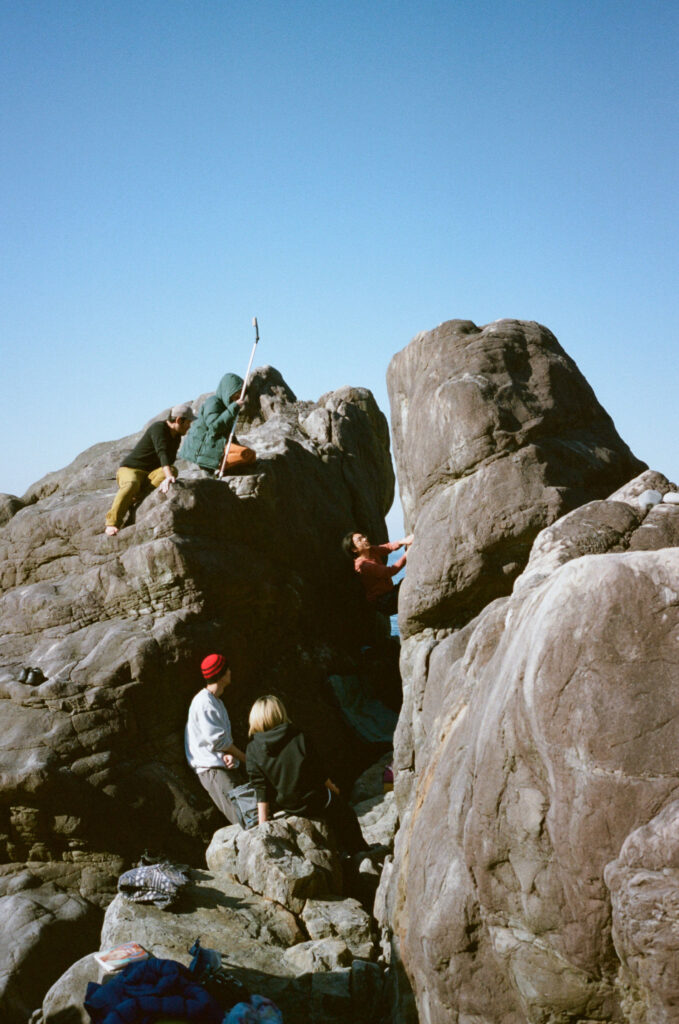
As the sun sets, we hurry to Kochi City, eager to see what Tosa’s rich food culture has to offer. Most boulders are so far away that one has to sleep in a tent or in the car and eat simply, but in Kochi, the boulders are within easy reach of the city. You can heal your tired body in the hot springs and sauna, and enjoy the night by visiting a few eateries. My customary course is to eat at yoiyo, a surfer’s restaurant for ocean lovers, followed by a beer with dumplings from a food stall. The night deepens, with the belief that a good meal and ample drinks after the climb will bode well for the next day’s ascent.
There is a local climber who is an indispensable part of my Shikoku rock trips. It is Koji, a strawberry farmer I encountered on a rocky beach during my first trip to Kochi and to whom I am much indebted. I was literally groping around for rocks by hand when he kindly lent me a topo book and gave me information on the location of the boulders and where to park. I have been so spoiled by his Buddha-like kindness that I now go to see him every time I visit him and borrow his crash pad. He is an irreplaceable part of my Shikoku rock trip plans.

The Buddha of Tosa offers up some kind words: “I’m delighted that people choose to come all the way to Kochi. I hope they will climb at various spots and enjoy not only the boulders, but also the cuisine, the drinks, and the interaction with the locals. People in Kochi are often unaware that there are good climbing spots, so I’d like you to educate them about what is on their doorstep.”
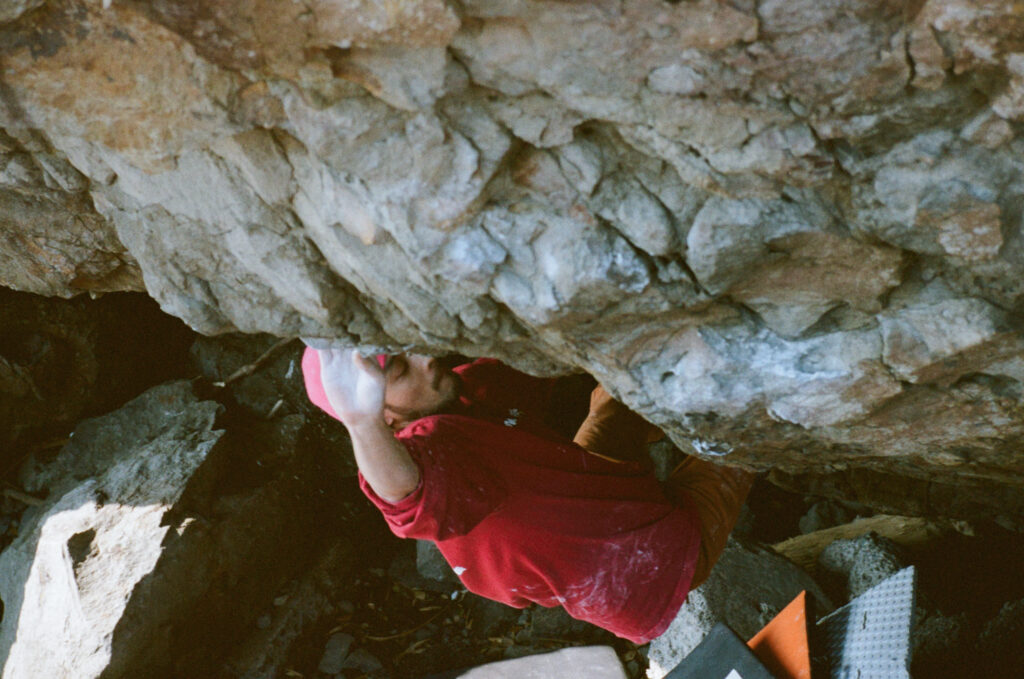
The people of Kochi are hospitable, and their culture has long embraced travelers through pilgrimages. Their traditional pioneering spirit has resulted in a fantastic rocky area that is open to the outside world. Just like Ryoma, who saw the world from here, the pioneers of the Kuroshio Boulder must have glimpsed the world at large through this cluster of rocks.