







Traces of Animals Across the Land
No matter where you travel in Japan, you’ll always manage to come across hot springs.
These areas usually have inns to stay in, nearby souvenir shops, coffee shops, and cafes often run by families for generations. They’re designed for one or two-night stays, making enjoying the hot springs in a short visit an ease. This setup offers a fantastic way to experience local travel with convenience and comfort.
Through our travels, we’ve noticed that many hot springs are linked to animals. Deer, bears, boars, cranes, and even mythical creatures like Kappa have ties to these hot springs. Sometimes the animal’s name is part of the hot spring’s name, and other times it’s reflected in the names of local places. This connection offers a glimpse into a time when people in Japan likely had a closer relationship with animals.
In this series, we won’t be focusing on just the famous onsen often featured in the media, but on the ones with connections to the beloved critters of the land.
To the Inn Marked by a Dove
Roughly three hours from Tokyo on the expressway, the Asamakakushi Onsen district lies at the foot of Mt. Asamakakushi, named because it appears to “hide” the famous Mt. Asama behind it. As you drive deeper into the mountains, following the course of the crystal-clear Nurugawa River, you’ll spot a bridge bearing the name Hatonoyu Ōhashi, or “Great Dove Hot Spring Bridge.”
The setting may feel a bit more remote than expected, but follow the signs a little further, and the facade of a classic hot spring inn gradually comes into view.
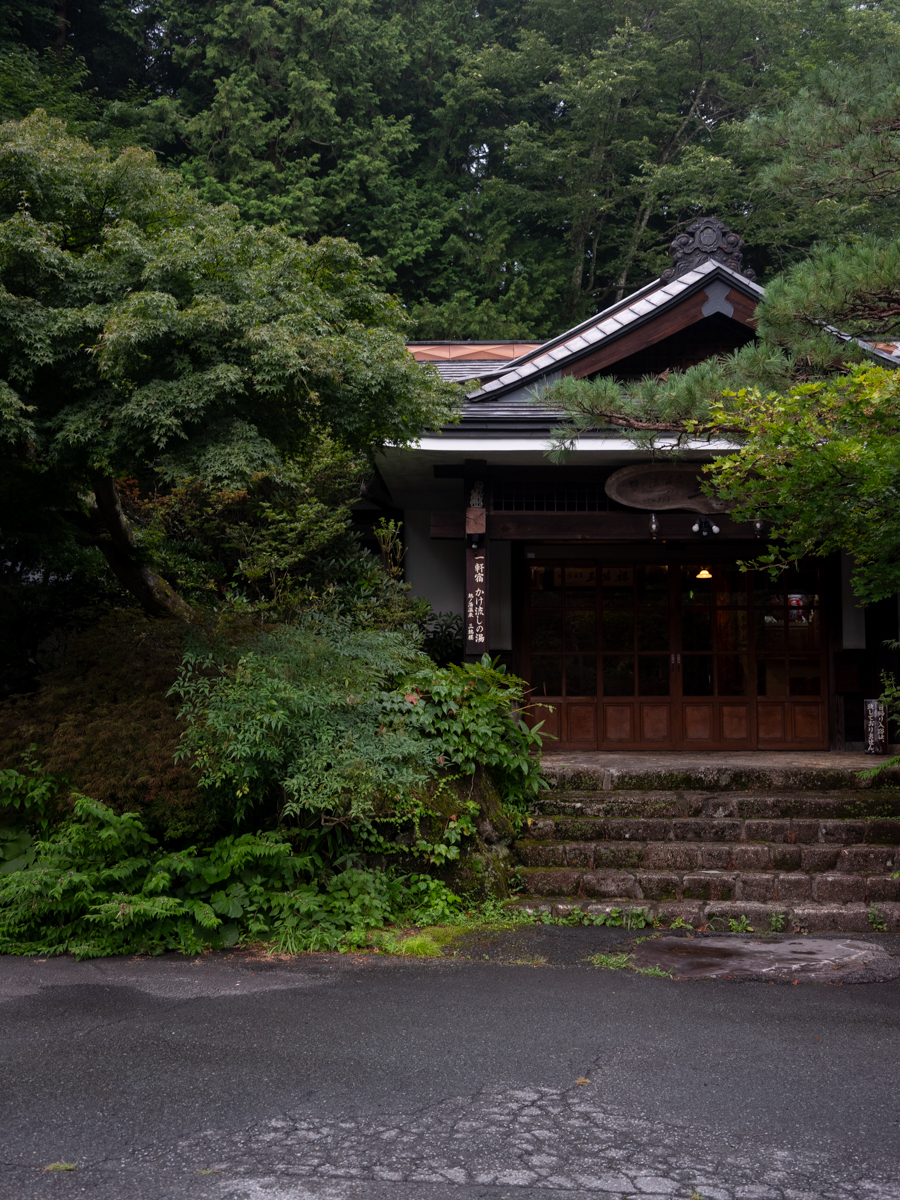
After checking in and crossing the covered walkway, you’re shown to a room that feels like stepping back in time. The traditional Japanese-style space is outfitted with just the essentials: a wall-mounted fan, a floor fan, a low tea table, a small vanity, and a dispenser-type thermos bottle for making tea. Even the screen doors are wooden-framed, adding to the nostalgic atmosphere. The air is cool, just 23°C, and through the screens you can hear the murmur of the stream and birds chirping outside. Everywhere you look, there are signs of this place being a refuge from the summer heat.

The Legend of the Three Doves
This hot spring takes its name, Hatonoyu, from the image of an injured dove bathing in its warm waters. It’s a familiar kind of legend often associated with hot spring origins, but in this case, the dove in question is a Yamabato (or Kijibato), a wild oriental turtle dove known for its late-night call, “hoo-hoo-hoho.”
The name of the inn, Sankyūrō, is said to come from an old Japanese proverb: “A dove shows respect by perching three branches below its parent(s); a crow returns the favor by feeding its parents.” In other words, it’s a lesson in honoring one’s parents. The image of a dove in the wild, paired with this moral teaching, feels like a perfect match to an onsen tucked deep in the mountains like this one.
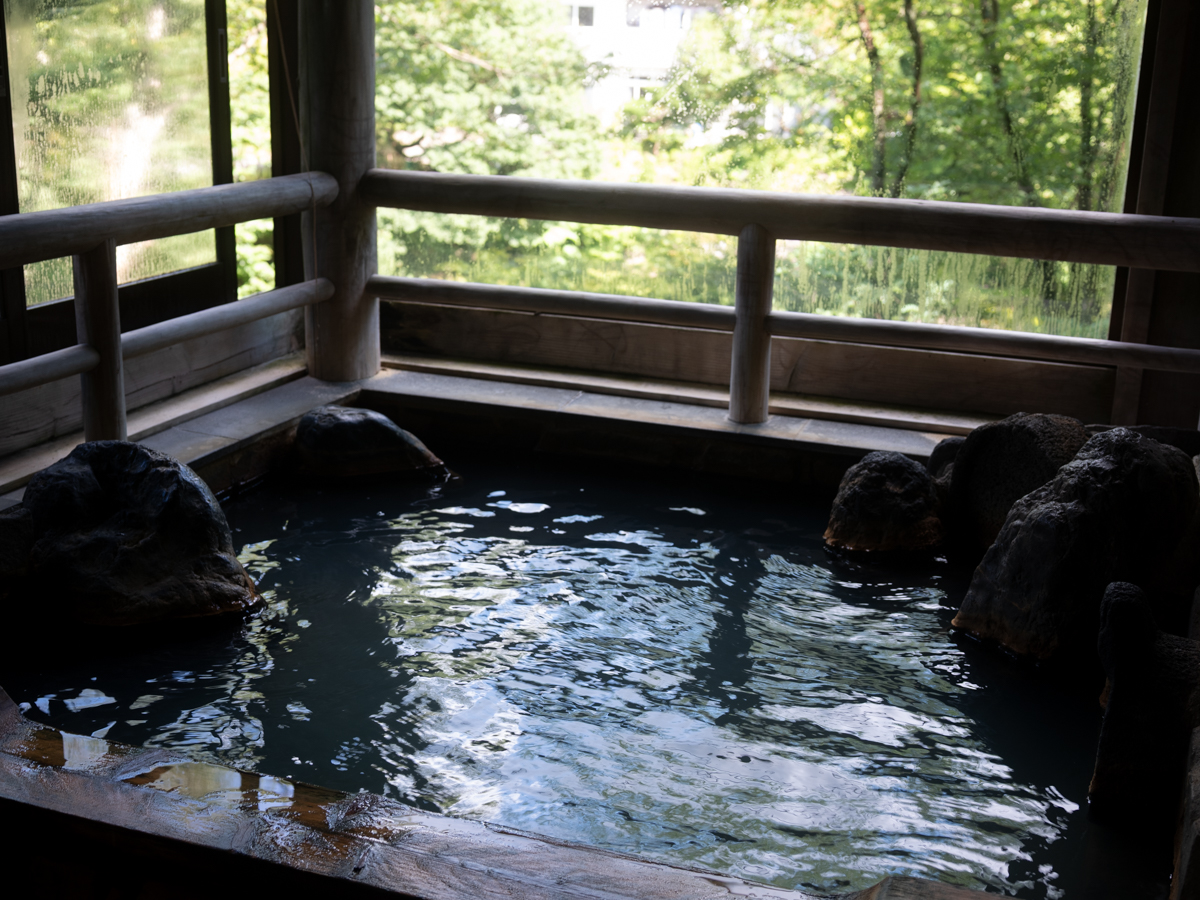
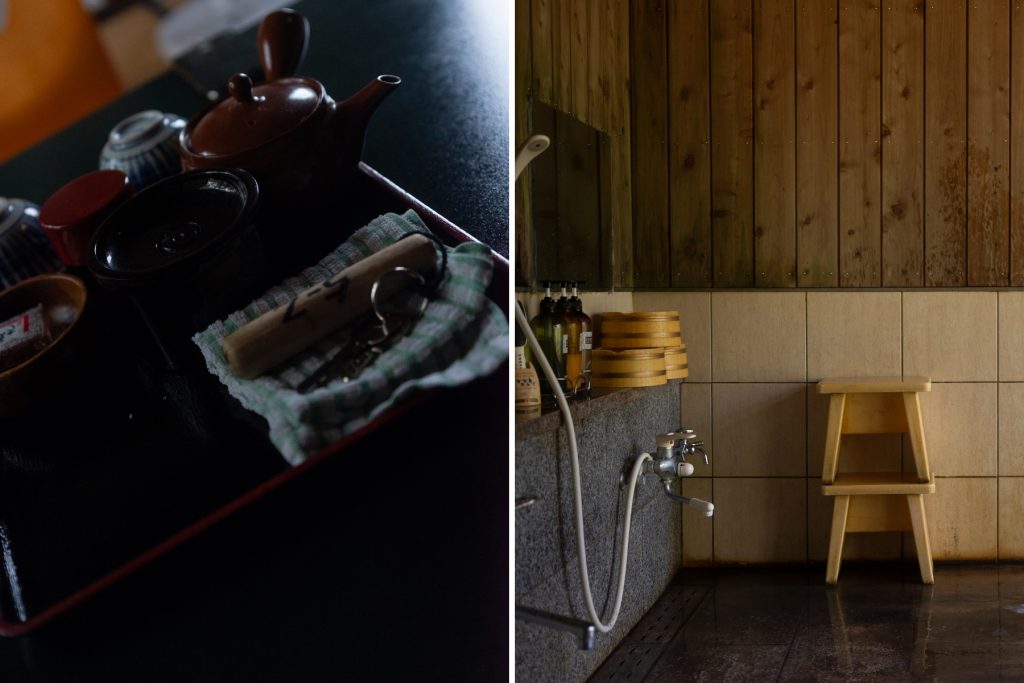
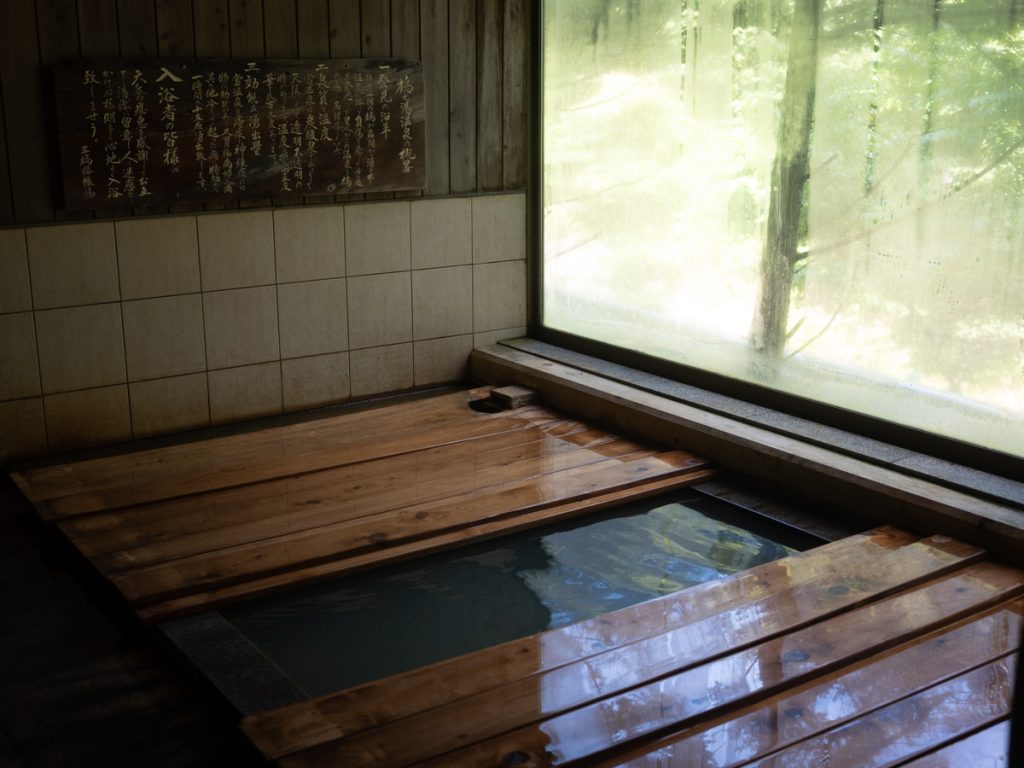
The indoor bath has cedar planks laid across the surface of the water. Guests slide them open before entering and close them upon exiting, a method that helps retain the natural hot spring’s temperature, keeping it steadily between 42°C and 44°C. The spring water is carbonated, gentle on the skin, and its clarity shifts with the weather—sometimes crystal clear, other times more opaque.
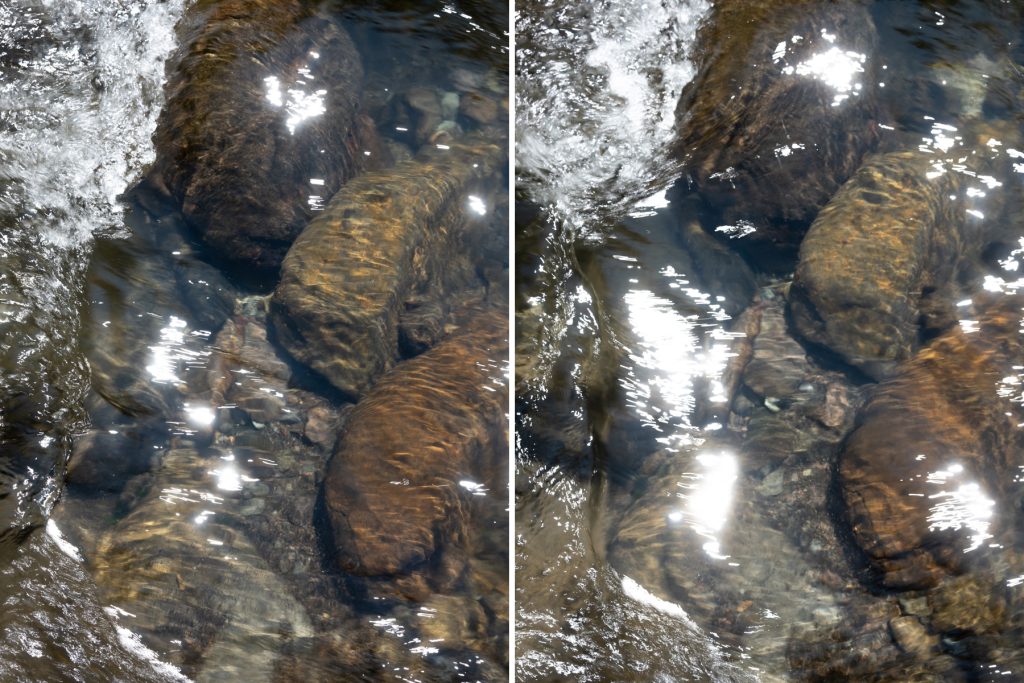
To cool down after the hot spring, follow the sound of the river outside. In less than a five-minute stroll, you reach a clear stream. Naturally, it’s empty of people. The sense of release, far from the crowds of the city, makes it tempting to wade right in.

Alternating between the quiet river and the hot spring is encouraged. As time slips by here, the old tale of the mountain doves, supposedly just a charming legend, starts to feel quite plausible.
Sankyūrō, Hatonoyu Onsen, Asamakakushi Onsen-kyo
https://sankyuro.com/
Address : 3314 Motojuku, Higashiagatsuma, Agatsuma-gun, Gunma 377-0933
Hours : Check-in: From 15:00 Check-out: By 10:00
Rates : From ¥5,000 per night (room only)
Phone : 0279-69-2421
Fax : 0279-69-2778