







Traces of Animals Across the Land
No matter where you travel in Japan, you’ll always manage to come across hot springs.
These areas usually have inns to stay in, nearby souvenir shops, coffee shops, and cafes often run by families for generations. They’re designed for one or two-night stays, making enjoying the hot springs in a short visit an ease. This setup offers a fantastic way to experience local travel with convenience and comfort.
Through our travels, we’ve noticed that many hot springs are linked to animals. Deer, bears, boars, cranes, and even mythical creatures like Kappa have ties to these hot springs. Sometimes the animal’s name is part of the hot spring’s name, and other times it’s reflected in the names of local places. This connection offers a glimpse into a time when people in Japan likely had a closer relationship with animals.
In this series, we won’t be focusing on just the famous onsen often featured in the media, but on the ones with connections to the beloved critters of the land.
To the Hot Spring Town Where Foxes Roam
In The New York Times’ “52 Places to Go in 2024” list, only one destination from Japan made the cut: Yamaguchi City in Yamaguchi Prefecture. Nestled in a basin surrounded by mountains with a river flowing through it, the city is sometimes referred to as the “Kyoto of the West.” As you stroll through the neatly arranged low-rise neighborhoods, it feels a bit like walking through Kyoto before it became the global tourist magnet it is today.
Yamaguchi City is home to none other than Yuda Onsen, the star of Animal ONSEN Part 02. From Tokyo, it’s about five hours by bullet train. From Fukuoka, just 45 minutes. Either way, you’ll transfer at Shin-Yamaguchi Station to the JR Yamaguchi Line.
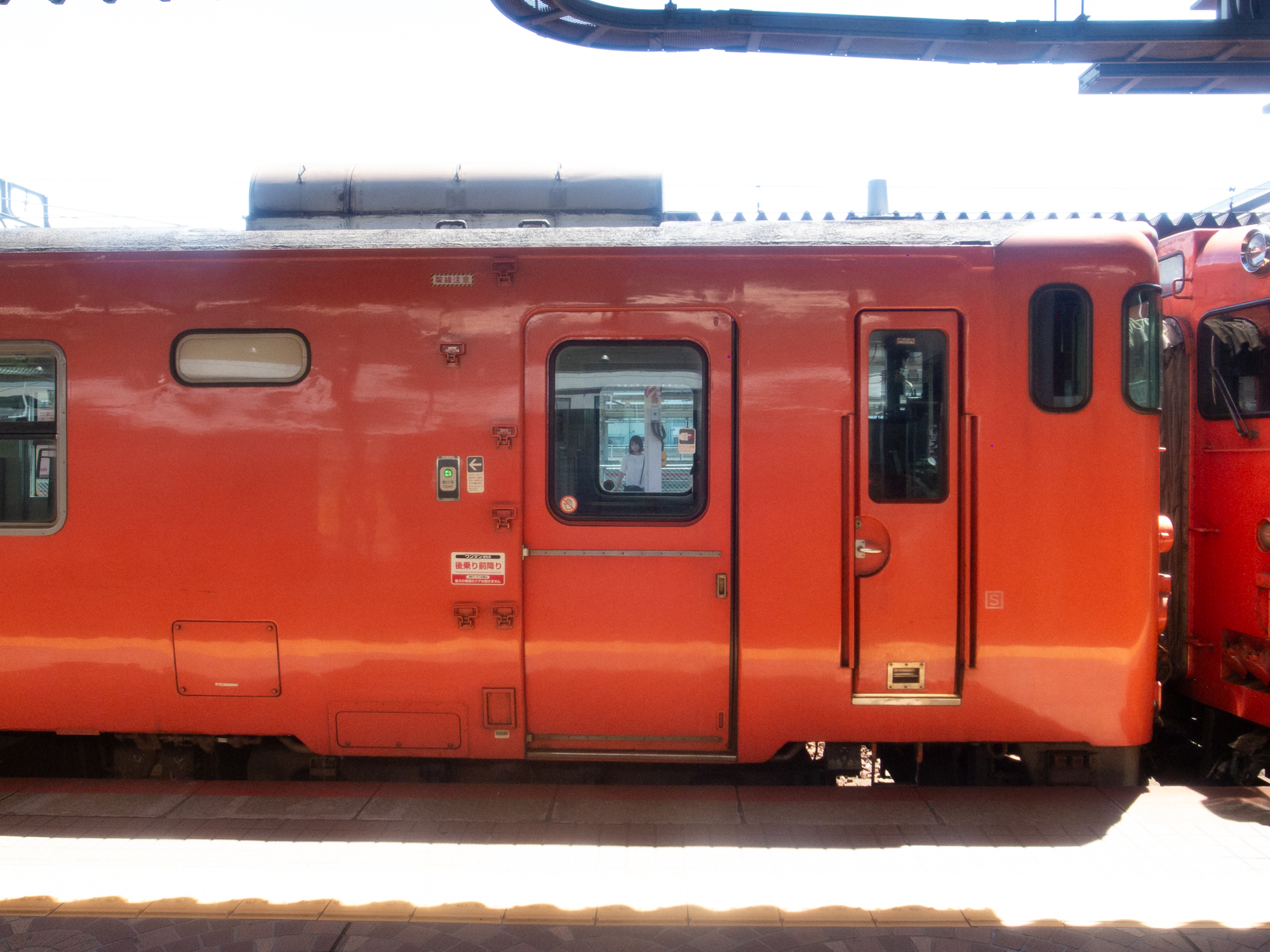
Hop aboard the strikingly bright red train, and after about 15 minutes of scenic views, you’ll arrive at Yuda Onsen Station, named after our destination.
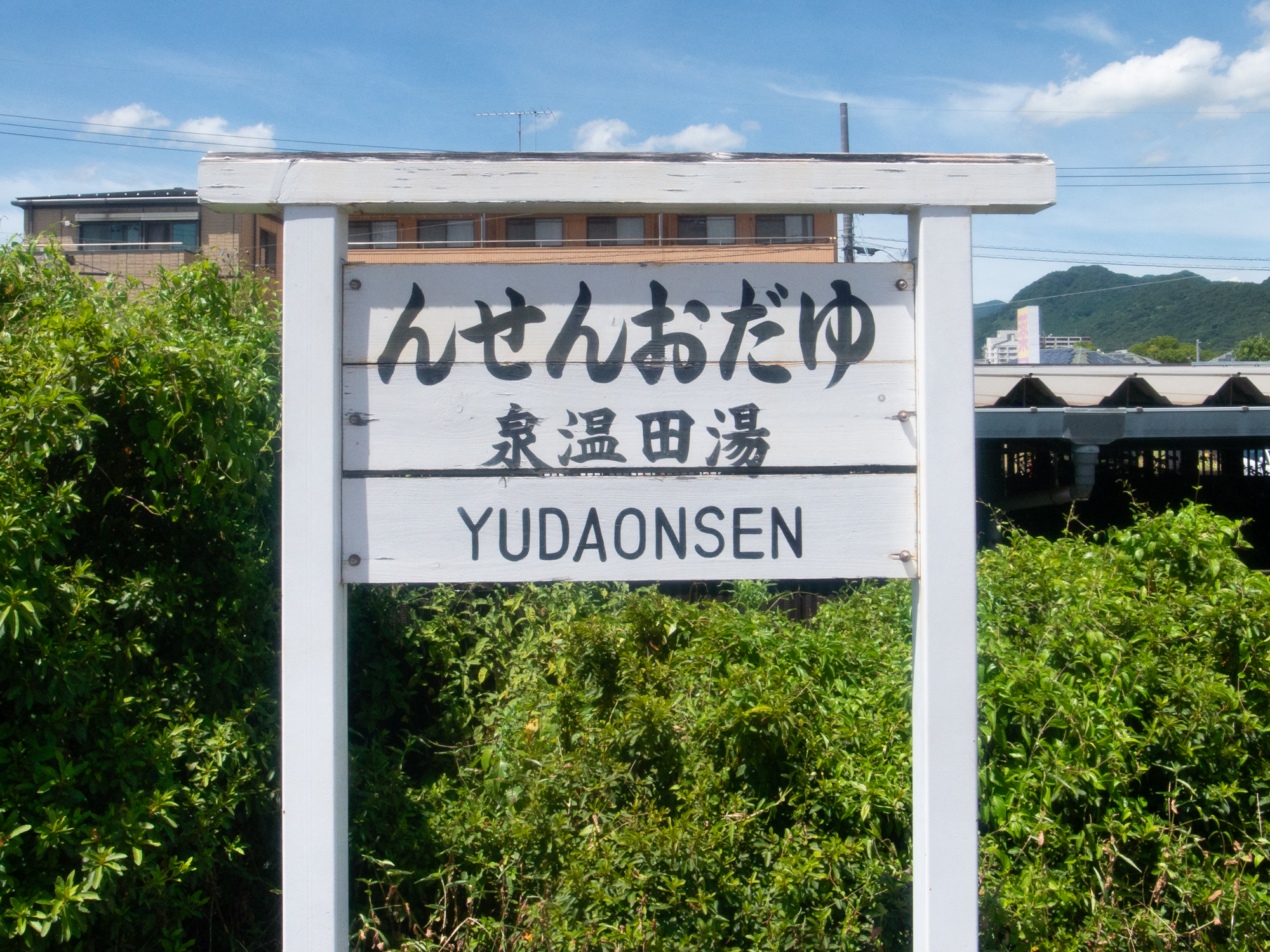
Step through the unstaffed ticket gate and out of the station, and you’ll spot it immediately on your left—a towering statue of a white fox.
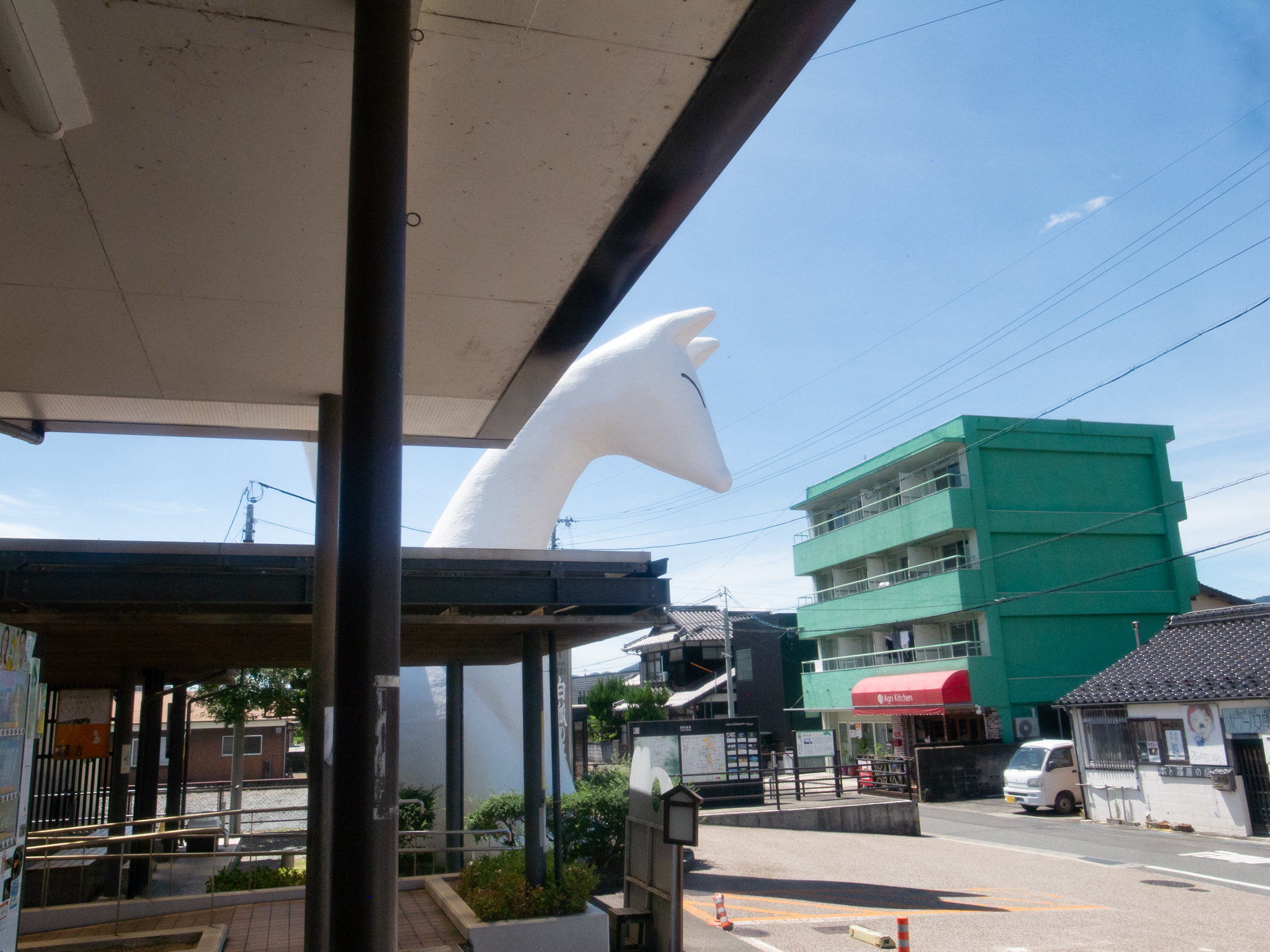
Standing 8 meters tall and weighing 3 tons, the statue represents the white fox said to be the source of the spring’s discovery. With its gaze behind us, we set off on foot toward Sansuien, a traditional inn about 20 minutes from the station. Along the way through quiet residential streets, we spot white foxes everywhere—from postboxes and playgrounds to manhole covers. It’s clear the whole town embraces this mystical creature as part of daily life.
The story of Yuda Onsen’s origin dates back several centuries. And it’s all thanks to a white fox.
Long ago, a small pond lay within a temple in the village. Each night, an injured white fox would quietly come to soak its wounded paw in the pond. Curious, the temple’s priest followed the fox and discovered that it lived on Mt. Gongen, a sacred site once home to the three Kumano Gongen deities. Wondering why the fox came all the way down from the mountain to this pond, the priest scooped up some of the water, only to find it faintly warm.
Suspecting something more, he dug into the ground and, sure enough, hot water came gushing out.
Not only that, but a golden statue of Yakushi Nyorai—the Buddha of healing—was also discovered in the pond. Overjoyed, the priest built a small temple hall to enshrine it. From then on, villagers began visiting the site to pray before their baths. The temple, known today as Kumano Shrine, still stands and continues to attract worshippers seeking to form or sever relationships—as it is known to help with.
A Hot Spring at the Foot of the Fox’s Mountain Home
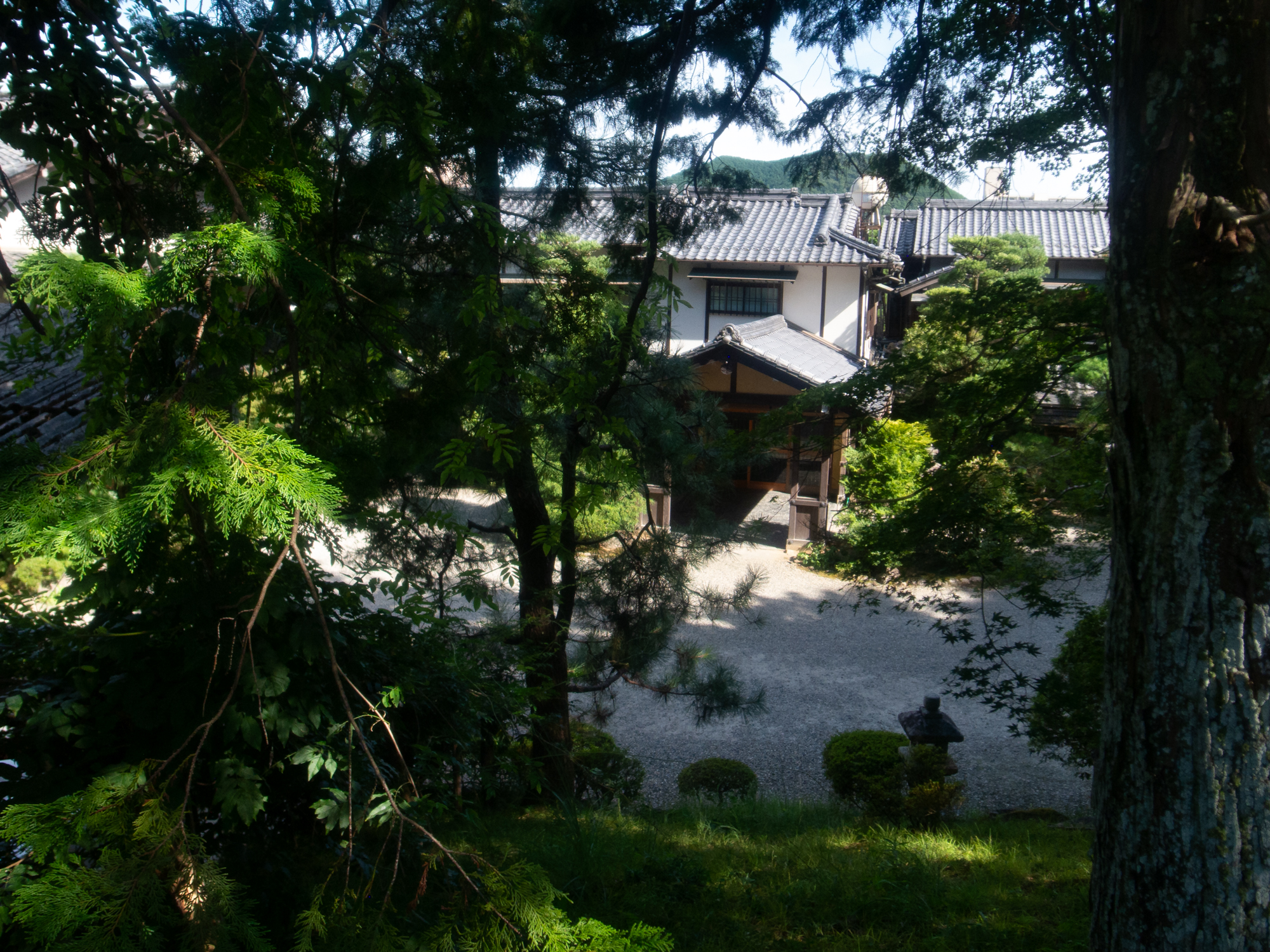
The white fox’s former dwelling, Mt. Gongen, sits not far from YCAM (Yamaguchi Center for Arts and Media). Walk past the center’s spacious garden and head toward the mountain, and soon the thatched roof of Sansuien comes into view.
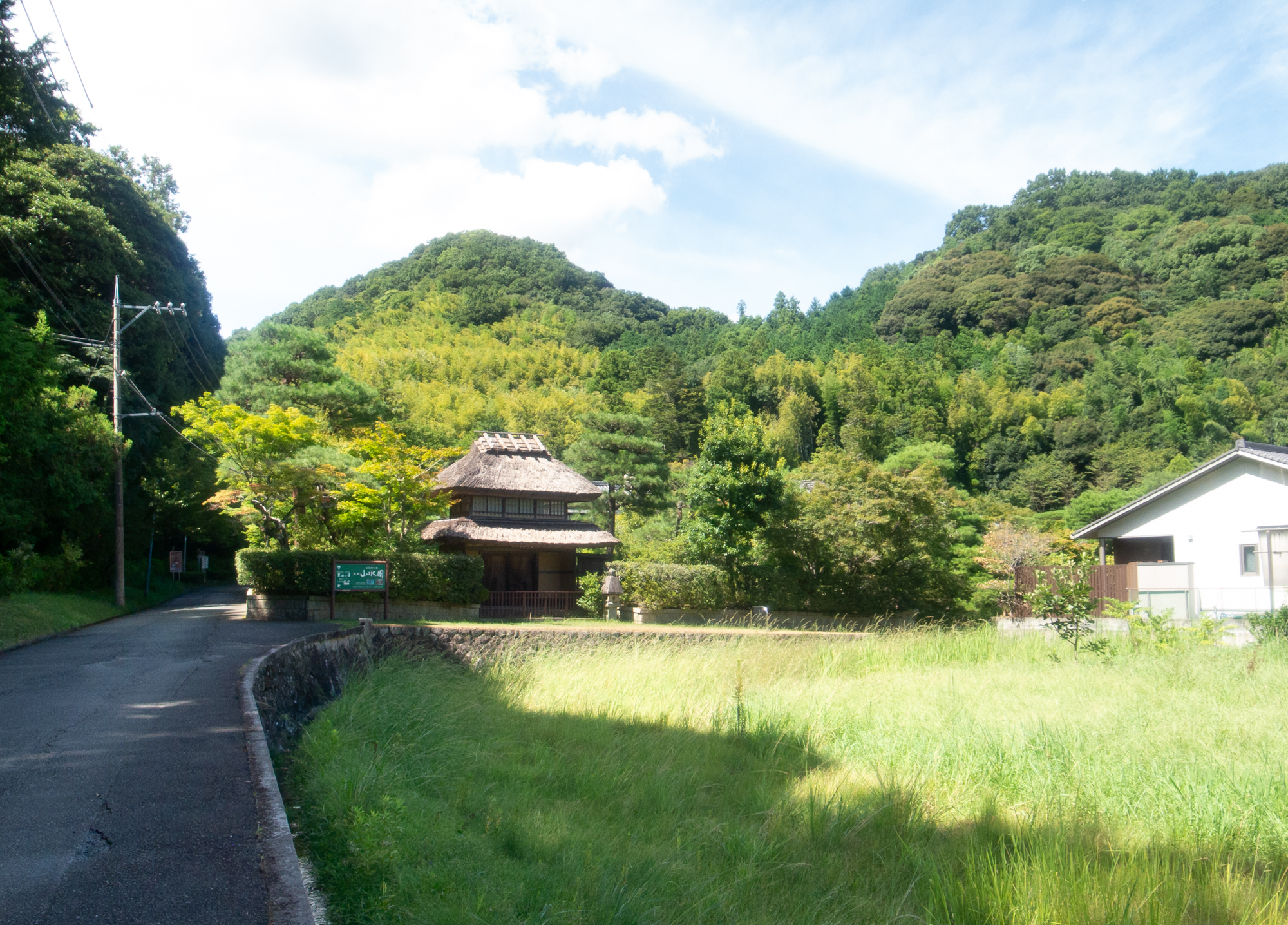
Originally built as a private villa, Sansuien opened its doors as a ryokan in 1936. The wooden architecture, designed by master sukiya builder Kaichiro Fuefuki, is now recognized as a Registered Tangible Cultural Property, while the three gardens that stretch across the grounds are designated Cultural Properties.
With its layered postwar history and timeworn elegance, you can feel the quiet weight of the past in every beam and pathway.
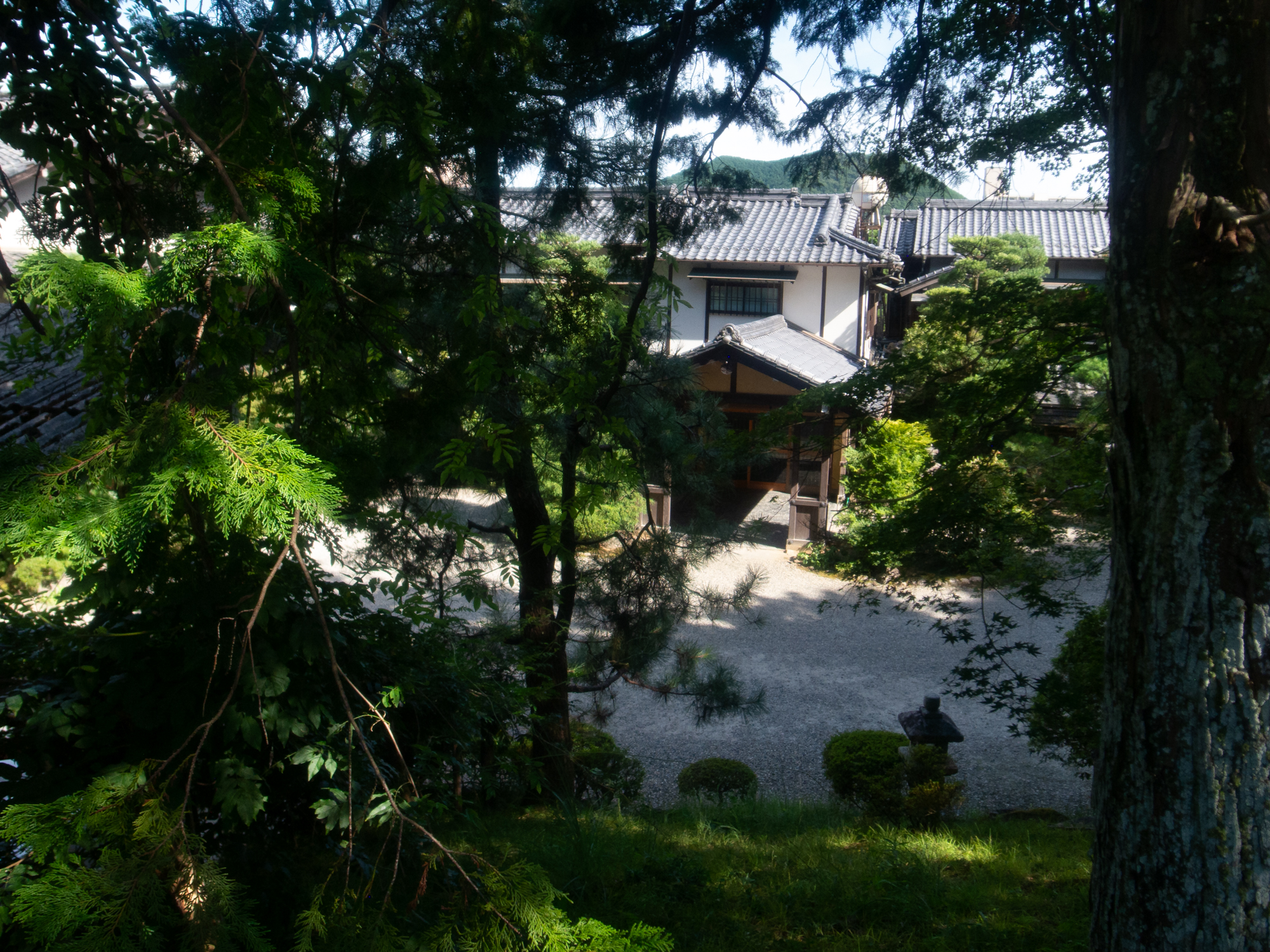
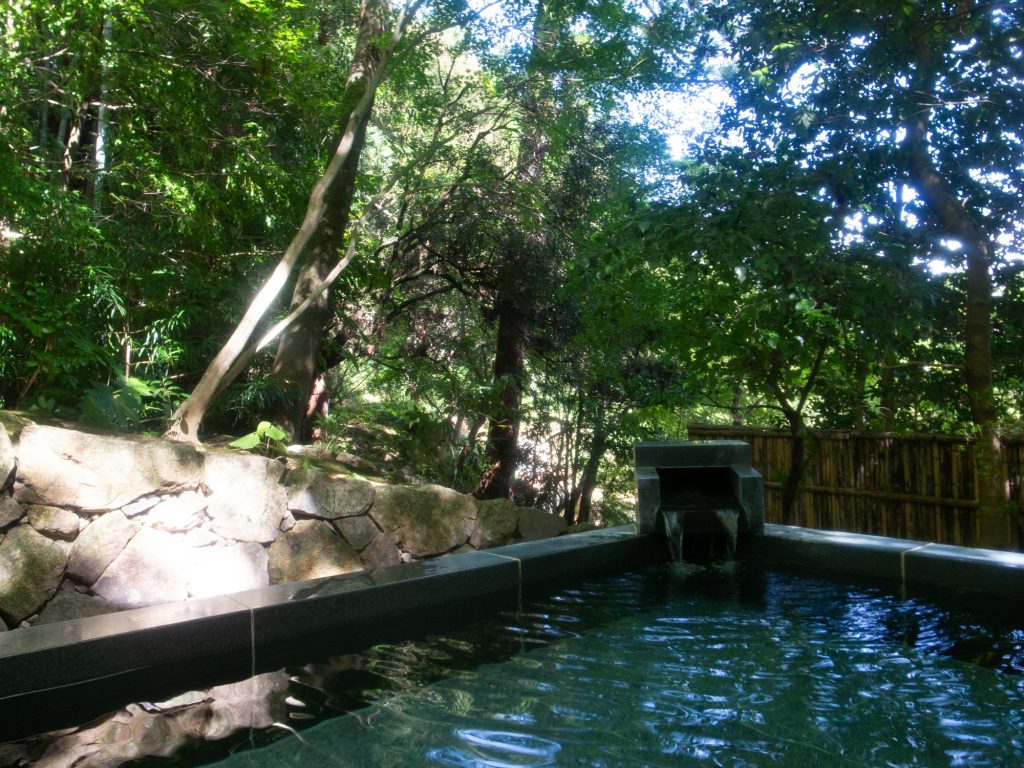
The walk-in hot spring Suisan no Yu welcomes day visitors for 1,600 yen per adult (as of April 2025). Not only does it use 100% natural spring water, the bath blends three sources of differing temperatures to create a perfectly balanced soak. The clear, alkaline sulfur spring water glides over the skin with a gentle smoothness and carries a subtle scent of sulfur.
As you settle into the gently warm open-air bath and gaze out at the sweeping green mountains, you might find yourself picturing the white fox that once wandered these very hills.

Meishō Sansuien
https://www.yuda-sansuien.com/
Address : 4-60 Midorimachi, Yamaguchi City, Yamaguchi Prefecture 753-0078
Opening Hours (Day Spa) : 10:00 AM – 10:00 PM (Last entry at 9:00 PM)
Admission : Adults – ¥1,600, Seniors (70+) – ¥1,300, Children (Elementary school age and under) – ¥800, Private family bath: +¥2,000 per hour
Closed : Last Tuesday of every month (in principle)
Phone : 083-921-0656
Fax : 083-921-0600