







Like a gentle breeze, like the sound of waves.
Tonchi first set foot on Miyakojima 18 years ago. Having spent her childhood in Nara, she recalls feeling an immediate sense of ease—like she could finally breathe freely. It was the first place she felt she could actually move to. Before long, she began splitting her time between Tokyo and the island, immersing herself in music. Along the way, she discovered a deep appreciation for Āgu, the distinct musical form of Miyako folk songs, drawn in by its unique melodies and rhythms.
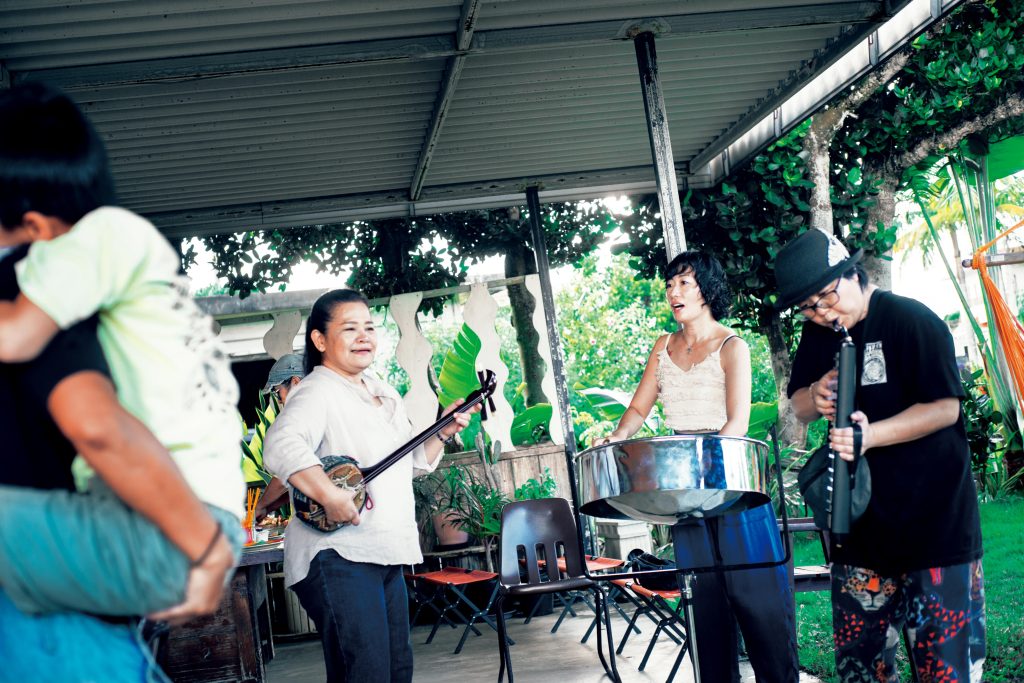
“Miyako folk songs are completely different from Okinawan folk music,” explains Tonchi-san. “Traditionally, they weren’t accompanied by the sanshin or any other instrument—it was just the raw voice, unembellished. The sound is shaped by everything around it—the temperature, humidity, the speed of the wind. It’s less about ‘singing’ and more about ‘producing sound,’ the way trees, birds, and insects do. It feels like a much more primitive, organic form of music.”
When she accompanies Miyako folk songs, she tries to become part of nature itself, blending into the sound rather than providing rhythm.
“I don’t want to impose a beat—I’d rather add something as subtle as a breeze, the sound of waves, or the rustling of plants. To get that feeling right, the song has to seep into my body. The language is incredibly difficult, so I can’t sing it myself, but for the past seven years, I’ve been studying Miyako folk music so that at the very least, I can play along and add to the harmony.”
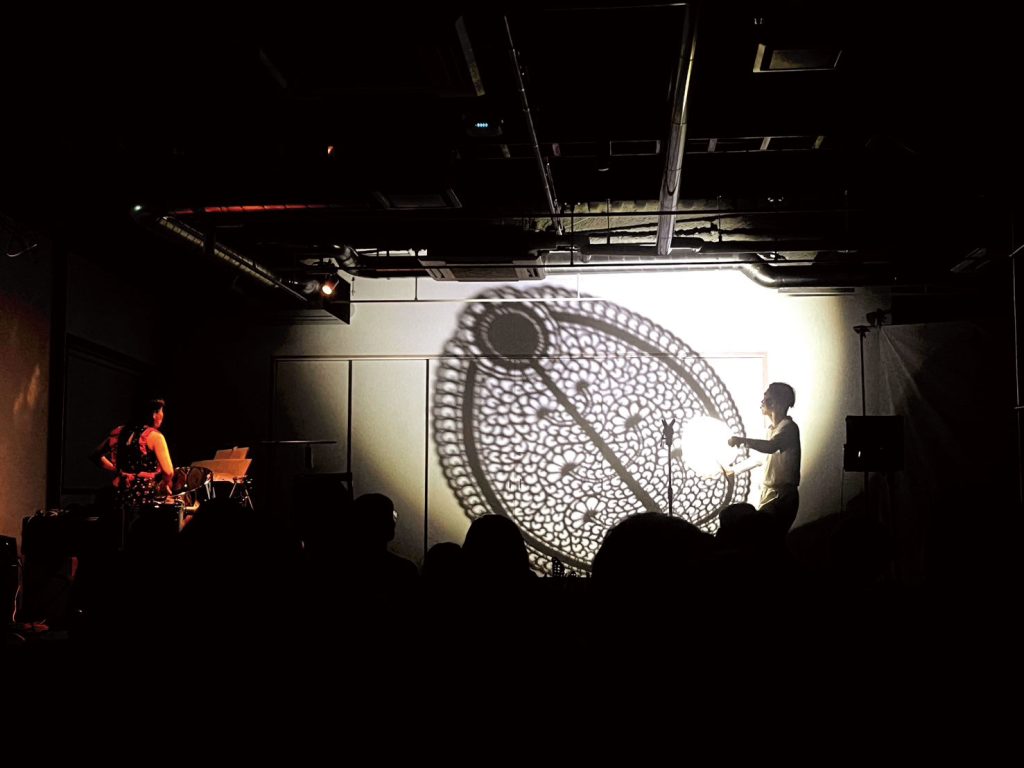
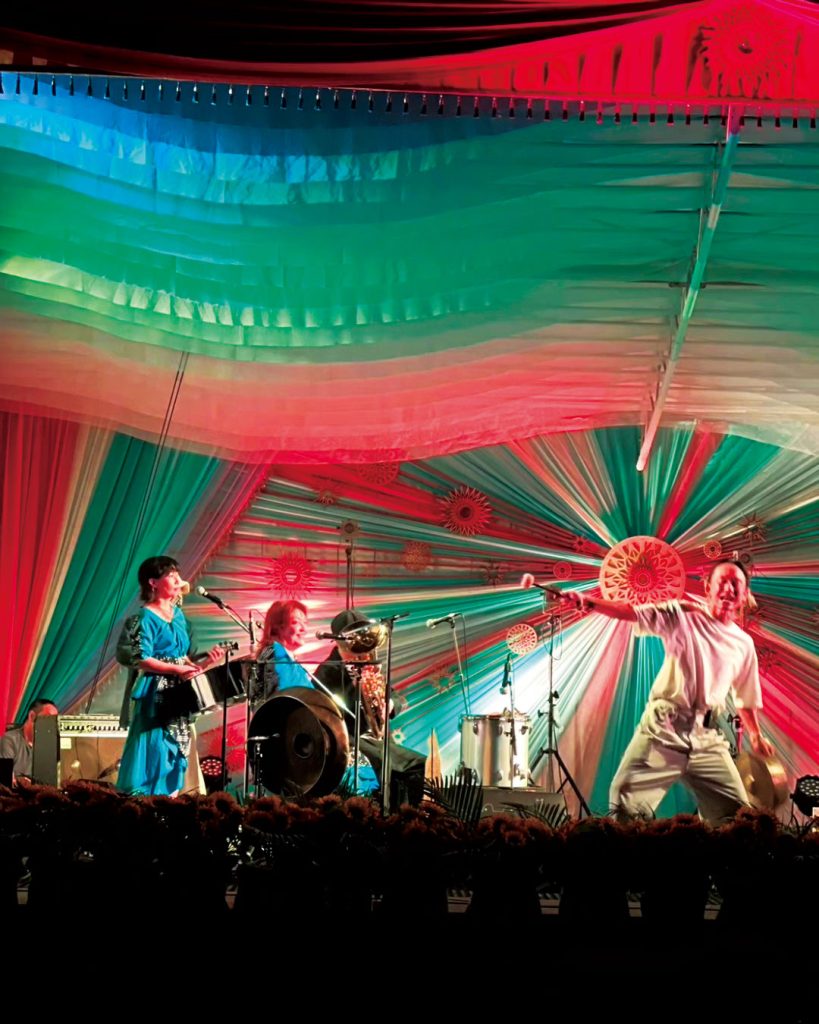
Āgu isn’t the only traditional song of Miyakojima—there are also Kamiuta, sacred songs that have been passed down for generations. Sung during rituals for centuries, they have been preserved through oral tradition. Recently, Tonchi has begun learning them firsthand.
“Kamiuta are closer to sacred chants than songs. Rather than following a melody, they create sounds that harmonize with their surroundings, almost like communicating with plants and nature itself. When the elderly women sing them, it’s completely natural and profoundly beautiful,” she reflects.
“Living on this island, I often feel just how precious it is to have people who listen to the voice of the land and offer prayers in return. It’s not part of my music career, but it brings me joy to be able to contribute in even a small way to passing these traditions down.”
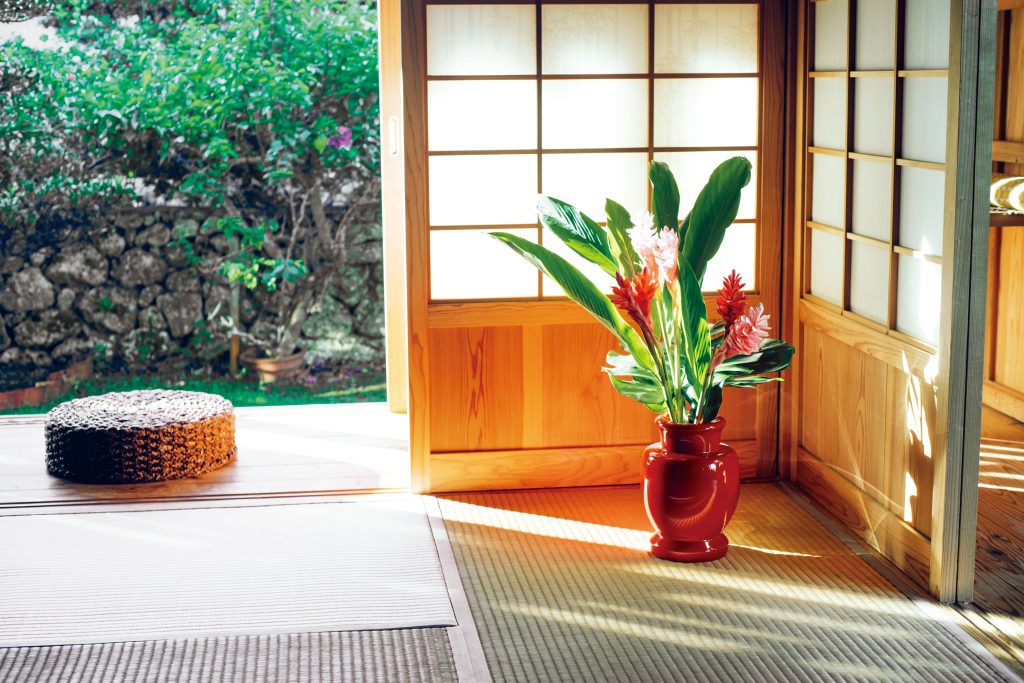
Tonchi / Steel Pan Drum Musician
Tonchi has been playing the piano since childhood and first encountered the steelpan in 1998. In addition to performing across Japan, she is active in composing, supporting artists, collaborating in sessions, and music direction. Now in her 13th year of fully living between Tokyo and Miyakojima, she continues to explore music across two distinct worlds.
