







A new style of kokeshi dolls
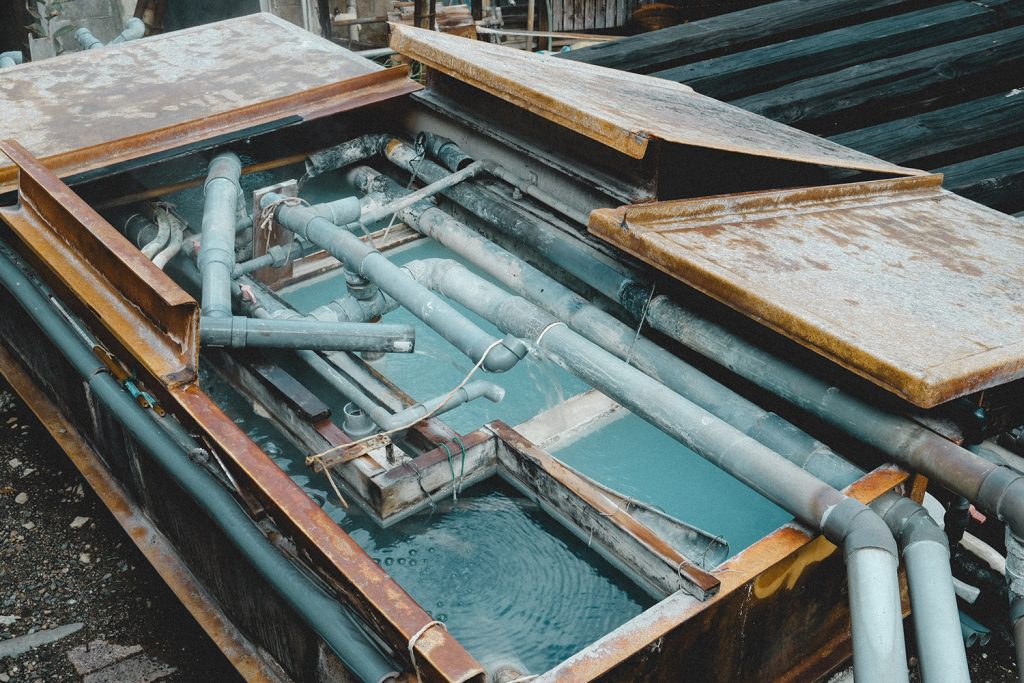
Boy, what a comfortable, amazing soak that was. I was in Naruko Onsen, a thousand-year-old hot springs spa town. Having just stepped out of the public bathhouse Taki no Yu, I set out to cool off with a stroll through the neighborhood.

My eyes soon met those of a giant wooden doll. The sign above it read Sakurai Kokeshi.
Despite my love of traditional folk toys and handicrafts, for some reason I had kept clear of kokeshi—this simple wooden doll for children. I didn’t have one at home, because I didn’t think it would match my interior.
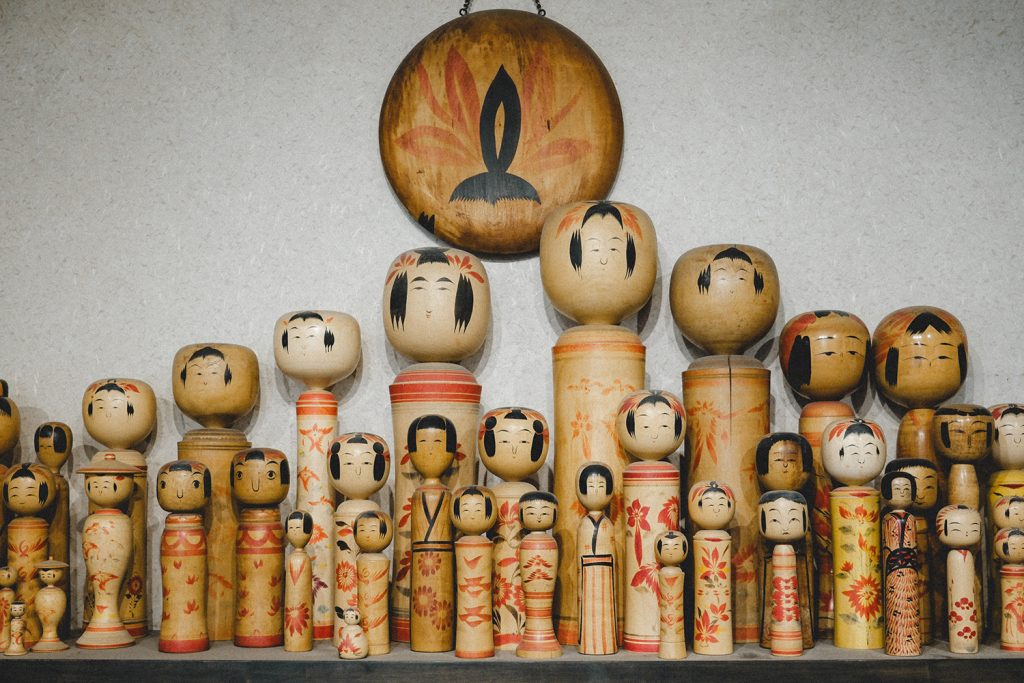
Kokeshi dolls started out as toys crafted by kijishi, or traditional Japanese woodturners, in the Edo period (1603–1868). The Naruko kokeshi was also originally a popular talisman for children, and spread widely as a souvenir sold to visitors of the hot springs from the Taisho (1912–26) through the Showa (1926–89) periods.
Sakurai Kokeshi also comes from a lineage of kijishi artisans, according to the sixth generation, Naomichi Sakurai. He and his father, the fifth generation, Akihiro, succeed the traditional craft and have each received the Minister of Education, Culture, Sports, Science and Technology Prize, the top prize of the contest held amid the All Japan Kokeshi Festival.
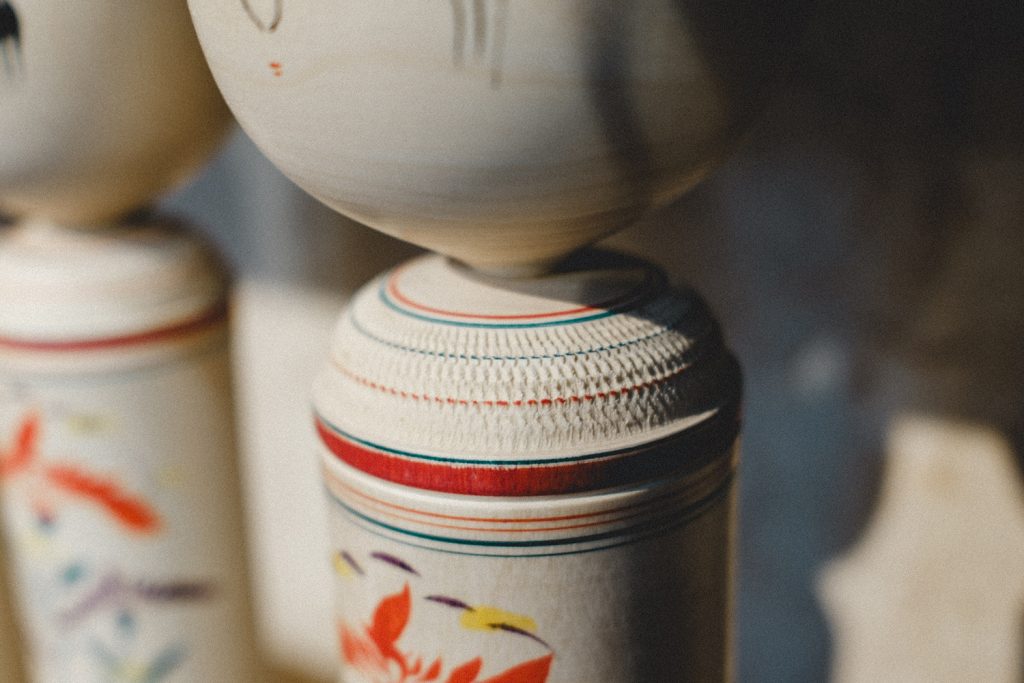
“I have always loved kokeshi. I watched my father and my grandfather work up close, and I made the dolls myself as a child,” says Naomichi. “But the demand for kokeshi dwindled along with the number of visitors to Naruko Onsen. My parents used to joke that they wouldn’t let me take over the business.”
After graduating from school and working in a company in Tokyo dealing with architecture, Naomichi inherited the family business about ten years ago. By then, Akihiro was faced with the prospect of closing and welcomed the decision.
“It used to be that visitors would come to Naruko Onsen, buy a kokeshi doll, and admire it on their display shelf at home—that routine, that whole culture, was clearly fading,” says Naomichi. “Our kokeshi dolls had no place to go and didn’t fit in with the times. I suppose the same is true for all traditional folk toys.“
“In the hope of drumming up fresh demand, I flew to Paris and knocked on doors of design shops and museum shops, with our kokeshi dolls in hand. Most shops told me the painted motifs were too Japanese, or they didn’t blend in with the contemporary interior.“

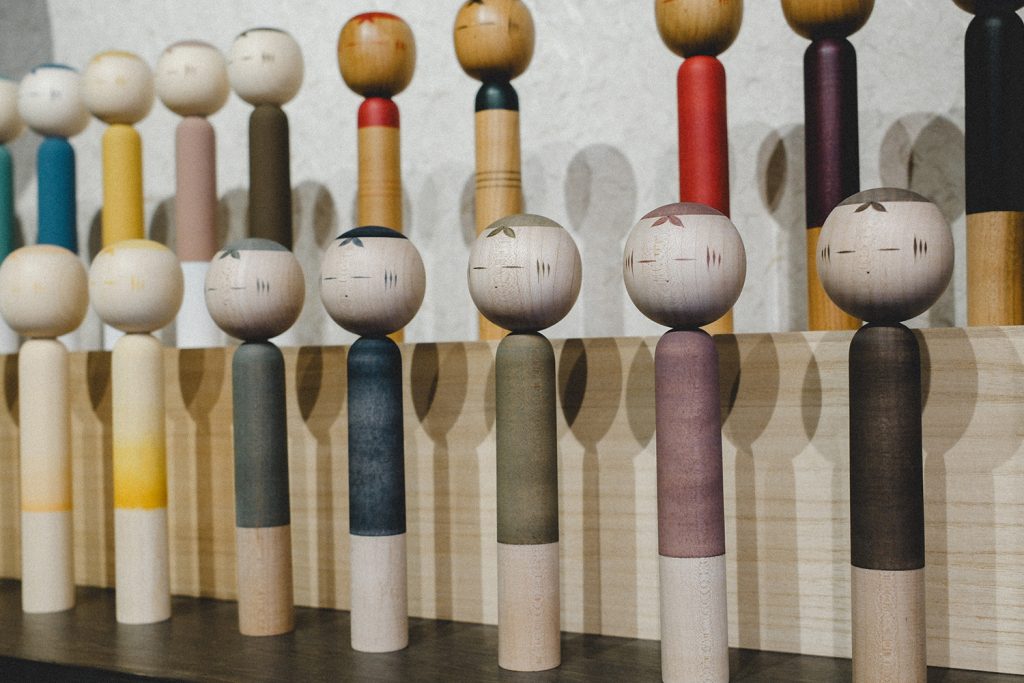
“Based on that feedback, in 2016 I came up with the ‘Reflections’ series. It presents a new style of kokeshi dolls to go with the modern lifestyle. I developed the designs for overseas markets, but more and more orders are coming from Japan too. ‘Reflections’ was selected for the official merchandise lineup of Miyagi’s local J.League soccer team Vegalta Sendai, and ordered in exclusive colors for the Marriott Group’s Westin Tokyo hotel.”
“ ‘Reflections’ caters to modern tastes, but that isn’t all. At its root is the Sakurai family’s spirit of creativity. The series draws on kokeshi dolls that have been passed down from generation to generation.”
A tradition of taking on challenges
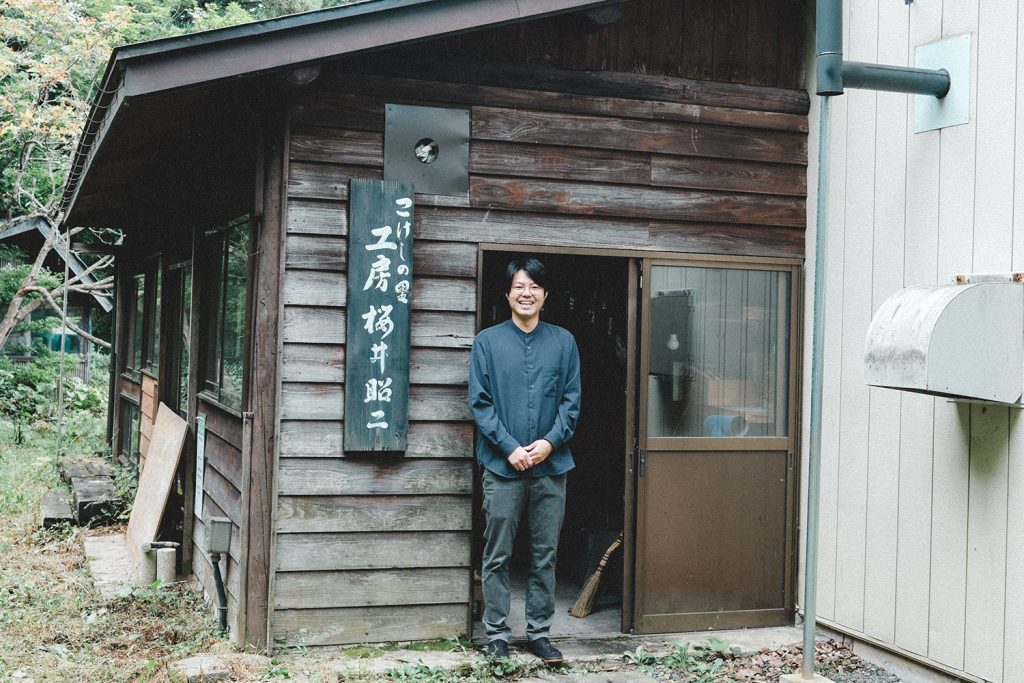
Never fear change—that, according to Naomichi, is the Sakurai family’s spirit of creativity.
“My father used to say all the time that taking on challenges is a Sakurai tradition. Each generation came up with creative new kokeshi dolls. Dolls painted with the color purple, featuring the biriganna ornamental technique, sporting hats, and so on.”
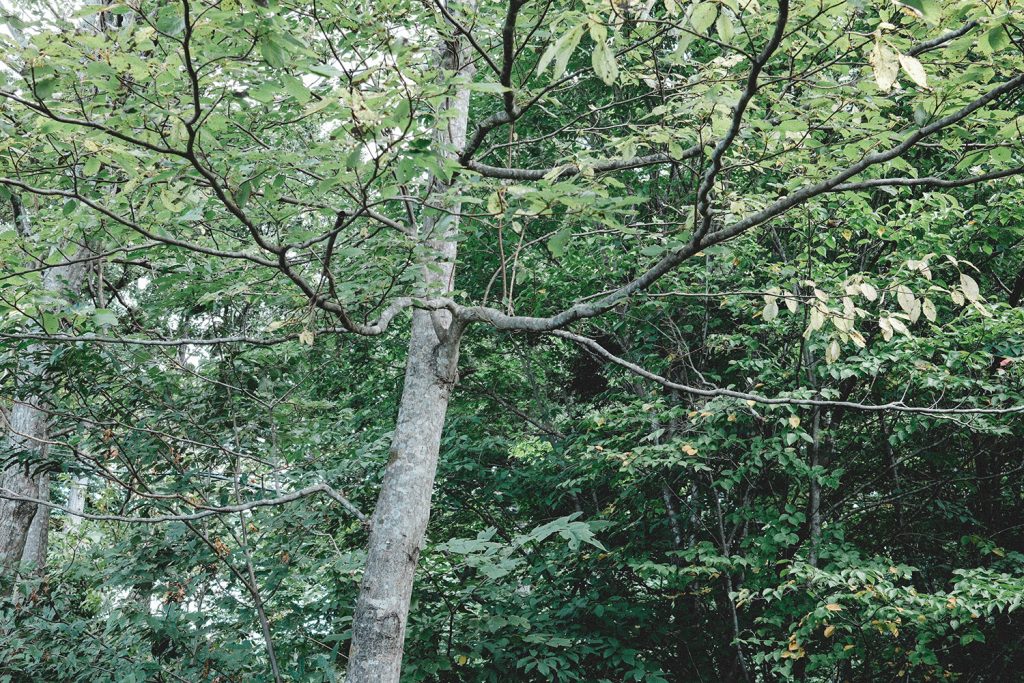
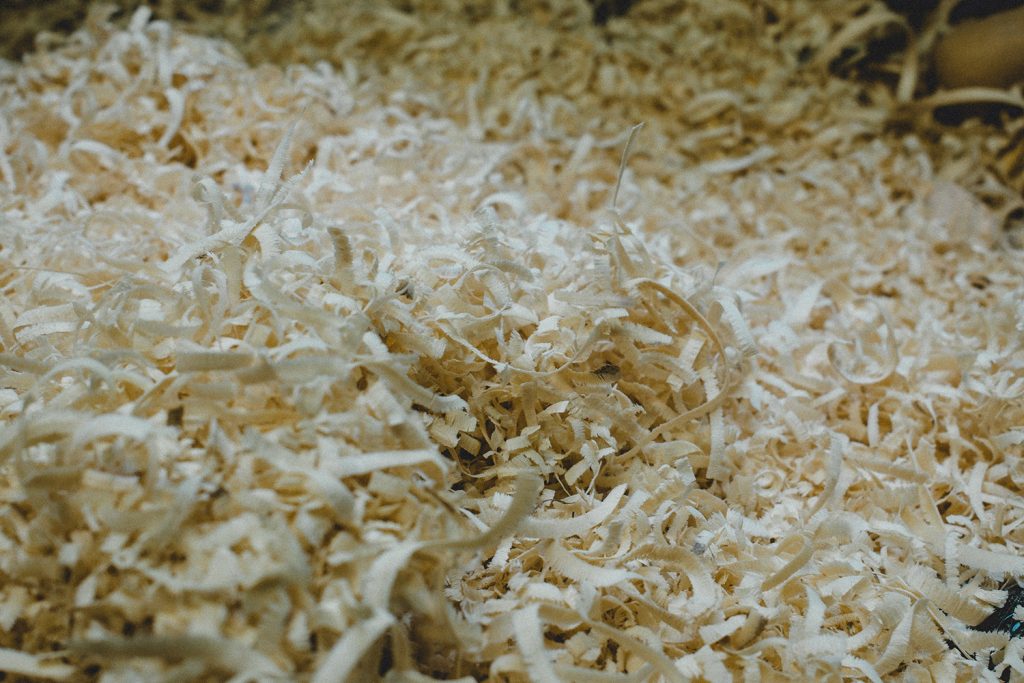
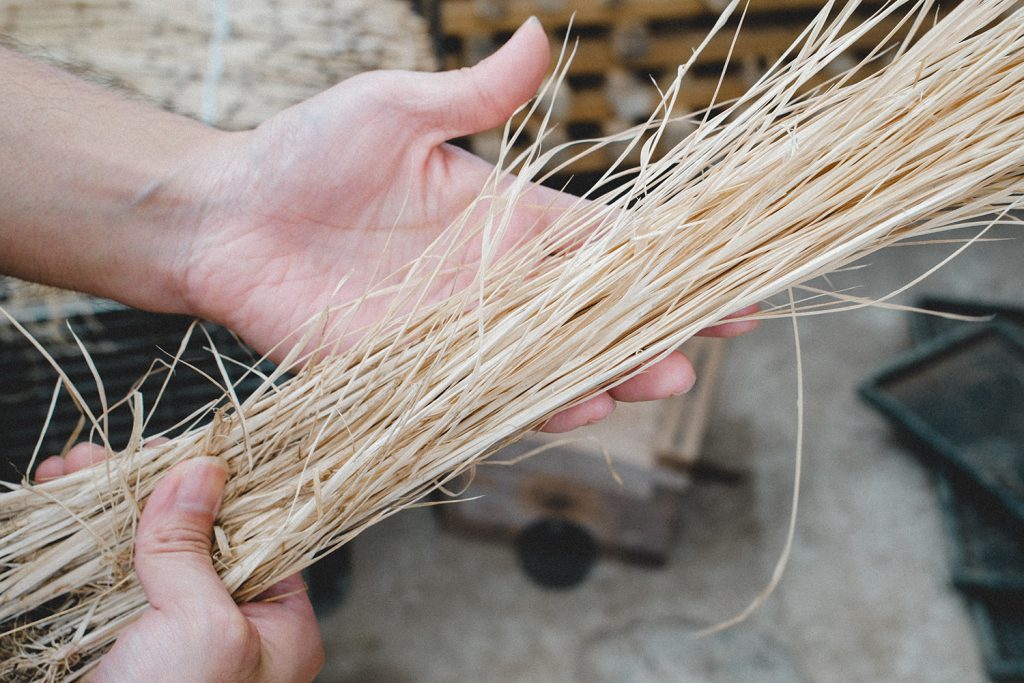
To take on challenges, it’s essential to have a deep understanding of the basics. Dogwood, with a fine grain and light, white color, accounts for 80 percent of the wood used for kokeshi. Naomichi plants the trees himself in the hope of eventually completing all production processes in-house, from supplying the lumber to making his own tools to finishing the kokeshi dolls.
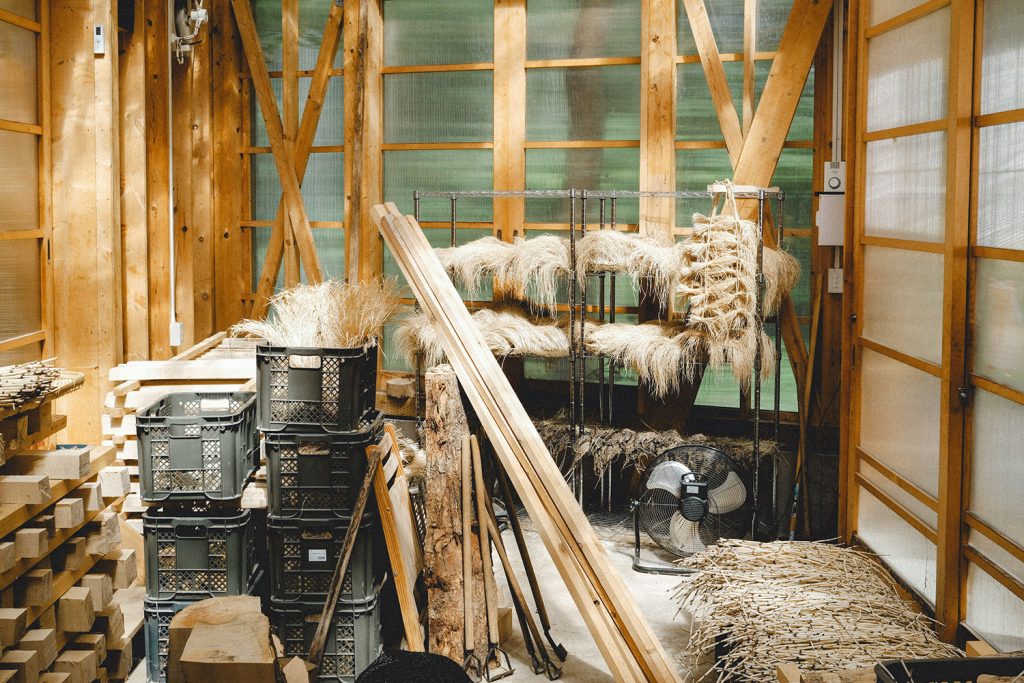
“When it comes to kokeshi dolls, the production process is really primitive,” he says. “First, drying the lumber alone takes eight months to a year and half. Then we use the wood lathe to cut out the shape of the kokeshi, paint the elaborate designs… All of that takes an incredible amount of time and effort.
“I have nothing against machinery or mass production. The doll-making process should evolve with the times too. Still, I don’t want to give up the techniques that have been passed down in our family for generations. I’m still searching for an answer.
“Having said that, the beauty of kokeshi is that no two dolls are the same. My grandfather, my father, and I—we may use the same techniques and make the same types of kokeshi as our ancestors, but the finished product would always be unique to each of us. The environment we’ve lived in, the culture we grew up in, the nature around us—all those elements of the times will show in our work. That’s why instead of fearing change, we think about what we can do to keep the kokeshi culture alive.”
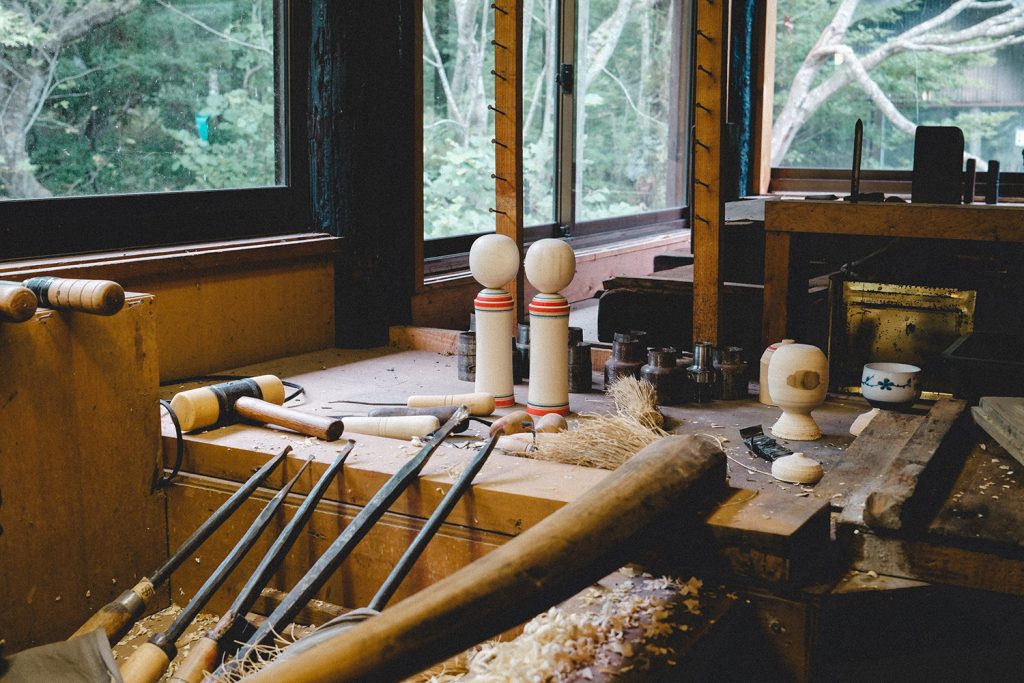
Finally, Naomichi guided me from the shop to the studio, where two kokeshi dolls were waiting to be painted. They seemed to challenge my preconception by blending in perfectly with the interior.
Sakurai Kokeshi
Sakurai Kokeshi comes from a lineage of kijishi woodturners, many of whom have become master carvers of traditional Naruko kokeshi dolls. The business is succeeded by the fifth generation, Akihiro Sakurai, and the sixth, Naomichi, who work to inject modern sensibilities into the kokeshi dolls.
https://sakuraikokeshi.jp/