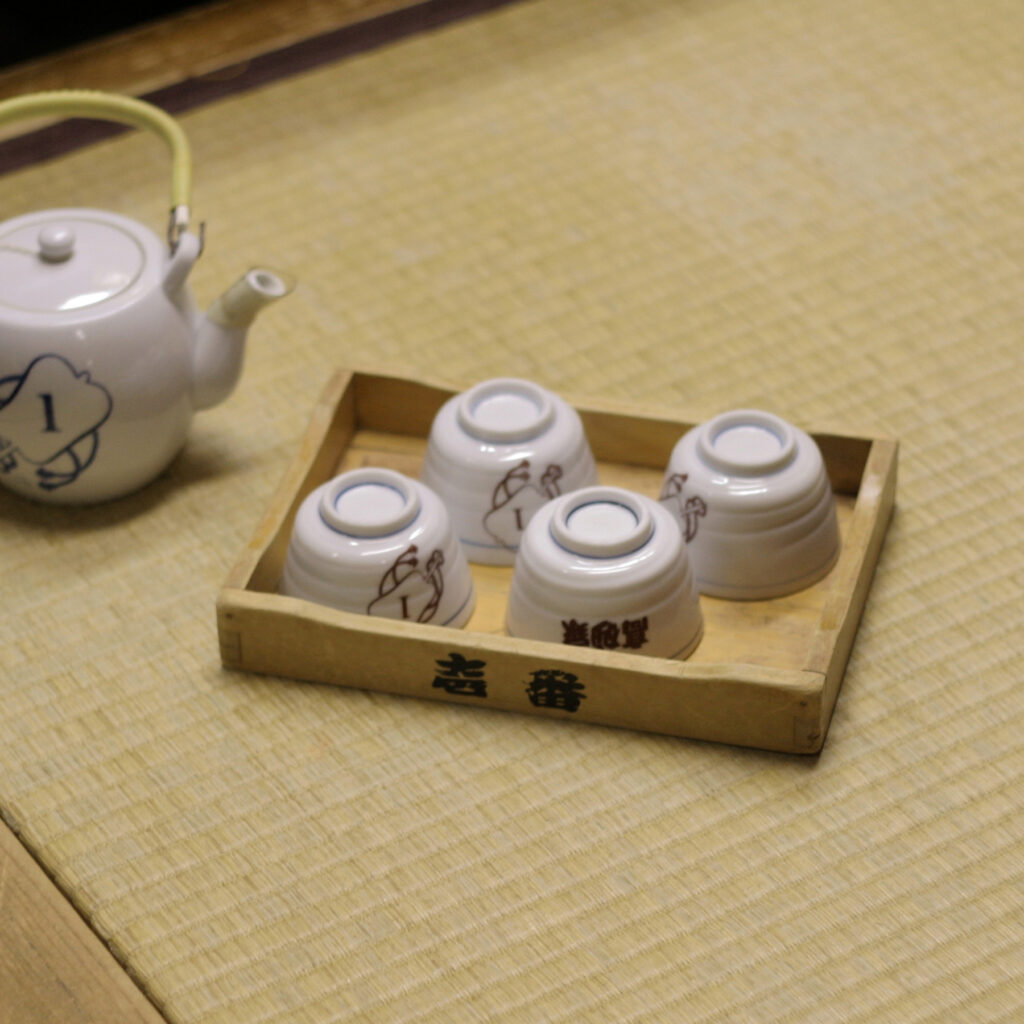
Story 01 | Bento boxes, green tea, sweets and Sumo.
Six in the morning in the old part of Tokyo. The September sun is already hot, beating down on the dirty water of the Sumida river and reflecting off the golden rooftop of the Kokugikan (the Sumo Hall). The streets grow noisy with cicadas, taxis and old people on their morning walk. Rushing between them is Hiroko Ichige on her way to Takasago-ya, the stall she runs inside the Sumo hall. After arriving, she and the 19 other stall operators will have two hours to place zabuton (cushions) on the 6000 seats of the hall before spectators arrive for the tournament at eight.
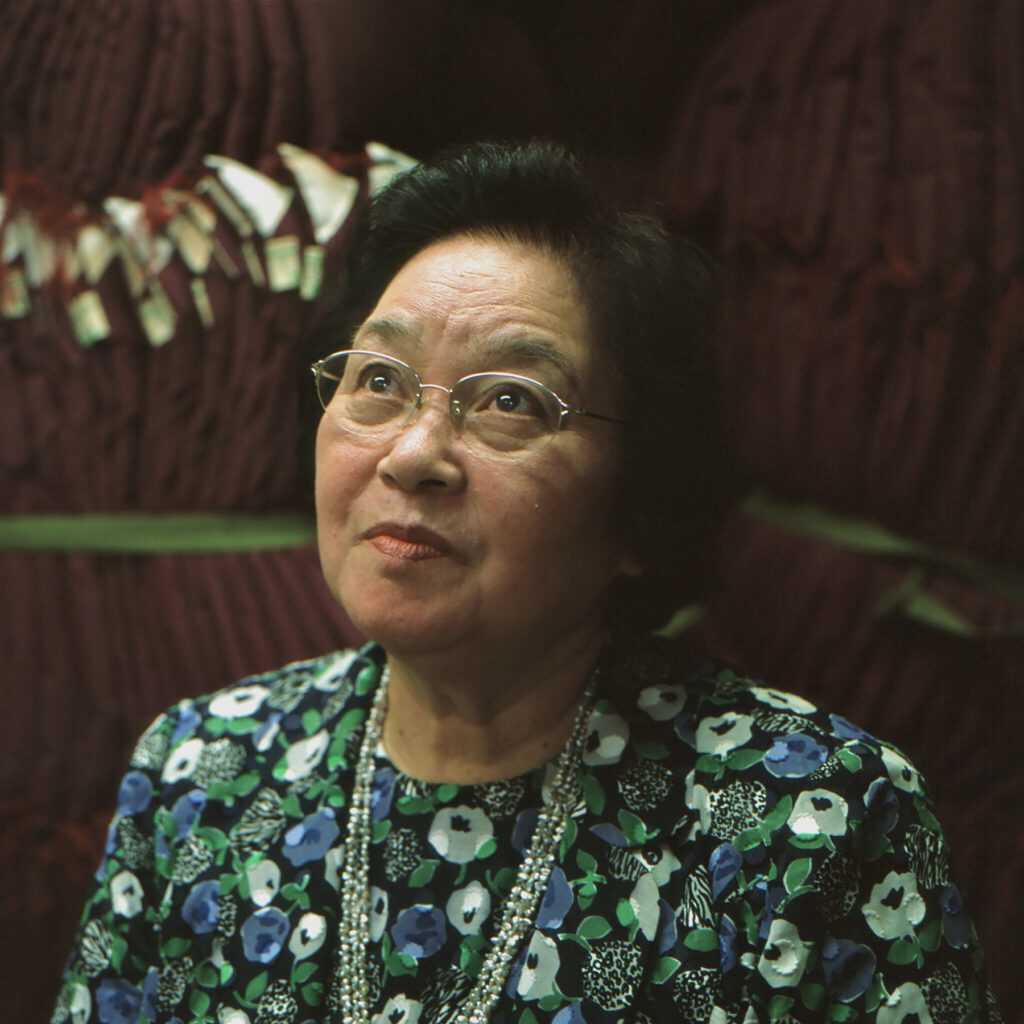
During tournament season she will work for her clients (business men, sumo fans, families) for almost 12 hours a day – guiding them to their seats, providing them with bento boxes, snacks and tea – like a concierge, or butler. But often the job is a little more complicated than that. “I started working at Takasago-ya in Showa 42 (1967), I assisted my mother, but she passed away last year, at 97 years old, so now i’m the boss.” Hiroko leads us through the front doors of the Sumo Hall, through the kiosk entrance of Takasago-ya (filled to bursting with zabuton) and into her kitchen where the food and tea are prepared. The current Sumo Hall opened in 1985, but Takasago-ya – as a service for Sumo spectators – began nearly one hundred years earlier, in 1899. It became a needed service as Sumo events began to become more organised. Folklore puts the first Sumo match at around 29 BC, at some point after that wrestling went from a spectacle at religious festivals in Japanese villages, to a highly ritualised tradition, closely connected with Shinto and Japanese culture.
Although Japan has hundreds of unique traditions, Sumo is one of the few which are seen to embody the Japanese spirit and culture in the modern world. Hiroko’s role in that tradition is to connect spectators with the experience of the matches. Some of her first memories of her job were in the turbulent years following World War II when Sumo Halls were either closed or occupied by the army. Events had to be held in makeshift tents around Tokyo but customers were scattered all over city and had no way of knowing when and where matches were held. “It was our job to find the customers at their home or office and let them know where the matches were being held.” Hiroko thinks about 30% of her current customers are the descendants of families from that time.
“My clients used to be mostly wealthy businessmen,” who came to curry favour with colleagues, “but now people come to really watch the matches,” she says. For her, Sumo is going through a kind of renaissance at the moment (despite the fact that most wrestlers are not Japanese), but regardless of the current changes, her work has remained the same, “my work is still about building relationships with clients, relationships which carry over to the next match, or tournament, or onto the next generation.”
< PAPERSKY no.43(2013)>