







A FARM WITH A MISSION
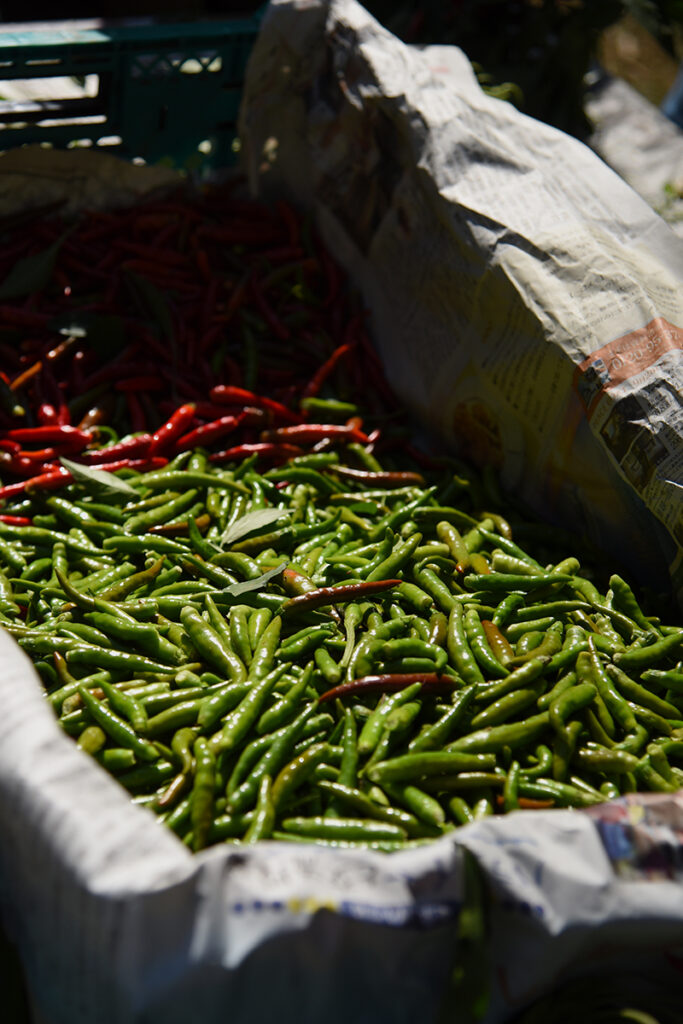
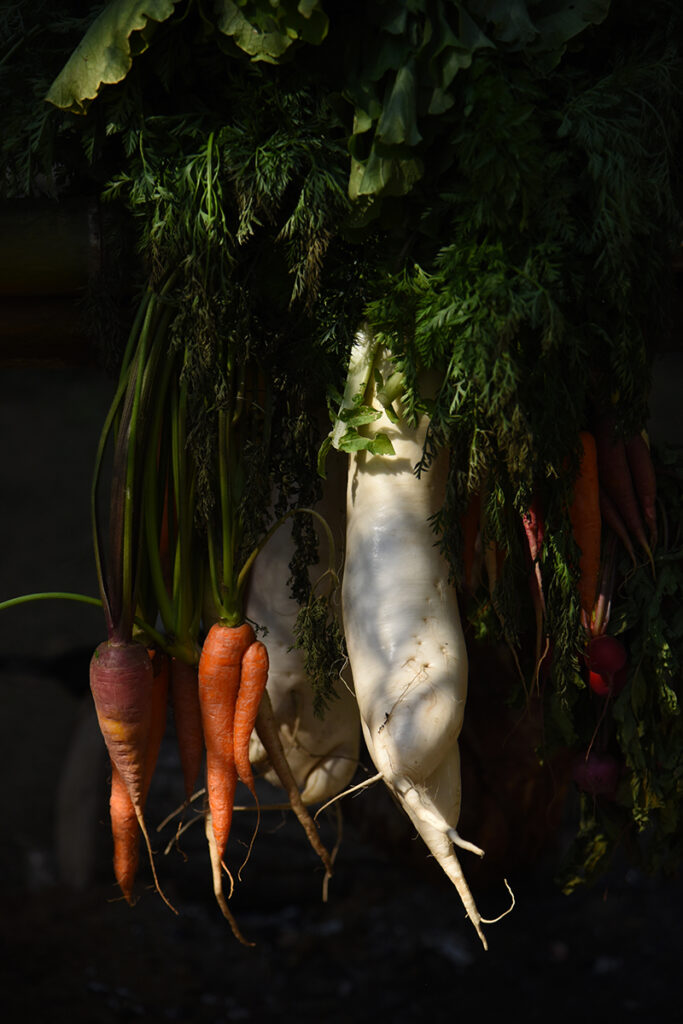
In the outskirts of the greater Tokyo lies a beautiful embodiment of hard work, passion and the best results of respectful collaboration with the nature. Located in its namesake city, Ome Farm grows organic high-quality vegetables loved by home chefs and professionals alike.
From high fashion to nature
10 years ago, Futoshi Ota and his wife started really to question the meaning of nutrition and the often-poor quality of our ingredients when their daughter was born with cretinism. Wanting to give better opportunities for her to heal, the family was up for a big life change.
The couple decided to leave the fast-paced metropolis and fashion industry careers behind and start an organic farm – growing vegetables without any pesticides or chemicals using only heirloom seeds.
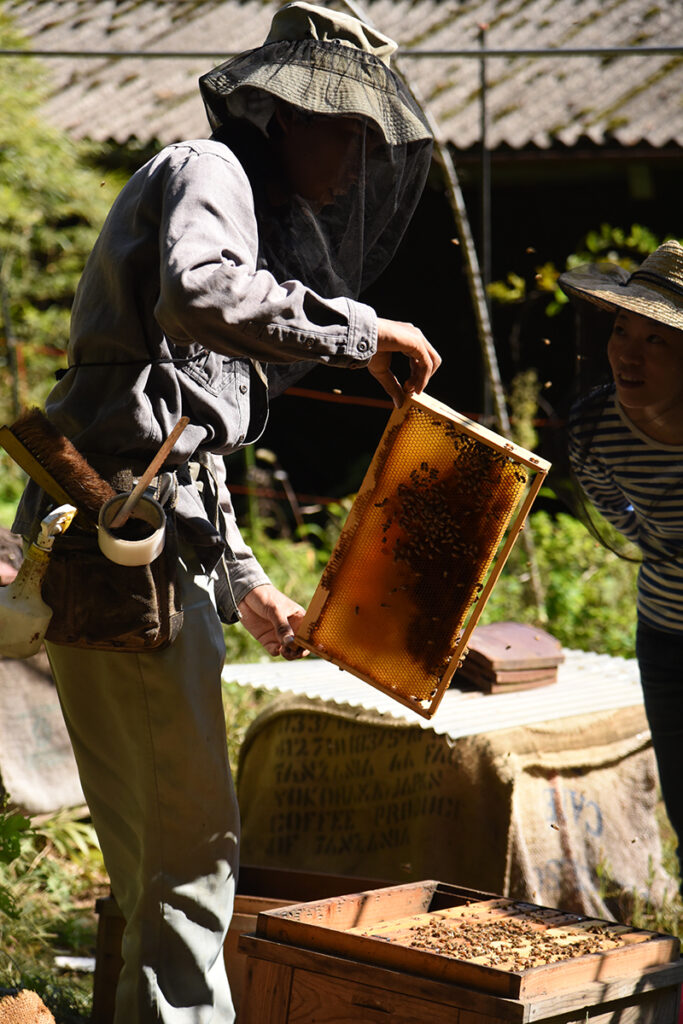
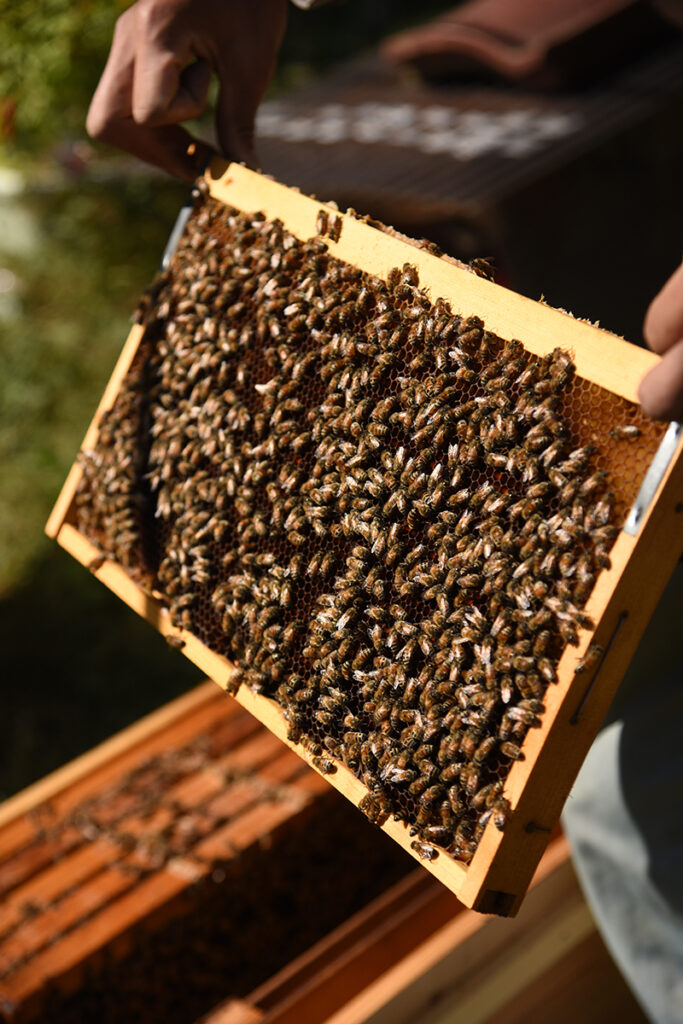
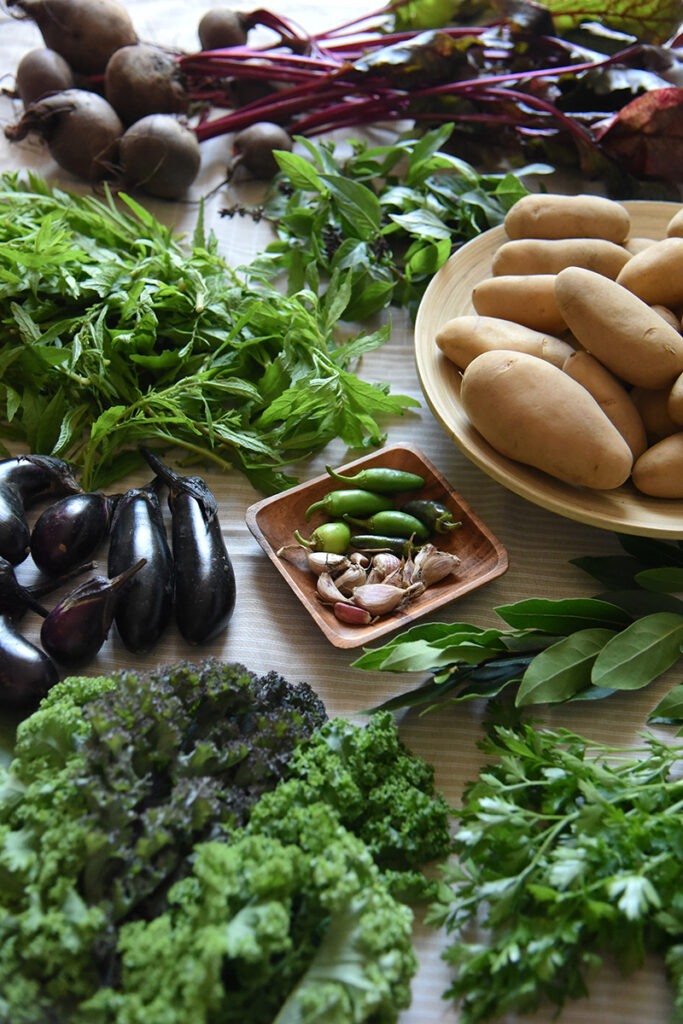
Now, in addition to both Tokyo area heirloom “Edo-yasai” vegetables and selected other Japanese and Western varieties, Ome Farm also produces high-quality raw honey and has a strong CSA (Community Supported Agriculture) program – while also delivering produce to around 80 top restaurants around Tokyo.
Learning on the job
Getting Ome Farm started was not the easiest feat. Ota-san had secured financial resources and found the right people to help him, but the trouble arose with neighbors and other farmers conducting their business with a different philosophy. Organic farming and strict heirloom seed use was not common in Japan at the time and against the interests of the powerful central organization in the industry.
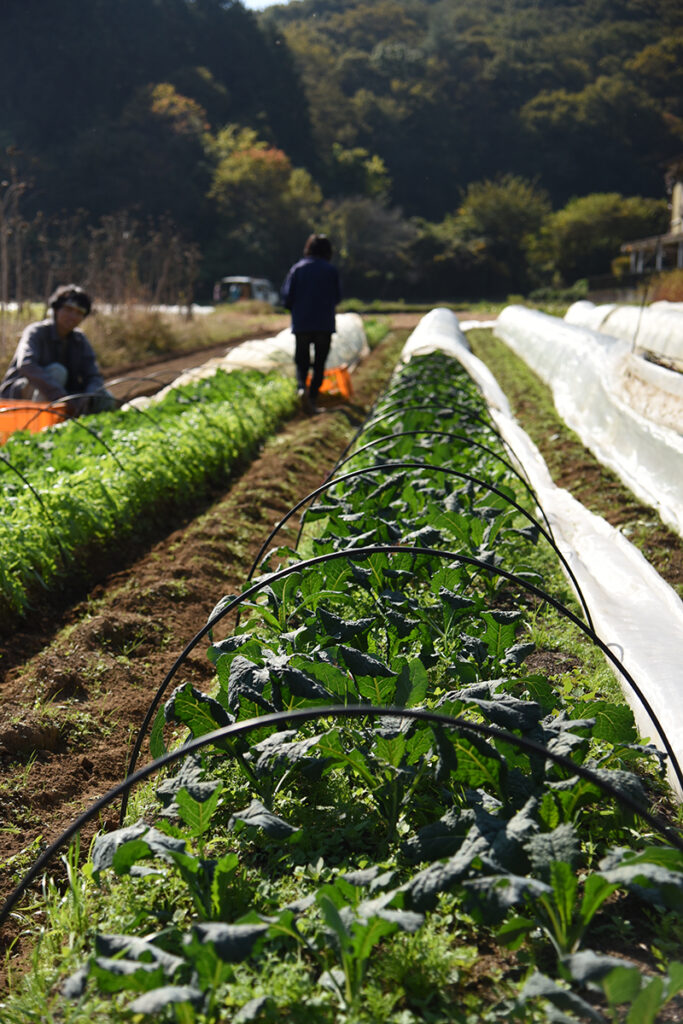
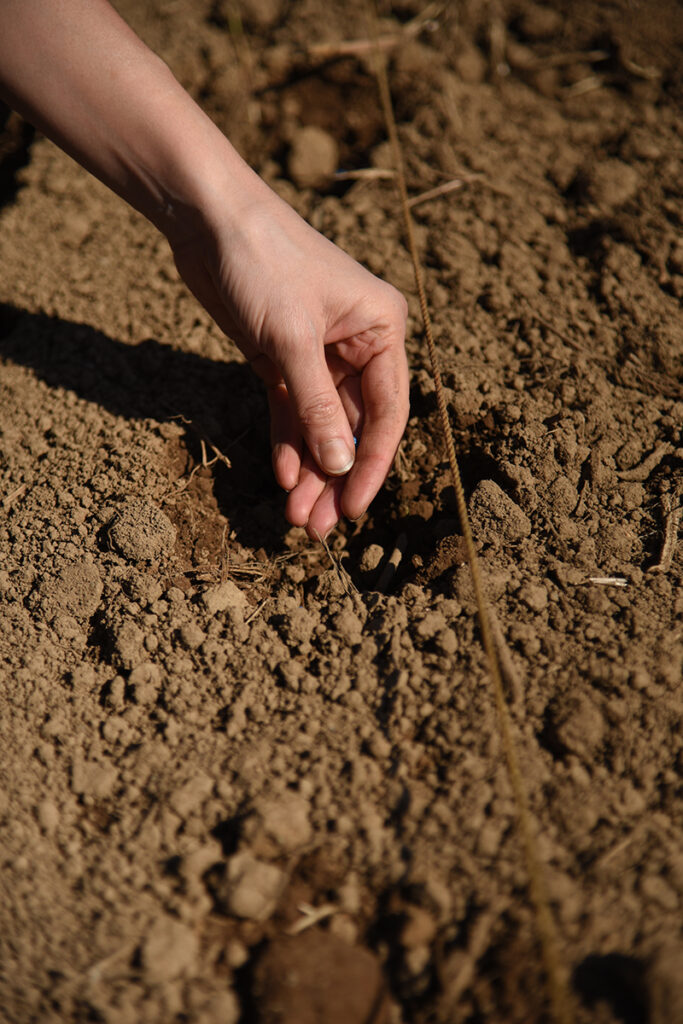
“The beginning was a lot of negotiating with everyone – exhausting but very necessary for us to get our standing in the community of Ome and in the community of the farmers in the area”, Futoshi tells.
With determination and time Ome Farm won their place and trust in the community.
“The first few years were not easy, but we got forward by learning by doing, both the farming as well as the admin and financial side.”
Organic resilience
Even after 10 years in the industry, Ome Farm is still among a small group of organic farms. A considerable minority, Japan is lacking behind others such as Australia, where almost 15% of all agricultural land is organic (in Japan it’s 0.3%). Ota san believes this is partially due to the heavy influence of the ruling top organization (part of their business is pesticides) as well as lack of governmental level push and lead.
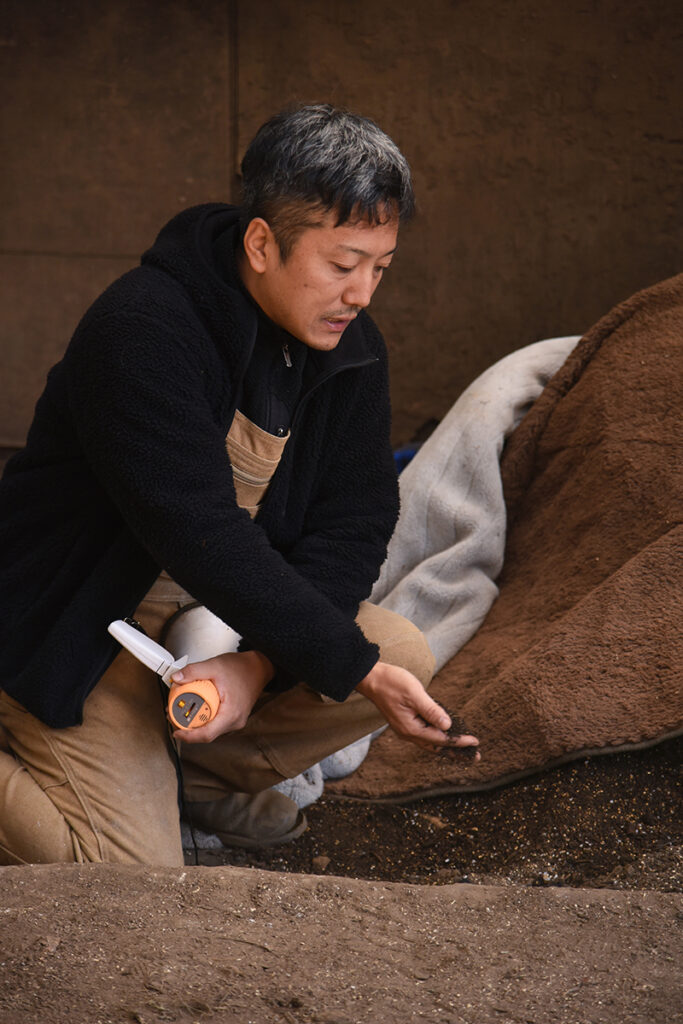
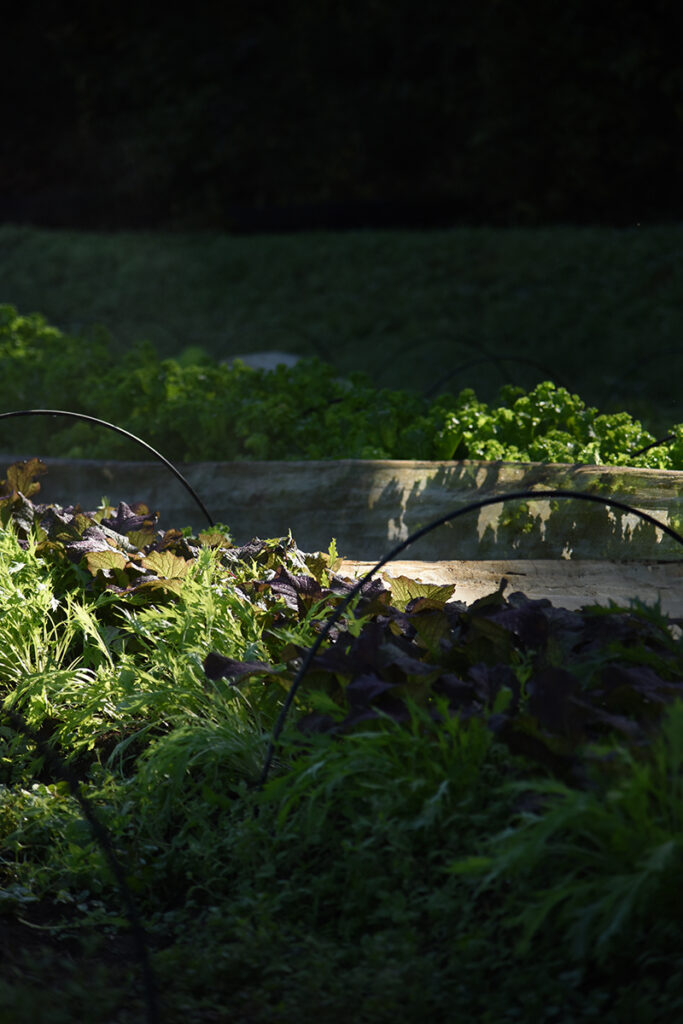
In a world of highly tuned efficiency, one might think that growing old heirloom seeds would be more difficult. But Ome Farm has witnessed different at first hand. “In the record heats of the last years, our vegetables endured well, whereas we heard many farms with vegetables from programmed hybrid seeds being in big trouble”, tells Futoshi.
The Farmer and the Community
In addition to his devotion to grow the most clean and delicious vegetables, Ota san has brought the same passion into building the community around Ome Farm. They are now supported by close to 150 CSA members. A great deal for both sides, the members pay a sum in the beginning of the year to receive ten monthly boxes of whatever is best in season and growing at the time, straight from the farm as fresh as can be and without any middlemen.
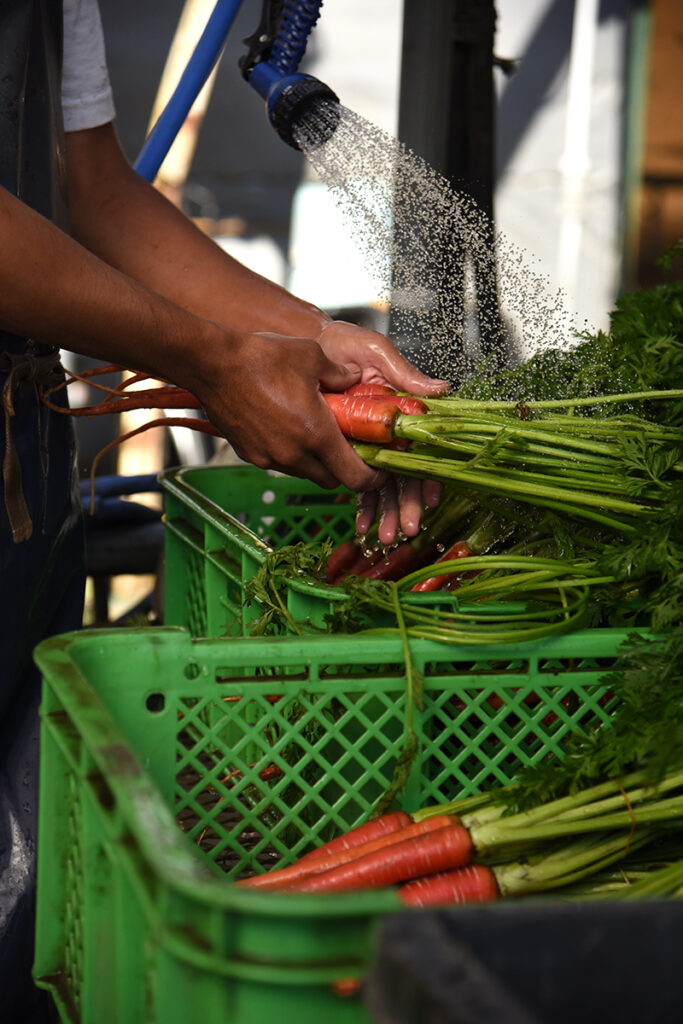
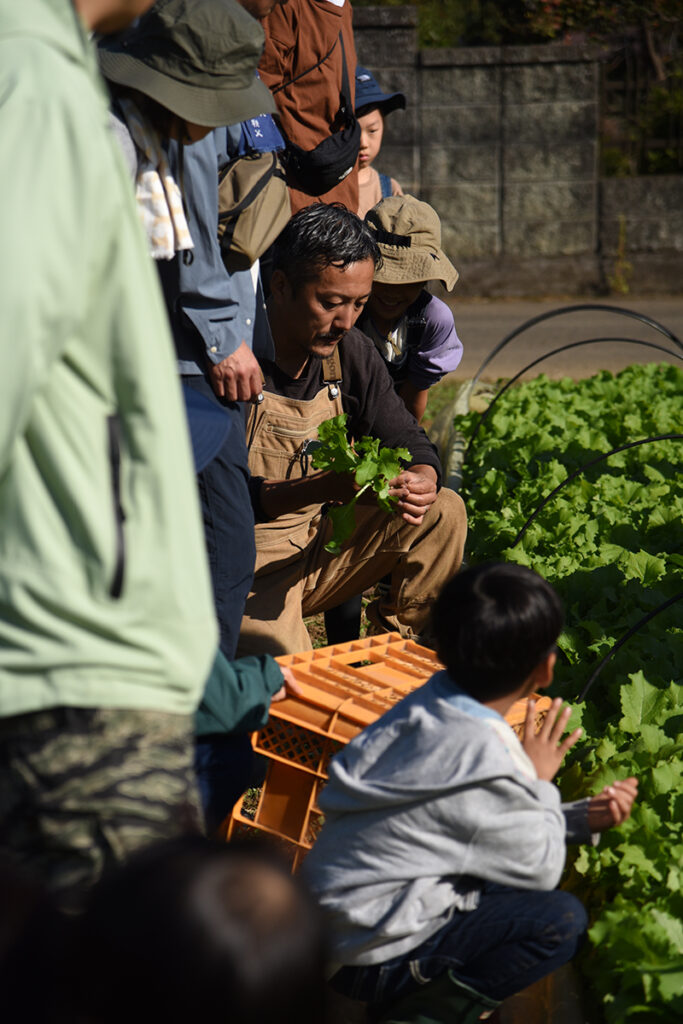
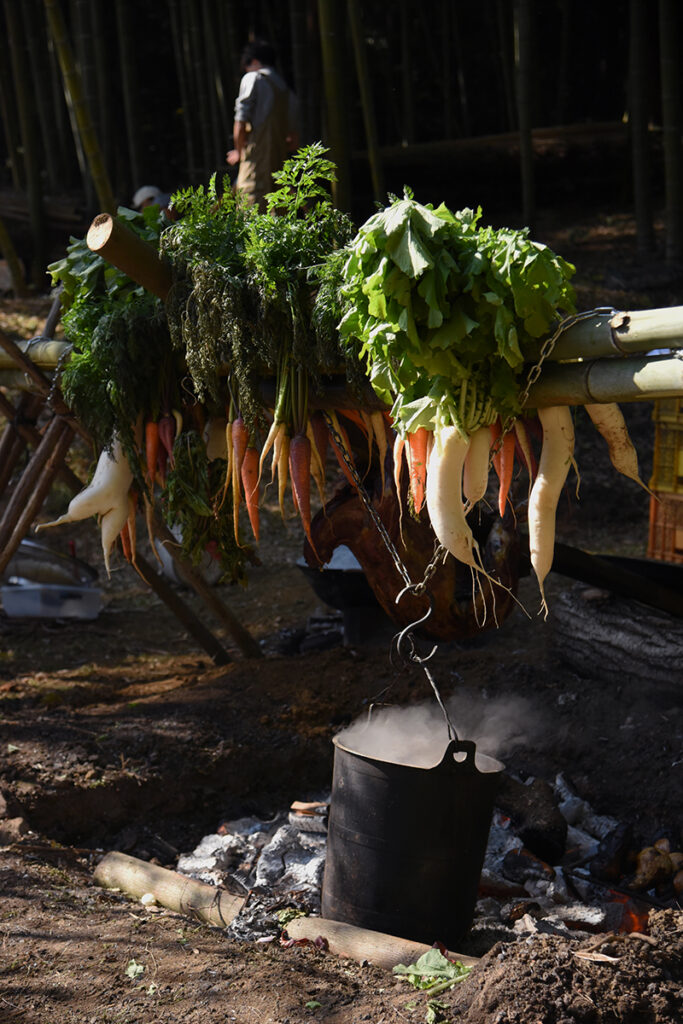
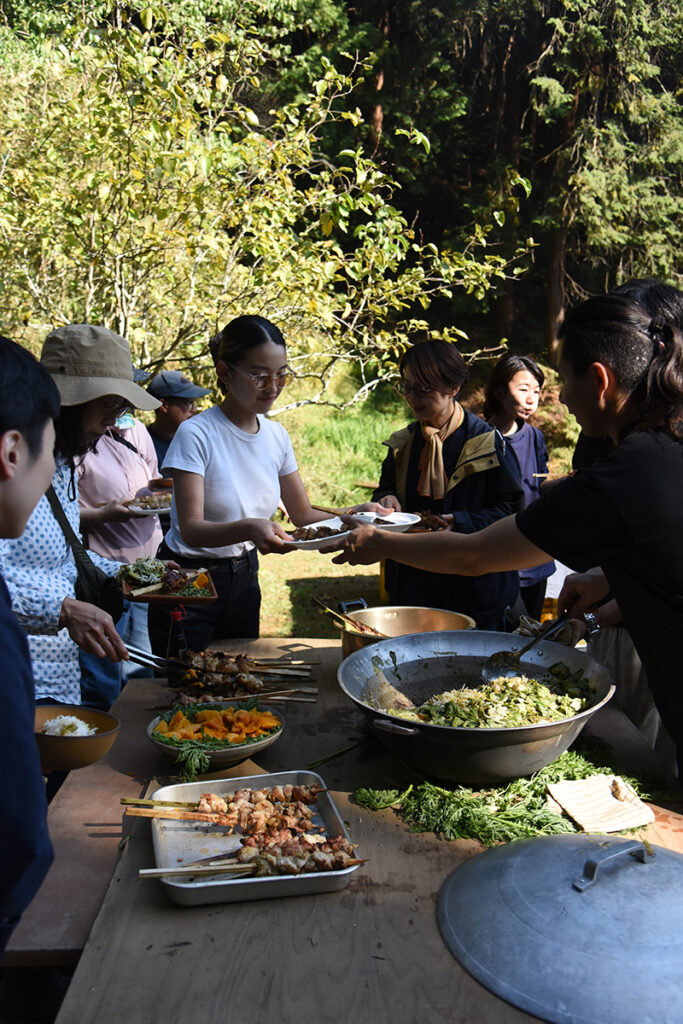
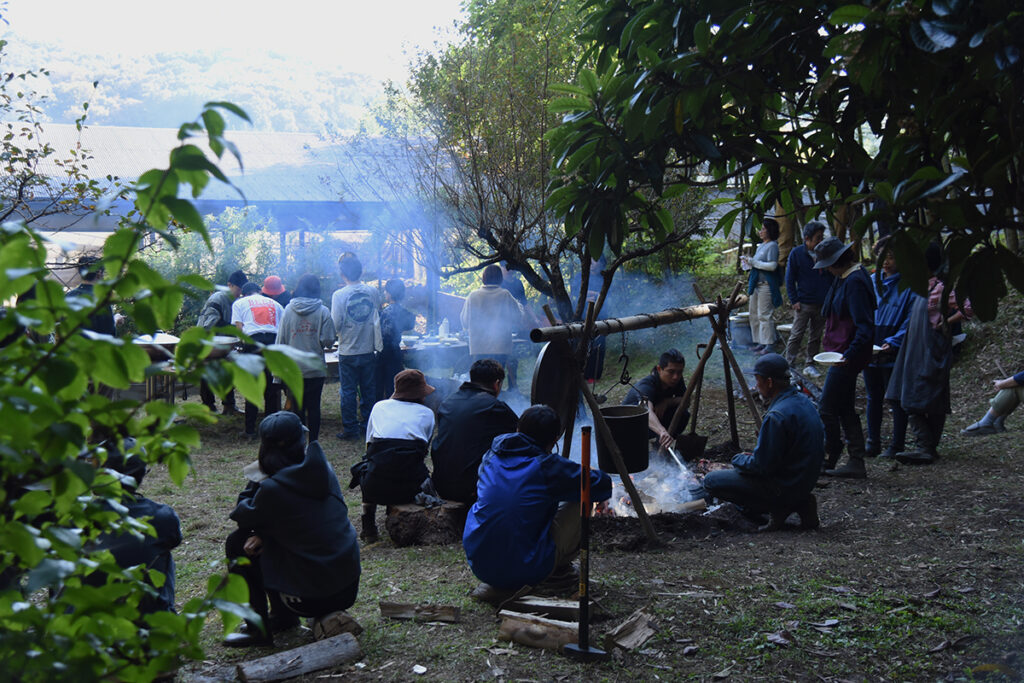
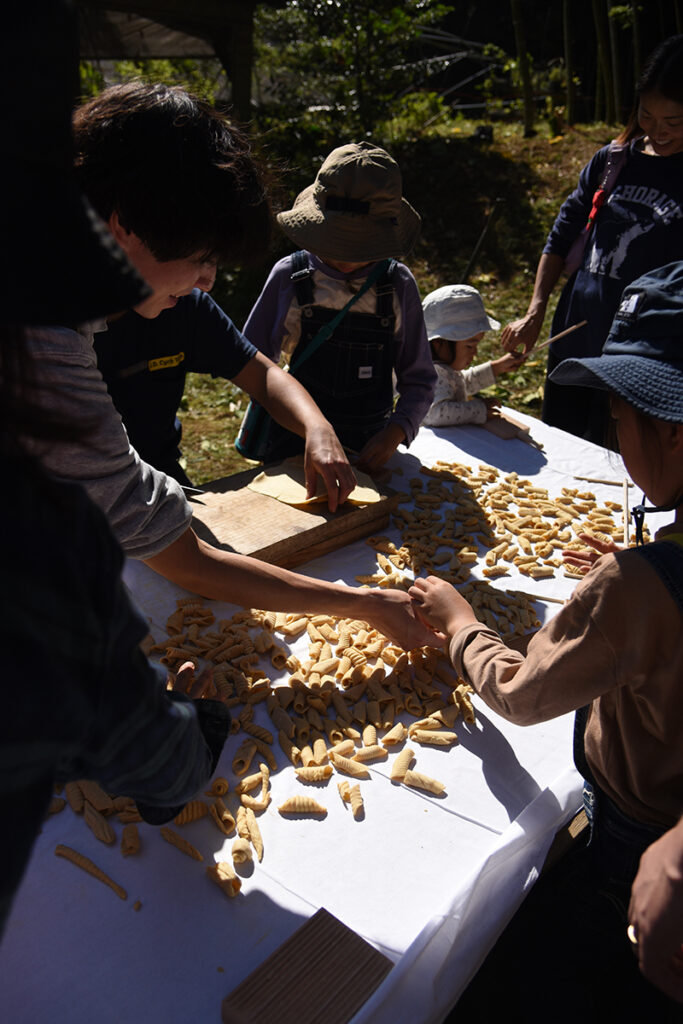
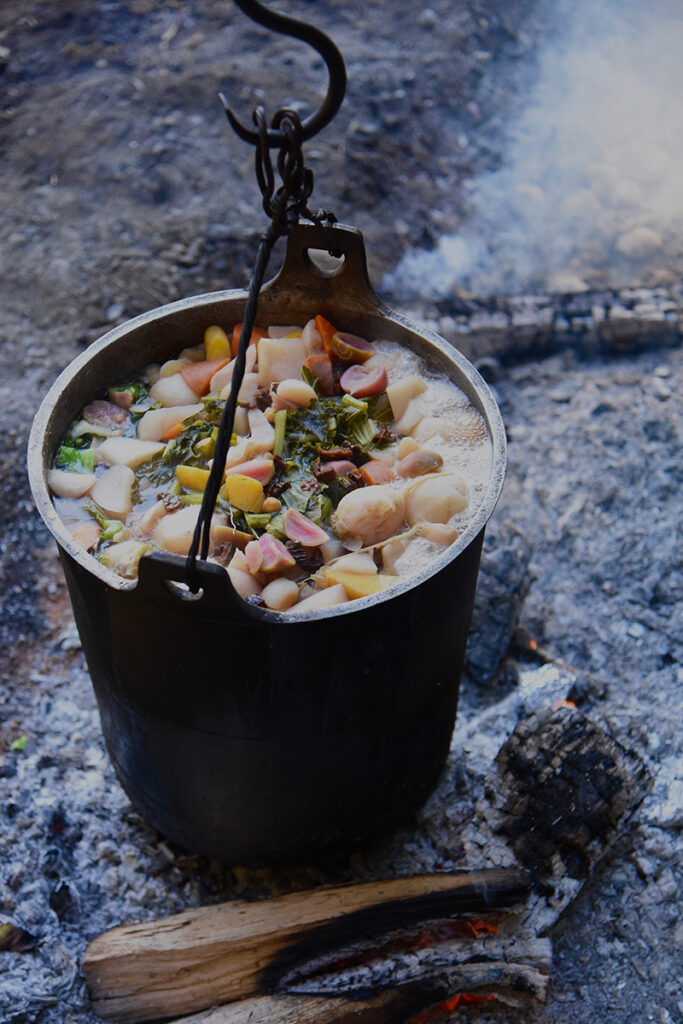
Ota san cultivates the community beyond just sending the produce. He organizes different kinds of events and gatherings throughout the year for the members, usually consisting of some farm work followed by a beautiful feast. The community has evolved to know each other well, many also making lifelong friends from the group of likeminded people. A beautiful burgeoning organism in itself.
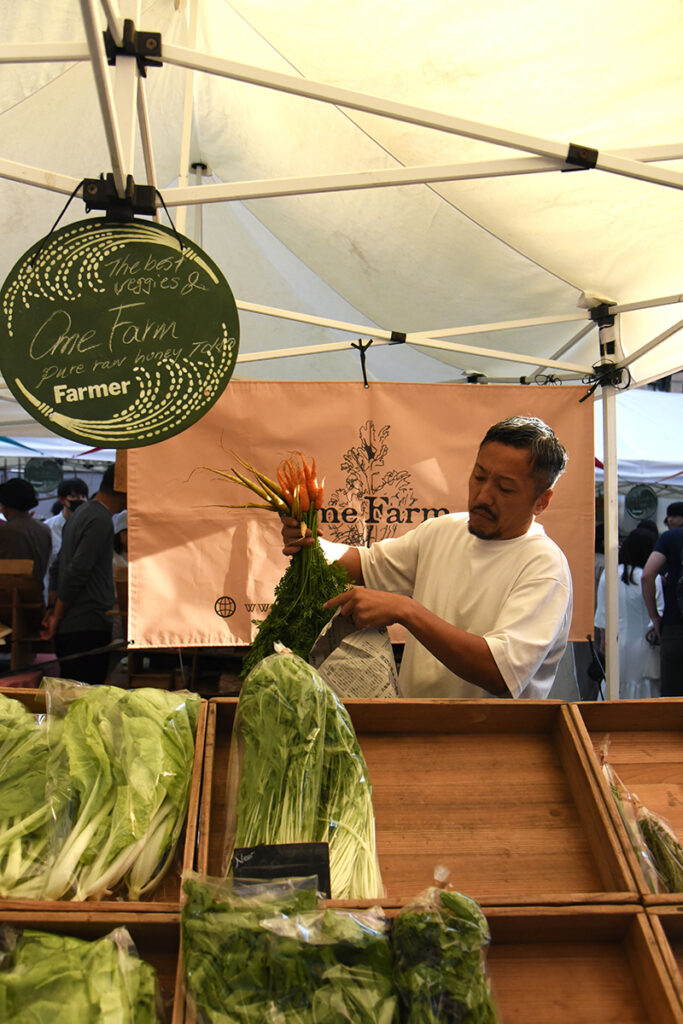
Many of the CSA members and chefs of restaurants using Ome Farm vegetables also come to meet Futoshi at the Tokyo UNU Farmers Market, where he drives every weekend to offer their vegetables and honey to even a wider audience.
Meeting your idols
The Ome Farm community keeps evolving with other farmers and producers, hunters and even top athletes – in Japan and also internationally.
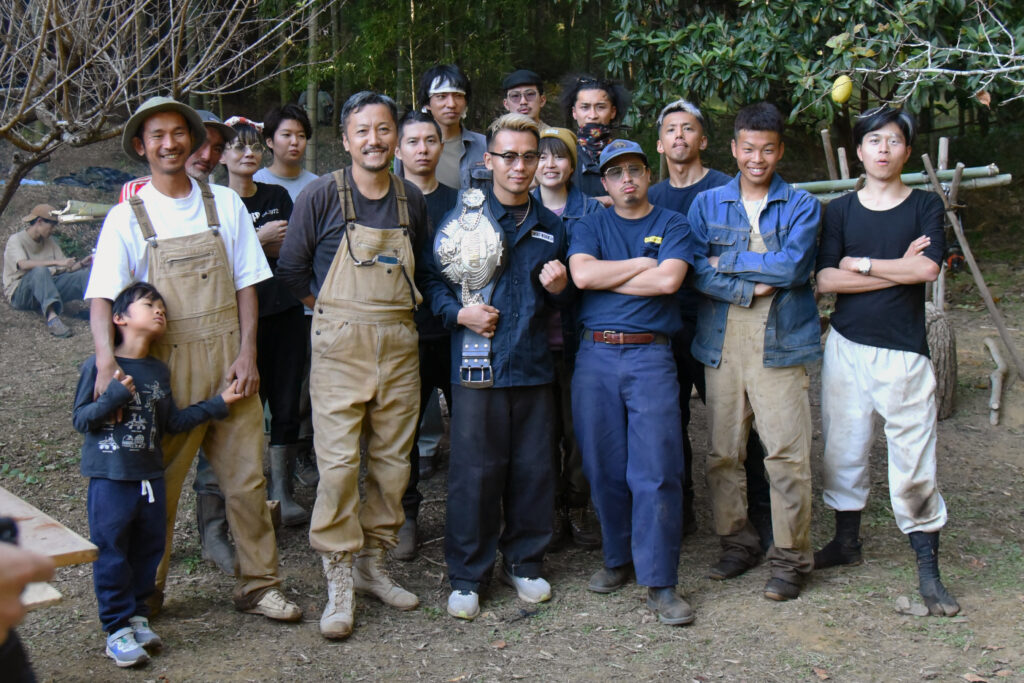
Some of them being also Ota san’s idols and inspirations – like the mother of Farm to table cuisine Alice Waters of California restaurant and institution Chez Panisse. Futoshi and his team visited Chez Panisse in the early days of Ome Farm for learning and inspiration, leading to a close relationship with Panisse alumni Jerome Waag who later came to open restaurant Blind Donkey in Tokyo as well as to mentor Futoshi and his team.
Even Alice Waters herself visited Japan earlier this year, being moved to tears trying Ome Farm’s vegetables. “That meant so much to us – a testament for us that we are doing the right things and succeeding”, Futoshi shares emotional.
Food is magic
When posed with the question of where he sees Ome Farm going in the future, Futoshi responds without hesitation. “I want people who are in touch with Ome Farm to be happy, that is our purpose.”
“Food is magic – it connects and brings people together – and if I can be an element in that – that’s all I need. And to grow the best, pure vegetables of course”, he concludes with a smile.
You can catch Ome Farm at the Tokyo Aoyama UNU Farmer’s Market every weekend
(please check SNS for schedules and details)
https://farmersmarkets.jp/
Ome Farm Kitchen is located in Kanda and serves vegetable-based lunch and dinner with changing seasonal specialties
https://www.instagram.com/omefarmkitchen/
New CSA member recruitment happens at the end of the year, please follow Ome Farm instagram for details
https://www.omefarm.jp/
https://www.instagram.com/omefarm