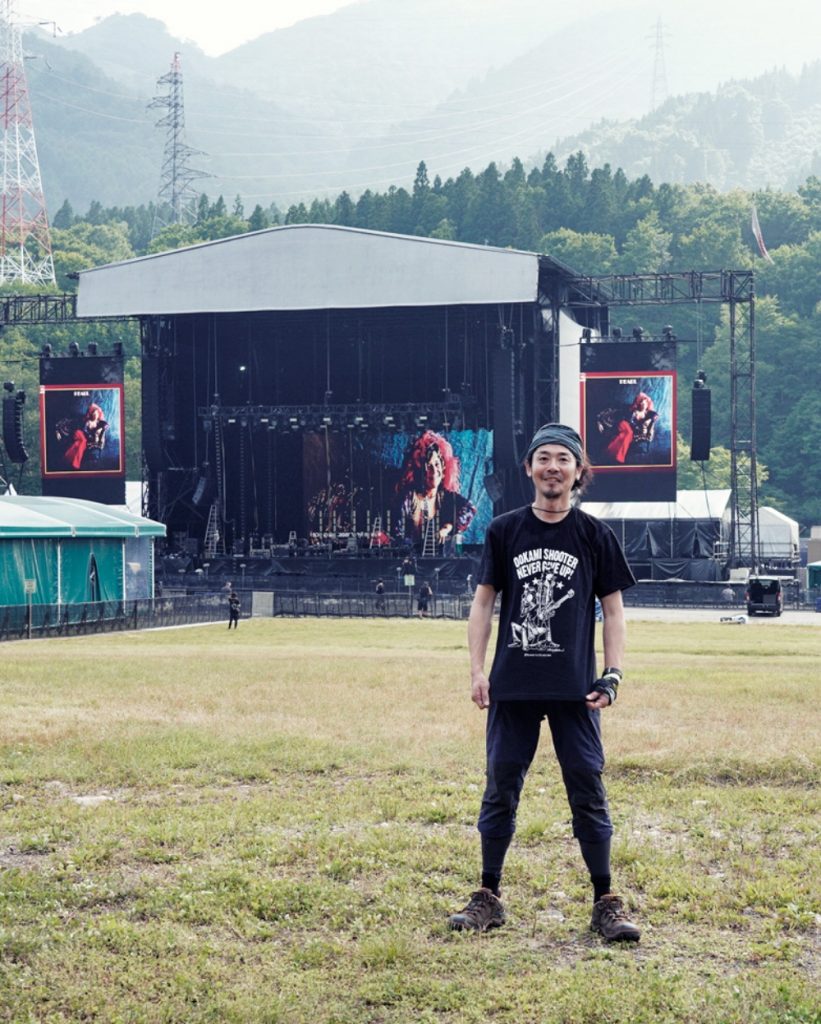
― Tell us about the area you live in now.
I live in the village of Nishihara in Aso District, Kumamoto Prefecture. Located on the southern side of the outer rim of the Aso caldera, the high elevation offers a sweeping view of the sky. At night it’s so quiet and beautiful that you almost expect the stars to come falling from the heavens. The mountains changing color from sunrise to sunset, the mist drifting through the valley, the breeze caressing the fields—every day is a new discovery of the rich expressions of nature.
Kumamoto is known as both a land of fire and a land of water. Lying at the foot of the enormous Aso Volcano, it’s susceptible to eruption, earthquake, flooding, and the ravages of nature. But the abundant water resources and fertile earth are also a great blessing. The presence of both elements, fire and water, really strengthens the sense of living with the force of nature.
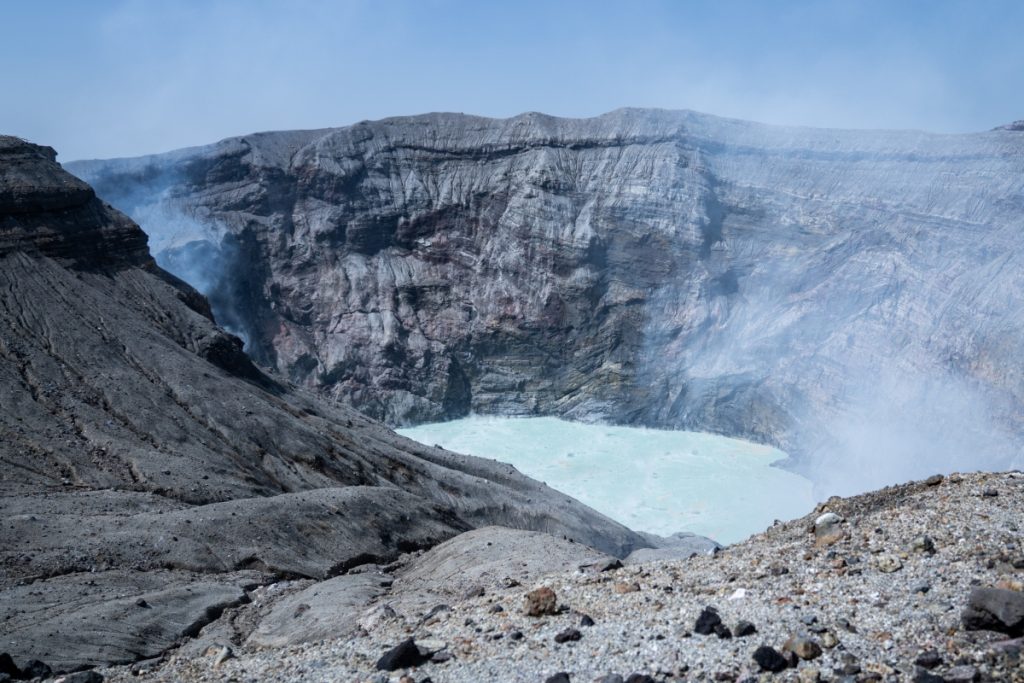
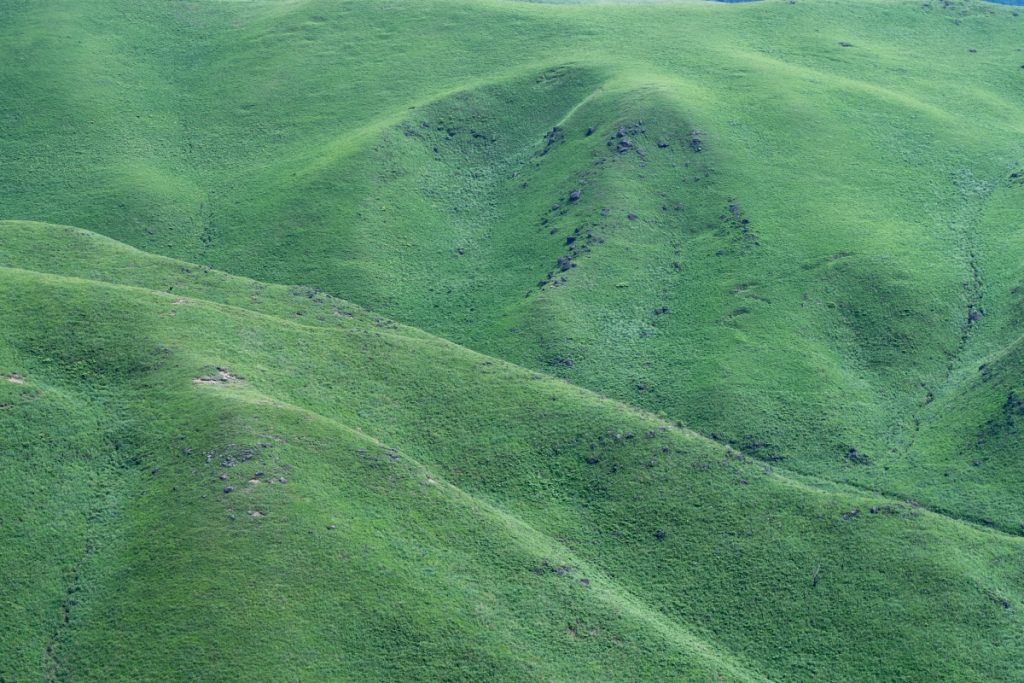
In Aso, there is just the right sense of distance between people and nature, a comfortable rhythm in the local lifestyle. When I lived in Tokyo, I always felt pressed for time. But here, I can spend each day appreciating the color of the sky. Being here keeps me in balance—as a photographer and as a person.
― What was it like where you grew up?
was born and raised in Iwatsuki City, Saitama Prefecture (currently Iwatsuki-ku, Saitama City). The area is quite urbanized now, but when I was little, it was a bucolic place with fields and paddies and streams and creeks. After school, I would take my net and play in the water and chase the insects along the footpaths between the fields. That was how I played and learned at the same time.
The feel of the unpaved paths beneath my bare feet, the smell of the grass, the dazzling summer sun—those fragments of memories still come back to me when I’m taking pictures. I think the landscape of my childhood has stayed with me and become the base of my eye for photography.
― What made you move to the Aso area?
I was living in Kanagawa Prefecture up to the Great East Japan Earthquake in 2011. On the day the tremors struck, the trains went out of service, stocks vanished from the supermarkets and convenience stores, and anxiety and confusion swept the city dwellers. The city system I lived in was so unstable and vulnerable to disaster. Seeing that with my own eyes made me wonder if I wanted to go on living there.
From then on, my desire grew stronger to live closer to nature and tune in to my inner voice. That was when I had the chance to travel to Aso. I fell in love and came back several times before deciding I wanted to live here.


— In the course of your daily life, what do you feel is special about this place?
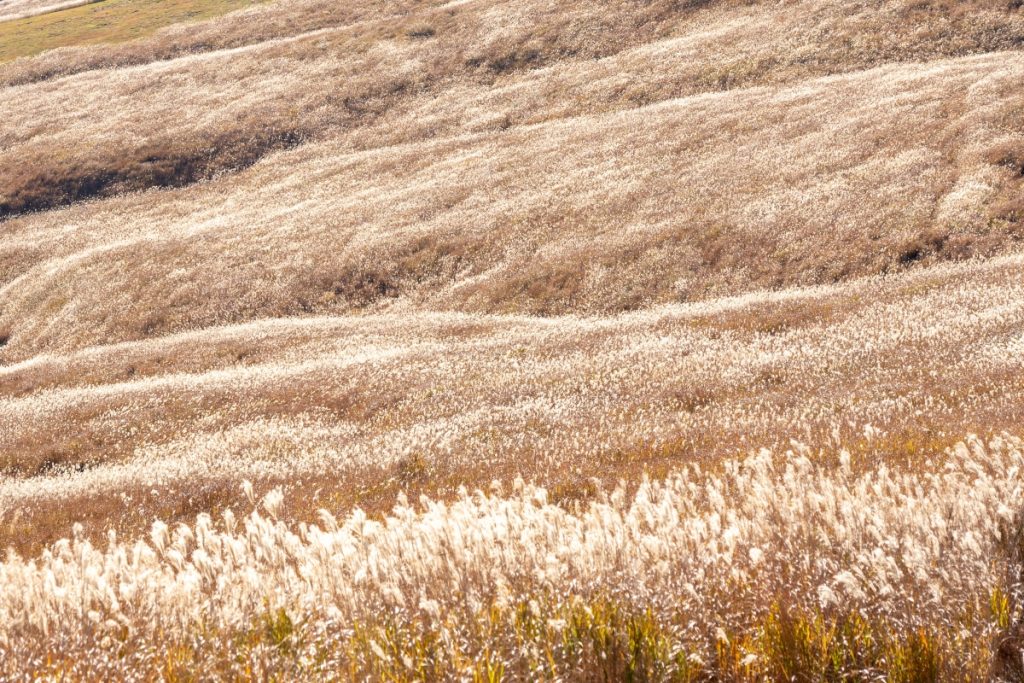
Living in Aso, every day I feel the richness of the nature and the joy of living a mindful life in this environment. There are four distinct seasons and tiny changes in the expressions of nature from day to day—the sound of the wind, the smell of the soil, the song of the birds, and the color of the sunset
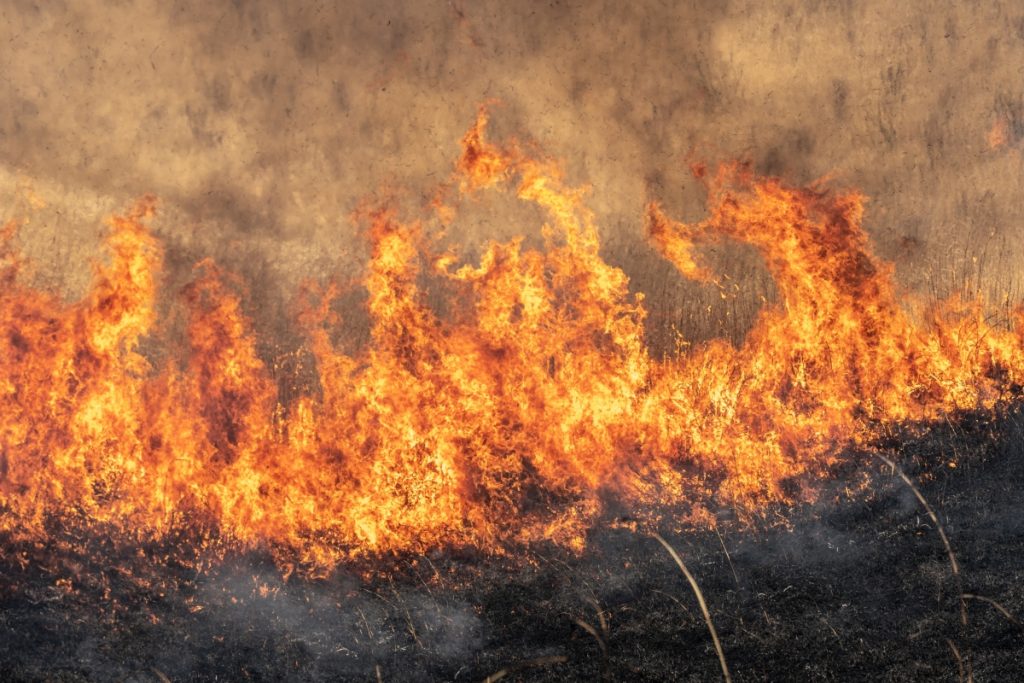
The people of Aso practice a traditional controlled burning called noyaki. In the early spring, local volunteers set fire to the mountain surface to preserve the grassland. I take part in the event every year too. The tension of working with fire and the coordinated efforts of the people to maintain and take care of the nature always give me a fresh lesson in “living.”

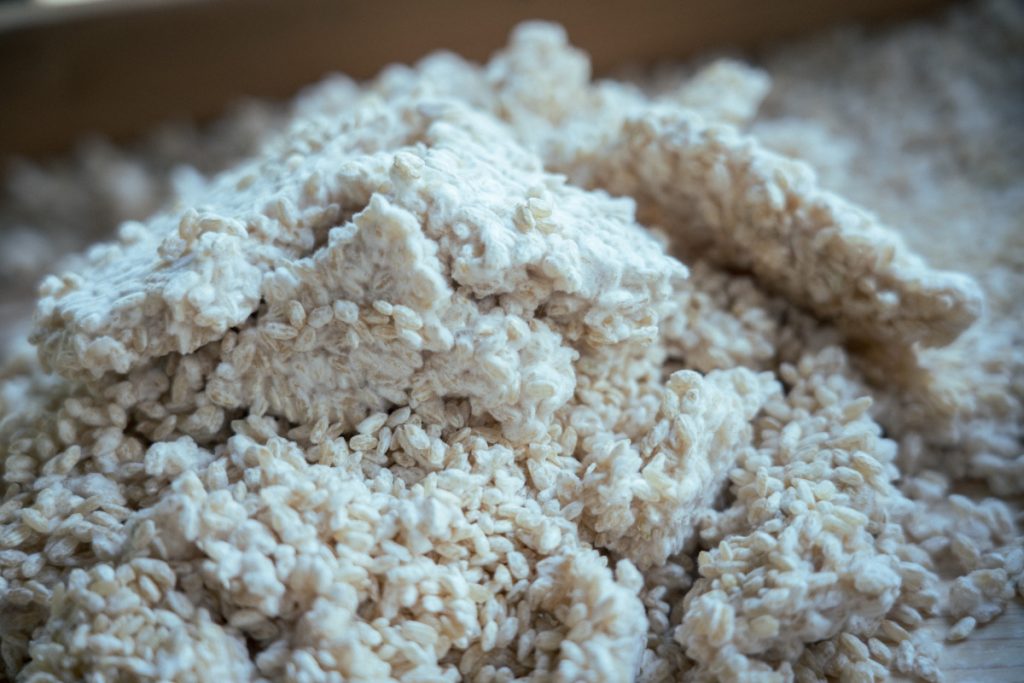
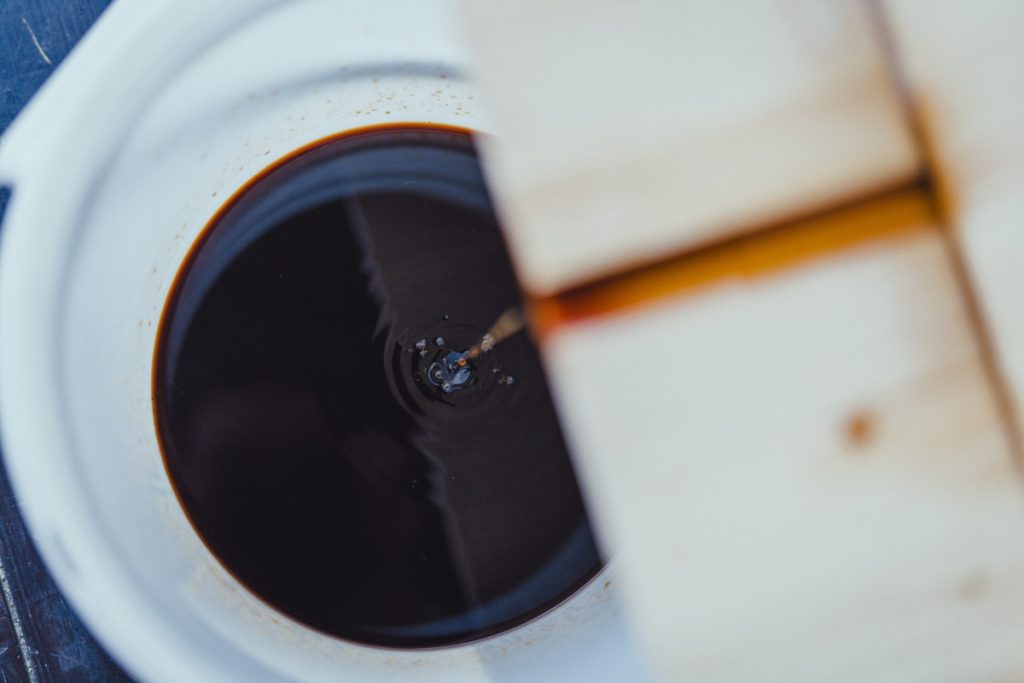
I do my best to lead a self-sufficient lifestyle. For example, I manage my own fields and paddies, grow my own seasonal vegetables, and make my own miso and soy sauce. The delicious water and air, and the hot springs nearby really help to keep my mind and body in balance.
I enjoy the old-fashioned and friendly relationship with the neighbors too. We say hello, make small talk, and share each other’s vegetables. My daily experiences naturally come through in my photographs.
― What type of photography do you normally work in?
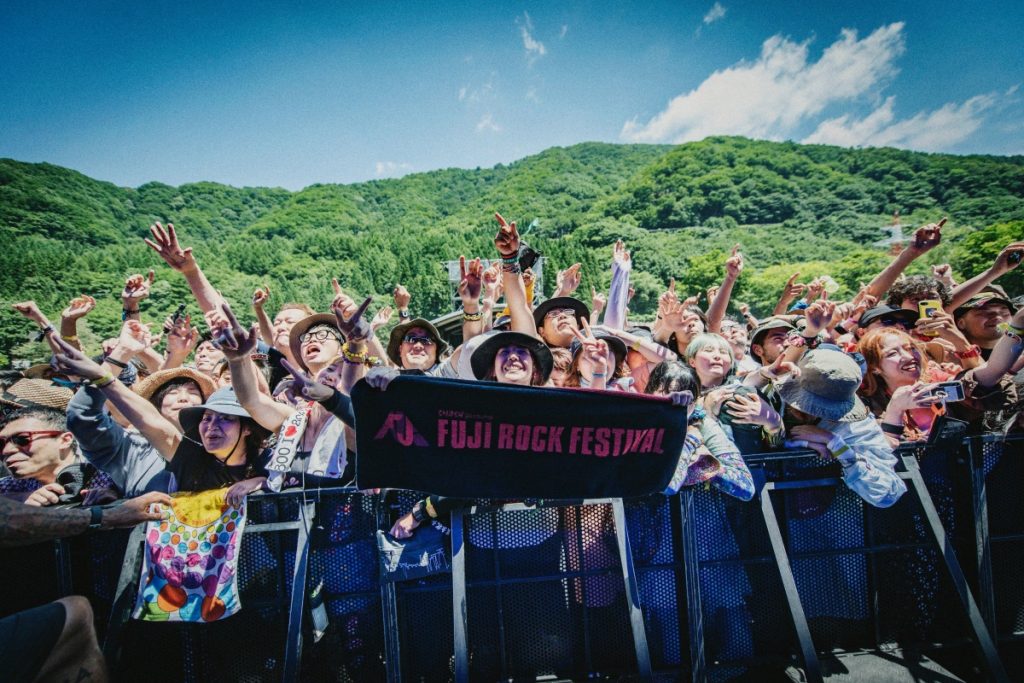
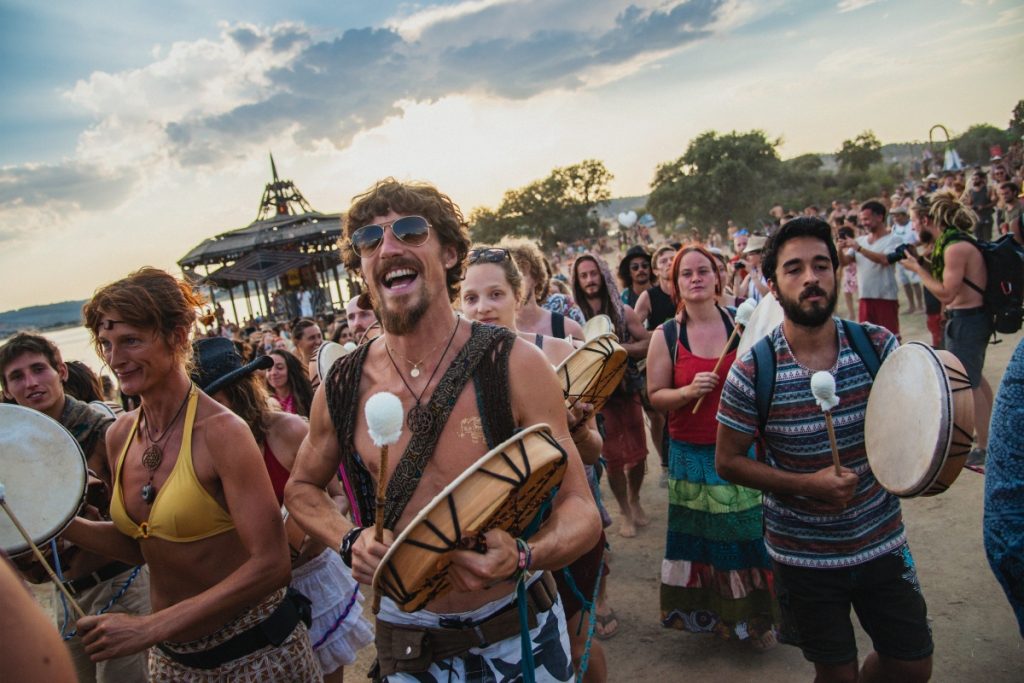
I work mainly at music festivals. But I don’t photograph the musicians on stage. My specialty is the audience, the atmosphere, the flow of time—in short, capturing the music festival experience on camera.
I then contribute my photographs for editorials and online media, and provide them to the event organizers for archival and promotion material. I also work in photography for local projects, brand advertisements, and a variety of other genres, always with a focus on capturing the atmosphere.
― Do you have any other projects that you call your life’s work?
Apart from music festival photography, my life’s work is photographing the activities of CliniClowns. The specially trained clowns visit sick or disabled children in hospitals, and play with them to bring out their smiles. For over 10 years, I have been recording those magical moments when the kids forget they are sick and become kids again.
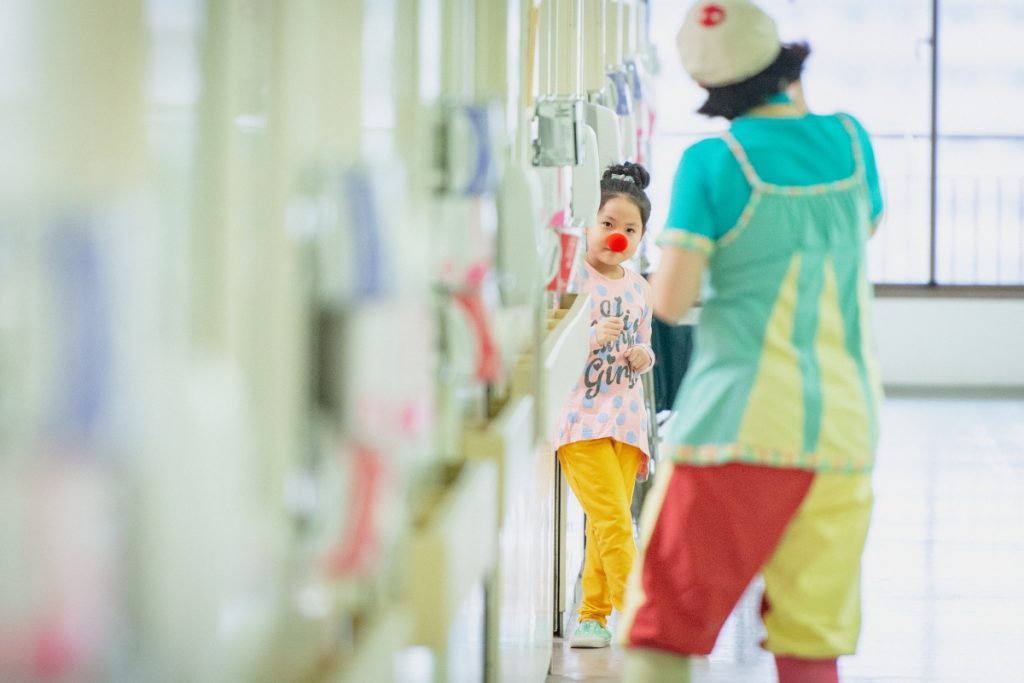
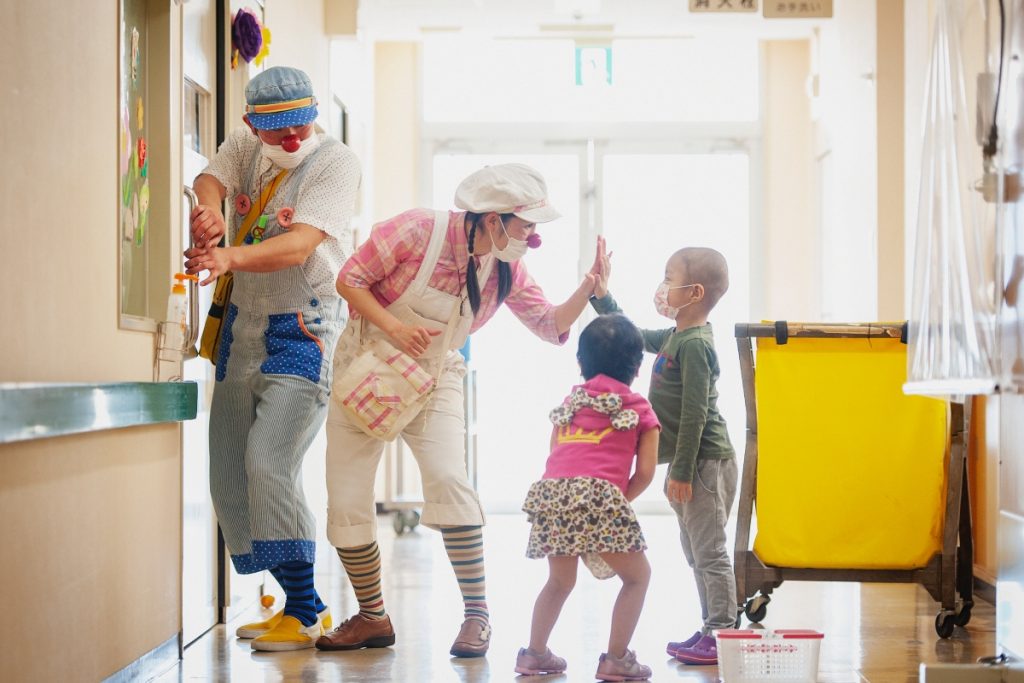

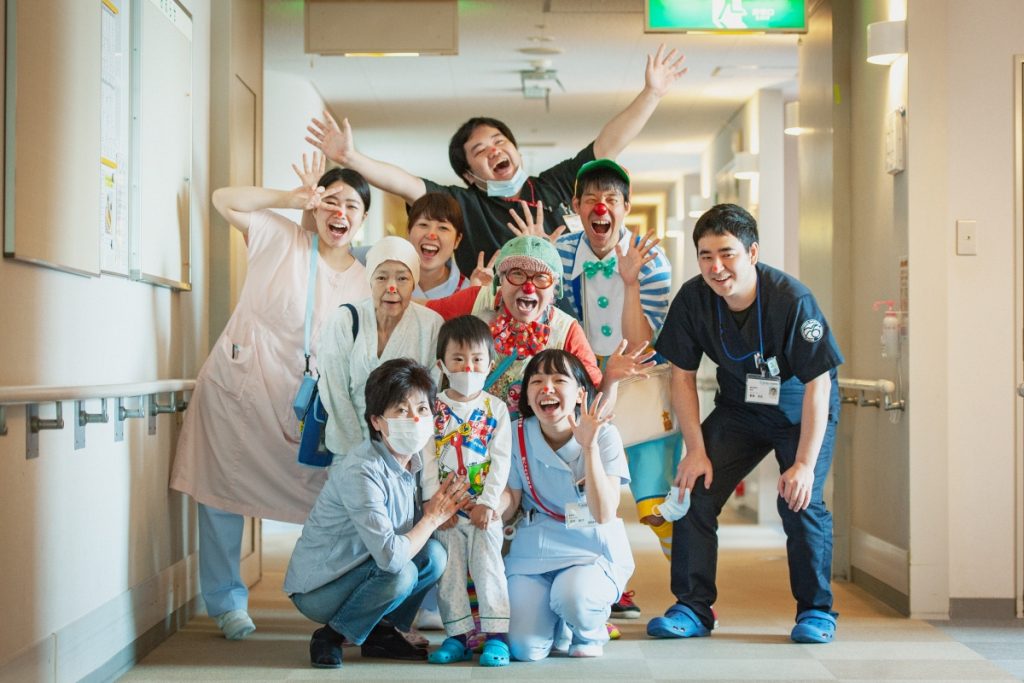
The clowns are very skilled at blending in, interacting with the children, their family members, and even the hospital staff, luring them into having fun, and making everyone smile. During that process, the invisible magic unfolds nonstop. I work behind the scenes and continue to press the shutter button with the hope of conveying the precious, positive power of the “time to be a kid” through the photographs.
― What is your next area of interest, or what would you like to try in the future?
Recently, I have started working as a photographer in a program called MASH-ROOM. The team members collect wood waste generated by natural disasters such as earthquakes and flooding, irregular wood components, and similar pieces of wood that would otherwise go to waste, breathe new life into the scrap wood, and create one-off pieces of upcycled furniture.
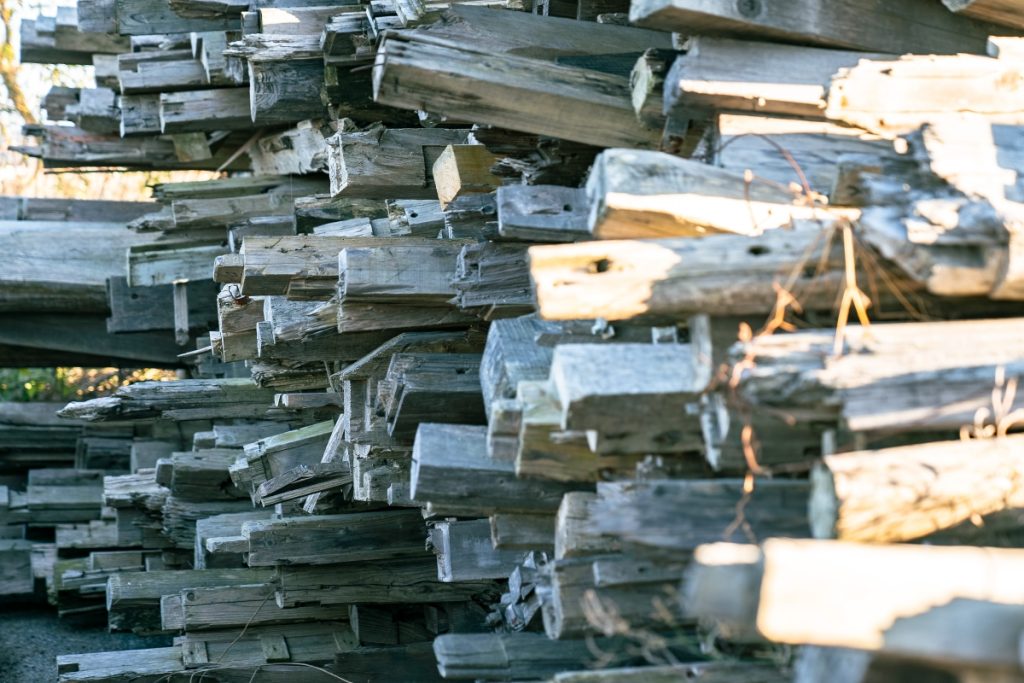
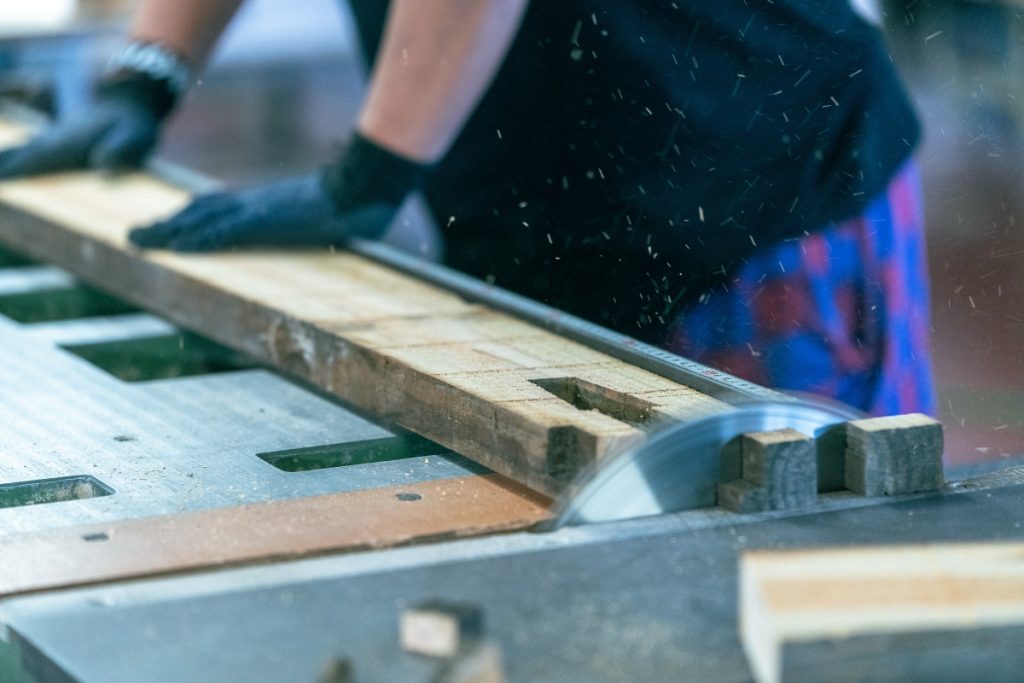
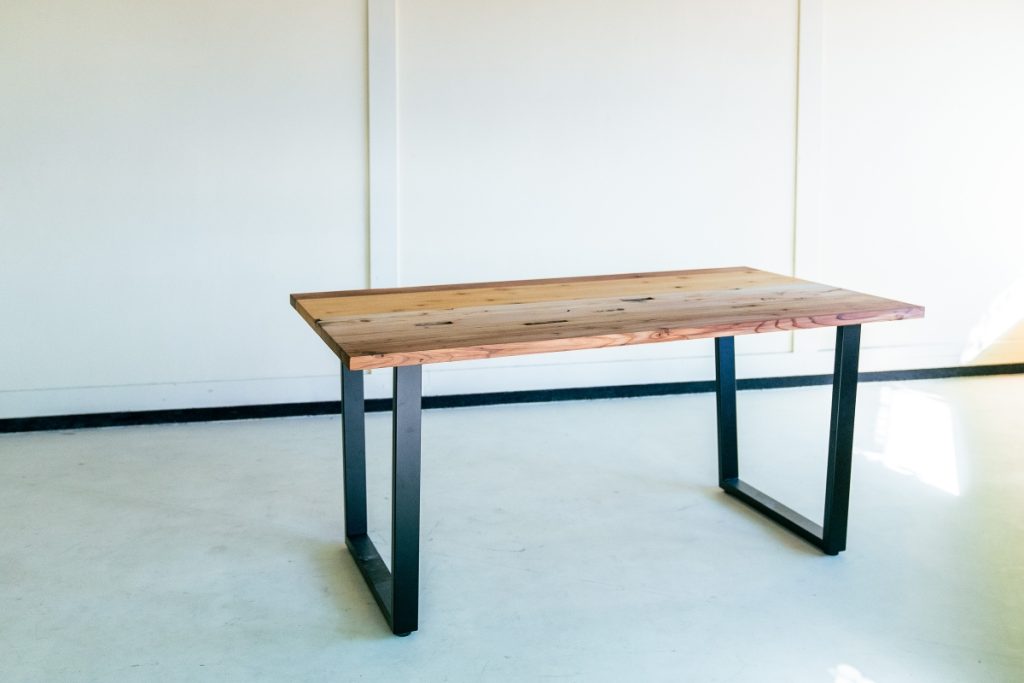
The products are designed by various creators and made by seasoned craftsmen in Okawa City, Fukuoka Prefecture. The rescued timbers pass through many hands and regain their glory—I was moved by that process of circularity and offered my services both to document the team’s work and as a means of artistic expression.
I still have a long way to go, but I hope to achieve complete self-sufficiency one day, and I’m putting my daily life in balance to that end. Tilling my soil, growing my crops, and making my fermented seasonings—there are tiny golden moments in my interactions with nature that I hope to express through my photographs. I hope to capture the beauty of Kumamoto through the lens of daily life, and slowly but surely share that in my work.

Uchu-Taishi☆STAR
Uchu-Taishi Star is an official photographer at Fuji Rock, Asagiri Jam, Rising Sun, Rock in Japan, and other music festivals in Japan, and travels around the world as a festival goer himself. He currently lives in Aso, Kumamoto, and practices a self-sufficient lifestyle close to nature. In addition to his work in advertisements, editorials, and local projects, for over 10 years he has been photographing CliniClowns during visits to sick or disabled children in hospitals. He continues to press the shutter button in various settings to capture unique, one-off scenes and encounters, and convey the connections between people and the tiny golden moments in daily life through his photographs.
@uchutaishi_star