Ingredients
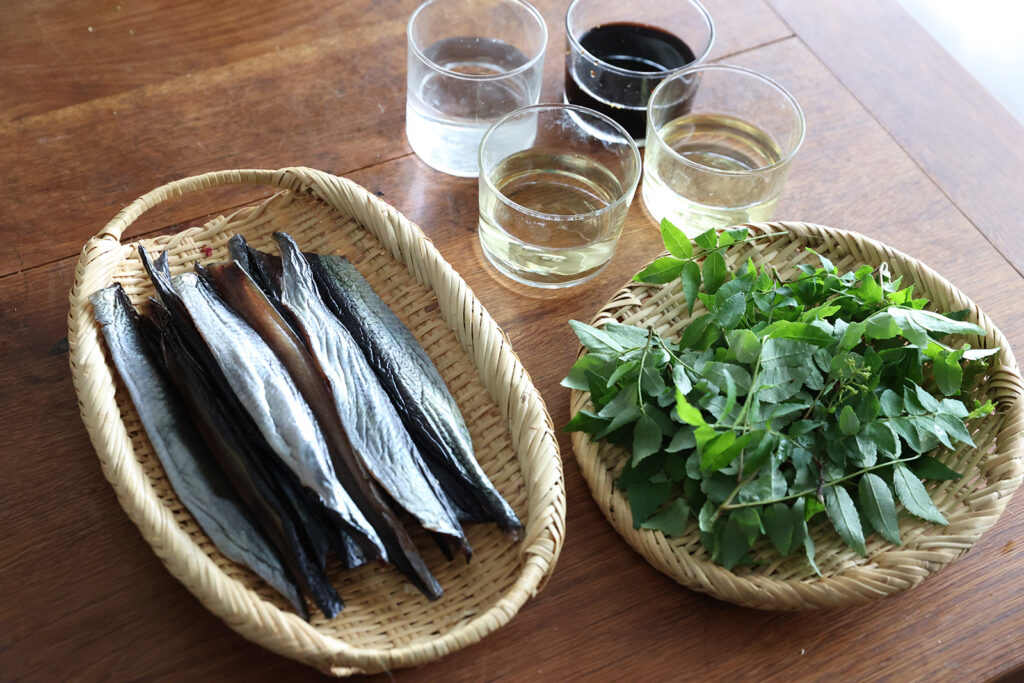
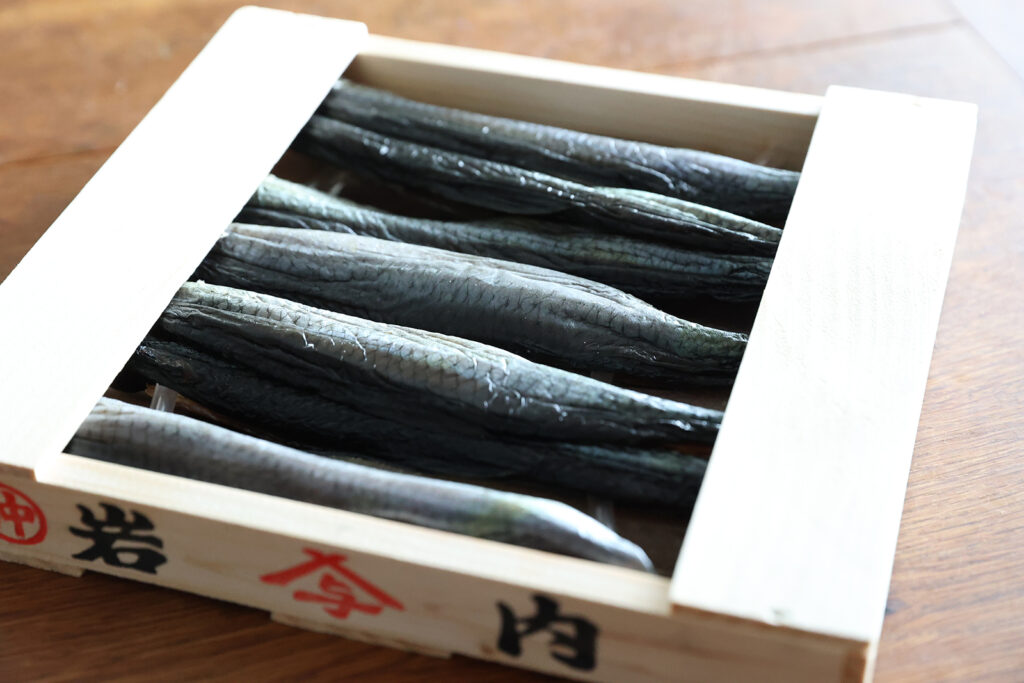
10 dried herrings (either fully dried or semi-dried)
Japanese pepper leaves (sansho) – about one handful
A
・150cc Soy sauce
・150cc Vinegar
・150cc Mirin (or sake)
・400cc Mirin (or sake)
How to make
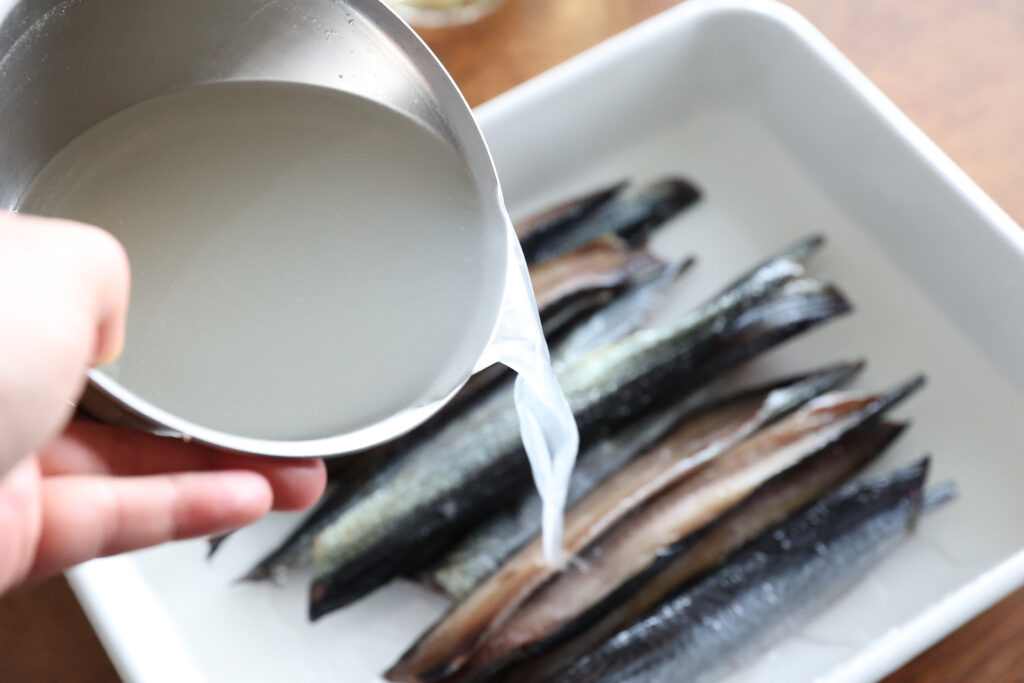
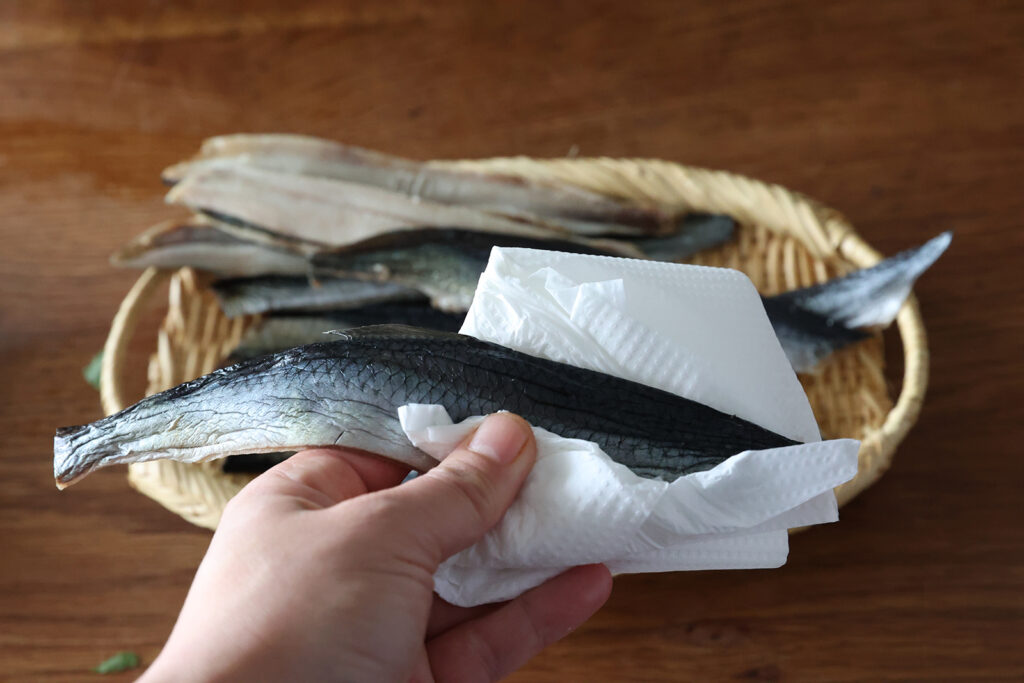
1. Wash the herring in water and remove the heads, tails, and fins. Place the herring in a container with the water left over from rinsing rice and refrigerate for half a day (this helps to remove any fishy smell, but can be skipped if the fish is in good condition). After soaking, rewash the herring and pat dry with kitchen paper.
2. Combine all ingredients for the marinade in a pot and heat until it comes to a simmer. Turn off the heat. Be careful as the alcohol may cause flames. Let the marinade cool. (If you don’t mind the alcohol content, you can skip the heating process).
3. Lay down a bed of sansho leaves in a container. Place the herring on top, layering with more sansho leaves. Pour the cooled marinade over the herring and place a weight or a plate on top to ensure the fish is submerged in the liquid. If you don’t have a container, you can use a plastic bag with the air squeezed out.
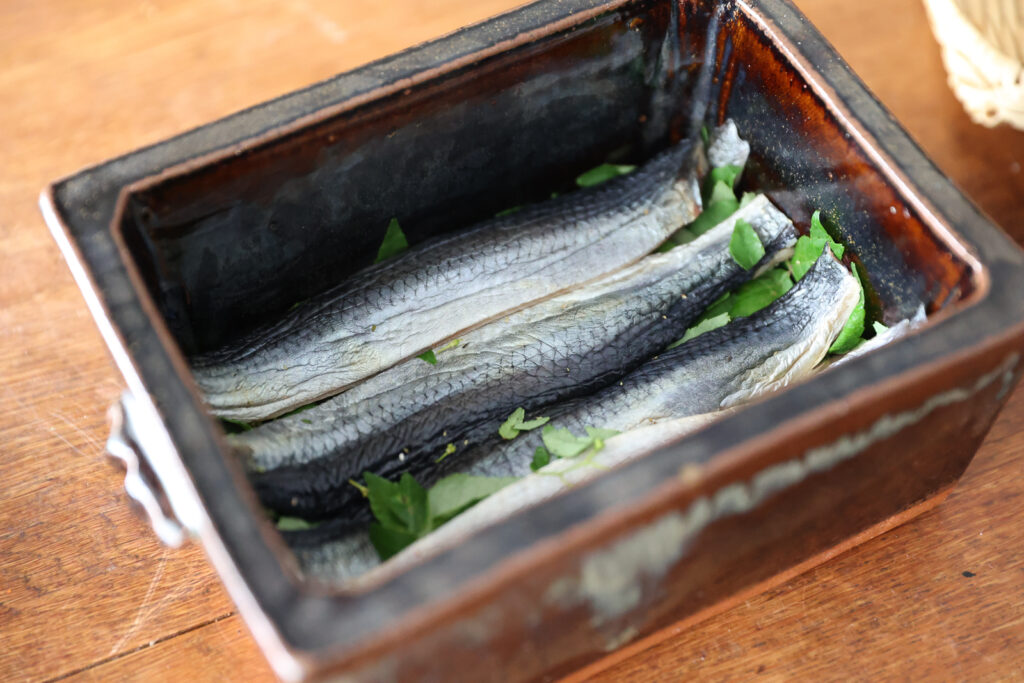
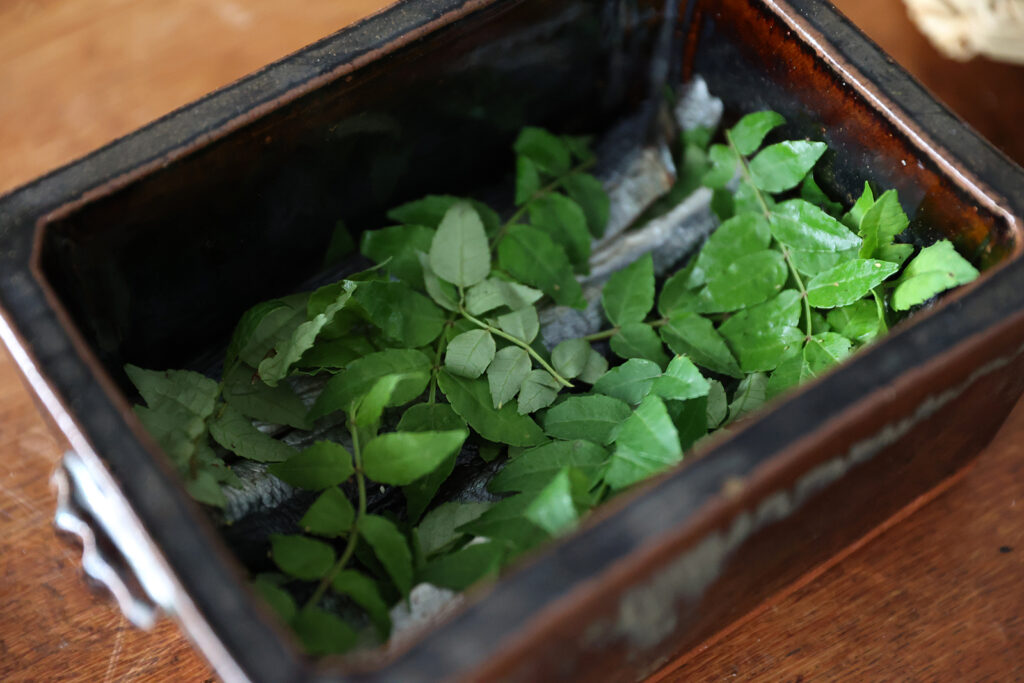
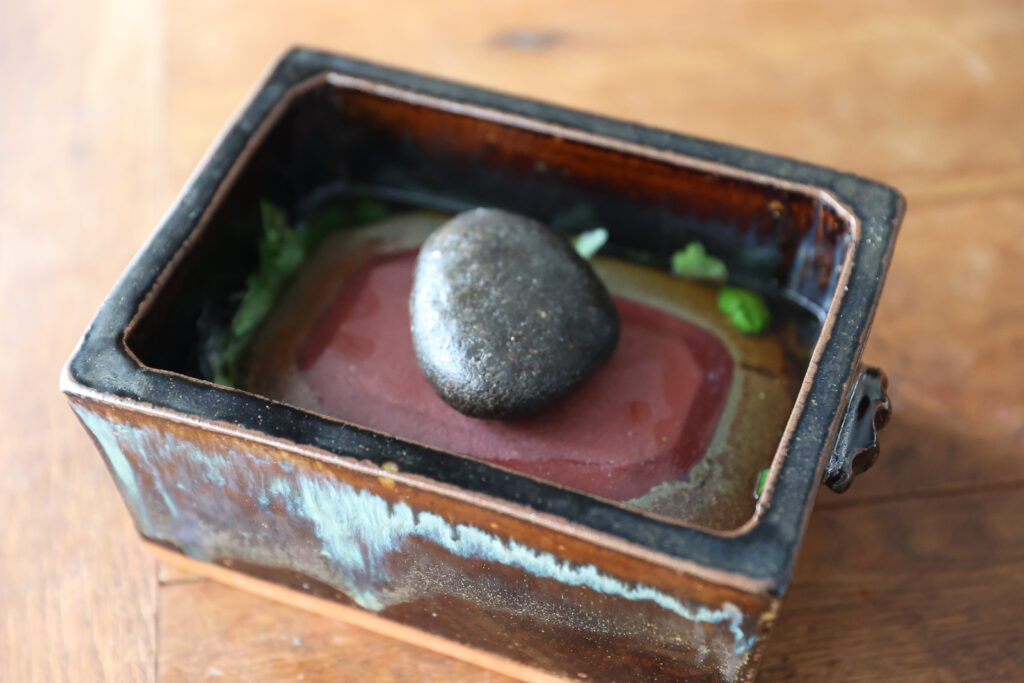
4. Let the herring sit for about 3 days in the refrigerator. Once done, cut and serve with a garnish of sansho leaves. The pickled herring will keep for about two weeks in the refrigerator.
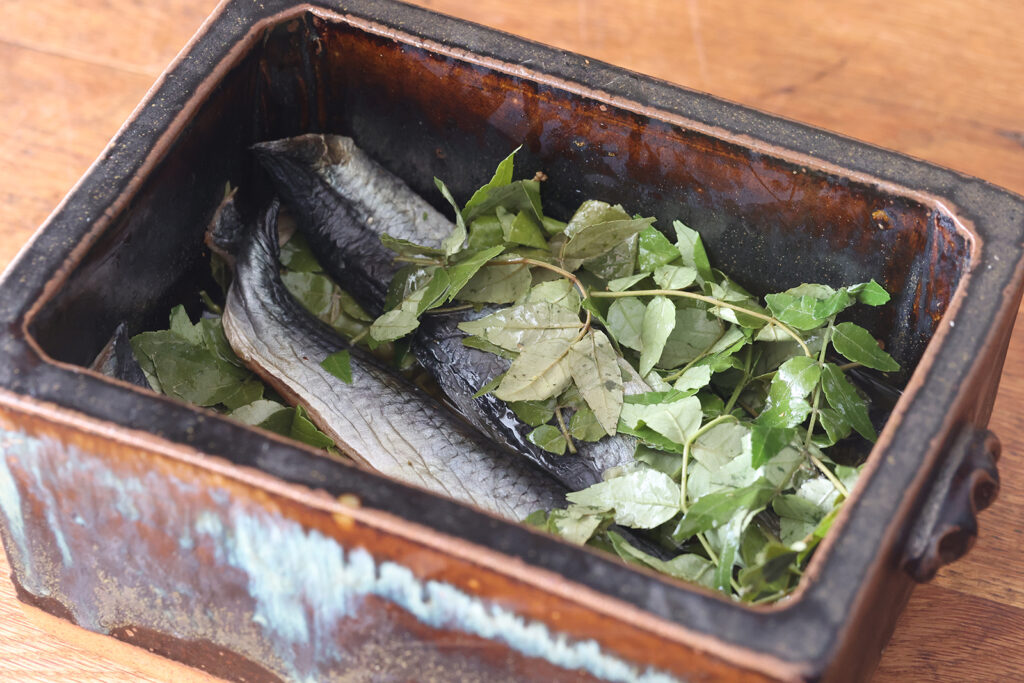
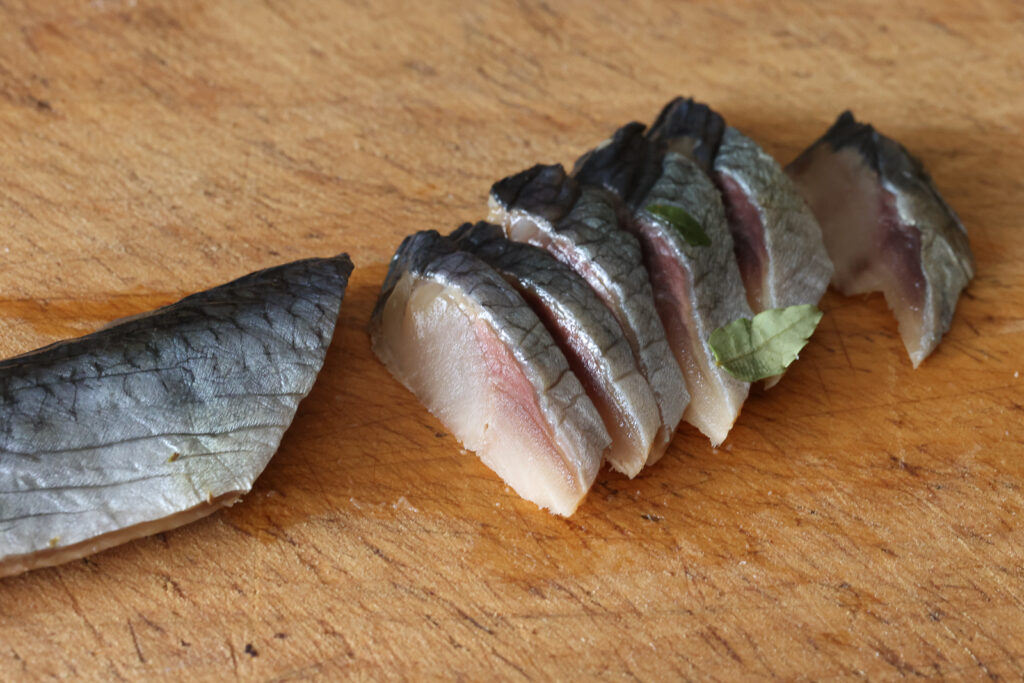
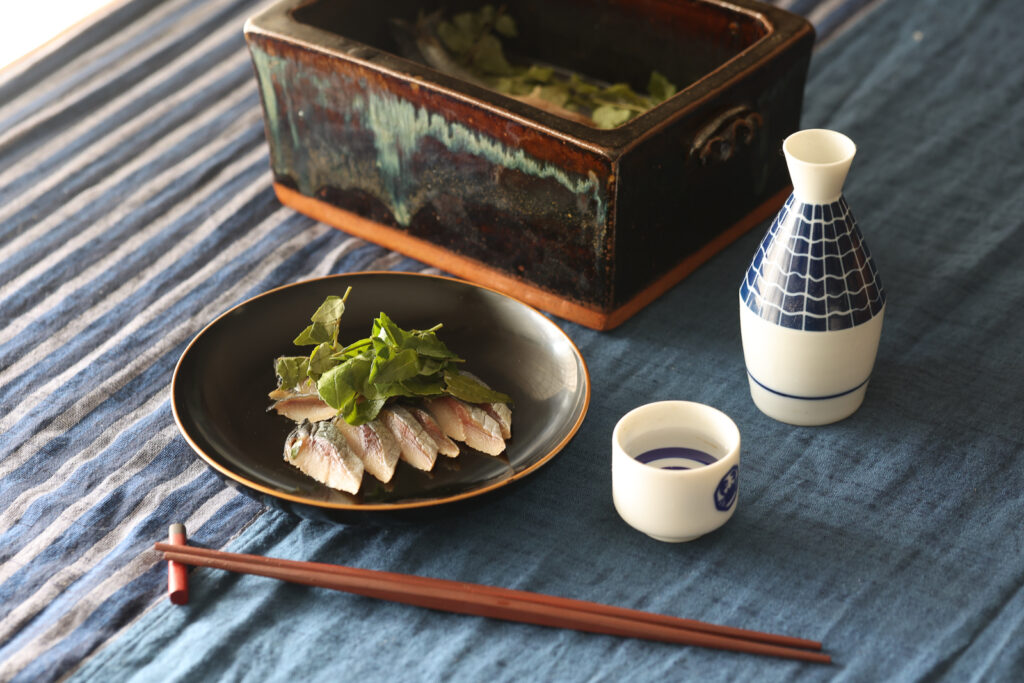
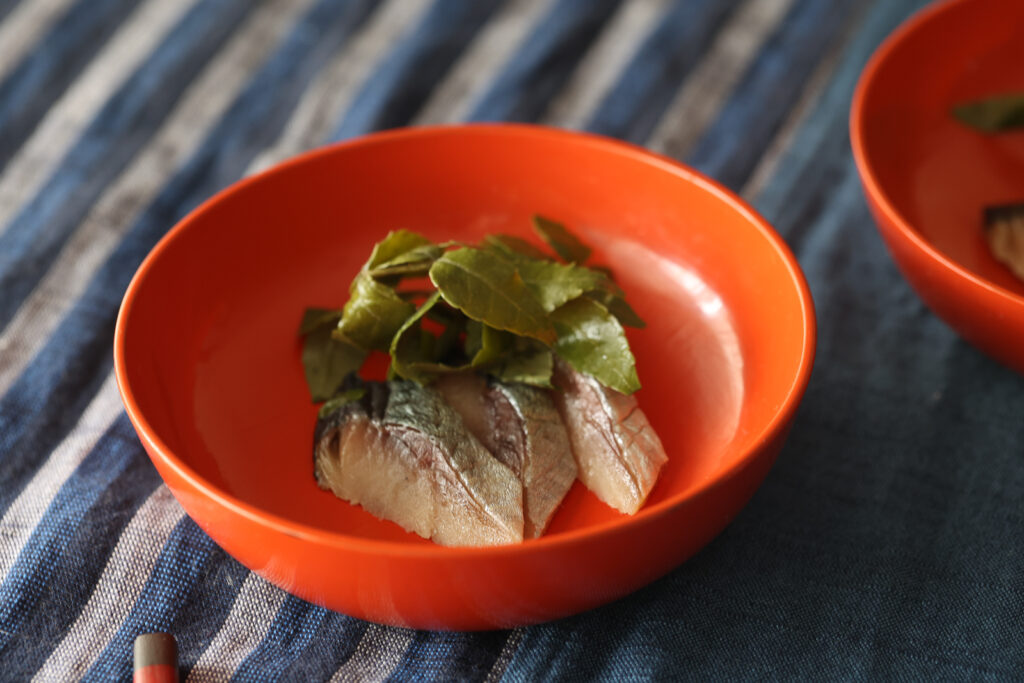
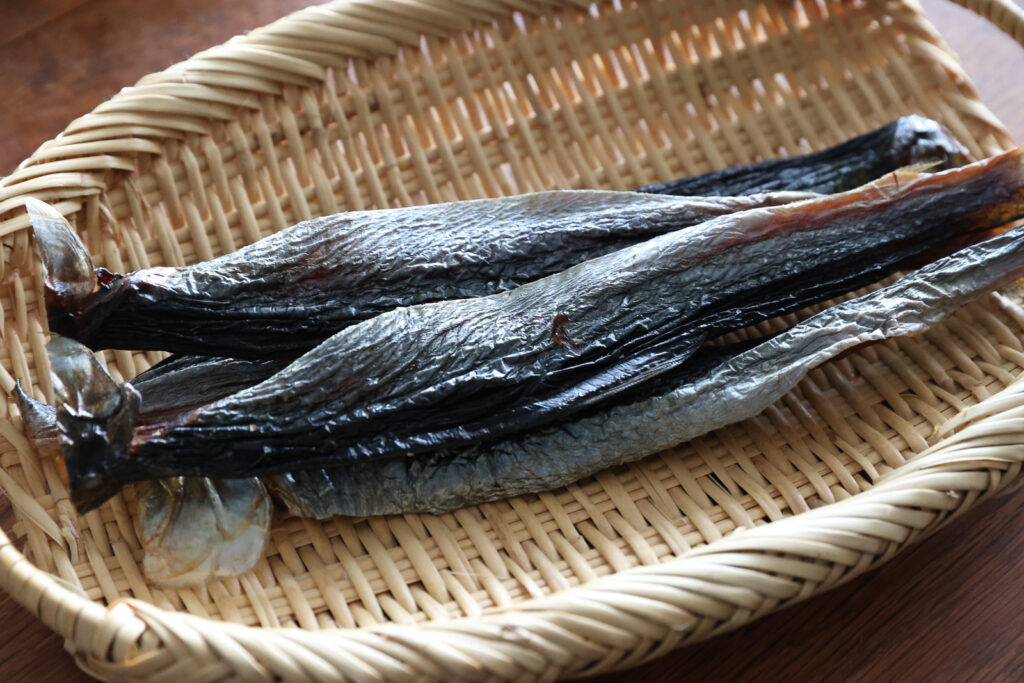
During my stay in Aizu, Fukushima, I had the pleasure of trying Nishin Zuke at a local’s home, accompanied by local Aizu sake. The delightful aroma of sansho was a highlight of this traditional dish made by marinating dried herring, or “migaki nishin” with seasoning and sansho leaves. Throughout my stay in Aizu, I encountered this dish at various places, such as izakayas and soba restaurants, each with its own unique sweetness and texture. At local grocery stores, I found different varieties of dried herring. There are mainly two types: hon-kan, which is well-dried and hard, and han-kan, which is softer since it is not fully dried. An 80-year-old lady I met at a supermarket shared that when she was a child, the herring used to be even harder, almost like stones. In the days before refrigeration, the fish was dried more thoroughly to increase its shelf life. In landlocked Aizu, herring was a valuable source of protein.
Traditionally, Nishin Zuke is made from spring to early summer when sansho is harvested. However, nowadays, some people will even freeze sansho to make this dish year-round.
An indispensable tool for marinating herring is the brown-glazed “Nishin Bachi,” a traditional earthenware pot that is famously made in the Munakata Kiln in Aizumisato. Although plastic containers are commonly used today, it is said that the traditional earthenware pot enhances the flavor by regulating temperature and humidity. More than anything, however, the sight of herring in a Nishin Bachi is visually appealing and adds to the overall enjoyment. The fact that there is a pot dedicated to marinating the fish reflects how essential this dish is to the people of Aizu.
Using fully dried herring (hon-kan) results in a concentrated, flavorful, and firm texture, while using semi-dried herring (han-kan) yields a moist and tender finish. Since it is easy to prepare as long as you can find migaki nishin, I often make Nishin Zuke during the sansho season, reminiscing about my delightful trip to Aizu.
minokamo | Cookery expert / Photographer
Gifu Prefecture native minokamo’s culinary adventures were inspired by her fond childhood memories of cooking with her grandmother. She researches, writes about, and arranges regional dishes that capture, through their preparation and presentation, sensory enjoyments inspired by local climate, history, and lifestyles. Ryori tabi kara tadaima(Back from a Cooking Journey; Fudosha), published in September 2020, is a collection of recipes from minokamo’s visits to homes up and down Japan.