







In early Autumn, hundreds of people flock into the small village of Takigahara, nestled in a valley of Kurakake Mountain in Ishikawa Prefecture, to attend ishinoko festival, a 3-day celebration equal parts art, music, and food, but more importantly, as the food programme’s director Anna Grønkjær Jensen added, the “pantry of people” who enable its yearly metamorphosis.
ishinoko festival was born when music director Miles Lawrence and four others living in the quaint, ageing village were inspired to start their own music festival. The group was influenced by the music festival culture of the United Kingdom, where Miles grew up, and the matsuri culture of Japan. They also felt that the abandoned stone quarries and village houses tucked in lush nature held a special atmosphere that could embrace their vision. The isolation of the COVID pandemic only motivated them to act quickly in order to “bring people out of the pandemic hellscape into something special… in beautiful nature with wonderful music.” Although their lack of experience organising large-scale events created many issues, overcoming them with others became the foundation for the community that has grown around ishinoko festival.
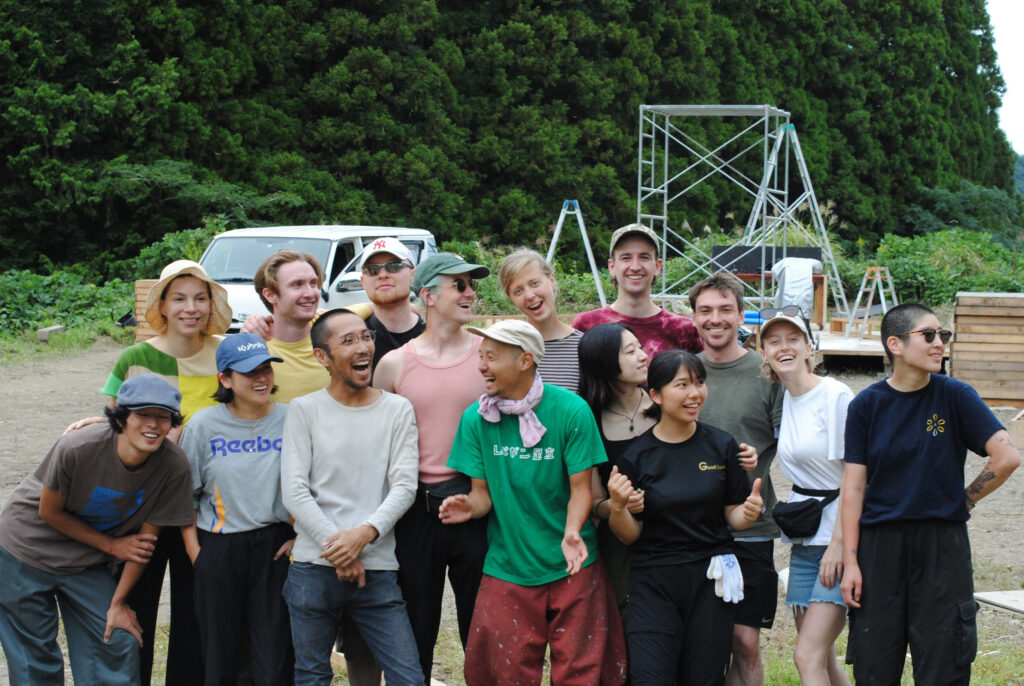
Initially the festival had little infrastructure: there was no table for the DJ in the first year and no water for the kitchen in another, but in every case, someone stepped up with a solution so that the show could go on. Noise complaints in the first year threatened other difficulties, but these early moments of tension between long term villager residents and the newcomers led to dialogues and cooperative actions that have resulted in the adaptation of the festival as the village’s own fête, a welcome happening since the village gave up putting on its own matsuri years ago.
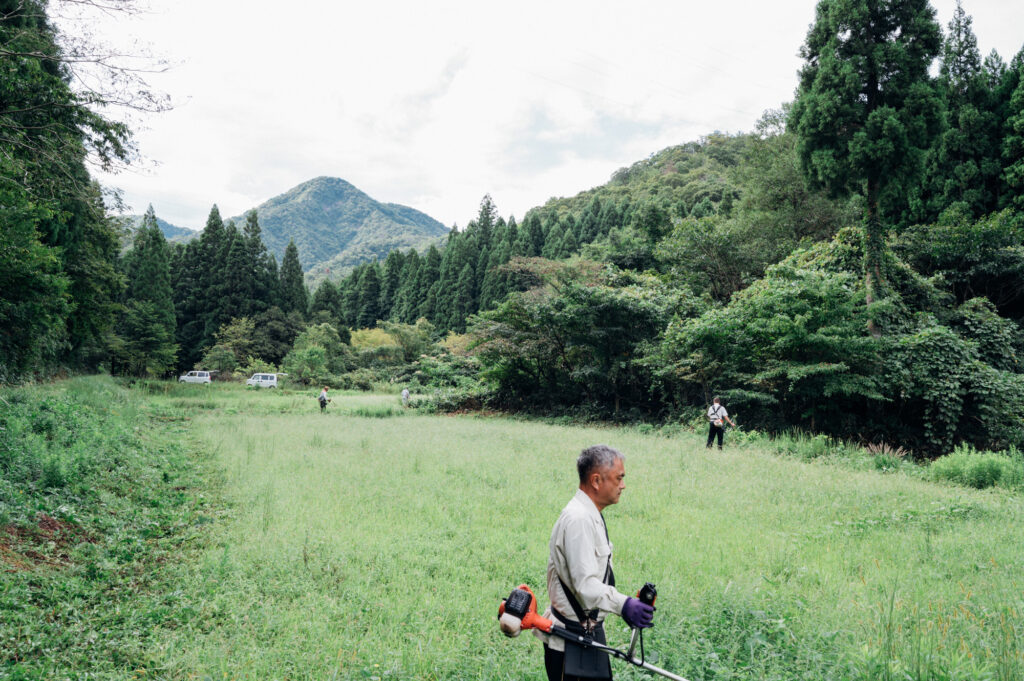
Similar to many rural villages in Japan, the population of Takigahara has been in decline since its main industry of rock quarrying declined and young people moved elsewhere for better opportunities. The return of the village matsuri and the flow of young people has given the villagers a new medium to pass down their traditions—this time to an even wider audience. But ishinoko festival is not a continuation of the past but rather a wholly novel celebration of humanity born out of local ingredients and remote perspectives. In this four-year process, strangers have become friends and friends into a community that has seen families move to Ishikawa Prefecture and even fall in love and marry (the festival’s third edition hosted a wedding). This familial atmosphere has helped the festival grow from just a handful of friends to over 1,300 total attendance last year. The local community has even formed the “Takigahara ishinoko executive committee,” with villager Mr. Shouzu (74) acting as the chairman, in order to better support the festival.


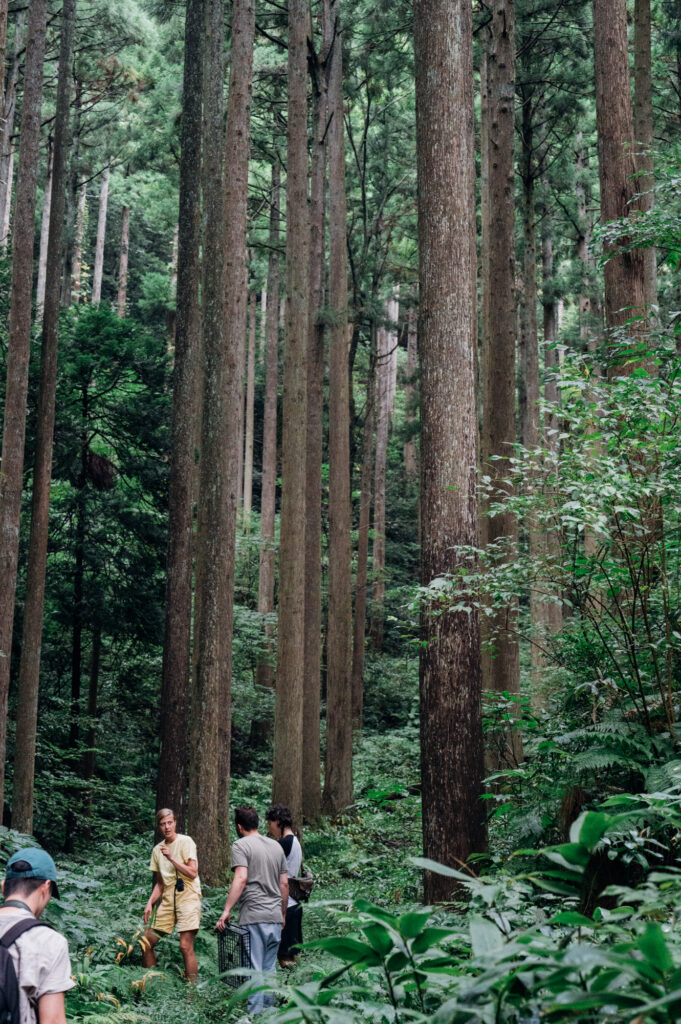
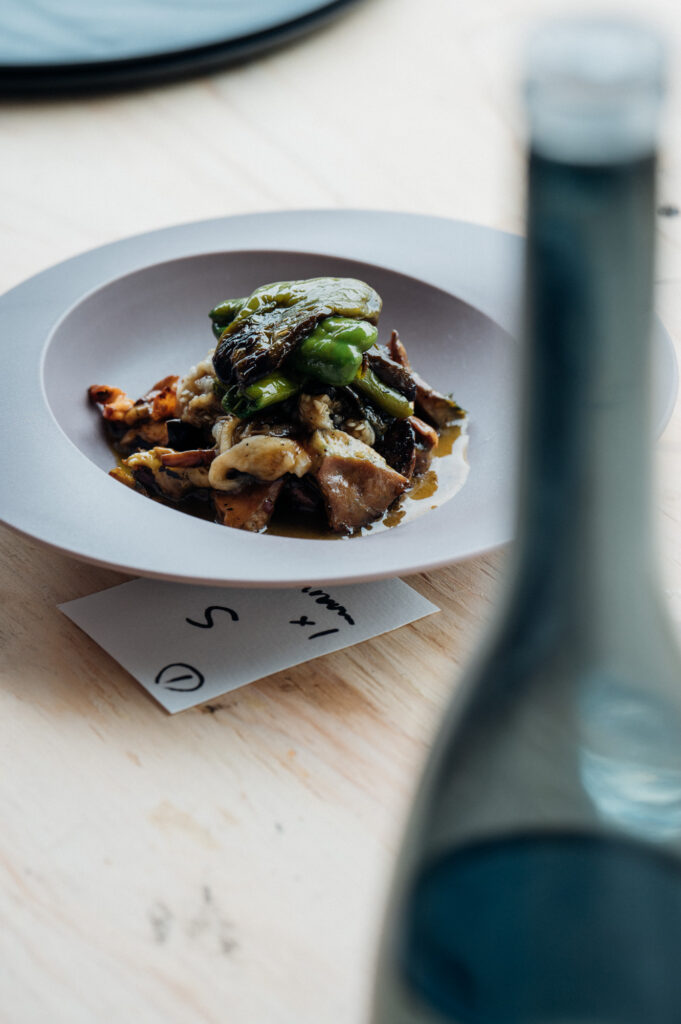
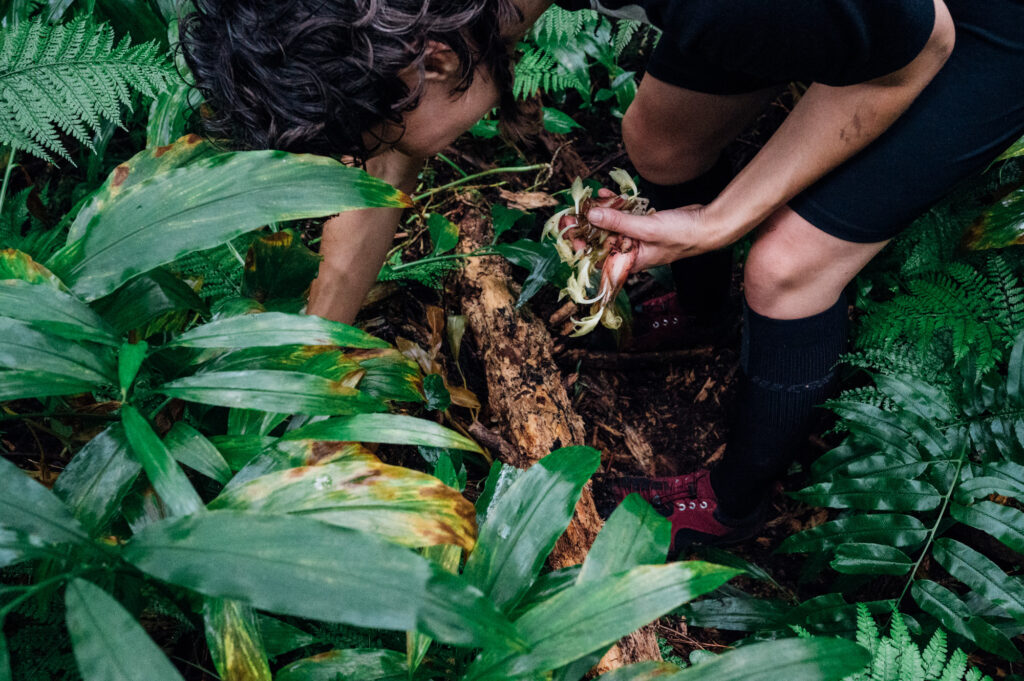
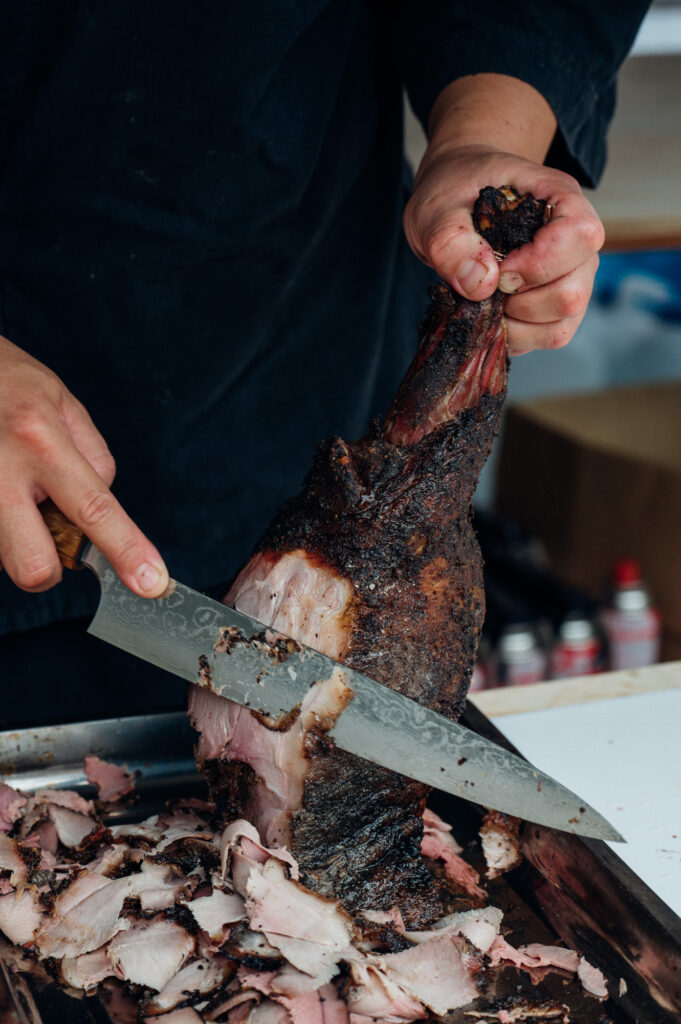
Anna, who runs ishinoko kitchen, the food program at the festival, sees this process of mutual growth as the festival’s raison d’être and has worked to reflect it in the food served. As a Dane and newly-arrived in Ishikawa four years ago, she was able to dig into the prefecture’s edible landscape thanks to the kindness and acceptance of locals. The kitchen’s program therefore brings together local growers and producers with chefs from all over the world to cook up 3 days of meals combining local and seasonal ingredients, such as wild boar trapped and prepared by local hunter Sakura and seasonal produce such as mushrooms, myoga, and citrus, with chefs’ native techniques. The resulting food not only nurtures bodies but also minds by expanding ideas on what and how ingredients can be consumed.


Takigahara Village may exist on only a sliver of land, but ishinoko festival has expanded its borders across the globe. ishinoko’s sound stage has brought musicians, DJs, and dancers from the likes of Canada, Sweden, Germany, France, Australia and the United Kingdom while the kitchen has hosted chefs from the likes of India, Denmark, Russia, and Germany. This year, ishinoko festival aims to provide attendees with even more diverse soundscapes and complex flavours as it runs from October 12-14.
The music stage will feature performances across a range of genres, scenes, and generations, including those from young, rising stars of the Japanese alternative pop and electronic scenes NTsKi and E.O.U, who joined the festival for the first time last year and had an impromptu collaborative performance, as well as from the taiko drumming trio 隼 (hayabusa, meaning ‘falcon’) based in Hakusan. From Argentina, the audio-visual artist QOA, whose album was recently chosen as contemporary album of the month by The Guardian (UK), will be playing a live set.
Across the festival grounds, the kitchen will feature a number of Japanese chefs including Matoba, a chef from Kanazawa whose restaurant celebrates seasonal produce in the form of tempura, as well as Kenzo Samuel, a fermenter from Gujo whose complex ferments embrace his Korean heritage and Japanese home. From overseas, Italian chef Tommaso Morelli will serve guests dishes that demonstrate his curiosity towards Japanese ingredients and techniques as well as his desire to honour every part of an ingredient.
Over the past four years, the festival has gained a reputation for not only its lively music and distinct food offerings but also as a place for reconnecting to nature and to other people. Even though the festival’s facilities and format have evolved with each edition, its underlying ethos has not. Graham Davies, one of the main organisers, hopes that over the three days, “participants will discover the magic of rural Japanese living, dive deep into local and seasonal foods, and, through musical and creative expression, form connections that surpass age, language or background.”
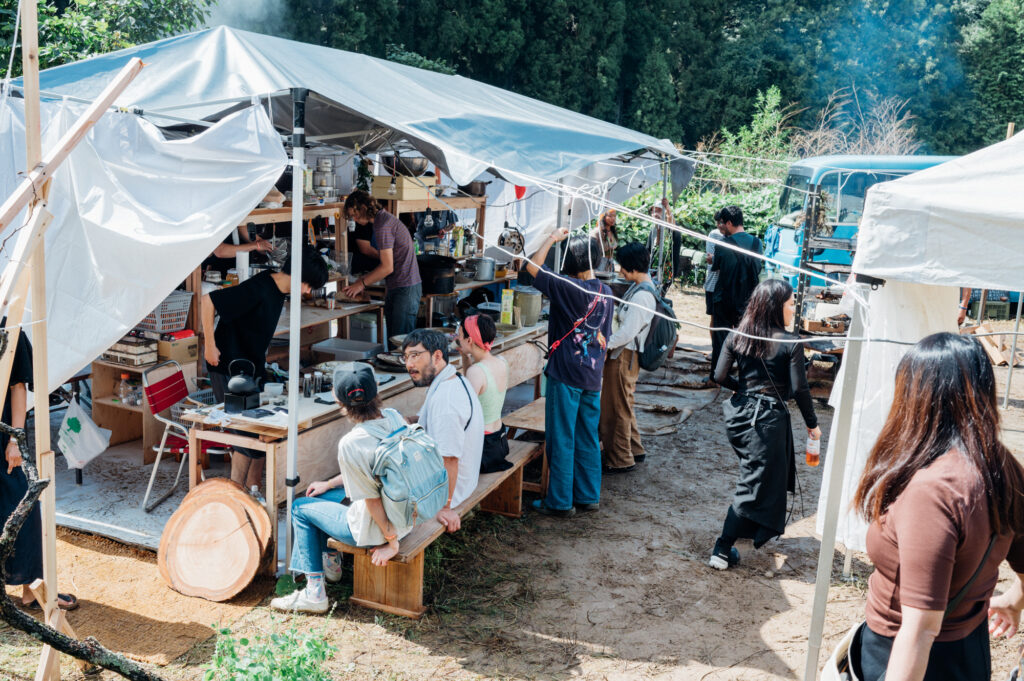
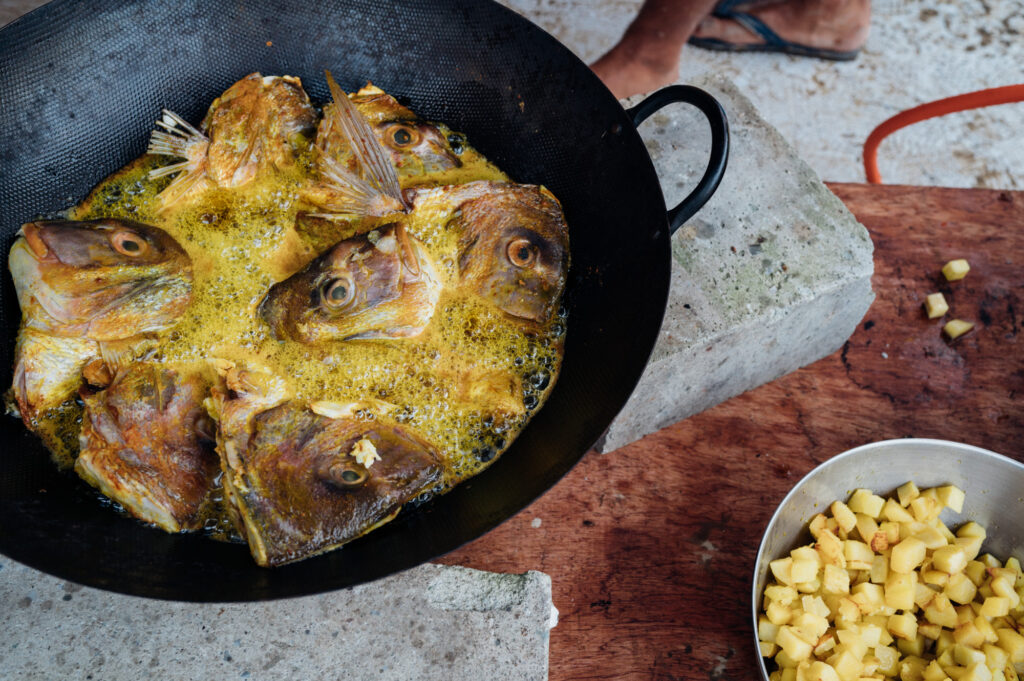

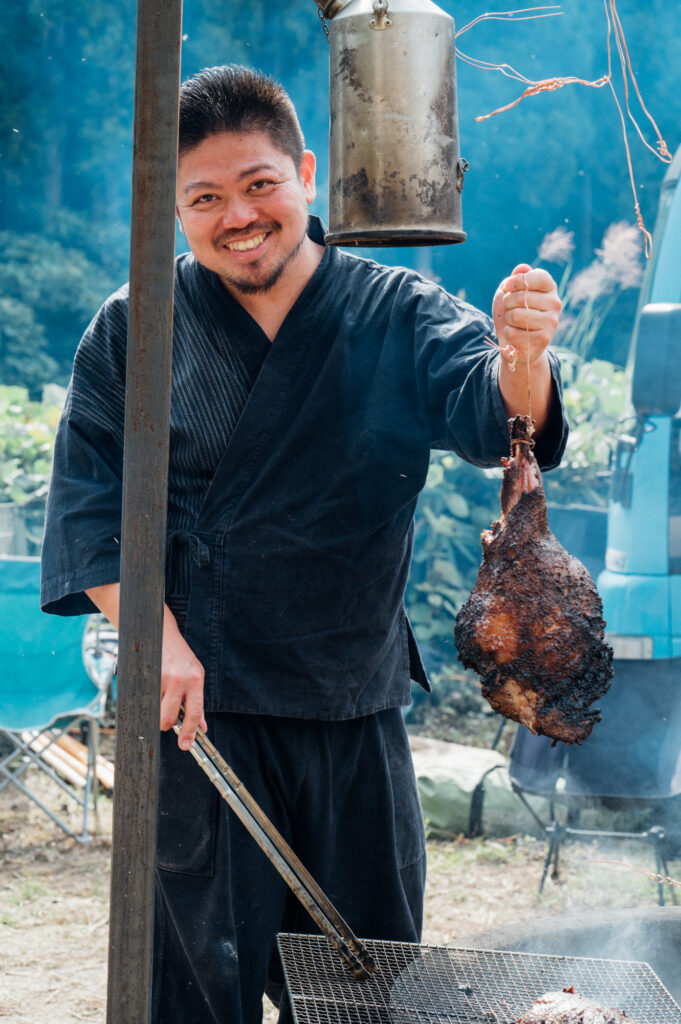

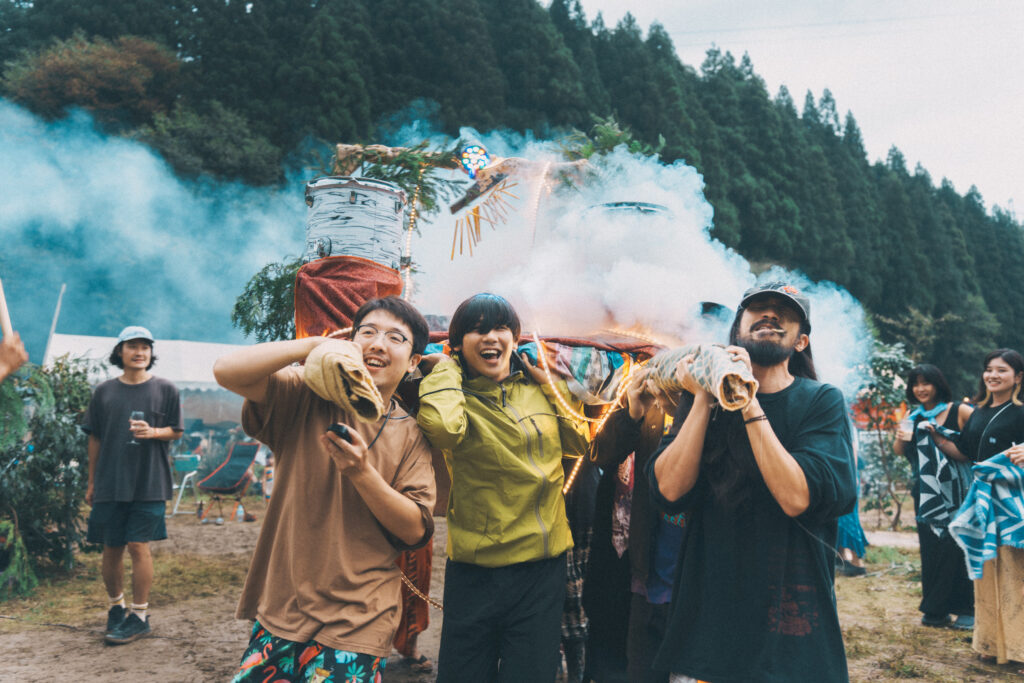
Although ishinoko festival bears little resemblance to a typical modern day matsuri in form, it perfectly exercises its ability to strengthen community. Its mixture of local flavours and foreign spices, insect calls and machine-honed beats encourages anyone who attends to feel at home but also challenges them to embrace foreignness. And most importantly, it is three days for one to drop everything and, as Miles wrote in this year’s guiding text, “to be human.”
ishinoko festival 2024
Location: Takigahara Farm
Date: October 12-14
Early Bird Tickets: 4,500 yen (1 day), 12,000 yen (3 days)
Free for under-15s, discount tickets for under 23s and more
Web: ishinoko.jp
Full Info: 2024.ishinoko.jp
Ticketing: ishinoko.square.site
