Chasing the red fish nurtured by the mangroves
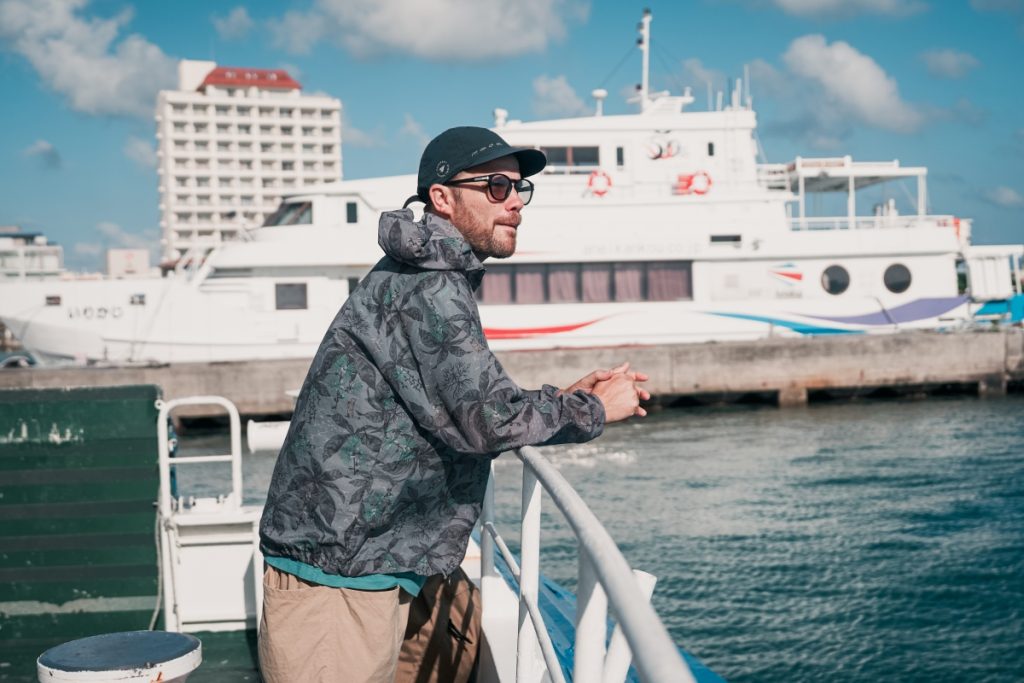
In October, as Honshu’s mountain streams fall silent, we flew south in search of new water sounds. Our destination was Iriomote Island, Okinawa. After switching to a ferry from Ishigaki, we finally reached the island by evening. Driving around, signs warning “Watch for Iriomote Wildcats” appeared everywhere. The island’s speed limit is 40 km/h, a pace meant for people and wildcats to live together in harmony.
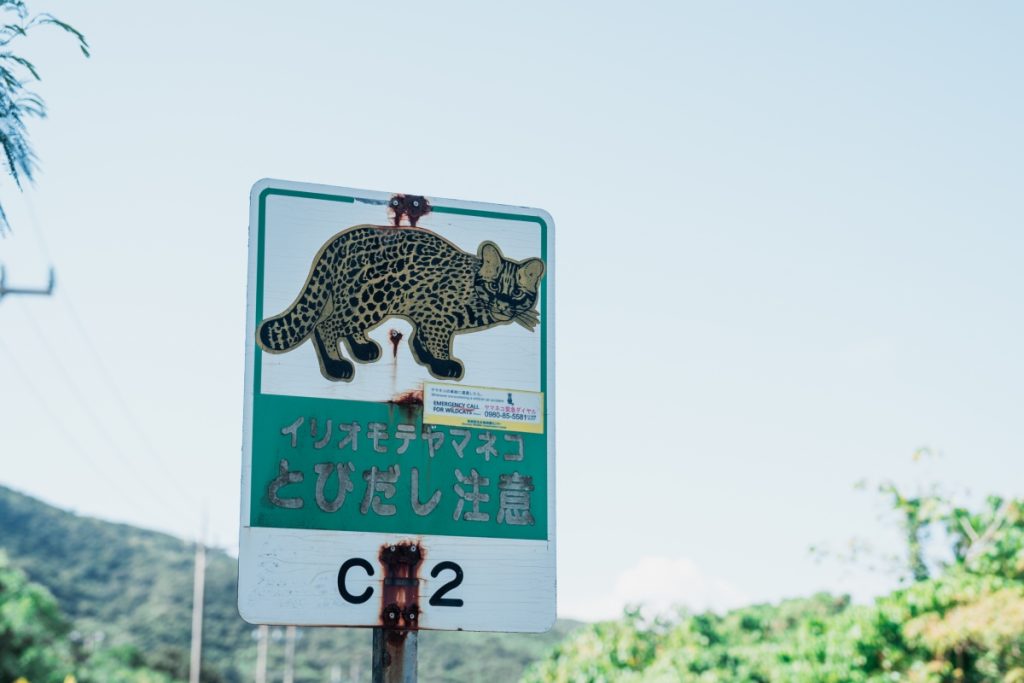
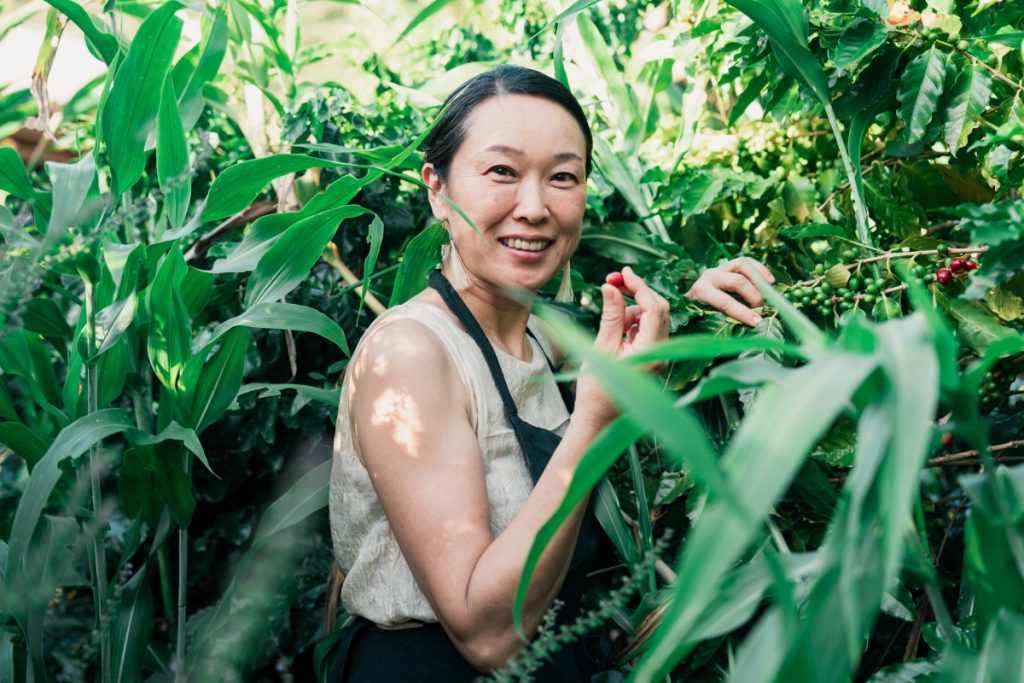
On the way to dinner at “Hateruma – Awamori and Island Flavors”, we spotted glowing eyes in the roadside darkness. An Iriomote wildcat was searching for food. This fleeting encounter made our hearts race. Inside, the owner had laid out colorful fish, sea grapes, and island fruits. With local ingredients washed down with awamori, our bodies relaxed and the journey truly began.

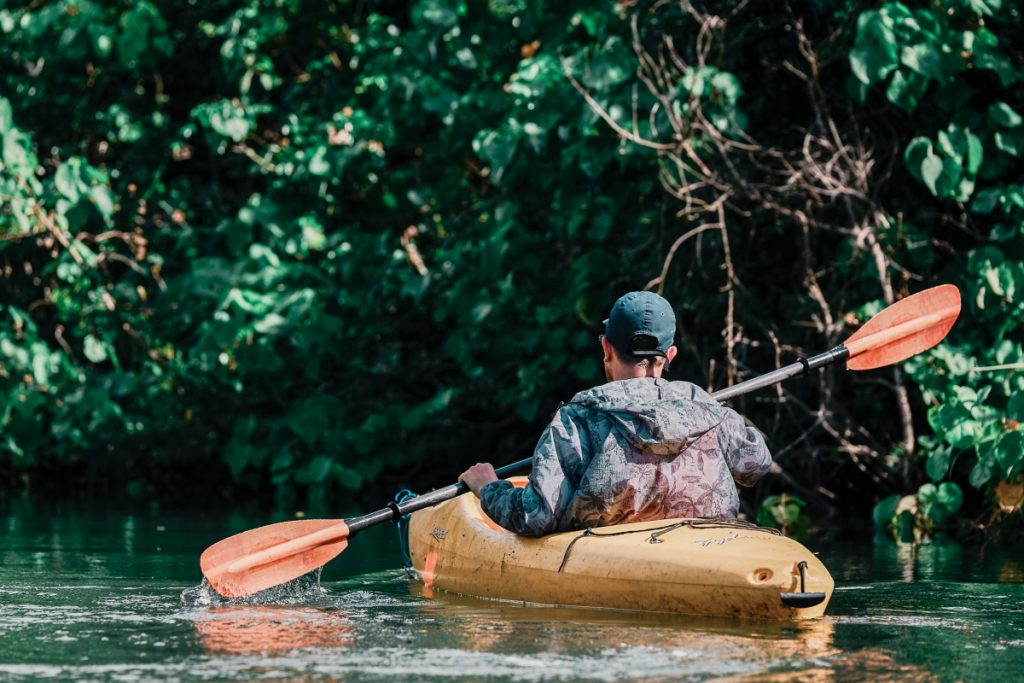
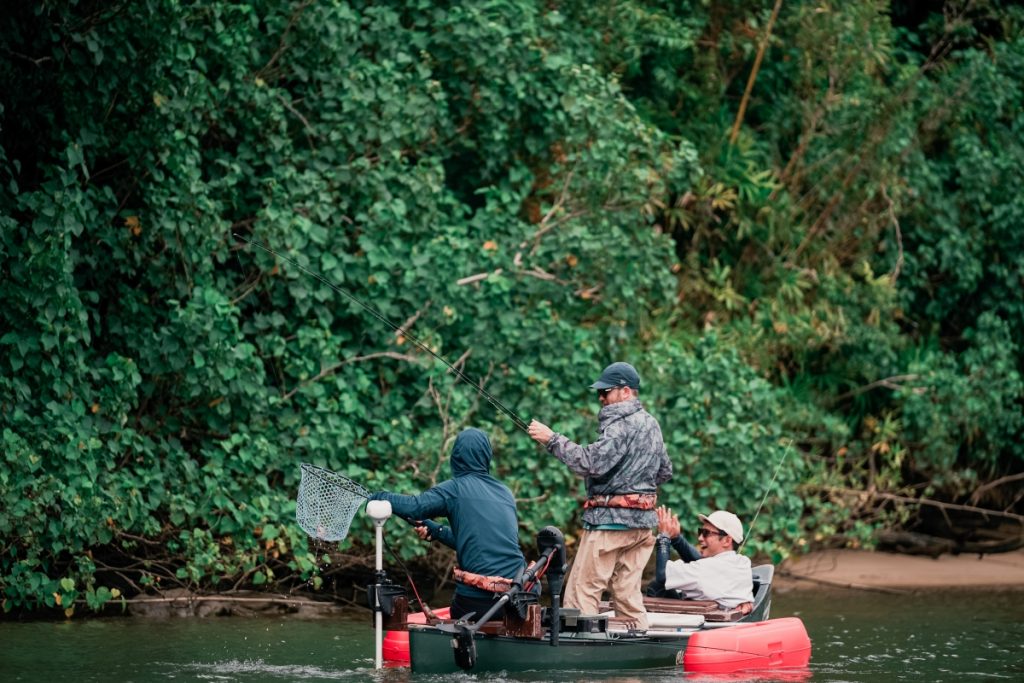
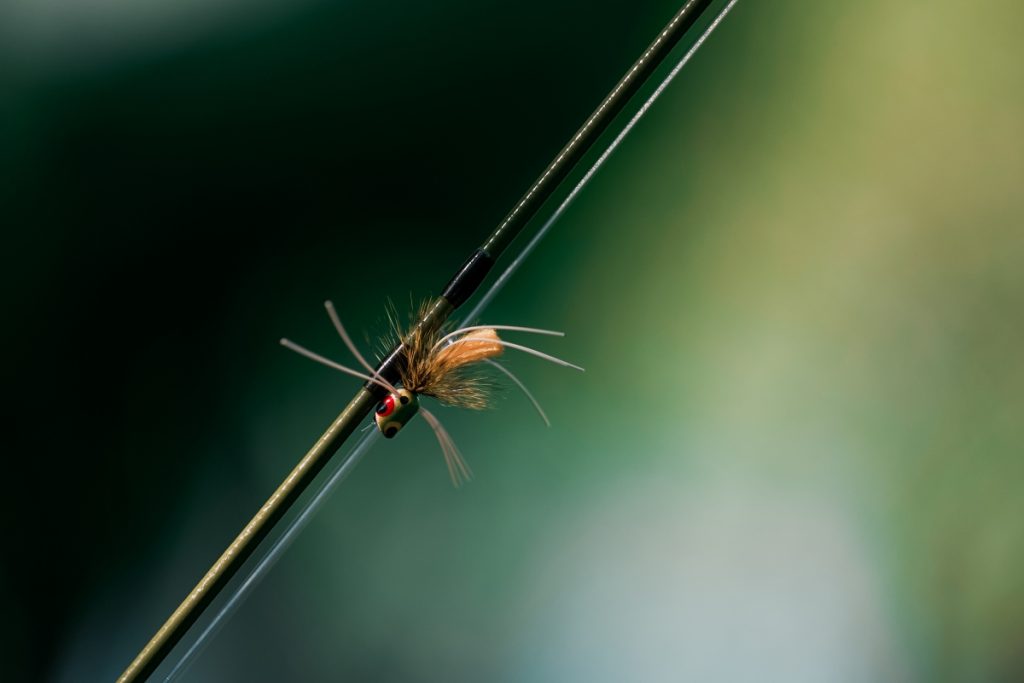
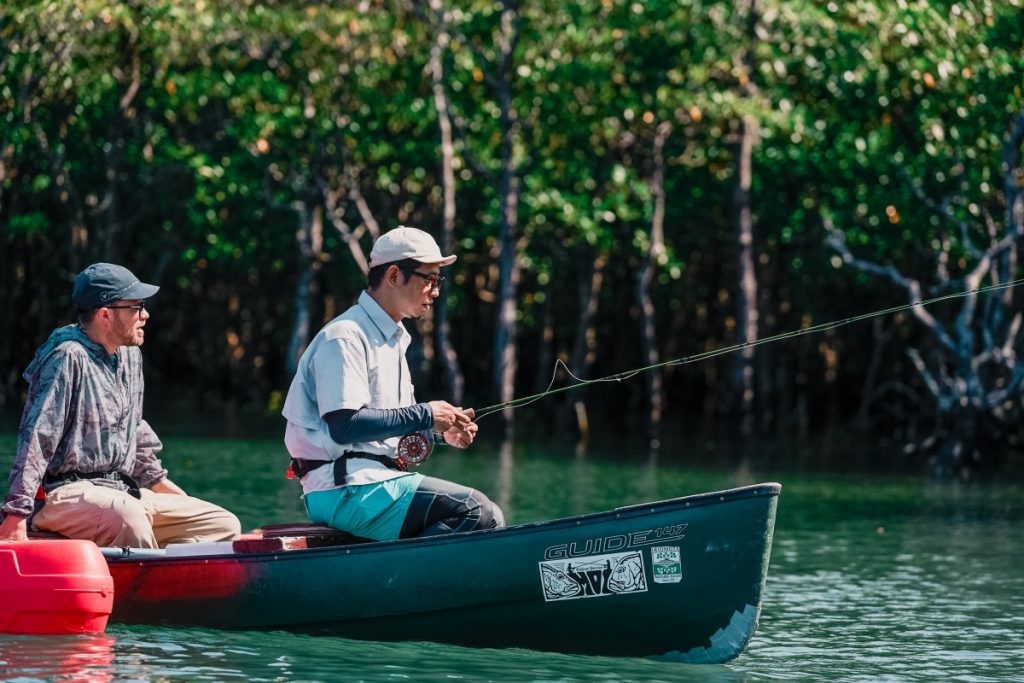
The next morning, after breakfast, we were sipping coffee and looking out when our guide, Hiroaki Yonezawa, arrived. Today was fly fishing in the mangroves. Iriomote is home to 407 species of fish, the most in Japan, with around 30 species targeted by anglers. Twenty-four hours after leaving Tokyo, we finally held our rods. “Fish hide along submerged roots and right up against the banks, in the shadows,” Yonezawa explained. From the canoe, we cast a popper about ten meters ahead.
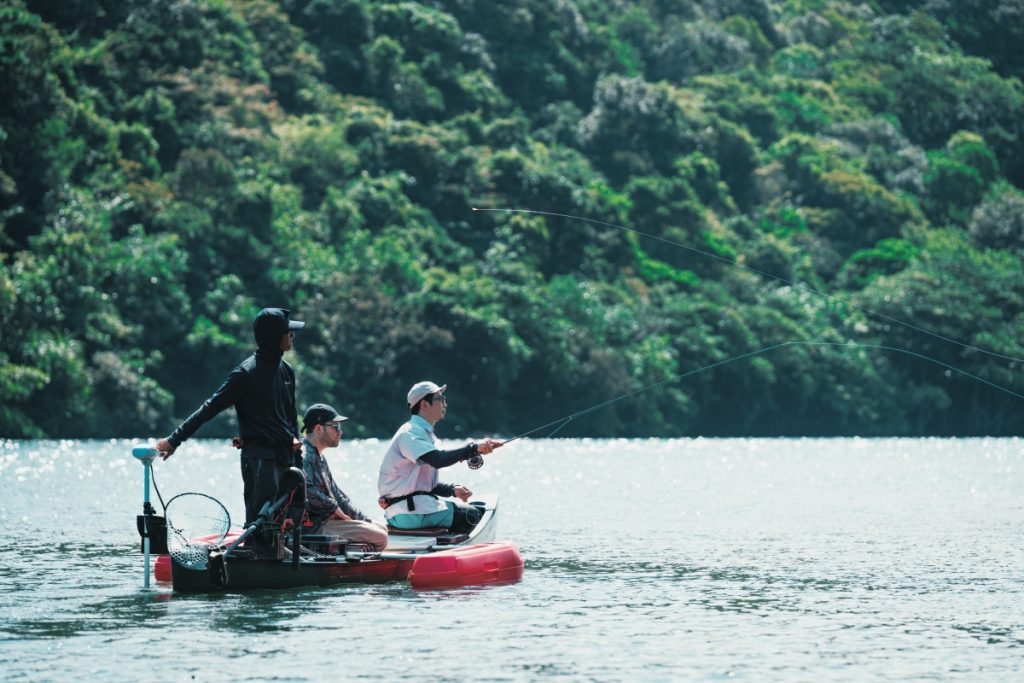

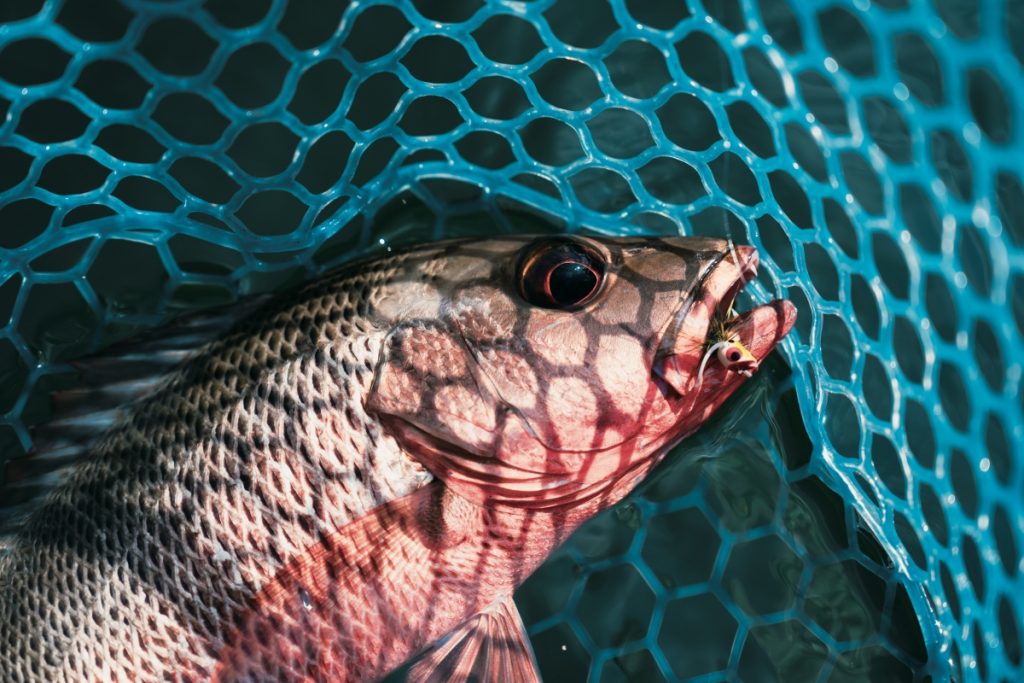
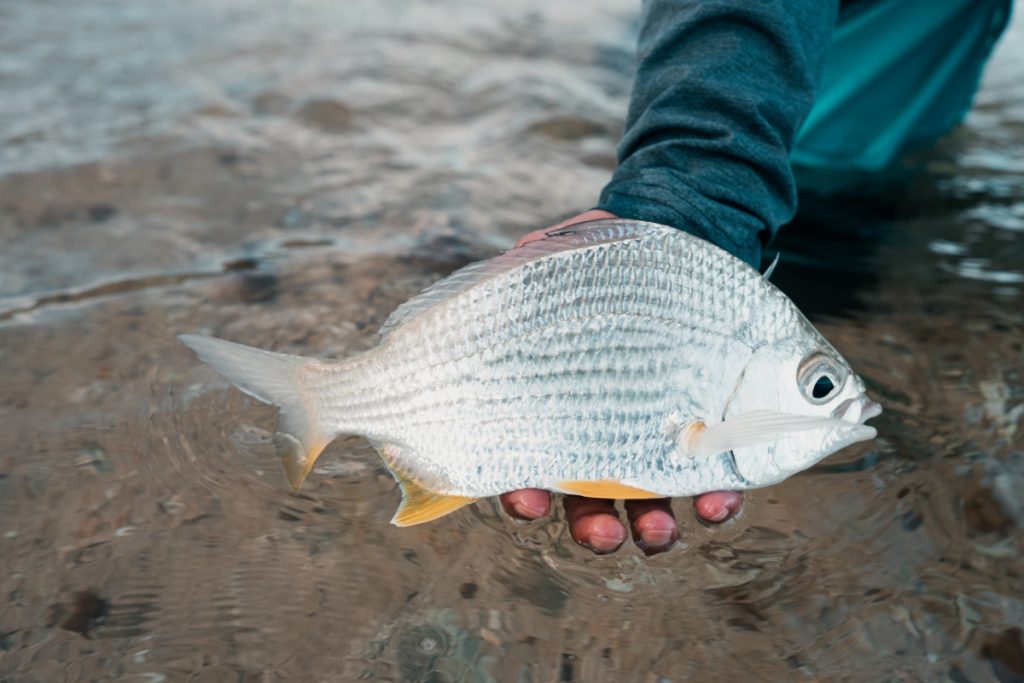
The moment it touched down, the surface exploded. A lively mangrove jack took the fly. Watching the flash of red slip back into the water, we couldn’t help marvel at the rich ecosystem of this island.
Upstream along the Urauchi River, where we fished, lies the former Inaba settlement, once a thriving rice-growing community. Akinori Taira, former head of the Iriomote Ecotourism Association, is a descendant of migrants who crossed the sea from Miyako Island as second and third sons without land of their own. Reflecting on those journeys, he recalls life on the island in earlier days.
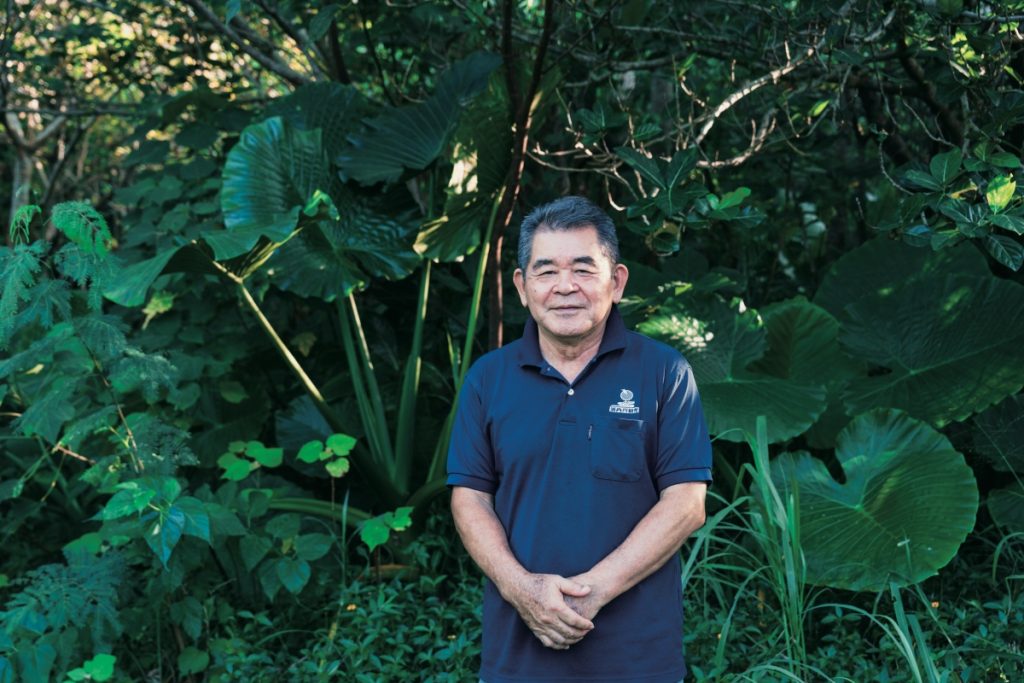
“In the past, even if you raised chickens, half would be taken by wildcats. That was just how it was. The rice fields, full of food, were also where they raised their young.”
Today, road development has pushed rice fields closer to roadsides, and accidents involving wildcats have increased. To restore habitats for endangered species, Taira is working tirelessly to revive the waterside environment of the abandoned rice fields in the old Inaba settlement.
Where People and Nature Meet
Designated as part of Iriomote-Ishigaki National Park in 1972, Iriomote Island limits visitors and requires certified guides for exploring its forests and waterfalls.


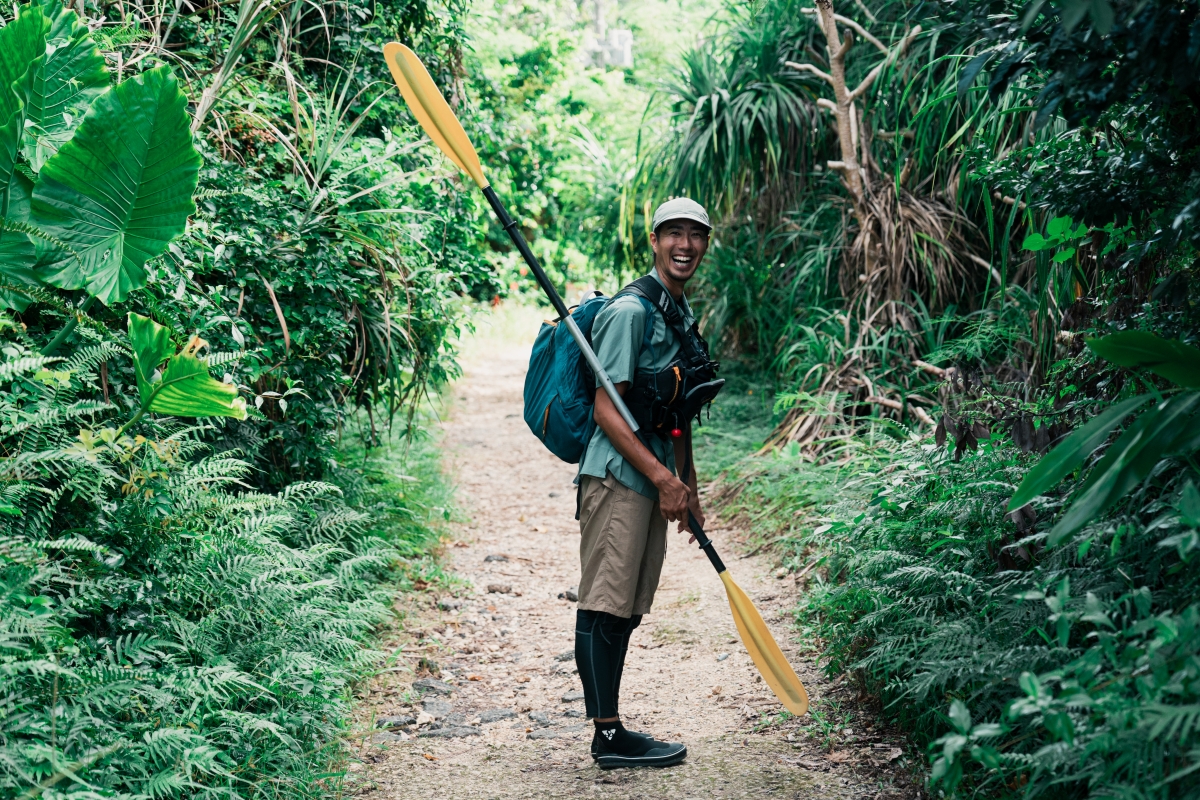
The day after fishing, we set out for Pinaisara Falls with our guide, Hirotaka Uno. As we paddled, fish we had seen the day before flanked the canoes.. Emerging from the mangroves, a towering waterfall suddenly rose into view. Pinai-sara means “falling beard,” and the water streamed down like something alive. Enveloped in the spray, we keenly felt that forest, river, and sea all breathe as one on this island. Within that rhythm, human life quietly finds its place.

Forest, river, sea, and people. As we left the island by ferry, I found myself recalling the words of the late photojournalist Masayuki Zanma: “You go fishing, catch fish… then what?”
Perhaps fishing isn’t about catching fish at all, but about reconnecting with nature and with yourself. Iriomote Island is home to many people whose ancestors came as pioneering migrants from Okinawa and Miyako Islands.
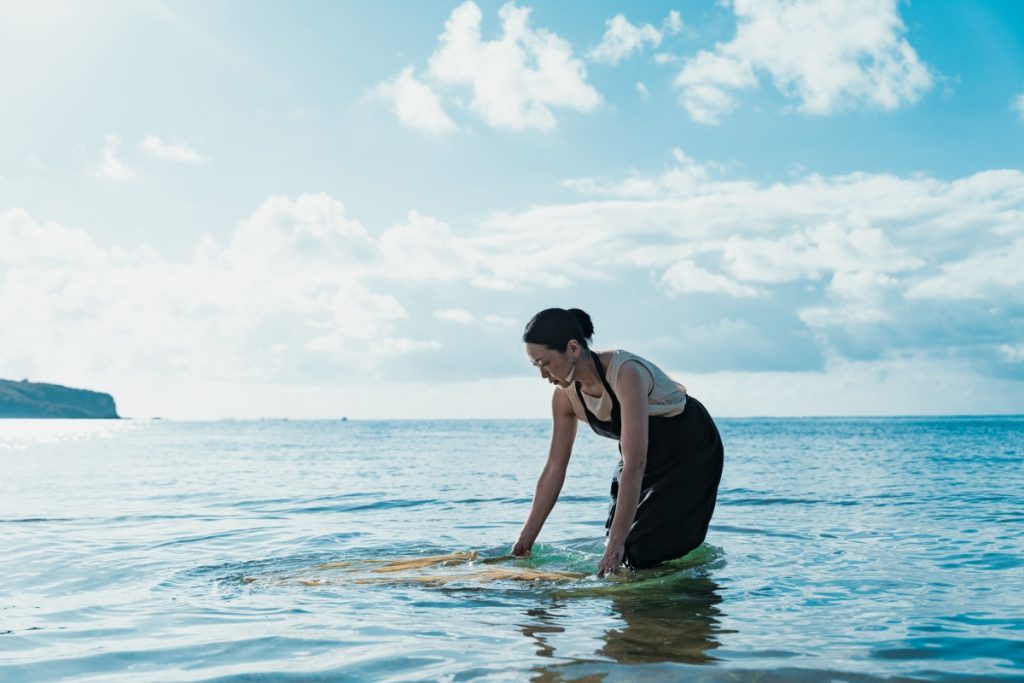
On this trip, we met those who have put down roots here and live in step with the natural world. Everyone we encountered had been “hooked” by the island’s powerful rhythm of life. And quietly, we too found ourselves caught.


Trail Guide
45-1 Uehara, Taketomi, Yaeyama District, Okinawa Prefecture
TEL:090-7878-9323
Room B-4, Fruits Island Heights
10-625 Uehara, Taketomi, Yaeyama District, Okinawa Prefecture
TEL:090-6964-6131

532-7 Uehara, Taketomi, Yaeyama District, Okinawa Prefecture
TEL:Not publicly available
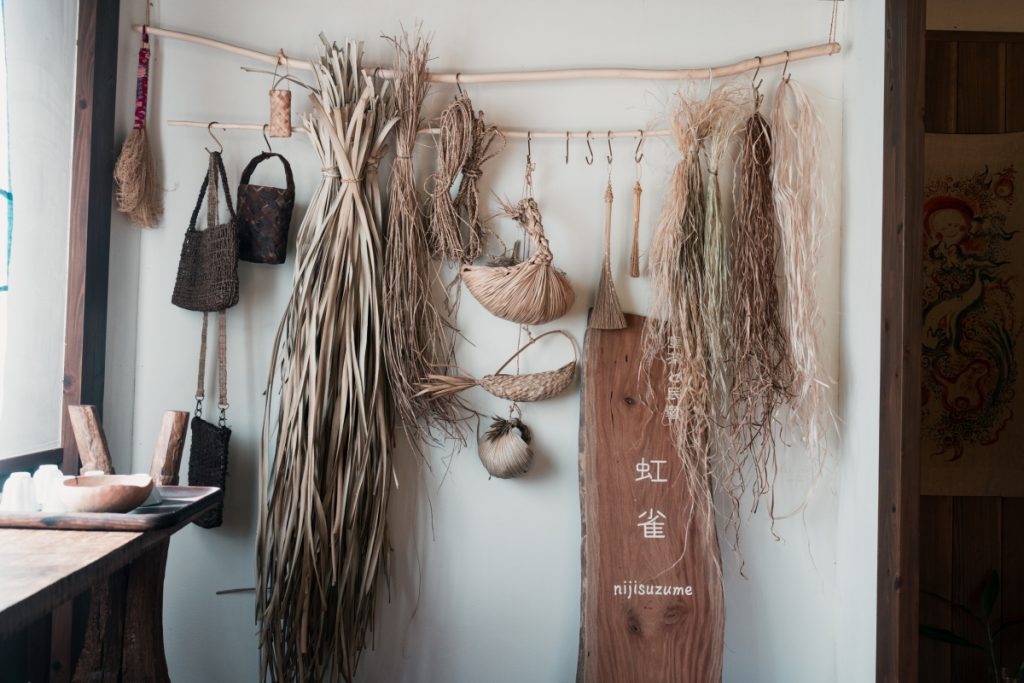
1009 Iriomote, Taketomi, Yaeyama District, Okinawa Prefecture
TEL:Not publicly available
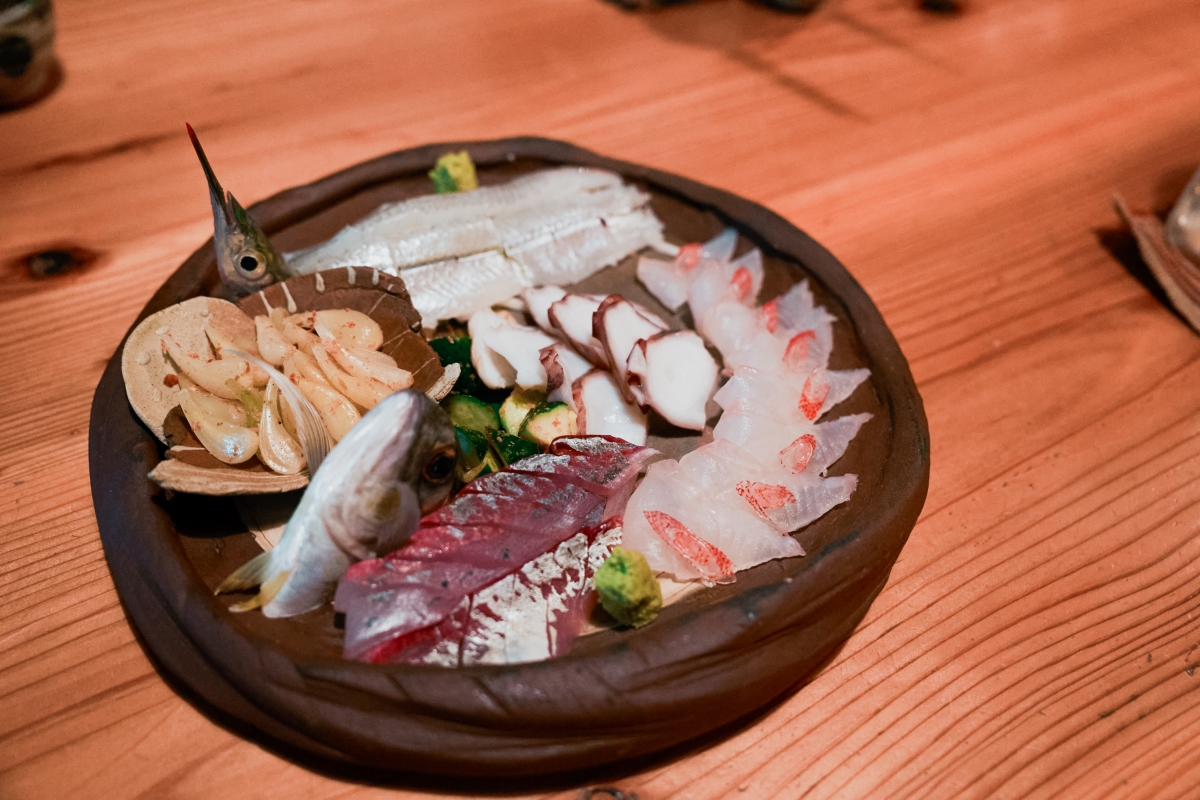
201-73 Haemi, Taketomi, Yaeyama District, Okinawa Prefecture
TEL:0980-85-5623
Journeys in the Flow of Water
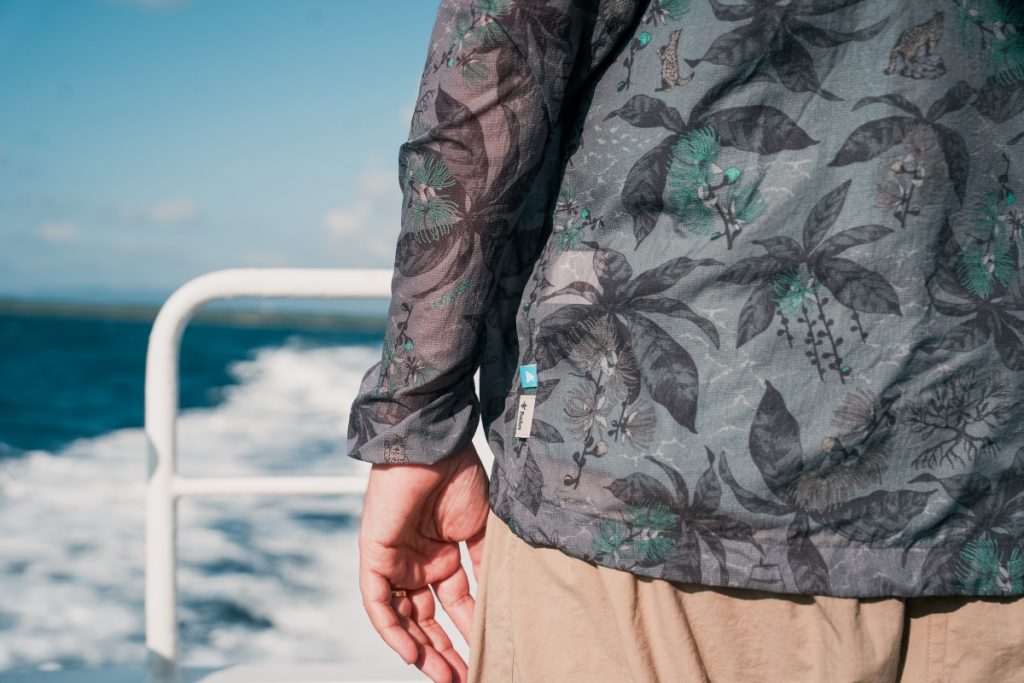
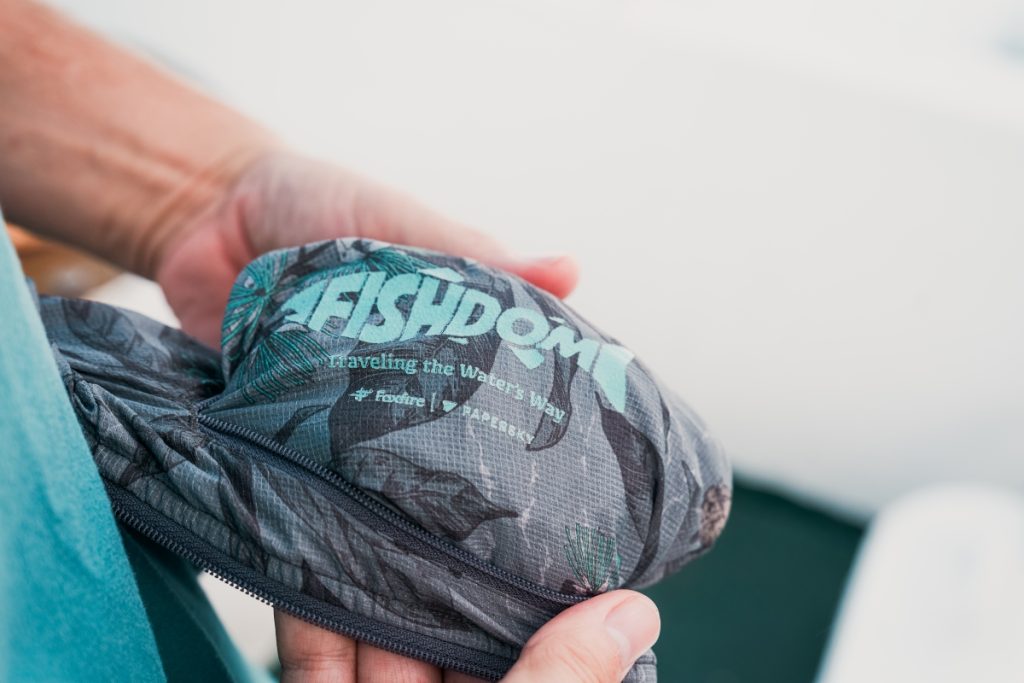
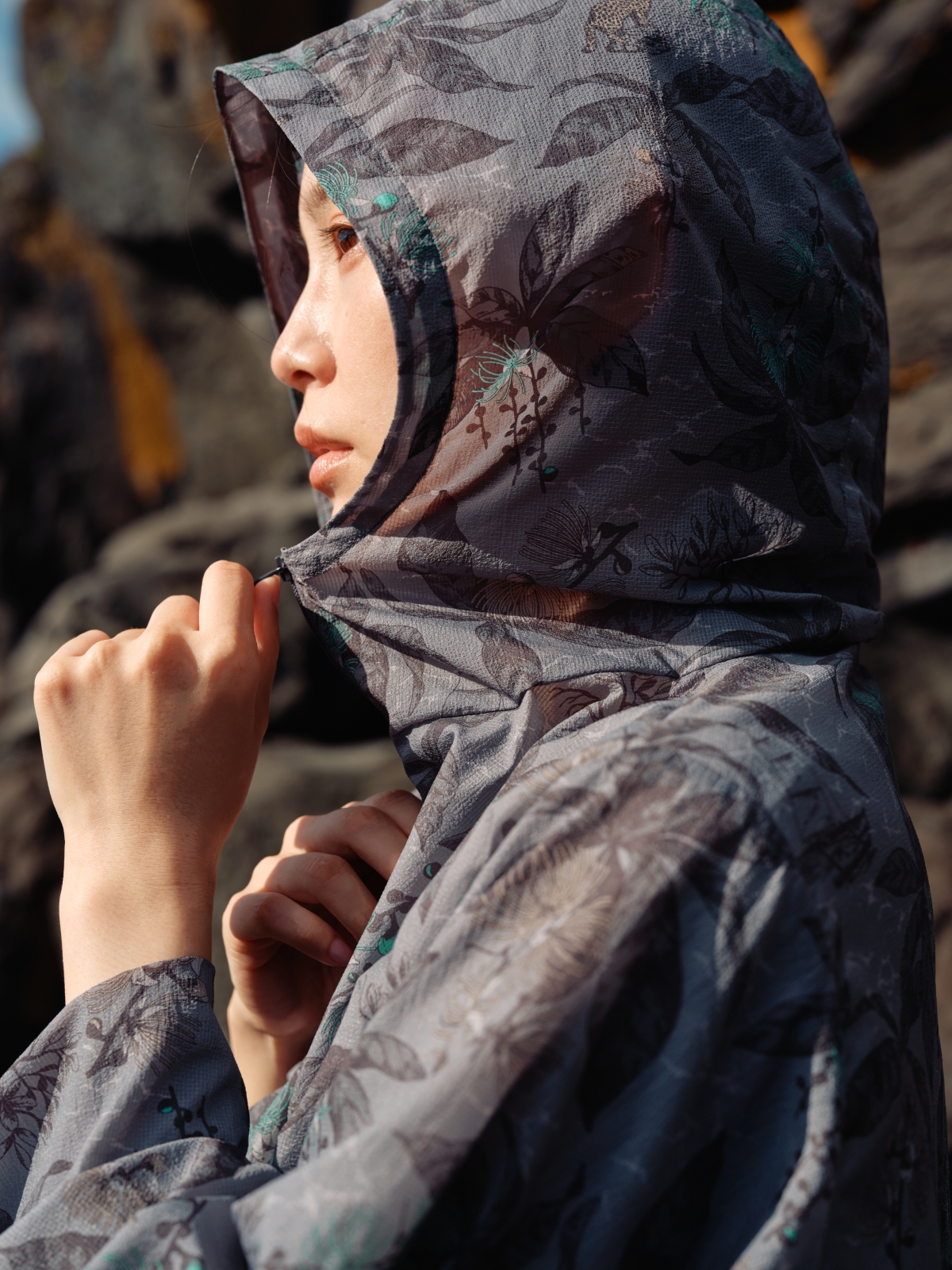
PAPERSKY and outdoor brand Foxfire draw on the wisdom of naturalists and their experiences with water-rich environments to create an outdoor style that connects travelers with fish and freshwater ecosystems around the globe. Their collaborative FISHDOM line, launching gradually from spring 2026 (scheduled) weaves motifs discovered on actual journeys into the textiles while combining mobility, water repellency, and other features suited to each adventure.