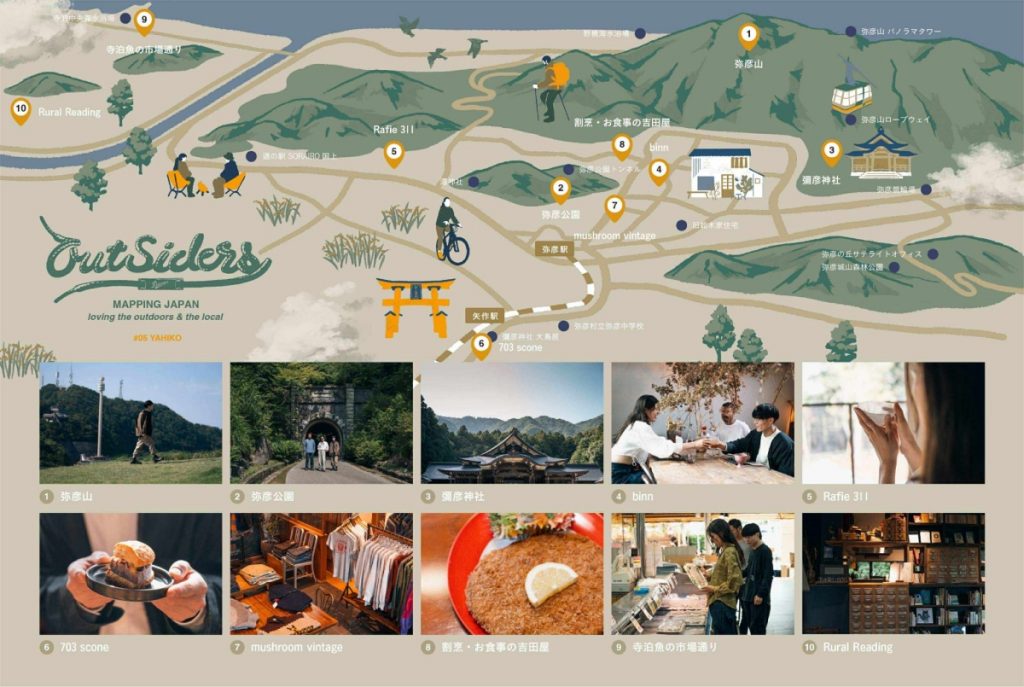
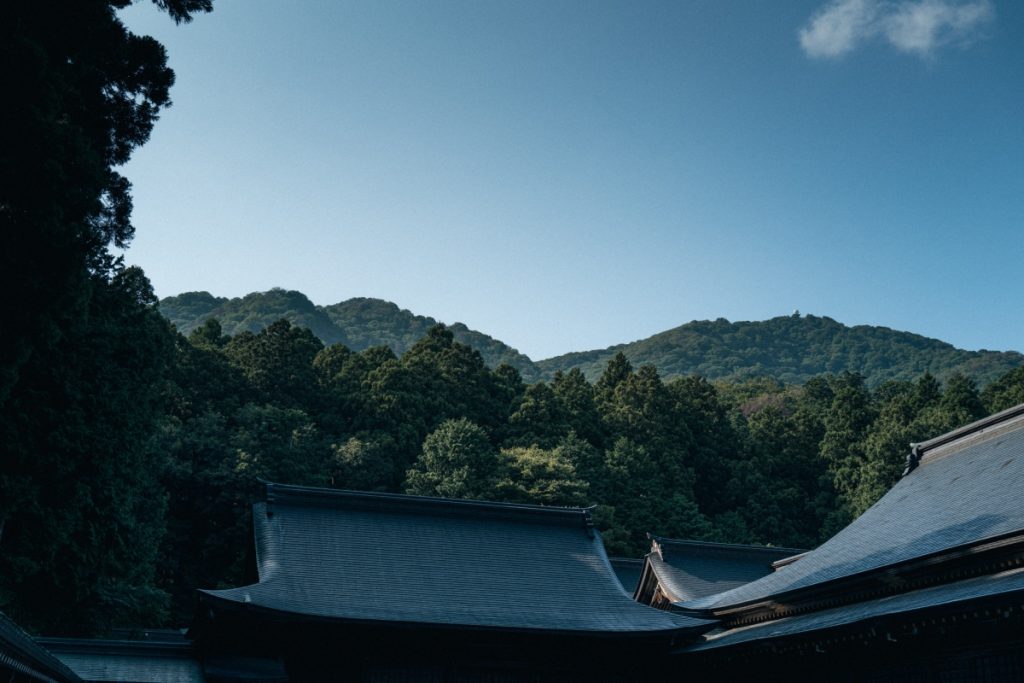
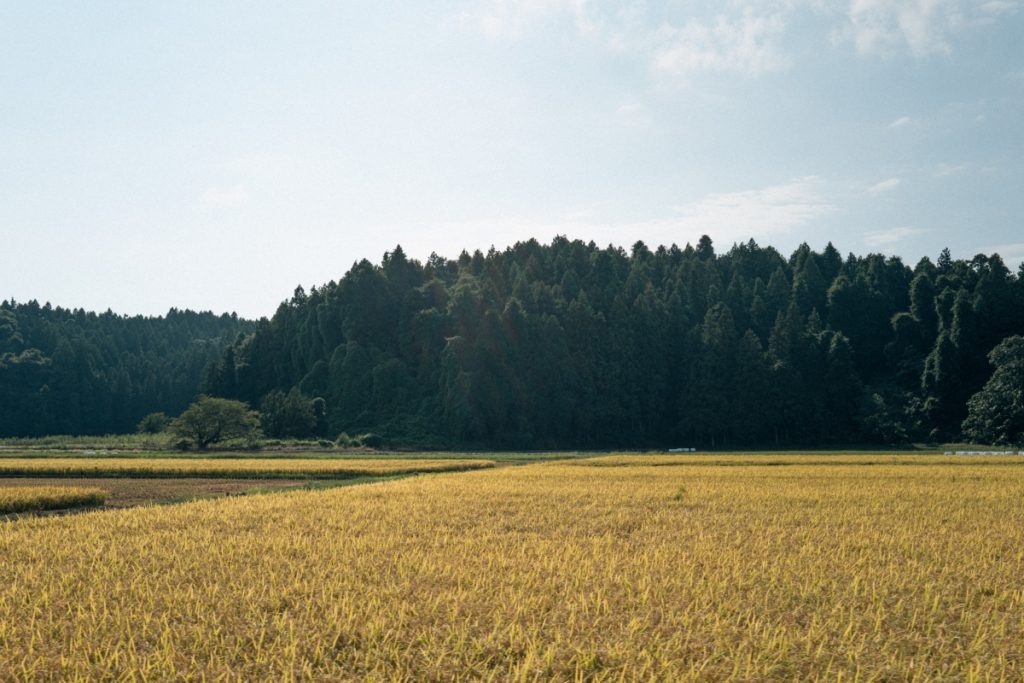
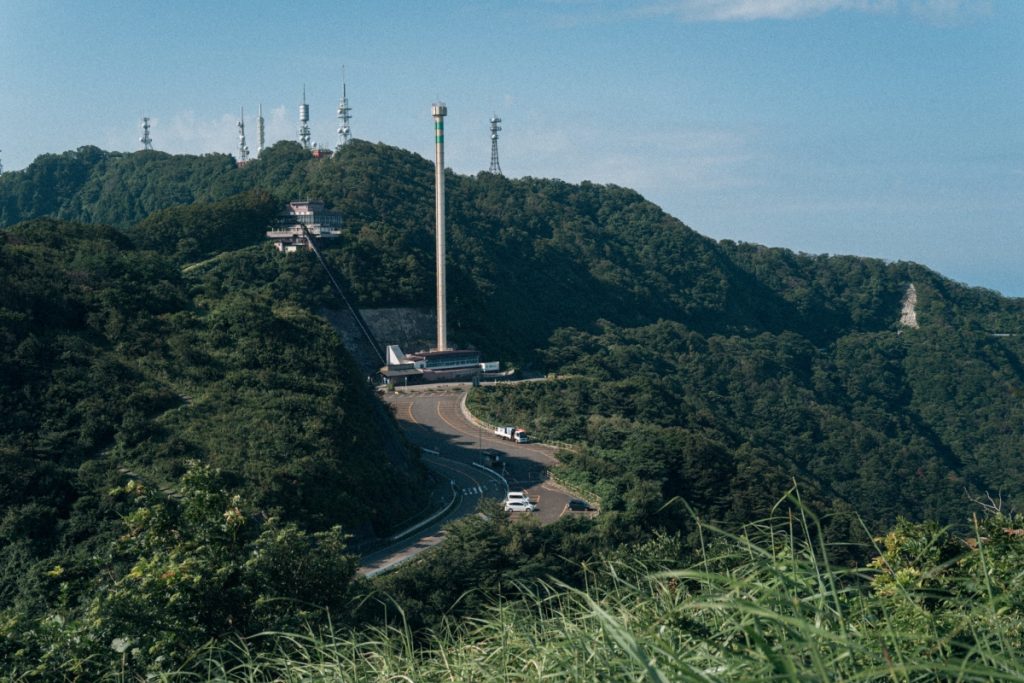
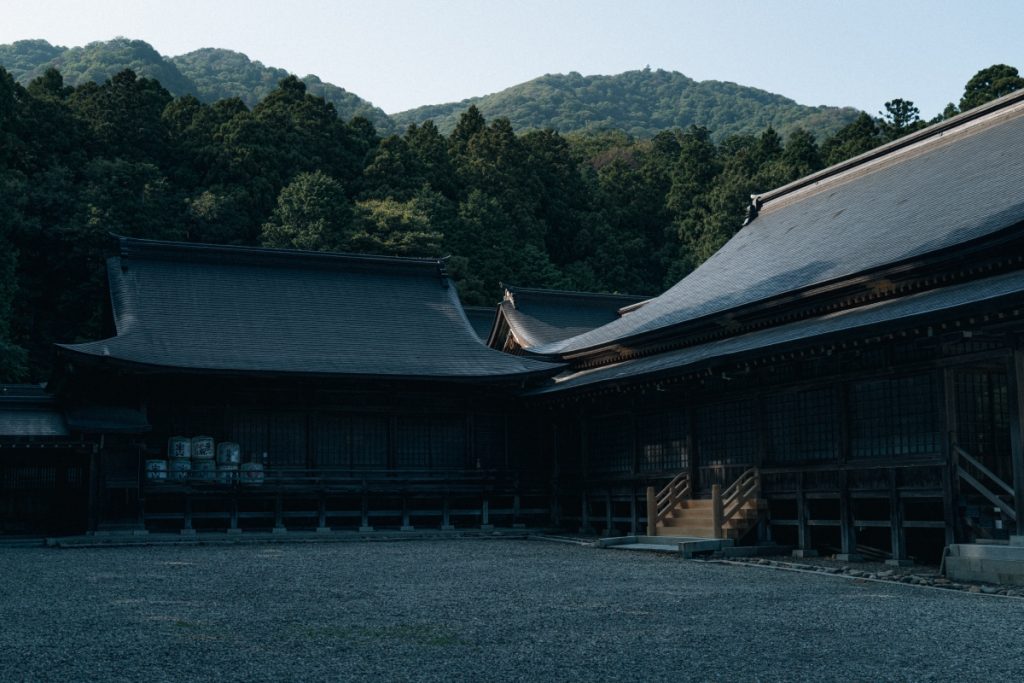
For the fifth installment, we headed to Yahiko Village, where fertile fields stretch west across the Niigata Plain and the Sea of Japan glimmers beyond. At the foot of Mount Yahiko, long revered as a sacred mountain, lies a village where life has always flowed hand in hand with faith around the 2,000-year-old Yahiko Shrine.
Spring drapes the streets in soft cherry blossoms, summer brings the distant crackle of fireworks, autumn ignites the countryside in fiery leaves, and winter hushes it all under snow. Through every season, Yahiko quietly reminds us that daily life and devotion have always been inexorably intertwined.
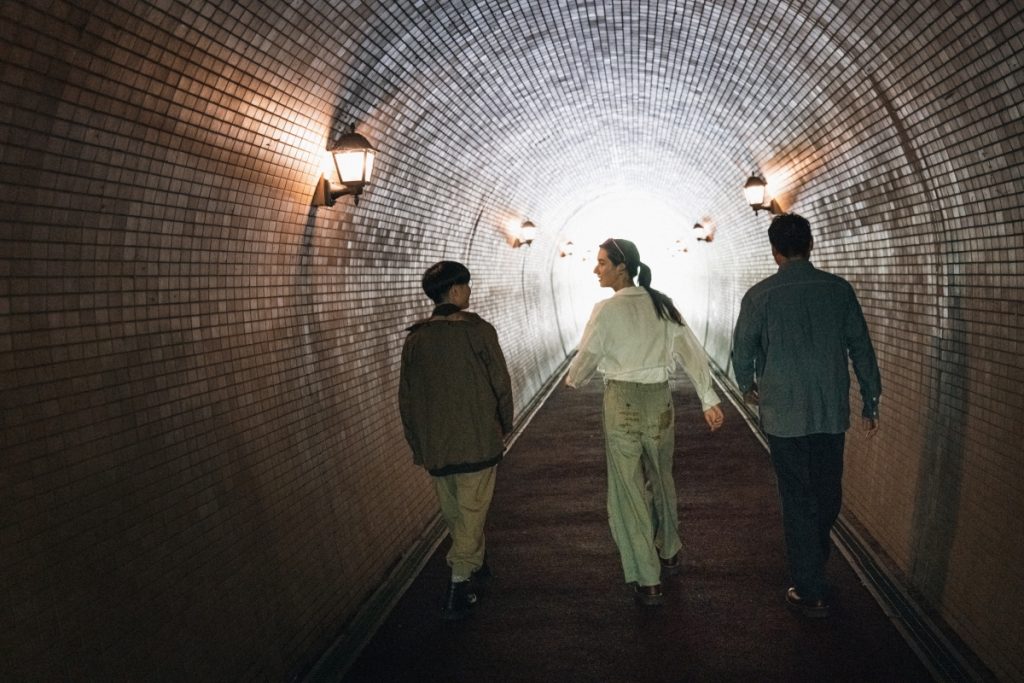
Guiding this journey through Yahiko are three creatives, each with a distinct path but a shared curiosity. Painter Annie Reina Obermayer has traveled across Japan and beyond, sketching the world as she goes. Yukinari Sato left Tokyo’s advertising scene to spark new initiatives in his hometown. Kota Shinomiya runs the bookstore and café Rural Reading in the coastal town of Teradomari. Different lives, a focused eye for detail, each bringing their own perspective to Yahiko.

Where the divine and nature reside in everyday life
Japan’s tallest torii for a ryobu shrine, towering 30 meters at the village entrance. Pass beneath it, and the path leads to Yahiko Shrine, cradled at the foot of Mount Yahiko.
“The divine, nature, and people feel incredibly close here.”
That’s Annie speaking. For two years, she traveled by van, tracing water sources and painting wherever fresh springs appeared. For her, Yahiko is a rare place to rest after a life on the move. She is now in residence at the cultural property “Former Suzuki House,” living among the village for about a year while putting brush to canvas.



“When I saw people here gaze up at Mt. Yahiko to predict the weather, or when I watched homes hang festive banners and lanterns for the local celebrations, I felt this strange sense of closeness. It made me think of Kyoto, where I grew up, yet felt different somehow. I realized the charm of this village comes from how near everything feels, the people and their faith, the people and the mountain, and the people with one another.” (Annie)

That feeling likely comes from the deep connections that seem to wrap around the entire village. A sense even Sato, a native of Yahiko, can get behind:
“Festivals are something the villagers prepare for all year round. People across generations and backgrounds join forces to arrange flowers, pass down songs and dances. It can be tough to join meetings and rehearsals while working, but in this village, you can nurture the kind of connections as a matter of course, that often get lost in the city.” says Sato.

Their approach shows a bright spark of intention, bridging tradition straight into the future.
“The scenes here are precious. If someone doesn’t keep them alive, they’ll simply disappear,” explains Sato.
Energy that flows through Yahiko
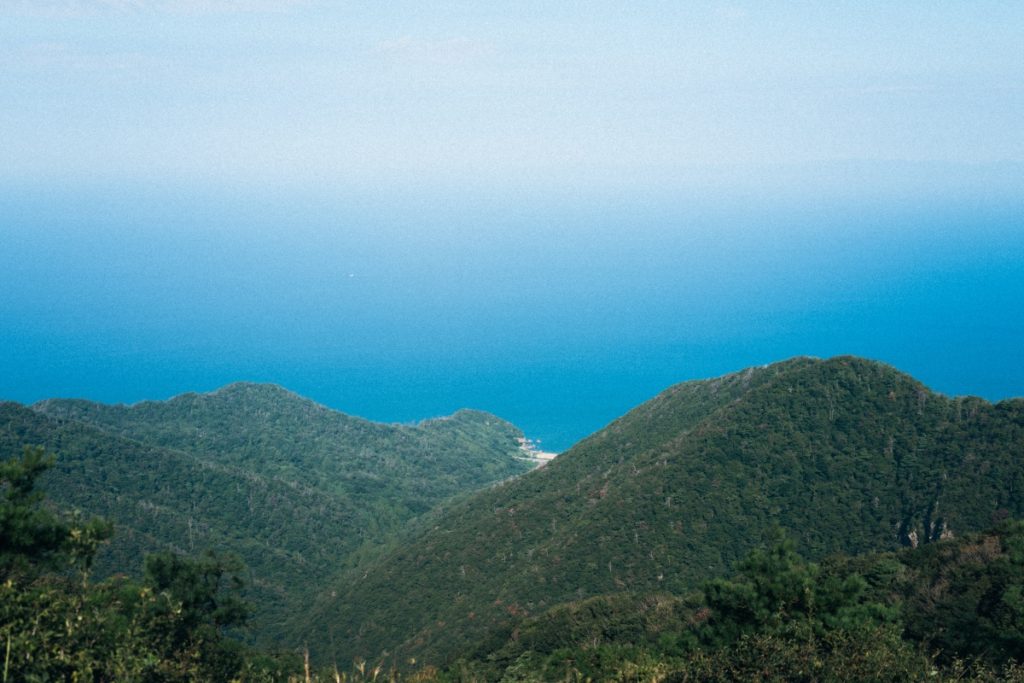
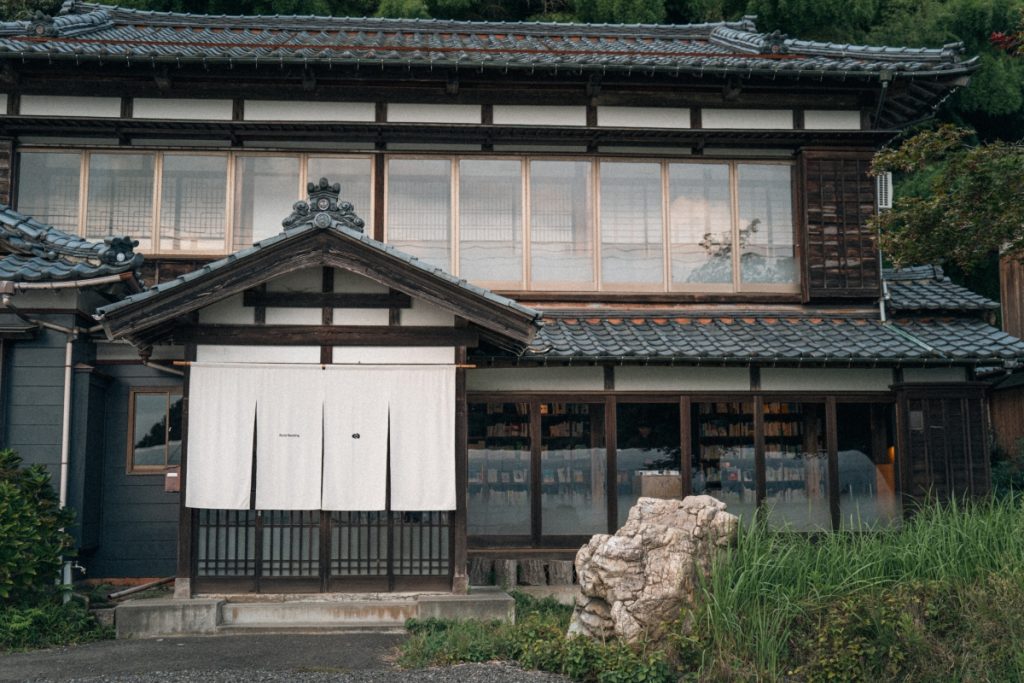
Following the ridgeline of Mount Yahiko toward the coast brings you to the neighboring town of Teradomari. Nestled on the outskirt of a small farming area within this still lively fishing town is the bookstore and café, Rural Reading.
Visitors here spend their time at a relaxed pace, a book in hand. For proprietor Shinomiya-san, books serve as a kind of vector connecting the area and its people.
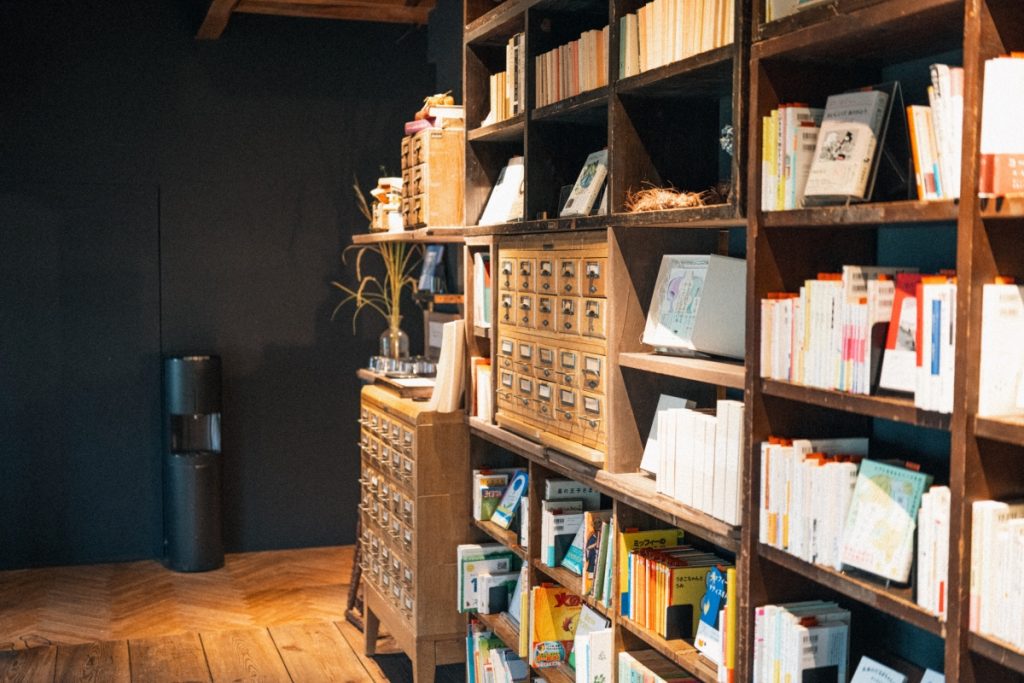

“It’s like a source of energy. Whether people realize it or not, those who live here or work here are drawing something from the mount Yahiko and the shrine. For me personally, it’s definitely a special power spot,” says Shinomiya.
The main reason is the presence of the café, binn.
A nexus of people and endeavors
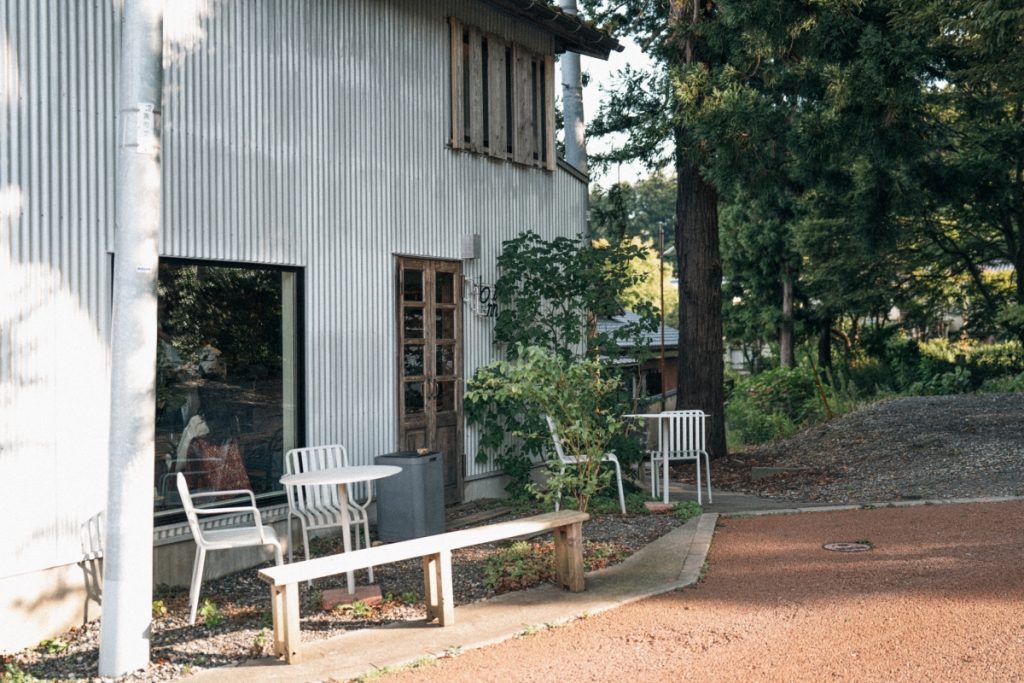
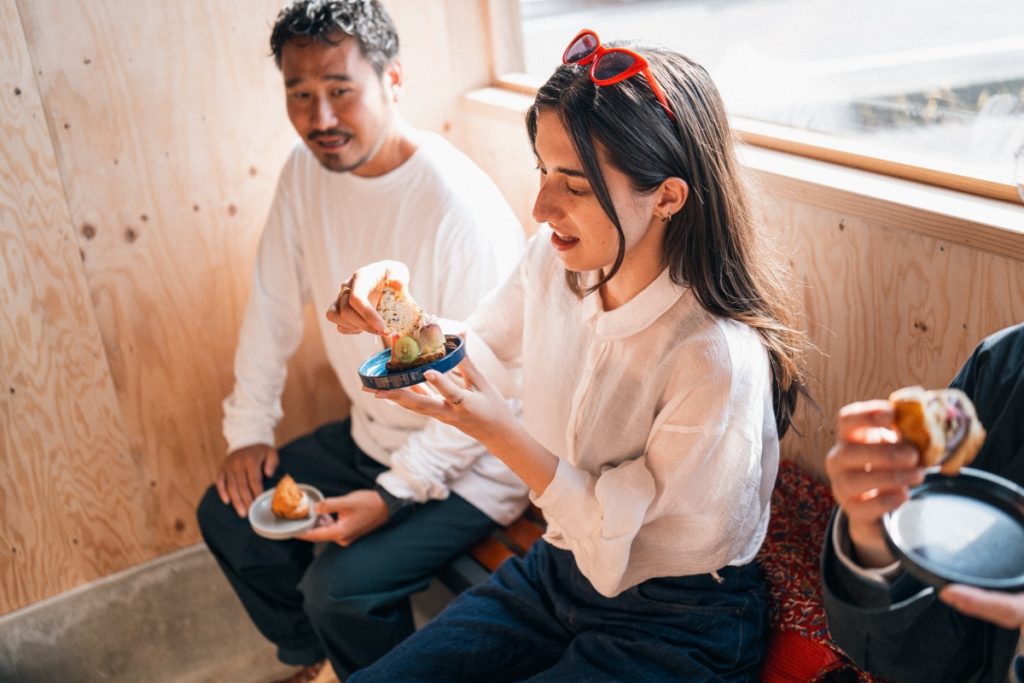
Located by the Kami-Suwa Shrine, beneath a 800-year-old Zelkova tree, binn is a small café that has been a highlight since 2019. It focuses on fermented foods and specialty coffee. The owner’s refined taste is evident in the curated music, furniture, and goods. This distinctive design creates a welcoming, comfortable space, quickly making binn a popular new base for Yahiko visitors.
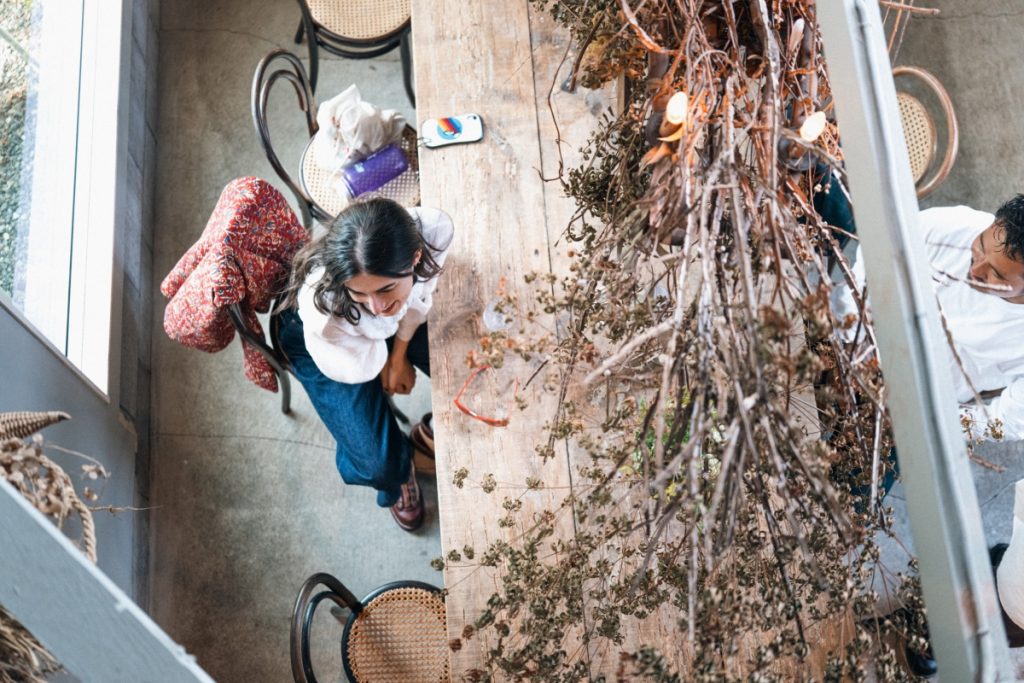
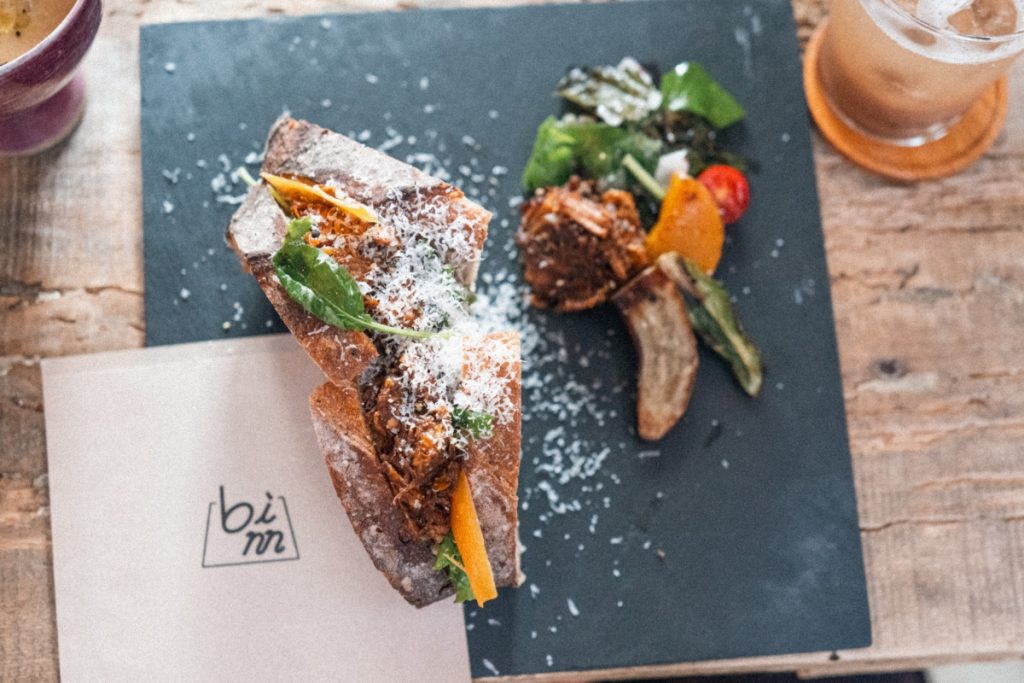
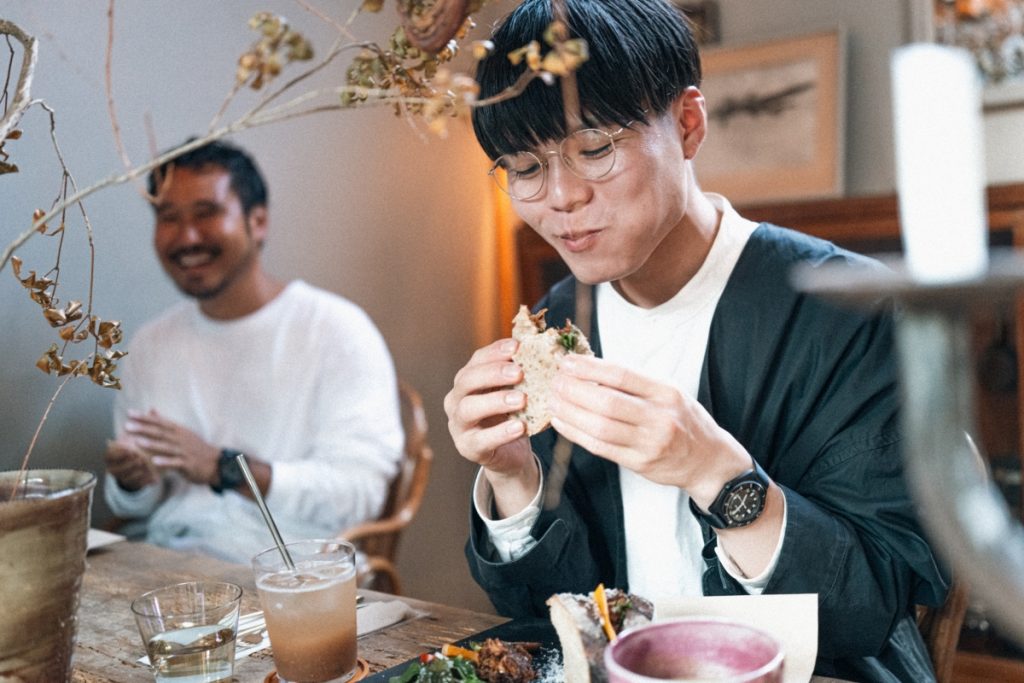
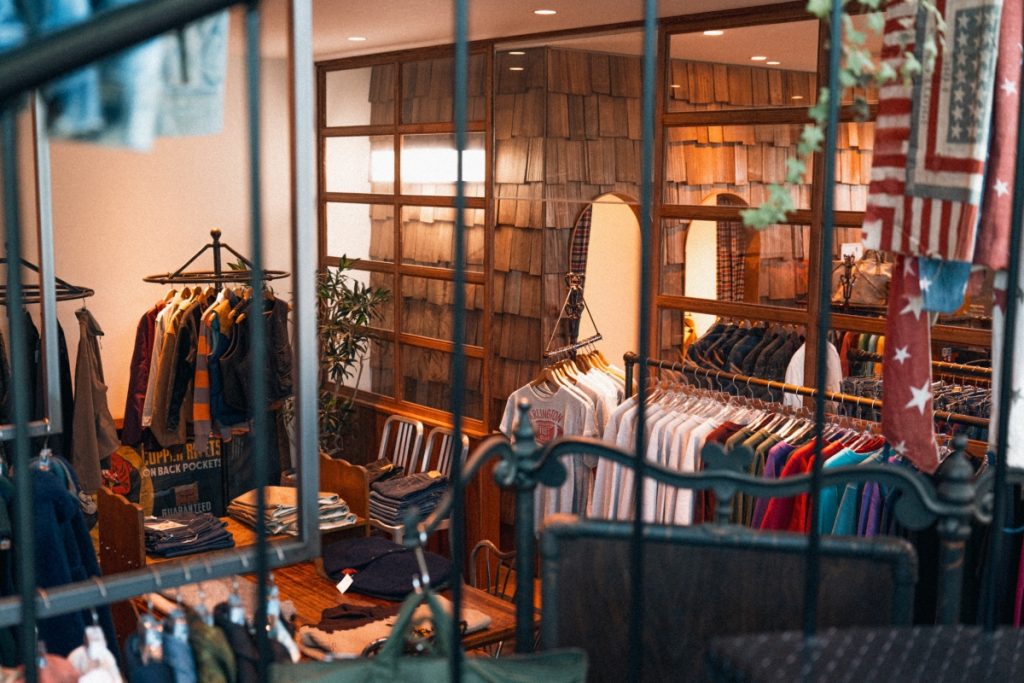
As it turns out, the interior of Rural Reading was designed by none other than Yukihisa Morita — the chef and owner of binn, who also works as a spatial designer. For Shinomiya, he’s a guiding pioneer and a true source of inspiration. It was Morita who renovated part of the village’s Important Cultural Property, launched the Artist-in-Residence program, and, remarkably, brought all three of our guides together for this journey.
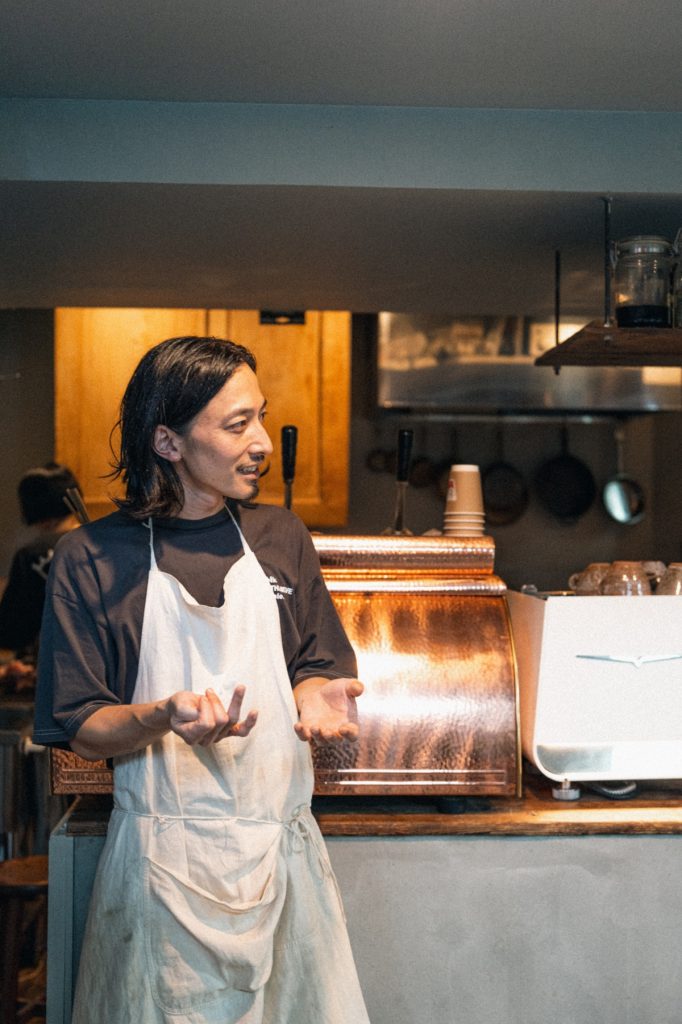
“I’ve been around the block, from repairing and selecting furniture to training under a top chef. It’s been seven years since I started binn, and little by little, my work in spatial design has grown too. I can’t really say what kind of ‘shop’ this is anymore,” Morita laughs, “but I do feel like I’m starting to join together all the dots, and getting closer to shaping the things I love into something tangible.”
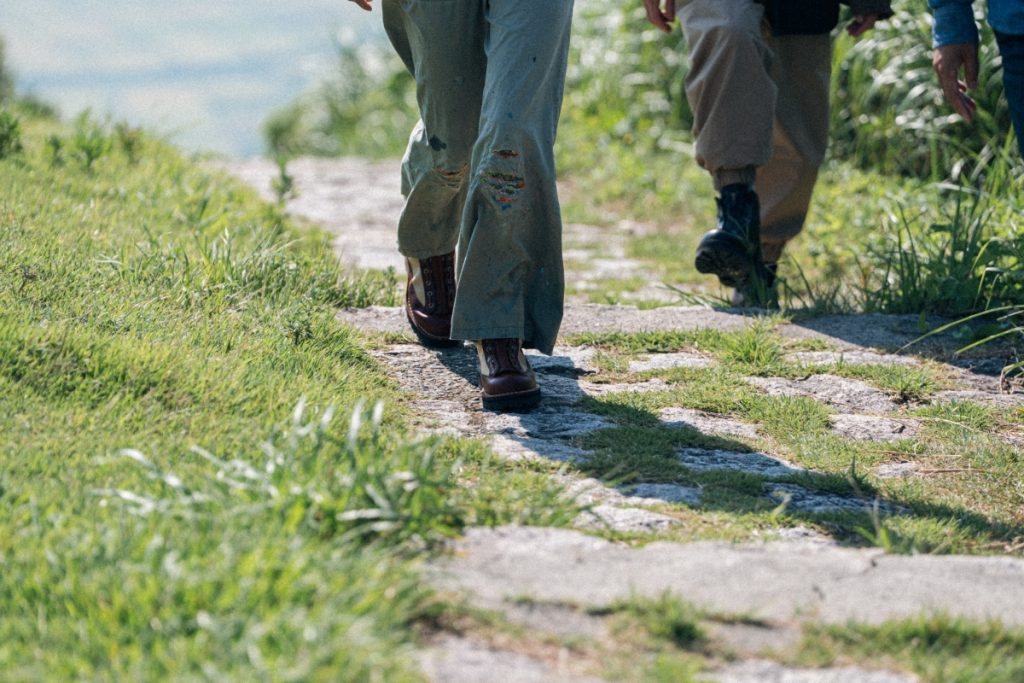
Everyday Steps, Outdoor Spirit
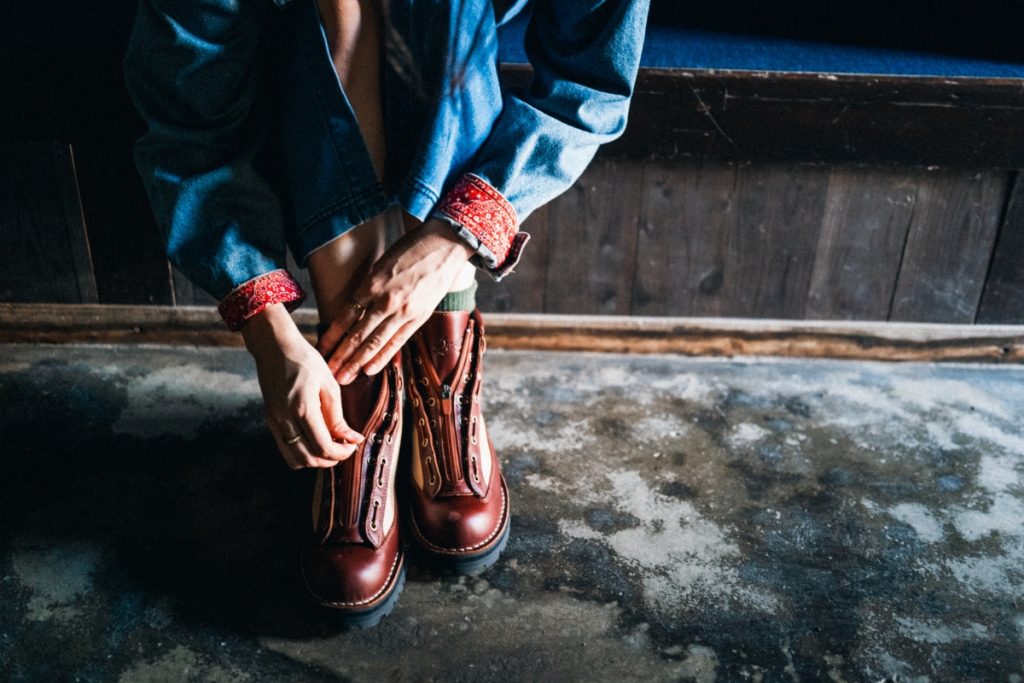
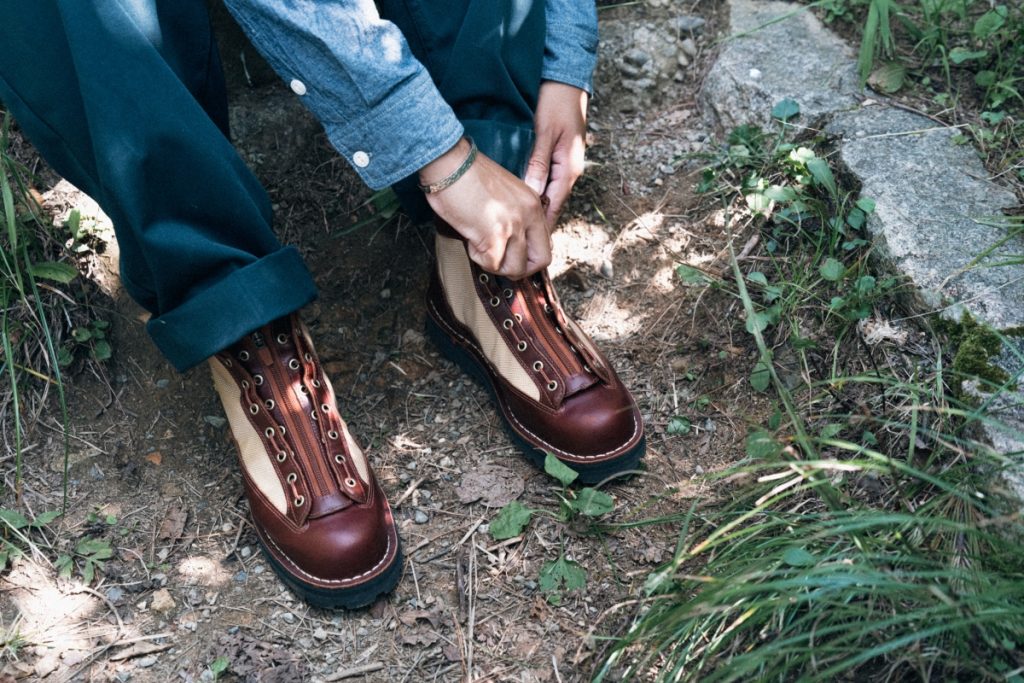
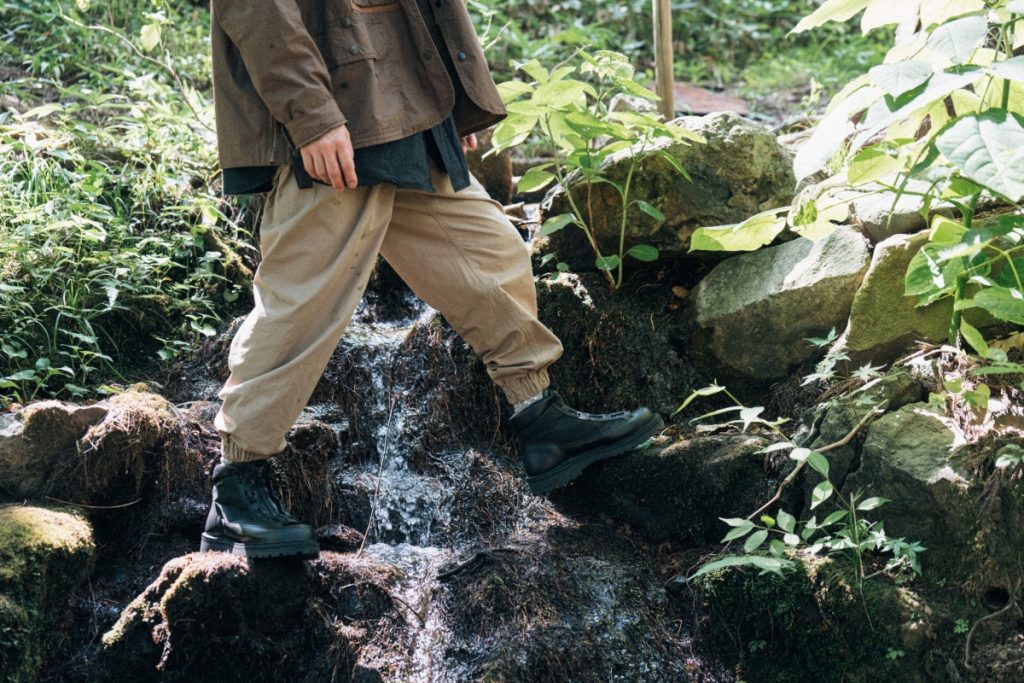
Life in Yahiko is a constant flow, seamlessly connecting the mountainside, farmlands, and coast. The “DANNER FIELD R” grounds this lifestyle. It pairs outdoor-grade waterproofing and durability with a clean design perfect for the city. A reliable anchor against Niigata’s unpredictable rain and snow, a trusty pair offers the peace of mind to finish a mountain hike and walk straight into a coffee shop. It is the perfect match for the Yahiko style: a place where nature and daily life share no boundary.

A landscape legacy for tomorrow
Annie states, “I feel that painting isn’t the only form of creation. Before that, there is “living.” Each day spent in Yahiko Village feels connected to the act of creating. What she envisions is her paintings becoming a “new window” for someone. She holds the wish that “my paintings could be like a presence that blows in a breeze not present in that space.”
Sato shares his vision: “I want to build new systems so that the younger generation can be proud of this land.” And Shinomiya adds, “I want to keep running this bookstore her—a place that exists precisely because it’s local and meaningful.”
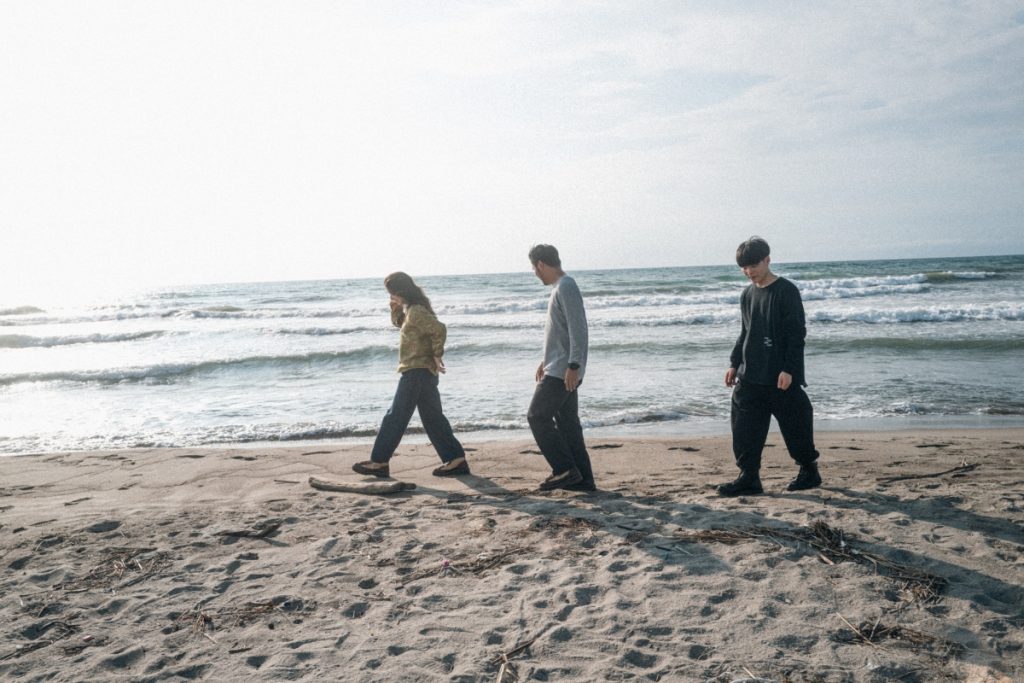
Yahiko Village has faced recent population decline. This is driven by the exodus of the younger generation and a critical lack of agricultural successors resulting from an aging society.
“The shocking truth is that 70 to 80% of our rice farmers, the ones responsible for these gorgeous fields, have passed the age of 75. That’s why what we achieve in the next few years is so vital,” says Sato.
Efforts like business startup and agricultural support are underway to sustain the region’s energy. However, preserving settlements and passing on our industries requires new frameworks and relationships. What they establish today is the key to the future.
With an outsider’s eye, Annie uncovers the village’s appeal. Sato, working from the interior, shapes the future. Shinomiya stands nearby, offering support and spreading the message. While their approaches cast light from different directions, their core wish remains the same:
“We want to pass this landscape on to the future.”
The synergy between the divine, nature, and the people underpins life in Yahiko. This intimacy ensures the village will always be a source of warm, unfolding new stories.
YAHIKO Guide

Annie Lena Obermeier
Traveling painter. Raised in Kyoto to an American father and Japanese mother. Began creating commissioned portraits during her student years, launching her career as a painter. Since 2020, she has maintained a nomadic lifestyle, traveling throughout Japan with a bed and art supplies in her car. From June 2025, she participated in the Artist-in-Residence program in Yahiko Village, Niigata Prefecture, staying at the Meiji-period Japanese house “Former Suzuki Family Residence.” She will base her creative activities in Yahiko for approximately one year.
https://www.instagram.com/annielenaobermeier
Shinomiya Kota
Bookstore owner. Born in Joetsu City, Niigata Prefecture. After attending university and working in the Kanto region, he relocated to Nagaoka City, Niigata Prefecture to build a life rooted in local culture and daily living. He renovated a 70-year-old private house and opened “Rural Reading,” a bookstore and café in 2022. The name signifies “reading in the countryside,” fostering a reading space independent of urban contexts through books and coffee. He explores sustainable bookstore models and community engagement as a resident of the village.
https://www.instagram.com/rural_reading
Yukinari Sato
Graduated from Niigata Meikun High School and Hosei University’s Faculty of Sociology, Department of Media and Society. After working at a PR firm and an advertising agency, joined the family business, the traditional lunchbox restaurant “Yoshidaya,” in 2022. Established Yahikology Inc. in June 2024 with the aim of regional revitalization. Provides branding and PR support for tourism associations, local governments, and companies of all sizes.
https://yahiko-yoshidaya.com/