







“Ha ha ha! Walking the 88-temple circuit isn’t the only way to experience the Shikoku Pilgrimage. It’s the detours that enrich our lives. Shikoku, with its culture of osettai (hospitality), is the one place in Japan where you can feel safe getting a little lost. I’d be thrilled to see more people take the pilgrimage like a long trail, with plenty of side adventures along the way.”
With these words, Washu Ebizuka brushed aside the common misconceptions about the pilgrimage. Here, at Chikurin-ji Temple, the 31st temple on the route, Ebizuka serves as both head priest of this ancient temple, known for its five-storied pagoda, and as the head of the Tosa region’s association for the 88 sacred sites, dedicated to preserving the Shikoku Pilgrimage.

“It’s true that the Shikoku Pilgrimage has traditionally been associated with middle-aged and older travelers. But lately, we’re seeing more young pilgrims—especially visitors from the U.S., Europe, and Oceania. If Tokyo represents cutting-edge Japan and Kyoto captures Japan’s beauty, then I’d say Shikoku offers a glimpse into Japan’s true spirit,” Ebizuka notes.
In fact, statistics show that foreign visitors make up a remarkable 44% of those walking the pilgrimage. What kind of Japan are they searching for along these pilgrimage trails? For Ebizuka, one answer lies in the custom of *osettai*—the unique acts of hospitality extended to pilgrims along the way.
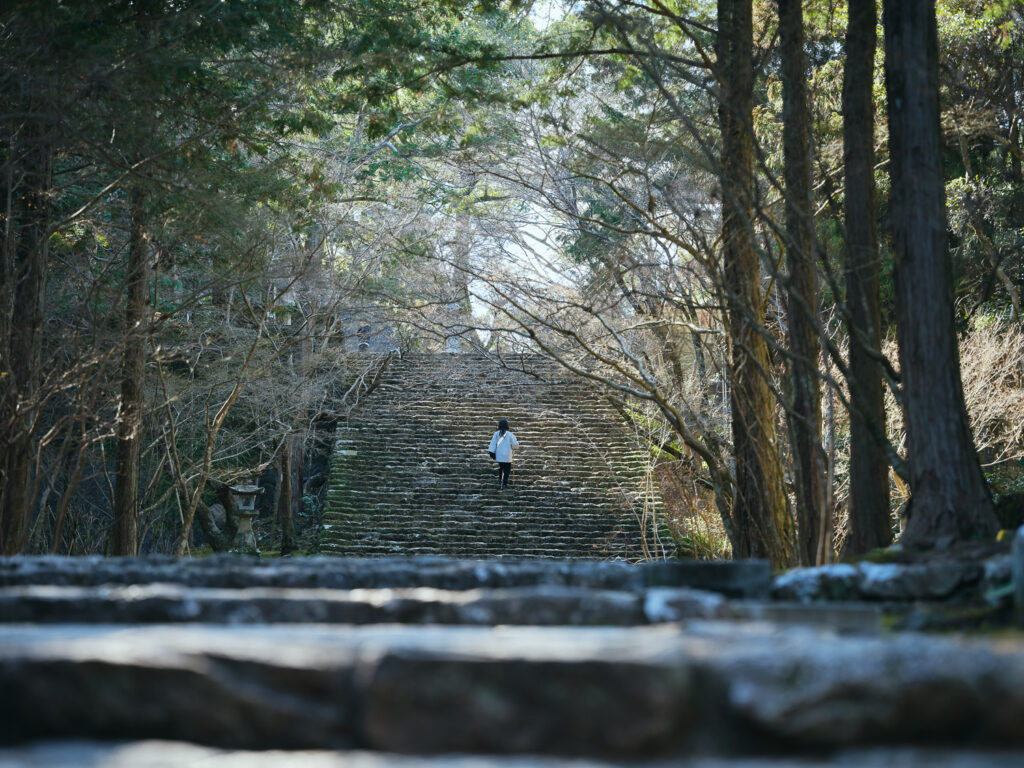
“In Shikoku, we’ve always called those on the pilgrimage ‘ohenro-san’ with warmth and respect, offering them food, drink, and even a place to rest as part of the osettai tradition. You might even call it a kind of meddlesome kindness. I believe these gestures of hospitality were once common across Japan, but as times changed, they gradually disappeared—except here in Shikoku, thanks to the pilgrimage.”
The reassurance of feeling safe even while lost comes from this spirit of osettai. Especially in Kochi, where there are only 16 pilgrimage temples—the fewest in Shikoku—the distances between each are long. Known as “the path of training or Ascetic Practices,” this rugged stretch makes the hospitality pilgrims encounter all the more meaningful.
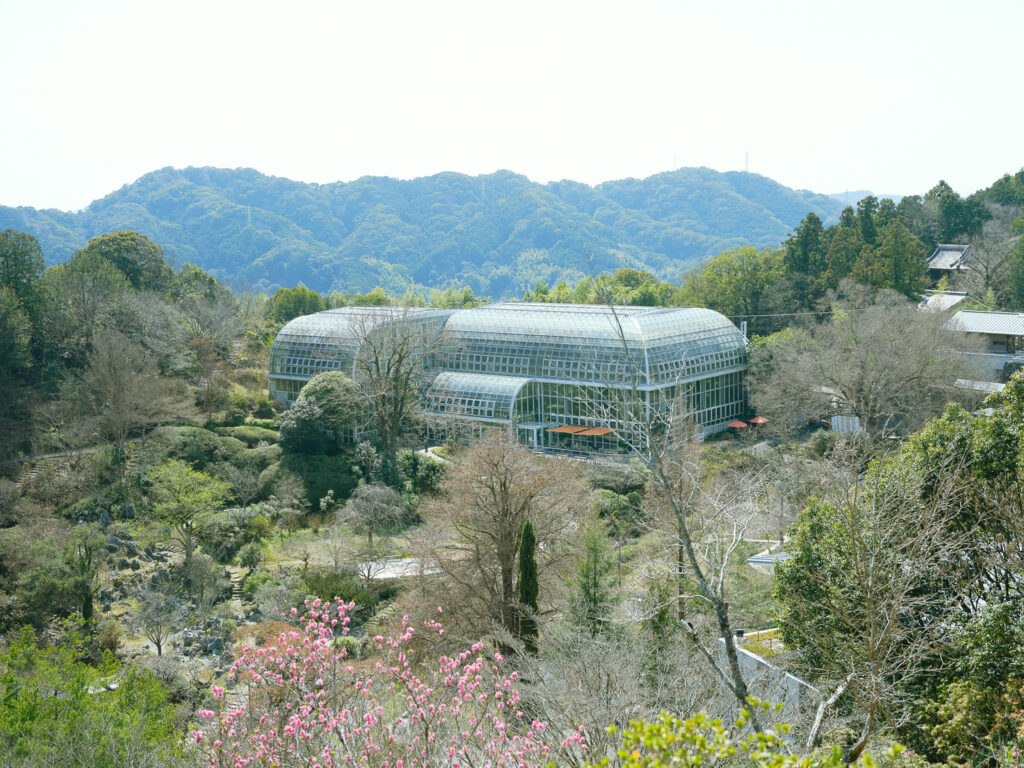
If you’re ready to embrace getting a little lost, there’s even a detour worth taking near Chikurin-ji: the Kochi Prefectural Makino Botanical Garden. Recently featured in the NHK drama Ranman, this garden honors the work of Dr. Tomitaro Makino, known as the “father of Japanese botany.” With around 3,000 plant species linked to Dr. Makino, the garden offers a seasonal showcase of diverse flora.

When it’s time for a break, why not savor some local Kochi cuisine? At Sushi-ryu Harimayabashi, you can enjoy inaka sushi from autumn to spring—a traditional mountain fare that uses vegetables instead of seafood, originally served at celebrations in Kochi’s rural areas. After all, being on the Shikoku Pilgrimage doesn’t mean you have to miss out on local specialties and sights.
Ebizuka shares his advice for the journey:
“It’s helpful to decide in advance what you will and won’t do on your trip. Discipline isn’t only about pushing yourself; making time to visit beautiful spots and enjoy good food can also be part of the pilgrimage mindset. Shikoku’s diversity is part of its charm, so I hope each pilgrim finds their own way to enjoy it.”