







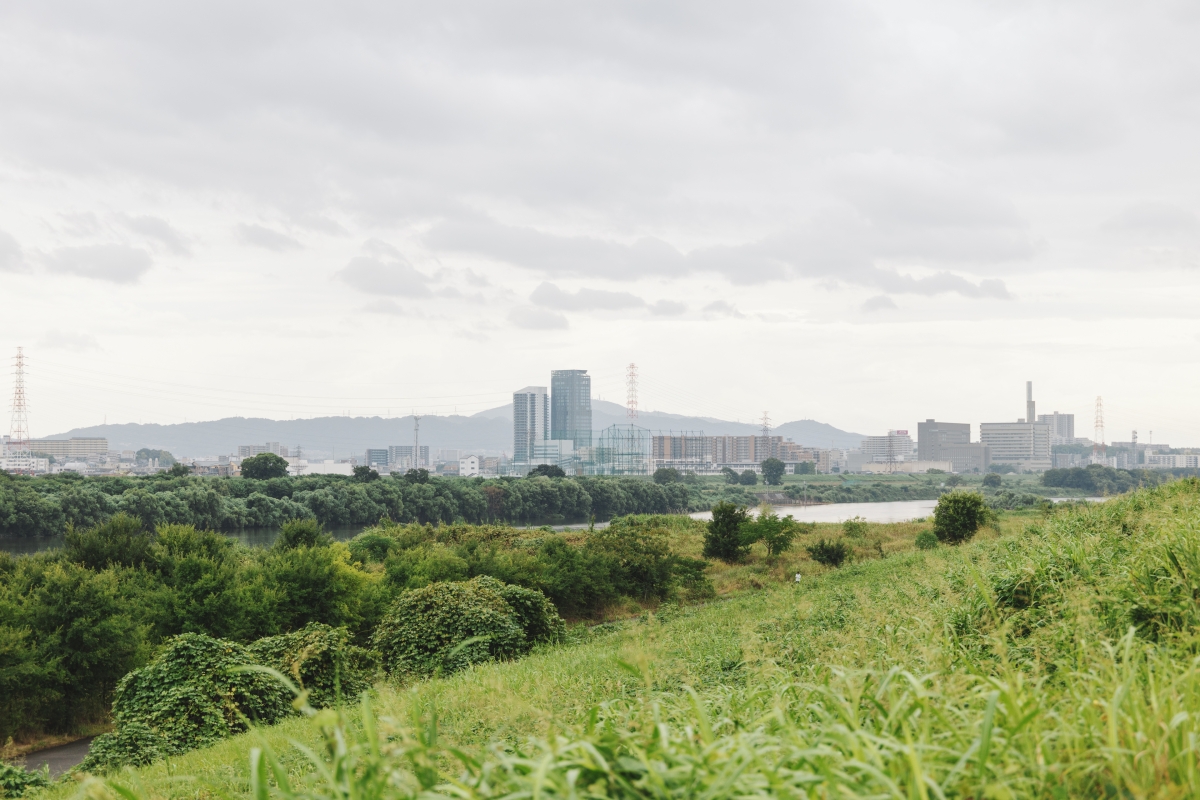
Takatsuki City in Osaka Prefecture lies roughly midway between Osaka and Kyoto. This time, we visited the home of a couple who were born and raised here. The city’s northern area boasts bucolic river spots and autumn foliage at Settsukyo Gorge, while sites like the Imashirozuka Kofun and Aman Ruins—some of the largest in the Yodo River basin—hint at the region’s long history.
We headed down to Takatsuki with Lucas, editor-in-chief of PAPERSKY, to meet Shigeki Hattori of graf, Osaka’s nationally renowned creative team. As a professional in lifestyle design himself, Hattori joined the conversation on living spaces and ways of life.
Visitors / Lucas B.B. (Editor-in-Chief, PAPERSKY)
Visitors / Shigeki Hattori (Founder, creative team graf; based in Osaka Prefecture)
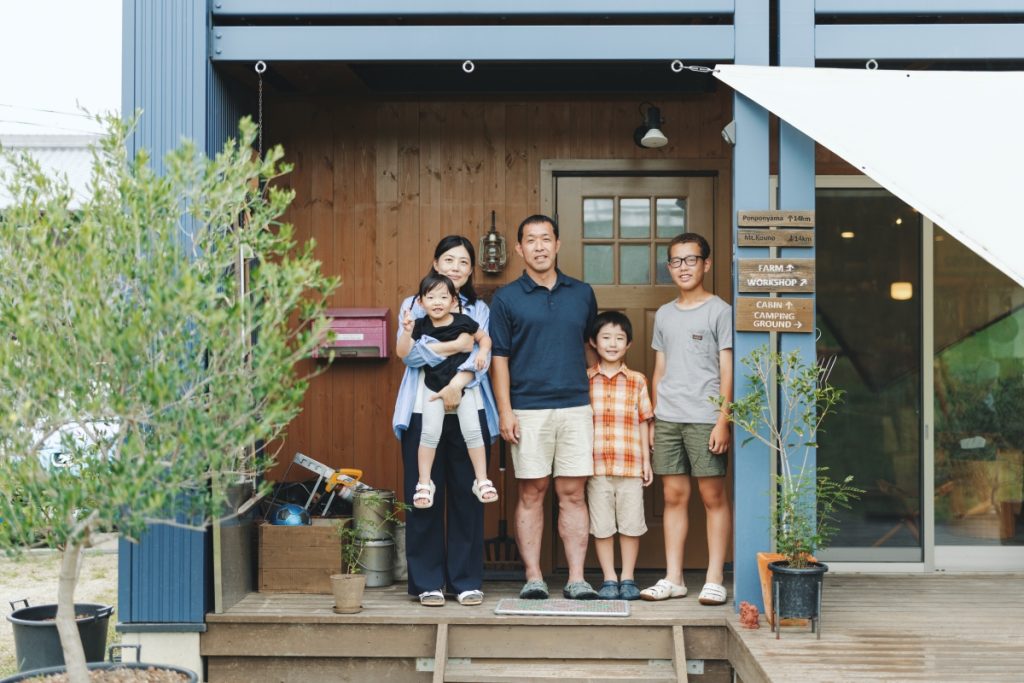
Hosts / Kazuma Matsushita, Shoko Matsushita, Kotaro, Kojiro, Saka (BESS homeowners based in Takatsuki City, Osaka Prefecture)
1. It Had to be BESS, and Nothing Less
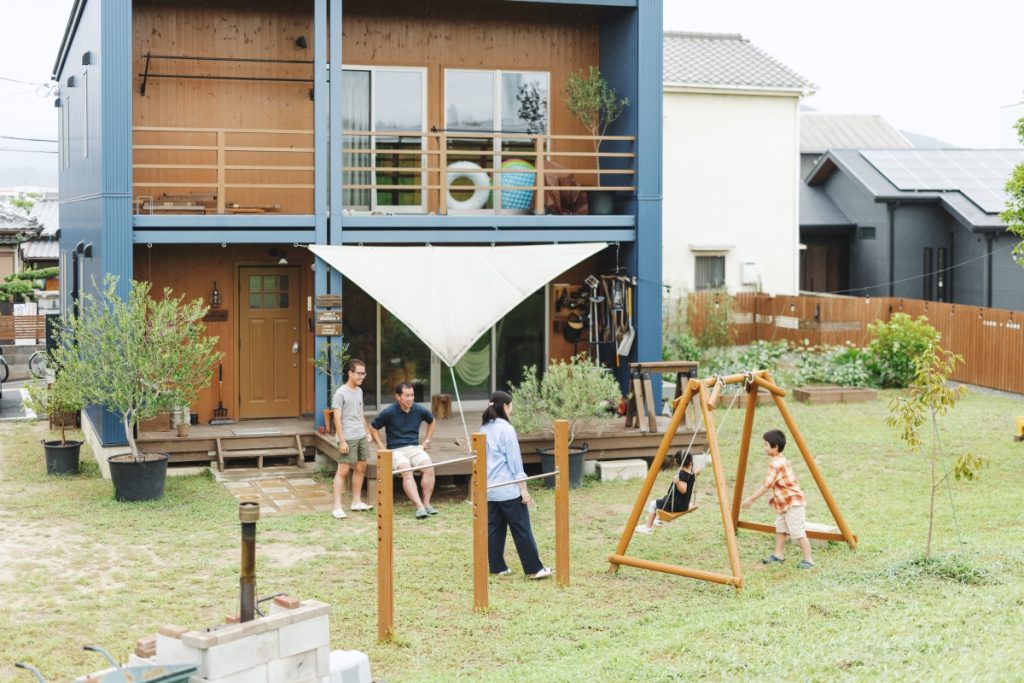
Walking through a dense residential neighborhood, we came upon a slightly unusual location along the riverbank. The spacious garden looked almost like a small park. Even from the outside, the house radiated fun. Intrigued, we stepped inside the “Wonder Device.”
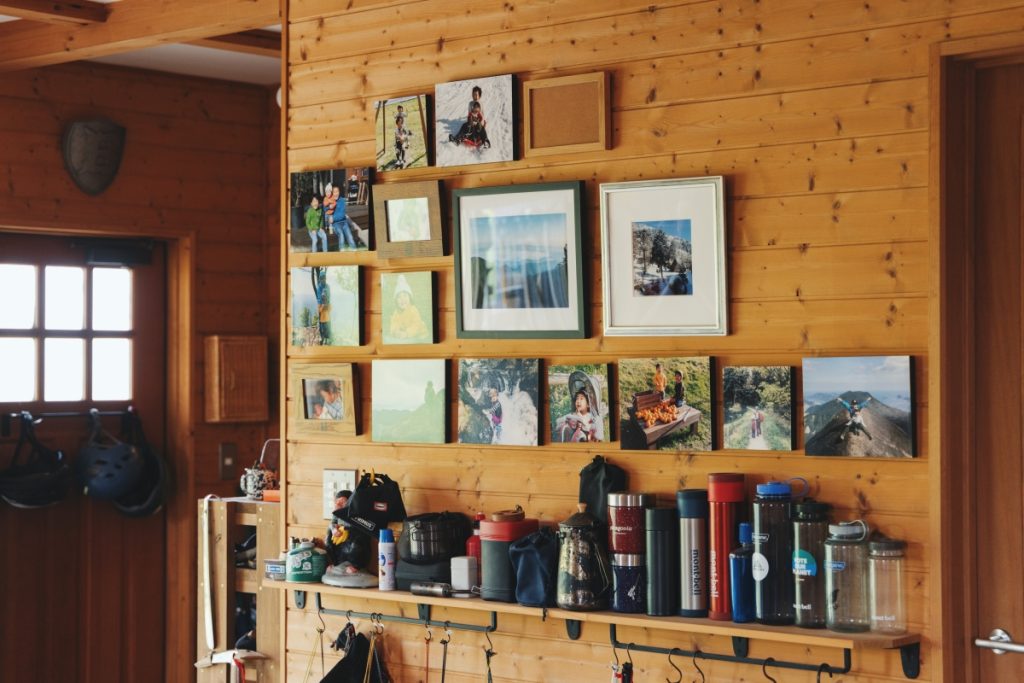
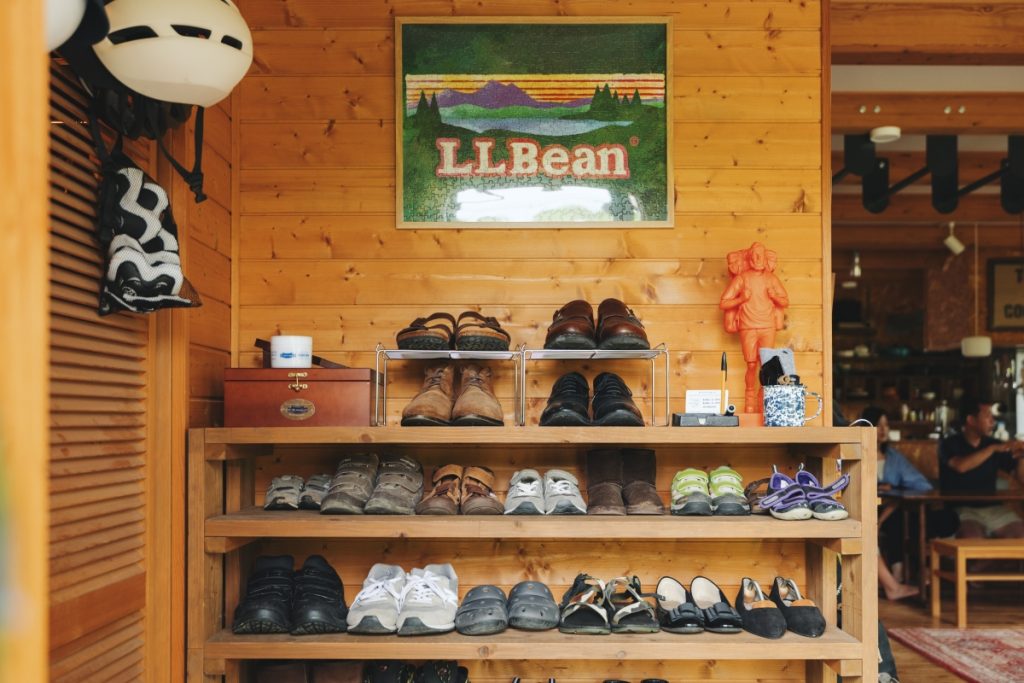
Lucas: ”The moment I stepped inside, I could tell how much you love mountain climbing. The way you’ve displayed your gear is impressive.”
Kazuma Matsushita (Kazuma): ”Thanks. I’ve been into mountain climbing for about 20 years.”
Shigeki Hattori (Hattori): ”You have all the gear for the whole family. Which mountains do you usually go to?”
Kazuma: ”We mostly stick to mountains in the Kansai region, so they’re not exactly extreme. But in winter, we do take on snowy peaks as well.”

Lucas: ”A lot of people in BESS homes really bring their hobbies to life, shaping the house around their passions. Living here, I bet even just being at home makes you look forward to your next climb.”
Hattori: ”It feels like a base camp. The house itself becomes the base for your next climb. Preparing here and then heading out to the mountains seems like a lot of fun.”
Lucas: ”By the way, how did this house come together?”
Kazuma: ”Both my wife and I are from Takatsuki, and we kept living here after we got married. We were renting a place that wasn’t exactly cheap, and my wife was like, ‘By the time we have kids, I want our own home.’ I started feeling the same, and then I remembered reading about BESS in an outdoor magazine a while back. So we decided to visit the LOGWAY showroom in Kumiyama, Kyoto. That’s where we set eyes on the Wonder Device in person for the first time, and it was love at first sight.”

Shoko Matsushita (Shoko): ”All I really thought about was wanting a home; I didn’t have strong ideas about what kind of house I wanted. But after we visited LOGWAY together, my husband became set on BESS and there was no changing his mind (laughs).”
Lucas: ”What was it that made you fall for it so completely?”
Kazuma: ”The main thing was the look and feel of the doma dirt-floor area and how practical it is.”

Hattori: ”Makes sense to me. There’s a real sense that this dirt-floor space is packed with thoughtful details.”
Shoko: ”At first, when I heard ‘doma,’ I pictured a traditional Japanese house, but seeing it in person, I really liked it and it felt just right.”
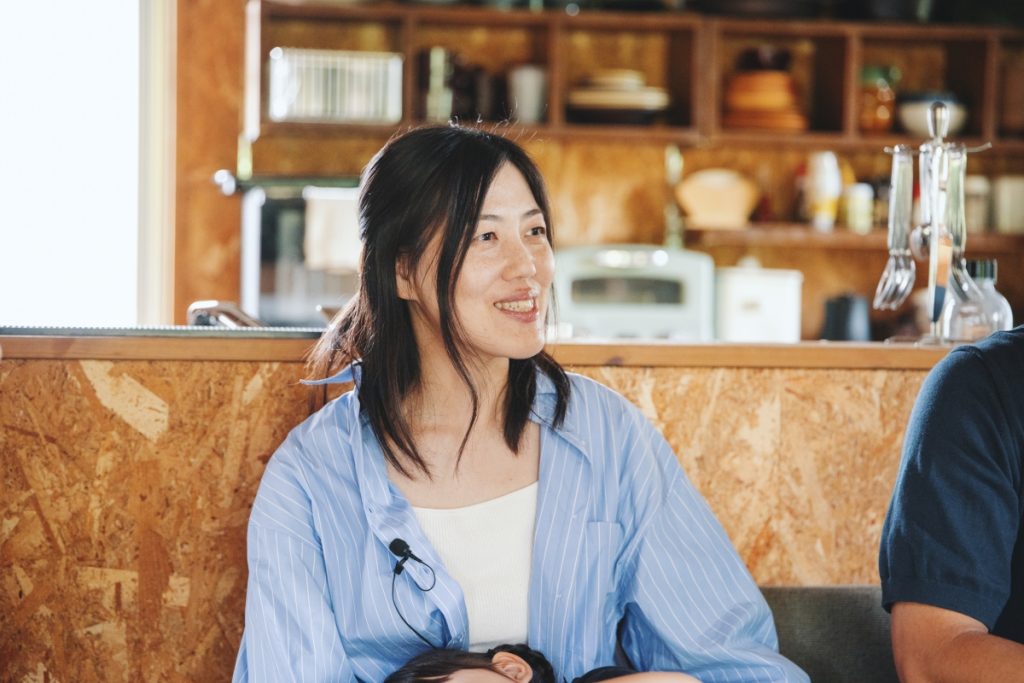
Lucas: ”The word ‘device’ in ‘Wonder Device’ literally means a contraption, and your house really feels like one. It’s a device for climbing mountains and a device for enjoying life. Since you liked it that much, did you even check out any other places?”
Kazuma: ”We did compare it with typical ready-built houses, but for me, nothing could match the appeal of the Wonder Device (chuckles).”
Shoko: ”I could really feel my husband’s determination that it had to be BESS. I wanted a home quickly too, so it didn’t take us long at all to agree on the Wonder Device.”
Lucas: ”There’s a lot you can’t know until you actually buy something, but intuition is important. When you just know, without hesitation, ‘This is the one!’ it usually works out well.”
Kazuma: ”Exactly. Living here, I really feel more and more that choosing this house was the right decision.”
2. A Home That Expands Your World
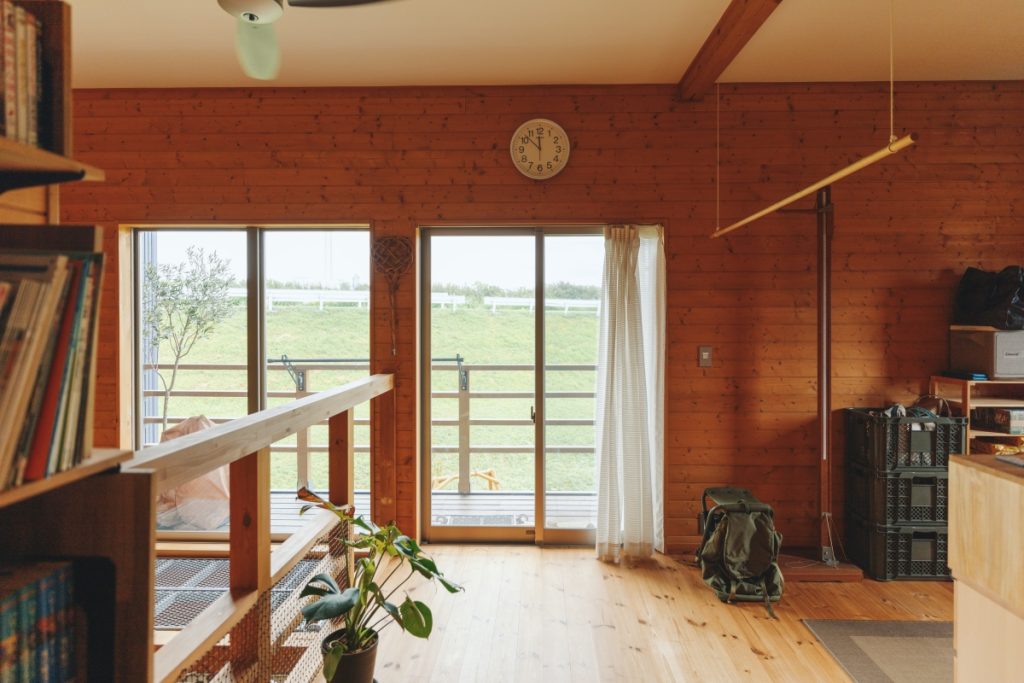
Hattori: ”It’s such a unique lot. Right by the river, with a spacious area all the way to the embankment. Takatsuki is basically a bedroom community, so most lots are standard-sized. I’m impressed you managed to find one like this.”
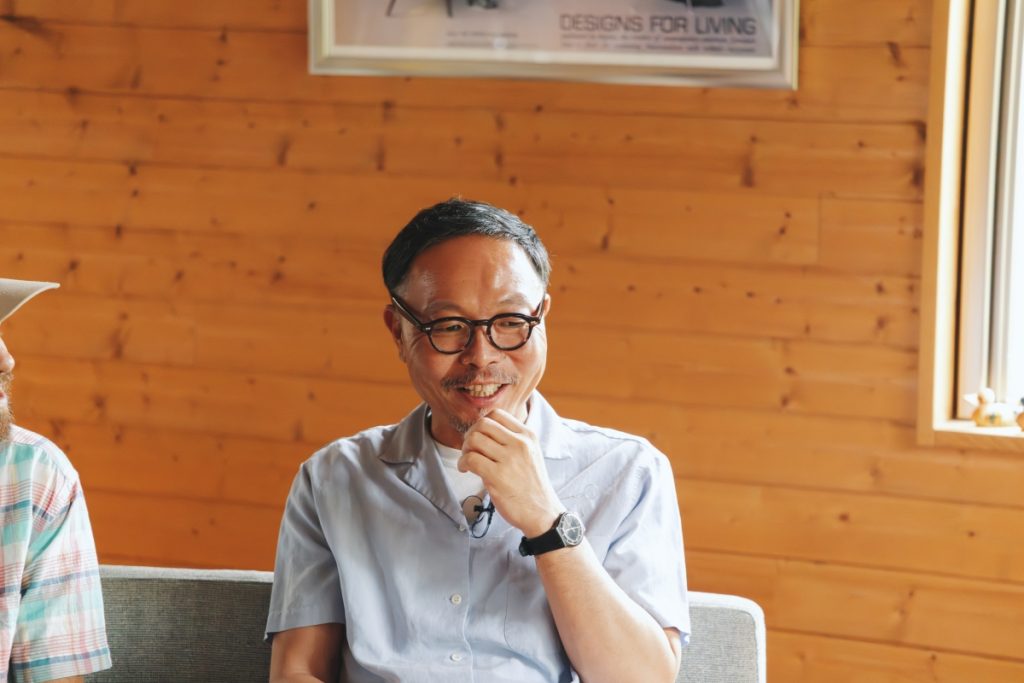
Lucas: ”The garden almost feels like a public playground. It’s so open and inviting. How big is the lot?”
Shoko: ”Up to the embankment, it’s about 150 tsubo (around 495 sq/m). When we did our initial planning, we just wanted a small garden. At first, a yard the size of one tatami mat seemed enough, but our expectations grew. It took quite a while to find this lot.”
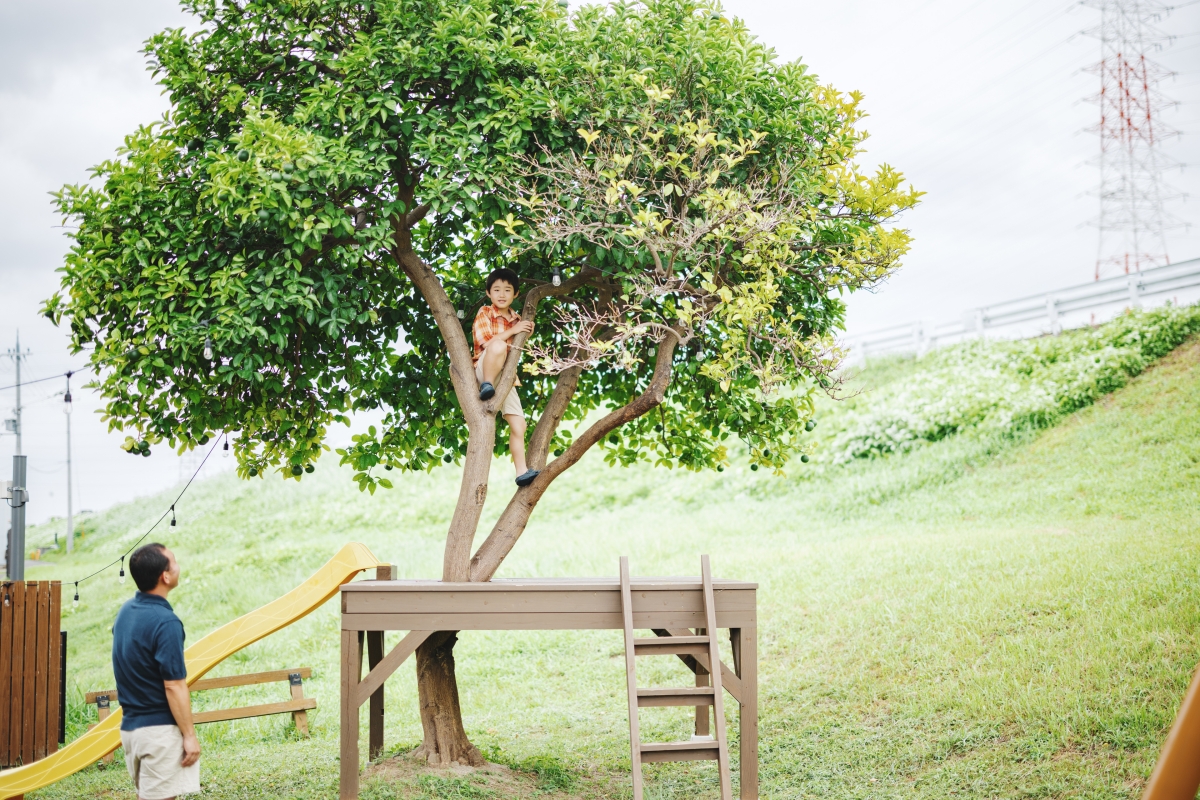
Hattori: ”I get the feeling you’re really adventurous since your family loves mountain climbing. I think adventure is about seeing places you’ve never been and wanting to discover even more unknown landscapes. Seeing it that way, I can totally understand why you two wanted a big garden, to open up the view right outside your home.”
Lucas: ”I can see that too. I really like the house itself, but I also feel the space, including the garden, is fantastic. Kotaro, what about you? Do you like the house and the garden?”
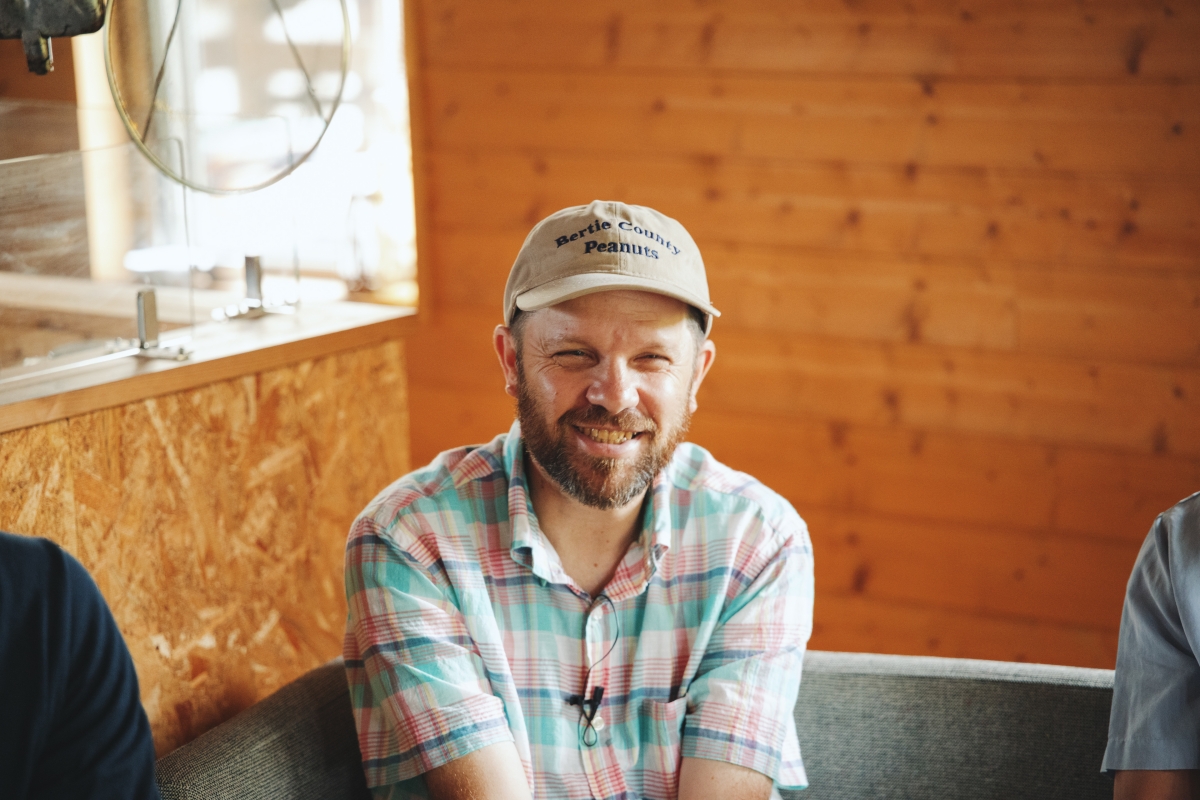
Kotaro Matsushita (Kotaro): ”Yes. I can invite my friends over to play, and we can even go camping. It’s really fun.”
Hattori: ”What, you camp out in the garden? How awesome!”
Shoko: ”It’s great having so much space right in front of the house where the kids can play, and I can watch them from inside, which puts my mind at rest. About two years after we moved in, the pandemic hit, but even then the kids could play safely in the garden. I was really grateful we were living here.”

Hattori: ”The pandemic brought a lot of things to light, didn’t it? All of a sudden, people were working from home, and I think many realized their houses weren’t as comfortable as they’d thought. But really, a comfortable home is something we should never compromise on.”
Shoko: ”My husband can’t sit still at home. When we were renting, rainy weekends meant we were stuck inside, and he’d be going out of his mind. Now, even when it’s pouring, there’s plenty to do in the dirt-floor area, and just hanging out at home on the weekend is a joy. That’s what I really love about this place.”
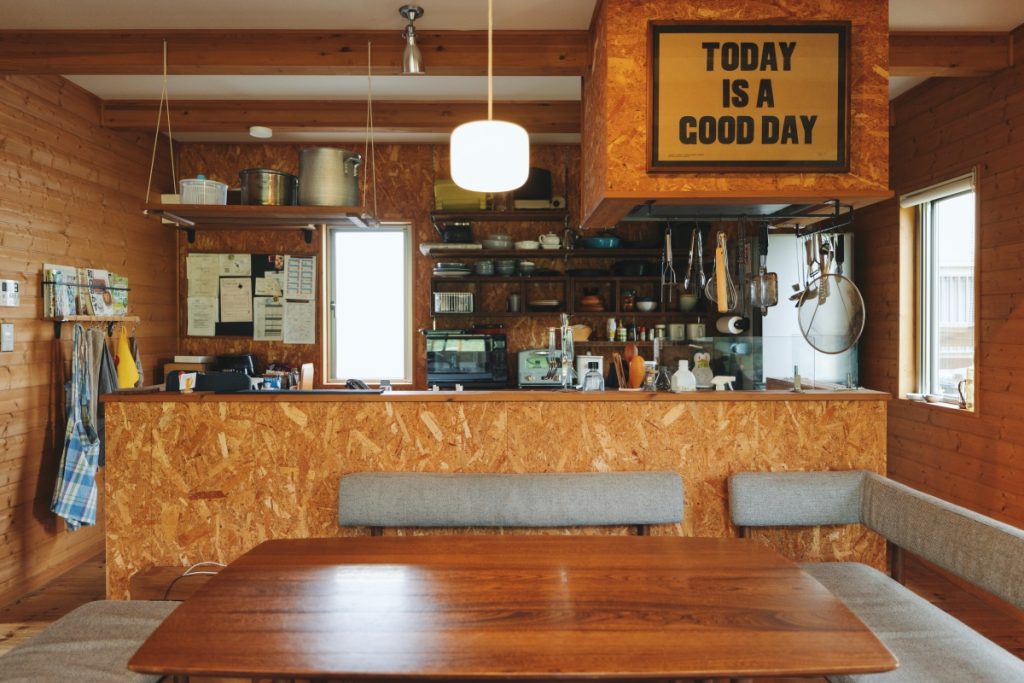
Lucas: ”Since you moved into the “Wonder Device”, how have you changed personally?”
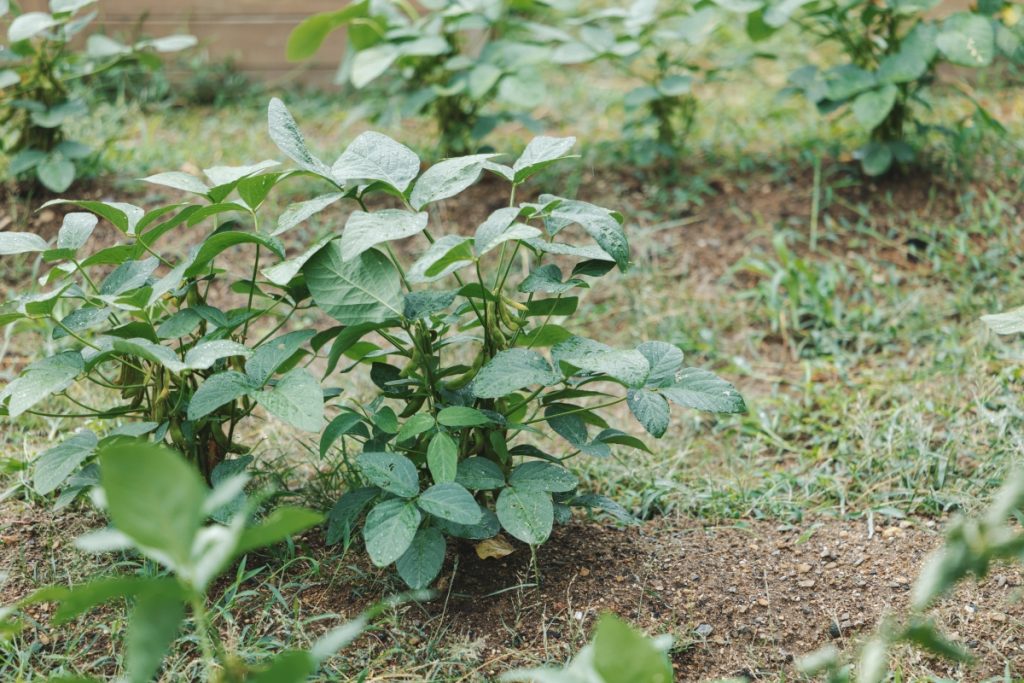
Kazuma: ”I’ve started doing everything myself, from gardening to taking care of the yard to DIY projects. Before, I was all about camping, mountain climbing, and the outdoors, but now I feel like my world has really expanded.”
Lucas: ”A house really can change the way people feel and act, right? So Kazuma, living in a BESS home made you realize the joy of shaping your own life. Kotaro, what kind of house do you want when you grow up?”
Kotaro: ”Even when I grow up, I want to live in a house that feels this open and free. I also want to build a home that I really feel excited to live in.”
Hattori: ”I love that you see this house as a place of freedom. That’s really cool.”
3. Blank Spaces, Big Ideas
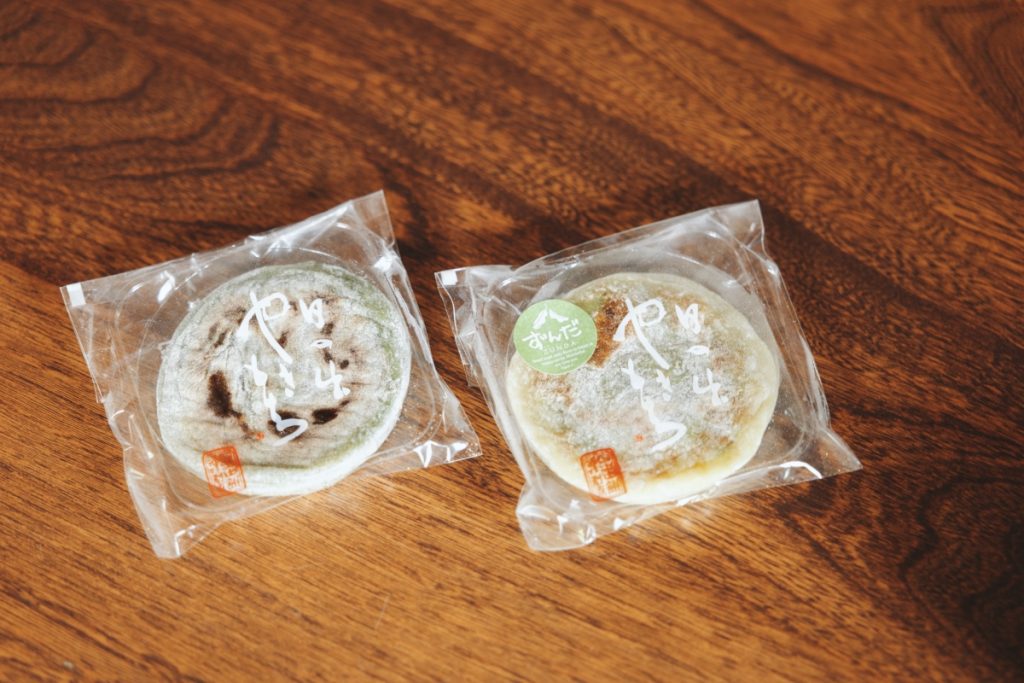
By this point, Hattori-san had brought out some zunda mochi souvenirs. One bite of the soft mochi and fresh, vibrant edamame flavor, and we were hooked. Between bites, the conversation drifted to the joys of living in a wooden home and the idea of passing it down through generations.
Lucas: ”At first glance, the Wonder Device looks like a modern home, but it actually uses a lot of wood. Hattori, you work in home design and production—what do you think about a house made of wood?”
Hattori: ”I think ‘room to breathe’ is a huge factor. When you consider leaving space in a home, a wooden house is ideal. If you build it out of concrete or reinforced concrete, there’s no room for the people living there to leave their mark. With plenty of wood, you have room to experiment, and living in the house becomes a way to gradually perfect it in your own way.”
Lucas: “It’s all about the room to breathe.”
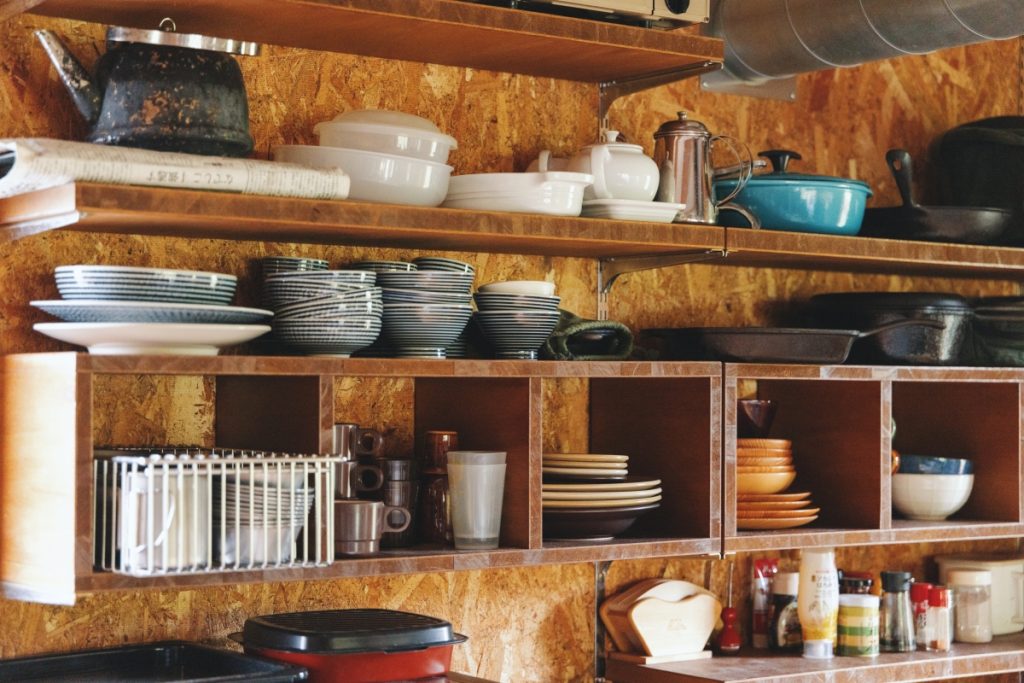
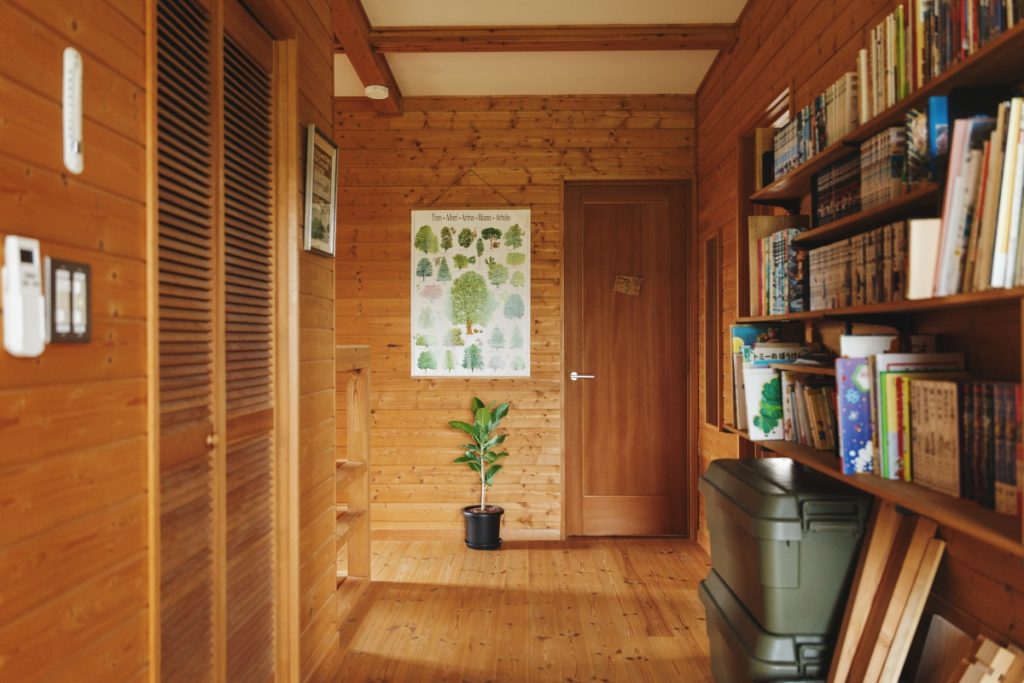
Kazuma: ”I’ve been doing DIY in the dirt floor area to make it more practical, and the more I put my own touches into the house, the more I fall in love with it. That’s one of the great things about a wooden home. It’s also really well adapted to the climate, warm in winter and cool in summer, and we get to bask in the glow of the wood every day.”
Lucas: ”Wood definitely develops a character the more you use it, and it becomes truly your own.”
Kazuma: ”When we chose the Wonder Device and this land, of course I wanted to move in right away, but I was also thinking about a home we could enjoy for the long run. A lot of people dream of spending their twilight years in a villa surrounded by nature, but I wanted a house and land we could really put down roots in. This spot has easy access to central Osaka and Kyoto, and being by the river gives it a palpable feeling of openness. In that sense I really feel like we hit the jackpot, a perfect home on perfect land.”

Hattori: ”In a lot of new towns, once the kids leave and the parents get older, the place slowly turns into a ghost town. The key to stopping that is thinking about passing the home on. Families like the Matsushitas, who plan to stay put for the long haul and consider how to hand their house and land down to the next generation, really get it.”
Lucas: ”With the Wonder Device, you can really make the space your own, so it works for a family over the long term. Rooms can shift as the kids grow, and the way you use the house can change along with you. I’m excited to see how it all unfolds. Thanks for letting us visit!”

BESS home
https://www.bess.jp