







A Timeless Scene Framed by Autumn Leaves
10:30 a.m. I arrive at the JR Nikkō Station. The other two are running late. After they arrive, we rent a car and head out without deciding where to go. Lucas remembers an old road lined with big trees, so we stop and walk a bit.
The Nikkō Sugi Namiki-kaido runs alongside the train tracks, the main road and another unpaved trail. The cedars are massive. Between 30 to 40 meters tall, some over 300 years old. The scale is awe-inspiring. We notice that on each trunk hangs a small tag with a name: people, companies, municipalities. Turns out they’ve all donated to preserve the trees. (One tree goes for 10 million yen, apparently!)
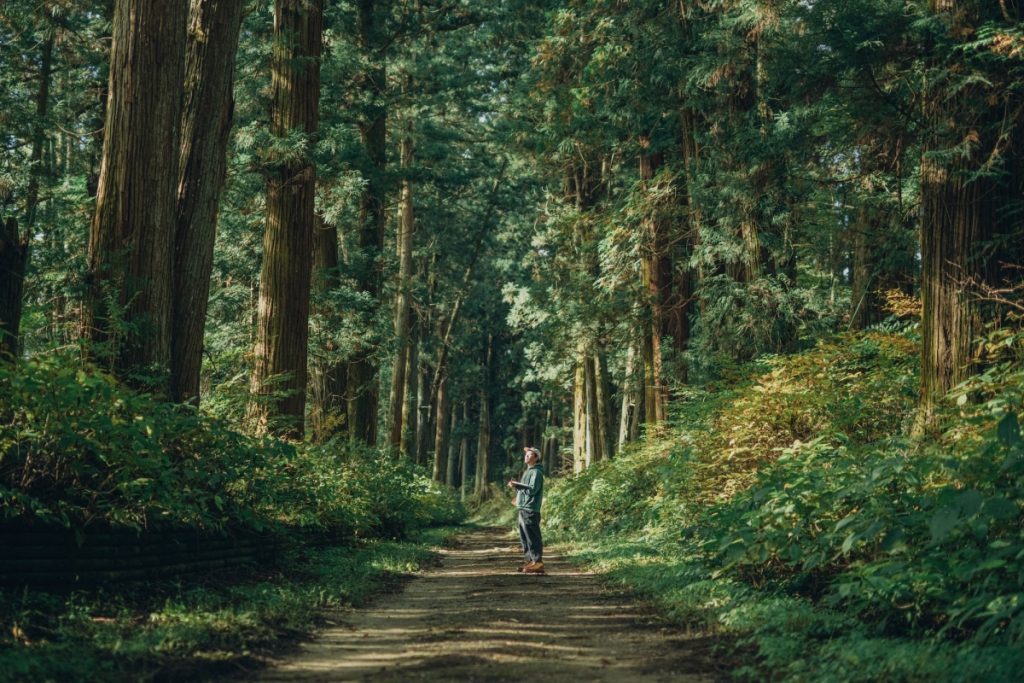

On the way, we pass an old man gathering fallen leaves with a large rake. We also pass an elderly woman talking to a cat. We walk to the shrine, then turn back. Now the old man is using a backpack leaf blower. The woman is still talking to the cat. We head back down the cedar-lined path and drive to the Astraea Hotel in Oku-Nikkō. A long soak in the sulfur-heavy onsen. Lights out by 9 p.m.
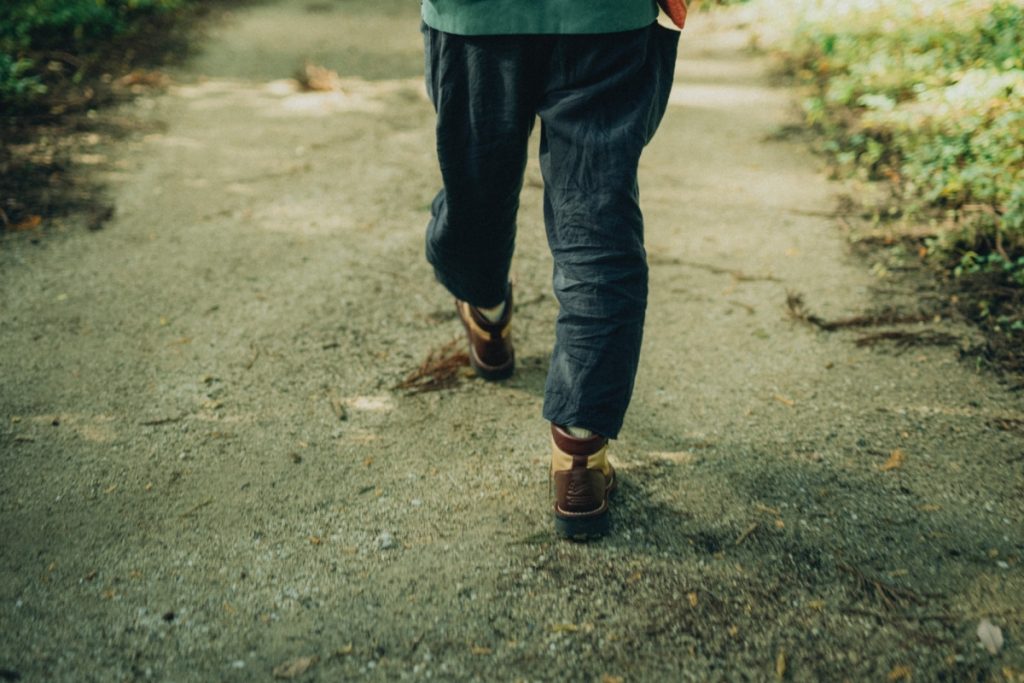
Day two. Morning soak, then down to the breakfast hall. Soft light filters through lace curtains, casting shadows on the table. Not a cloud in the sky as we drive to the Akanuma Nature Information Center. We park the car and slip into the forest just off the roadside. A wooden bridge leads to a raised boardwalk trail stretching the full 7 kilometers to Lake Yunoko.
It’s easy to walk. The boardwalk keeps the natural terrain protected, no matter how many people pass through. Along the way, there are rest spots and signboards offering insights into the landscape, plants, animals, and history. You walk, pause, learn, and keep going. It’s thoughtfully done.
I think back to the old man sweeping leaves along the cedar trail yesterday. More than likely he was a volunteer. The level of care and affection for this place feels unlike anywhere else.
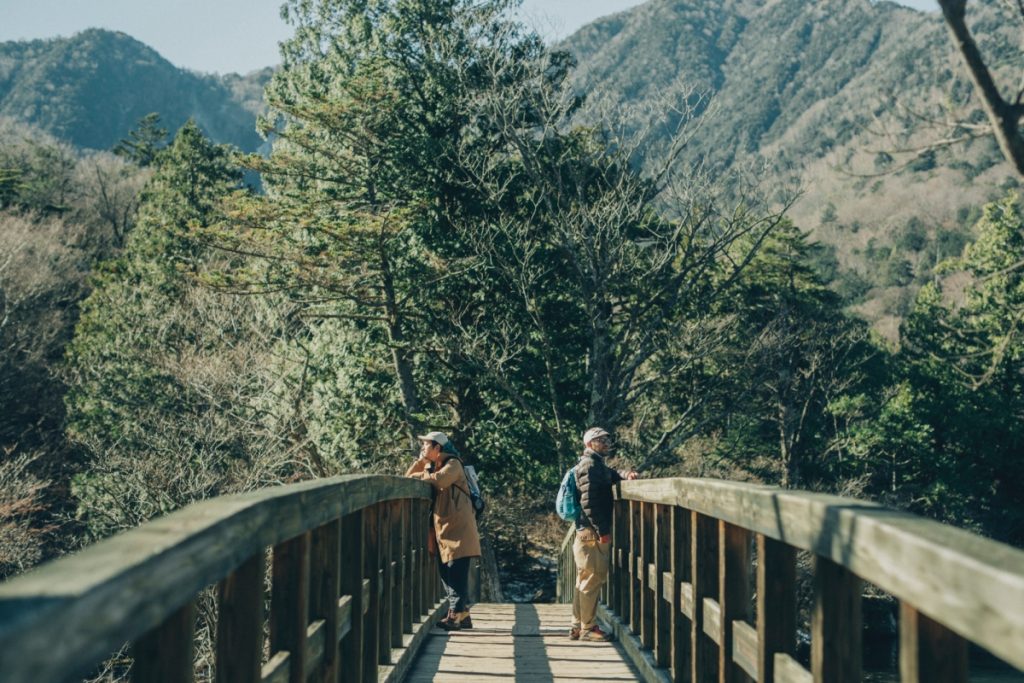
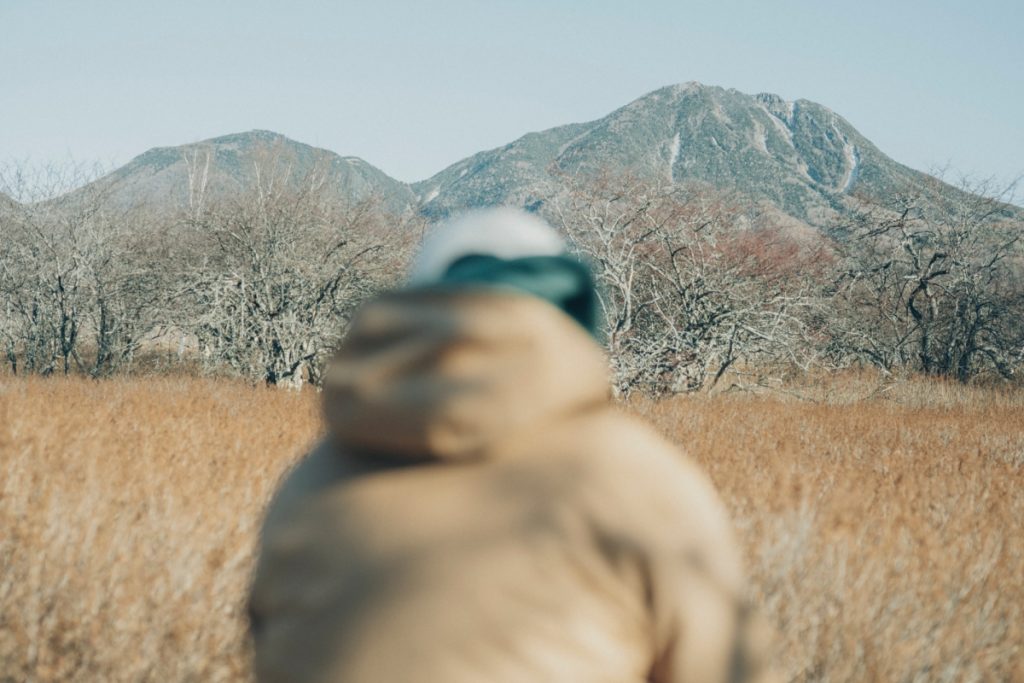

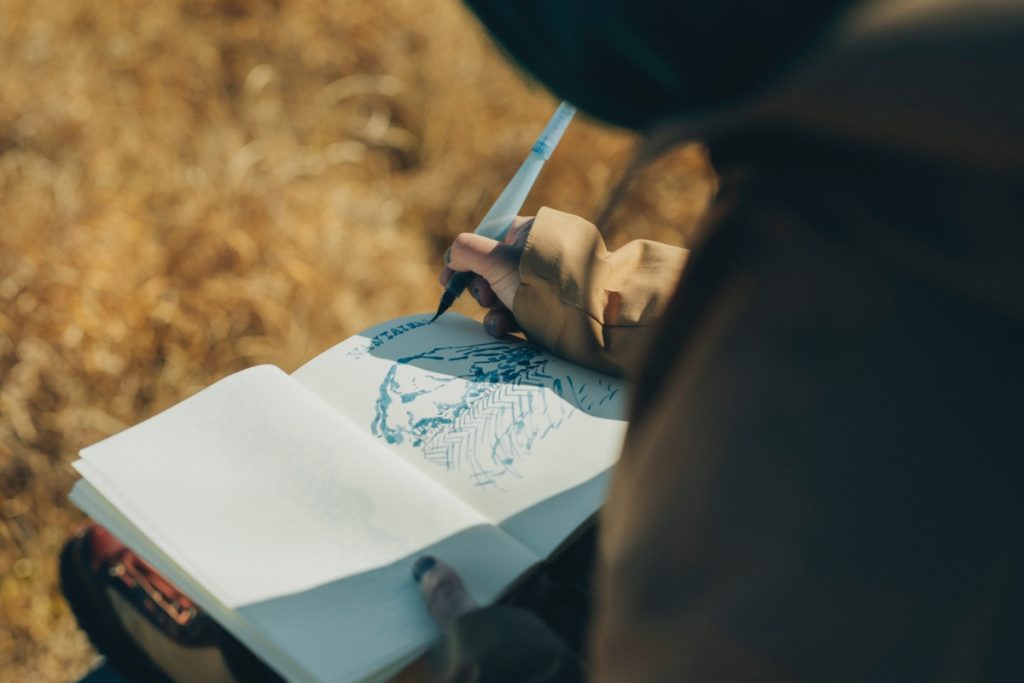
We eat cup noodles at the Nikko Yumoto Visitor Center, then take the bus back to Akanuma and head to Lake Chuzenji. I ask if we could stop by the former Italian Embassy Villa Memorial Park. I had taken a family trip there years ago and couldn’t forget about it.
It’s just as stunning as I remember. The interiors and exteriors, made mainly from cedar bark and bamboo, are packed with a ruggedness and delicacy. There is an overwhelming handcrafted beauty to it all, and a cultural aesthetic that feels both Japanese and Western.
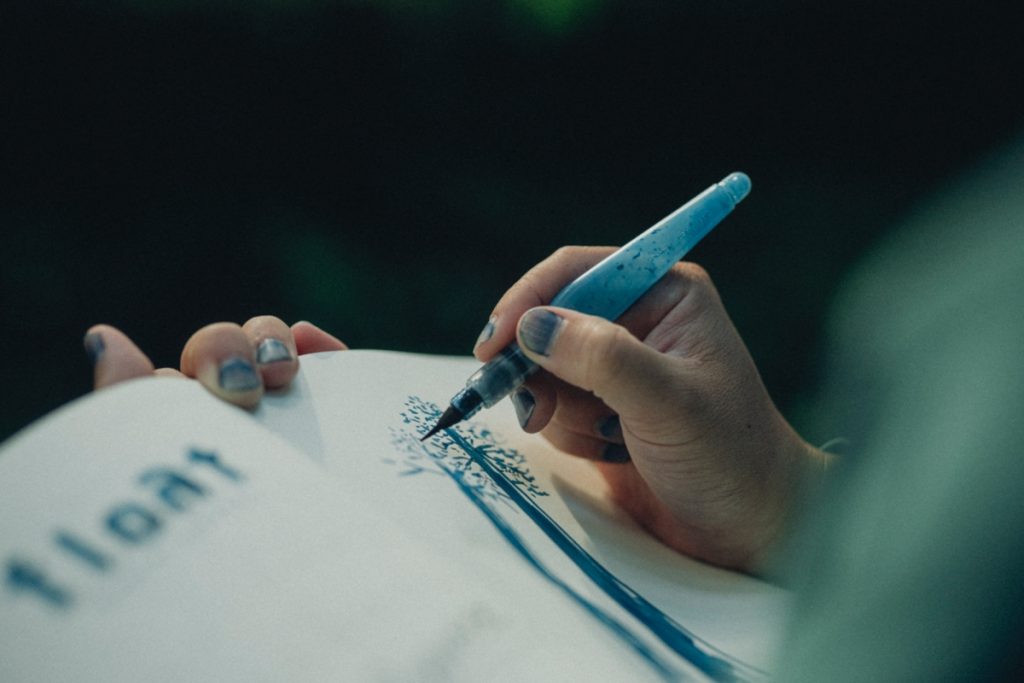
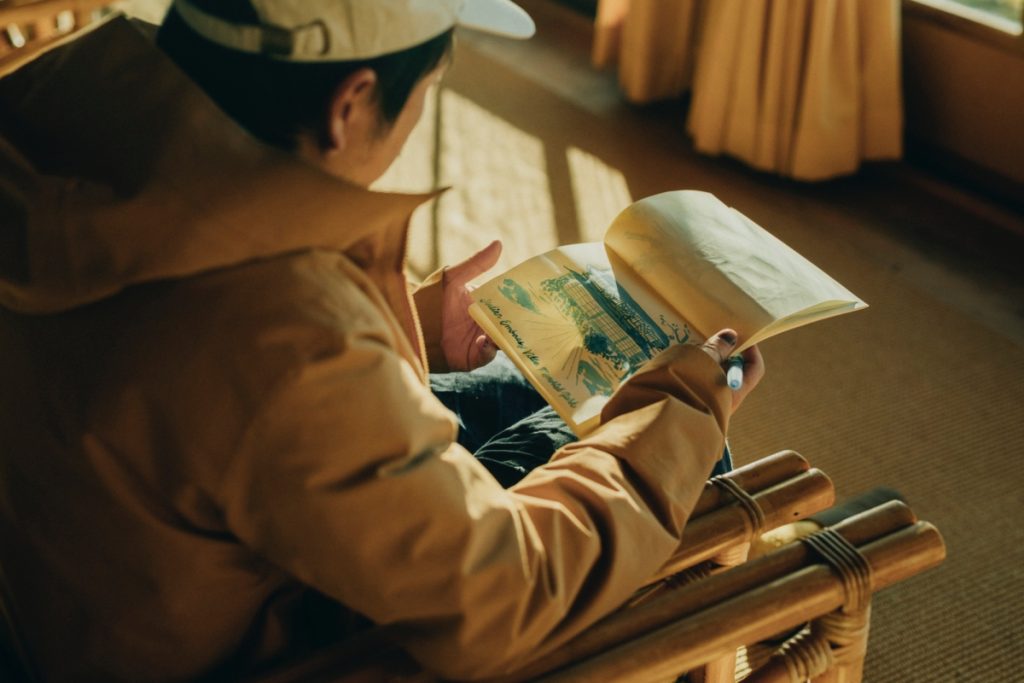
I sit on the villa’s deck and start sketching. The moment I do, like clockwork, our photographer Isao Nishiyama starts flurrying around to get his shots, as if to say, “Hey, give me a second!” I’ve gotten into the habit of jumping straight into sketching without warning, just to catch that flustered charm in action.
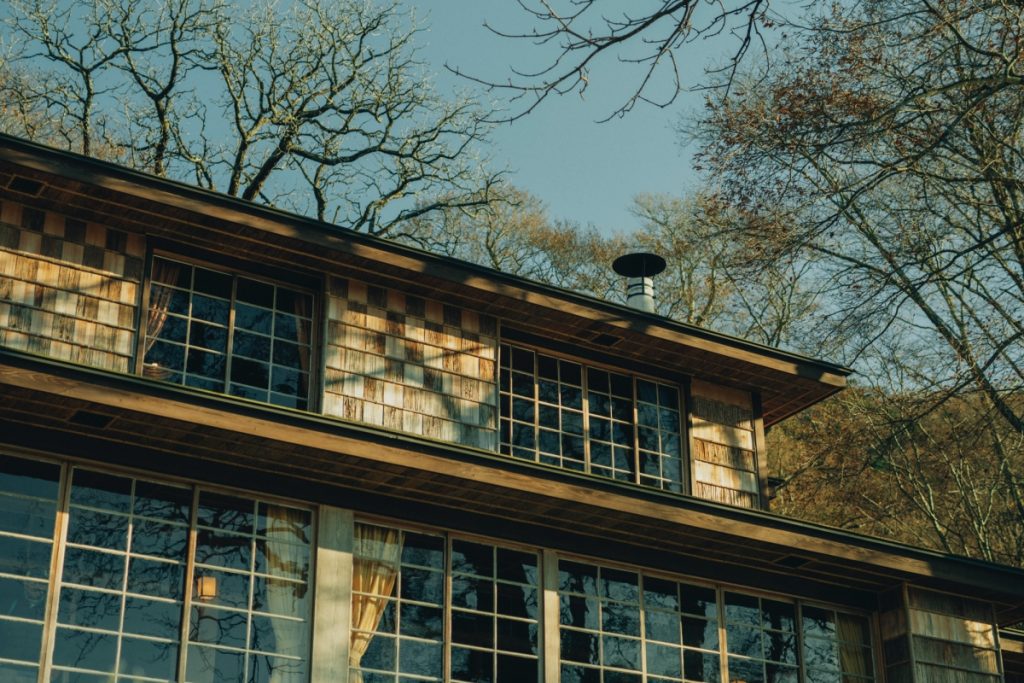

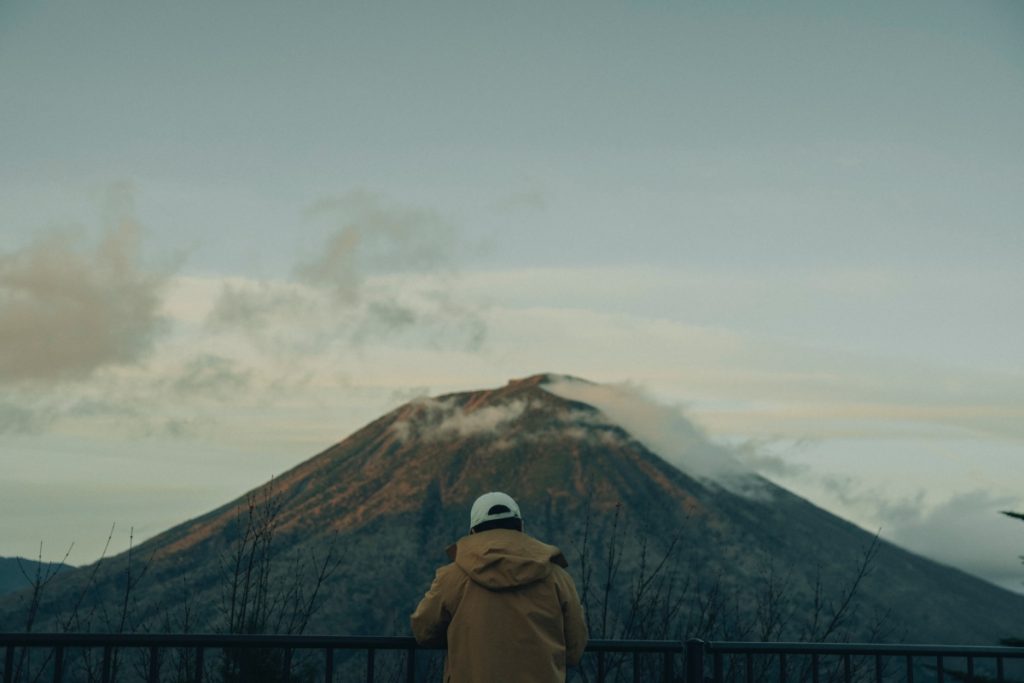
It’s 4 p.m. For the final stop, we head to the Lake Chuzenji lookout to catch the sunset. The last sliver of sunlight clings to the tip of Mt. Nantai, casting a warm glow over the lake below. The color of the dusk sky looks exactly like the ink I thinned out with hotel coffee, after I forgot to refill my fountain pen. After dinner, we head back to the hotel. The night wraps up with a Japan national team soccer match. Nishiyama, a big fan, explains the already-complicated commentary in even more detail, which somehow makes it all the more fun for Lucas and me.
Day 3. The final day. First things first: we figure out which train we’ll take home. We realize we haven’t seen Nikkō Tōshō-gū yet, so that becomes the destination, and we hit the road. It’s supposed to be warmer than the day before, but with the overcast skies, there’s still a chill in the air.
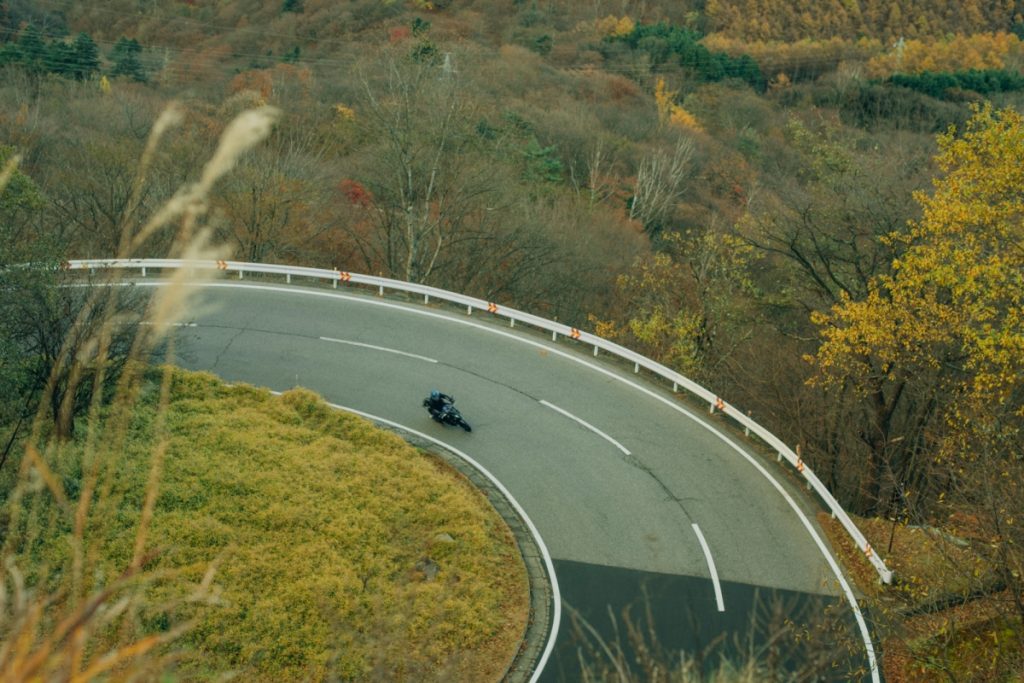
We wind our way down the Irohazaka slope. Leaves are returning to the trees, and the landscape seems to spin the seasons in reverse, from winter back into autumn. Down in the valley, the foliage has waited for us: soft greens, oranges, and deep reds—a flawless display of what can only be called the quintessential Japanese gradient.
I used to think I had no real interest in overly familiar Japanese visuals like sakura or fall leaves. They felt too obvious. But there’s no denying beauty. What’s good is good. As we wander the historic scenery around Tōshō-gū, I feel a kind of pure, wide-eyed awe, like I’d somehow become a tourist in my own country.
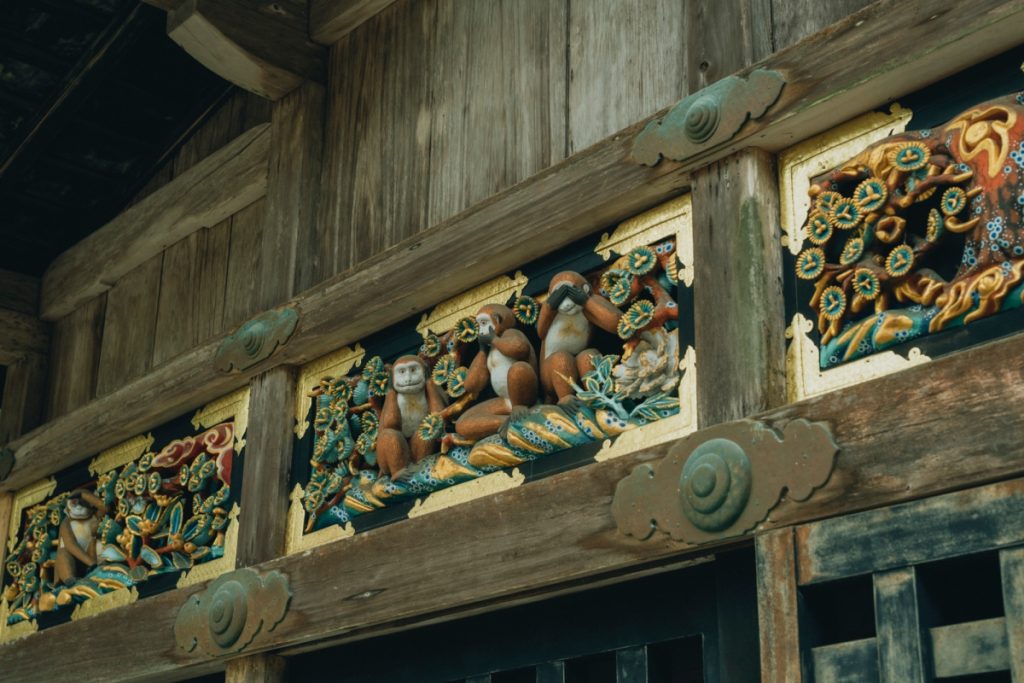
Oddly, the shrine itself doesn’t hit the same way. With its riot of colors and dense ornamentation, Tōshō-gū is a bit too much for me. Maybe it was the crowds that had gotten to me. The high-season rush of visitors. The tour guides rattling off their scripts while applause and cheers occasionally break out. It feels more like an amusement park than a sacred site.


From Tōshō-gū, we head downhill on foot toward our final destination: the Kanaya Hotel. Along the way, we come across a bride and groom crossing a small, bright-red bridge, led by a Shinto priest and shrine maiden. Before I can even start sketching, Nishiyama-san is already clicking away on his shutter.
I’m not sure why, but the scene is deeply moving. At the center of a swirl of blazing autumn leaves, here is a ceremony that must have played out in this same place for centuries. It feels like the crystallization of love, an expression of deep care and reverence for the place by its residents. In that moment, I caught a glimpse of the true spirit of the national park; a place not only to be cherished, preserved, and passed down to future generations, but a process to be enjoyed at the same time.

CHALKBOY
Chalkboy’s career as an artist started when he was tasked with designing the chalkboard menu at a cafe where he worked part-time. Since then, his distinctive hand-drawn style has appeared in restaurants, shops, publications and events both in Japan and abroad. He’s also active in hosting workshops and live drawing sessions, and leads the hand-lettering collective WHW! (What a Hand-Written World!).www.chalkboy.me
National Park Poster Project
A collaboration between PAPERSKY, artist CHALKBOY, and outdoor boot brand Danner, this project creates original posters inspired by each of Japan’s national parks. Traveling together to various regions, CHALKBOY and PAPERSKY capture the unique spirit of each place, while turning their illustrations into a line of original goods.
https://store.papersky.jp/collections/national-parks-of-japan-postcard