The People You Meet in Japan’s Most Forward-Thinking Countryside
It is the week after an unseasonal snowfall when we arrive at Awakura Onsen Station, the gateway to Nishiawakura, a mountain village nestled in the Chūgoku Mountains on the border between Okayama, Tottori, and Hyogo Prefectures. To the north, the peak of what might be Mount Ōginosen stands capped in white.
This village of just 1,300 people has earned a reputation as Japan’s “cutting-edge countryside.” The reason? A wave of startups and local ventures from outside the region has taken root here. At the center of this movement is the “Hundred-Year Forest Vision,” a long-term initiative to bring new value to the forest, which covers over 90% of the village. After WWII, vast areas of cedar and cypress were planted, but as timber prices declined, the forestry industry struggled to attract successors, leaving many of these forests untended and in decline.
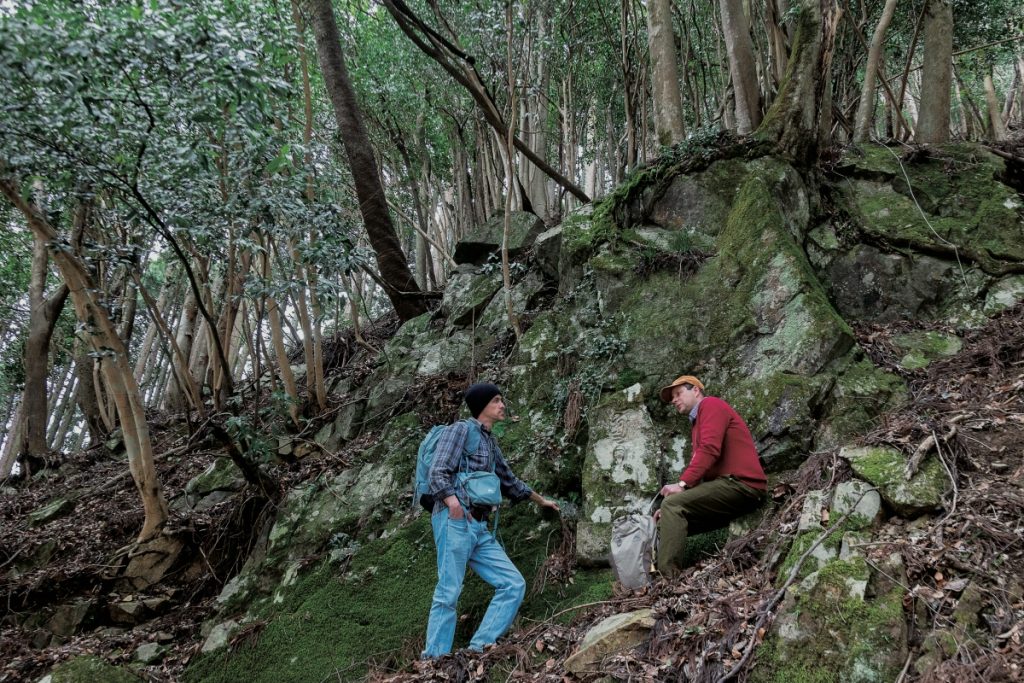
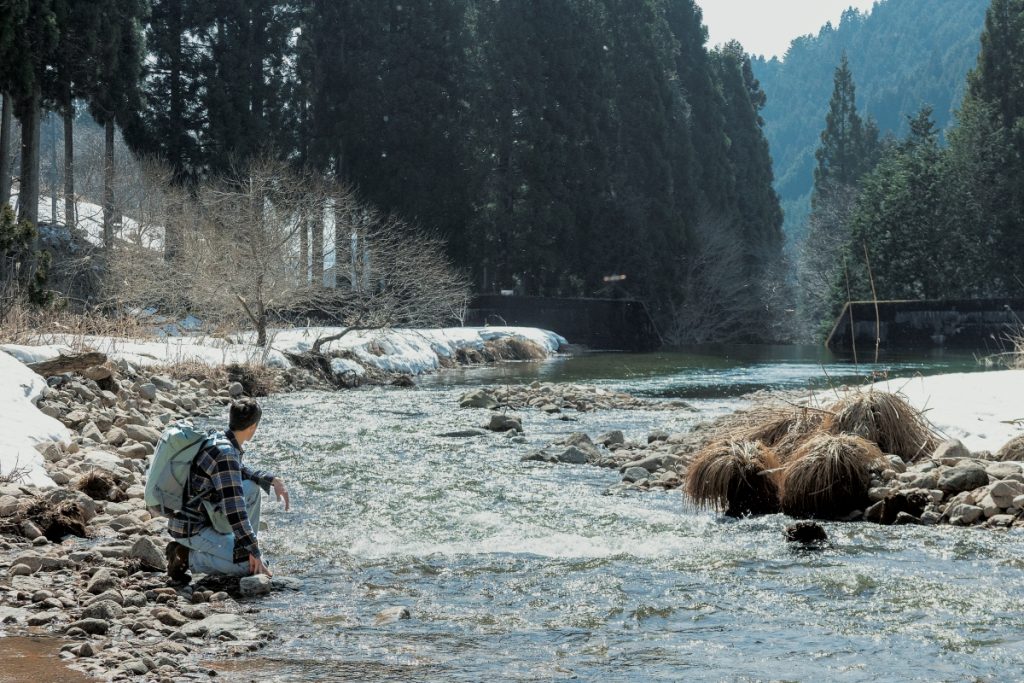
In response, the village launched a bold initiative: a forest-centered regional revitalization plan that combines sustainable forestry with local branding under the concept of “a refined countryside.” By promoting the sixth industrialization of forestry—adding value through processing and sales—the initiative has attracted businesses like Youbi, a furniture maker known for its high-quality products crafted from locally sourced hinoki cypress. To get a closer look at how this forest-based vision is taking root, we set off on a hike guided by two locals: Patrick Kishida, an American who moved to the village just a year ago, and Gergely Kalmar, a Hungarian who runs GG Farm in neighboring Higashi-Awakura. As it turns out, this small mountain village is home to a surprisingly large international community!
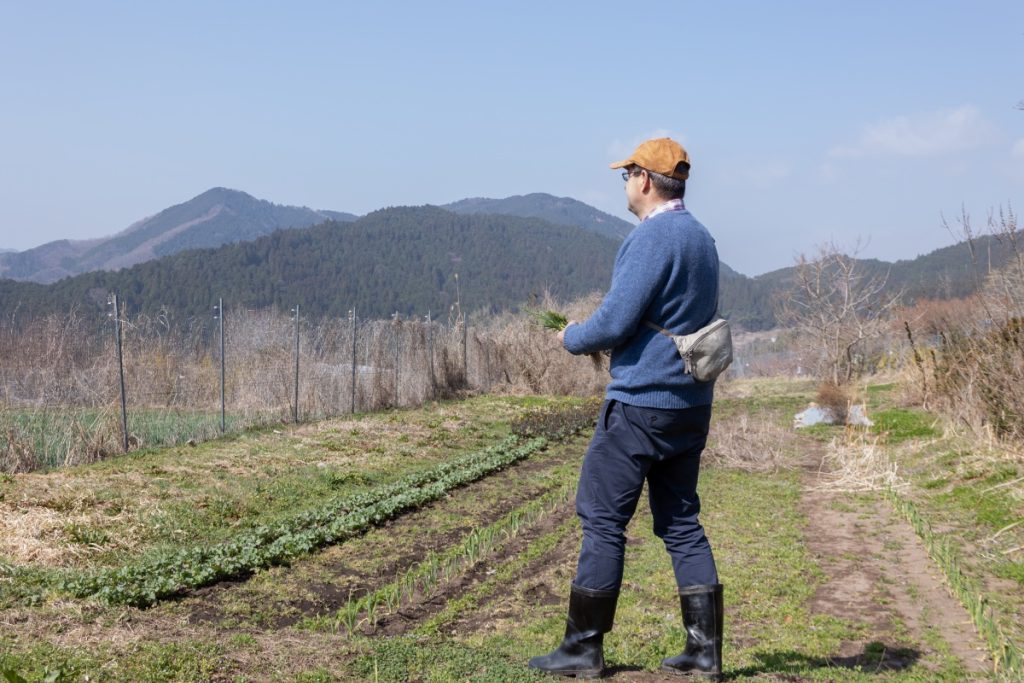
On day one, we set our sights on the Wakasugi Primeval Forest, located on the northern side of the village. Our first stop: Nishiawakura Kobayashi Confectionery, a patisserie opened by local pastry chef Yuta Kobayashi after returning to his hometown.
The shop’s display case is a joyful riot of elegant cakes: airy mousses layered on biscuit bases, glossy glazes, and vibrant edible flowers, lovingly grown by Gergely himself. It already feels like we’ve hit the highlight of the day, but with over 9 kilometers to go before we reach the forest, it’s time to refocus and hit the trail.


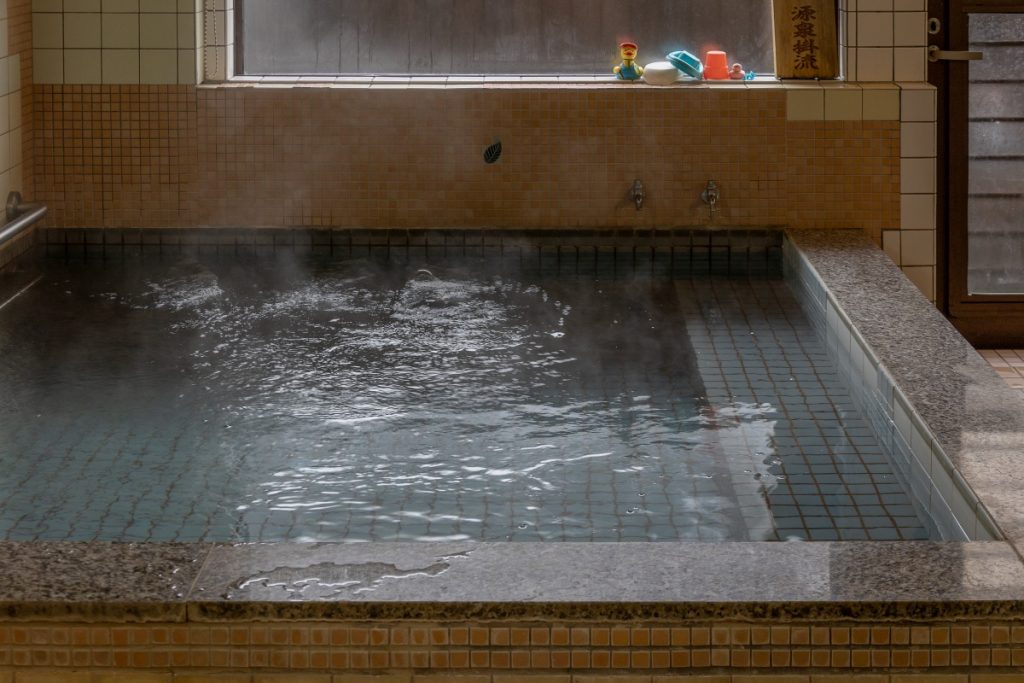
The Wakasugi Primeval Forest, one of the most biodiverse natural woodlands in the Chugoku region, boasts a fairytale-like setting of tangled trees and thick moss. Well-maintained trails—3 km and 5 km loops—make it easy to explore the forest’s quiet magic at your own pace. After the hike, we head to a guesthouse that features a hot spring sourced from Awakura Onsen Motoyu.
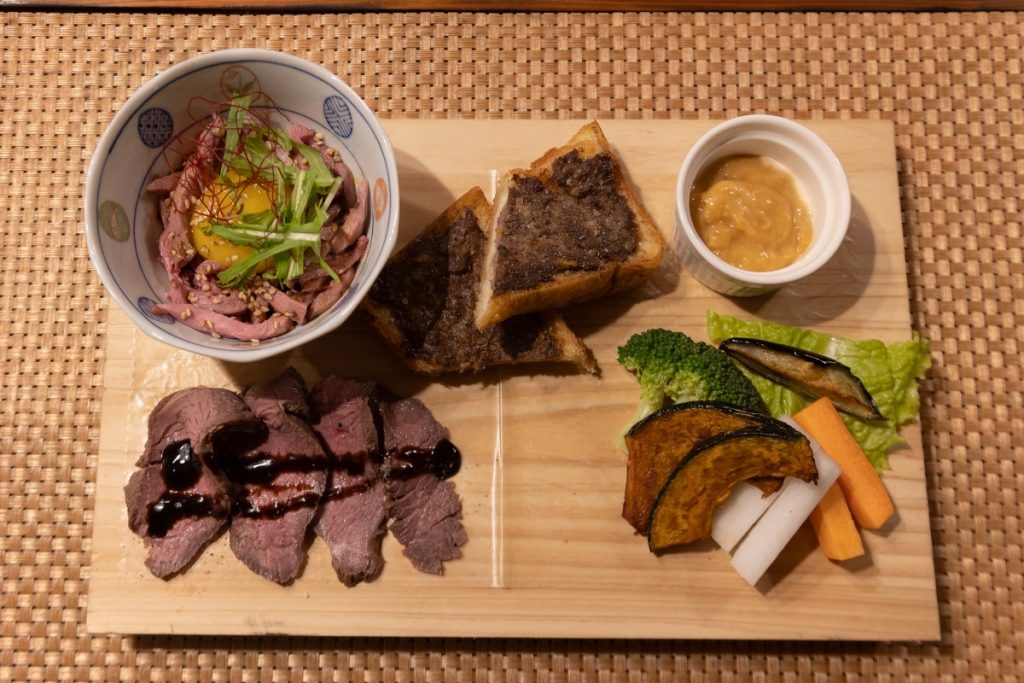
Here, everything from heating and cooking to bathing is powered by local thinned wood as part of the village’s sustainable forestry efforts. Dinner is a course meal of local wild game—a delicious, full-sense experience of the region’s blessings.
A Forest Teeming with Life
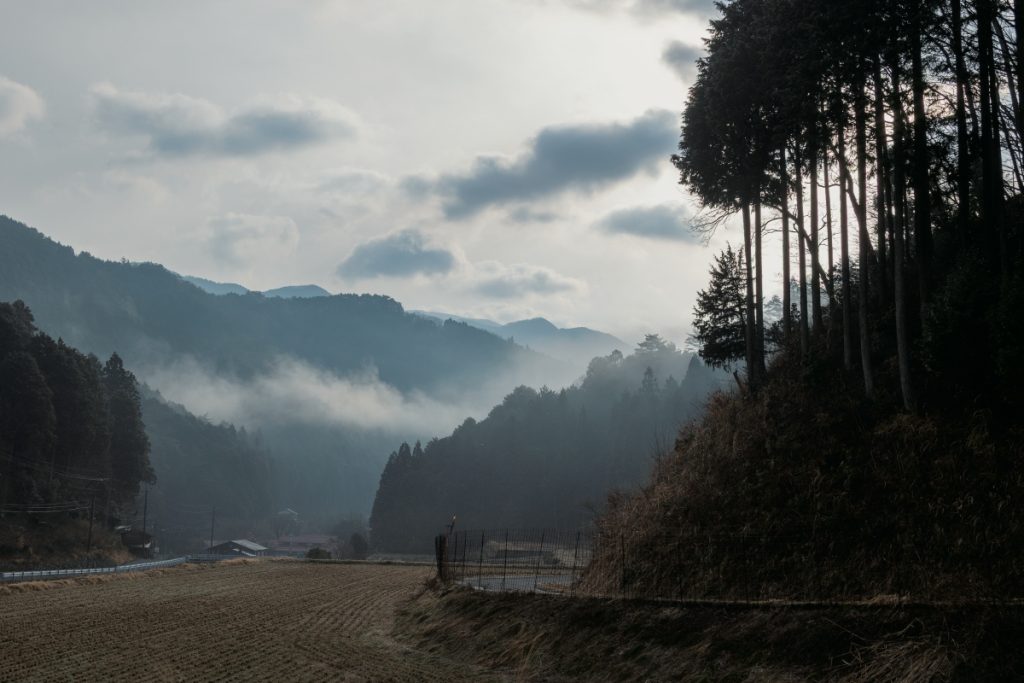
Day two takes us to Shidosaka Pass, one of the most challenging stretches along the old Inaba Kaidō. Marking the border between Mimasaka and the historical provinces of Inaba, this steep and narrow route was once considered too treacherous even for cattle and horses. Heavy snowfall adds to its difficulty in winter. It even appears in ancient texts from the Heian Period and was used by the lords of Tottori during their sankin-kōtai journeys (a system requiring feudal lords to travel to Edo to show loyalty). Today, a well-maintained trail allows hikers to traverse the pass, with sections of the original stonework still intact.
After descending Shidosaka Pass, we stop by Hyakumori to get permission to enter the village’s managed forest. Hyakumori* is the organization responsible for overseeing and utilizing forest lands under the Hundred-Year Forest Vision, and also offers guided tours into the woods. Patrick, who has experience building trails in his home country, serves as an advisor here. Alongside his wife Moe, he also founded Tatara Trails, a project focused on developing mountain bike trails, organizing ride tours, and hosting trail running events like the Shinshin Sansan Fun Fun Trail Run.
The original aim of the Hundred-Year Forest Vision was to enhance the value of local timber. But today, with initiatives like Patrick’s, the project is evolving. Now entering its next phase—Forest Vision 2.0—it seeks to explore broader, more diverse ways to bring value and engage with the forest beyond just lumber.
*Note: Entering the forests of Nishiawakura Village requires prior permission, as logging operations and maintenance work may present safety hazards. For details, please visit Hyakumori’s forest access portal: www.hyakumori.com/matching
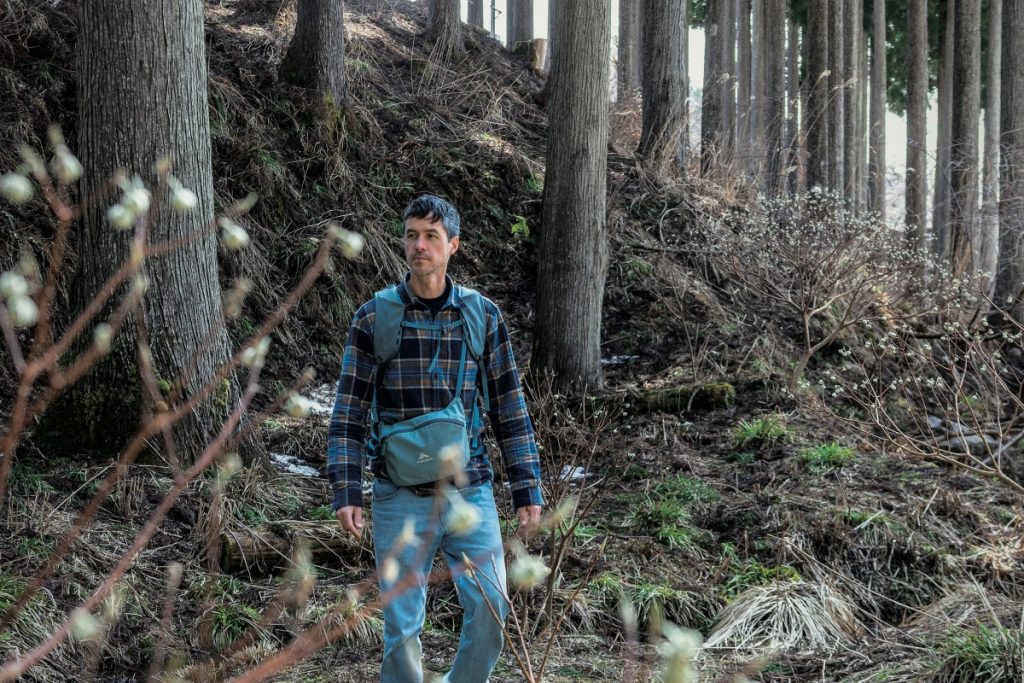
“To truly raise the value of the forest, people need to be in it—get to know it by experiencing it, playing in it, and building a real connection,” says Patrick. “Our job is to help make that happen through a range of activities.”
Patrick takes us into the forests in the southwestern part of the village, where the distant sounds of forestry work, like logging and timber processing, echo through the trees. The area is a manmade forest comprised of roughly 60% cedar and 40% cypress, and the timber harvested here is used for furniture, wooden goods, and building materials. One key showcase for this local wood is the village’s central facility, Awakura Kaikan, where everything from structural materials to furniture to heating is sourced from the surrounding forests.

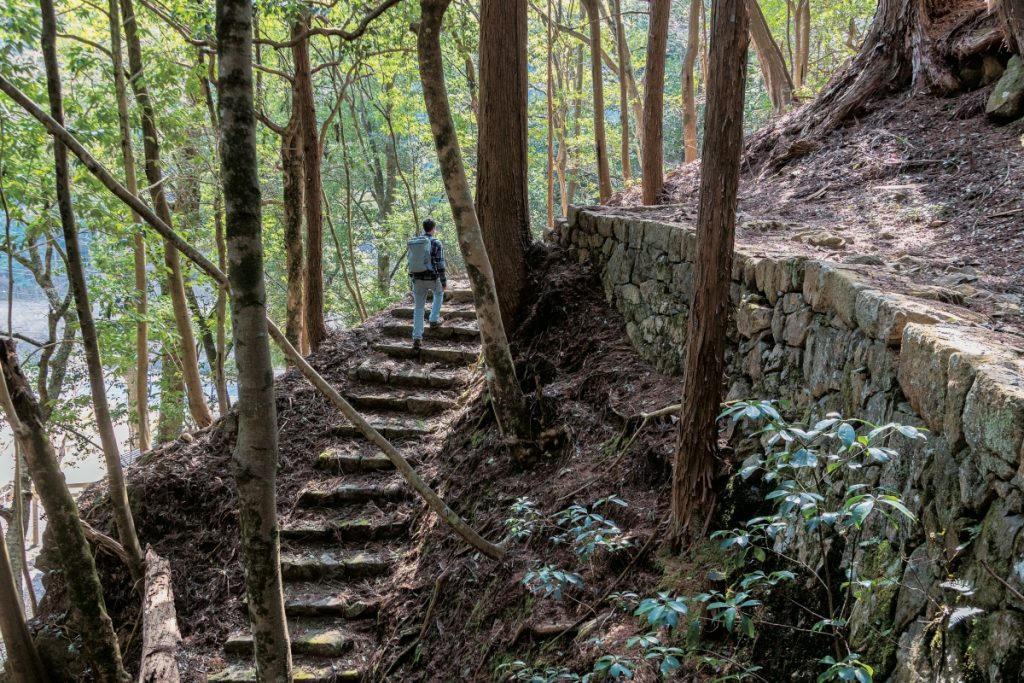

We follow a network of forest roads for about 10 kilometers, eventually returning to the village center. At Awakura Shrine, we stop to admire a towering cypress tree said to be 800 years old. Then we visit Iwataki Shrine, affectionately known as Chisha no Otaki-san, to pay respects to its deity, said to be enshrined in the rocky formation.
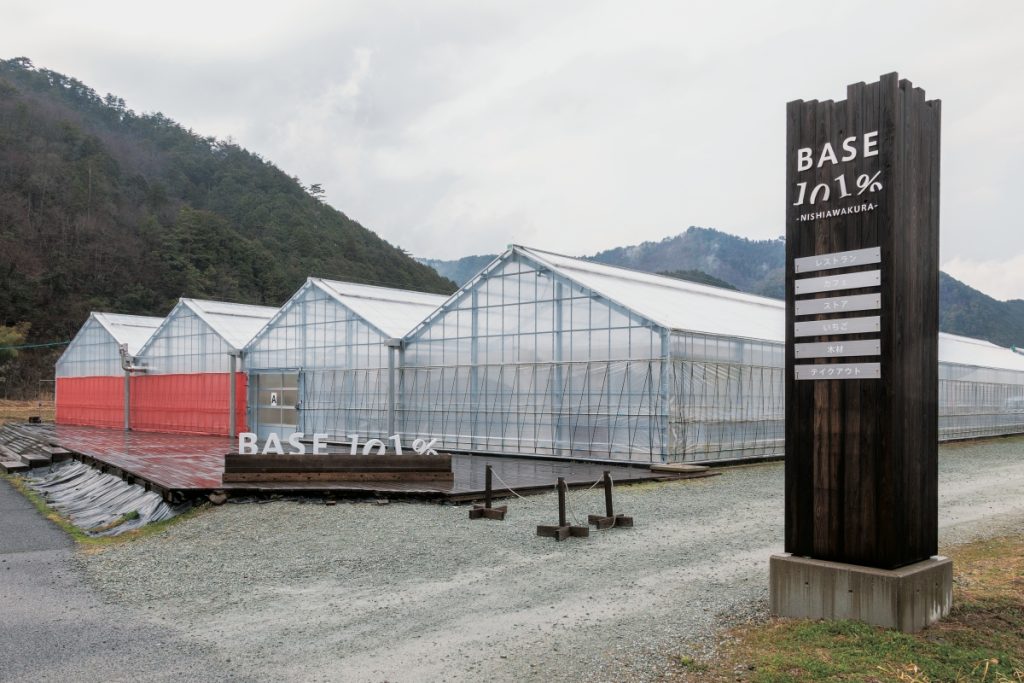
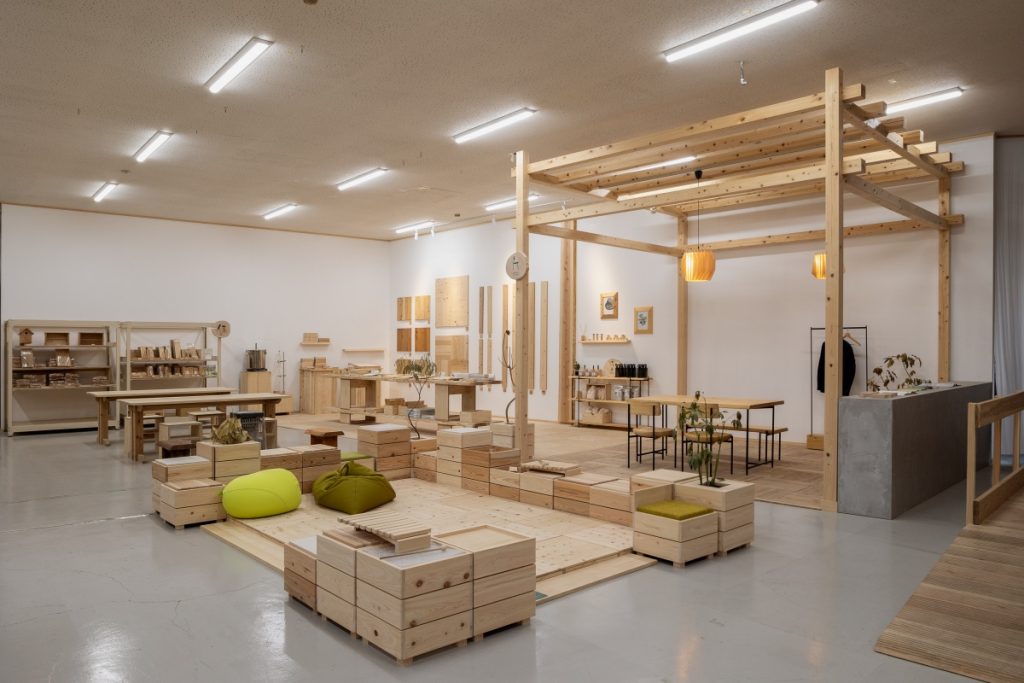
On the way back, we drop by BASE101% – NISHIAWAKURA -, a multipurpose space with a café, a shop selling wood products and crafts, and a strawberry-picking area. It’s a place where locals, newcomers, and visitors from outside the village come together for rest and recreation. The facility’s director, Jun Kameda, who also relocated here, reflects on the changes: “The energy of new residents is transforming this mountain village in powerful ways.”
“Forestry was the catalyst that made Nishiawakura a pioneer in rural entrepreneurship. But once we launched the venture school, people started moving here for reasons beyond forestry. I think we’ve now entered a new phase of village-building of the future.”
As part of this new program to uncover the broader value of its forests, Nishiawakura has launched an initiative to transform its manmade forests into a biodiverse ecosystem. What Nishiawakura seems to be striving toward is a rural landscape teeming with life.

Trail Guide

591-1 Kageishi, Nishiawakura, Aida District, Okayama
TEL:0868-75-4115

2050 Kageishi, Nishiawakura, Aida District, Okayama
TEL:0868-79-2129

461-1 Nagao, Nishiawakura, Aida District, Okayama
TEL:090-2466-9378
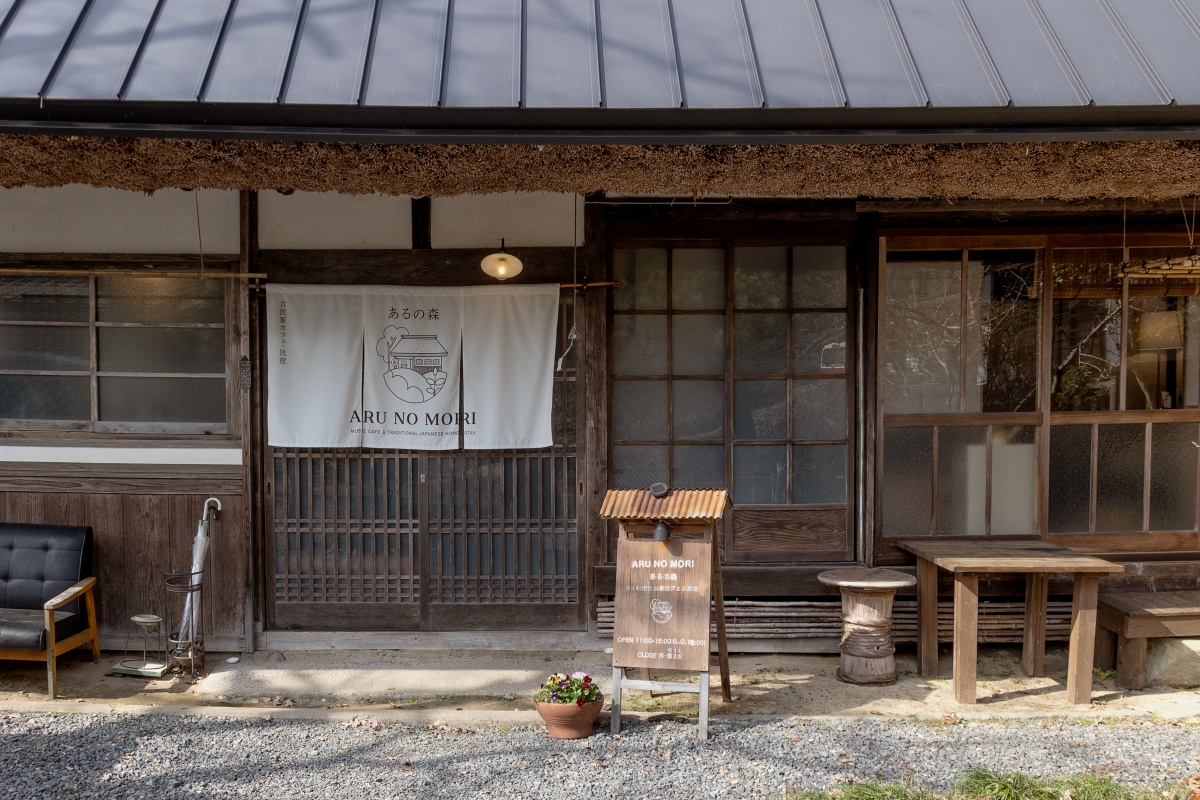
818-1 Nagao, Nishiawakura, Aida District, Okayama
TEL:090-8531-6189
Hyakumori
657-1 Nagao, Nishiawakura, Aida District, Okayama
TEL:0868-75-3898
Tatara Trails
657-1 Nagao, Nishiawakura, Aida District, Okayama
TEL:0868-75-3898

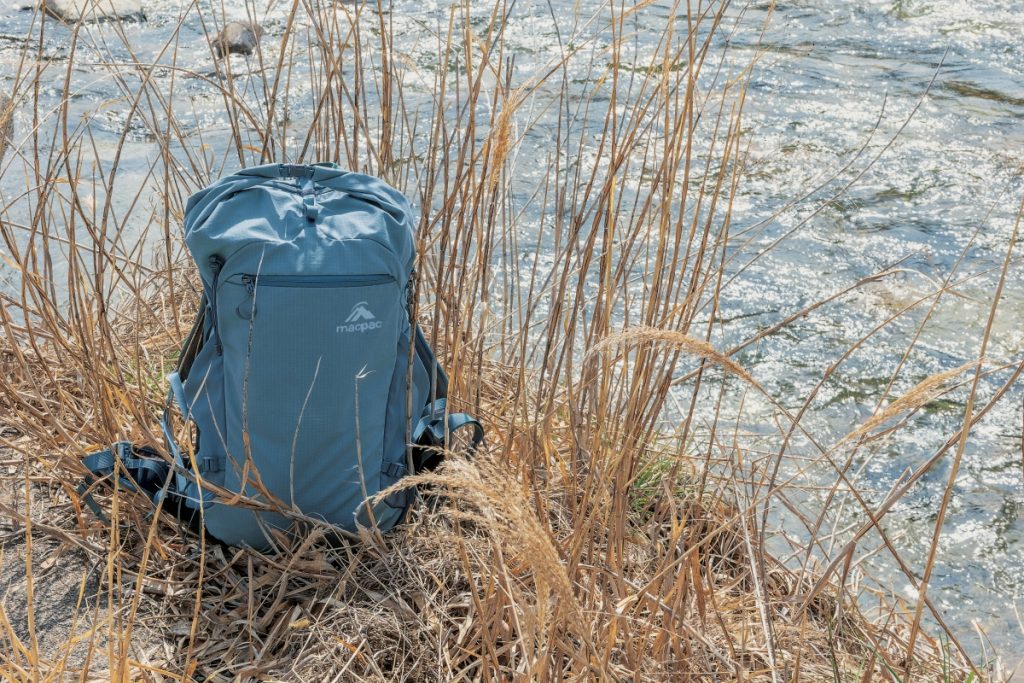
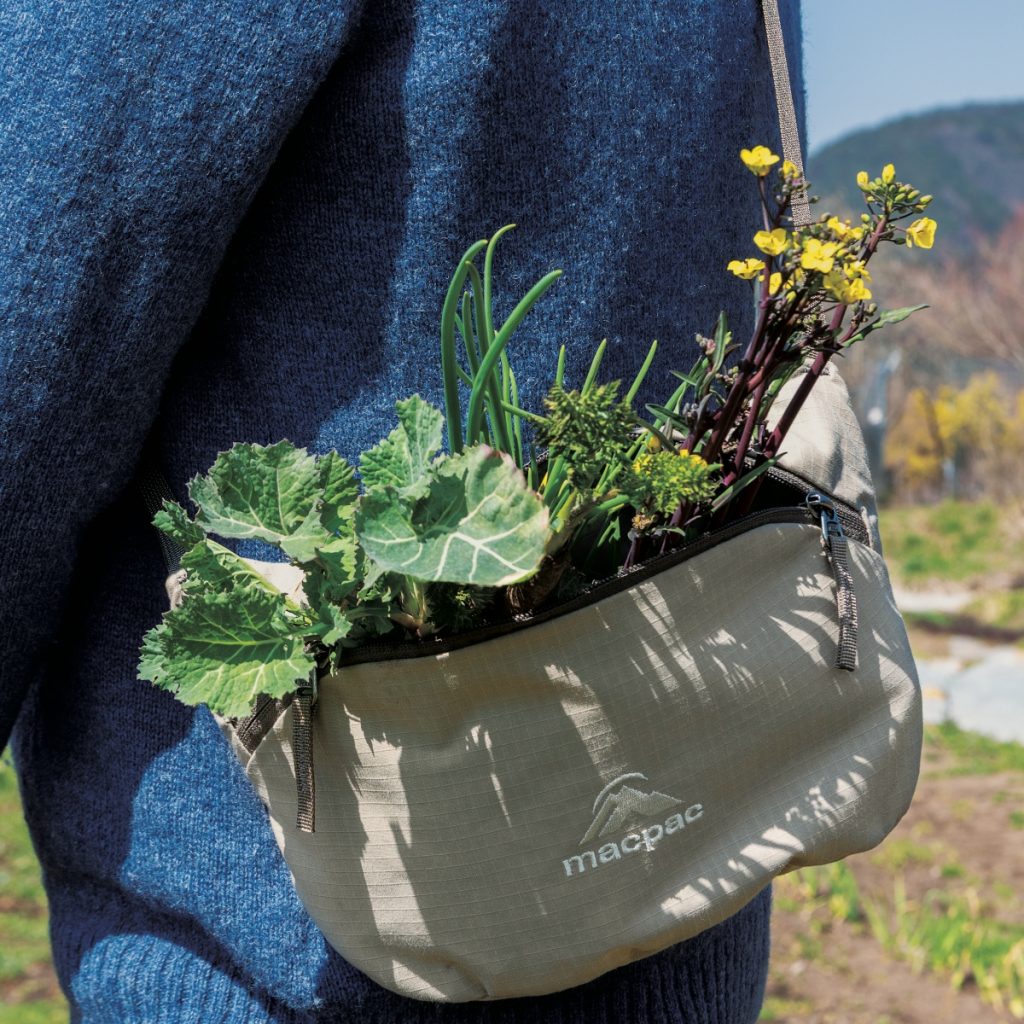
Move freely through the city and the trail with macpac’s latest lightweight backpack.
A trusted companion for long trails, the New Zealand-born brand macpac introduces its latest addition: the simple and lightweight Manakau backpack. Made from AzTec® 6oz fabric, it strikes the perfect balance between durability and lightness. The roll-top opening expands to fit your load, making it even more versatile. Pair it with the optional Trek Shoulder accessory for an even lighter, freer hiking experience.