







“We want to preserve not just the food itself, but the agricultural practices, lifestyles, and environmental contexts that shape the culture behind it, and pass that down to future generations.”
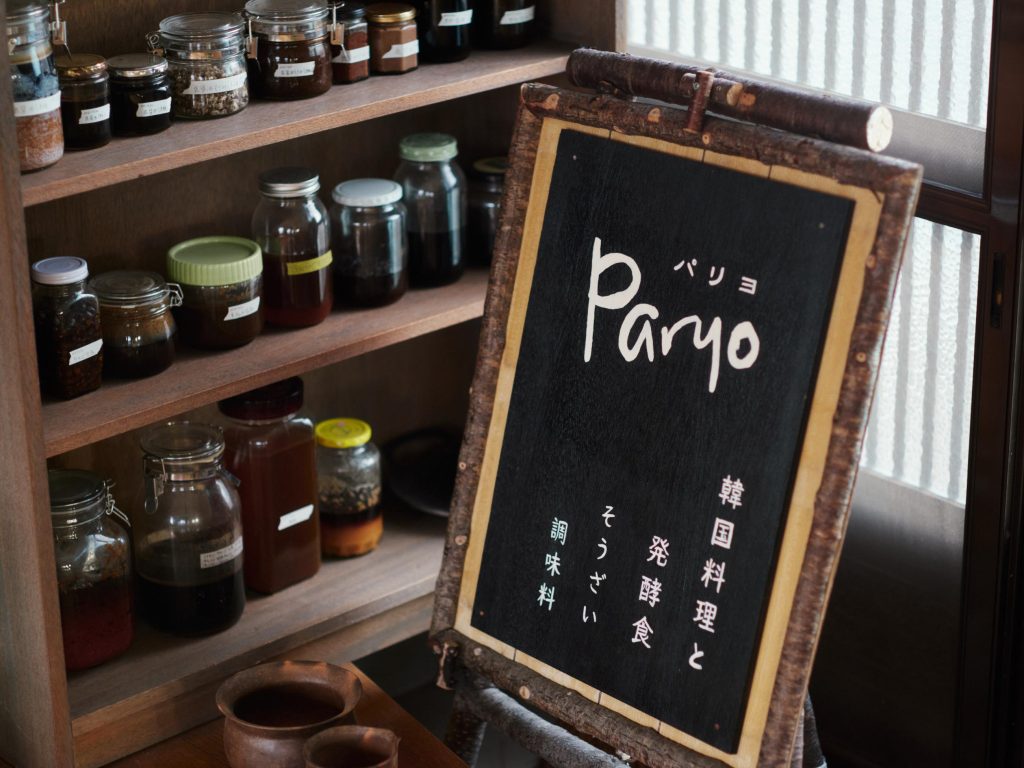
This is the philosophy behind Paryo, the husband-and-wife team of Shun Abe and Kozue Shimada. “Paryo” in Korean, means “to ferment.” Based in Ogawa, Saitama, they craft traditional Korean dishes and fermented seasonings inspired by rural Korean cuisine. Drawing from their experiences in the restaurant industry and on-site fieldwork, they share their unique perspective on preserving and honoring food culture.
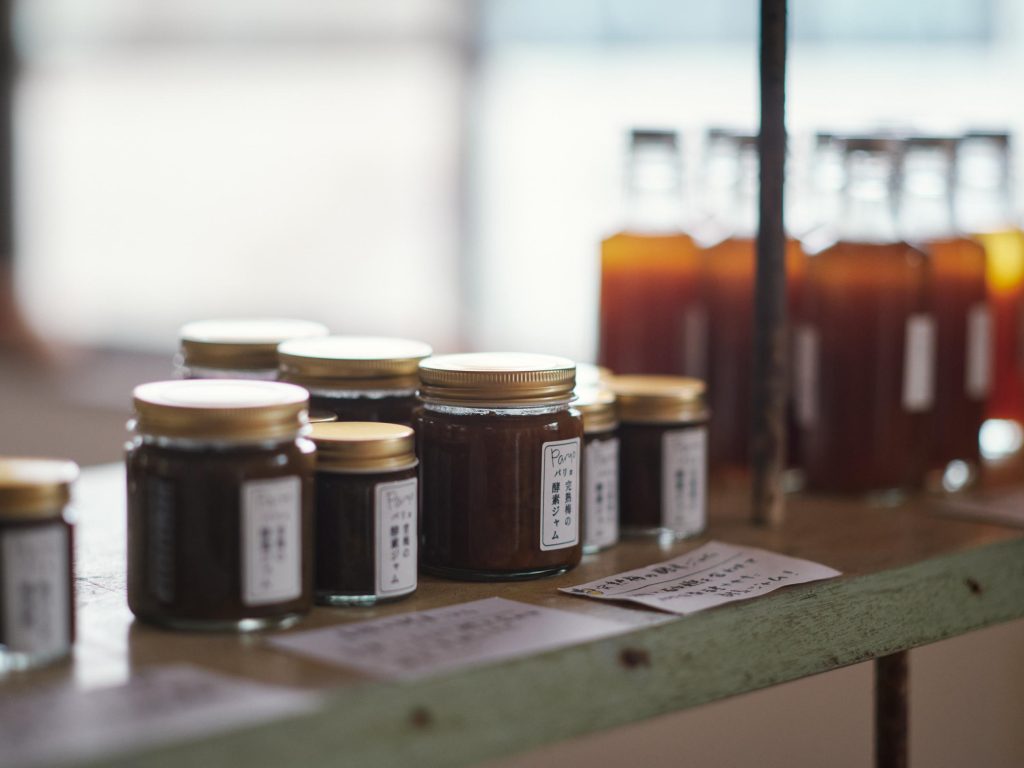
We’re another part of the long history that is food culture
“Seasonings are basically concentrated umami, and fermentation is always essential when making them,” says Shun, who specializes in fermented seasonings. After graduating high school, he trained at Japanese restaurants and in wood-fired cuisine in Tokyo, where he first encountered the world of fermentation.
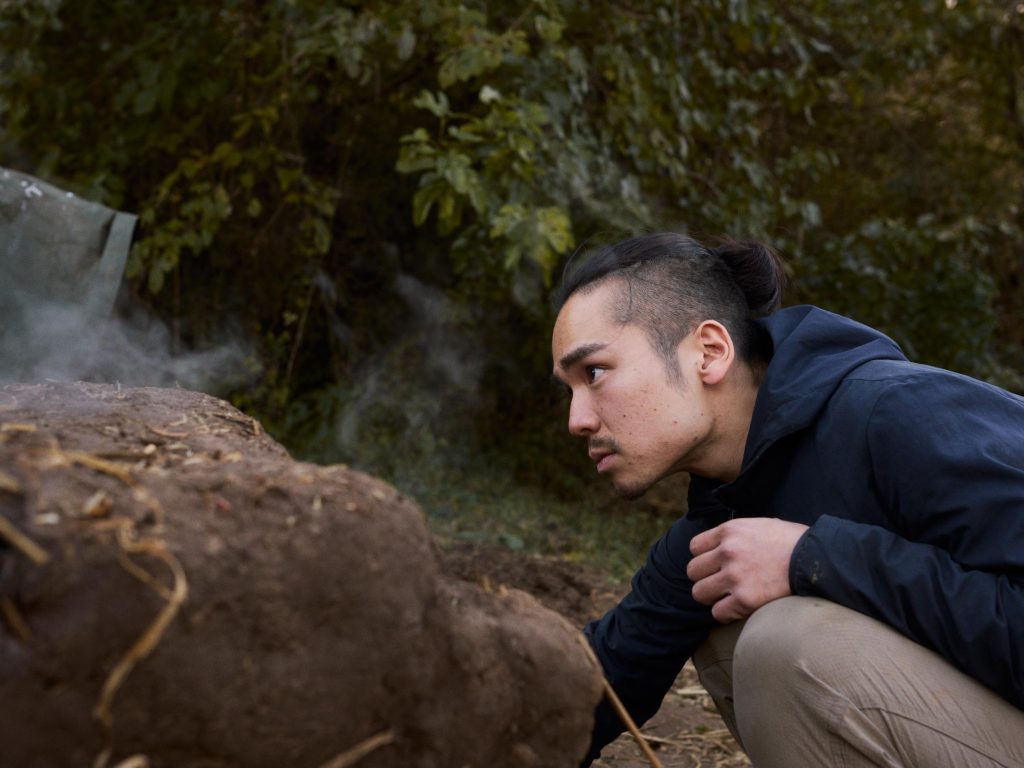
“It’s not only about introducing traditional seasonings. I think there is a lot of meaning in sharing their origins, the way people lived back then, and to keep the connection alive. Seasonings have evolved so much throughout history. It’s important to preserve these old methods, but the food culture can’t thrive unless we adapt them into forms that feel approachable and relevant to people today.”
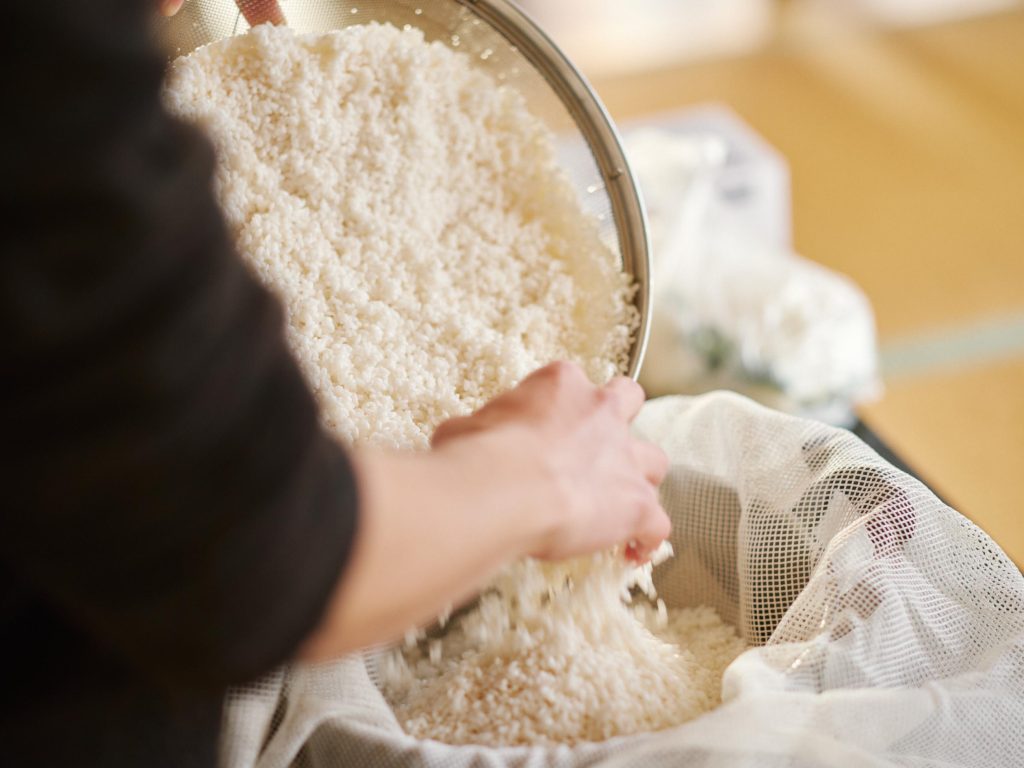
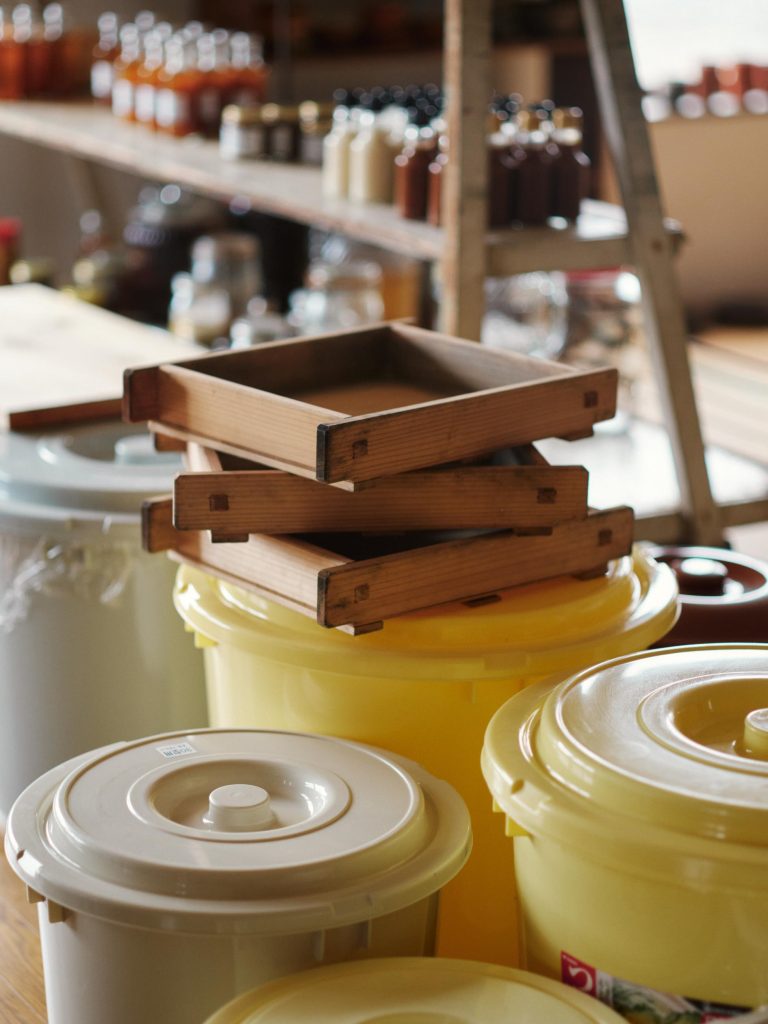
When Shun-san speaks, the word “food culture” comes up often. You can tell his strive to preserve it comes from his respect for the centuries-old culinary traditions.
“So much of today’s cuisine feels like it’s made solely for human consumption. That mindset leads to mass production, overfarming, and environmental strain—none of which are sustainable. Food is tied to the land, the community, and nature as a whole. If we want to pass it down to future generations, we can’t let a chef’s ego get in the way.”
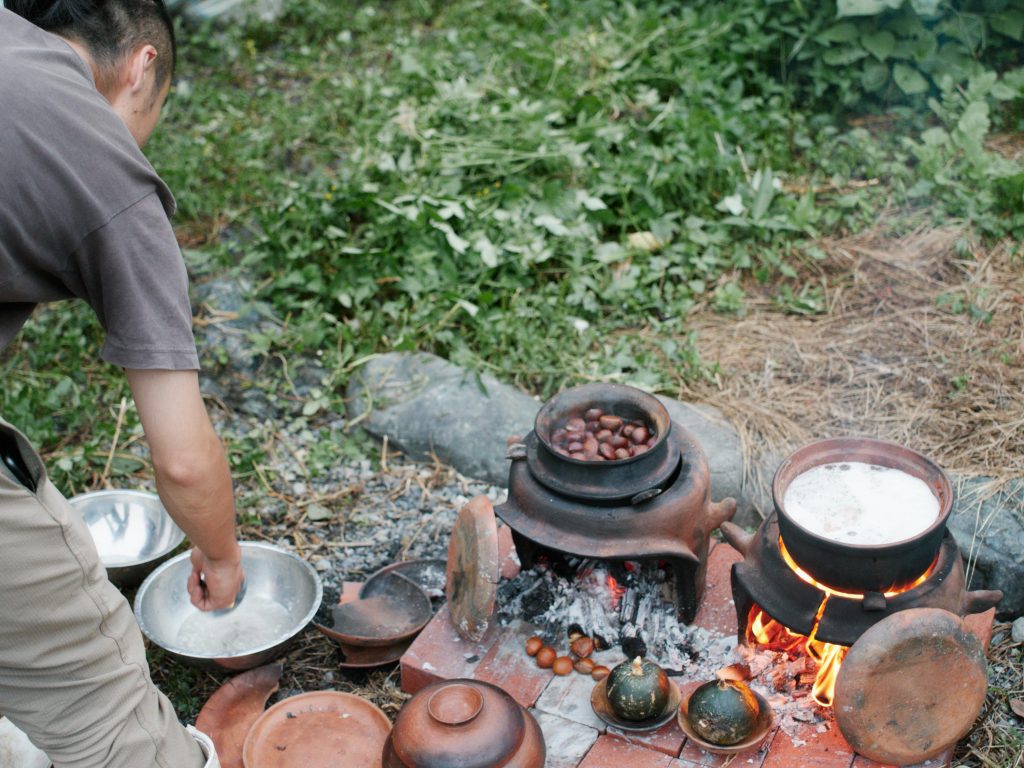
Learning fermentation while living on farms
“I grew up learning about Korean fermentation naturally, so it just feels like something I’ve always carried with me,” says Kozue-san. “I love how preserved and fermented foods are simply a part of daily life in that culture.”
For Kozue-san, who handles the prep and cooking of their Korean dishes, fermentation wasn’t something she intentionally sought out—it was simply where her journey led her. While working at a Korean restaurant, she frequently traveled to Korea for ingredient sourcing. Over time, the markets weren’t enough, so she started venturing out to the farms themselves. Eventually, she left her job entirely to visit local farmers and study the culinary traditions of different regions.
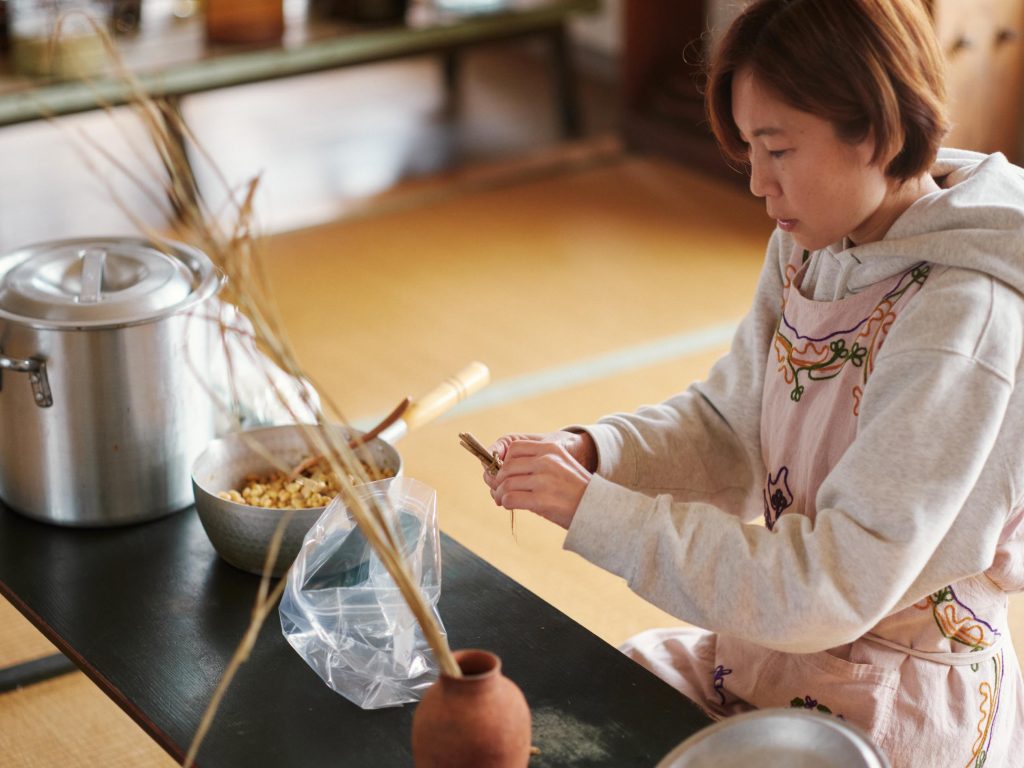
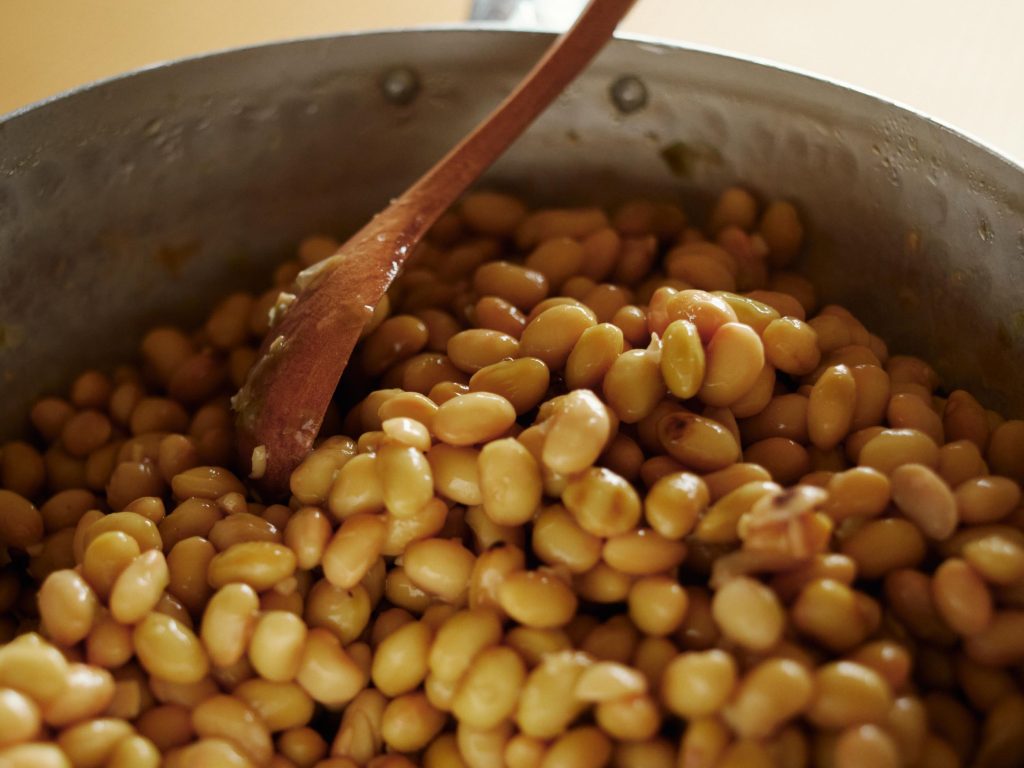
“On Korean farms, the work doesn’t stop at growing crops. It includes processing and preserving food as well. Many of the ingredients are stored for long periods, which naturally leads to fermentation. At Paryo, we’re not trying to reinvent the wheel. We simpy take the wisdom I learned from the farmers and incorporate it into our cooking.”
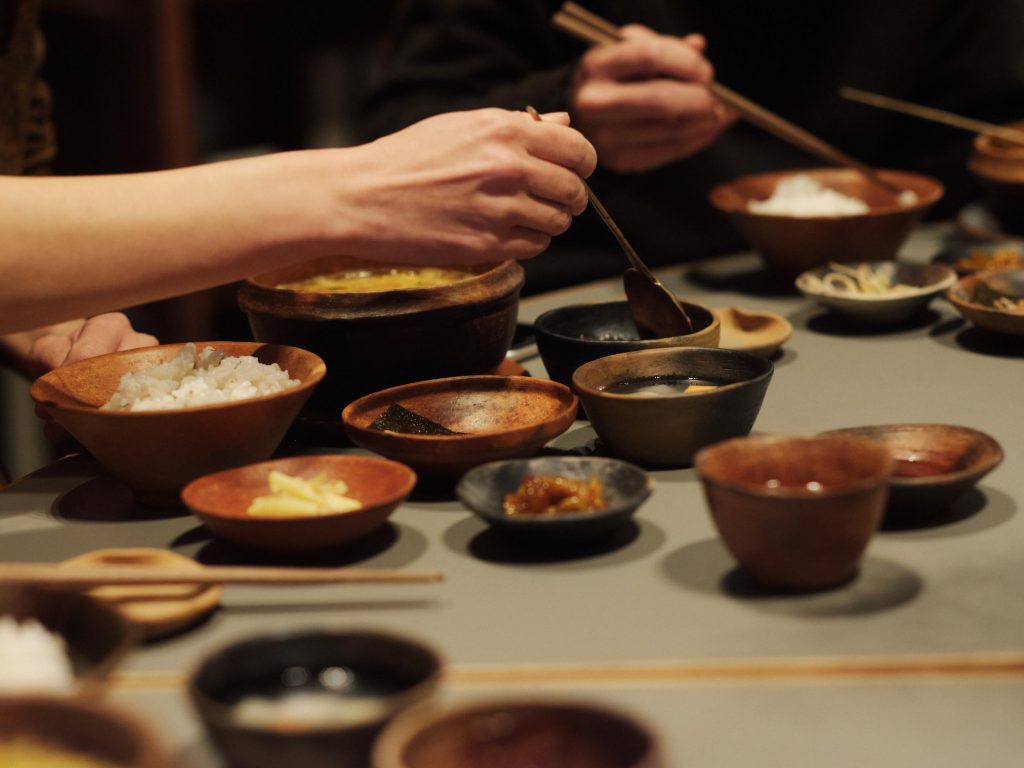
Paryo also throws meal parties and holds workshops. They turn out to be precious opportunities for Kozue-san to share the experiences and insights she gained firsthand.
“For example, the dishes in the north and south are totally different because, of course, they have completely different ingredients to work with. But what really fascinates me isn’t just cooking. It’s understanding why certain dishes came to be in the first place. I love going from village to village, hearing those stories firsthand, and then coming back and sharing them with everyone. That’s the best part,” she says with a smile.
Simple and luxurious, made from time
When it comes to fermentation and Korean cuisine, the couple agrees that it can be summed up in one word: simplicity.
“It’s partly because it comes from rural cooking, but there’s something so pure and nourishing about it—you really get to experience the full flavor of each ingredient. And then there’s the time. No matter how much the world changes, that part never gets rushed. Three years before you can eat something? That’s normal. Some even let salt age for eight years. I guess some flavors just can’t be fast-tracked.”
“Food trends come and go, but that’s exactly why we want to stick with something that’s grounded—stubbornly simple even. We want to focus on making food that aligns with the pulse of food history, food that tastes good to us, food that makes our bodies happy.”
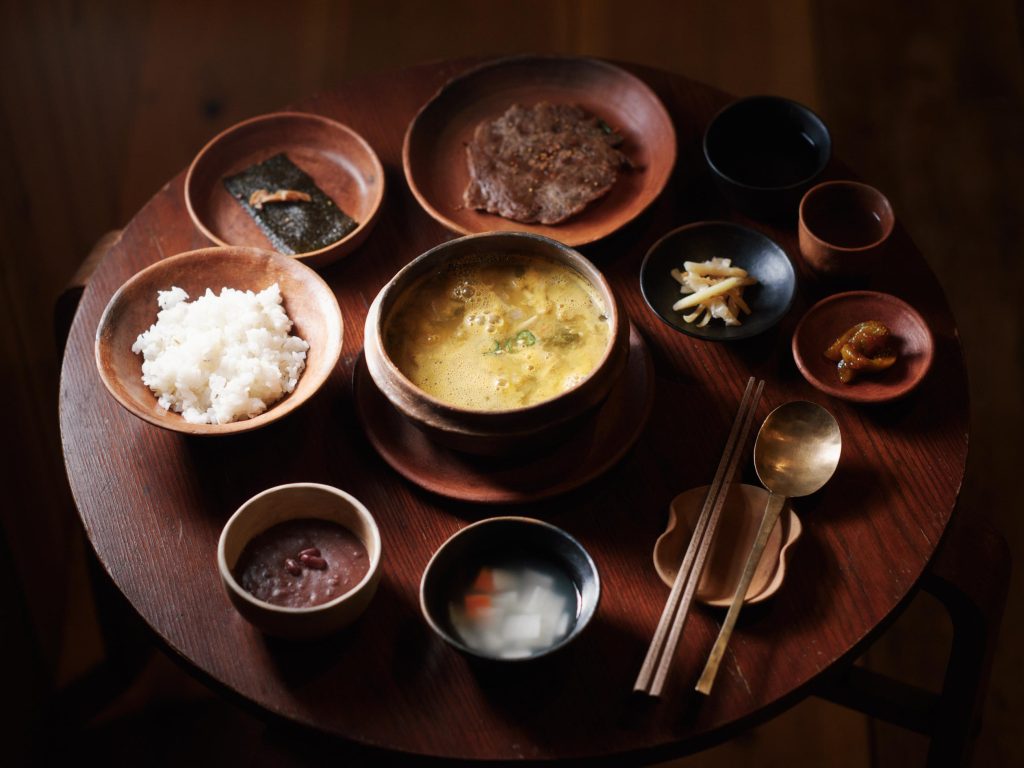
At Paryo, the beauty lies in enjoying simplicity as it is—offering a kind of luxury that has nothing to do with price tags.
Making a shop that shares more than food
“We want our shop to be a place that brings everything together—the life of each ingredient, the farmers who grow them, and the landscapes they come from,” explains the duo.
Their next goal for Paryo? Opening a restaurant that serves Korean dishes cooked in handmade earthenware, crafted by noneother than Shun-san. These vessels not only enhance flavor and aesthetics, but also embody the deeper story of food, making them an essential part of the experience.
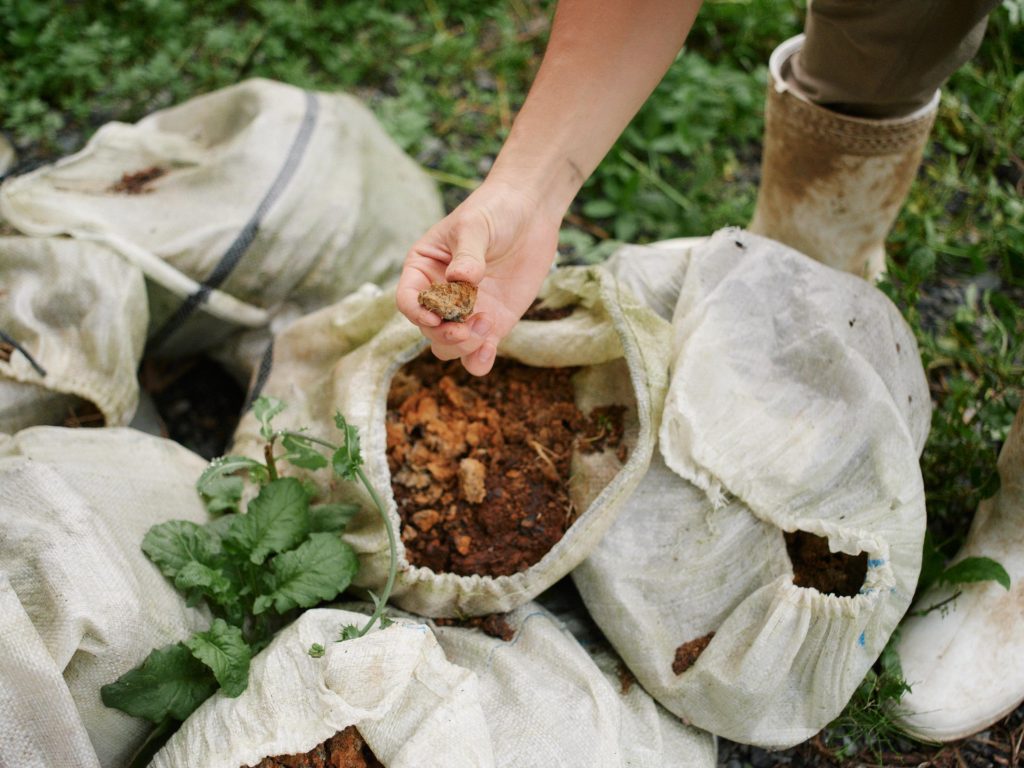
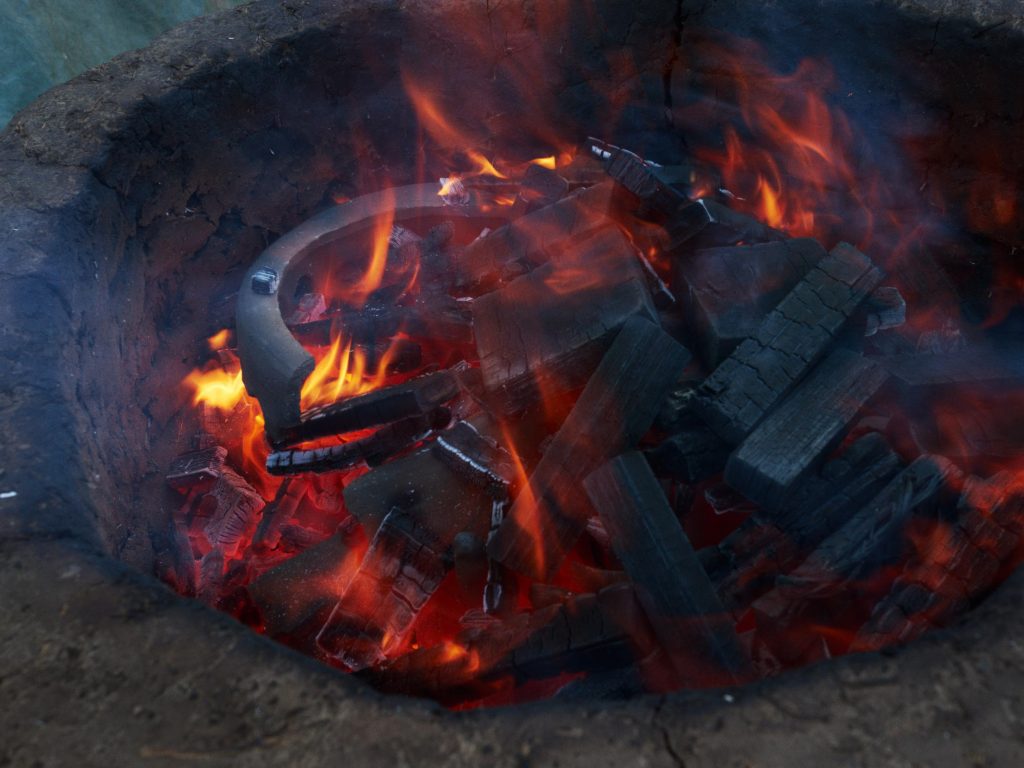
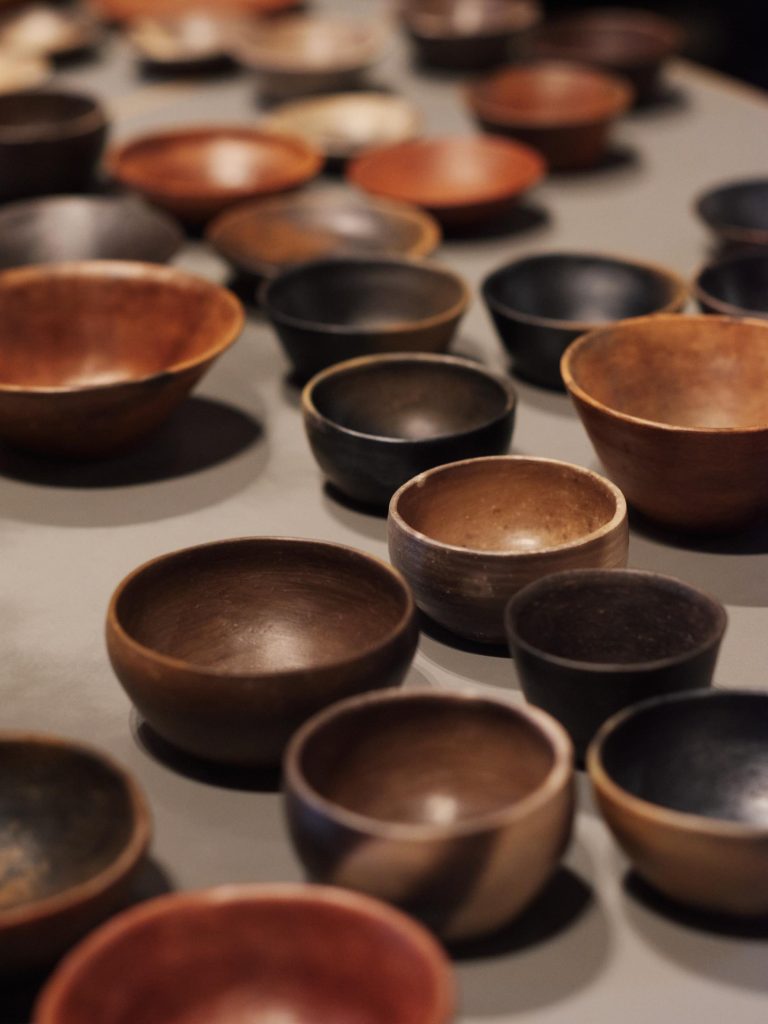
“The raw, primitive feel of earthenware is part of its charm, but for us, it’s more about its ability to directly connect people to the story behind their food. Just as ingredients grow from the earth, we want the bowls and plates we cook and serve with to stay as close to the earth as possible. If sharing the history and cultural roots of food through our cooking helps enrich this place, then that tradition can last 100, even 200 years. That’s the purpose behind what we do as a restaurant.”
Many farmers ship their produce to Tokyo, but Paryo believes that ingredients deeply connected to the land shouldn’t be separated from it—they should be enjoyed right here in Ogawa. “And honestly, there’s nothing more fulfilling than seeing someone savor our meals right in front of us,” they say with a warm smile. A restaurant that truly embodies the essence of Ogawa—one that could only exist in this place—is already something to look forward to.
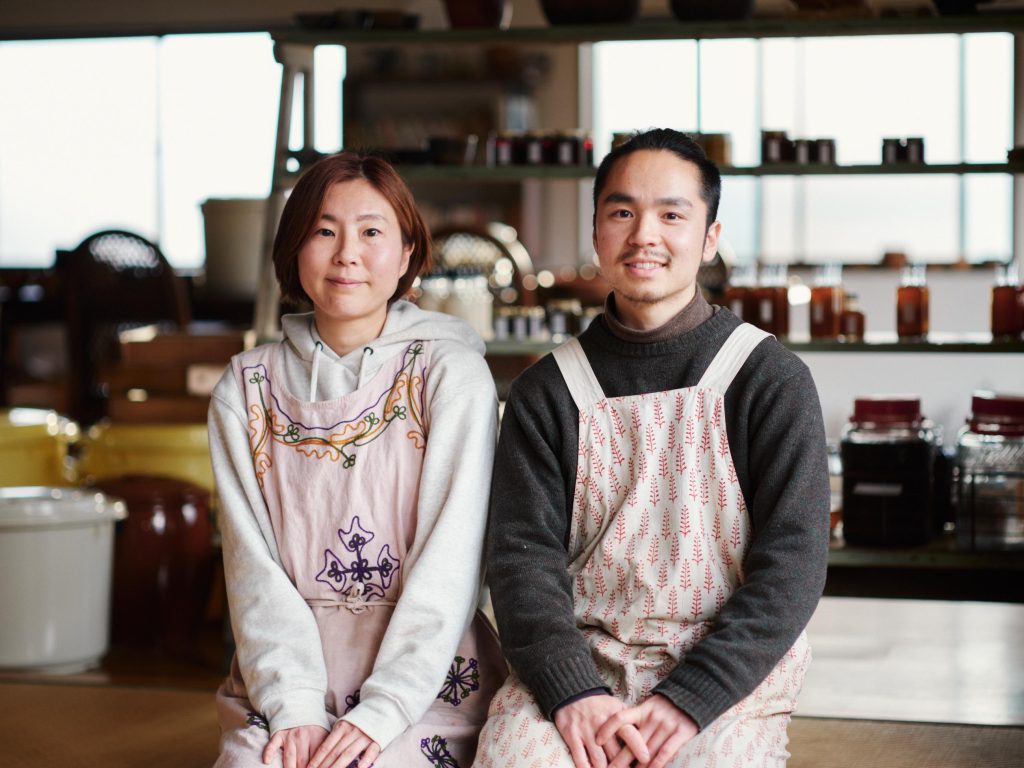
Shun Abe
Researcher of Traditional Japanese Cooking & Fermented Seasonings.
After spending five years working in restaurants in Tokyo, Abe relocated to Ogawa, Saitama, immersing himself in Japan’s rural landscapes and culture while studying and practicing traditional cuisine and fermentation. To deepen his understanding of food, he has taken up farming and crafts earthenware and kamado stoves using local soil.
Kozue Shimada
Researcher of Traditional Korean Cooking & Preserved Foods.
Born in Japan to Japanese and Korean parents, Shimada has traveled across Korea from north to south, visiting farms and working alongside local producers to learn, study, and practice traditional Korean seasonings, fermented foods, and preservation techniques. She continues to cherish and recreate the home-cooked flavors passed down from her grandmother, mother, and female relatives.