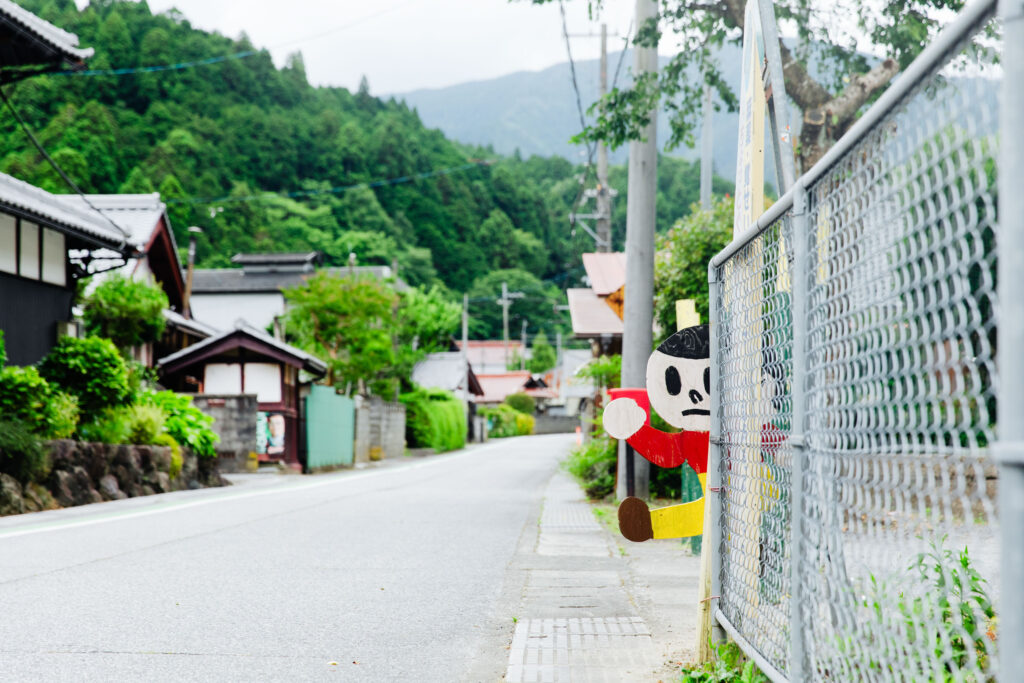
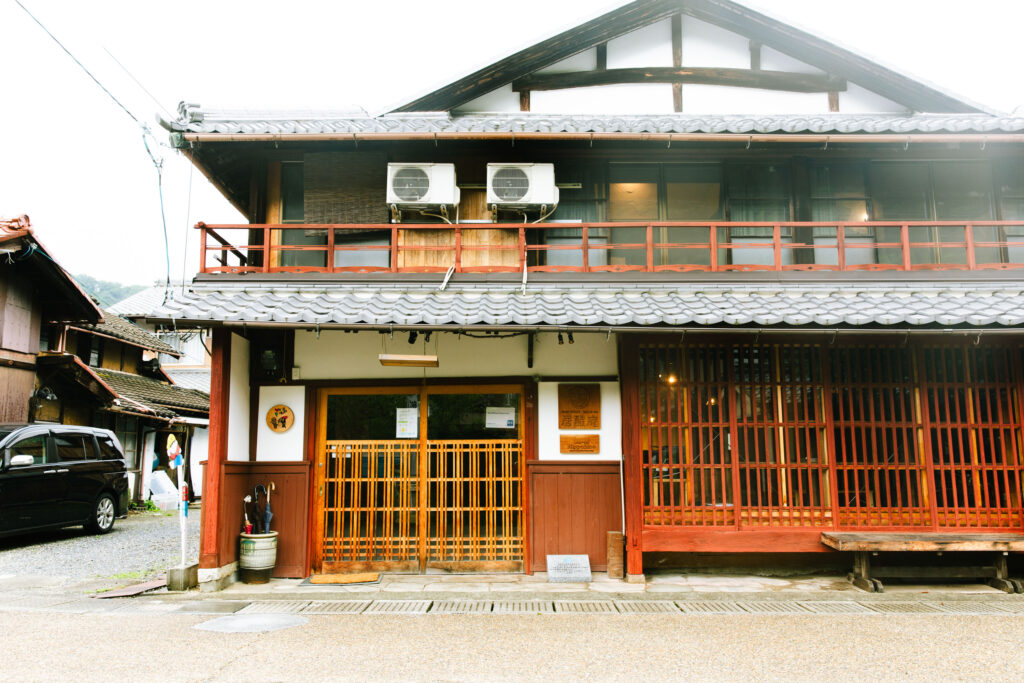
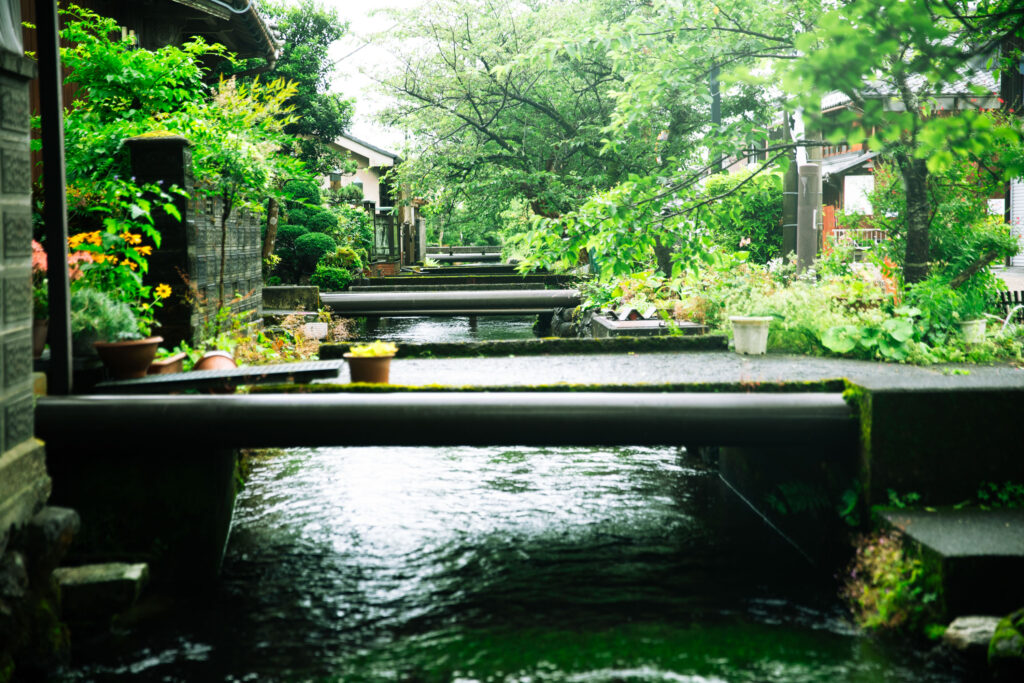
Nestled in the valley amid the steep mountains of Maibara City, Shiga Prefecture, is Azusakawachi, with a population of around 230. That description alone might evoke the image of a secluded village off the beaten path, but being 20 minutes by car from Maibara Station on the Tokaido Shinkansen, having the Old Nakasendo and National Route 21 run parallel at its entrance, and with the Sekigahara Interchange on the Meishin Expressway only 10 minutes away, Azusakawachi is perfectly accessible. It retains its old rustic charm despite the convenient location—Azusakawachi is a miracle of an air pocket.



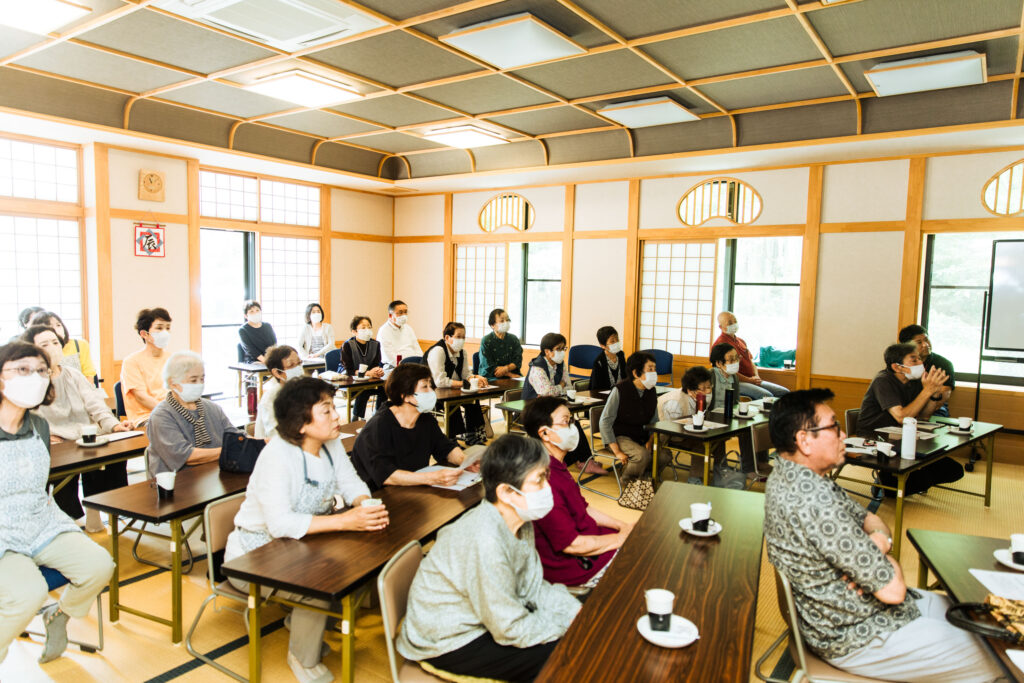
In the spring of 2024, the residents of Azusakawachi were invited to join a workshop themed Data Art & Science. The idea was to introduce an artistic perspective into data science and explore new values and possibilities in the future of village governance.
The participants, equipped with iPhones, used a dedicated app to take 3D scans of their favorite places and objects in Azusakawachi. The scans were then collected, converted into point clouds, and plotted on a map provided by Shiga Prefecture. The participants will later be interviewed for anecdotes about their selections toward creating an organic, three-dimensional map.
Words like data and science tend to sound cold and inorganic, but the residents’ stories add a human touch with which others can sympathize and strike up a conversation. The new map will be a potential tool, and if each of the residents can be motivated to think of creative ways to use it, it can light the way to the future of Azusakawachi.
Taichi Yamamoto, the previous district chief of Azusakawachi and a former superintendent of the Maibara City Board of Education, has this to say:
“From my experience as a schoolteacher, each of the pupils needed to find a reason for existence first, before they could work together and build unity as a class. It wasn’t enough to have their names on the roll call. They established their unique roles and contributed to the class, and that helped to boost class morale. I think the same is true for the community. It isn’t enough to live here. Each of us needs to find a reason for existence and establish our roles, and that will help to revitalize the community.”
Taichi was born and raised in Azusakawachi and knows the village like the back of his hand. At the age of 70, he is a strong walker and can climb the local mountains faster than anyone.
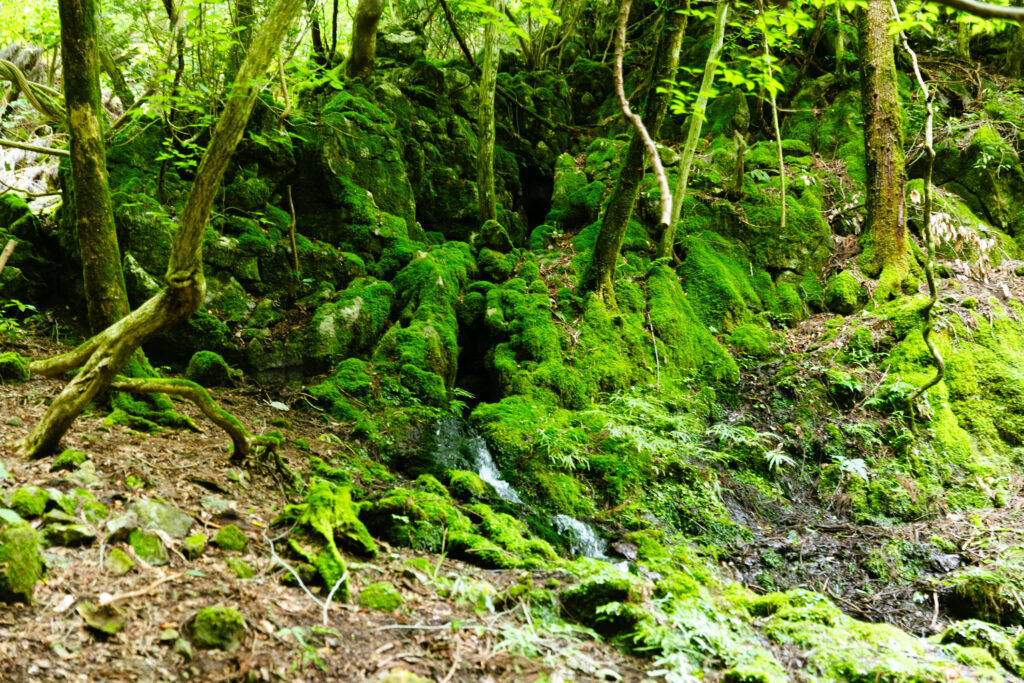
“What do I like about Azusakawachi? The great nature, of course. Hiking up the different mountains, spearfishing and swimming in the river—I did all of that every day as a child. Playing in the neighborhood mountains and river made me who I am today. Connecting with the nature developed my mind and taught me about patience and perseverance.”
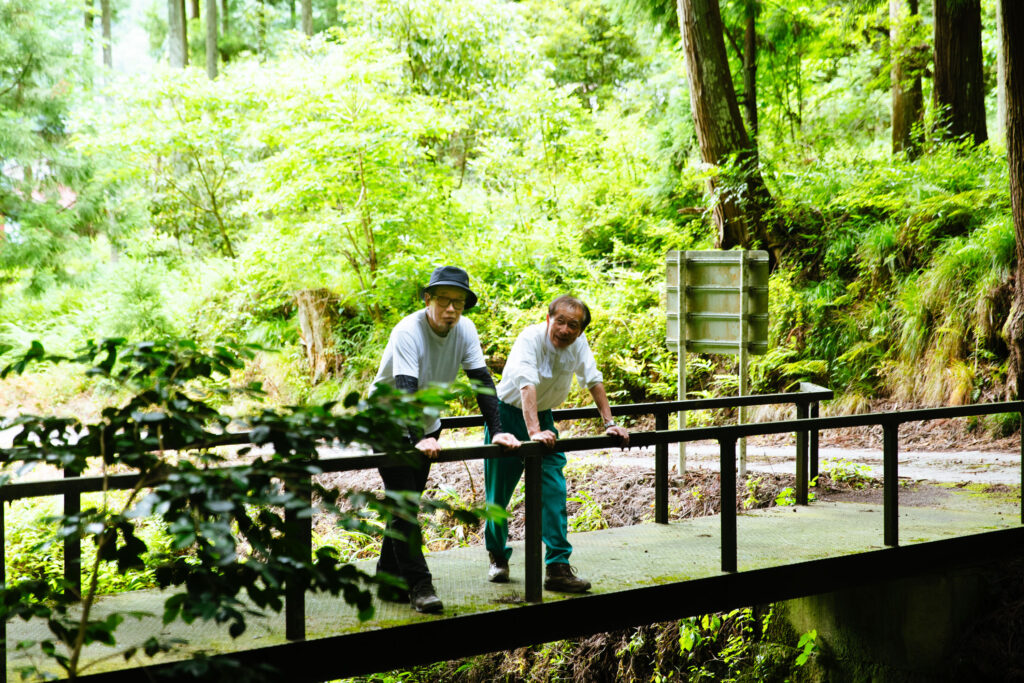
Hitoshi Yamamoto is also from Azusakawachi, but for a time during his youth, he lived in Osaka.
“Looking back at the busy life and being pressed for time in the city, life back in Azusakawachi is so much fun. I feel relaxed here. I have time for myself. That’s why I decided that, since I’m getting on in age, I’m going to give back to my home village.”
Hitoshi is an active player in community association activities. He led a project to compile “Reiwa ni miru Kawachi hyaku sen (Best 100 of Kawachi in the Reiwa Era),” a comprehensive booklet on the nature, history, culture, and customs of Azusakawachi. He also set up flower beds along the highway outside the village’s entrance and succeeded in reducing the amount of littering.
Shinichi Taniguchi, a childhood friend of and the same age as Taichi, serves as the current district chief and researches the Internet of Things as a special visiting professor at Shiga University. He also has a pet project of monitoring the river water levels in Azusakawachi. Being surrounded by steep mountains, the village is designated a sediment disaster hazard zone. By analyzing the observation data, Shinichi hopes to predict disasters and protect the residents’ lives.

More than half of Azusakawachi residents, including these three, are aged from the 60s to the 80s. Young people account for only about a tenth of the village population. The three leader figures hope the Data Art & Science map project will help facilitate their efforts to hand over the village to the next generation.

Azusakawachi is entered through a tunnel that leads to a straight road running to the end of the village. Strangers instantly draw attention, and in a sense, the geography had kept the village in a state of isolation. But things have changed. In the past, most of the residents worked in forestry in the village mountains. Now, many exit the tunnel each morning to go to work outside Azusakawachi.

Taichi says, “Everyone’s eyes were focused inside the tunnel before. But not anymore. Now, people are looking outside.”
That doesn’t mean the residents are turning their attention only to the outside and neglecting the inside. Sometimes, it’s necessary to step out and look back in, or like Hitoshi, move away and then come back to appreciate the potential and attraction of one’s home village.