What You See Once You Put Down the Rod
When I stepped off the plane in Wakkanai, even the scent of the wind seemed different. More than simply being Japan’s northernmost city, Wakkanai carries a distinct sense of being on the edge of a border.
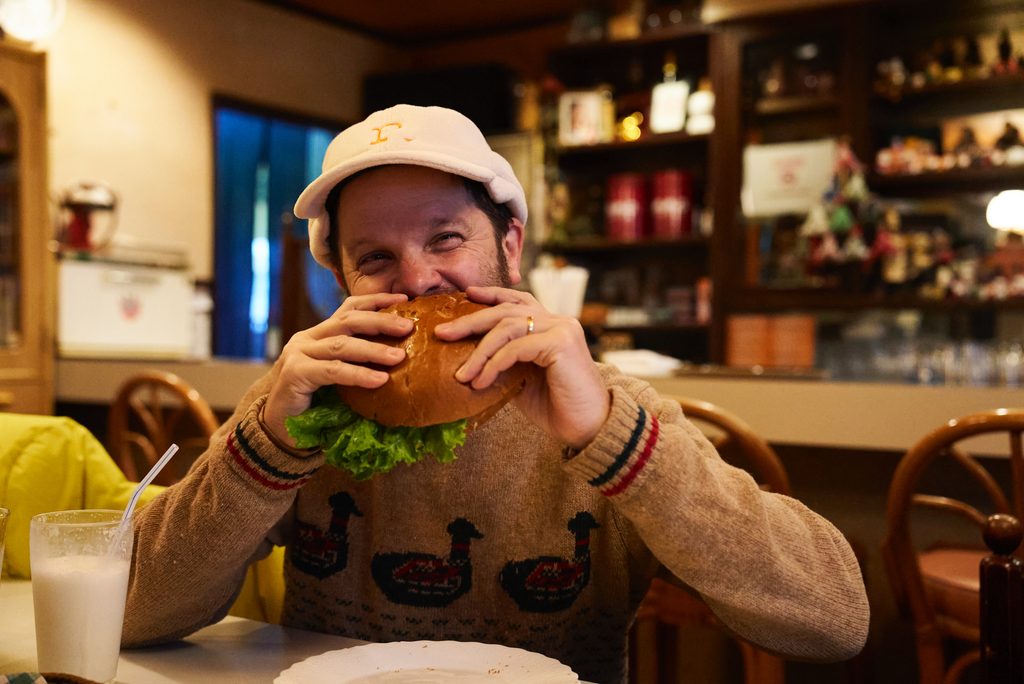
I heard that the aurora had appeared in the sky just a few days earlier. At Deno’s, a restaurant that still retains traces of the town’s past as a military base, I tucked into a Sloppy Joe almost as big as my face. On a journey, it is often the little detours that reveal the true character of a place.
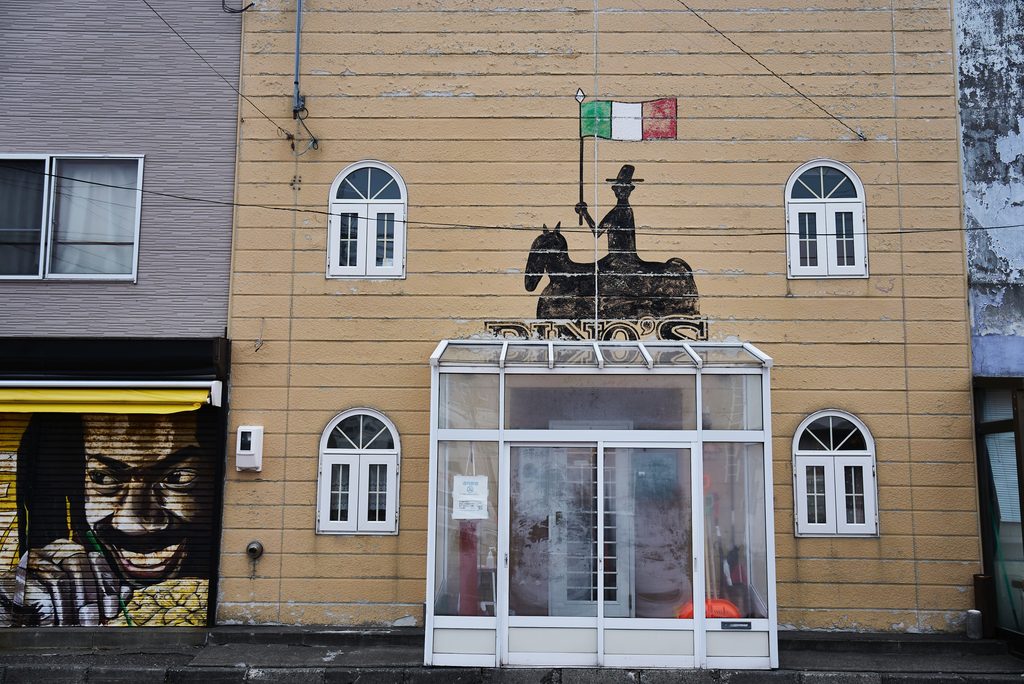

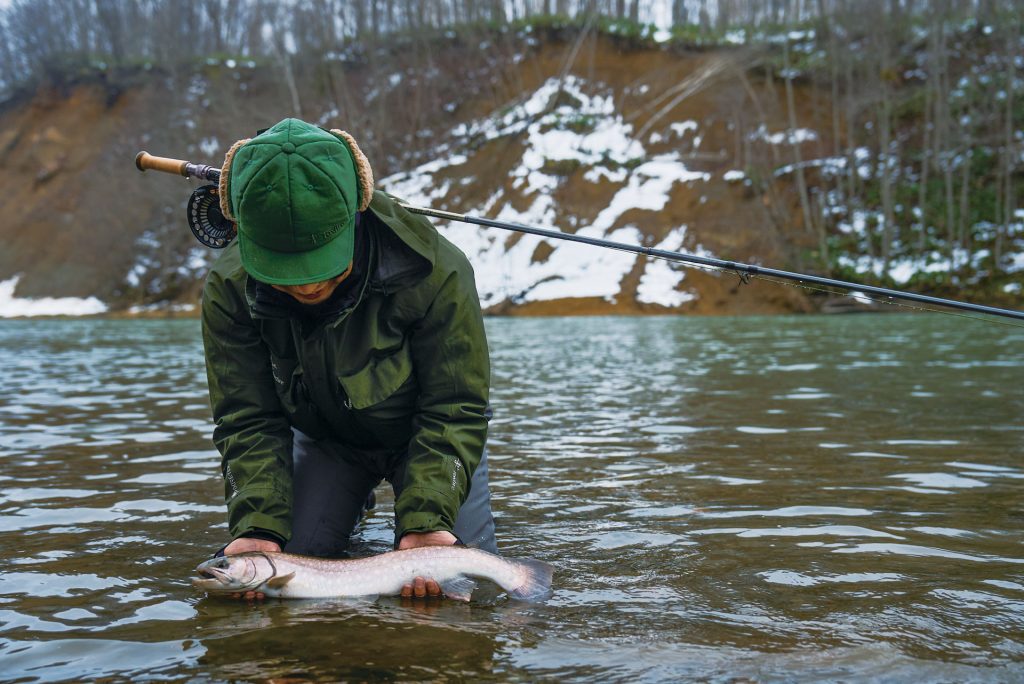
This trip had brought us to Hokkaido in search of the Ito, a fish that inhabits its northern waters. But with the spawning season approaching, November was not the time to pursue it. Instead, the fish at the end of our lines would be white-spotted char and rainbow trout. In Sarufutsu Village, fishing is suspended during the summer and again at this time of year to avoid placing unnecessary stress on the Ito.
We had come to the river to fish, yet here was a culture that knew when to put down its rods for the sake of the fish to come. Here, I realized, fish are never merely something to catch. They are part of a living heritage, passed down alongside the lives of the people who call this place home.
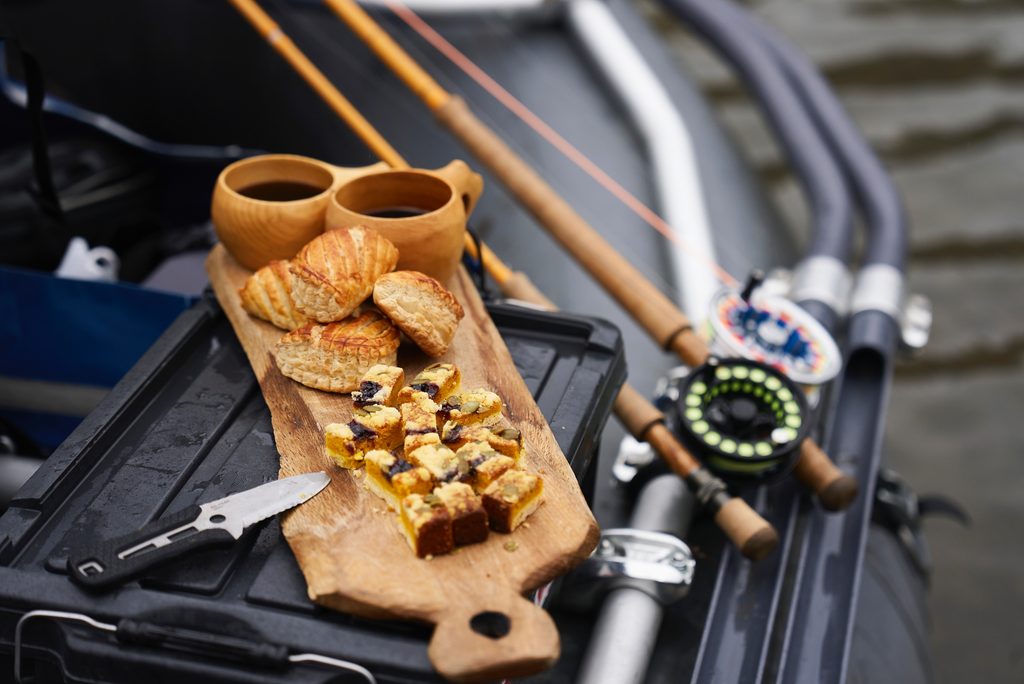
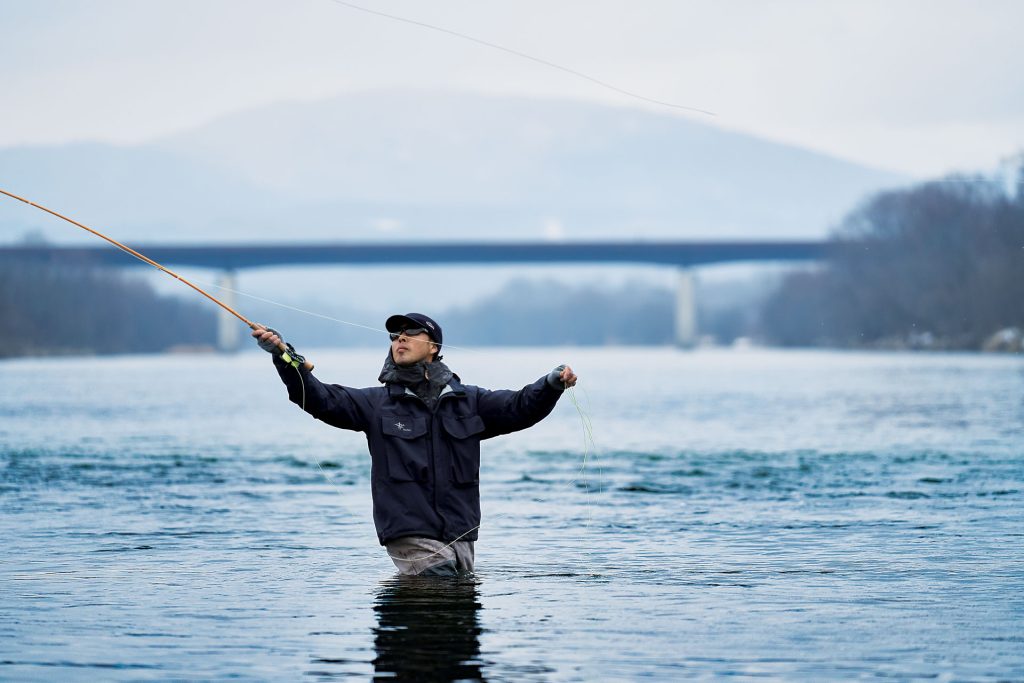
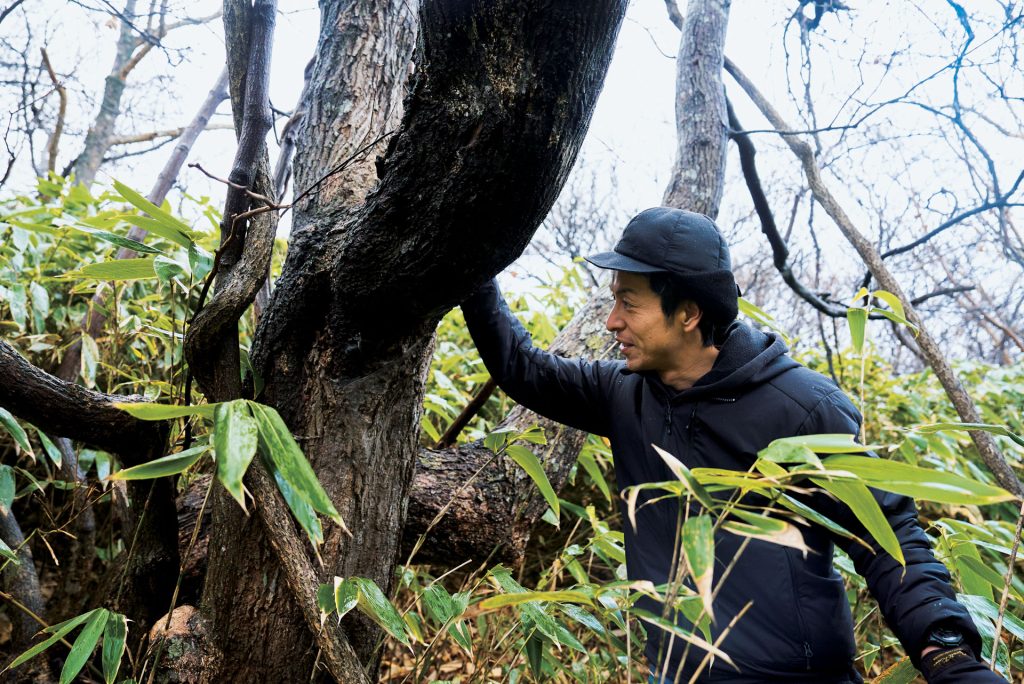
The following morning, we set off down the Teshio River in a rafting boat with our guide, Ryota Tsuji. We let the boat drift with the current, occasionally stepping ashore to cast our flies before surrendering ourselves to the flow once more. As this rhythm repeated, I felt less like an angler in pursuit of fish and more like someone slowly dissolving into the river’s own sense of time.
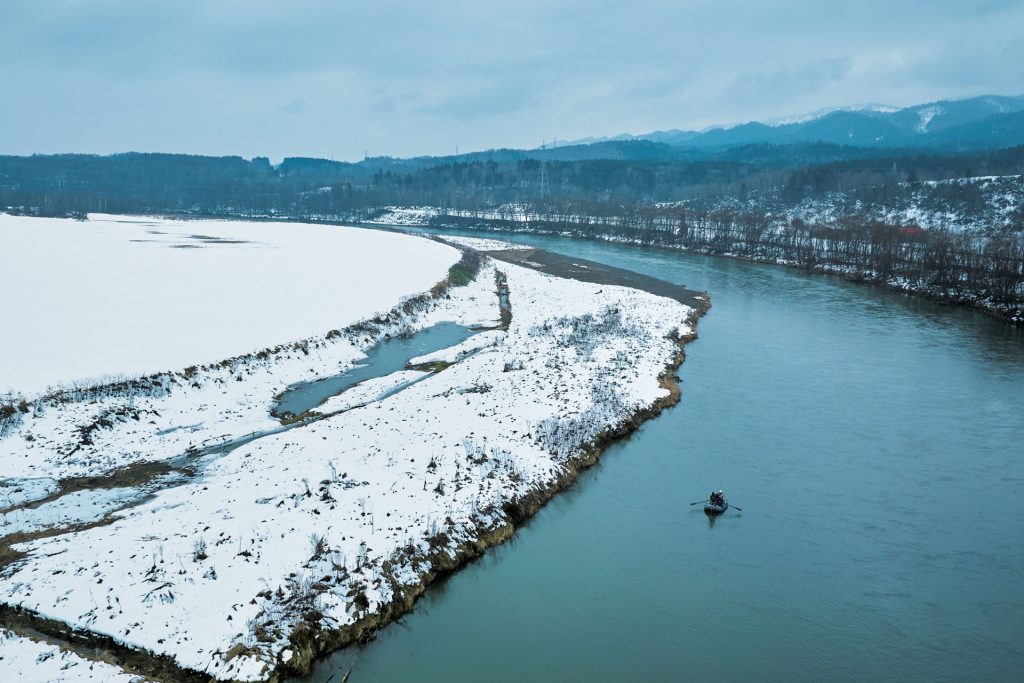
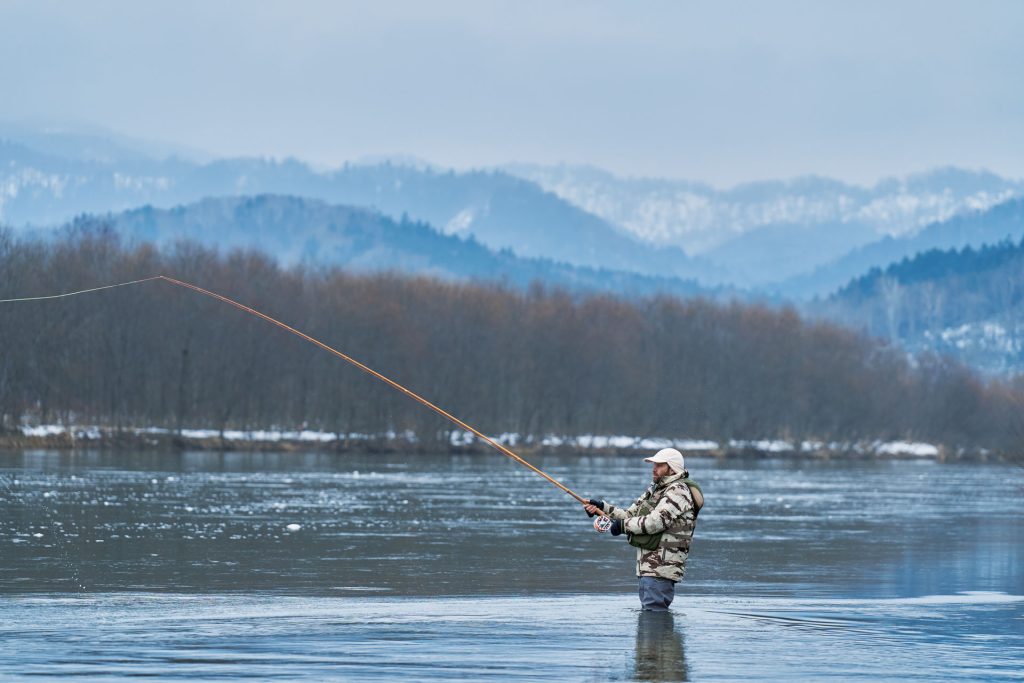
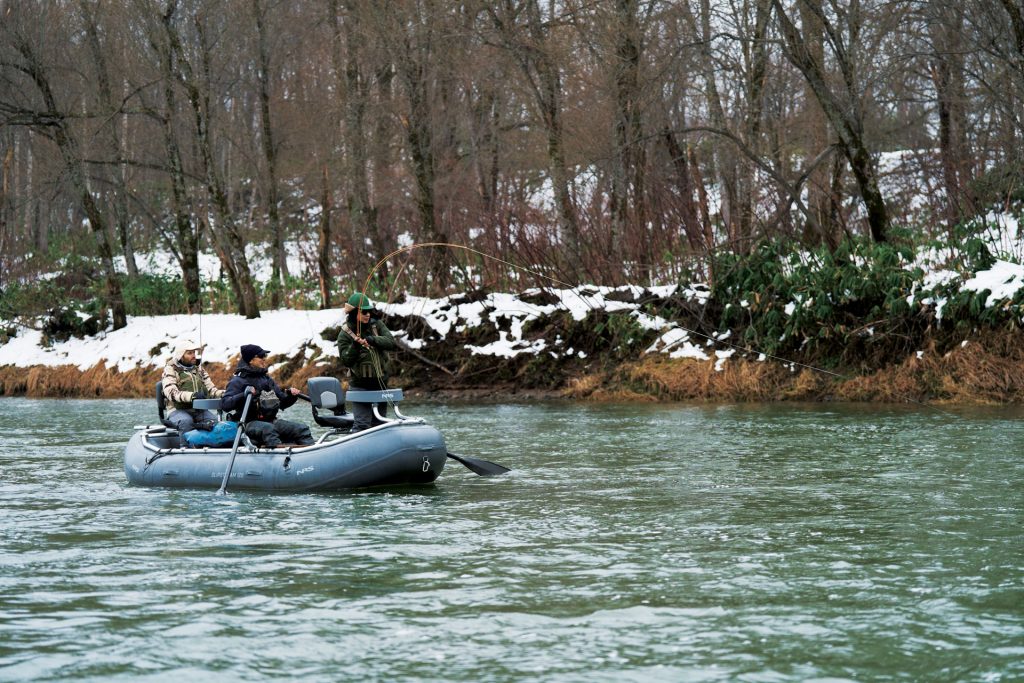
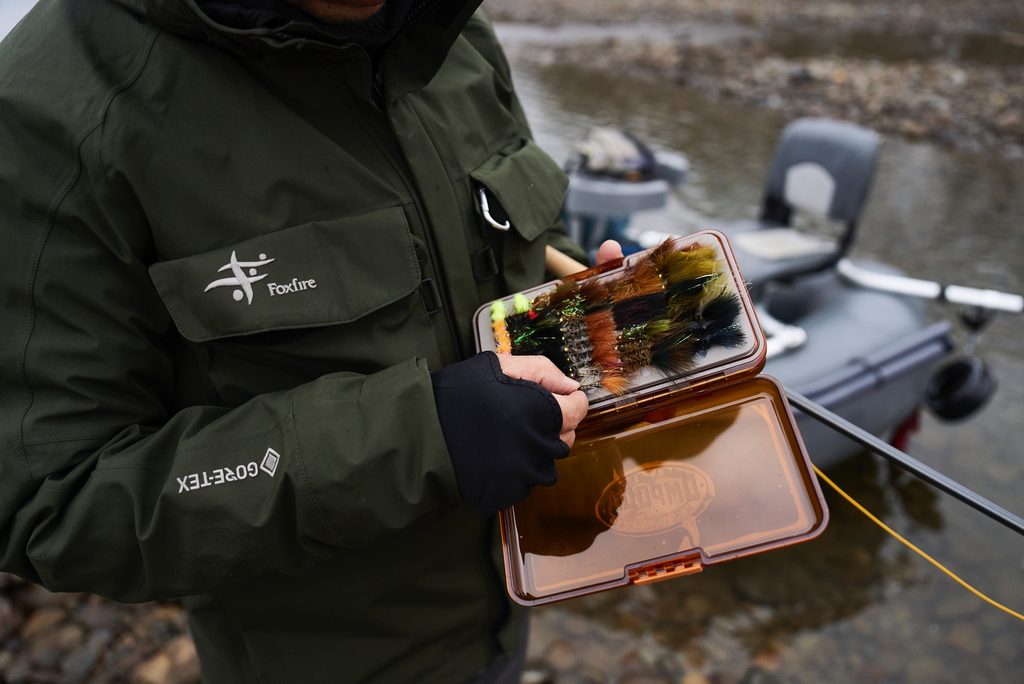
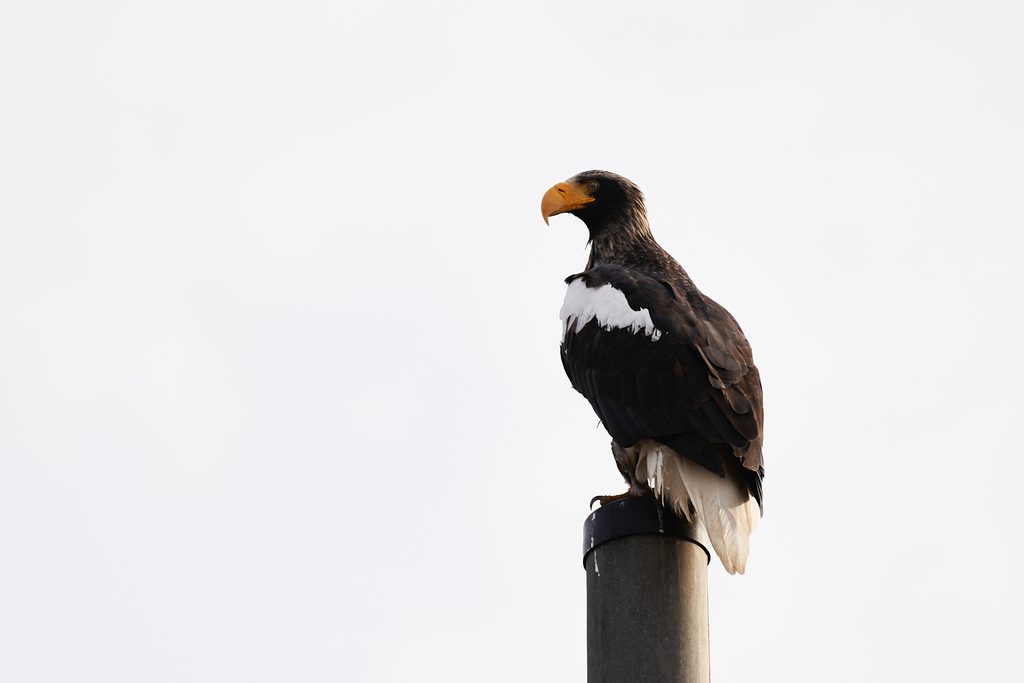
I was so absorbed in casting that I barely noticed the sudden, heavy beat of wings overhead. Looking up, I saw a Steller’s sea eagle gliding along the Teshio River, its wings sweeping effortlessly through the air.
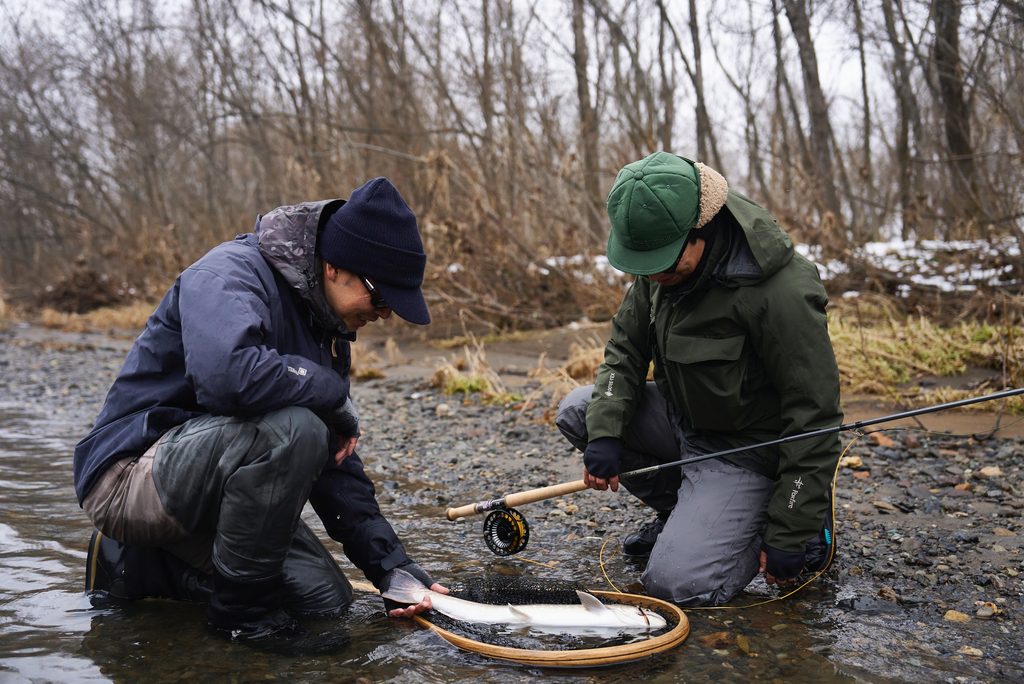
“Just a month ago, this river was full of salmon,” Tsuji said, gazing quietly across the water. Every autumn, salmon make their way back to the rivers where they were born, thick in the current.
Following this abundance of life, Steller’s sea eagles also cross the sea from Sakhalin. Fish move between rivers and oceans, while birds cross national borders, appearing with the changing seasons. Watching this scene unfold, I felt that the creatures here were each playing their part in a much larger cycle of time. Not once did the Ito appear, yet its presence remained unmistakable.
The next day, we strolled along the coast of Soya with nature guide Akihiro Shimazaki. “Birdwatching and fishing are much the same,” he told me. “What matters is knowing how to keep your distance.” Move too close, and the birds become wary, retreating before they reveal their true selves. To understand a wild creature, perhaps we must first learn to step back and quietly observe the life it leads. His words resonated with the time we had spent on the Teshio River.
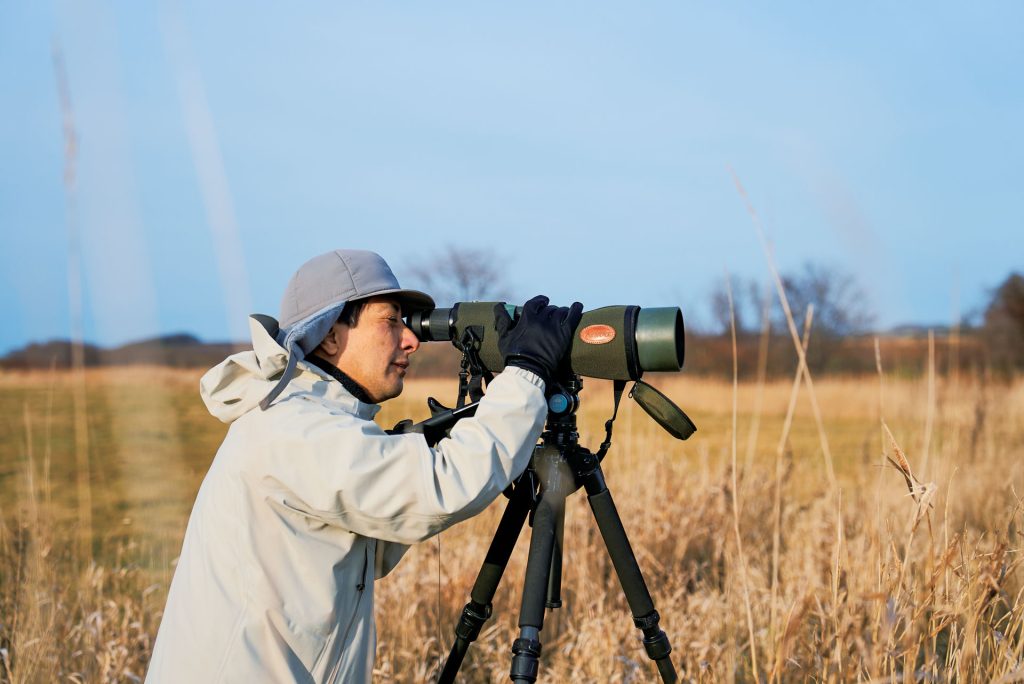
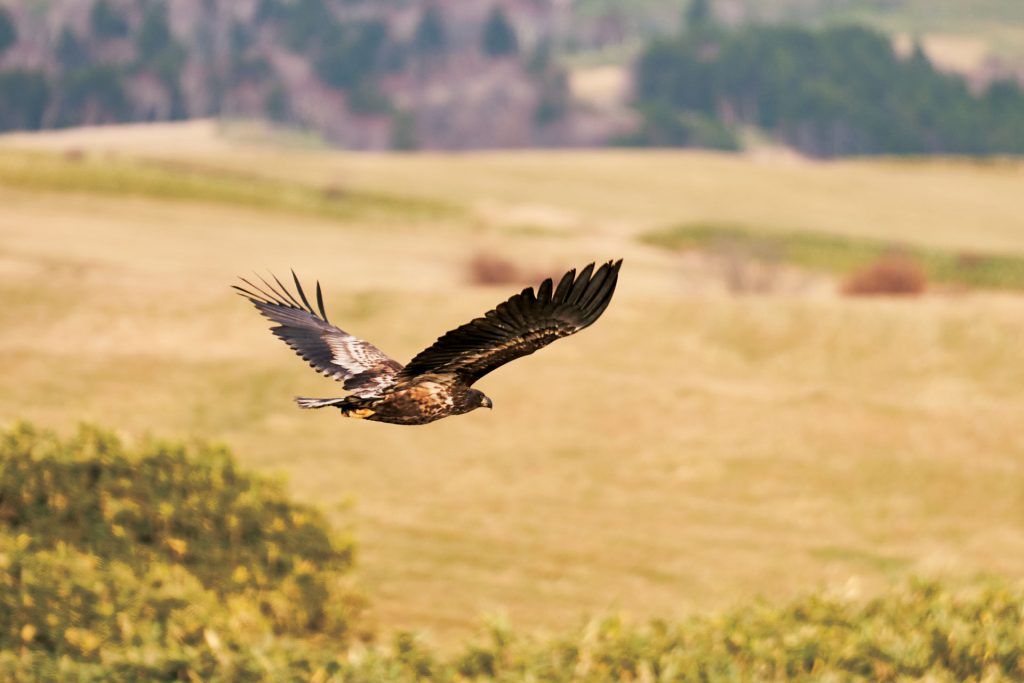
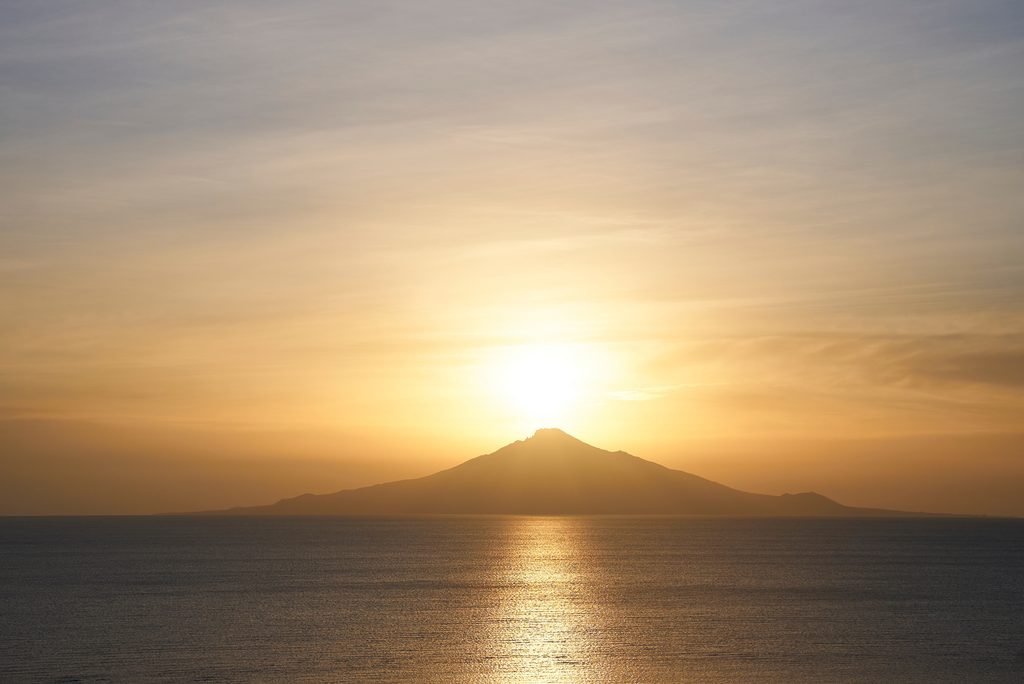
At dusk, I stood at Wakkanai Port. Russia lay just beyond the horizon. I was struck by how close it was, a little over forty kilometers away. As we talked, I learned that large Japanese-made lures are prized in Russia, too, and that white-spotted char also venture out to sea, growing large along the opposite coast. “The Steller’s sea eagle we had spotted earlier that day had traveled across these very waters. Humans draw borders, but fish follow the currents, and birds ride the wind.
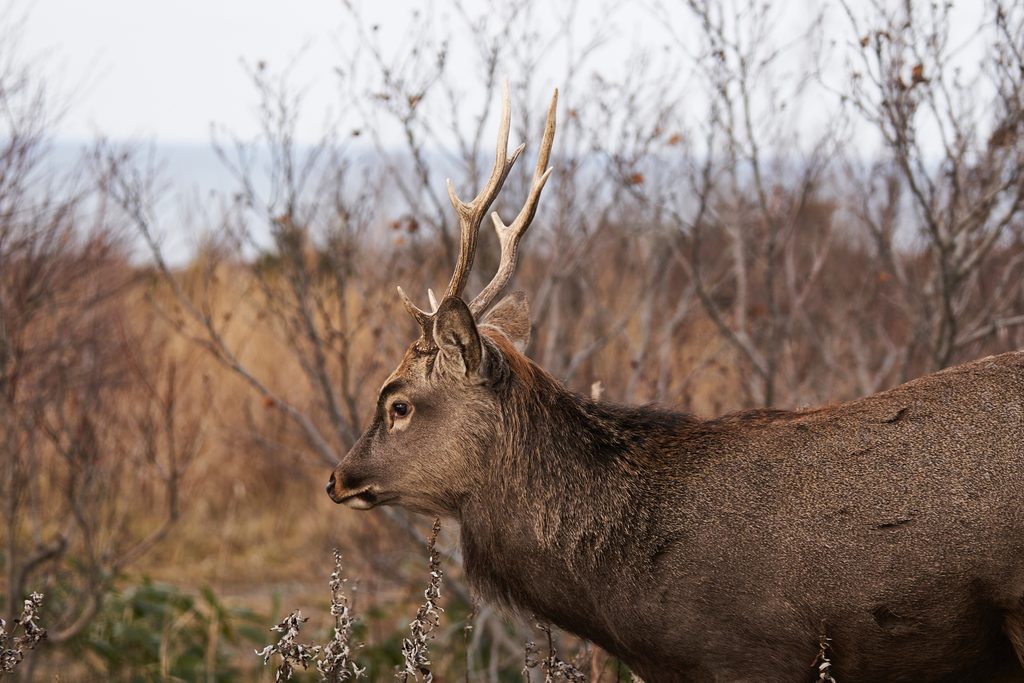
Along the way, I heard several times that plans for wind farms had been reconsidered in order to protect the Ito. Rich forests absorb the rain, feeding the rivers that flow down to the sea. Fish that grow in the ocean eventually return to those same rivers, sustaining the birds that depend on them, while the cycle continues back into the forest.
Protecting the fish is not simply about saving one species; it is about preserving the connections between forests, rivers, and oceans, and carrying that entire cycle forward into the future.
I had traveled all the way to Hokkaido in pursuit of a fish. Yet by journey’s end, what stayed with me was far more than any catch. Salmon returning to their rivers, Steller’s sea eagles crossing the sea, forests nurturing the water, and that water sustaining the fish once again. Within this quiet cycle of life, the Ito, which had remained hidden from us until the very end, was there all along.
Trail Guide
Dohoku, Hokkaido
DINO’S
2-11-8 Chuo, Wakkanai, Hokkaido
TEL:0162-22-6910
river trip CAMEL
2-11-8 Chuo, Wakkanai, Hokkaido
TEL:01656-8-7037
Polaris Nature Guides & Consultants
Wakashakotsu, Toyotomi-cho, Teshio-gun, Hokkaido
TEL:090-9206-3147
kusuda design and cafe
Higashi 2-jo Minami 1-chome, Bifuka-cho, Nakagawa-gun, Hokkaido
MAPLE & GARLIC
TEL:080-3230-4410
Life with Water, Life on the Move
Drawing on the wisdom of naturalists who learned straight from the wild, Foxfire and PAPERSKY travel the globe to promote an outdoor lifestyle focused on encountering fish nurtured by rich, pristine waters. Their collaboration line, the FISHDOM series, features textile designs inspired by real motifs discovered on their travels. It also blends in essential functionality tailored for the elements, like easy mobility and water repellency. The collection is available now at the Foxfire online store and select retailers.