







In winter, when I see the land blizzarding furiously, I feel helpless. When I hear rumours of bears, I think this is their land. When swans fly overhead, I think of the land they are going to. I want to live as quietly as possible. — Keiko
I was excited to visit the north and travel for hours in a direction I had never been before. The sun had risen then set and I was still making my way to a peaceful corner of Japan where two artists have made space to work and live.
This is my journey to Obihiro, Hokkaido to sit in a ‘moor onsen’ and watch snowflakes fall on my face; after an inspirational day visiting the Takano family in their self built artist studio and lifestyle.
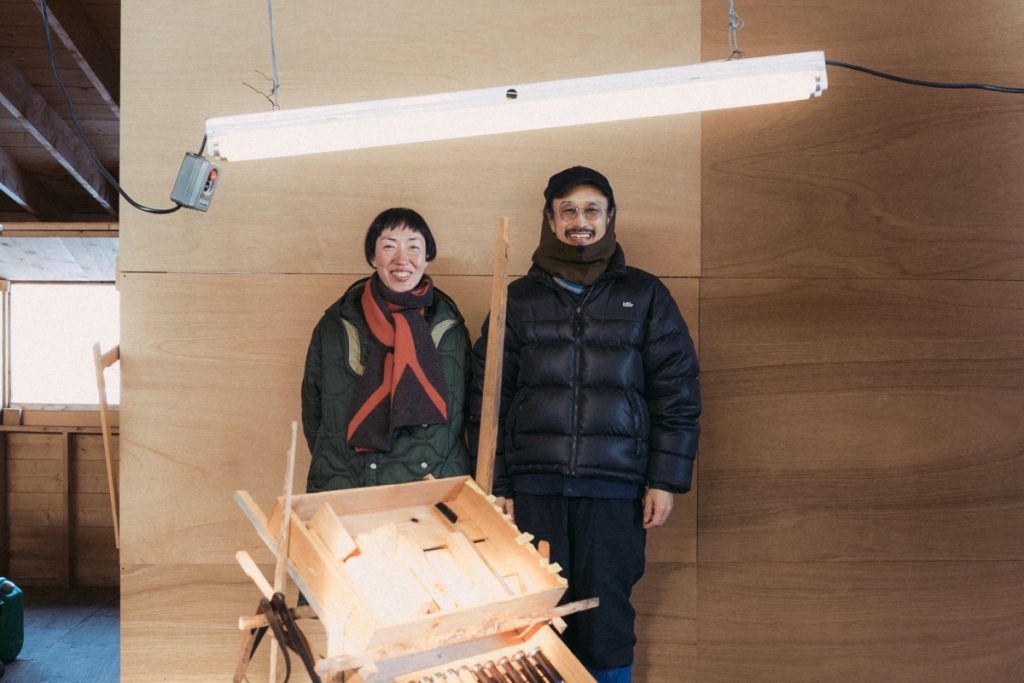
Up before 4:30am Keiko and Yuki, out on their morning walks. The sun rises late in the north island of Hokkaido, this I learnt as I waited for my bus in the Obihiro dawn light. An hour later Keiko, Yuki and their two children —Mine and Momoko— greeted me with smiling faces and waving hands as I alighted at a bus stop seemingly in the middle of nowhere.
The warmth of their kindness welcomed me to the windswept landscape, where temperatures rarely rise above 0˚C at this time of year.
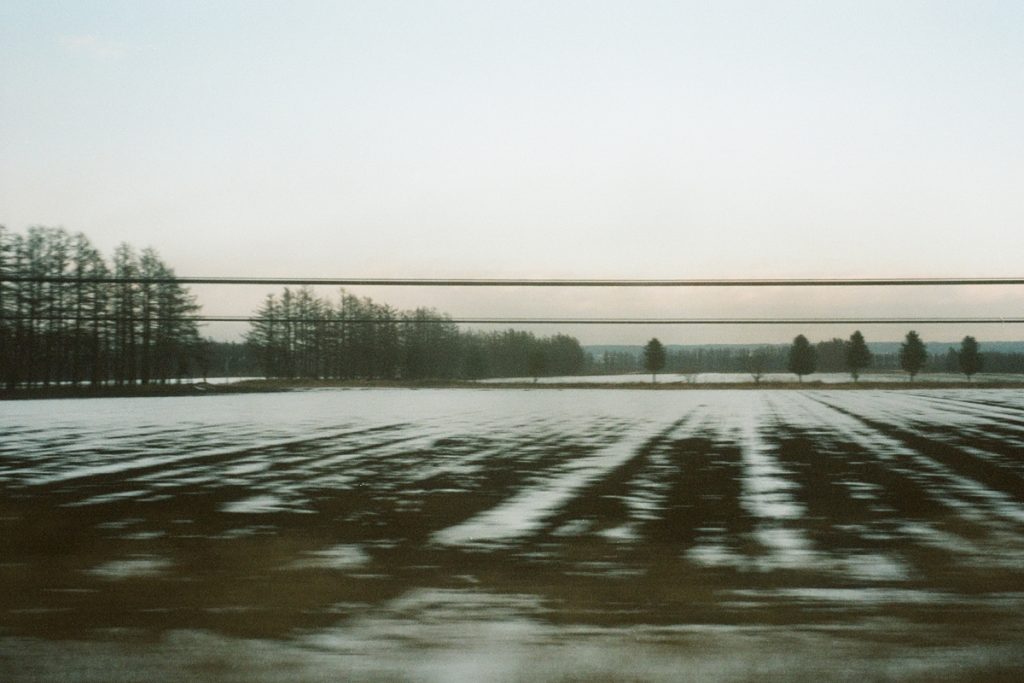
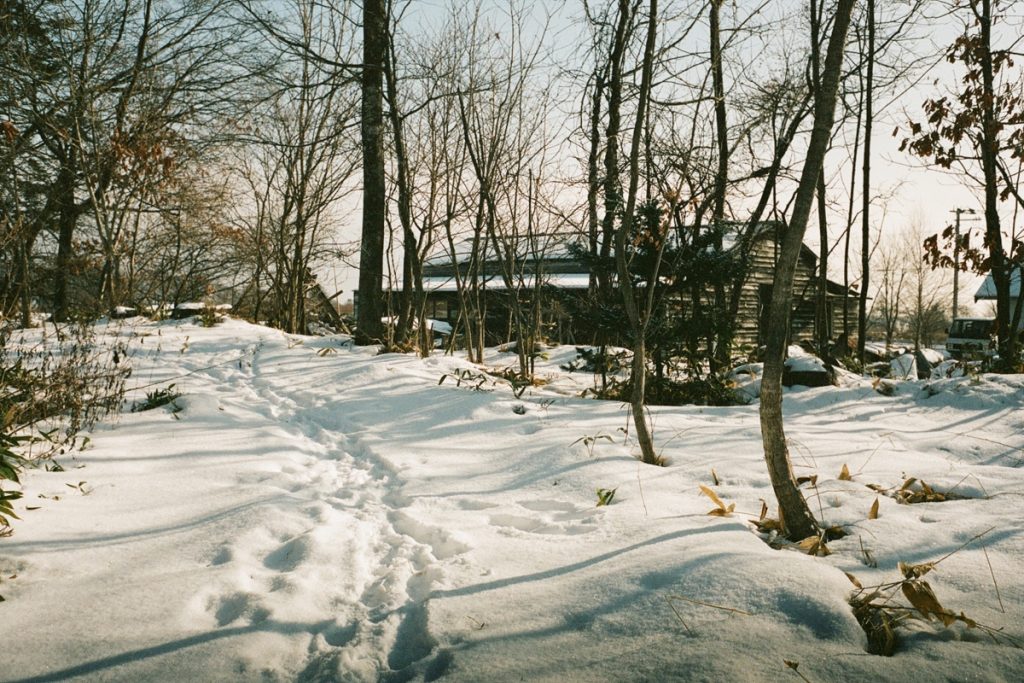
I had thought the bus stop was remote, but their studio is surrounded by little more than snow covered fields and rows of Silver Birch trees. The wide sky and low angle sunlight reminded me how far from home I was.
Silver Birch trees grew in the garden of my childhood house and seeing them now brought back feelings of nostalgia. Yuki and I shared stories of childhood freedom, exploring the surrounding landscape in Hokkaido and Nottinghamshire where we respectively grew up. There was little supervision in the 70’s & 80’s, a time of self sufficiency and self-responsibility for us both.


Skies on one side, chainsaws on the other; I stepped into their impressive studio. Before I had time to mention the uniquely designed roof beams that had caught my eye, Mine & Momoko jumped on bikes skilfully navigating the furniture and artwork on display at great speeds.
Tables with apple boxes and tree stumps for legs, one displaying Yuki’s sculptures, another Keiko’s collection of Circles; with her beautiful gold and platinum rings centre stage. A third table is a treasure trove of Kibori kuma, some of which I imagine being very rare and valuable judging by Yuki’s facial expression. You can see their backgrounds in interior design and furniture making at work in every corner of the space.


On leaving their jobs in OSAKA where they met, the two of them returned to Yuki’s hometown in Hokkaido soon buying an abandoned farm house. A few years later, now a family of four, a fantastic studio had been built with their own hands. I now understood the design of the roof beams, as they themselves had cut, assembled and hoisted them into place. Bigger beams would’ve been too hard to manage; the effect is quite beautiful especially with the sunlight pouring in through the south facing windows. In another few years, they hope to add a house to the landscape, leaving the construction to someone else this time; freeing themselves to concentrate on their artwork.
“I don’t consider myself an artist.” Keiko said.
I disagreed. What you create doesn’t make you an artist, but the way you think, live and work does. How you see the world around you and how you express yourself in reaction to what you see. Keiko’s expression takes shape in the form of wedding rings, perfectly round in all demotions. “Round and Round” we acknowledged “simple yet infinitely complex”.
I was looking for a wedding ring, but before I knew it, I found myself wanting to make one on my own. I had always wanted to learn metalsmithing so I did and made our own rings, then thought I wish I could make this my career… so I did. — Keiko
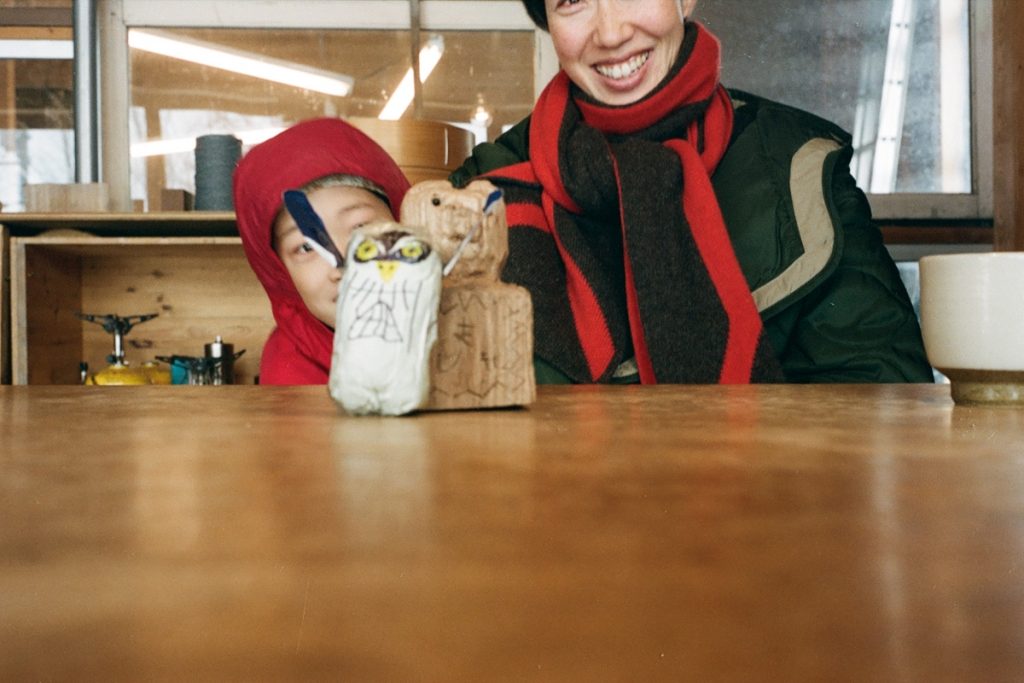
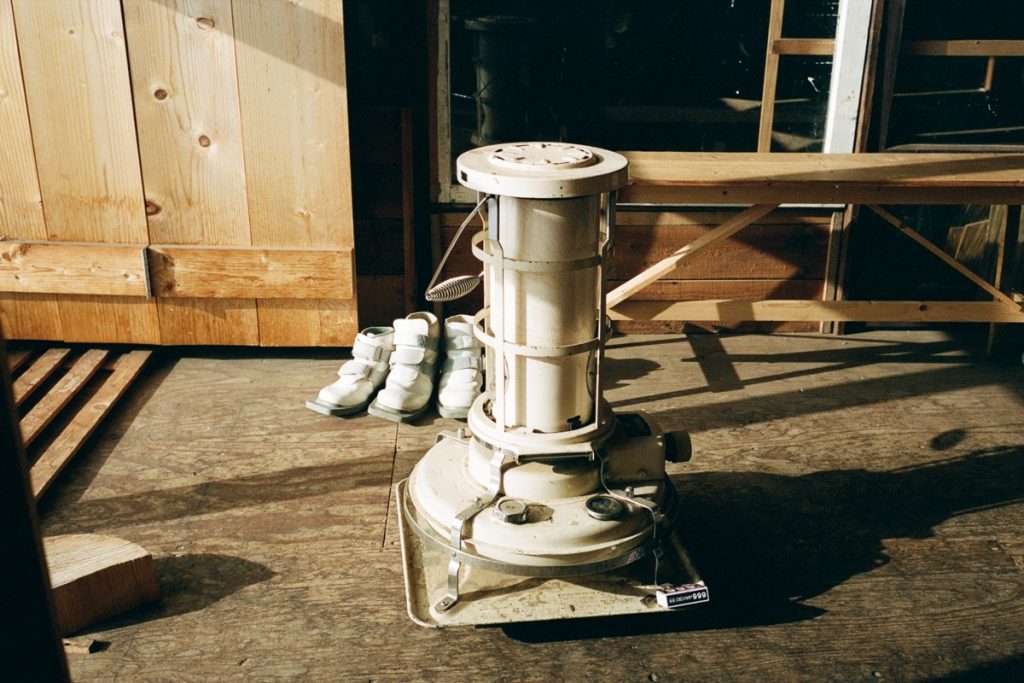
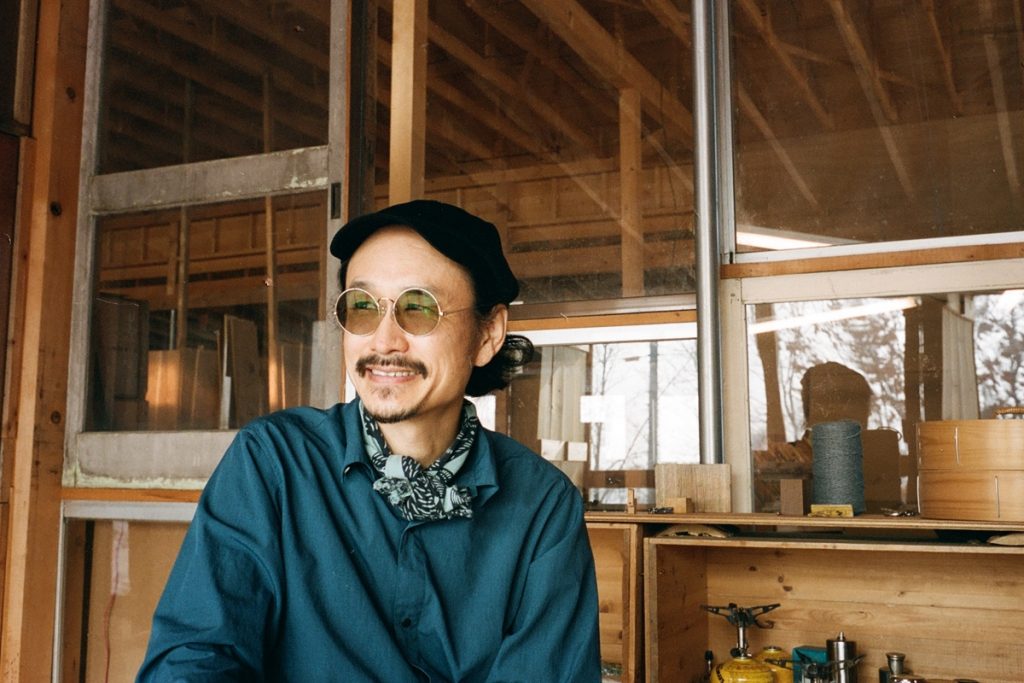
We gathered in the warm corner of the studio sitting next to a wood burning stove. Sun shone on my back and as the temperature rose, layers of winter clothing were removed as did our shyness. We sat and talked for a few hours; sometimes I thought it was I who was being interviewed. Keiko and particularly Yuki are interested in everything and we talked about art, design, education, nature and their life here in Hokkaido.
Yuki’s interests took him to many places, studying reproduction in mammals, before following a “series of coincidences and a little willpower leading to my current work”.
When I think of the good mood and elation I feel during the production (and of course there are times of pain), I simply feel grateful that I can make a living doing what I love. — Yuki
Initially, he planned to make a living producing furniture, but after discovering the joy of carving wood, he gradually decided to focus on carving bears as his main work. Now, the only beautifully designed furniture he makes is mobile stands to hold his numerous tools, as carving sculptures and caring for his family fulfill his days.

It was time to explore the studio inside and out. I was drawn to his mountain sculptures, some depicting the mountain ranges seen from the studio, some seen in Yuki’s imagination when carving the wood. Like his bears, the forms are partly planned and partly discovered inside each tree trunk. It’s like Yuki is releasing the bears living inside the wood —and inside himself.
When I finish carving, I look at what I’ve shaped, wondering what path through time I’ve been placed. I close my eyes and follow each trace, revisiting steps in this quiet space.
I couldn’t help noticing that many of his sculptures resembled the classic teddy bears or animated characters from my childhood so I asked why?
Yuki took time to explain how the wood-carved bears of Hokkaido started as a side job during the agricultural off-season, later becoming popular throughout the growing leisure culture in Japan. However, behind this lies a dark history of discrimination against the Ainu people and the lingering impact of wars until this day. Fortunately, Yuki grew up in a period that was relatively prosperous, shielded from major social divisions or the denial of culture.
It was a time of globalized assimilation of identities, media, and food and attempted control of the natural environment. In America, people watch Doraemon while drinking matcha latte, and in Japan, they eat McDonald’s while watching Tom and Jerry. “Growing up with Eastern soul and Western themes, my spirit sometimes splits at the seam,” Yuki exclaims.

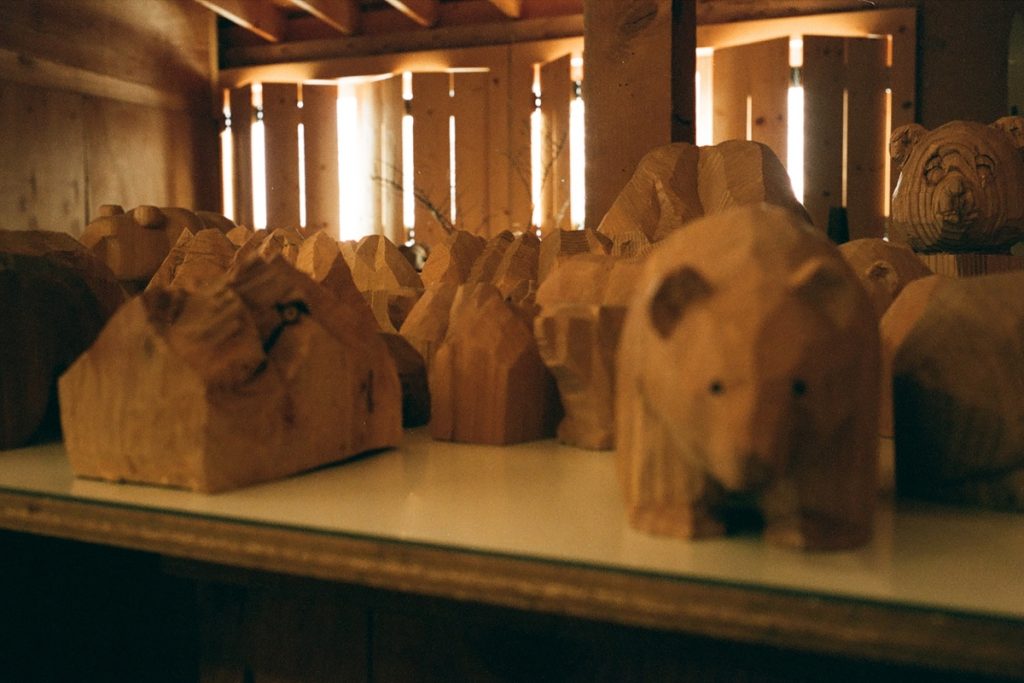
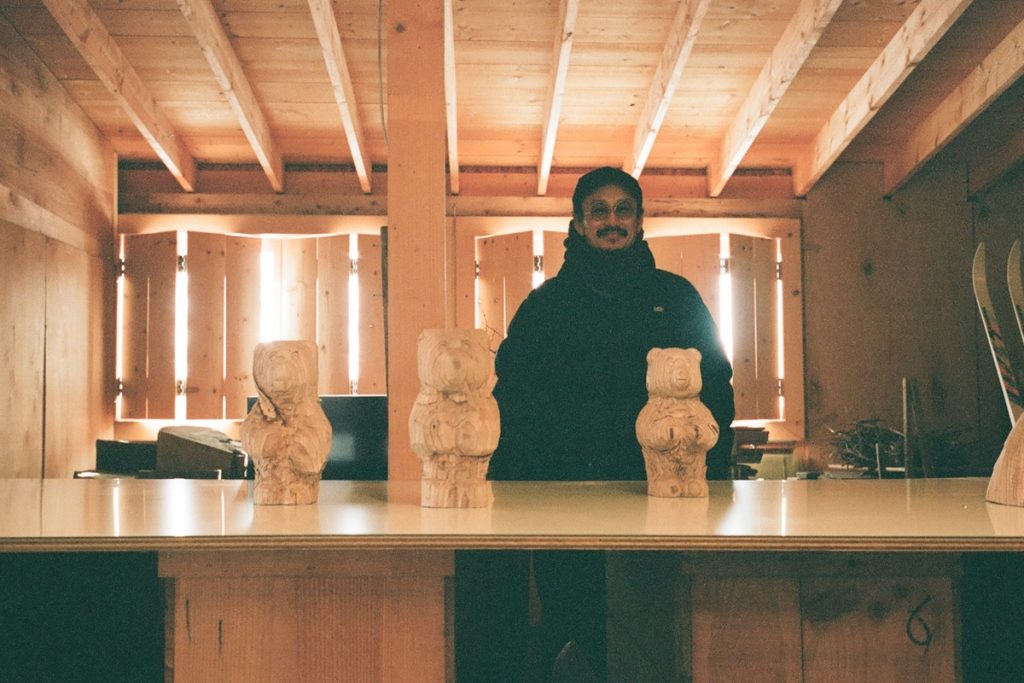
The bears, trees and mountains have lived through this time too.
As Yuki carves, he releases the complicated emotions within himself and his personal and cultural history; recorded in each tree ring and the greater natural environment within us all. We both side on the cynical and as we discussed such negative subjects we agreed the importance of passing on these stories through our artistic expression. Laughing as we repeated “acceptance, acceptance, acceptance” as we too are part of this intricate ongoing story of being human.
The people who began carving the wood bears were born between great wars. They lived seeking peace, seeking democracy, and searching for their own expression in the cold. I want to connect with their spirit.
I was curious what such an insightful couple thought about success? Keiko begins: “Success, I never thought much about success. Before I go to sleep, I can say to myself, ‘I had a good day today’. To be able to feel happiness in small things.”Yuki adds: “There is no success or failure. I think we are like the wind, just caressing the surface of the earth. The wind is the wind, whether it is warm or cold.”

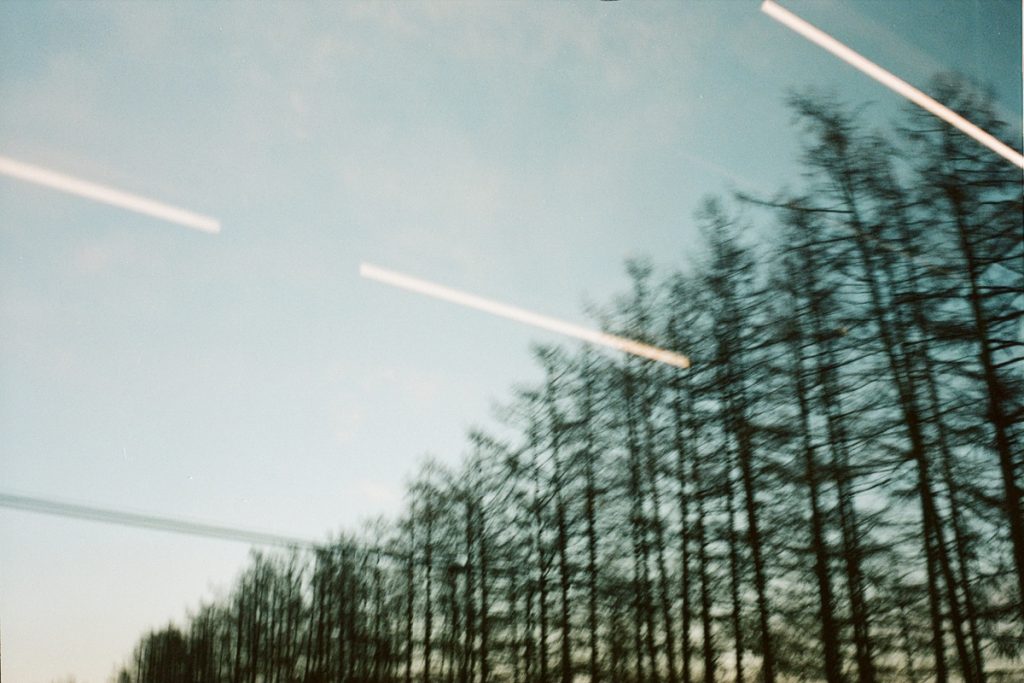
Riding the train back to Sapporo I gazed out the window watching the wind blow the snow across the Hokkaido landscape. I think only I witnessed the dear quietly crossing the snow covered mountain road. Pausing for a second with antlers raised to watch the diesel train climb through the remote Ishikari mountains.
Maybe a few of my fellow passengers momentarily paused too, just long enough to share in this magical moment, but I fear most were lost in their personal handheld windows; sitting in window seats with blinds closed. Baffled, I returned my focus back to the wind — “I had a good day today” I thought.
And so it goes…
James

Afterword.
Not only did I discover the artwork of Keiko and Yuki, but that of their two children Mine (11) and Momoko (8). Each year during the summer holidays they join their parents in the studio and carve their own Kibori kuma.
The project started four years ago and it was fascinating to see their sculptures displayed side by side in the GALLERY CLASKA exhibition: Yukukuma Kurukuma 2024-2025 by Tokyo 903 Association. This was one of the most exciting and purposeful things I’ve witnessed for a long time and I look forward to returning to Hokkaido again to interview Mine & Momoko and learn more about their bear carvings.
If you liked this story you might like to read & subscribe James’s newsletter.